May 21, 202611 min read
The 10 Best Beaches in Cambodia to Escape to After Angkor WatOct 22, 2025
8 MIN READ
Writer
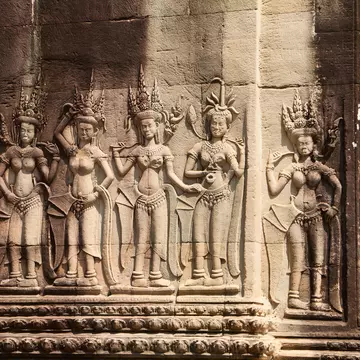
Stone carvings in the temple of Angkor Wat, Cambodia. Yulia_B/Shutterstock

Writer
Highlights
Writer Nick Ray picks 12 Cambodia experiences, from Angkor's temples to the coast.
See sunrise at Angkor Wat, then head north to Preah Vihear's mountain temples.
Walk with elephants at Mondulkiri's Elephant Valley Project or spot dolphins near Kratie.
For nights out, try Phnom Penh's Bassac Lane; for beaches, head to Koh Rong.
Lonely Planet may earn a commission from affiliate links on our site. All recommendations and reviews reflect our own independent opinions.
The temples of Angkor Wat hog the headlines – and for good reason – but there is so much more to see in Cambodia.
Fringed by beautiful beaches and tropical islands, sustained by the mother waters of the Mekong River, cloaked in some of the region's few remaining emerald wildernesses and national parks and home to ever-welcoming Khmers, whose infectious optimism makes a trip to Cambodia an adventure as much as a vacation, this country packs everything Southeast Asia has to offer into one bite-sized chunk.
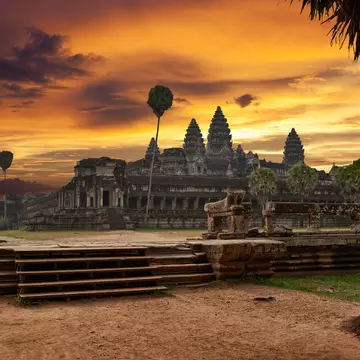
When you first set eyes on Angkor Wat, the supreme example of Khmer genius, it's an experience matched by few others on earth. This makes the mother of all temples the definitive spot for sunrise among the many contenders at Angkor.
Simply unique, it is a stunning blend of spirituality and symmetry, an enduring example of humanity's devotion to its gods. Get here early to find a quieter spot and consider entering via the "back door," or eastern entrance, to avoid the crowds.
Planning tip: During the March and September equinoxes, the sun rises directly over the central tower of Angkor Wat – a particularly popular time to be here.
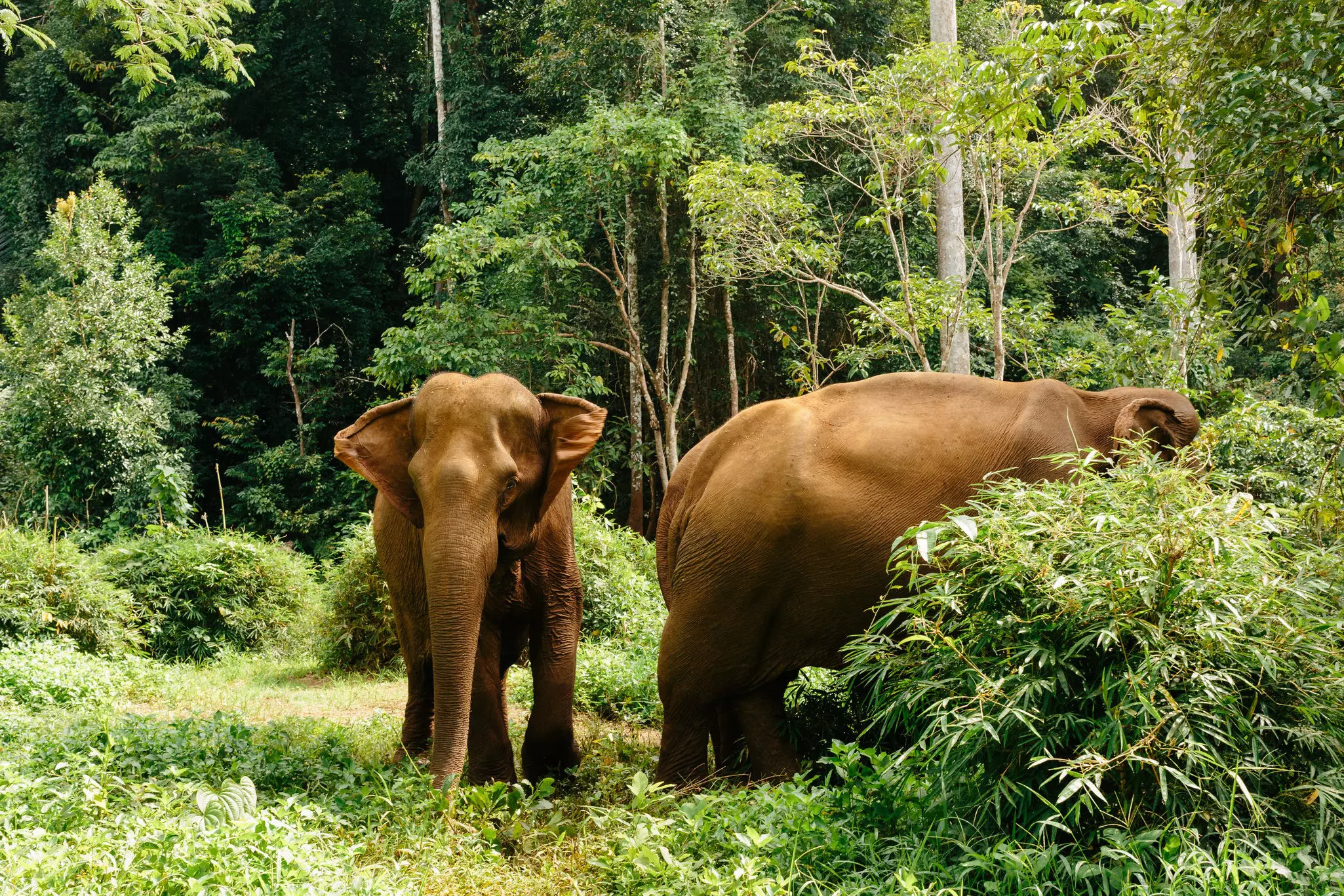
Travelers in search of an ethical and sustainable way to see these beautiful pachyderms should visit the pioneering "walking with the herd" project, which works closely with local mahouts to rehome their overworked or injured elephants.
A sort of retirement home for elephants, this 15 sq km sanctuary is set in a beautiful mountain valley in Mondulkiri and is a wonderful way to support sustainable conservation in this remote part of northeastern Cambodia. Elephant riding is strictly prohibited here; instead, walk through the forest with the elephants and observe them in their element. You'll learn about elephant behavior, as well as Indigenous Bunong culture and forest ecology.
Planning tip: It's very popular, so book well ahead to avoid disappointment. The center is closed on Saturdays.
Stand-up paddleboarding is the perfect way to explore the beautiful Tuek Chhou River. The river winds past small palm-fringed islands, mangrove forests and traditional hamlets and fishing villages under the shadow of Bokor National Park. It has some of the most spectacular sunsets on the South Coast.
Popular with both local and foreign visitors, an area called the Green Cathedral is a narrow channel that makes a stunning circuit through mangroves and aquatic palms, with lots of small guesthouses and resorts providing stops for refreshments along the way.
Planning tip: The Green Cathedral is located around 4km out of town on the river, and various hotels and resorts rent out paddleboards.

Stay connected abroad with an eSIM
Holafly eSIM provides unlimited mobile data with no hidden fees, giving you peace of mind wherever you travel. Stay connected even after your plan ends with Always On. Use code LONELYPLANET for an exclusive discount.
Lonely Planet may earn a commission from affiliate links on our site. All recommendations and reviews reflect our own independent opinions.
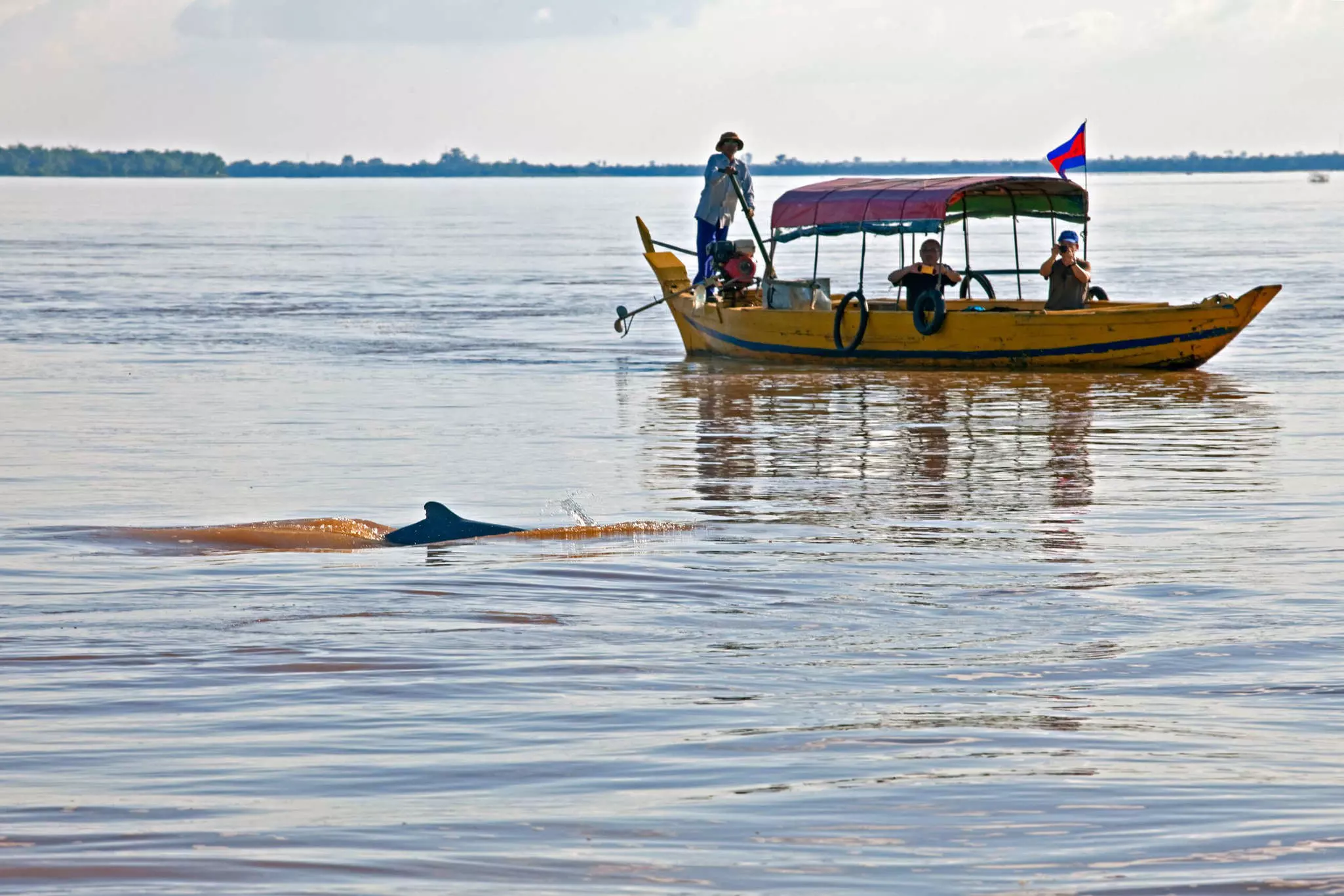
The freshwater Irrawaddy dolphin (trey pisaut in Khmer) is an endangered species throughout Asia, inhabiting stretches of the Mekong in Cambodia and Laos, and isolated pockets in Bangladesh, Myanmar and Indonesian Borneo, in shrinking numbers.
One of the best places in the world to spot these gentle cetaceans is Kampi dolphin pool in the Mekong River, about 15km north of Kratie. It's best reached by boat: a kayaking trip will take you gliding through secluded sandbars and haunting flooded forest before culminating at the dolphin pool, up close and personal with these beautiful but rare mammals – and without any engine noise to disturb them.
Bassac Lane is the moniker given to a small, eclectic alley that's home to a dozen or more hole-in-the-wall boozers. The venerable Phnom Penh Yacht Club occupies a strategic corner on St 308, also home to lots of hip restaurants and bars. It's a good place for people-watching during happy hour.
Other popular establishments include the White Rabbit speakeasy for impressive cocktails, the Library for studious drinkers, Casa Diego for tapas and Harry's for a breezy upstairs lounge. Bassac Lane has cemented its reputation as the bohemian district of Phnom Penh and is well worth a visit.
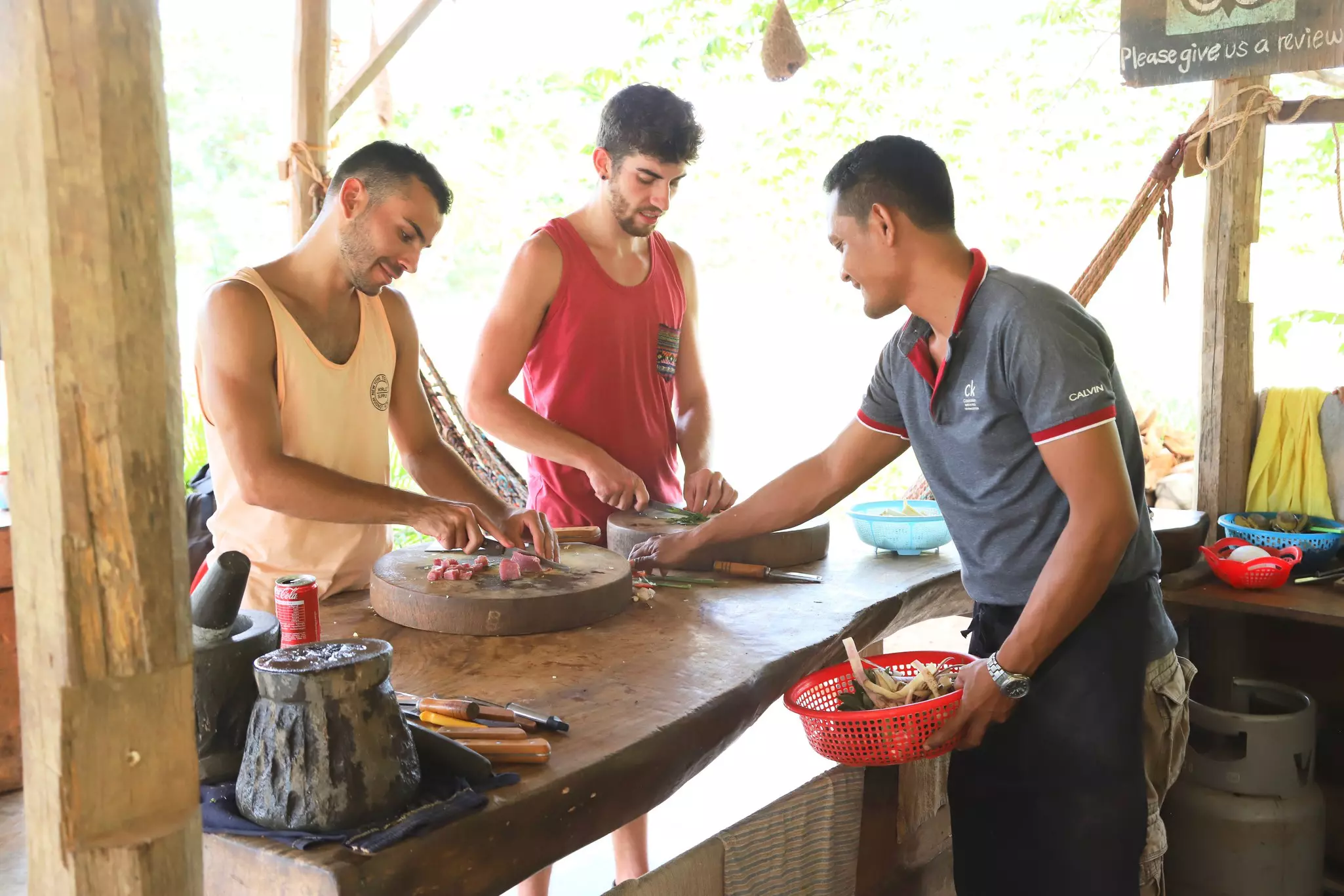
Unlike the culinary colossi that are its neighbors, Thailand and Vietnam, Cambodia is not that well known in international food circles. But Khmer cuisine is also pretty special, with a great variety of national dishes, all with a unique Cambodian twist.
To learn some tricks of the trade, sign up for a cooking course. This is a great way to introduce your Cambodian experience to your friends back home by knowing your teuk trey (fish sauce) from your prahok (fish paste).
Planning tip: There are popular courses available in Phnom Penh, Siem Reap, Battambang and Kampot.
Don't let the name fool you: Phare the Cambodian Circus is not a conventional circus. It's run by the country's premier performing arts organization, Phare Ponleu Selpak (PPS), and its focus is on performance art and subtle social commentary. Animal lovers will be pleased to note that no creatures appear on the bill.
Planning tip: Stay afterward, when audience members are able to mingle with the performers.
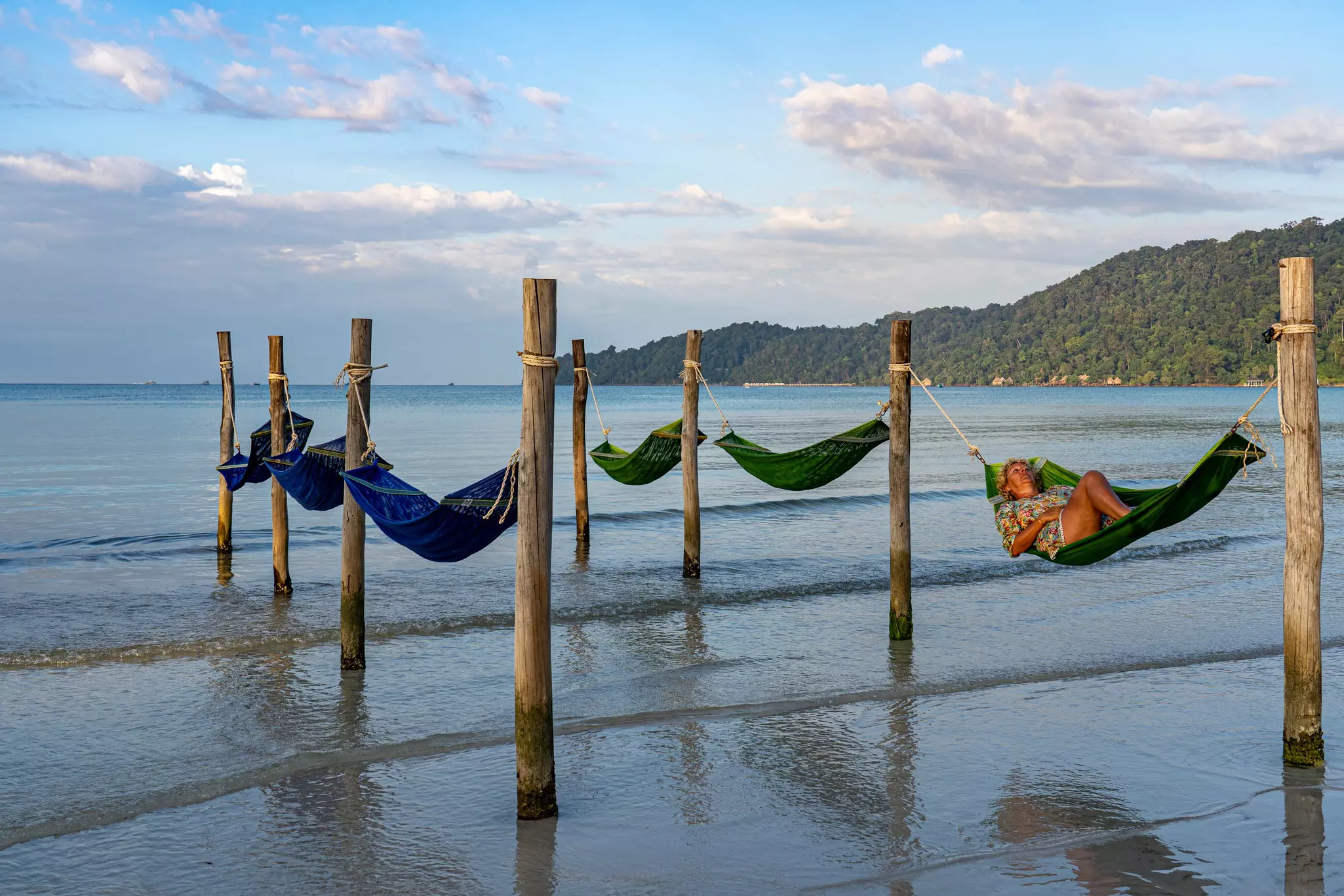
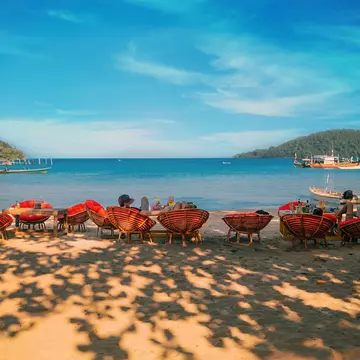
One of the largest islands in Cambodia, Koh Rong is fringed by some of the country's most beautiful beaches. Hugging the western shore of Koh Rong is Long Beach, the island's longest unbroken beach, a 7km stretch of tropical bliss. Still surprisingly undeveloped for several kilometers, it was previously used as a key location for filming the popular US television series Survivor.
For something shorter, Long Set Beach is a stunning stretch of sand on the south coast of Koh Rong. A handful of hostels and boutique resorts are here, but it's still pretty peaceful and is connected by short paths to nearby Nature Beach and Koh Tuch Beach.
Detour: If you like the rustic beachcomber lifestyle, consider Koh Tonsay's 250m-long main beach. "Rabbit Island" is so named because locals say it resembles a rabbit – an example of what too much local brew can do to your imagination. You can walk around the island to find more isolated beaches.
Prek Toal is home to the best-known bird sanctuary in Cambodia. It's an ornithologist's fantasy, with a significant number of rare breeds gathered in one small area, including huge greater adjutants, milky storks and spot-billed pelicans.
During the peak season (December to February), visitors will find the concentration of birds similar to that of a Hitchcock film. Even the uninitiated will be impressed, as these birds have a huge wingspan and build enormous nests. Trips to the sanctuary also bring you up close and personal with the fascinating floating village of Prek Toal, a bustling crossroads (...crossrivers?) between Siem Reap and Battambang, where everything from shops to schools floats on water.
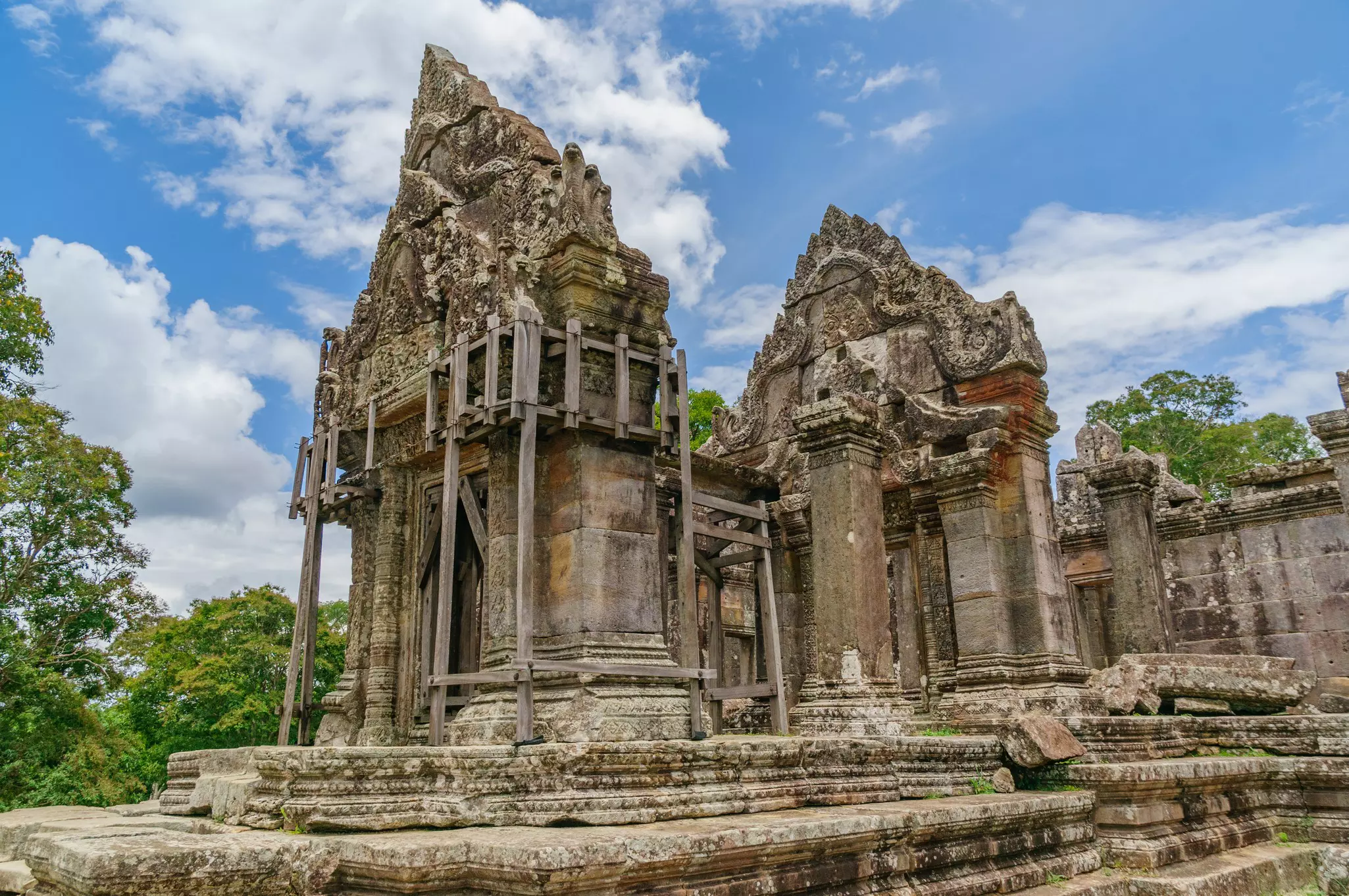
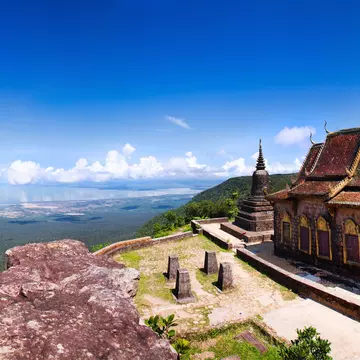
For the ultimate remote temple adventure, take a road trip deep into Northern Cambodia to visit the king of the mountain temples, Preah Vihear, stunningly situated atop the Dangrek Mountains; the pyramid temple of Prasat Thom at Koh Ker, Cambodia's latest nominee to be a UNESCO World Heritage Site; and the giant jungle ruin of Preah Khan Kompong Svay, the remotest of all Cambodian temples.
Planning tip: Allow a few days on these outermost roads, some of which follow ancient Angkorian highways, using a 4WD (or a dirt bike for those with experience).
At the Cambodia Landmine Museum, established by deminer Aki Ra, see eye-opening displays on the curse of landmines in Cambodia. The collection includes mines, mortars, guns and weaponry, and there is a mock minefield where visitors can attempt to locate the deactivated mines. Proceeds from the museum are ploughed into mine-awareness campaigns. The museum is about 25km from Siem Reap, near Banteay Srei.
Cambodia's history also includes the 1975 takeover of Tuol Svay Prey High School, which was turned into a prison known as Security Prison 21 (S-21); it soon became the largest center of detention and torture in the country. S-21 has been turned into the Tuol Sleng Genocide Museum, which serves as a testament to the crimes of the Khmer Rouge. It's worth hiring a guide, as they can tell you the stories behind some of the people in the photographs. An audio tour is also available, and recommended for greater insight for visitors without a guide.
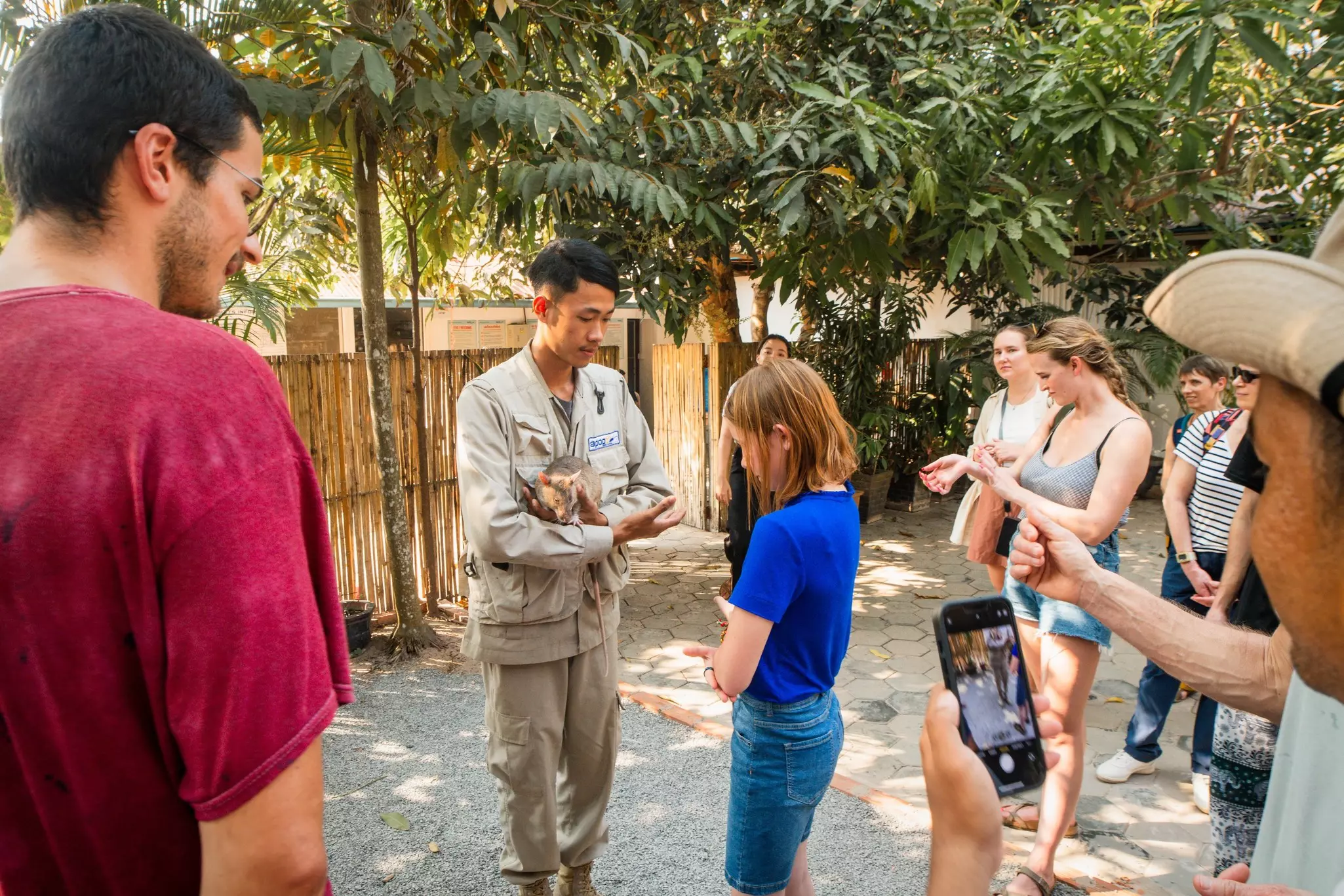
Meet the hero rats that are helping to clear landmines in Cambodia. Apopo has trained the highly sensitive, almost-blind Gambian pouched rat to sniff explosives, which dramatically speeds up the detection of mines in the countryside. The visitor center in Siem Reap gives background on the work of Apopo, with a short video and the chance to meet the rats themselves.
Explore related stories