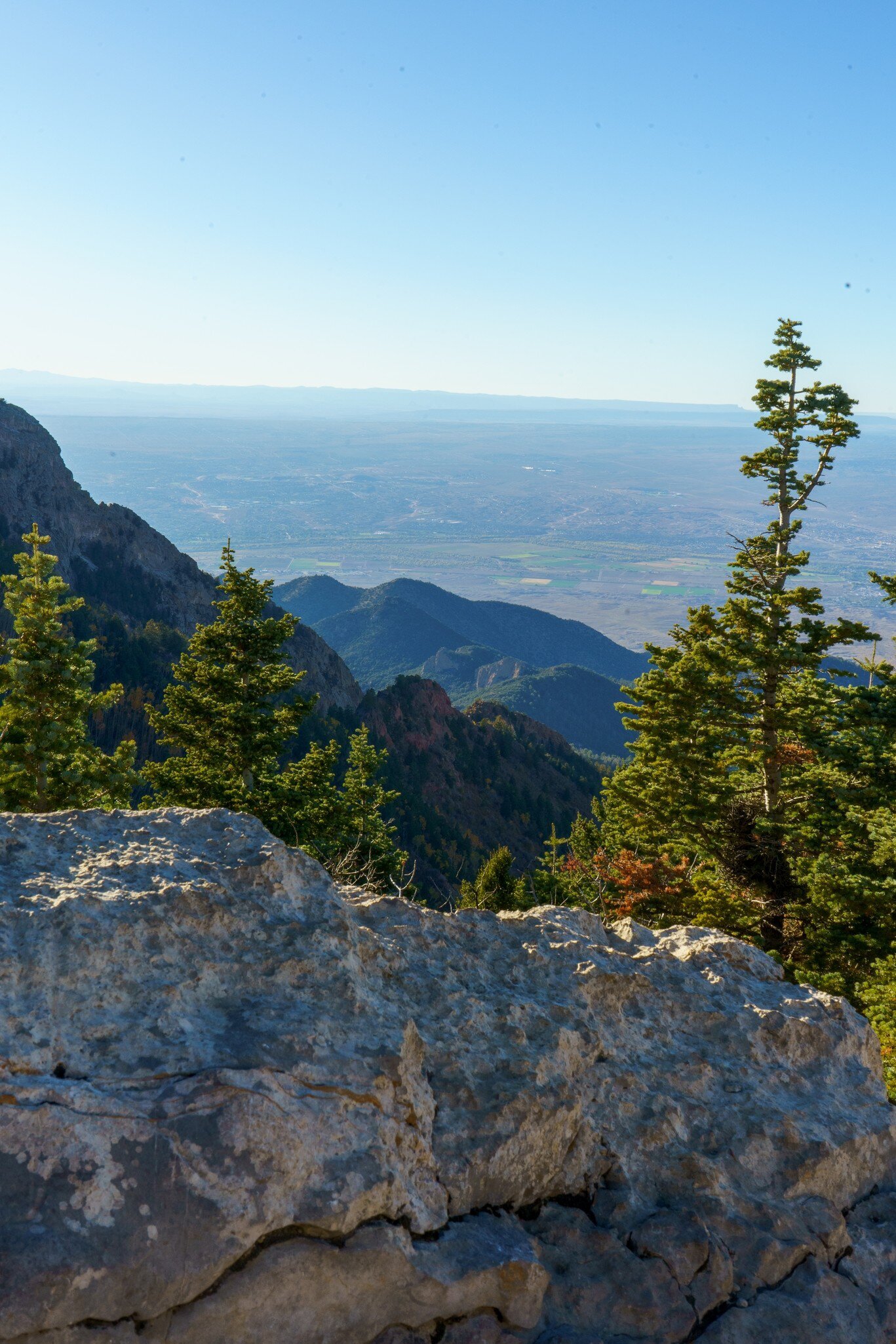
The Sandias are a dramatic 568-mile range just 10 minutes' east of Albuquerque but with vastly different vegetation.
The temperature at the top is around 15–30°F cooler than the bottom of the mountain, with increased humidity, meaning dense, scented forests of oak, juniper, piñon and aspen, plus dozens of wildflowers including rare endemic plants. A public tramway soars to staggering views and there are hiking trails and winter ski runs.
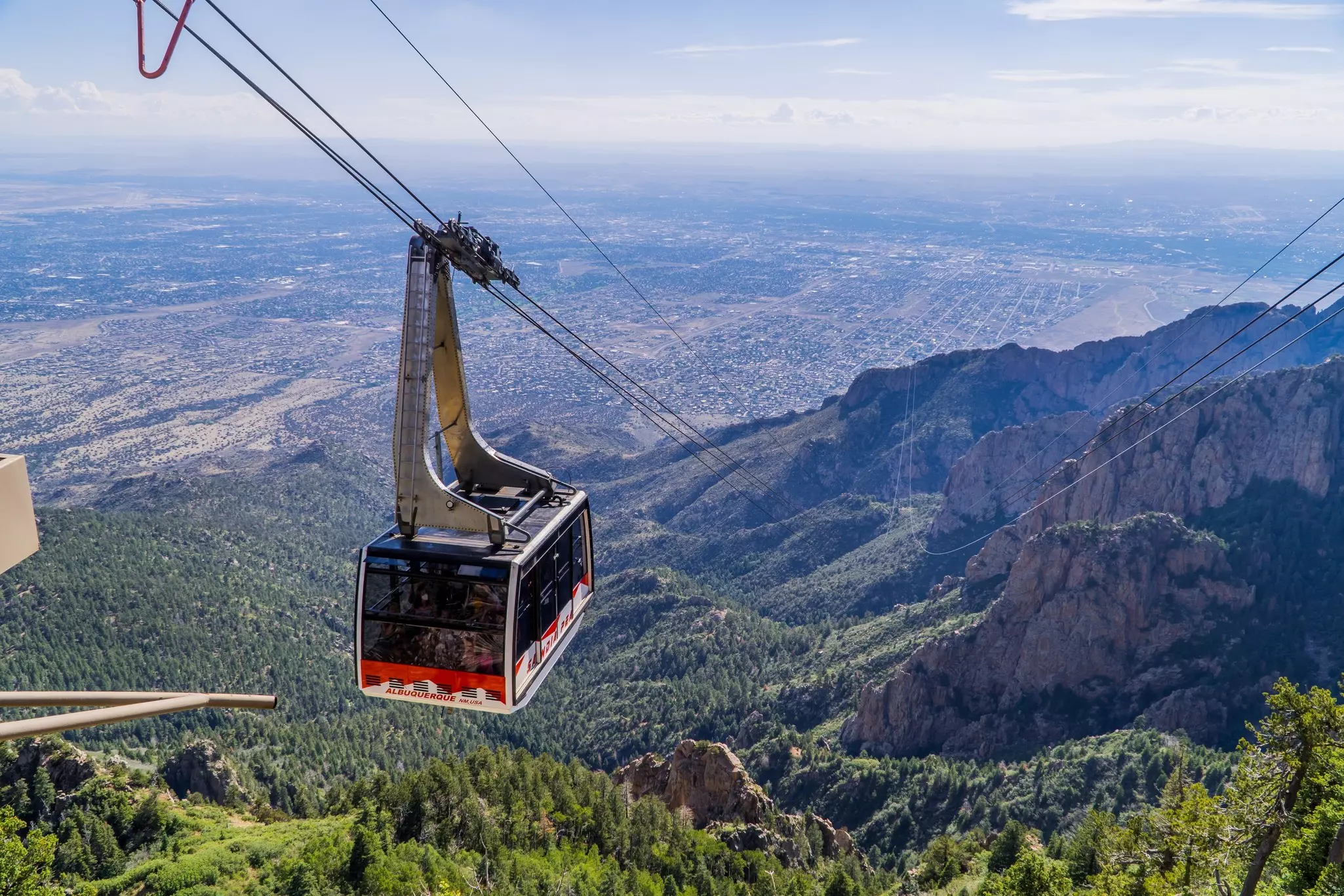
Sandia Peak Tramway
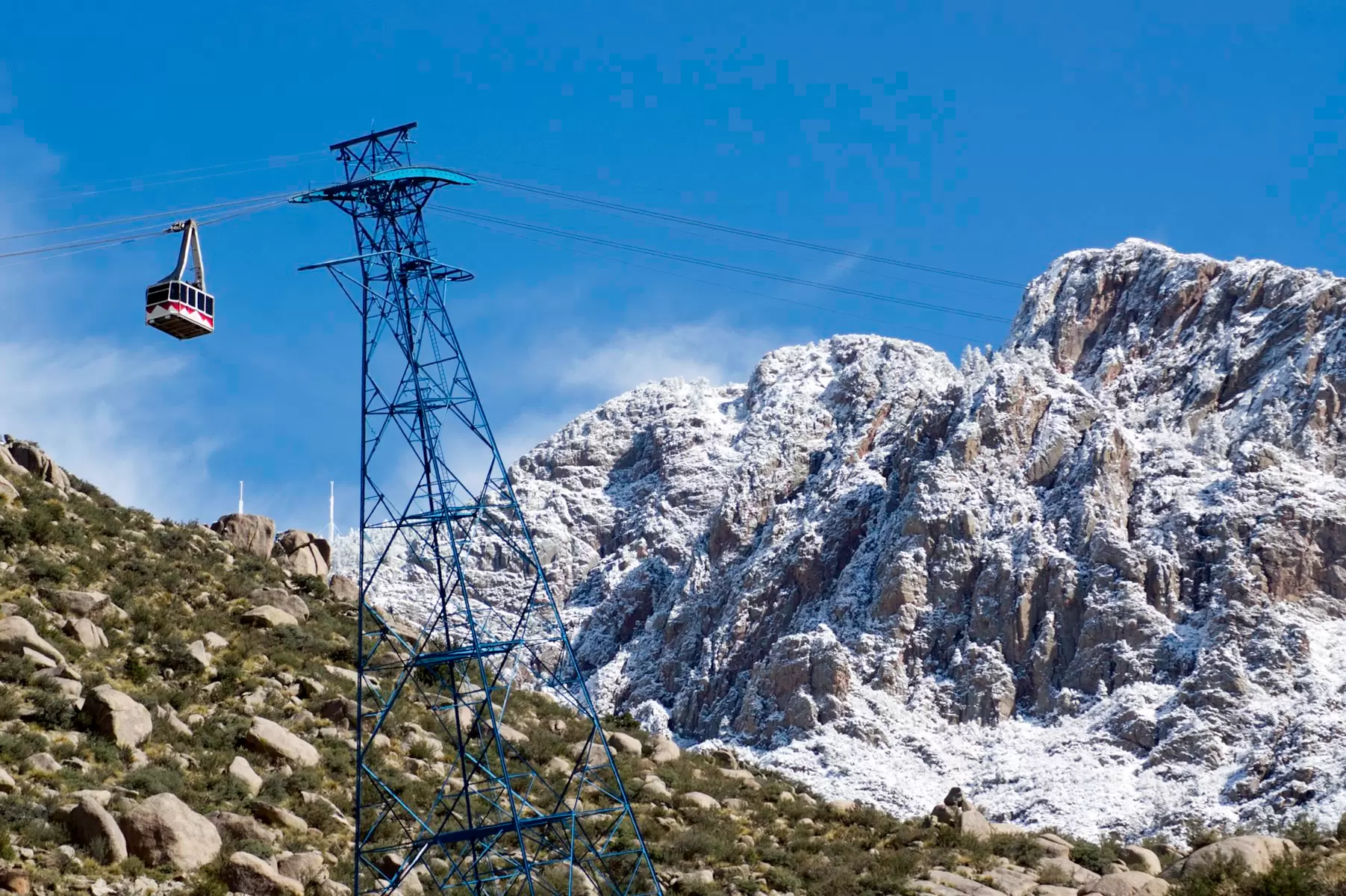
The longest aerial tramway (sandiapeak.com) in the US climbs 2.7 miles up (roughly 15 minutes in the cable car) to the summit of the Sandia Mountains at 10,378ft, with epic views over the city at any time, though Albuquerque's always-spectacular sunsets are particularly brilliant. It took 5000 helicopter trips to install the cable on Tower 2 (the highest tower) in the mid 1960s. It was built by local and keen skier Robert Nordhaus at a cost of $2 million. Look out for as many as 200 bird species in the surrounding Cibola National Forest and down into a series of canyons as you climb, including Echo and Big Canyon. The trams may be stopped during high winds, or even en route if a particularly gusty breeze comes through.
To the north of the tramway, just before you reach the North Crest Trailhead is a launch site for the hang gliders and paragliders. Watch them launch off the mountain and embark on extraordinary free flights through the Rio Grande Valley.
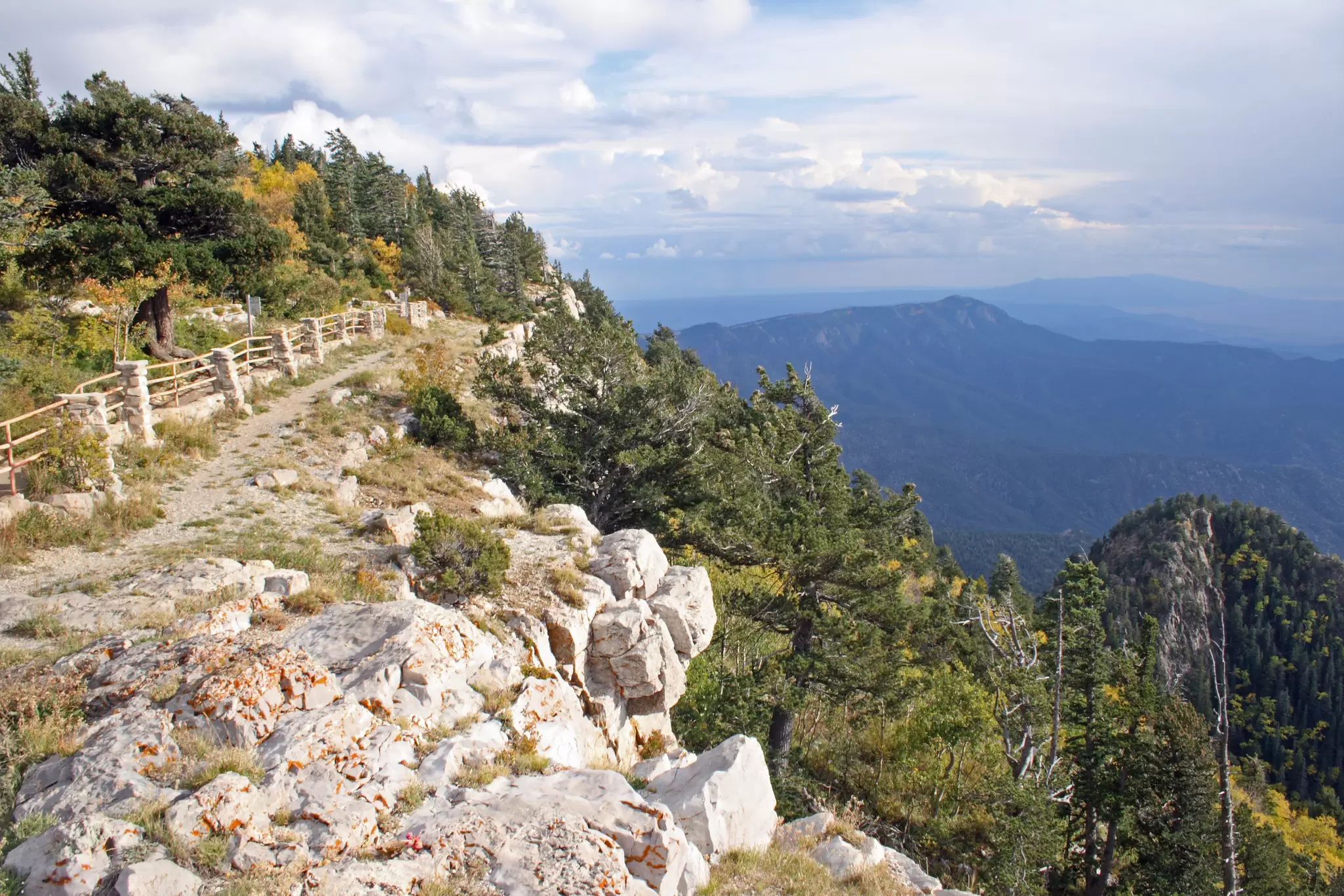
Hiking Trails
There are more than 100 hiking trails over the Sandia Mountains, ranging from one- to two-hours long to full-day hikes. One of the most pleasant ways to appreciate the views and scenery is to hike the trails on the top of the mountain.
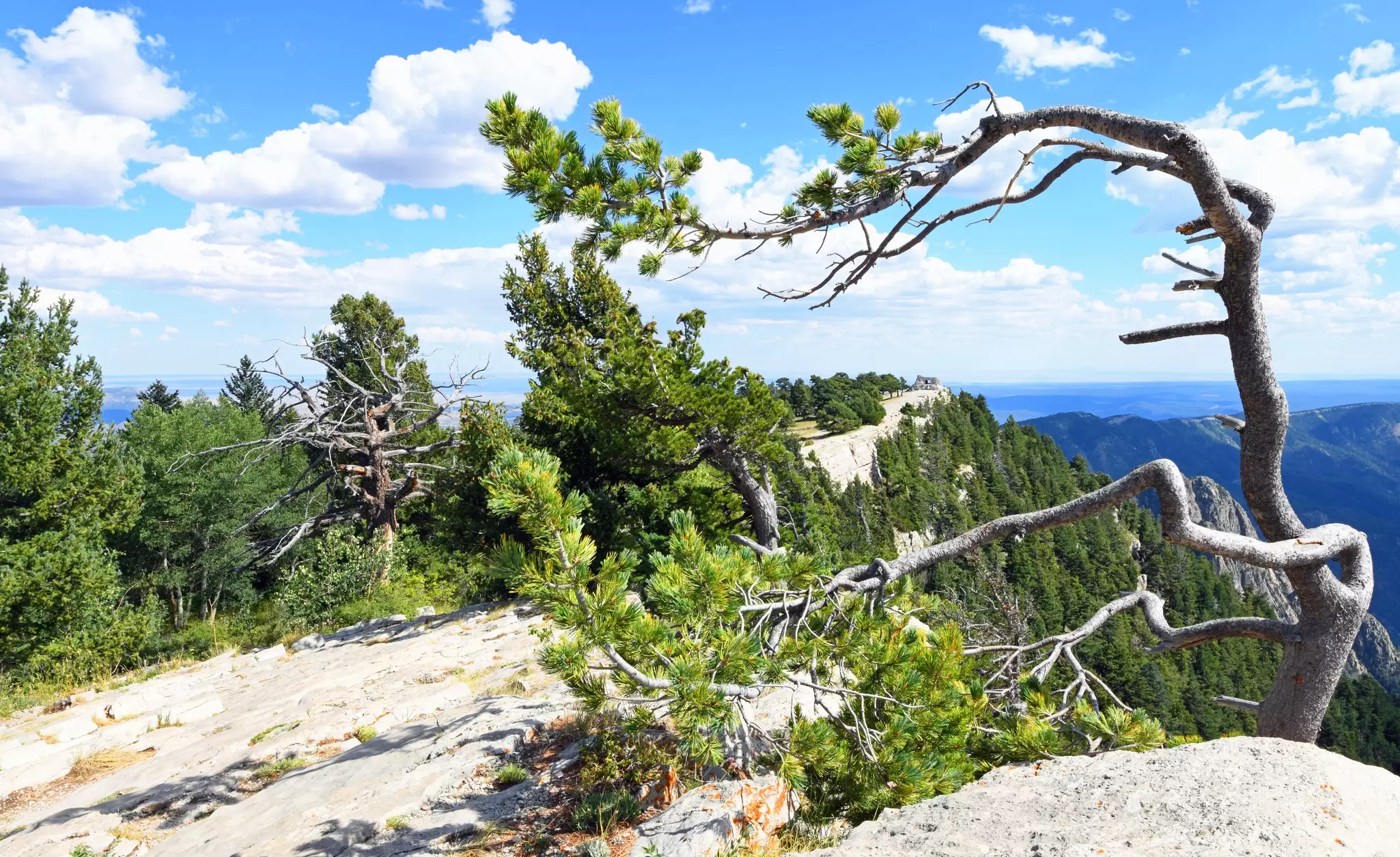
The Kiwanis Cabin via Crest Trail is a terrific 2-mile hike through pine forests, with a nature trail and intermittent views over the city and Rio Grande Valley, to a pueblo-style structure. Another great option is to hike the La Luz trail and catch the tram back down – it’s 9.7 miles from the base of the mountain, or 6.2 miles from the entrance to the tram. Be aware that this is some serious altitude change (more than 10,000ft), carry lots of water and don’t hike in the peak of summer. Download trail-map info before you set off and grab a trail map when you buy your ticket, trail info is scarce on the notice boards on the mountain summit.
Sandia Peak Ski Area
Come winter (December to March) a ski area opens with 35 ski runs – Sandia Peak Ski Area (sandiapeak.com) was the first ski resort in the state. It's at the top of the mountain and is ideal for beginners and families – in fact, kids under 12 can ski for free. Ski over 200 acres, including a few trails for experts, and the rest for intermediates and beginners. The Double Eagle blue ski run is one of the most notable with rolling terrain and a gully between two cliff sides, plus a panoramic viewpoint of northern New Mexico. Be sure to stop by the free New Mexico Ski Museum (nmskihall.org) at the base of the Sandia Peak Aerial Tramway, for a ski hall of fame honoring pioneers and displaying some vintage gear.