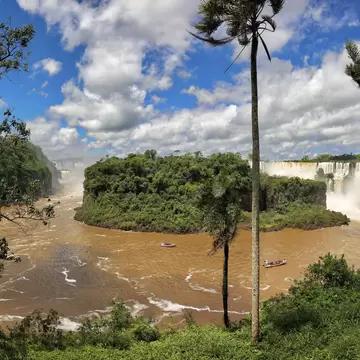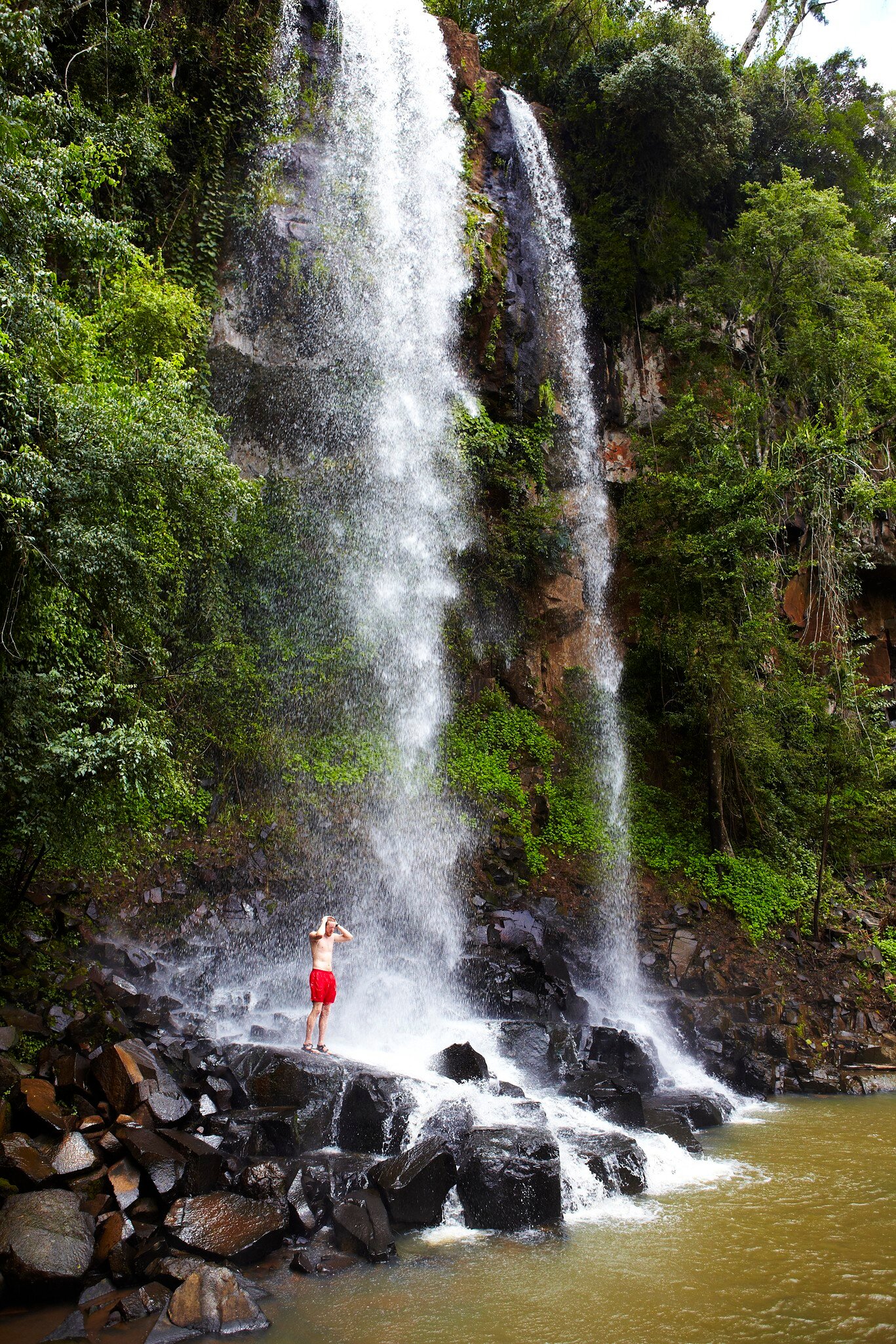
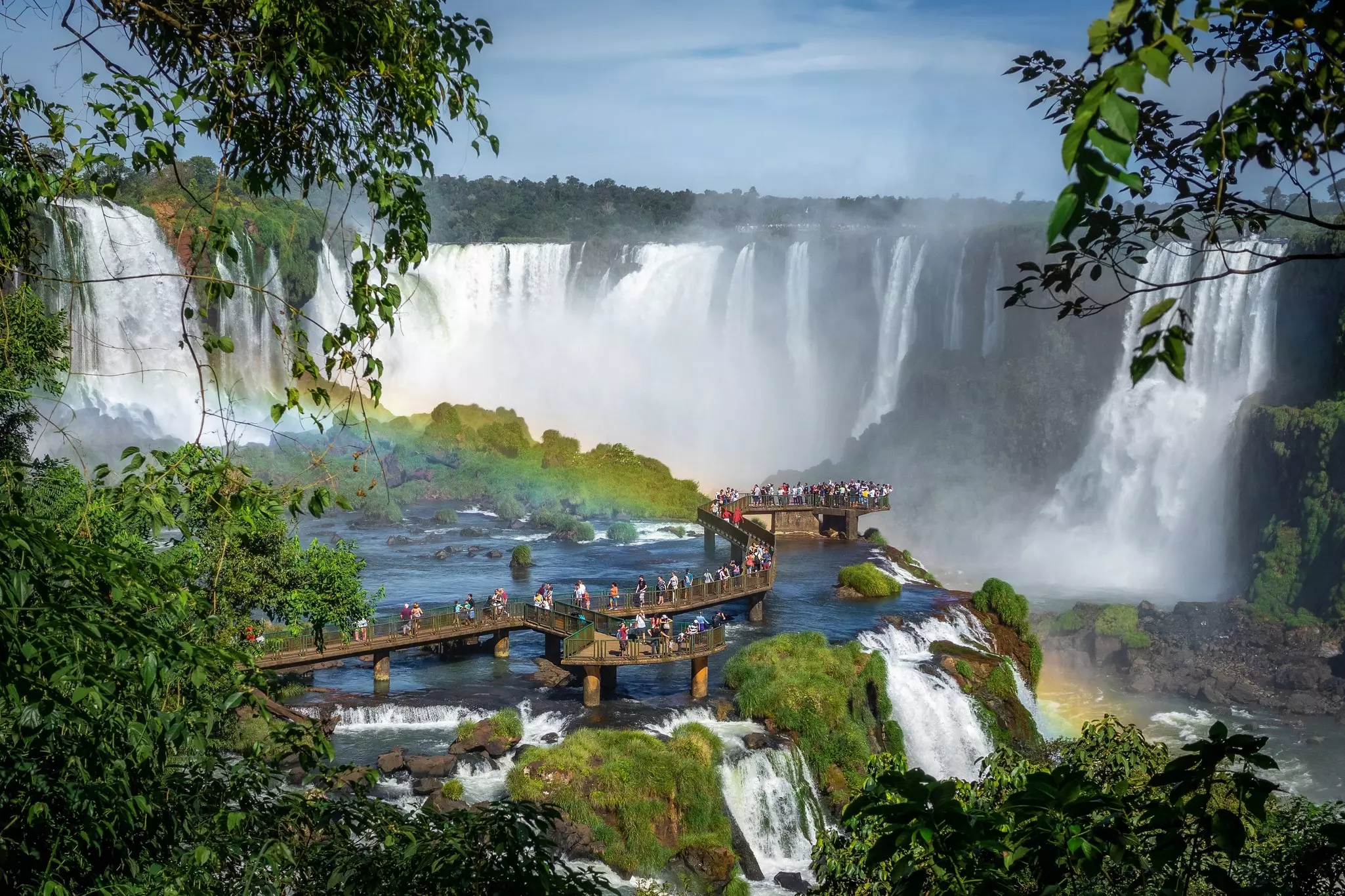
One of the New Seven Wonders of Nature, Parque Nacional Iguazú is every bit the spectacular place one sees in brochures, magazines and social media. It's more than just one "falls," too: it's a series of stunning drops that the Río Iguazú makes shortly before joining the Río Paraná. The raw power of the falls is unparalleled. Plan on being wowed...and getting wet.
Garganta del Diablo
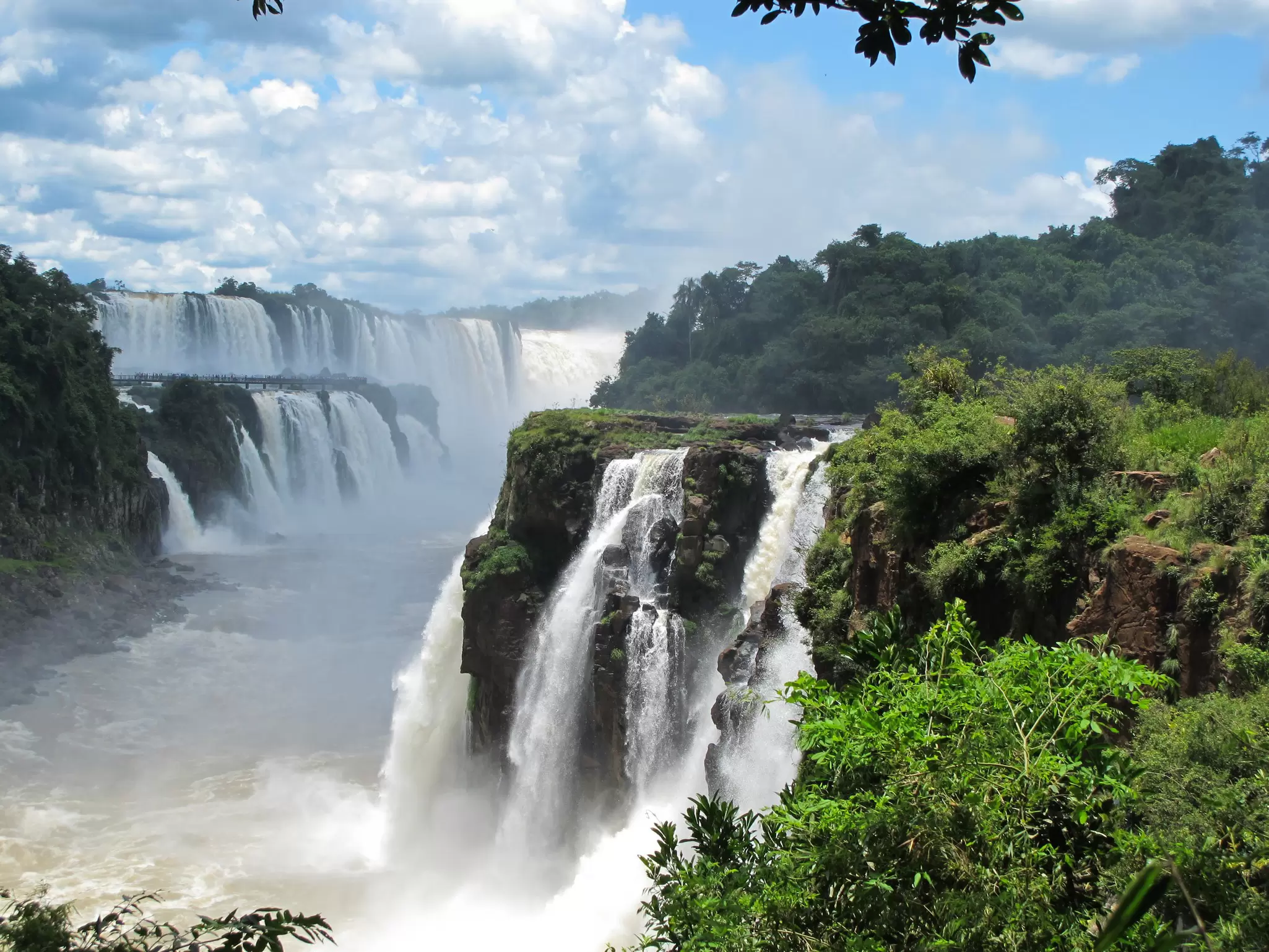
Few sights the world has to offer are more spectacular than peering over the Garganta del Diablo (The Devil's Throat). The reactions range from shrieks and squeals to solemn pondering of how small and fragile human existence is. There's just something immeasurably overwhelming here – the force is so powerful you can only gawk and be amazed.
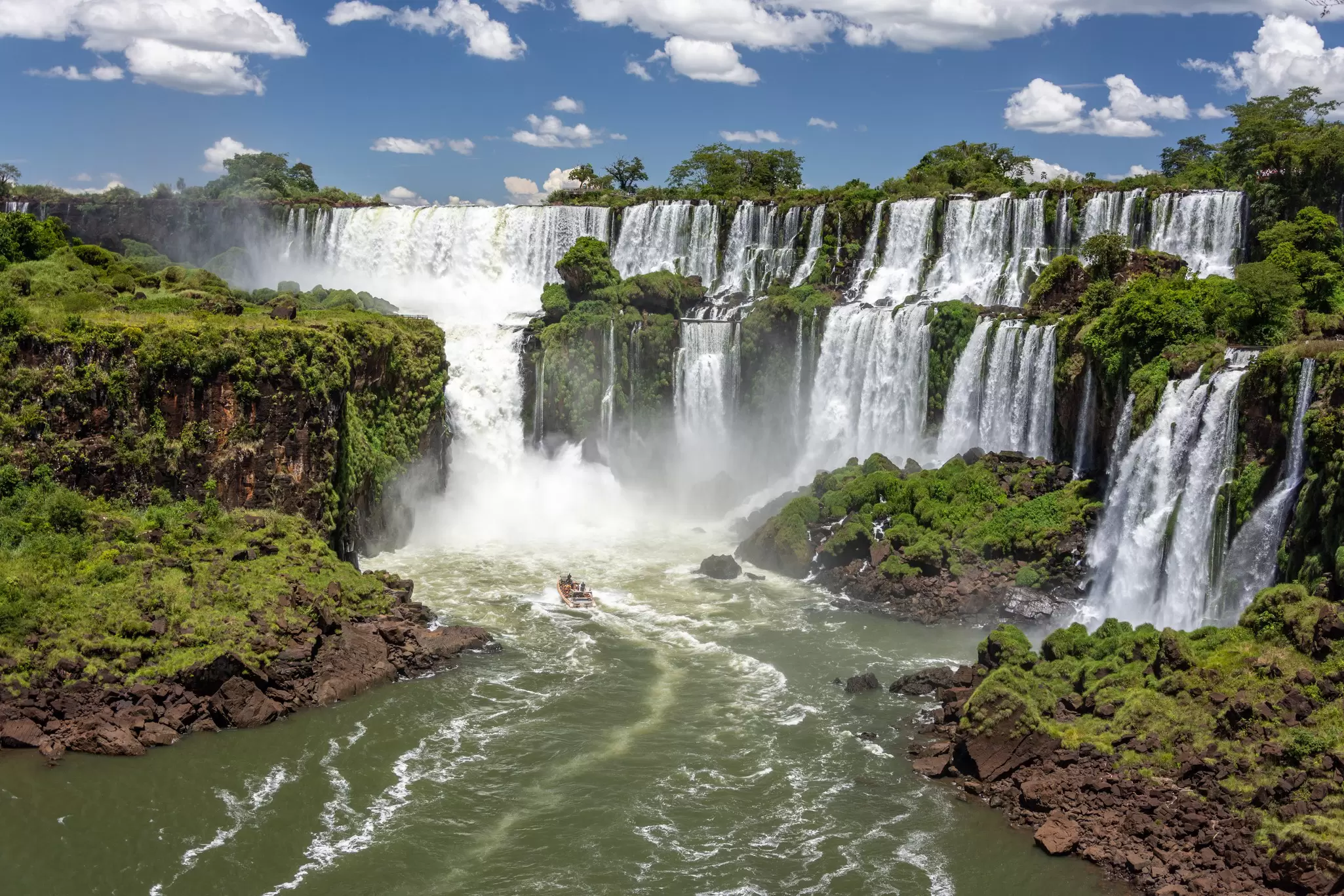
Approximately half the river is channeled into this massive falls, which is about 90m wide and almost as tall. At its highest, the flow rate over the falls tops more than a million cubic feet per second, about four times the rate of Niagara. The numbers vary somewhat due to fluctuations in river level, but even at its driest, it's an incredible sight to behold. Whether you see it from above on the Argentine side or view it before you on the Brazilian side, it's simply breathtaking. Be sure to catch a ride on the glass elevator on the Brazilian side for a drone's-eye view.
The Nature
These national parks (the twin sides of the Río Iguazú) are most famous for their eponymous waterfalls, but they are impressive in other ways, too. The protected jungles harbor a wide variety of fascinating animals and some incredible birds, and some species are found nowhere else in the world. You can have encounters in the wild with animals such as the coatis, which are anything but wild at this point (be careful: they should not be teased or fed, as a bite may mean a trip-ending visit to a hospital for rabies shots!), as well as birds (toucans have been known to alight atop the cages of the Parque das Aves – whether to tease the caged birds or try to get handouts of food is hard to tell). If you want to maximize your chances of wildlife-spotting, try to arrive as early as possible in the morning.
The Exhibits
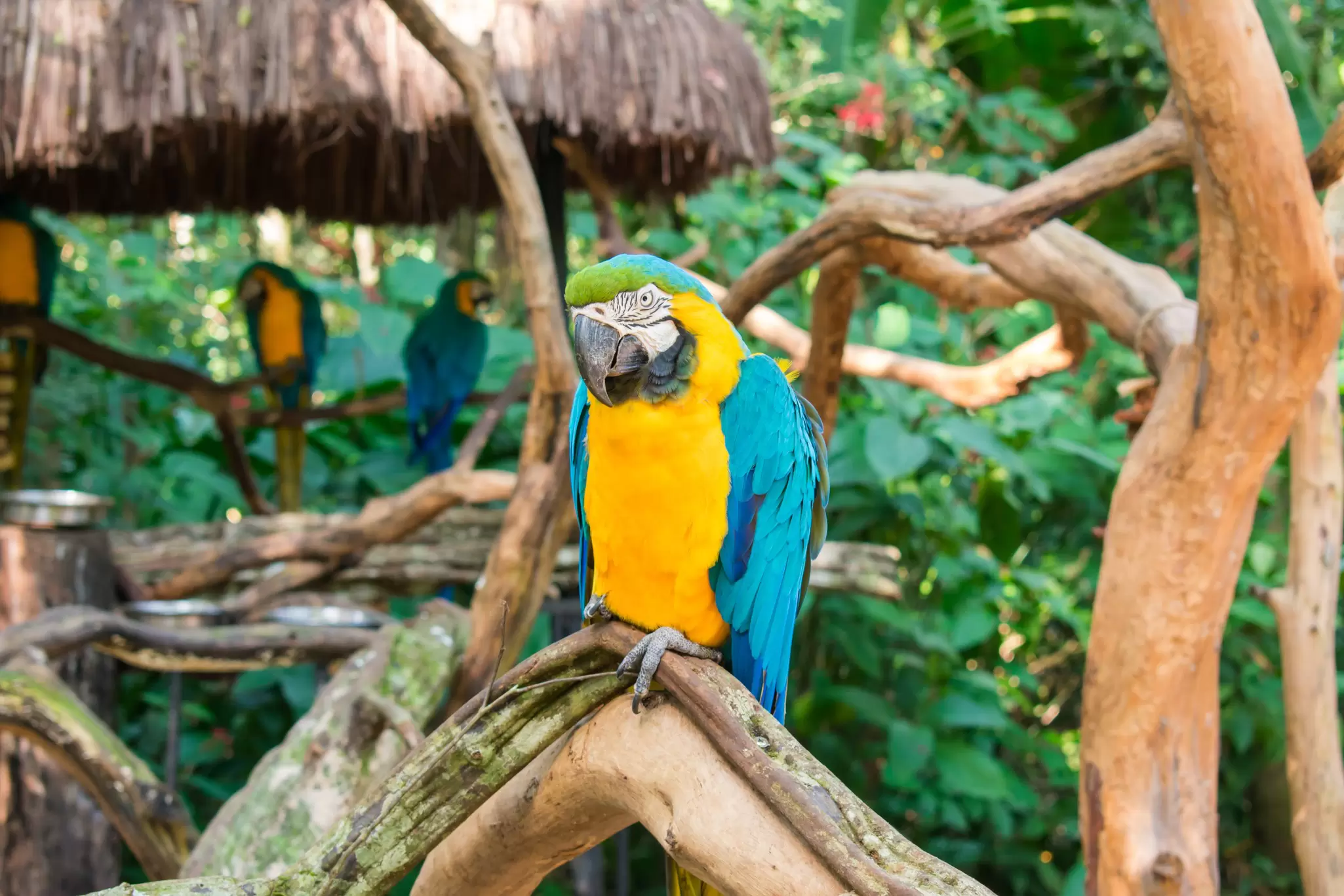
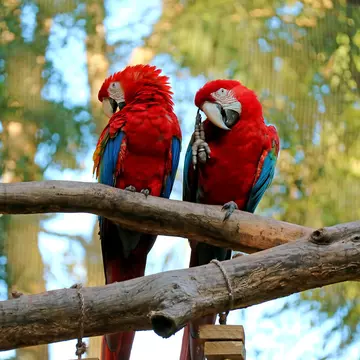
On both sides of the river there are excellent rescue centers helping to educate about wildlife trafficking and providing shelters for animals and birds that have – for whatever reasons – been unable to be released into the wild. You can learn about the effects of wildlife trade and see some incredible species at the Parque das Aves, where some of the area's most beautiful birds can be found, in addition to many species (including flamingos) that don't frequent the Iguazú region but are found elsewhere in Argentina, such as in Miramar. Also on the Brazilian side is the recently opened AquaFoz, a massive aquarium with species from local rivers as well as the oceans.
Trails
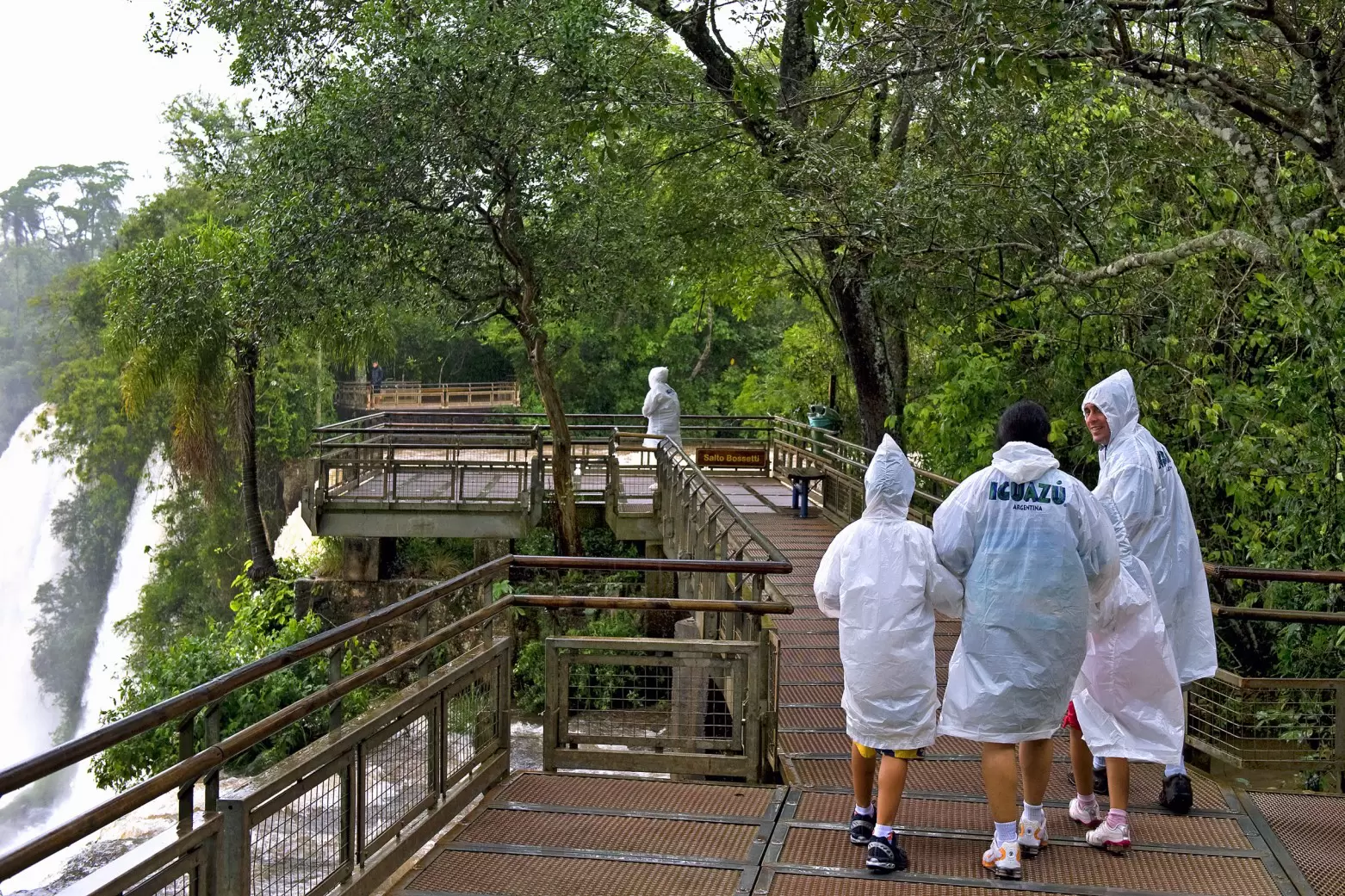
While the falls tend to eclipse any other reason to be here, there are a number of beautiful walking and hiking trails through the park's dense forests, some of which lead out to vistas of the falls, others to points along the river, and some stay entirely in the jungle itself. The surprising thing is that you may find yourself with the trail all to yourself, since so many people opt only to visit the falls before getting back on their tour bus or heading to the airport. If time allows, explore the trails to the Salto Macuco on the Brazilian side (which has a boardwalk), or Salto Arrechea on the Argentine side.
Doing It in a Day
You can see both sides in a single day, starting as early as possible to be first in line when ticket counters open at 8am. Visit the Argentine side first, which will take much of the morning, then have a driver take you across the border and drop you on the Brazilian side. Get there by 1pm and be done by 4pm.