Jun 24, 20267 min read
How to Get Around in PeruMay 13, 2026
10 MIN READ
Contributors
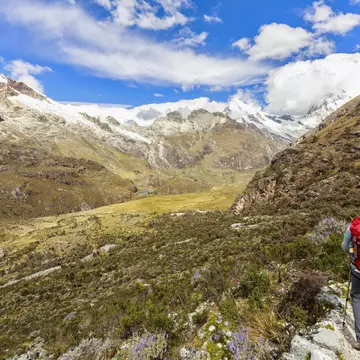
Hiking in Peru's Huascaran National Park. Westend61/Getty Images

Contributors

Carolina A Miranda, Lonely Planet Editors
Highlights
Writer Carolina A Miranda picks 10 Peru adventures, from ruins to rainforests.
Hike the Inca Trail to Machu Picchu, or overnight on Lake Titicaca's reed islands.
Cruise the Amazon for jaguars, then watch condors soar at Cañón del Colca.
See the Nazca Lines from the air, or sandboard the giant dunes at Huacachina.
Lonely Planet may earn a commission from affiliate links on our site. All recommendations and reviews reflect our own independent opinions.
A land of natural wonders, manmade marvels and astonishing variety, Peru is a playground for adventurers. The best things to do in Peru cover everything from jaguar-spotting cruises along Amazonian rivers to the legendary hike to the ruins of Machu Picchu. Few destinations in South America offer quite the same range of travel experiences.
The icy mountain peaks of the Andes draw trekkers and climbers. The untamed desert coast is lapped by world-class waves that delight surfers. And explorers flock to the Amazon, a vast spread of wetlands and rainforests brimming with monkeys, macaws and rare big cats. Then there are Peru's ancient sites and ruins, and buzzing cities such as Lima and Cuzco where Indigenous and Spanish influences mingle.
There's a lot to fit in on a single trip – to help you plan, here is our pick of the best things to do in Peru.
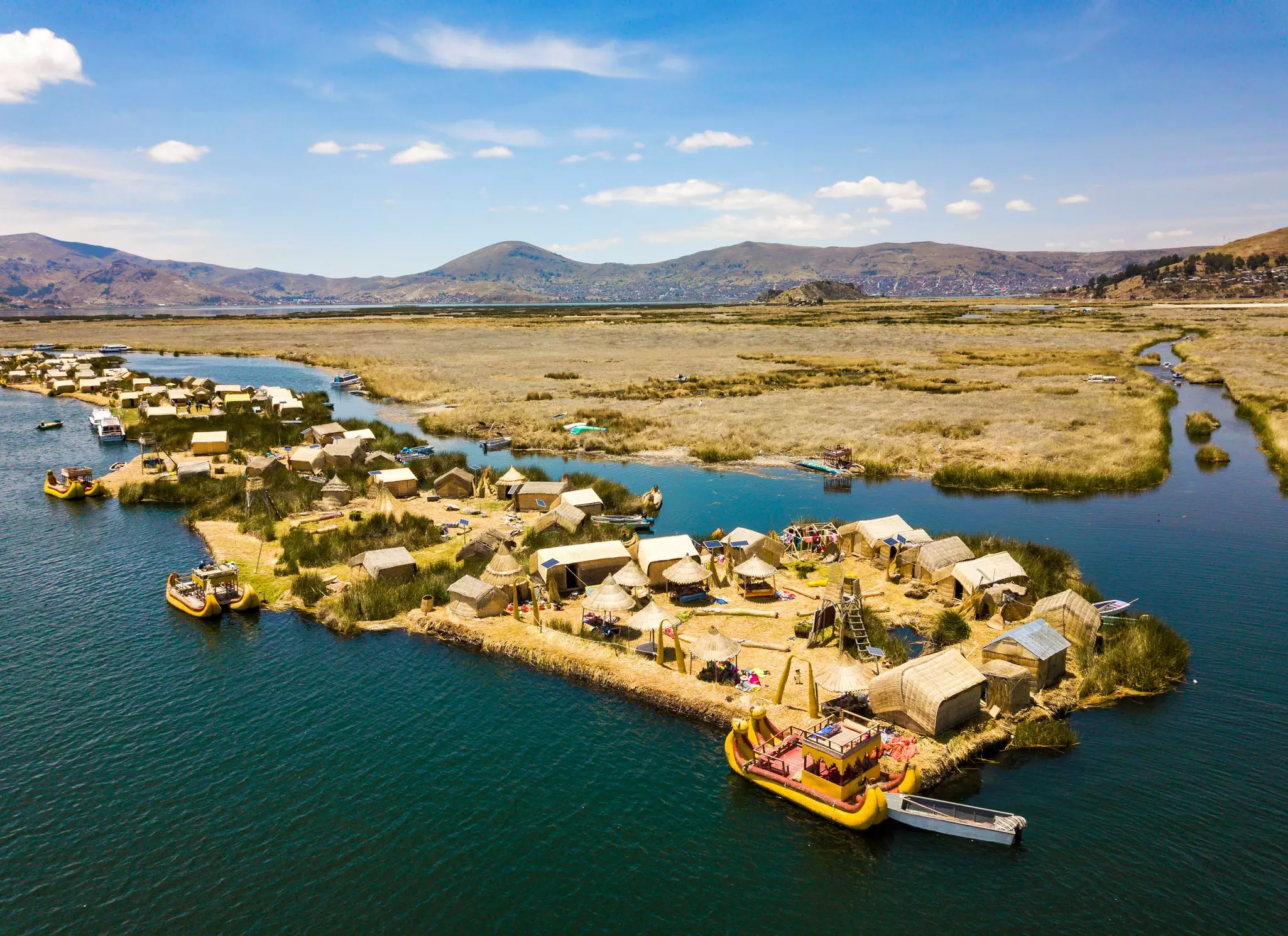
According to Andean belief, Lake Titicaca is the birthplace of the sun; lay eyes on the sapphire-colored waters of South America’s largest lake, and you may well feel a certain magic. From Inca ruins to floating villages of reed houses, Titicaca feels like a setting from a fantasy story, and arriving by reed boat only adds to the surreal atmosphere.
Spending the night in one of the floating villages of the Uros people, who live on reed islands following the rhythm of the seasons, is a fabulous way to experience the lake’s unique vibe. The highlight of an island stay? End a day of fascinating cultural immersion by watching the sun set over Titicaca's gleaming waters.
Planning tip: The gateway to Lake Titicaca is the city of Puno on the western shore – accessible by bus or train, or by flying to Juliaca and taking a taxi. Some sights on the lake are technicallyin Bolivia, but most tourists can enter visa-free, making it easy to visit from the Peruvian side.
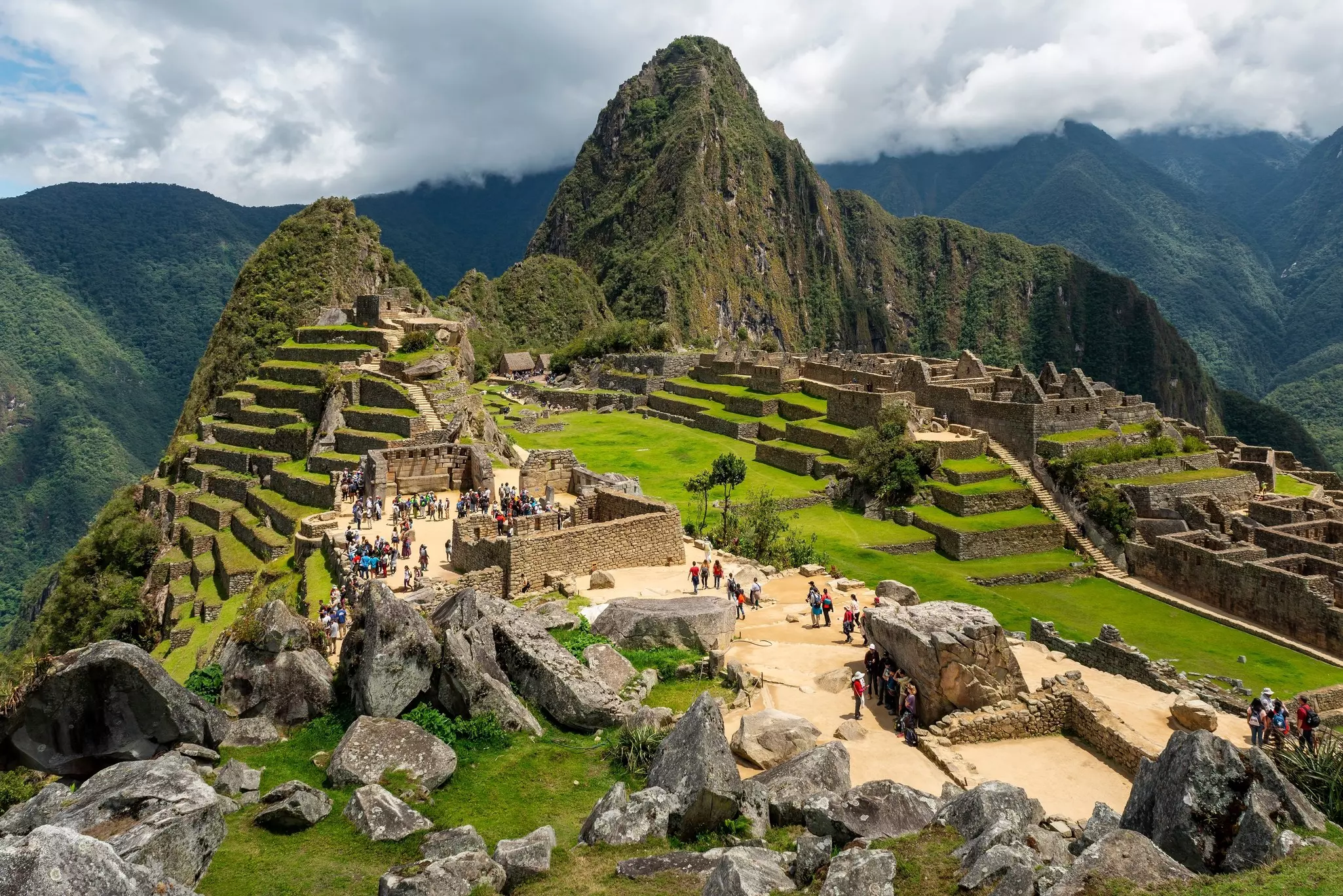
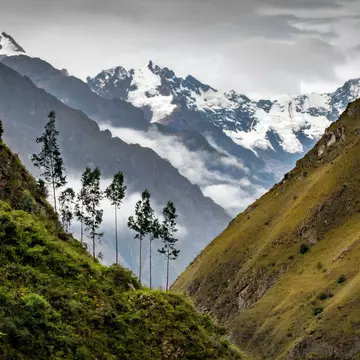
Starting northeast of Cuzco, a winding footpath climbs from the depths of the Urubamba Valley through swirling cloud forests, passing the ruins of ancient way stations. For the Incas, this roadway was the main entry point to the exquisite mountain city of Machu Picchu – hailed as one of the seven "new" wonders of the world.
For the thousands of travelers who hike the Inca Trail every year, the route is a sort of pilgrimage: a rugged 4-day trek through gorgeous scenery, with the most spectacular archaeological site in Peru waiting at the end as a reward for all the effort. Remember to give yourself time to acclimatize to the elevation – Machu Picchu sits at 2430m.
Planning tip: If you plan to trek in the high season (June to September), purchase your entry ticket to Machu Picchu online months in advance; visitor numbers are strictly controlled, and you don’t want to miss out on a slot.
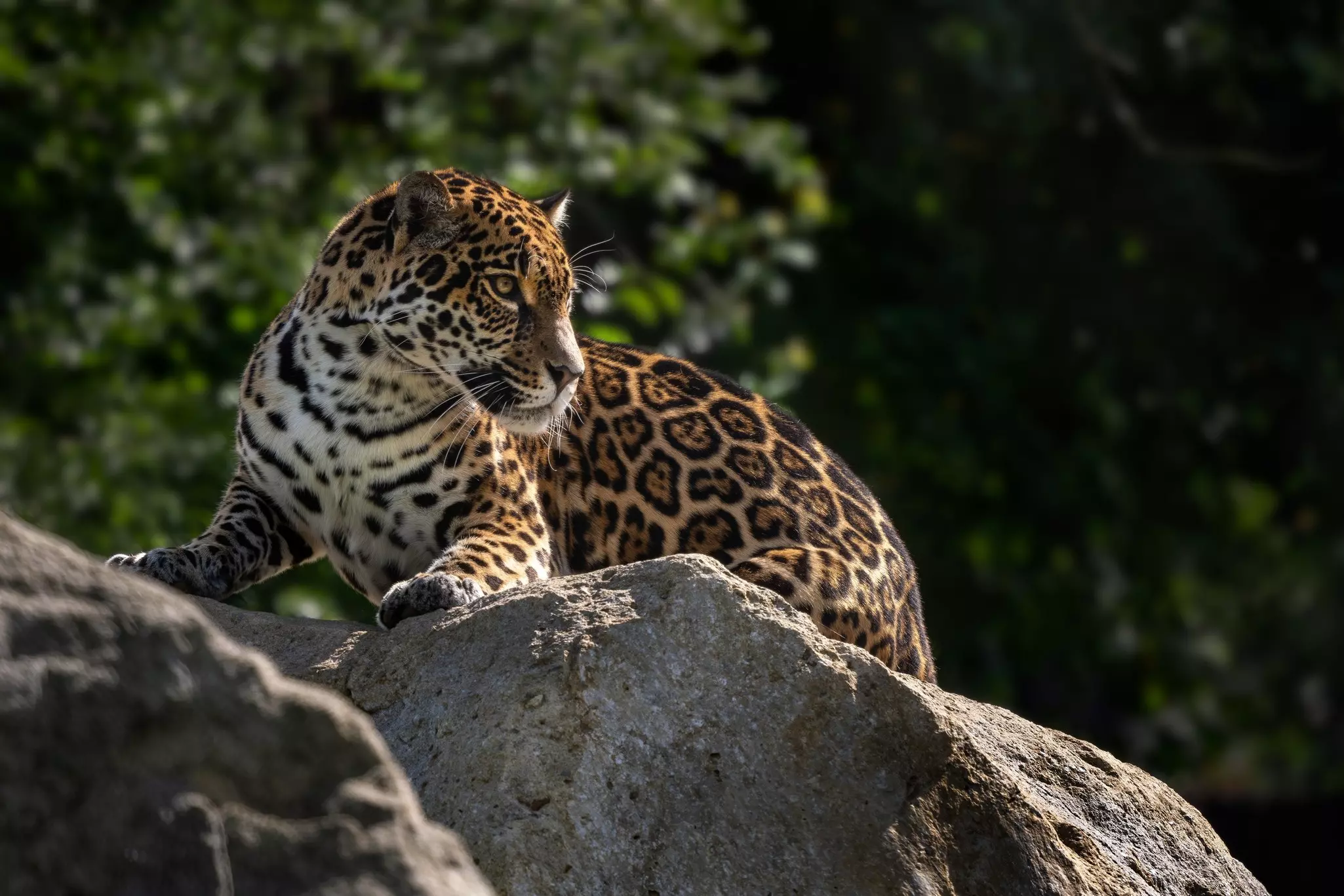
Peru’s Amazon Basin is known for its astonishing biodiversity and dense rainforests, and Parque Nacional Manu protects one of its wildest, most remote corners. Located in the watershed of the Rio Manu, one of many tributaries that eventually lead to the Amazon River, this wet web of waterways offers a feast of wildlife spotting opportunities, with plenty of responsible operators offering tours.
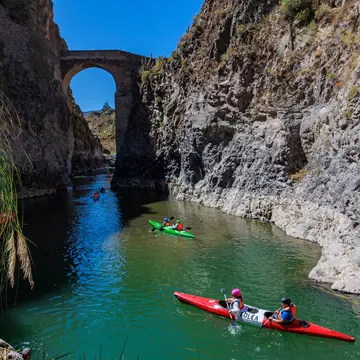
While navigating the reserve's channels, you might see everything from tapirs and capybaras to ocelots and jaguars, alongside flocks of brilliant-colored, cackling macaws. Rafting and kayak tours from the jungle city of Iquitos are a popular way to get close to the wildlife, but you can also cruise in luxury with Delfin, traveling in a nostalgic riverboat in search of pink river dolphins, three-toed sloths and monkeys.
Planning tip: Visit during the high-water season (December to May) if you plan to navigate the small tributaries by kayak or raft; the low-water season (June to November) brings opportunities for trekking through the rainforest.
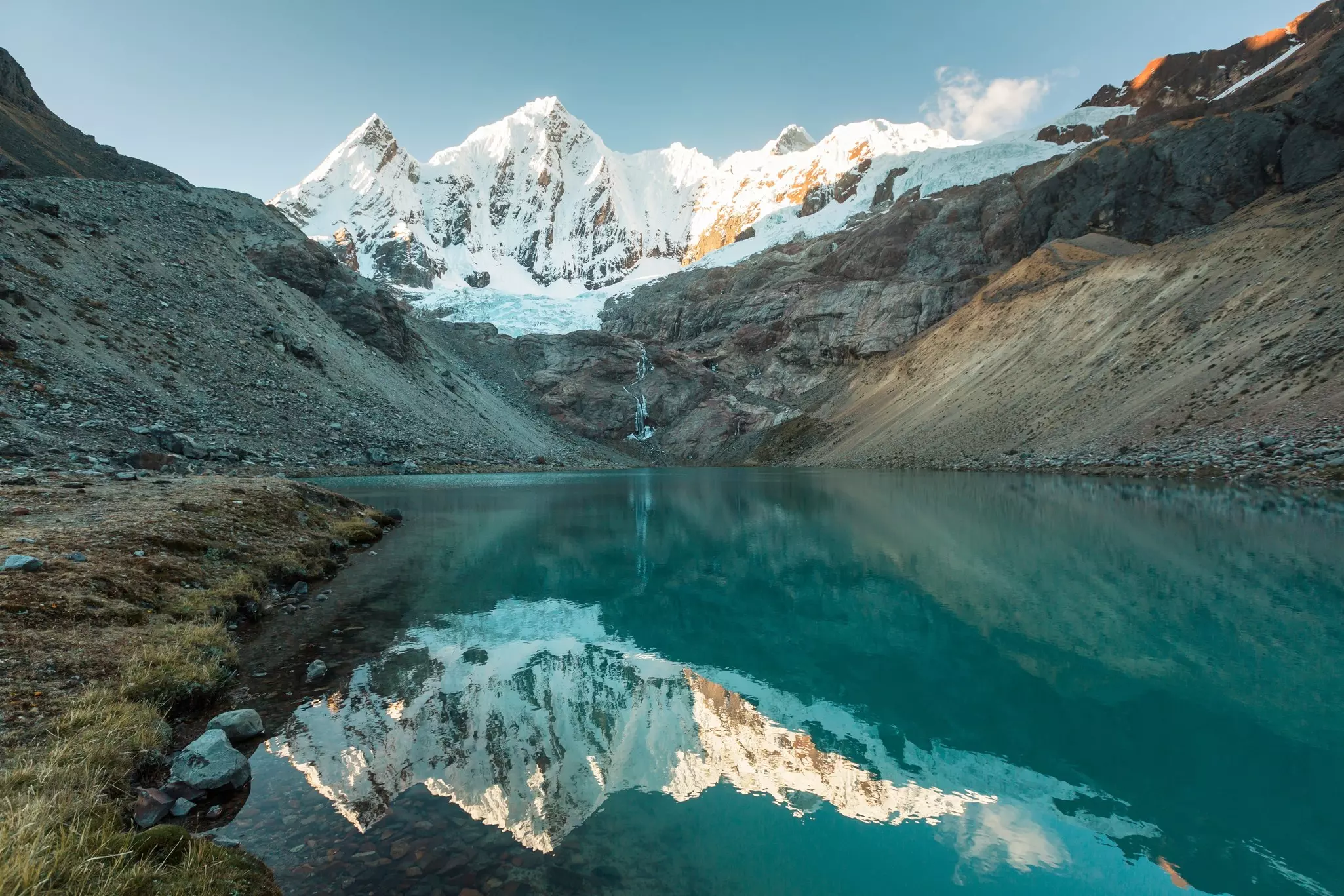
A majestic mountain range tracing Peru’s spine, the Cordillera Blanca can make the most devoted couch potato want to strap on a pack and hit the trails. This collection of craggy peaks covered in dollops of gleaming white snow draws dedicated high-altitude trekkers who tramp between the summits to still alpine lakes and diminutive Andean villages. If the altitude doesn’t take your breath away, the vistas certainly will.
The easiest way to reach the mountains is via an 8-hour bus ride from Lima to the mountain town of Huaraz, where local guides offer Cordillera Blanca treks of varying lengths and levels of difficulty. You'll start walking from trailheads higher in the mountains – the 1-day Laguna 69 hike starts in Cebollapampa, while Vaqueria is the departure point for the popular 4-day Santa Cruz trek and the grueling week-long Alpamayo Base Camp trek.
Planning tip: Whichever route you choose, spending a night or two in Huaraz will help you adjust to the 3000m-plus elevation and avoid Acute Mountain Sickness. Also be sure to limit your rate of ascent to give your body time to adjust.
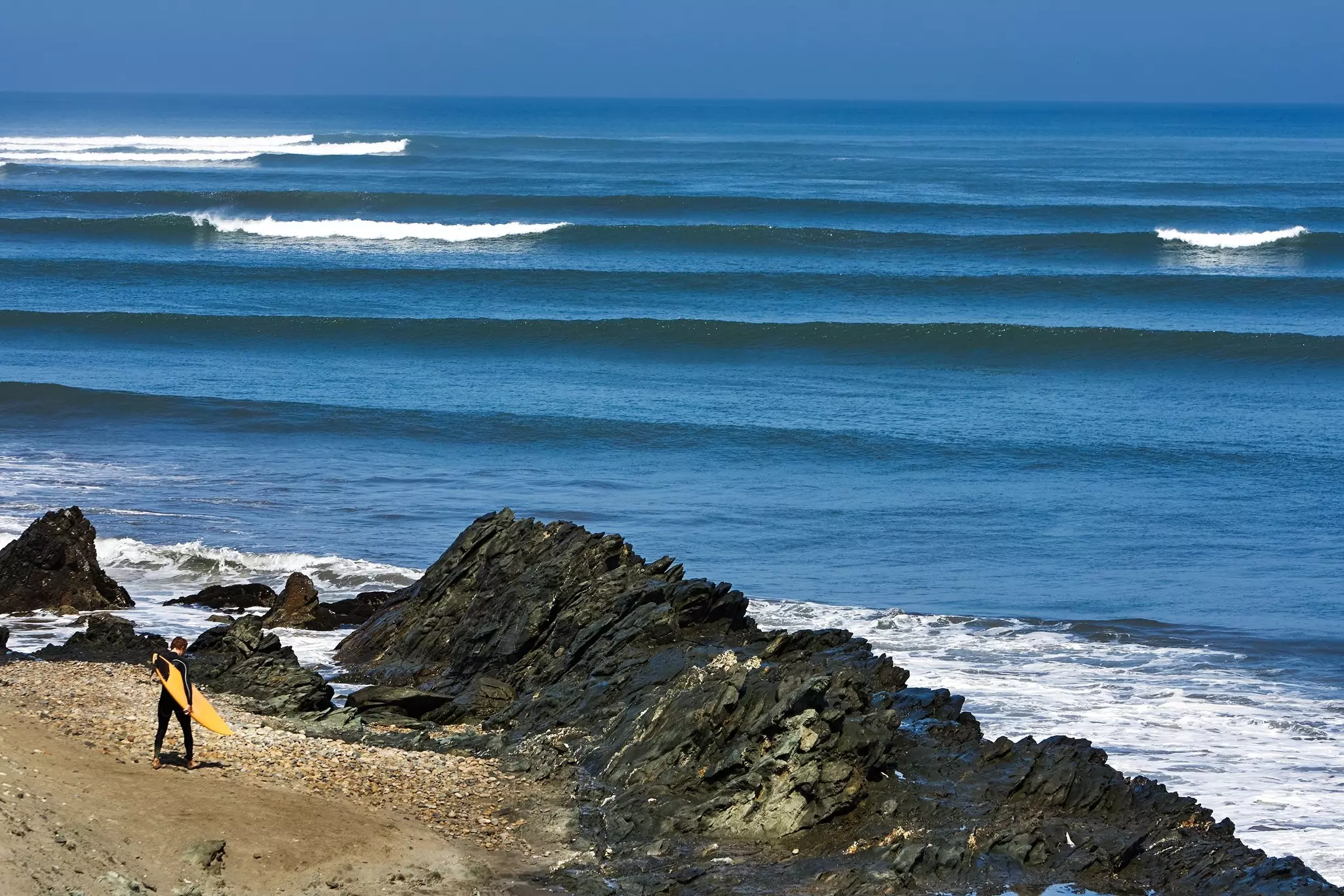
Running for more than 3000km along the shores of the Pacific Ocean, Peru’s lengthy coastline offers a veritable buffet of experiences for the surfing set, with big swells and uncrowded breaks aplenty. For the best curls, wave riders head north up the coast from Lima to the languid settlements of Huanchaco and Chicama, both just outside the city of Trujillo (an hour-long flight or an 8-hour bus ride from the capital).
For guaranteed sun, head further north to Máncora, where surf, seafood, and the slow pace of life create an ideal foundation for some beach-based relaxation. Flights run to Talara and Tumbes, reducing the travel time from Lima to around 5 hours by plane and bus, compared to over 18 hours if you travel the entire route by bus.
Planning tip: The best season for surfing in Peru is during the Peruvian winter from April to November, but beginners may prefer the warmer summer months from January to March.
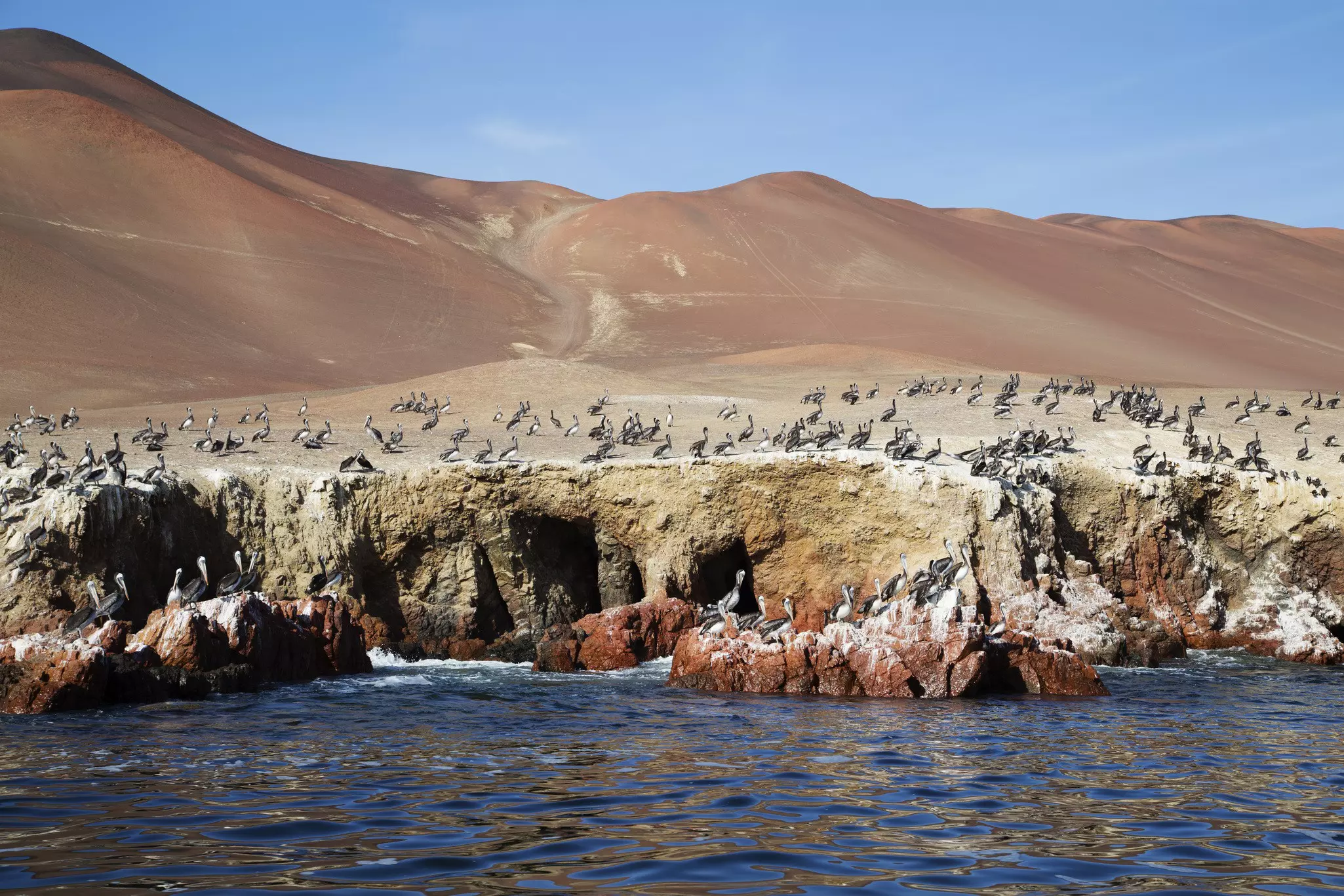
Off the Paracas Peninsula on the country’s southern coast, the small rocky islands known as the Islas Ballestas don’t look like much from a distance, but hop in a boat and you’ll quickly be surrounded by honking sea lions, preening Humboldt penguins and colonies of Peruvian boobies.
The islands are known as the "poor person’s Galápagos Islands” for good reason: they’re spectacular for wildlife, and a visit here won't break your budget, with reasonably priced boat tours leaving from the town of Paracas. On your way back to shore for a lunch of ceviche or parihuela(the local seafood soup), ponder the mysterious El Candelabro geoglyph rising over Pisco Bay, whose origins and meaning remain unknown.
Planning tip: The best time for bird spotting is April to September, with bird numbers reaching their peak during the cool winter months. Sea lions are best spotted during the breeding season from December to February.
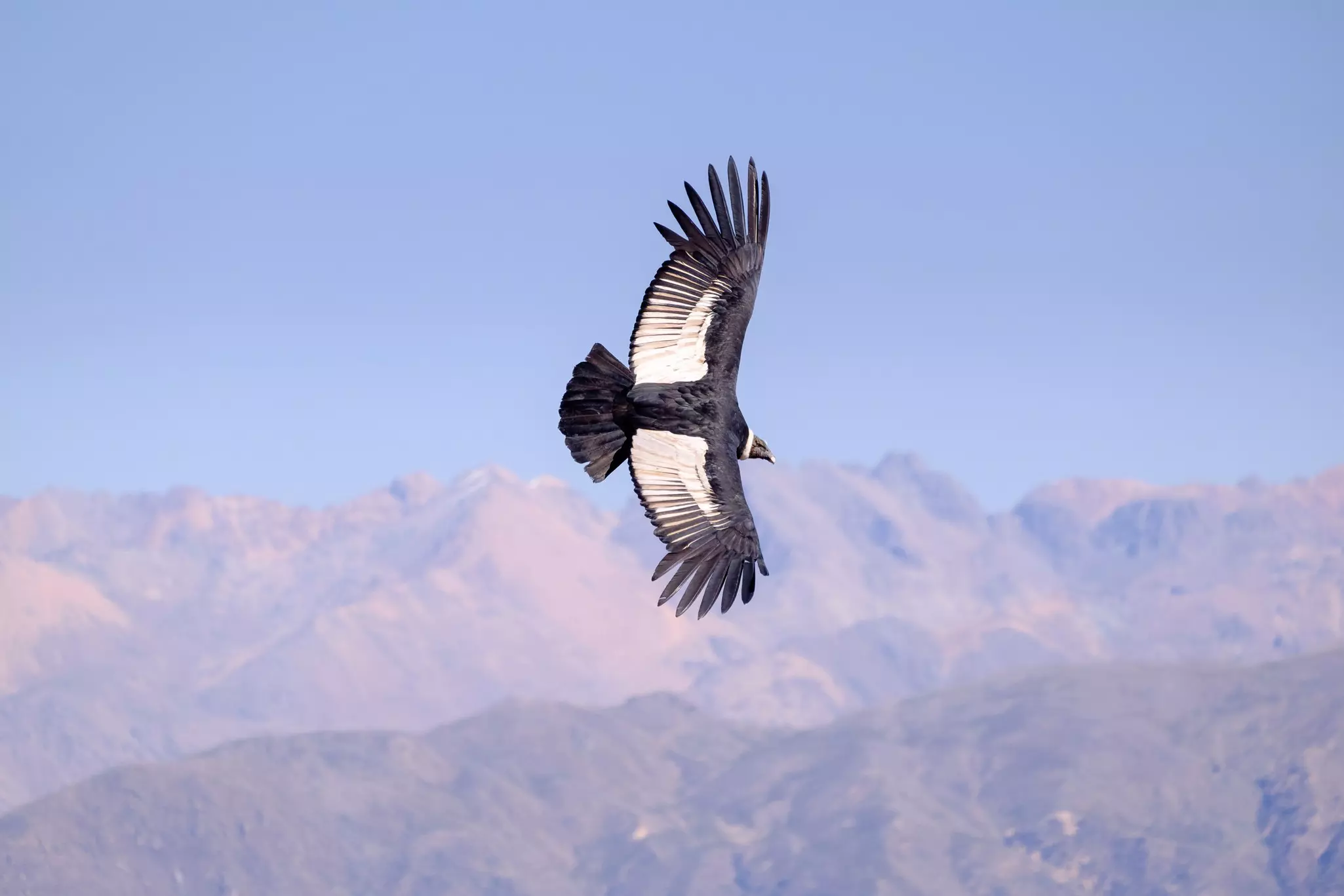
A 4-hour drive from Arequipa, the Cañón del Colca is a rocky wonderland of Andean panoramas. This deep and dramatic canyon is studded with idyllic villages and its walls are carved with ancient terraces. And that’s before we mention spotting Andean condors soaring high above on the thermal currents – one of South America's top birding experiences.
From Chivay, visitors can explore the canyon on short day hikes or even trek to the valley floor (around 1219m down from the trailhead) and back up again. We recommend soaking in the scenery (and perhaps the hot springs) over the course of a few days, rather than rushing the experience. No traveler should miss sampling the local delicacy known as chupe de camarones – a spicy shrimp bisque.
Planning tip: Condors can be seen in the canyon year-round, but the April–November dry season has the clearest skies; mornings are the best time for sightings.
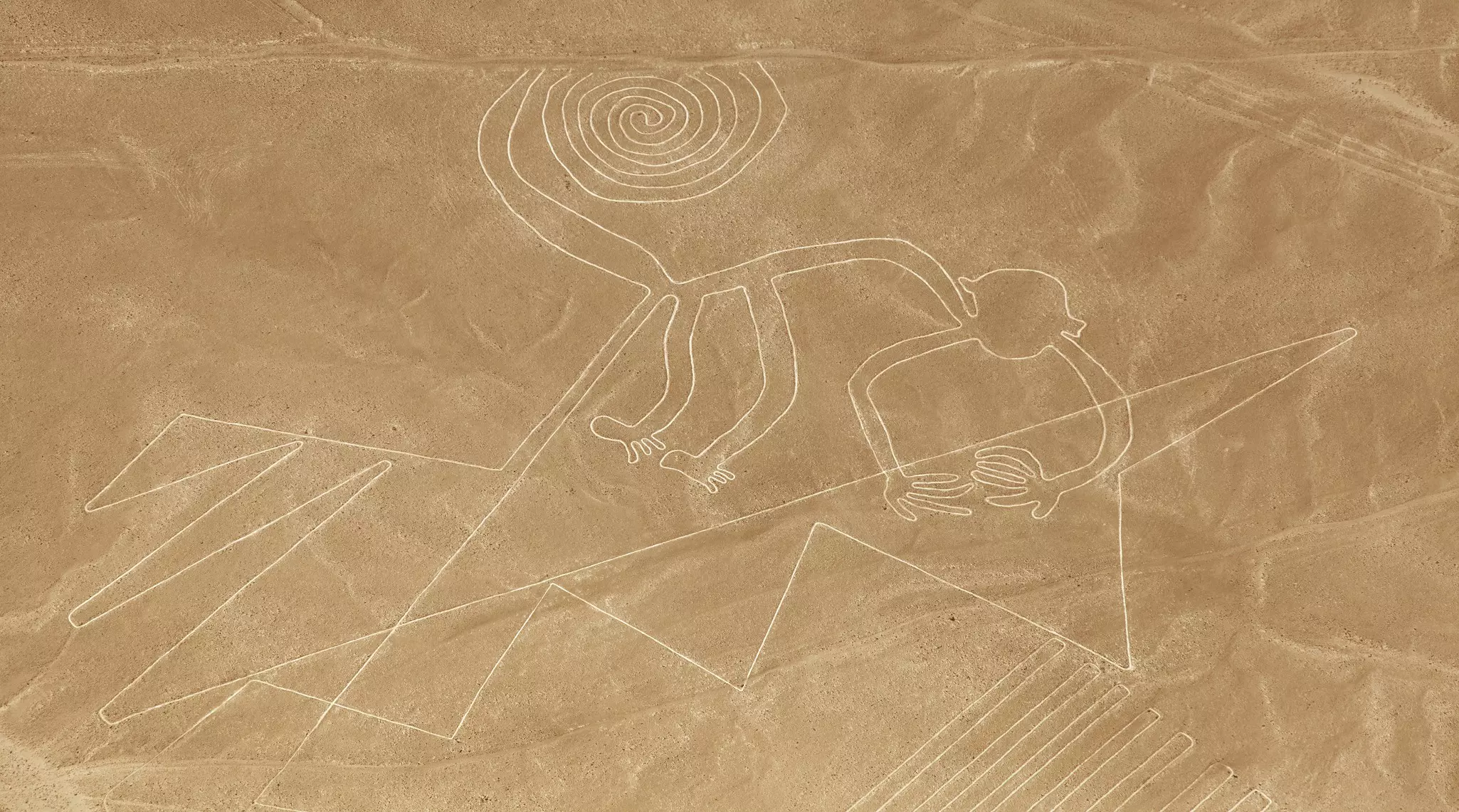
One of the earth’s greatest mysteries can be viewed on the arid Peruvian coast. Etched into the desert sands, the Nazca Lines consist of more than 70 ancient geoglyphs of animals and other shapes that are so big they can only be seen from the air. These ancient artworks have inspired all sorts of theories, including the claim that they were made by or for visiting extraterrestrials!
Created between 2500 and 1500 years ago, these supersized desert drawings had a purpose that remains a mystery to modern scholars. Take a flight in a light aircraft over the pictograms in the early-morning hours for the best views, and consider the theory that ancient people may have viewed the site from rudimentary hot-air balloons.
Planning tip: The hub for visiting the Nazca Lines is the town of Nazca, about 8 hours by bus from Lima; sightseeing flights depart from Nazca's María Reiche aerodrome, but they can be bumpy and tours stop running during bad weather.
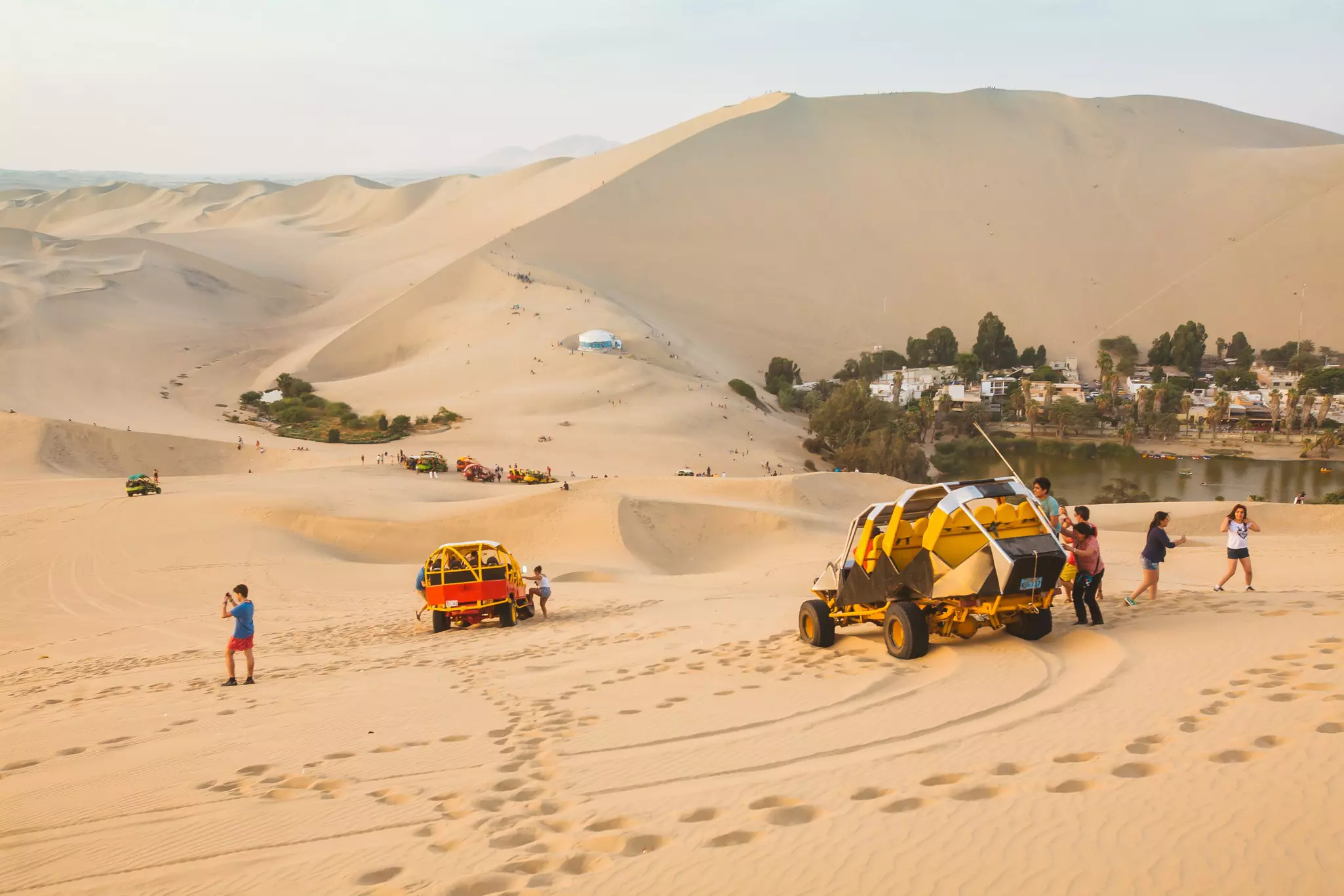
An easy overnight detour from Lima, the oasis outpost of Huacachina in the southern Peruvian desert offers one of the country’s more unusual adrenaline rushes. Here, you can motor to the top of a dune the size of a small building, strap on a sandboard, then glide down a towering wall of sand. Imagine a cross between surfing and snowboarding, but on land.
If boarding isn't your thing, take to the dunes in a buggy to admire this inland sea of sand. Afterward, pull up a chair at one of the bars or restaurants that line the lagoon, and listen to stories of the legendary mermaids, Inca princesses and forlorn lovers credited with creating the Huacachina oasis.
Planning tip: Huacachina is a short taxi ride from the town of Ica, 4–5 hours by bus from Lima. The oasis has hostels, eco-lodges and hotels for all budgets.
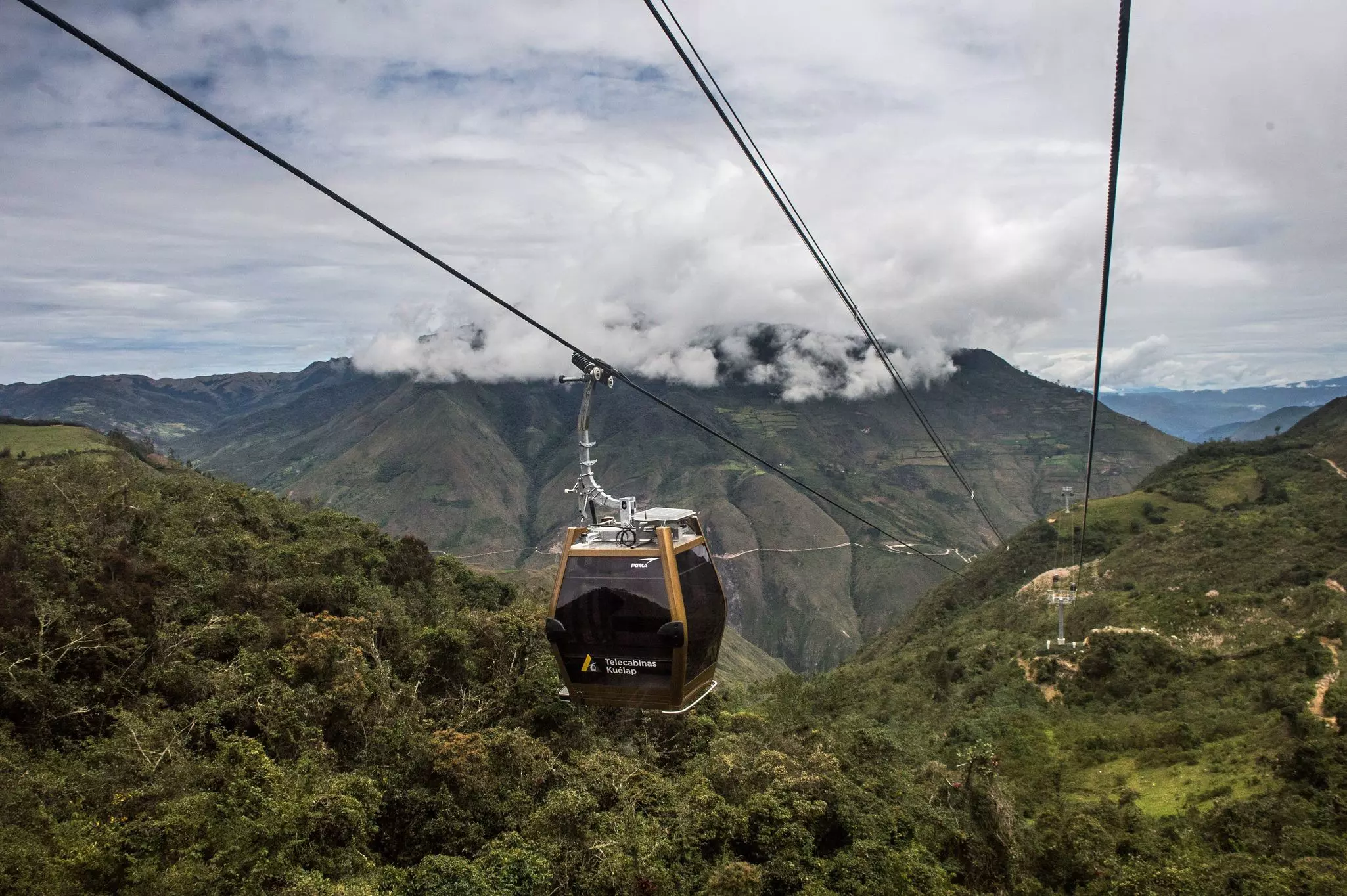
Machu Picchu isn't the only ancient wonder in the Andes. The mountains are dotted with the remnants of a string of ancient cities, and Kuélap is one of the most magnificent. This walled citadel was built by the Chachapoyas people in the 6th century CE on the crest of a mountain in the northern Peruvian cloud forest, and it's well worth a day or two of your time.
The remains of circular stone huts surround a cluster of reconstructed Chachapoya dwellings, showing how the site may have looked in use. From the ruins, the views of the Utcubamba Valley are staggering, and the journey through timeless rural settlements to reach Kuélap is unforgettable.
Planning tip: Visitors have three options to get to the top of Kuélap - you can reach the site from the town of Chachapoyas by road in around 2 hours, trek here from Tingo Viejo in around 6 hours (for the return trip), or take a 20-minute cable car ride.
Book your Peru trip with Lonely Planet Journeys
See Peru how it's meant to be seen
Planned by local experts and tailored to you, Lonely Planet Journeys handles the logistics so you can just enjoy the trip. Tell us what you want and we'll build your Peru itinerary from scratch, or browse our bookable trips to get inspired.

Explore related stories