This world-class museum is a highlight of any visit to CDMX.
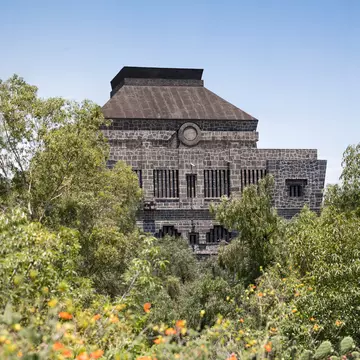
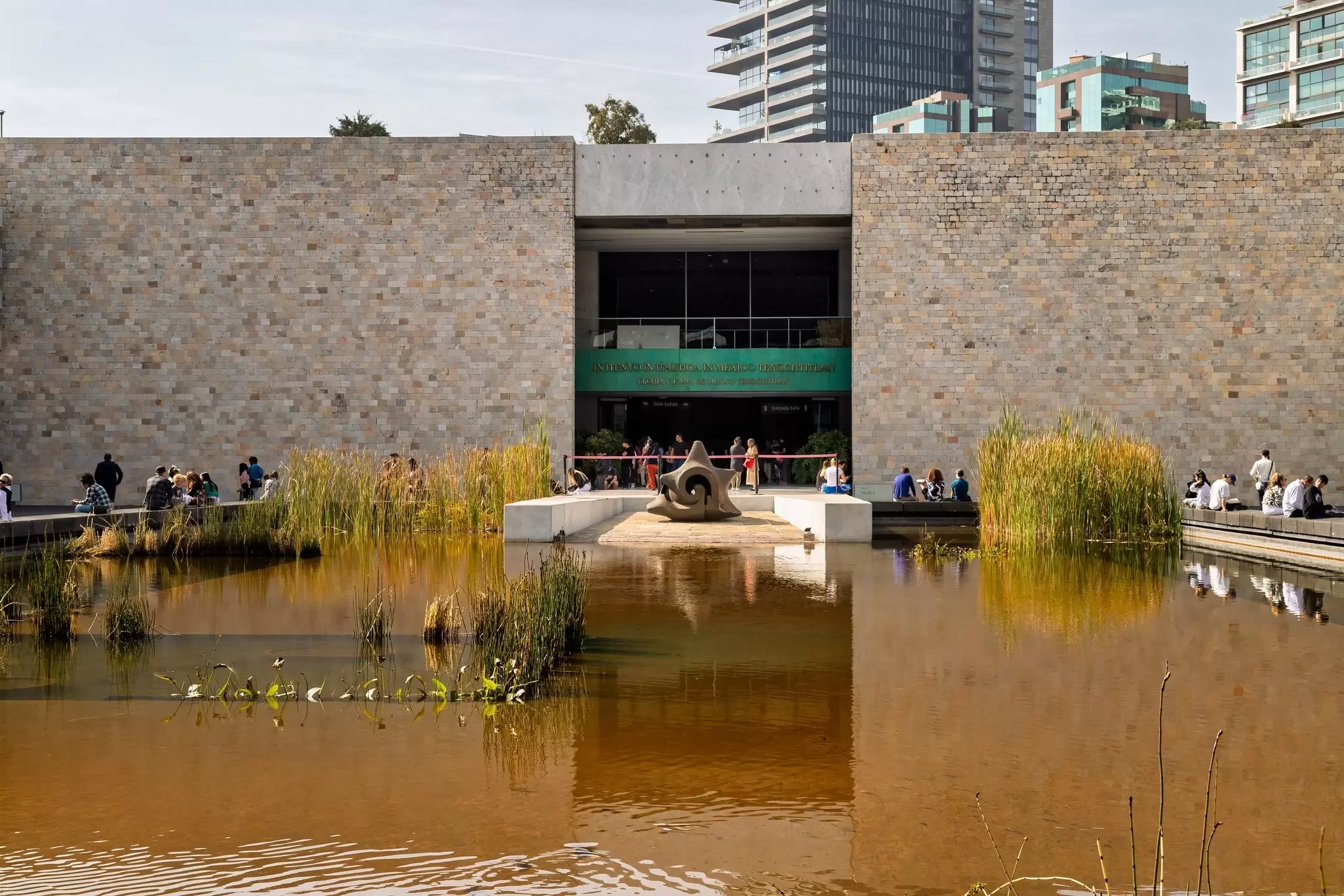
The rich history of Mexico, from pre-Hispanic cultures to the modern age, is orchestrated together in a fascinating, accessible way at the Museo Nacional de Antropología. There are opportunities to get close to artifacts and even a reproduction of a Teotihuacán pyramid. Giant Olmec head statues and intricate temples sit in verdant outdoor courtyards, uniting the old world and the real world.
Fountain
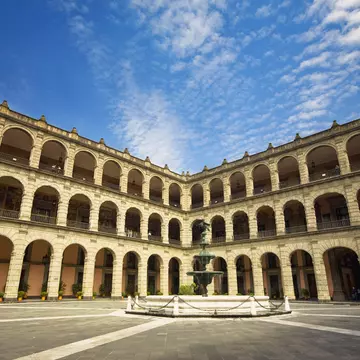
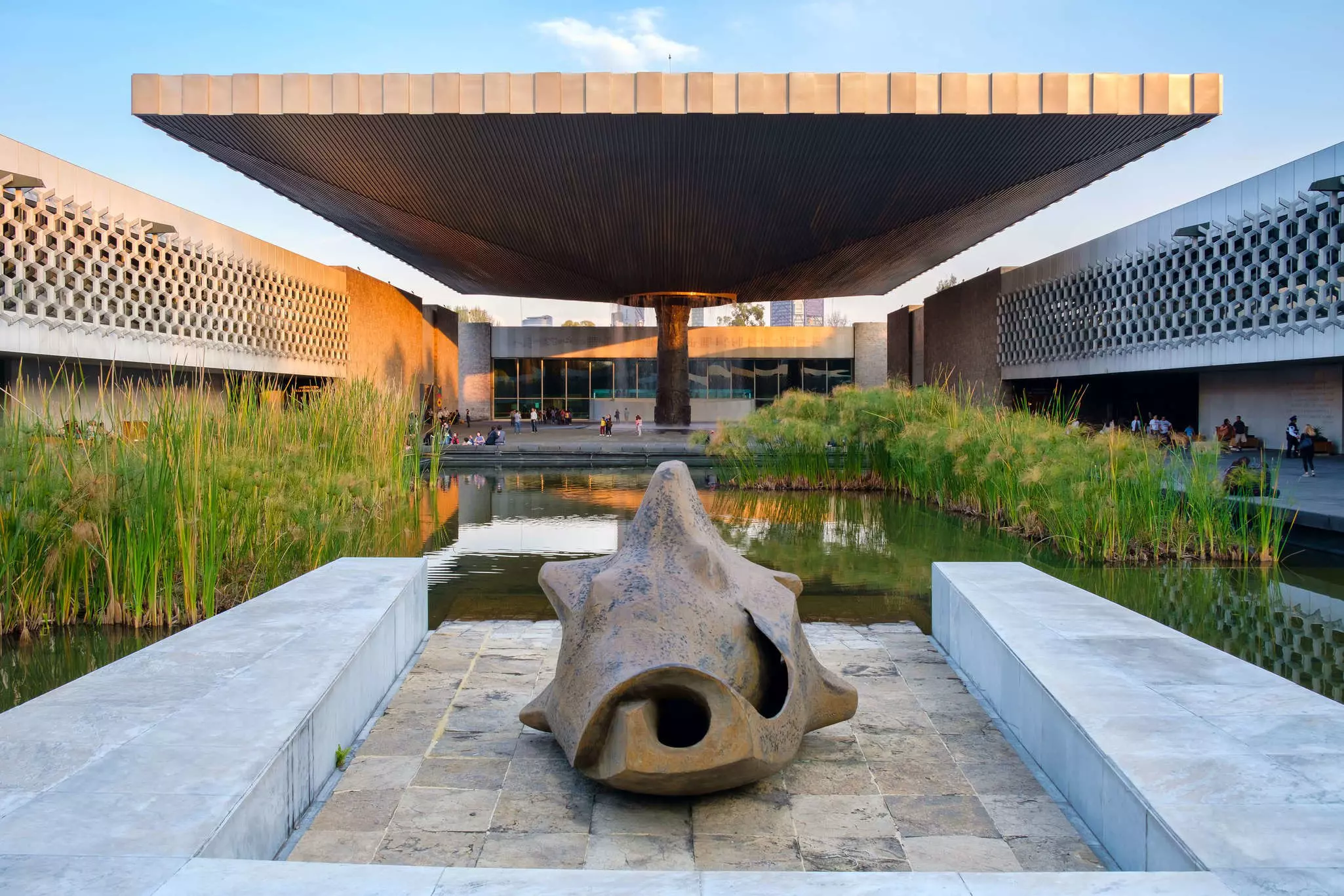
A waterfall-high cascade of water drums down from the magnificent column fountain towering in the central courtyard. The structure is known as el paraguas (the umbrella) and acts as a reminder of our connection to nature. Each side depicts a different sculpture – east showing the integration of Mexico; west, outward-looking Mexico; north and south, the fight for liberty in Mexico's villages.
Anthropology
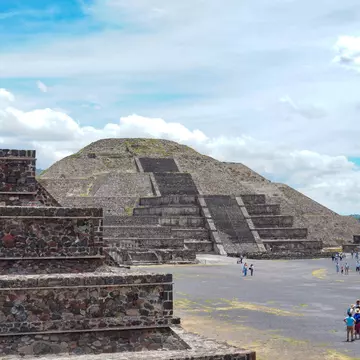
The best place to start a visit is on the right, racing through the hemisphere’s earliest nomadic hunters. Short-on-time visitors can jump straight to the Teotihuacán hall. Models and objects from the Americas’ first great and powerful state are displayed here. The Temple of Quetzalcoatl dominating the space is more than a reproduction. It shows what the pyramid would have looked like in its heyday, painted in full color.
Move onto Los Toltecas, displaying one of the four basalt Atlantean warrior columns from Tula’s Temple of Tlahuizcalpantecuhtli. The serpent sculptures are standouts, including the two-headed Toltec throne, trono bicéfalo.
Mexica
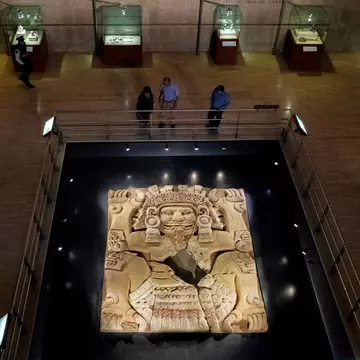
The next hall is devoted to the Mexica, aka Aztec, and has a bounty of visual riches. Come to see the famous Sun Stone, unearthed beneath the Zócalo in 1790. Learning about the misunderstood history of the previously misnamed "Aztec Calendar" is a highlight of the museum. The 24-ton basalt disk covered with glyphs is most likely a ceremonial altar linked to the Aztec sun god, Tonatiuh, pictured at the center within the sign Ollin, representing movement.
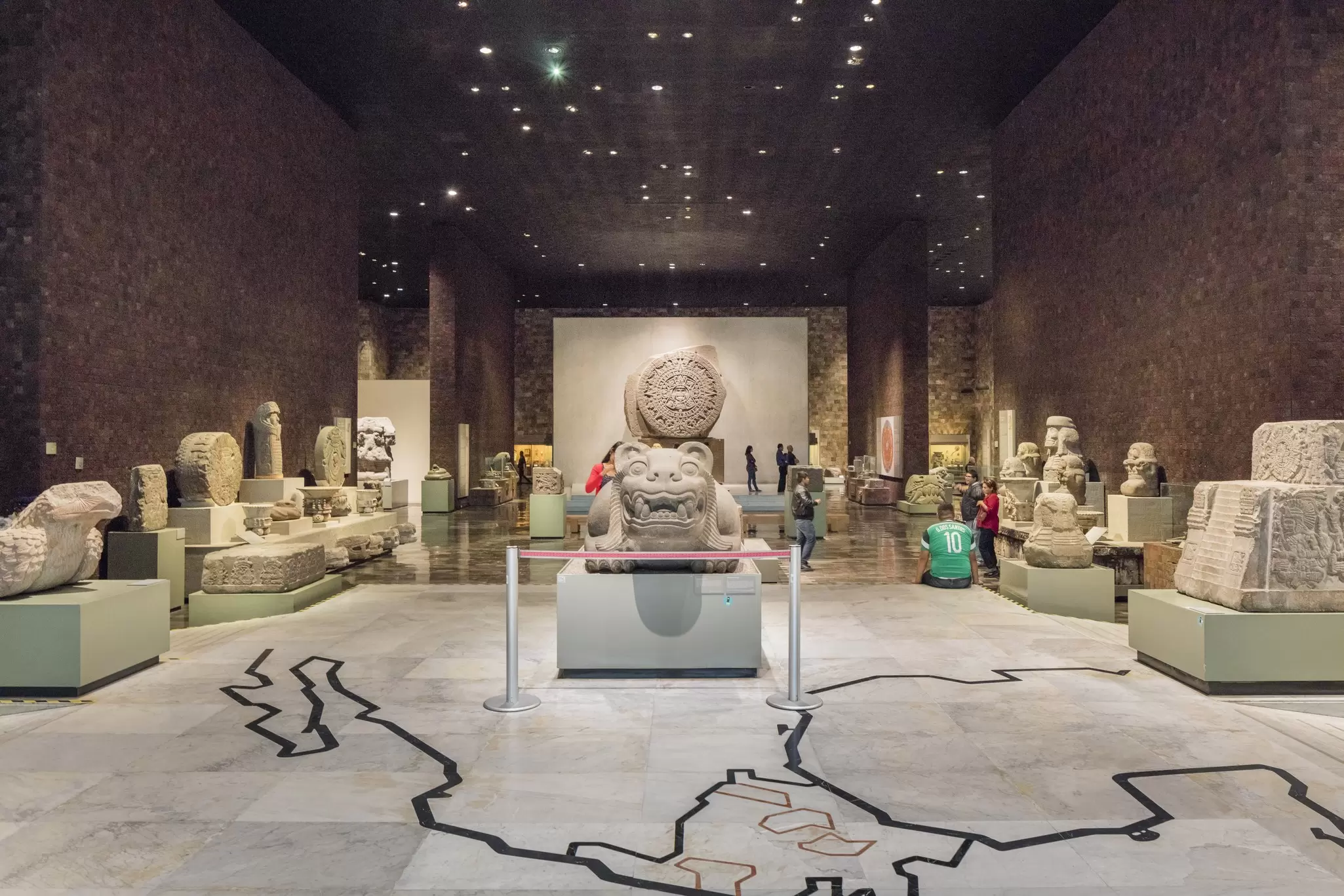
You will also find human-like Mesoamerican sculptures called chacmool, which were used to hold the hearts of warriors in blood rituals to create good harvests. The chacmool here are taken from temples across the country.
Another highlight relates to Moctezuma II, the Aztec leader at the time of the Spanish conquest more than 500 years ago. An excellent replica of his brightly colored, spectacular headdress, made of the feathers of peacocks and other birds, hangs on a wall.
Oaxaca & the Gulf of Mexico
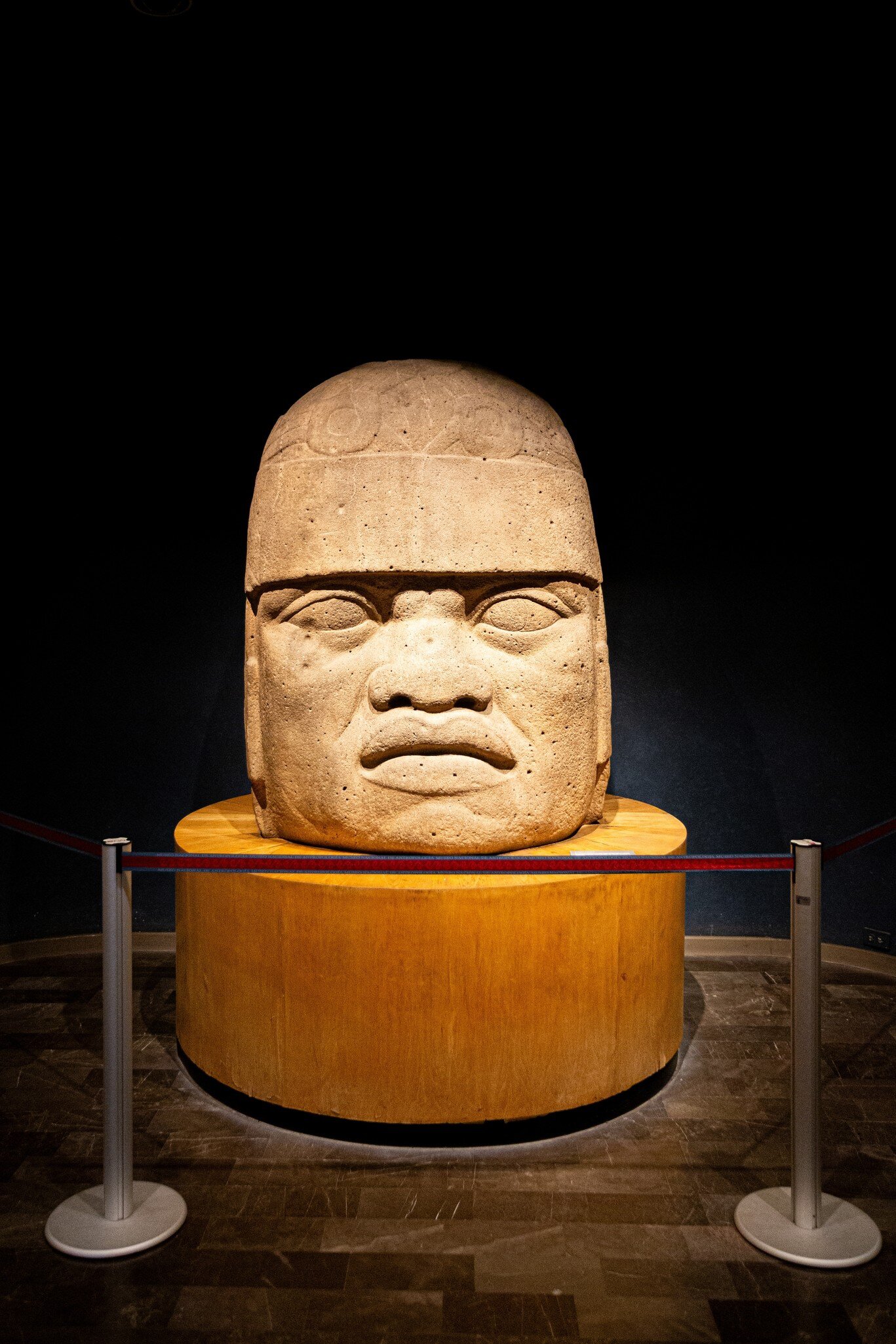
The halls that follow display the fine legacy of civilizations from Oaxaca and the Gulf of Mexico, including two 3000-year-old Olmec colossal head carvings weighing in at almost 20 tons.
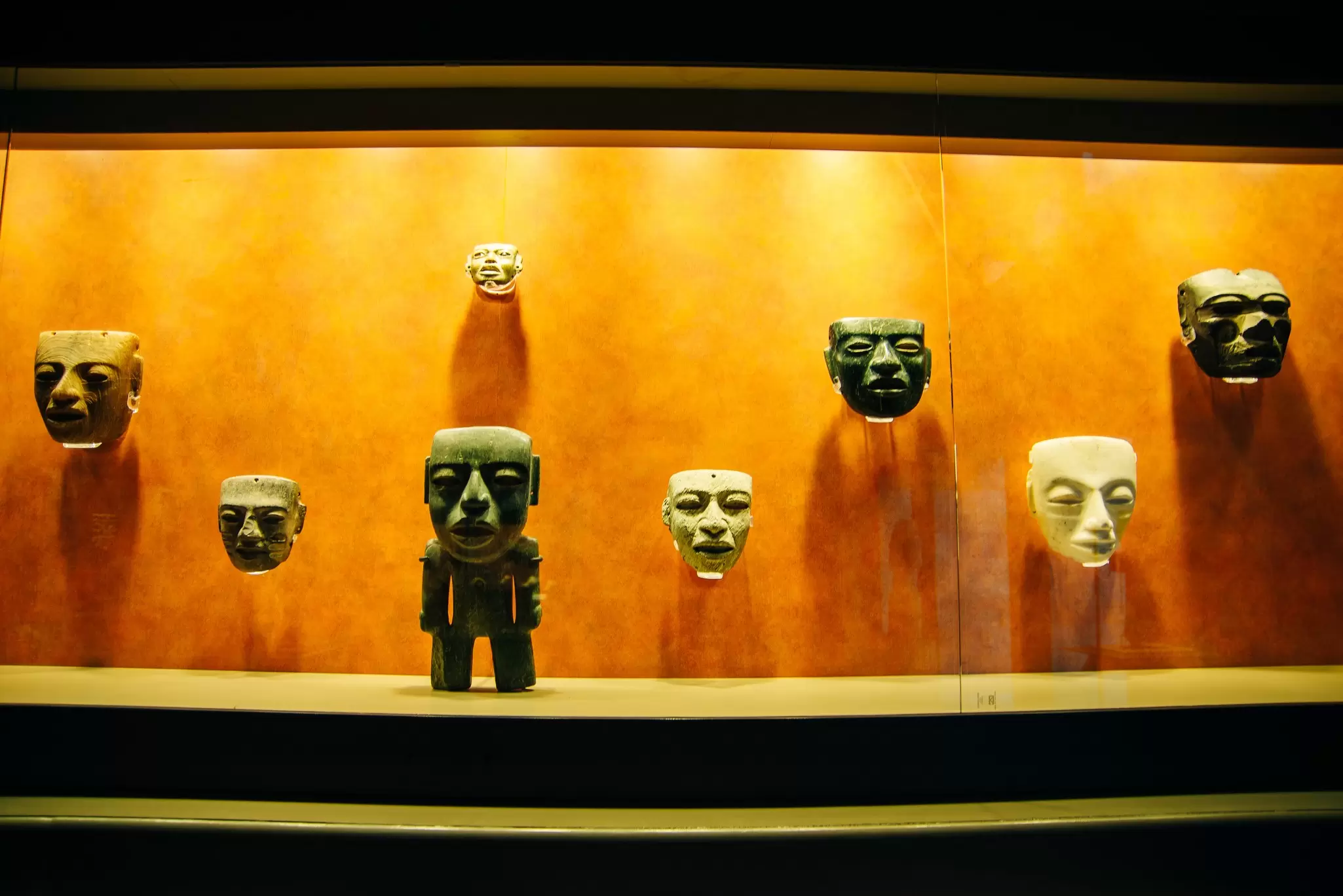
From Monte Albán, the iconic artifact here is the jade mask of the Zapotec Bat God uncovered in the ruins of the pyramids.
The outdoor courtyard in the Gulf States hall is a good place to sit and take in fresh air while admiring the (reproduced) sculpture of Mictlantecuhtli from Veracruz and its many human skulls and jaguar heads.
Maya
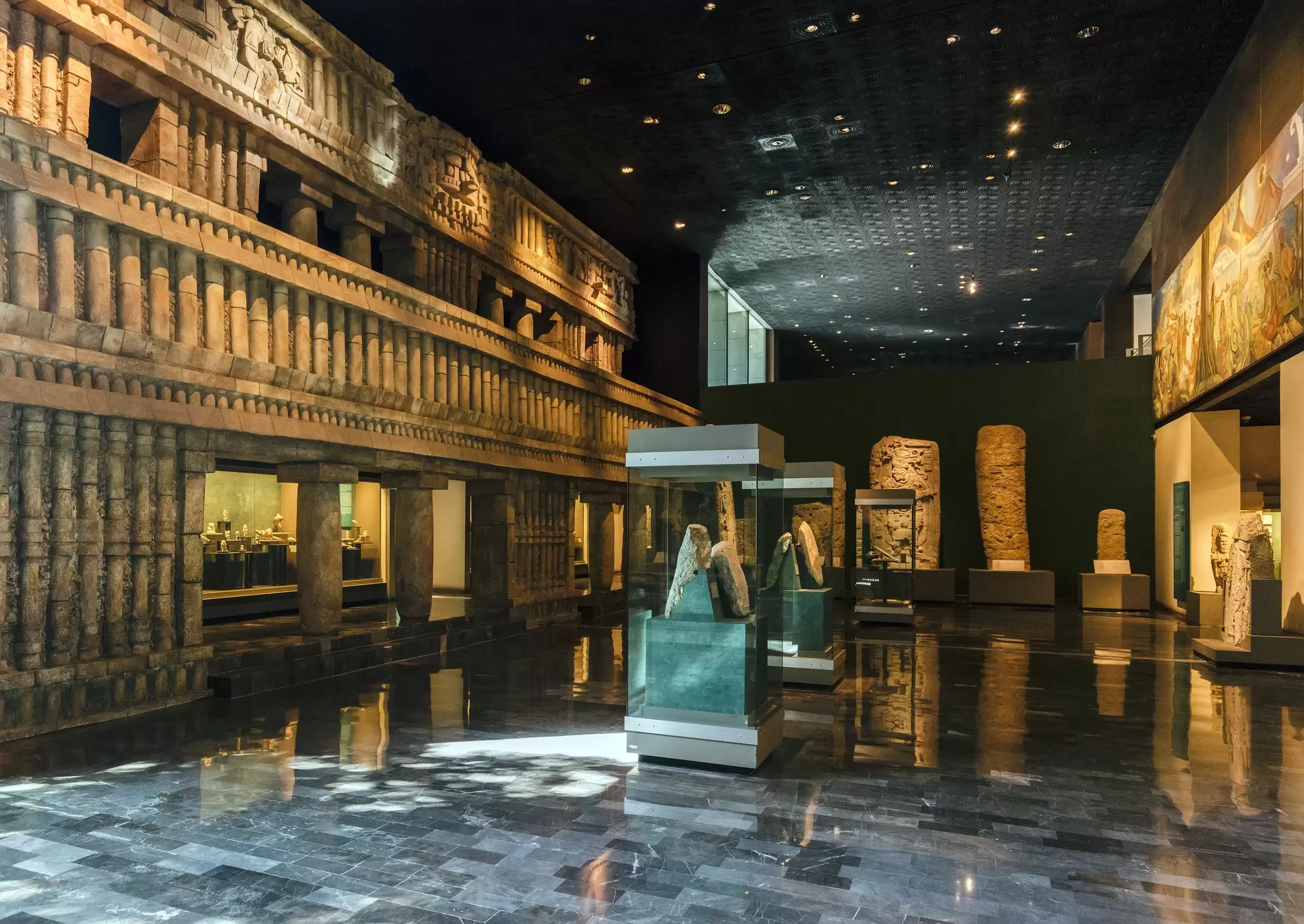
In the Maya exhibits from Mexico, Guatemala, Belize and Honduras, don't miss the breathtaking full-scale replica of the tomb of King Pakal, discovered deep in the Templo de las Inscripciones at Palenque.
The Mayans from Chichén Itzá played a high-stakes ritual ball game where the penalty for losing was death. The weathered-stone goal rings (like those used in basketball) here are reproductions.
Cheat Sheet
It would take days to absorb everything. If you just want the greatest hits, jump straight to the Teotihuacán hall and its reproduction pyramid. Then fast forward to the Moctezuma headdress and Sun Stone – near-mythical symbols of Mexico – in the Mexica hall. Cut through the Oaxaca hall, admiring an Olmec head on the way to the Maya hall and the Pakal jade death mask.