This temple complex was the center of the universe, according to Aztec cosmology. Dedicated to the gods of sun and rain, Templo Mayor was a vital hub for religion and politics. With every ruler, it expanded and included sacrifices for prosperity. Today, the shrines, ruins, museums and gruesome relics reveal a fascinating origin story of Mexico City.
History
In Aztec belief, this spot was the center of the universe. This temple is thought to be on the exact spot where the Aztecs saw their symbolic eagle perched on a cactus with a snake in its beak (though some say that Spaniards added this serpent image) – the very symbol of Mexico today.
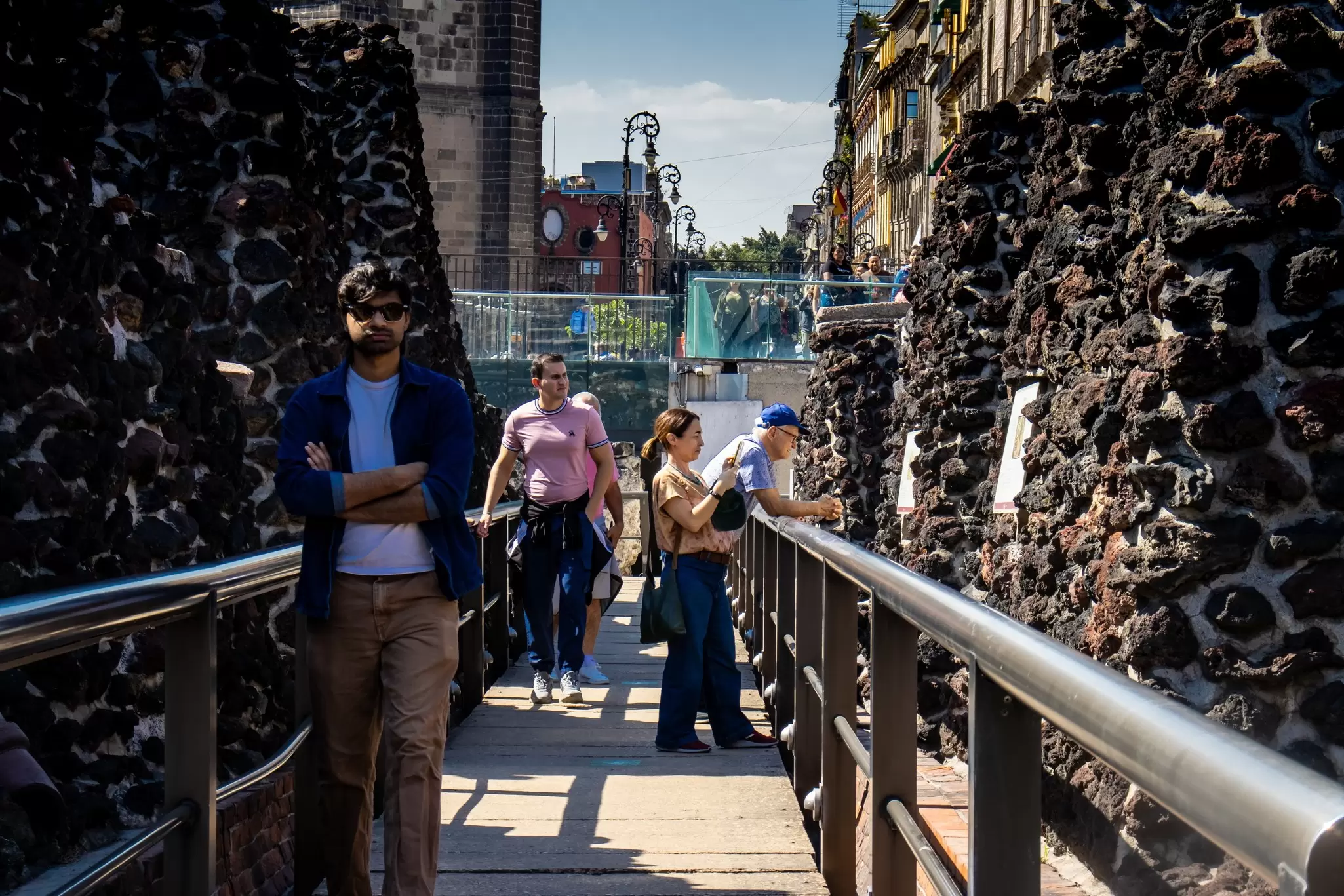
Discovery
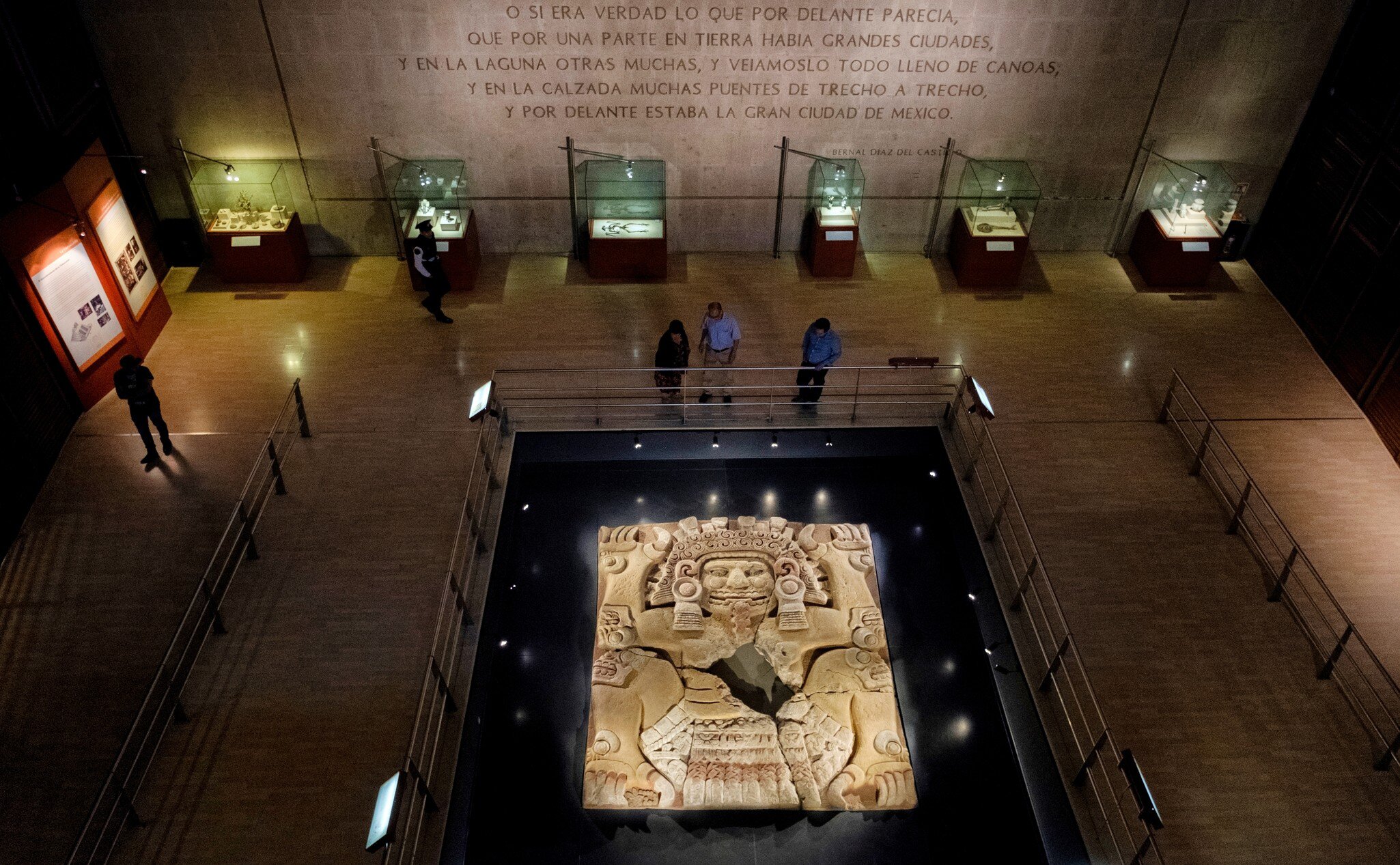
Before the Spaniards demolished and built over it, the Aztec "Great Temple" Teocalli of Tenochtitlán covered the site where the cathedral now stands, as well as the blocks to its north and east. It wasn’t until 1978, after electricity workers happened on an 8-ton stone-disc carving of the Aztec goddess Coyolxauhqui, that the decision was taken to demolish colonial buildings and excavate Templo Mayor.
Sacrifice & Expand
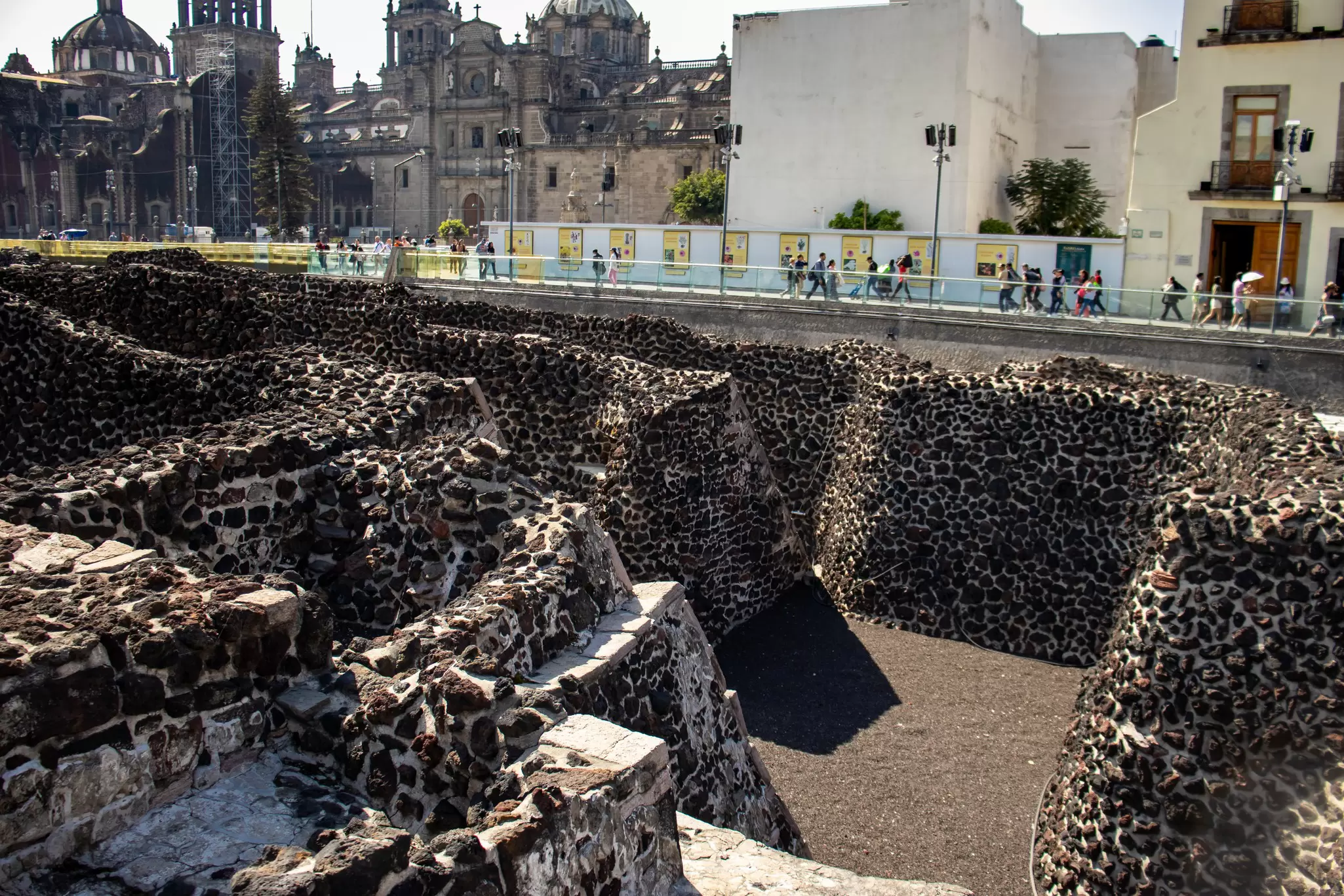
Like other sacred buildings in Tenochtitlán, the temple was enlarged several times, with each rebuilding accompanied by the sacrifice of captured warriors. What's seen today are sections of the temple’s seven different phases.
Shrine to Tláloc
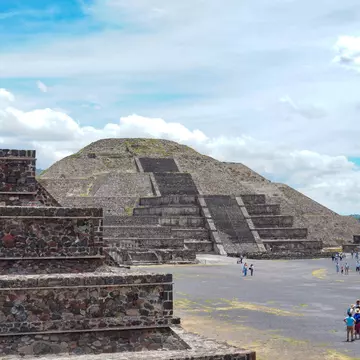
At the temple's center is a platform dating from about 1400. On its southern half, a sacrificial stone stands in front of a shrine to Huitzilopochtli, the Aztec war god. On the northern half is a chac-mool (a Maya reclining figure) before a shrine to the water god, Tláloc. By the time the Spanish arrived, a 40m-high double pyramid towered above this spot, with steep twin stairways climbing to shrines of the two gods.
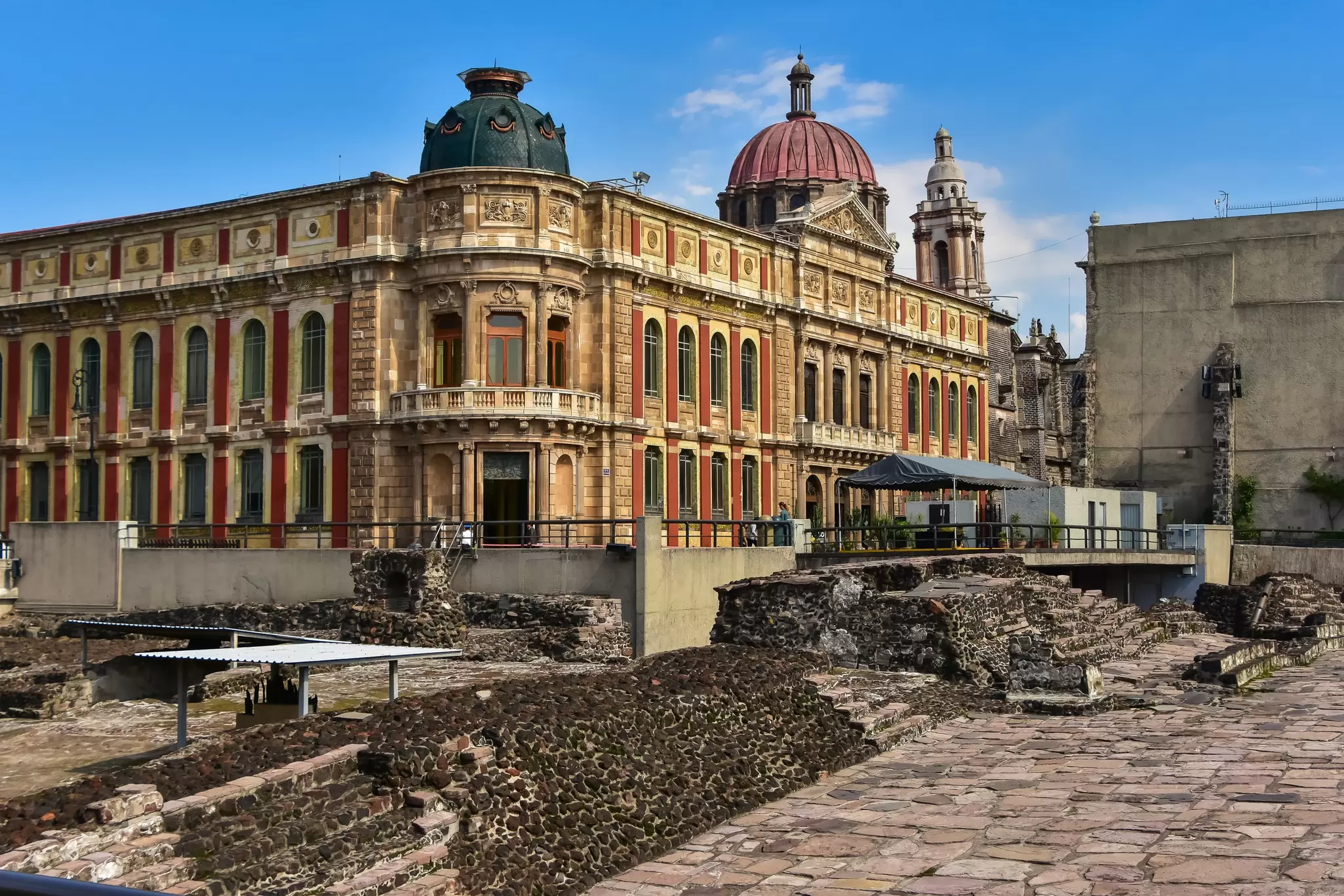
Plaza del Templo Mayor
The entrance to the temple site and museum is east of the cathedral, across hectic Plaza del Templo Mayor, where it's possible to see much of the templo exterior without entering. Authorized tour guides (with Sectur ID) offer their services by the entrance.
Museo del Templo Mayor
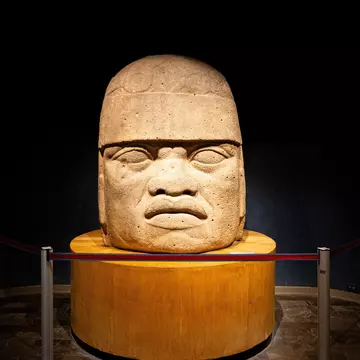
The on-site Museo del Templo Mayor (included in the admission price) houses a model of Tenochtitlán and artifacts from the site, and gives a good overview of Aztec, aka Mexica, civilization, though it has little signage in English (unlike the ruins). Pride of place is given to the great wheel-like stone of Coyolxauhqui (She of Bells on Her Cheek), best viewed from the top-floor vantage point. She is shown decapitated, the result of her murder by Huitzilopochtli (her brother; the hummingbird god of war, the sun and human sacrifice), who also killed his 400 brothers en route to becoming top god.
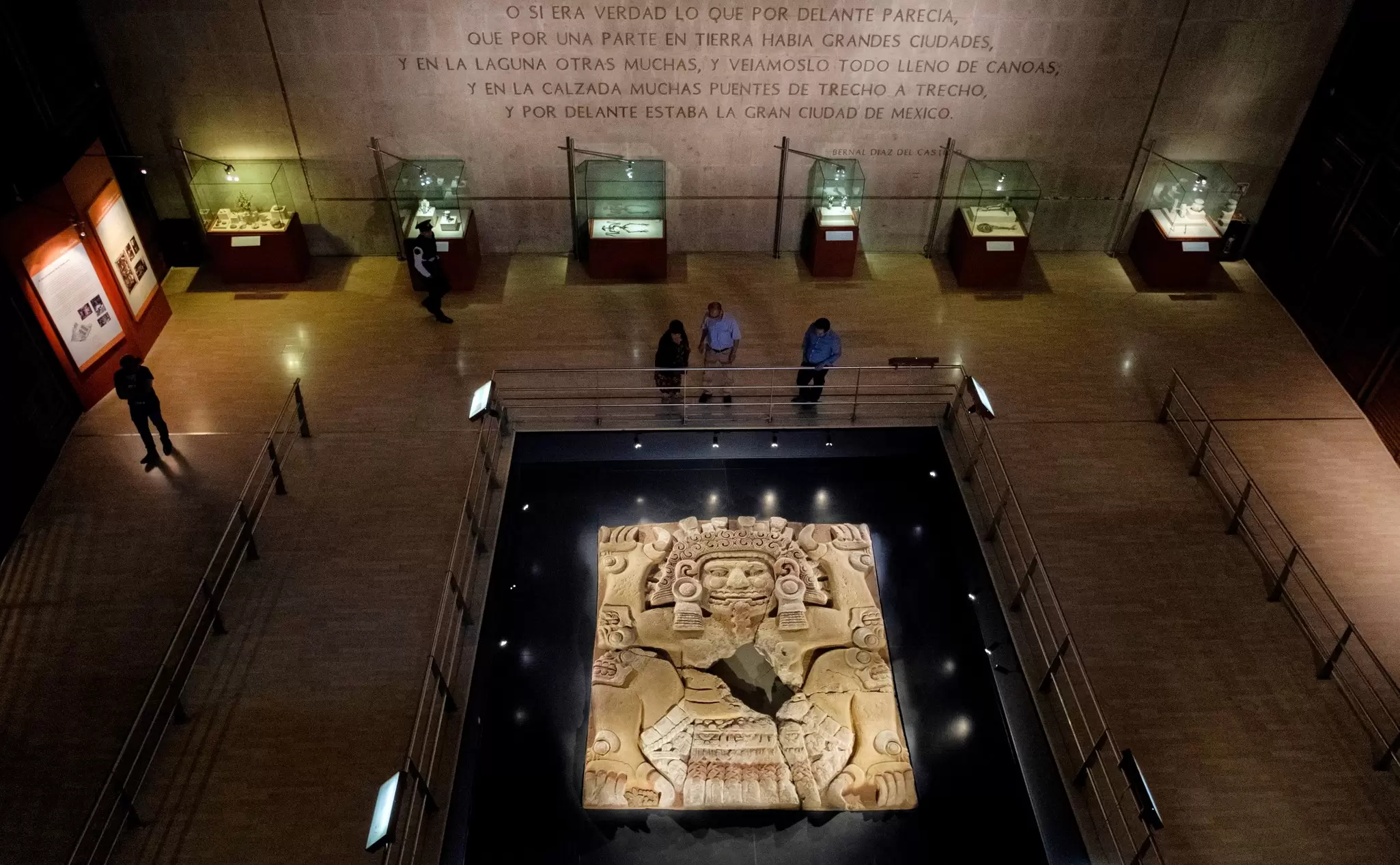
Other highlights are sculptures of Tlaltecuhtli, the clawed goddess of earth fertility, on the 1st floor and Xipe Tótec, a deity to which the Aztecs made human sacrifices.
Excavation Display
A newer entrance hall, open to the public, displays objects discovered over four years of the hall's excavation – funerary objects, bones, colonial-era fine china and pre-Hispanic structures of Cuauhxicalco (the place of the eagle vessel).
Museo Subterráneo
An underground museum lets you get close to the pyramid base of Templo de Ehécatl, while scale models give you a visual understanding of how it fit in.
Digging for Aztec Royalty
For decades, archaeologists have sought the royal tombs dedicated to Aztec war god Huitzilopochtli. In 2017, a tower of 650-plus human skulls was unearthed near Templo Mayor, believed to be Huey Tzompantli, mentioned by Spanish conquistadors as part of the temple. By 2022, sacrificial burial sites were uncovered containing a boy dressed as Huitzilopochtli and 160 starfish as offerings to him, giving fresh hope.