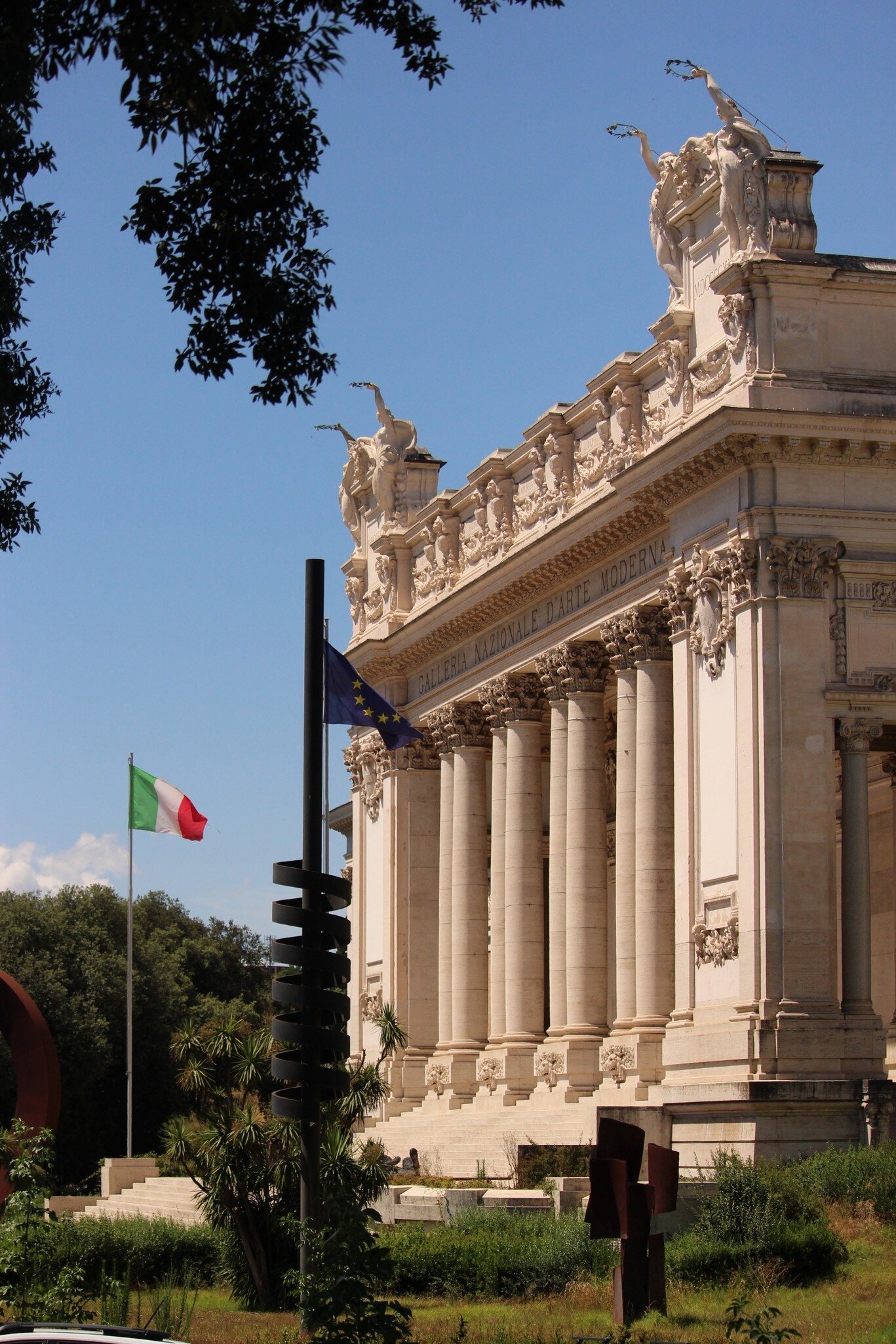
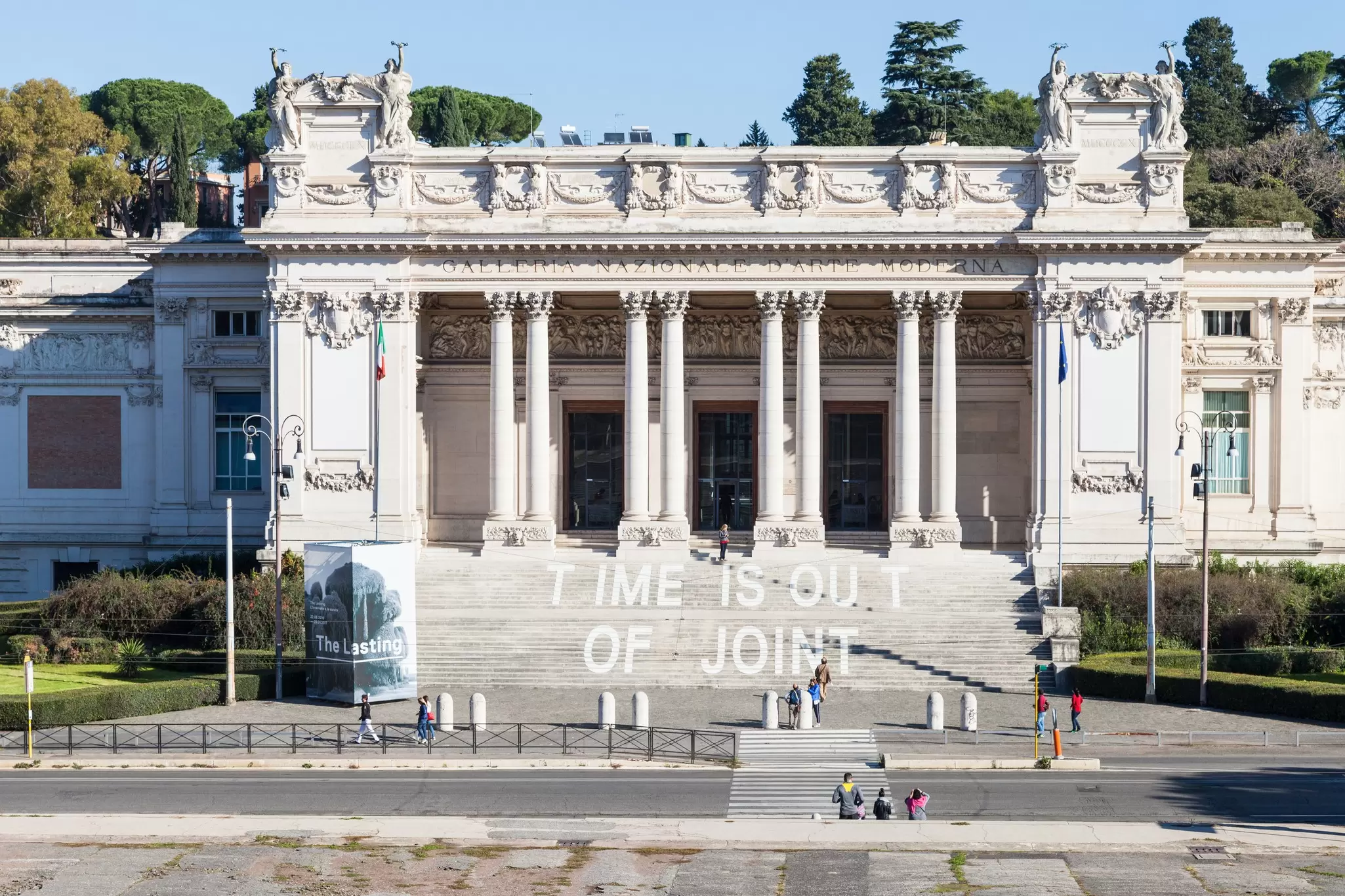
For a break from classical art, La Galleria Nazionale is the place. The gallery, known locally as GNAM (Galleria Nazionale d'Arte Moderna e Contemporanea), is one of Rome’s unsung heroes, housing a superlative collection of modern and contemporary art with works by a who's who of major 19th- and 20th-century artists.
The Collection
Running the gamut from neoclassical sculpture and impressionist paintings to Dadaist provocations and contemporary installations, GNAM's collection provides a comprehensive snapshot of modern art’s major movements. Unusually, though, works are not ordered chronologically but by theme or so that they play off of each other. Witness the pride of bronze lions sprawled on the monumental entrance staircase, their cheerful playfulness contrasting with the grave pomposity of the vast neoclassical palace.
Another case in point is the Sala dell’Ercole, where Antonio Canova’s 3m-high sculpture of Ercole e Lica (Hercules and Lichas; 1795–1815) is juxtaposed against a 1960s water-bath installation by Pino Pascali.
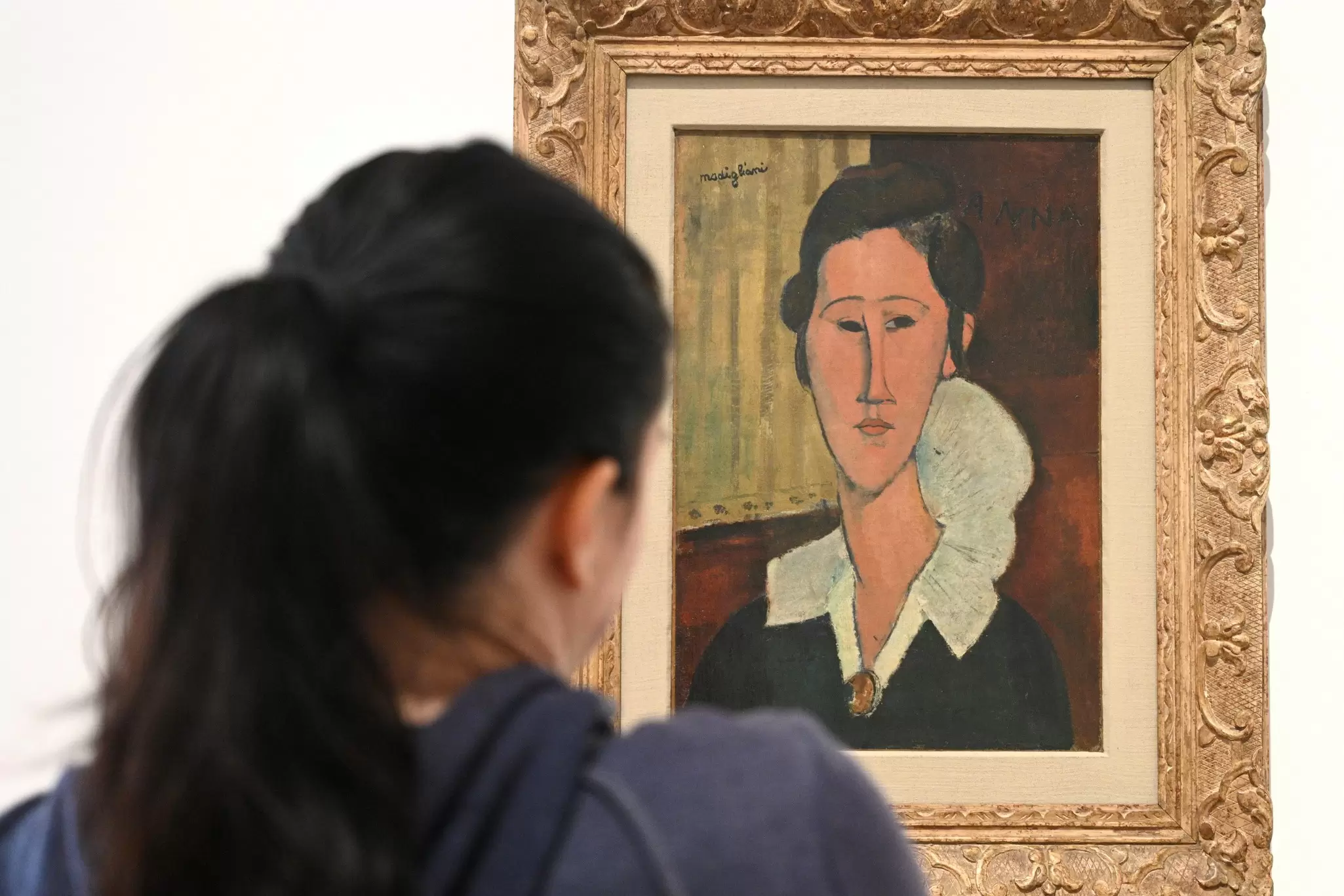
All through the museum’s spacious, light-filled rooms, you’ll find works by major Italian artists such as the macchiaioli (Italian Impressionists), the futurists Boccioni and Balla, Modigliani, de Chirico and Guttuso.
Perhaps more recognizable, though, are some of the works by its roll call of international artists – Monet’s Ninfee rosa (Pink Water Lilies; 1897–99), Gustav Klimt’s Le tre età della donna (The Three Ages of Woman; 1905) and Mondrian’s Composizione A (Composition A; 1919–20). There's also Marcel Duchamp’s celebrated 1917 Fountain (really a porcelain urinal), a work that's guaranteed to get you discussing the merits (or lack thereof) of modern art.