Aug 15, 202612 min read
15 of the Best Things to Do in CreteAug 15, 2026
12 MIN READ
Contributors
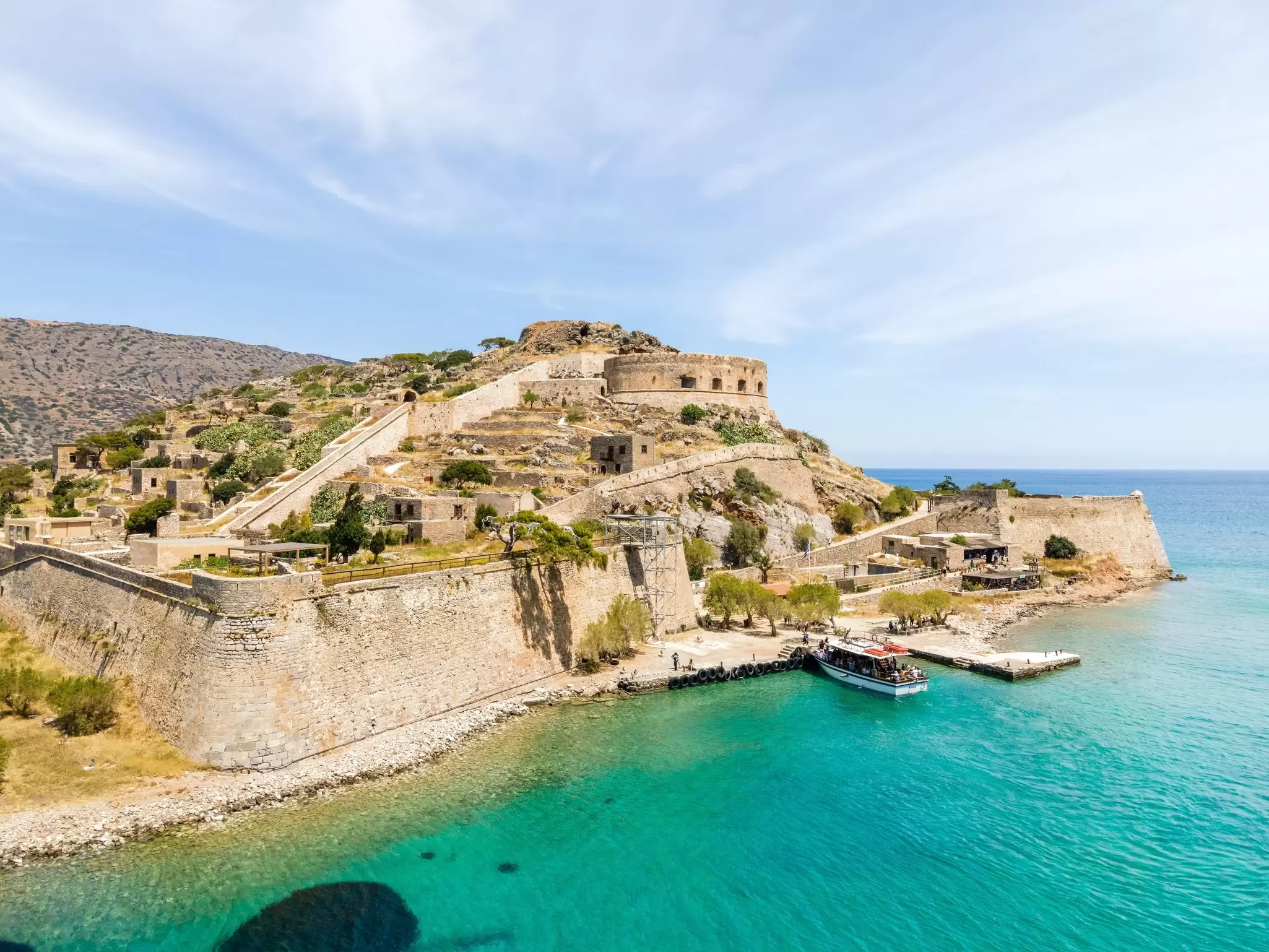
Spinalonga Island, near Elounda, Crete. Paopano/Shutterstock
Contributors


Ryan Ver Berkmoes, Lonely Planet Editors
Highlights
• Writer Ryan Ver Berkmoes rounds up 15 Crete experiences, from beaches to Minoan ruins. • Visit Knossos for Minoan frescoes, then see Lerapetra Museum's striking Persephone. • Hike the 18km Samaria Gorge, or beach-hop the southwest coast by ferry. • Eat in Hania's old town, then catch the sunset at west-facing Falasarna Beach.
Lonely Planet may earn a commission from affiliate links on our site. All recommendations and reviews reflect our own independent opinions.
It would take weeks – maybe months – to experience everything Crete has to offer. The largest and most southerly island in Greece is blessed with pine-scented mountains, hundreds of miles of beaches, ancient ruins, two beguiling major cities – Hania and Heraklion – and year-round sunshine. All this makes the place one of the favorite holiday destinations in the Mediterranean.
The best things to do on this peerless Greek island range from ancient Minoan sites linked to the legend of the Minotaur; hikes along dramatic rocky gorges; beach-hopping by boat along rugged coastlines; and feasting on delicious Cretan cuisine in the atmospheric streets of the island’s historic cities and towns.
Do take care in the hot Mediterranean sun, for temperatures exceeding 30ºC (86ºF) are not uncommon in July and August, and the north-to-south Meltemi winds can trick you into thinking the sun is less scorching than it is. For hiking and city exploring, spring and fall may be the best times to visit Crete.
To get you going, here are some of our favorite things to do in Crete, from idling on the beaches to lacing up your boots to explore some of Greece's most thrilling landscapes. You're bound to find something to put you in the Mediterranean mood.
To start planning your trip, download the Lonely Planet app or check out our Crete guide for local tips, maps and more.
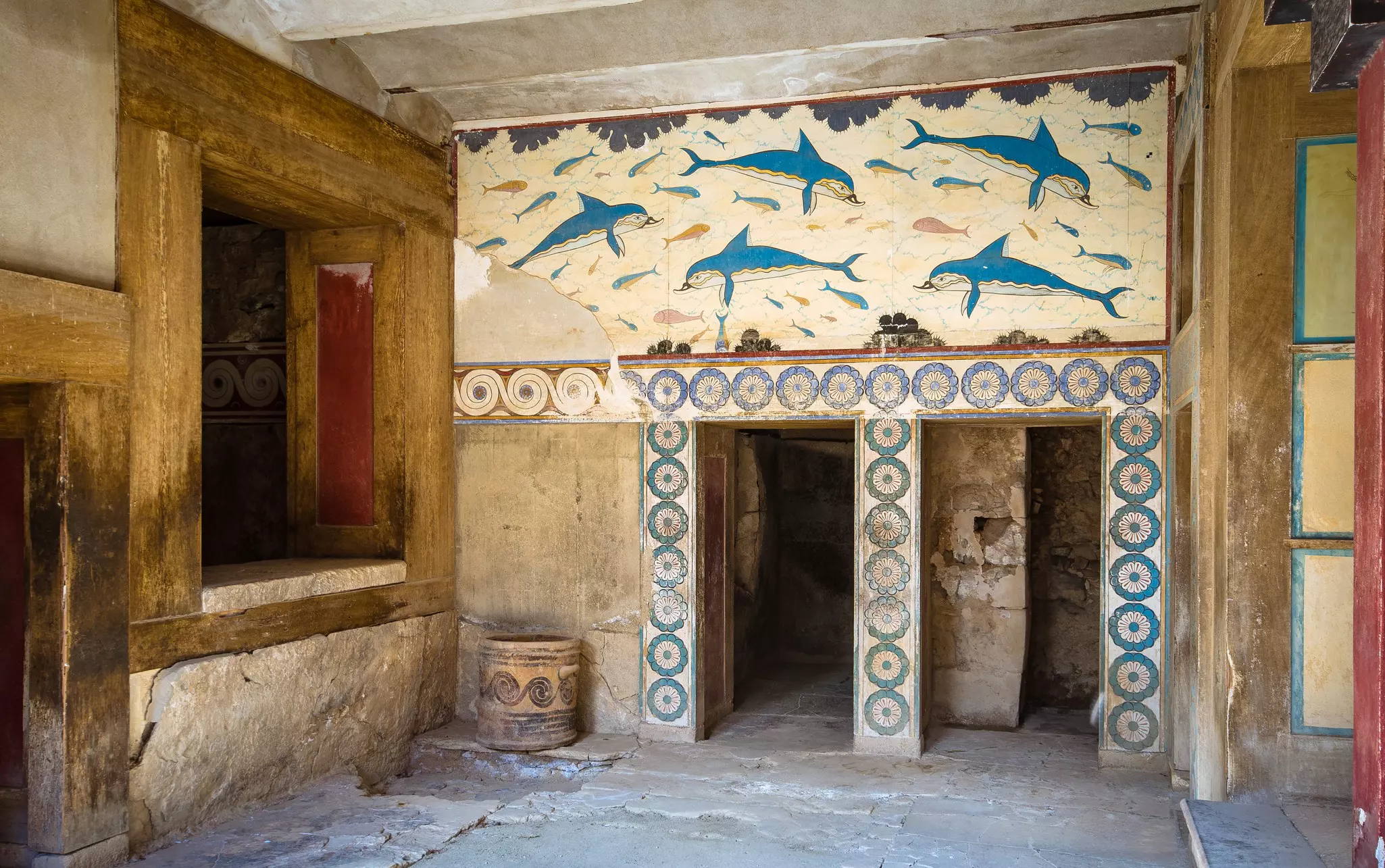
Long associated with the legend of the Minotaur, the Palace of Knossos is Crete’s most famous ancient site. As you wander its rooms, you can get close to the playful passion of the Minoan artists who, some 4000 years ago, painted its many frescoes, such as the famous panel in the queen's megaron (bedroom) showing dolphins frolicking.
Be sure to check out the charging bulls on the famous panel near the North Entrance. Also, spare a thought for the plumbers and engineers who designed the ancient palace’s water system – by all indications, it worked as well as yours does at home. Finally, appreciate the architects who cleverly placed rooms and windows to catch seasonal changes in the light.
Planning tip: Try to arrive as early in the morning as possible, or late in the afternoon, to avoid intense heat and crowds. Dump the flip-flops for sturdy shoes, as there are steps and the ground is uneven in many parts of the compound.
For much of the 20th century, Greeks with leprosy (Hansen's disease) were sent to live in harsh conditions in quarantine on Spinalonga Island, just off Crete’s east coast, near Elounda. After the colony was closed in 1957, the island was abandoned; today, it's a major destination for day trips, thanks to the sun-bleached remains of its former facilities and the ruined Venetian fort that once guarded the harbor.
Undeniably atmospheric, Spinalonga has a reputation that has grown thanks to Victoria Hislop's best-selling novel The Island (read it before you go), and the successful television dramatization of the story, To Nisi.
Planning tip: Most people reach Spinalonga on boat trips from Elounda or Plaka. There’s a snack bar on the island, but you could also bring a picnic and enjoy it on the island's small beach. Check the ferry schedule as boat services are reduced outside of the summer tourist season.
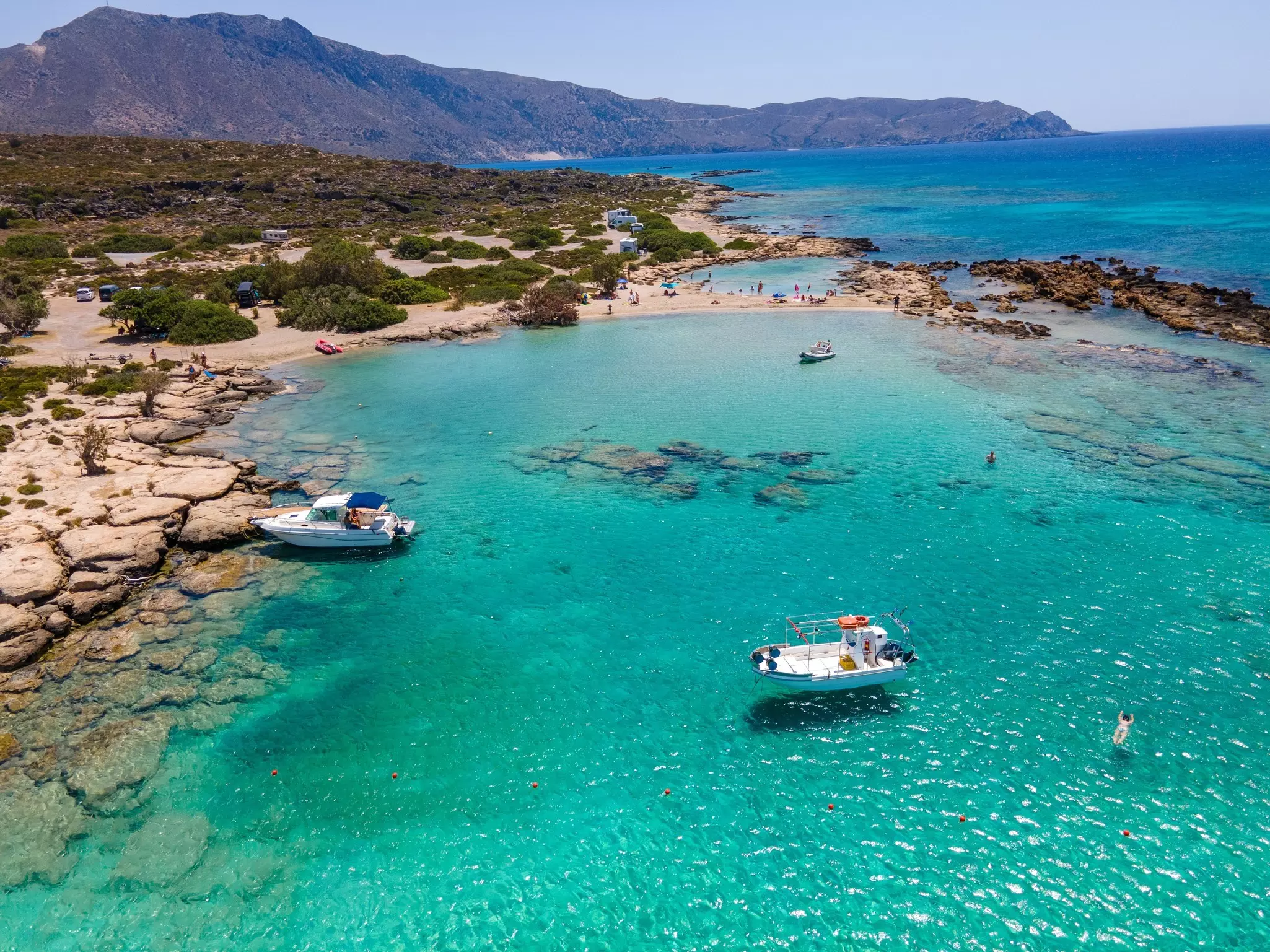
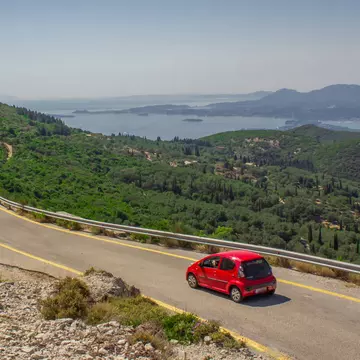
It is possible to reach many of the fine beaches along Crete’s southwest coast – the island’s best bunch of beaches – by car. But why fight curves, traffic and even nausea on the treacherous mountain roads when you can hop from one magnificent beach to the next by ferry?
In summer, local fishers run small shuttle boats that daisy-chain between the most popular beaches, including unmissable ones at Hora Sfakion, Agia Roumeli, Paleohora and Elafonisi. With transport taken care of, you can relax and enjoy sublime views from the boat, then from the sands, of sheer cliffs plunging into the water.
Planning tip: The beach transfer service usually runs from May to September; it’s also possible to arrange boat charters to less crowded coves and offshore islands. Be careful of the sun and alert to the risks of high temperatures in summer.
Located in a 19th-century school built by the Ottomans, the Archaeological Museum in Ierapetra comes off initially as just another dusty repository for carved rocks and clay shards. That is, until you see the grandeur of the museum's impressive statue of the goddess Persephone.
Carved in the 2nd century CE, and with no missing parts – take that, Venus de Milo – the sculpture is just the start of the surprises at this compact gem of a museum. Don't miss the larnax (clay coffin) from 1300 BCE, decorated with hunting scenes, a chariot race and even an octopus.
Detour: The only town on Crete's less touristy southern coast, Ierapetra is known locally as “the bride of the Libyan Sea.” Head to Koutsounari Beach nearby to enjoy a swim in its warm waters.
Lonely planet’s trusted travel insurance provider
Travel with confidence. Protect your trip and your wallet.
We don’t represent World Nomads, we receive a fee from quotes using this link. This is not a recommendation to buy travel insurance.
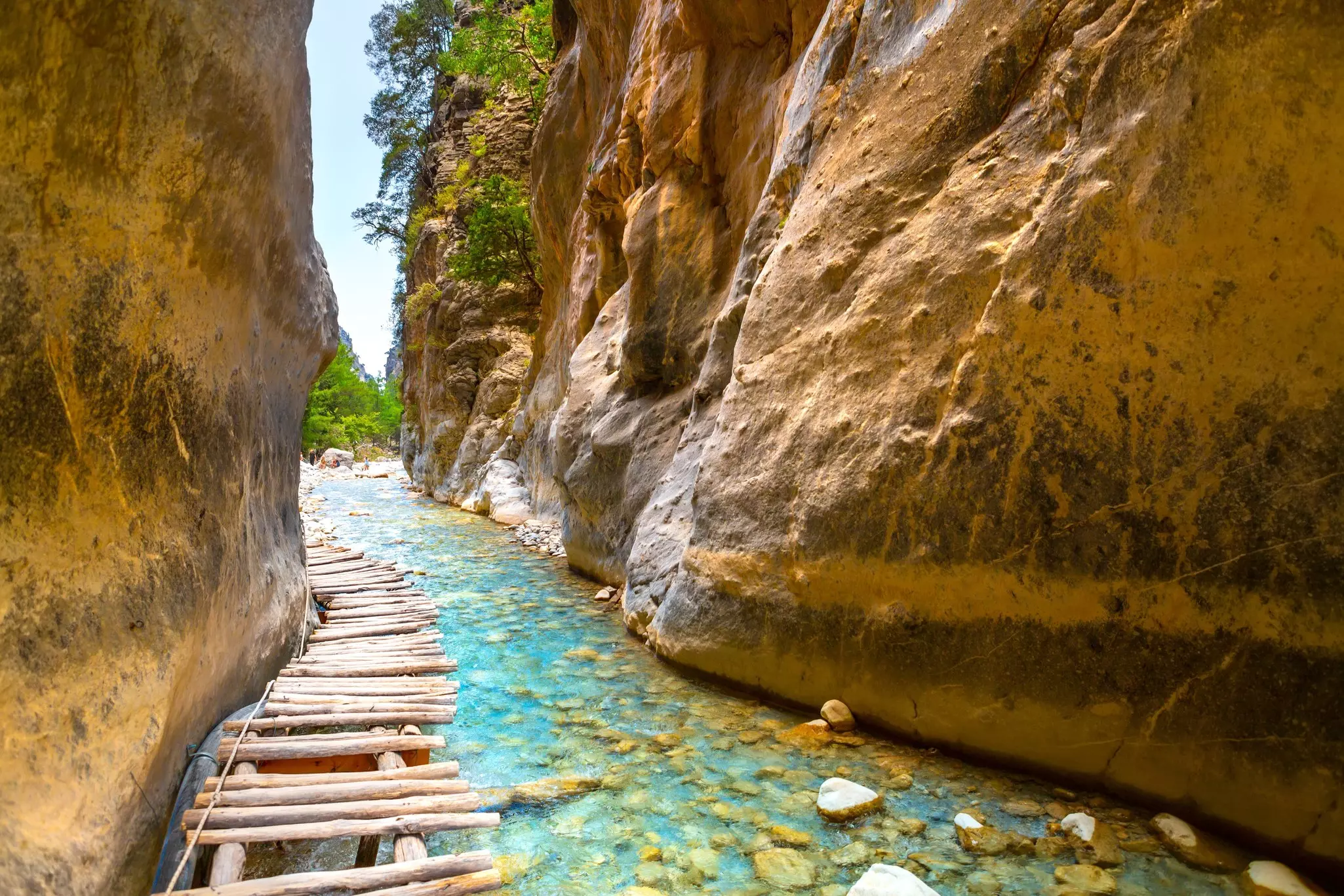
Sheer rock faces that, at points, are only 3m apart are one of the many splendid sights on the 18km hike to the sea down through the Samaria Gorge, one of the most popular natural attractions in all of Greece.
If you're really lucky, you might spot a kri-kri, a rare goat species native to Crete. If not, you’ll be doing your own goat act as you scramble along the trail past geological wonders, abandoned churches and vast carpets of wildflowers. The hike starts just south of Omalos at Xyloskalo, at an elevation of 1230m, and ends in the coastal village of Agia Roumeli, where a cooling dip in the sea awaits.
Planning tip: The only way out of Agia Roumeli is by taking the boat to Sougia or Hora Sfakion – a service that runs only when the gorge is open, from April to October. Check the weather in advance, as the gorge is sometimes closed to hikers due to heat waves or extreme rain.
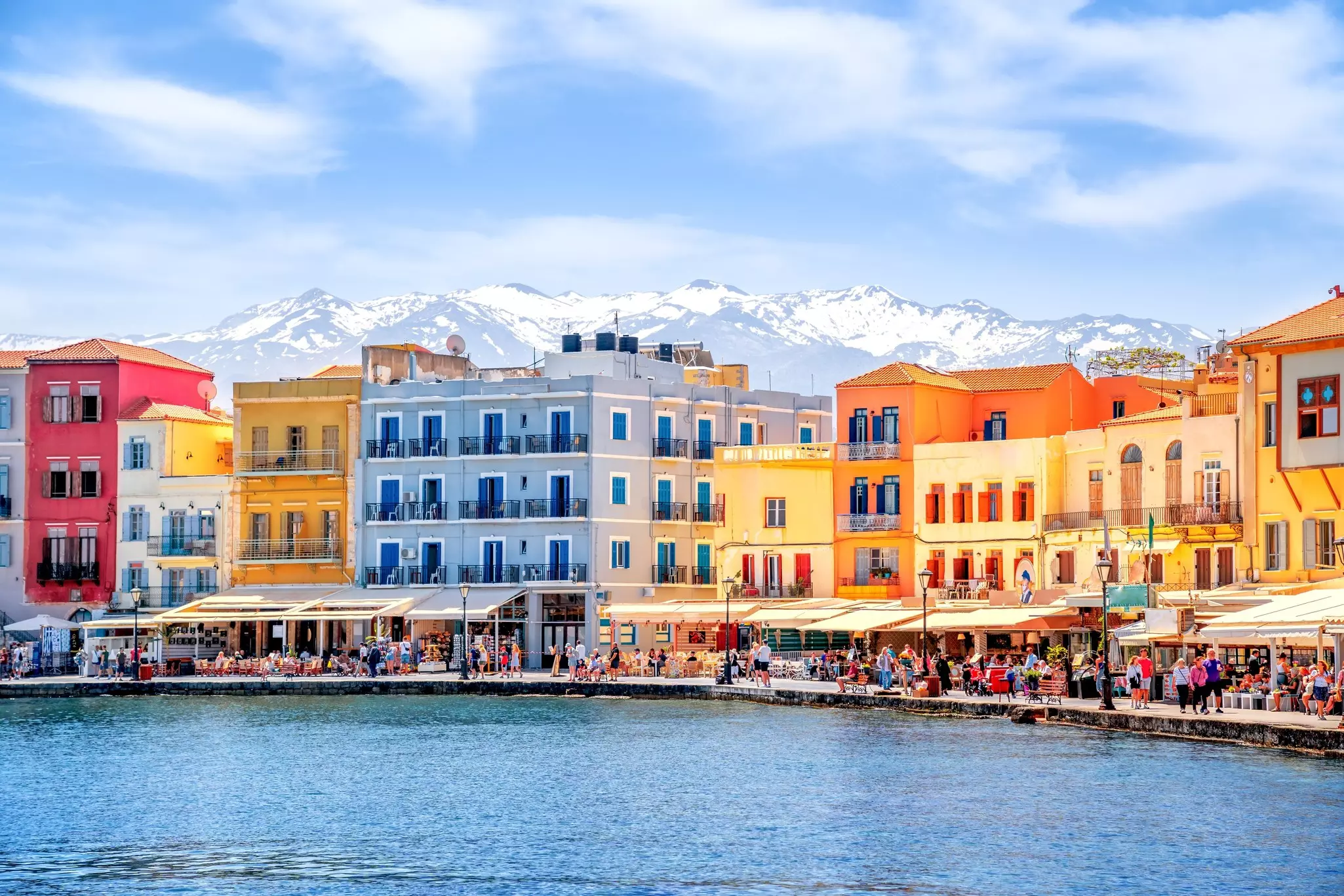
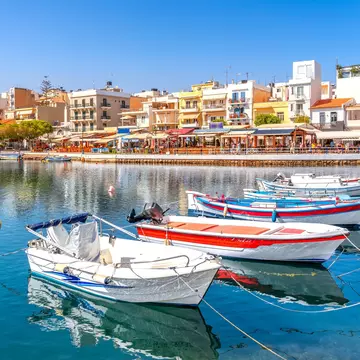
If you ask any Cretan where they like to eat, Hania will come up most often. Centered on a gorgeous Venetian-era harbor, this northern port has some of the best chefs cooking some of the best food using some of the best ingredients in all of Greece.
In Hania’s case, food quality is proportional to the distance from the water. Which is to say that the further you go down the old stone lanes that lead away from the ho-hum tourist tavernas close to the water, the better the dining gets. Look for cafes and bistros with changing chalkboards and menus that reflect what's fresh and in season.
Planning tip: While in Hania, be sure to visit the Venetian harbor, dominated by the Mosque of Kioutsouk Hasan, a reminder of Crete’s two centuries of Ottoman rule.
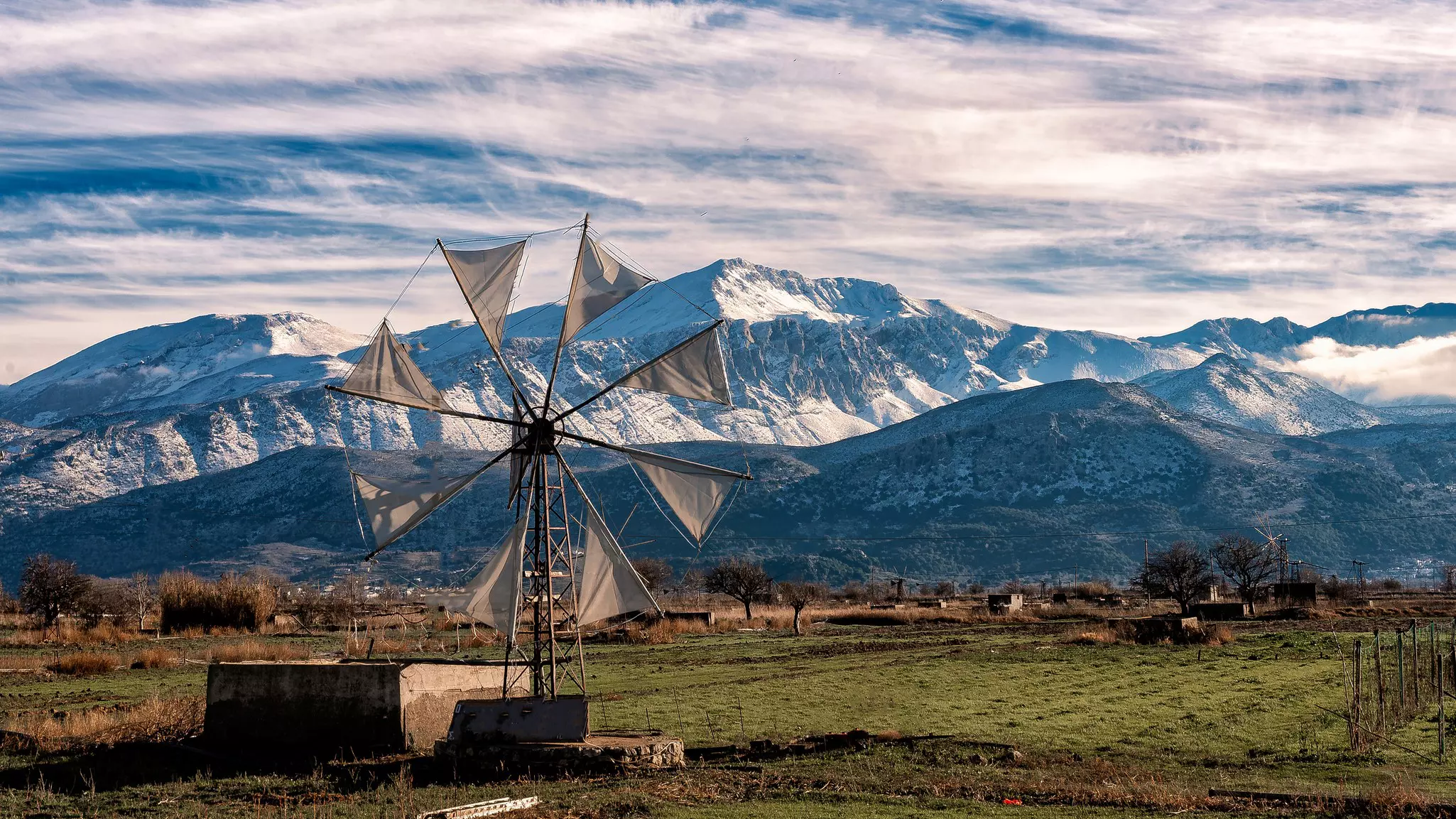
Some 20,000 windmills made of stone, steel and canvas once turned on the Lasithi Plateau, and some 5000 still do today. Inland from Agios Nikolaos, this flat region is Crete’s bastion of tradition, with green fields wending around orchards of pear, almond, apple, olive and cherry trees hidden away in the hills.
The bounty is tended to by farmers who still live in sturdy stone houses and drive tractors along the narrow farm roads. It’s a fertile panoply just made for touring by bicycle; numerous cycle-tour operators on the north coast can arrange bike tours or rentals.
Planning tip: If you come independently by bike or rental car, the village of Agios Georgios is the best base for exploring the hinterland.
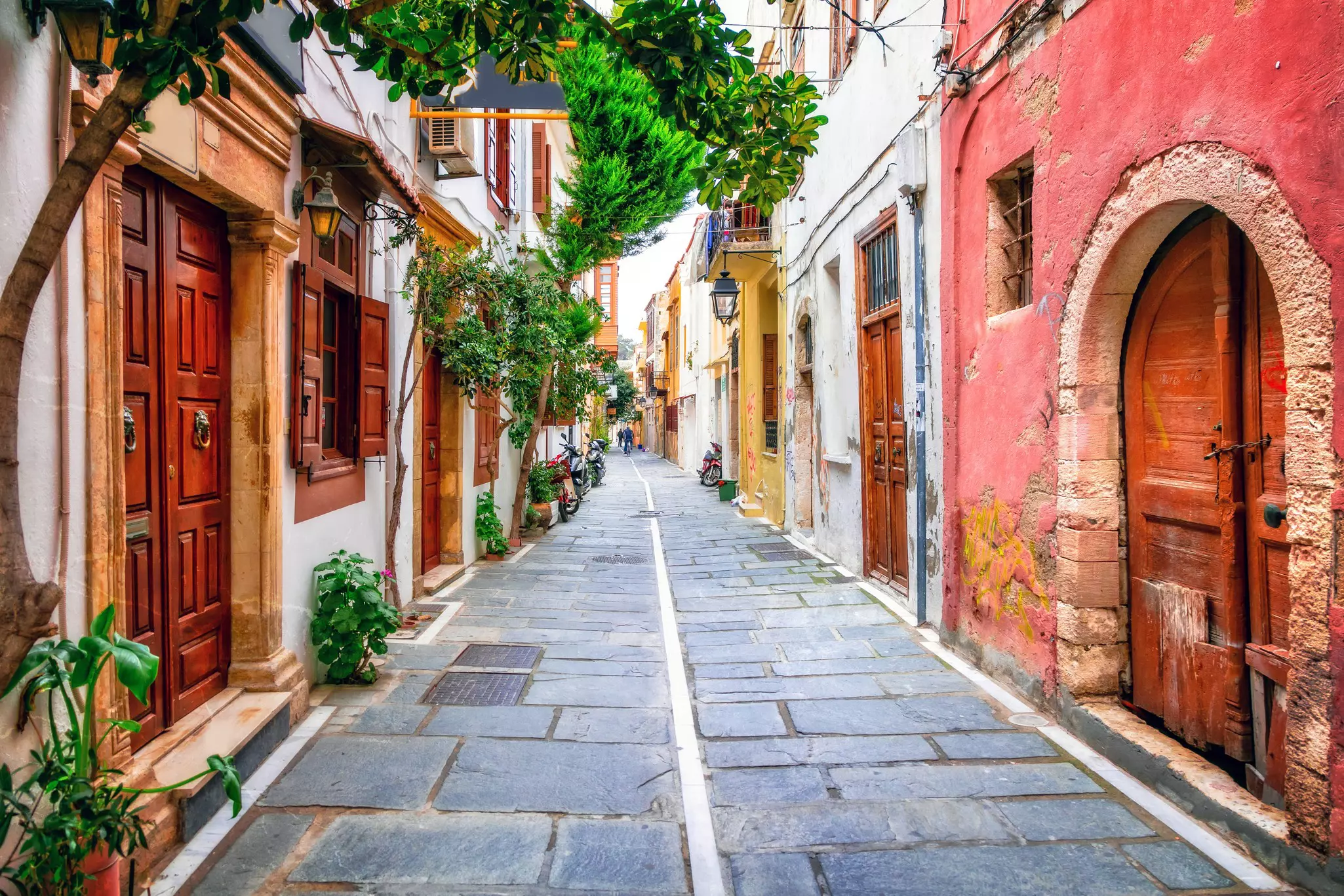
To get a feel for Rethymno, Crete's third-largest city, gaze out to sea from the Fortezza, the vast fortress built in the 16th century to protect the port from marauding pirates. The tangle of old town streets off the Venetian Harbor is a maze of delights. It’s small enough not to get too lost – but you will still get swallowed up by the past. At which point you can stop for a modern drink at a flower-shaded cafe.
Planning tip: Narrow streets and limited parking spaces in high season can make driving in Rethymno challenging (but not impossible). If you can travel into the city by public transport, do so.
Not far from the farming town of Palekastro on Crete’s east coast, the beach at Kouremenos at first seems rather unremarkable: pebbly, with a setting a tad mundane. But then you notice the wind – and then you notice the windsurfers. And you say “Ah-ha!” Thrill-seekers flock here to hit the waves with the wind at their backs, with reliable, nearly year-round gusts.
Detour: Escape from the beach for a wander through the evocative ruined houses and roads of the ancient Minoan town of Palekstro, just 2km from the modern village.
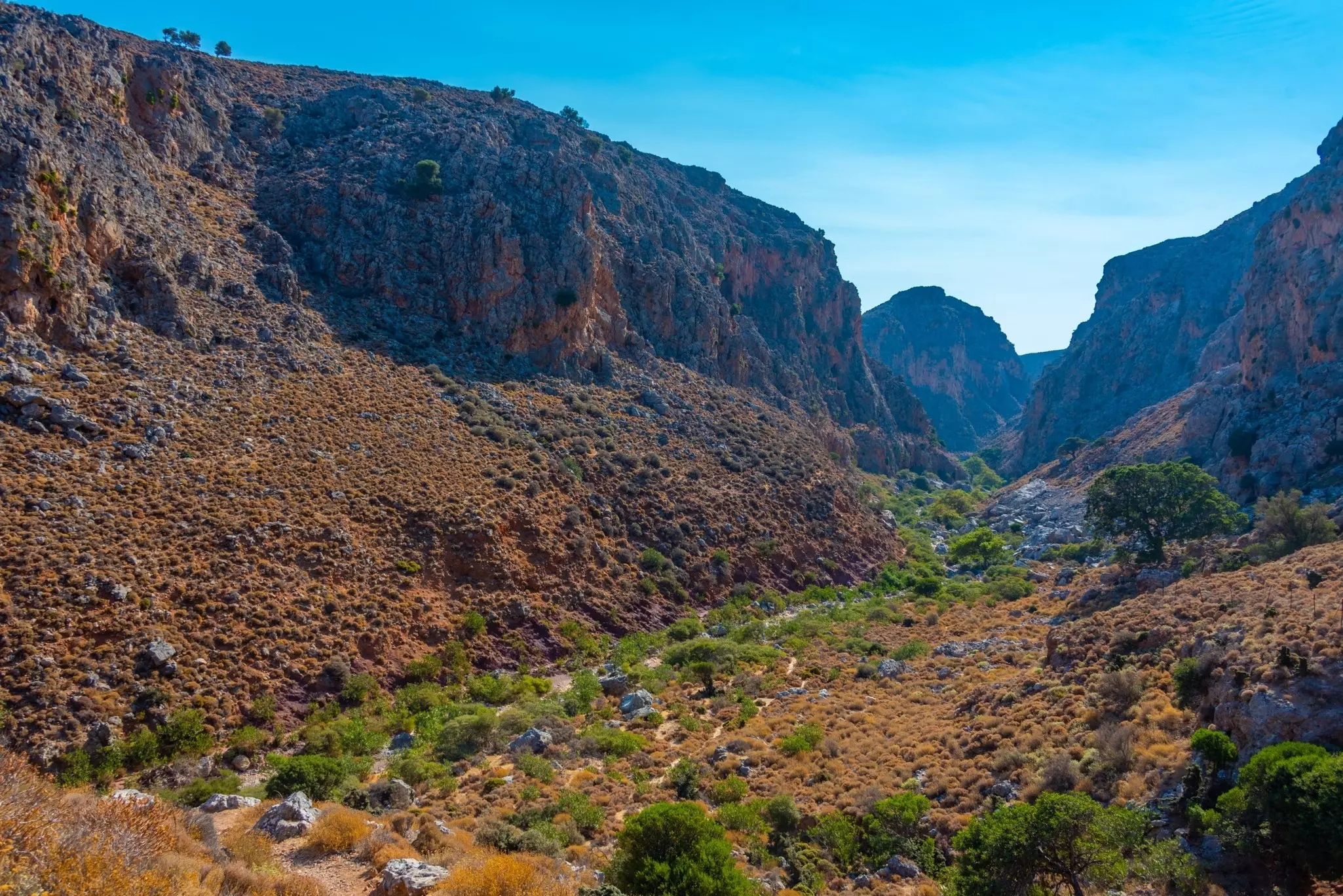
A meandering green river, towering rock walls and a profusion of wildflowers mark Zakros Gorge, which is much quieter than its famous counterpart at Samaria. The gorge’s other name is “Valley of the Dead” – a nod to the ancient Minoan burial sites set into caves on the walls of the canyon.
Route options for navigating the valley range in length from 2.5km to 4km. For the full route, start in the village of Ano Zakros and end at Kato Zakros beach, where there are a handful of small tavernas.
Planning tip: Zakros Gorge is the endpoint of the 10,000km E4 European long-distance path. If you're feeling really energetic, you can start the trek at the beginning of the route...in Portugal.
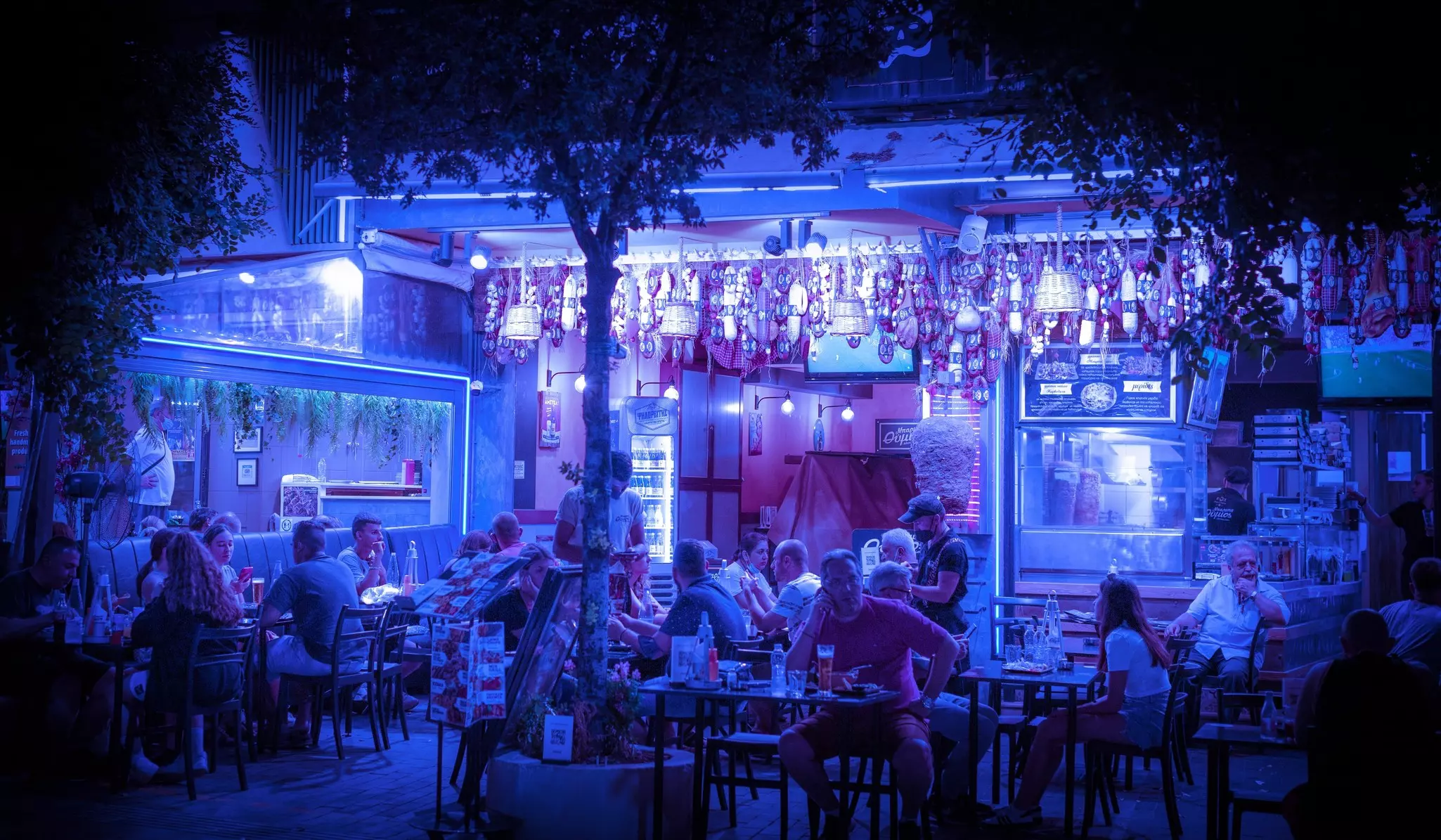
Crete’s capital heaves with students who make its nightlife scene raucous and never-ending. Cafes cater to all comers by day, and bars get lively in the evening – before the clubs get going after 1am and keep partying well past dawn. Iraklio is a firm fixture on the DJ circuit, so look out for events by big names.
You'll find the best of the action in the Koraï Quarter, around El Greco Park and at the west end of the harbor, among other places. The edgy vibe is just the antidote to all the cocktails with silly names and watery seltzers at the resort clubs.
Planning tip: There can be a dress code at some clubs and bars, so it’s best not to arrive in a T-shirt and sandals. When ordering drinks or snacks in a bar, rounding up the bill is common practice in Crete.
Actually spotting the coastline of Africa from Myrthios in southern Crete would be a stretch, as the continent lies 300km southwest across the Libyan Sea. Instead, you can take in a vast vista from one end of the shining sea to the other. This picture-perfect village is perched high on a cliff face above the busy beach town of Plakias. It's a wonderful spot on the south coast to get a room with a view and gaze out over the water.
Planning tip: Discover rural pathways through the hills on a horse or donkey trek from the Plakias Horse Riding Center to the old town of Myrthios, stopping to take in the views on the way.
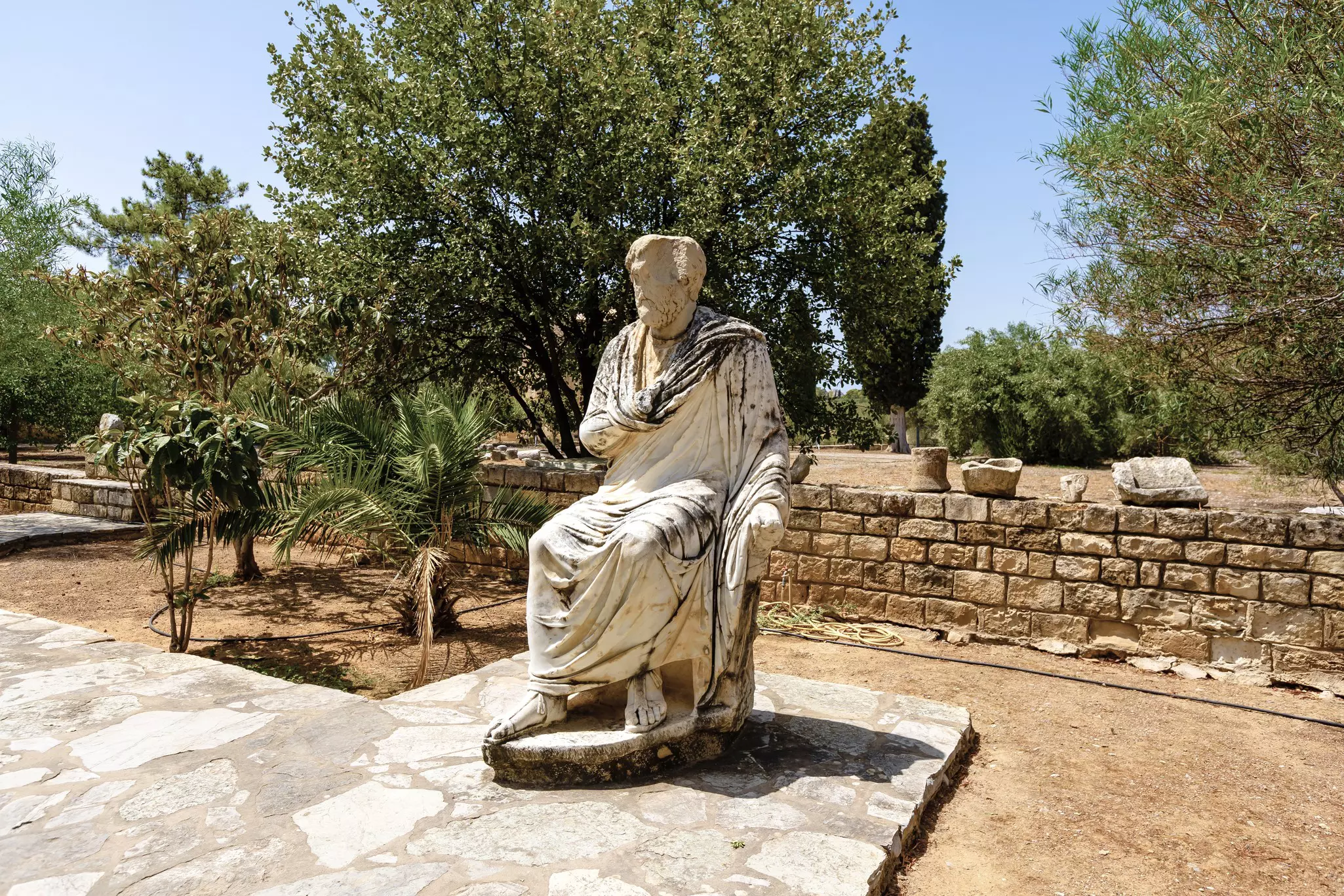
Minoans, Greeks, Byzantines, Ottomans, even Nazis: evidence of past empires and conquering forces is inescapable in Crete. But what about those big dogs of the Mediterranean, the Romans? At Gortyna in south-central Crete, the Roman world is on full display, in what was once the island’s Roman capital.
From 67 BCE, this sprawling archaeological site was a hub of Roman commerce and conquest. Ruins of theaters, temples and baths are among the highlights of the crumbling ruins. Note the ruins of temples sacred to deities borrowed from the ancient Greek and Egyptian pantheons, as well as Roman deities.
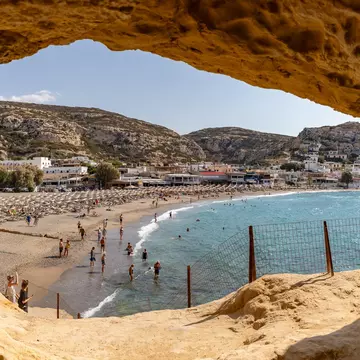
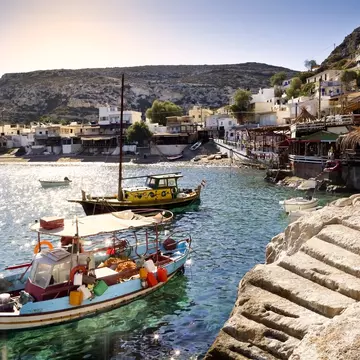
Detour: Nearby, you can follow the 1960s hippie trail to the white sands of Matala, a coastal village with ancient caves that date back to the Neolithic period. In its bohemian heyday, the village was occupied by a community that reputedly included Cat Stevens, Bob Dylan and Joni Mitchell. The place was even the inspiration for Mitchell’s song “Carey.”
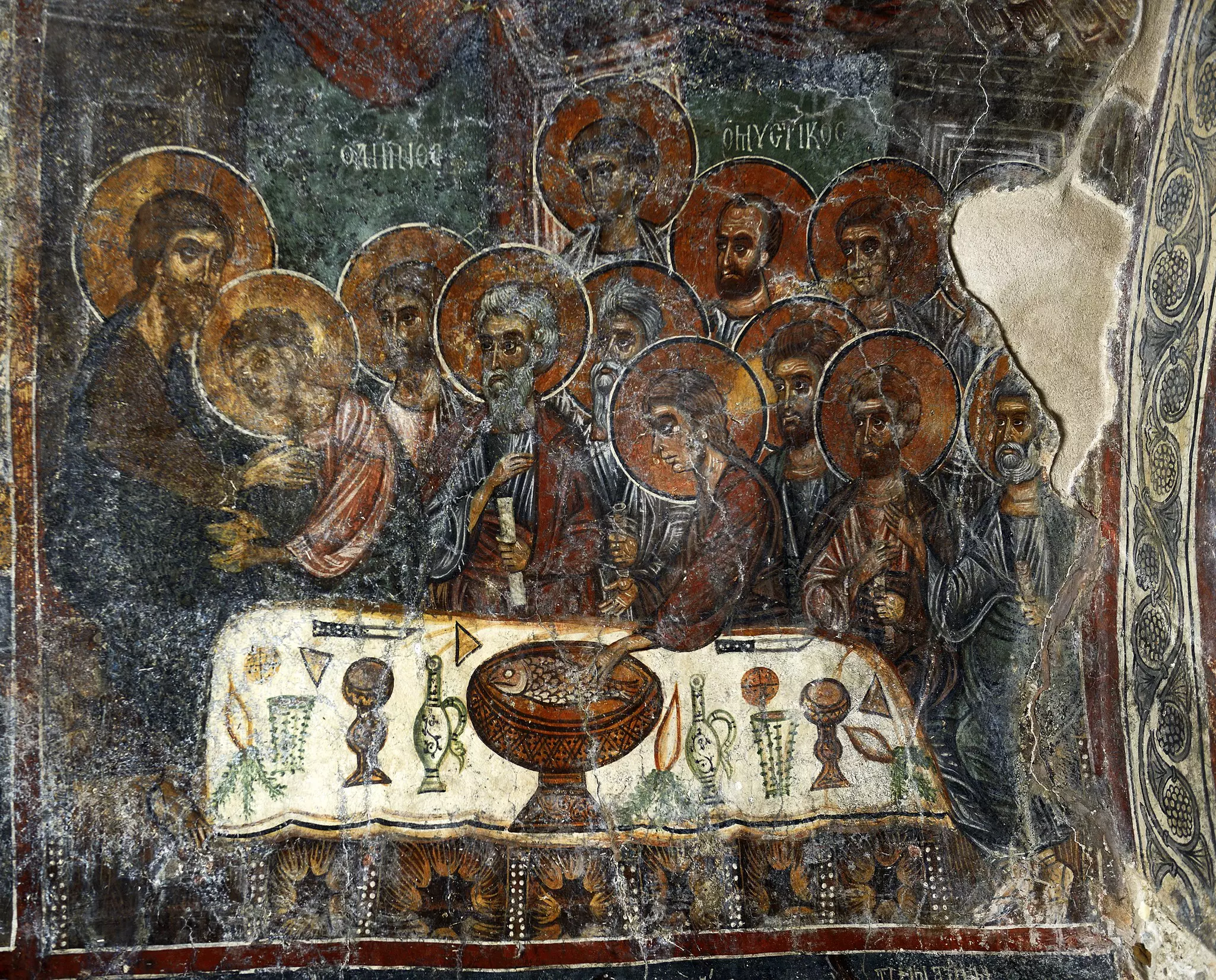
Amid the triple aisles of this tiny church, inland from Agios Nikolaos in the village of Kritsa, extraordinary 14th-century Byzantine frescoes depict the Presentation, the Baptism, the Raising of Lazarus and the Entry into Jerusalem – and are well worth looking at closely. Other depicted scenes from the New Testament include a sobering tableau of the Punishment of the Damned.
Planning tip: The church is only 1km from Kritsa – but in the summer heat, it’s most comfortable to drive or take a bus or taxi. Local buses link Kritsa to Agios Nikolaos on the coast.
The setting sun is on full display as it sinks below the Mediterranean horizon at Falasarna Beach, a west-facing strand of sand near Kissamos that is low-key enough for you to quietly enjoy the daily spectacle of gold, orange and red.
Before the nightly spectacle, make a day of it by enjoying the pinkish-white sand and azure waters. A couple of cafes offer refreshments, and trails lead off to minor archaeological sites with the remains of lanes and buildings and toppled columns.
Planning tip: Get to Falasarna from Kissamos by rental car in about 25 minutes, or take the summertime-only bus.
Book your Greece trip with Lonely Planet Journeys
See Greece how it's meant to be seen
Accommodations, activities and ground transportation all taken care of, so you can focus on the fun part. Tell us what your dream trip to Greece looks like, and our local experts will build it from scratch. Or start with one of our itineraries and make it your own.

Explore related stories