
Aug 13, 202610 min read
The Top 10 Places in England for Literature LoversLonely Planet may earn a commission from affiliate links on our site. All recommendations and reviews reflect our own independent opinions.
England’s literary history is deeply enmeshed with its landscapes: the windswept moors of Yorkshire that echo with the cries of Wuthering Heights; the quiet country cottages where Jane Austen polished her sharp social comedies; the dramatic Lake District, which inspired William Wordsworth’s poetry...not to mention innumerable country cottages that provided respite and inspiration for writers over the centuries.
London, Oxford and Bath have drawn bookish travelers for centuries – and for good reason. Yet one can only get truly close to England’s storied culture of literature by getting out into its small towns and villages.
Virginia Woolf once observed, “Every secret of a writer’s soul, every experience of his life, every quality of his mind, is written large in his works.” Across England, those secrets linger not just in books, but in these places that influenced writers and are waiting to be discovered. Here are the best places in England for anyone who loves literature.
Best for dramatic moorland landscapes
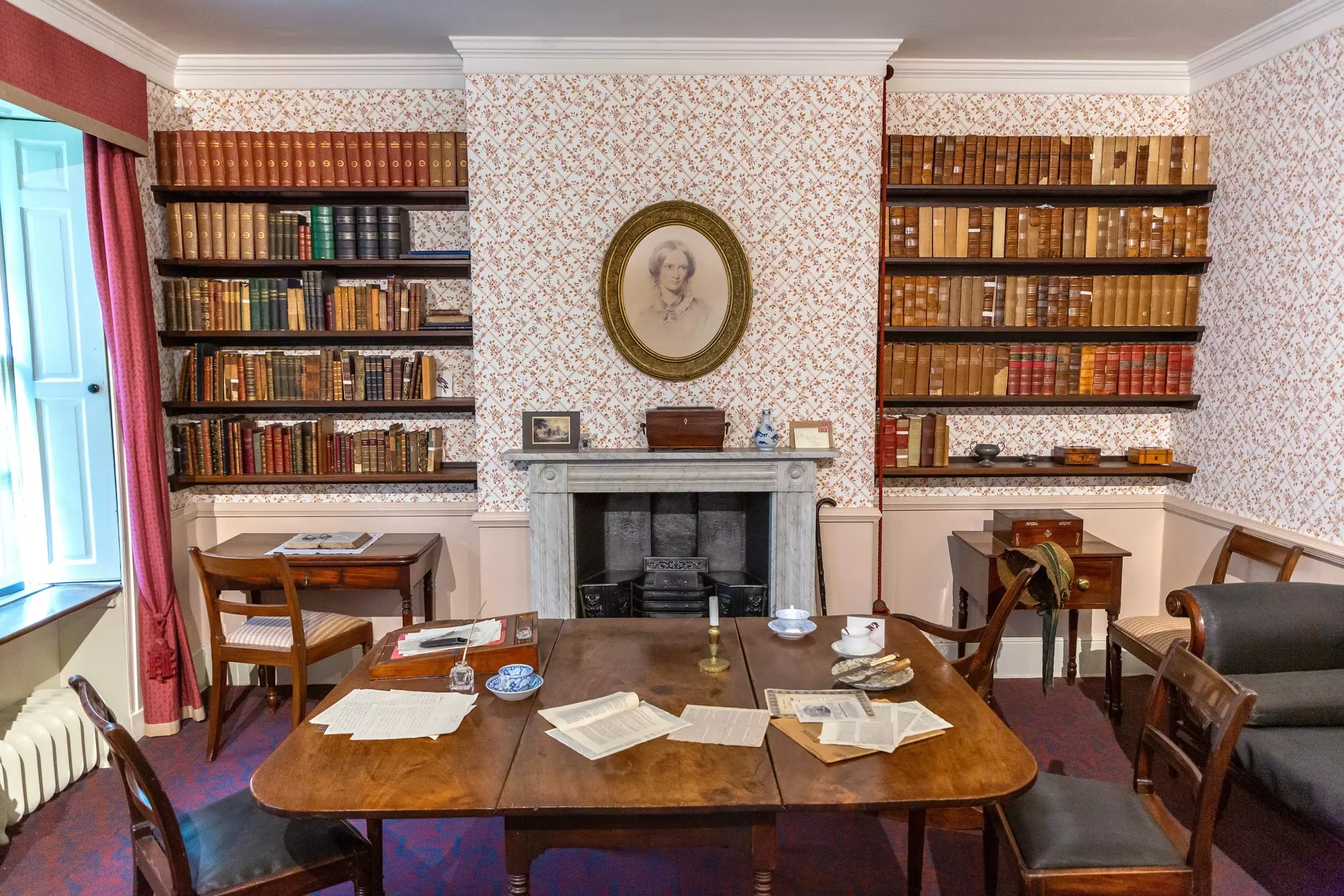
The Brontë sisters – Charlotte, Emily and Anne – grew up in Haworth, a village of steep cobbled streets and stone cottages overlooking wild moors. Once their home, the Brontë Parsonage Museum today preserves their manuscripts and belongings, while the annual Brontë Festival of Women’s Writing draws visitors from across the world.
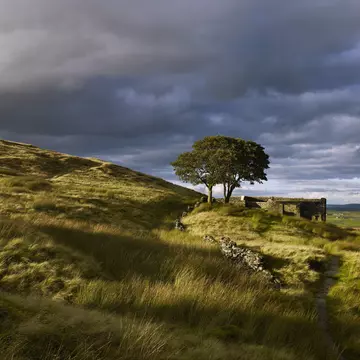
To take in the scope of this corner of West Yorkshire, don’t miss a ride on the heritage Keighley & Worth Valley Railway. Then, follow the 7-mile section of the Brontë Way to Top Withens, the ruins said to have inspired the Earnshaw home in Wuthering Heights.
Don’t miss: Browse the Wave of Nostalgia bookshop for Brontë-inspired crafts, and enjoy a pint at Old White Lion Hotel. Visit in September for Brontë Parsonage events or autumn moor walks.
Best for rolling hills and beaches
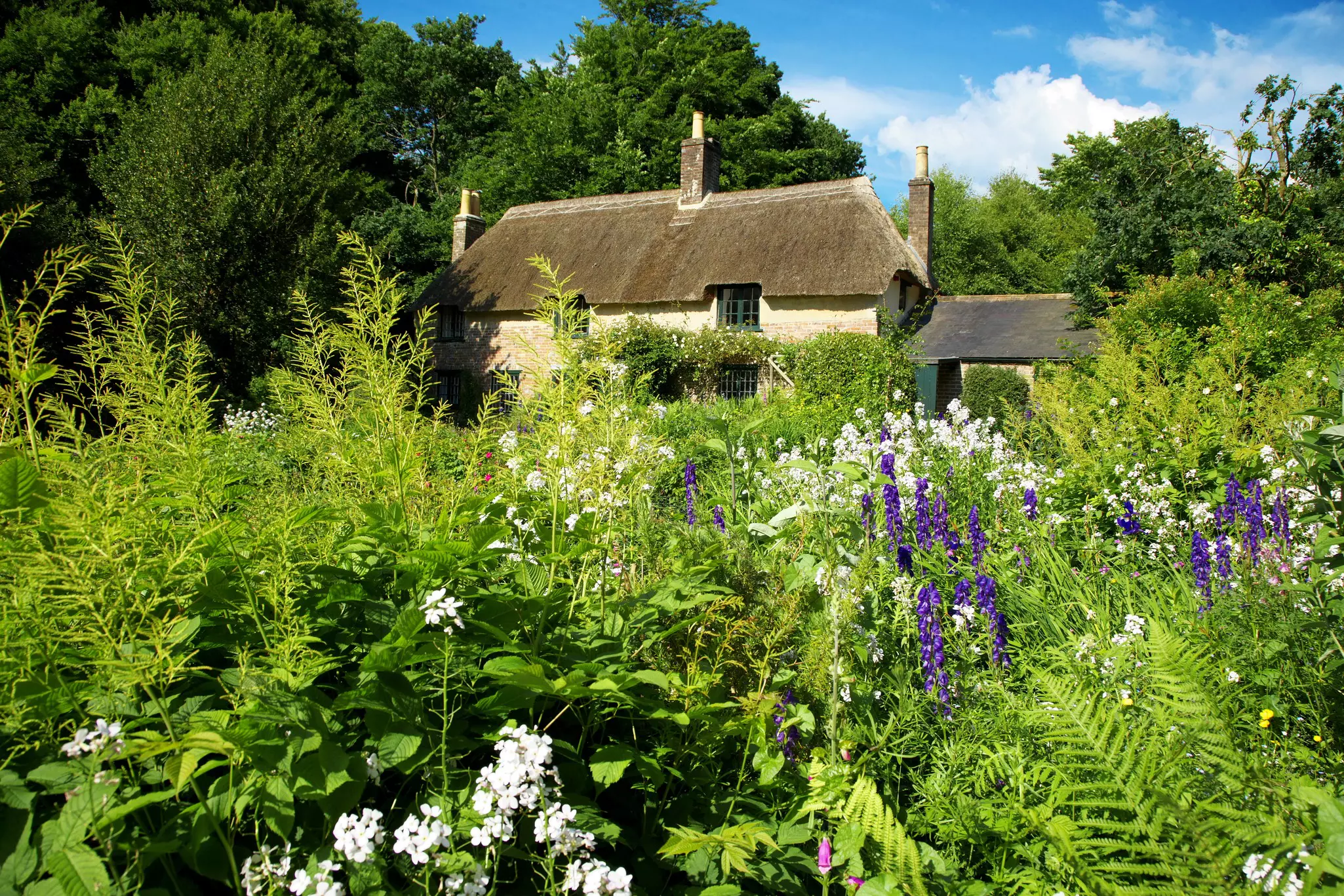
Dorchester and its surrounding countryside form the backdrop to Thomas Hardy’s fictional Wessex, the landscape that shaped much of his literary world. The cob-and-thatch Hardy’s Cottage, with a beautiful garden, is where he wrote Under the Greenwood Tree and Far from the Madding Crowd. At Max Gate, the Victorian home Hardy designed and lived in for 40 years until his death in 1928, you can visit the study where he penned much of his poetry. The rural landscape, from chalk hills to rustic barns, still echoes scenes from Tess of the d’Urbervilles and Jude the Obscure.
Don’t miss: Stop at the Dorset Museum and Art Gallery to explore key themes of Hardy’s life; a visit in June lets you enjoy the Thomas Hardy Victorian Fair. You can explore a stretch of the 216.5-mile Hardy Way, a long-distance trail that meanders through the heart of Hardy’s Wessex, or opt for the 3.6-mile Puddletown Forest Circular, a loop popular with day hikers and walkers.
Best for dramatic, picture-perfect scenery
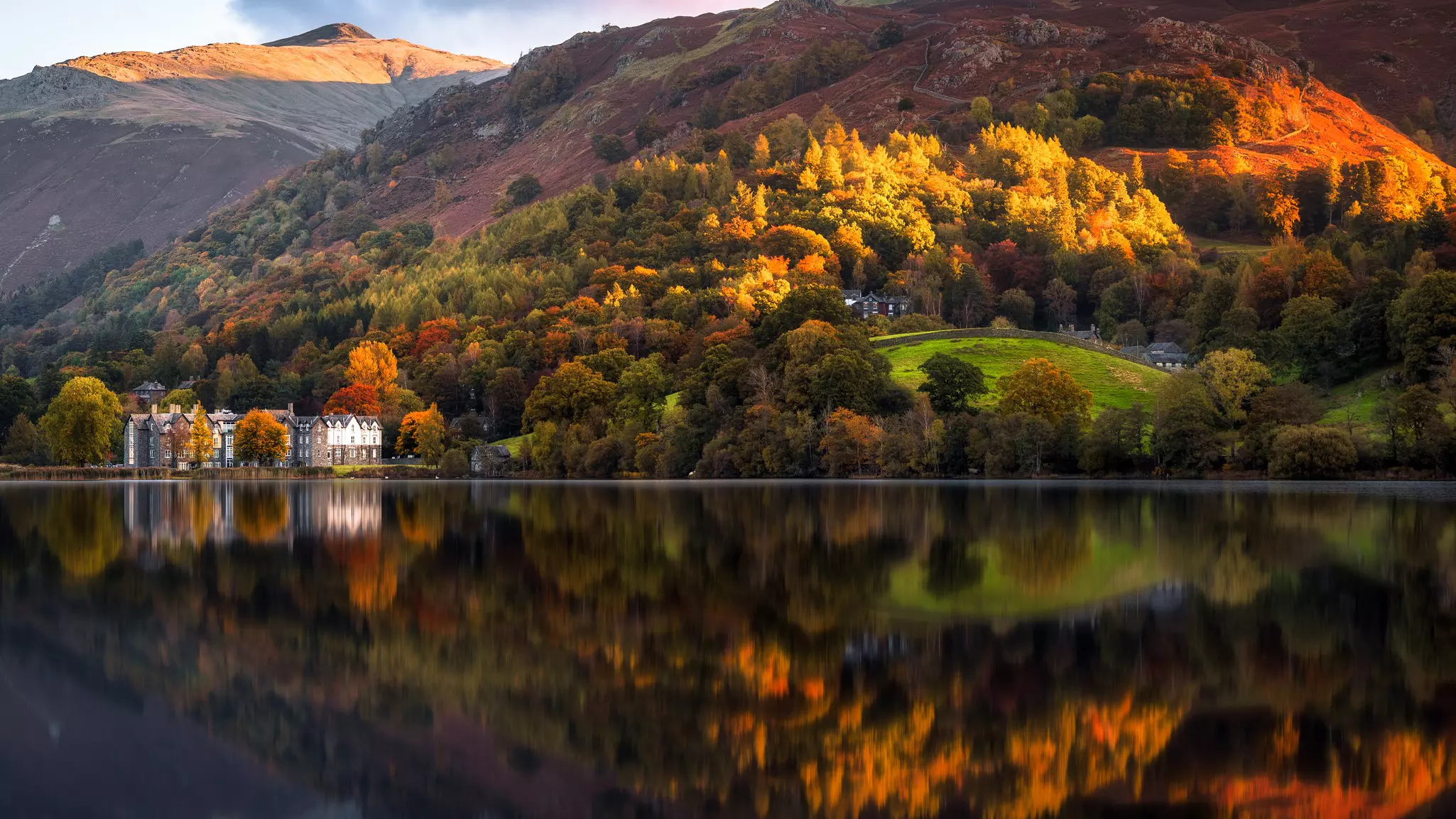
William Wordsworth loved Grasmere, “the loveliest spot that man hath ever found.” In the heart of this picturesque part of Cumbria, his Dove Cottage has been faithfully restored to reflect life as it was over 200 years ago. Next door, the Wordsworth Museum explores the great poet’s creative life through original manuscripts, letters, journals and personal belongings.
The conservation area of Town End comes complete with old lamp posts, cobbled streets and a 17th century farmhouse. After you’ve popped into the medieval St Oswald’s Church (Wordsworth’s final resting place), return home with sweet treats from Grasmere Chocolate Cottage and a jigsaw puzzle from Barney’s Newsbox.
Don’t miss: Sarah Nelson’s Grasmere Gingerbread shop has been delighting locals and visitors since 1854. Time your trip with the Grasmere Rushbearing Festival in July for a traditional Cumbrian celebration. You could embark on the 5.3-mile circular walk from Grasmere to Rydal Water, one of the Lake District’s smallest and most serene lakes. The low-level path along the shoreline is perfect for paddling and picnicking.
Best for walking, exploring, and enjoying the countryside
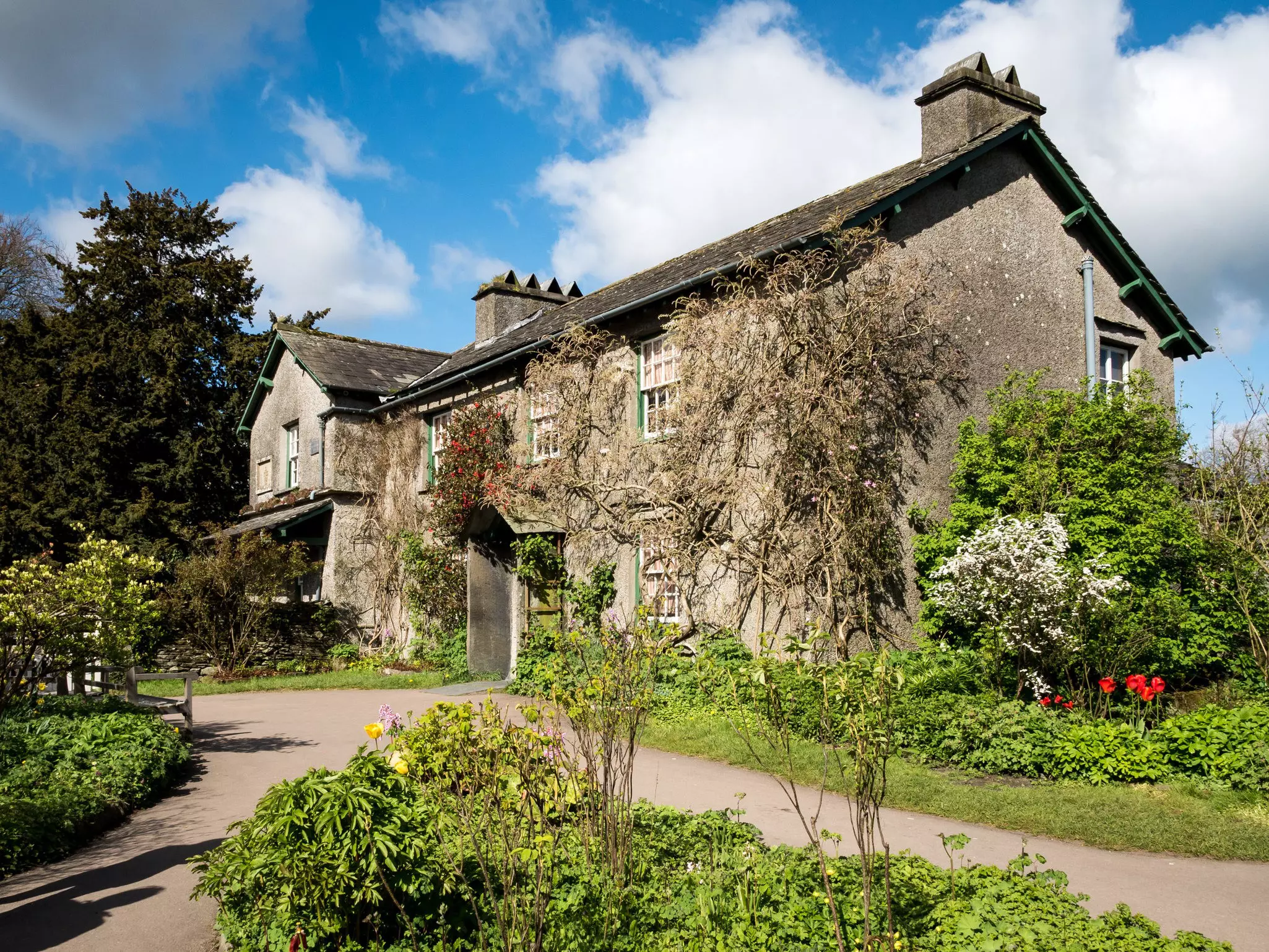
The village of Near Sawrey is where Beatrix Potter wrote many of her beloved tales, from The Tale of Peter Rabbit to Jemima Puddle-Duck. Potter believed her village was “as near perfect a little place as I ever lived in,” and her former home, Hill Top, is now a beautifully preserved property, much as she left it, with sketches and personal treasures.
Nearby, visit the Armitt, a museum and gallery in Ambleside; the Beatrix Potter Gallery in Hawkshead; and the World of Beatrix Potter in Bowness-on-Windermere. A 13-mile Beatrix Potter walk takes you along the shores of Lake Windermere and the wooded fells of Claife Heights, leading to Near Sawrey and Hawkshead.
Don’t miss: Take the ferry across Lake Windermere to Near Sawrey, then enjoy tea at Tower Bank Arms, which was featured in Potter’s illustrations. A visit in spring showcases gardens awash with color.
Best for country pubs, walled gardens and afternoon teas
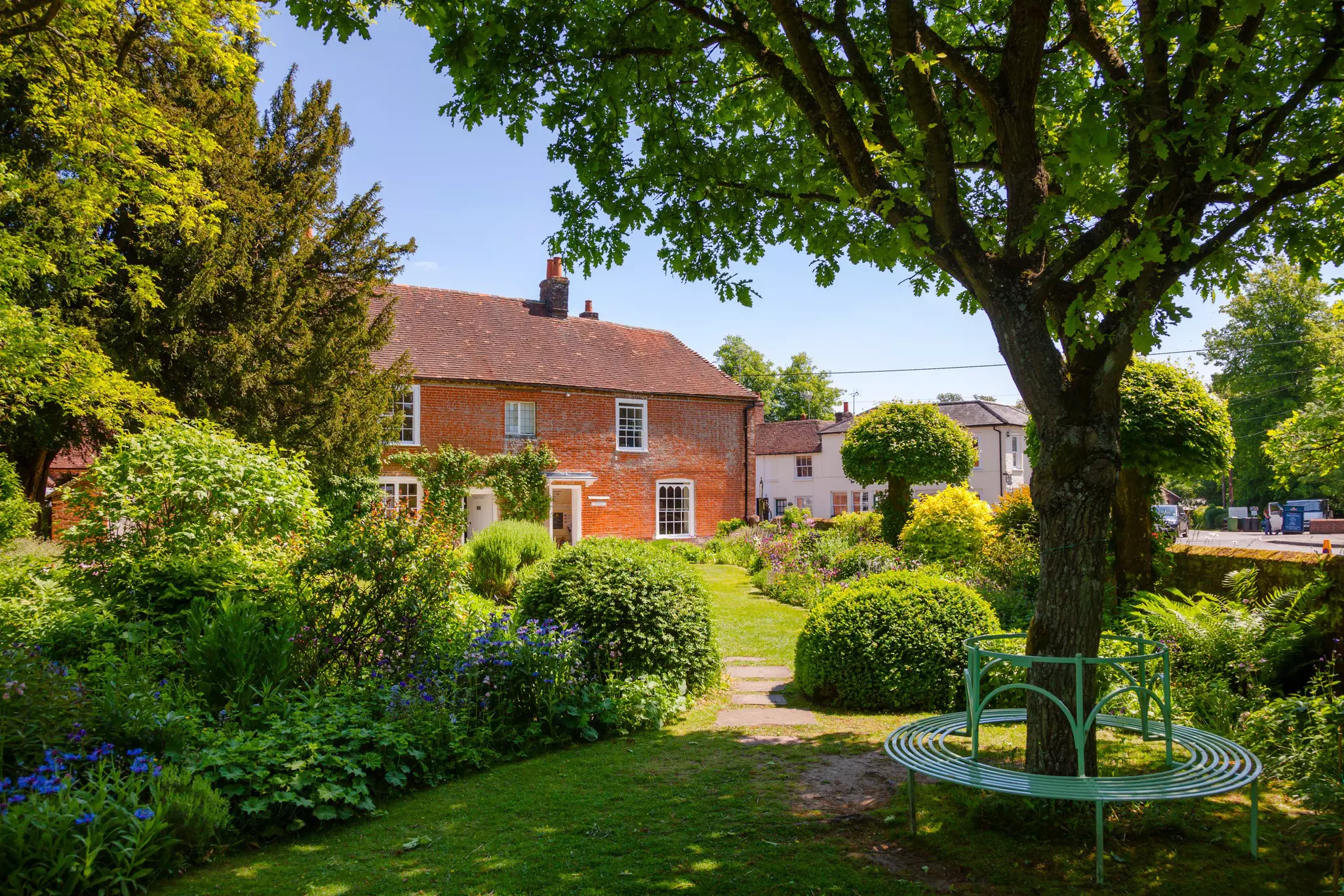
Jane Austen spent her later years in the Hampshire village of Chawton, where she revised Sense and Sensibility and Pride and Prejudice. Today, the Jane Austen House is a cherished destination for Austen fans, a literary time capsule displaying her personal letters, garments and writing table. Surrounding the house, the village has a Georgian charm and quiet lanes that create the feeling of Austen’s England.
Nearby, the historic Chawton House, once owned by Austen’s brother, hosts exhibitions on early women’s writing. The 4.5-mile Jane Austen Circular Walk evokes the author’s countryside rambles, following in her footsteps across fields and through the village of Farringdon.
Don’t miss: Visit the delightful Cassandra’s Cup tearoom for afternoon tea, or walk 1.8 miles to the thriving market town of Alton, where Austen and sister would go shopping.
Best for Harry Potter enthusiasts
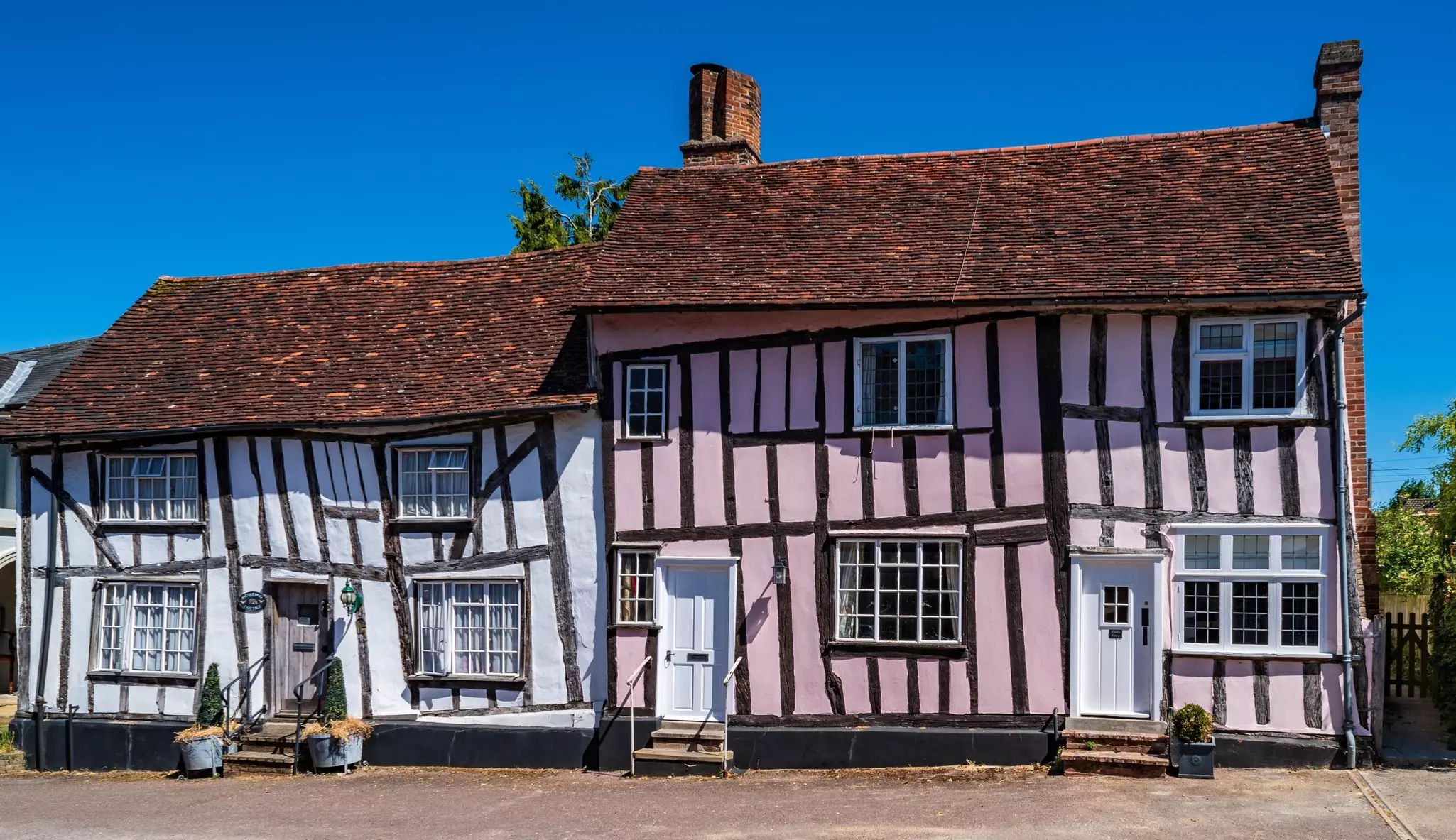
One of England’s best-preserved medieval villages, Lavenham is nestled in the heart of the Suffolk countryside. First made famous by Suffolk Summer (1948), written by a young American serviceman during WWII, the town’s half-timbered houses and crooked lanes more recently gained fame as the stand-in for Godric’s Hollow, a fictional wizarding village in the Harry Potter series. The Crooked House is often linked to the old English nursery rhyme “There Was a Crooked Man,” while “Twinkle, Twinkle, Little Star,” one of the world’s most beloved children’s songs, was penned by Lavenham resident Jane Taylor in the early 19th century. Nearby Sudbury is home to Thomas Gainsborough’s House, as well as the setting for Dodie Smith’s 101 Dalmatians. Follow the Talbot Trail to the fountain where Pongo and Missis had a drink as they searched for the puppies.
Don’t miss: Explore the village via the 1-mile Lavenham Historic Walk, which passes centuries-old guildhalls and lanes, or sign up for a guided walking tour to explore the Harry Potter connection. Check in for an award-winning luxury stay at De Vere House, the last house in Lavenham to be owned by the Earls of Oxford, and step out for a spot of lunch at The Swan Hotel.
Best for fresh air in the garden and outdoor fun
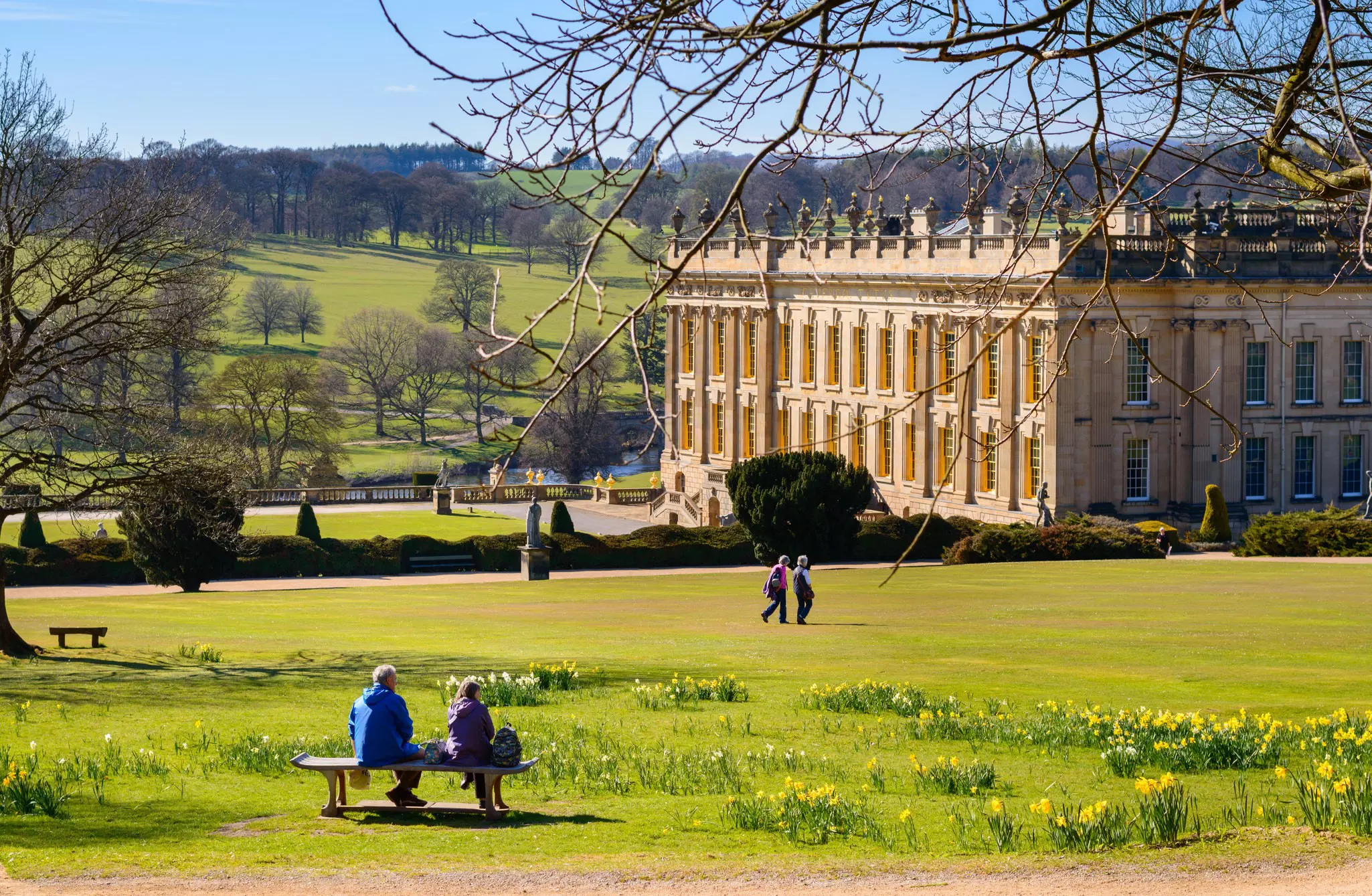
Said to be the inspiration for Lambton in Jane Austen’s Pride and Prejudice, Bakewell is a charming town with honey-hued stone buildings, winding lanes and riverside walks. The historic market town is an ideal base for visiting Chatsworth House, widely believed to have inspired Mr Darcy’s Pemberley; its sweeping grounds and stately grandeur offer a taste of of Austen’s fictional world.
All Saints Church, housed in a Grade I listed building, and the Old House Museum both offer a window into Bakewell’s rural past. The 6-mile Bakewell-to-Chatsworth loop follows the Monsal Trail, meanders through woodland and the village of Edensor and finishes at Chatsworth. Stop off for a cup of tea and cake at Edensor Tea Cottage.
Don’t miss: Sample the famous Bakewell tart at the Old Original Bakewell Pudding Shop. In August, make time for Chatsworth Country Fair, one of England's most popular annual outdoor events.
Best for imagination and escapism
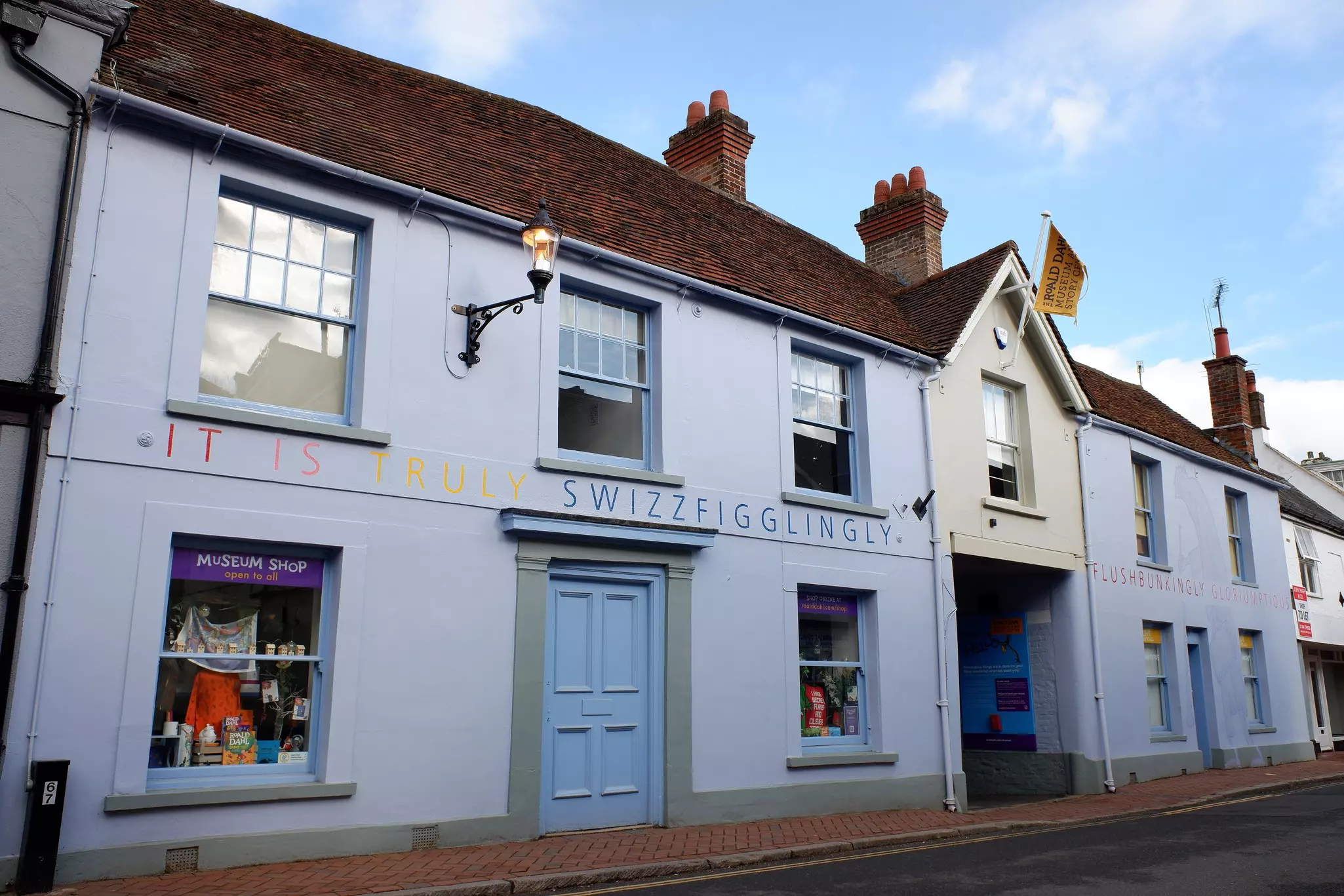
Roald Dahl’s imaginative world is rooted in Great Missenden, the village he called home for 30 years. Tucked in the Misbourne Valley of Chiltern Hills, it’s all winding lanes, half-timbered cottages and Georgian facades. The Roald Dahl Museum and Story Center is a treat for visitors of all ages, featuring the Boy gallery, which explores Dahl’s school days; the Solo gallery, with the author’s Writing Hut; and the interactive Story Center.
Roald Dahl’s Village Trail weaves through the author’s favorite countryside haunts, taking in key locations from Danny, the Champion of the World, as well as other local landmarks. Nearby, the 12th-century Missenden Abbey is now a venue for conferences and weddings.
Don’t miss: Drop by the Nag’s Head pub, which Dahl frequented, and stroll past 62 High St (formerly The Red Lion inn), where RL Stevenson spent a night in October 1874 during a walking tour of the Chilterns.
Best for history and culture
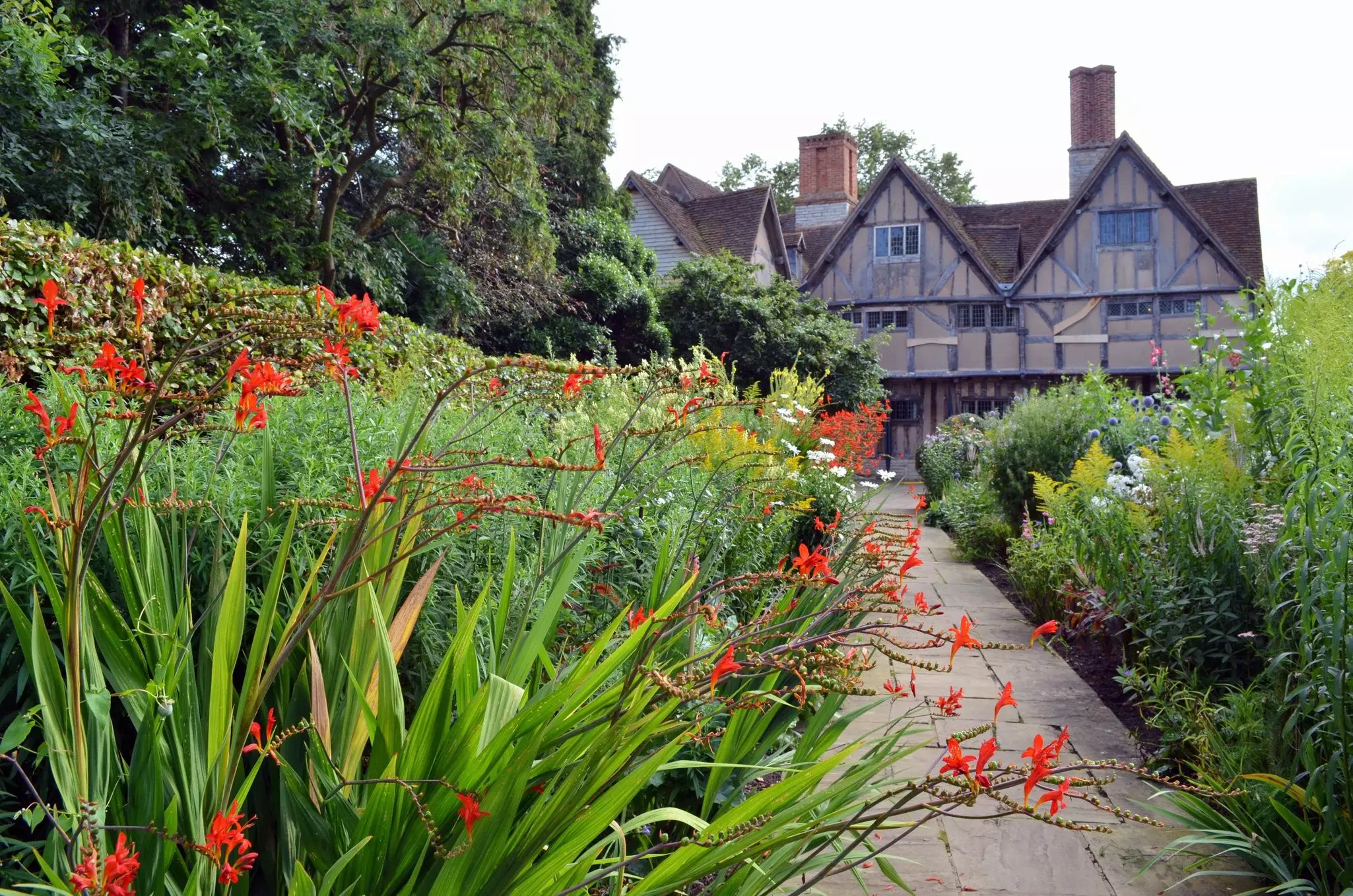
Crowded though it is with Shakespeare pilgrims, Stratford does offer quiet corners for those willing to step off the touristy path. After making the obligatory stops at Shakespeare’s Birthplace, the Bard’s childhood home; and Hall’s Croft, the home of his daughter, stroll the Avon riverbanks to explore Anne Hathaway’s Cottage, the family home of William Shakespeare’s wife-to-be in Shottery. Also, don’t miss Mary Arden’s Farm, the childhood home of Shakespeare’s mother, in Wilmcote.
Take it all in by following a 2-mile circular walk along the River Avon, beginning and ending at the Bancroft Gardens and winding through the heart of the market town.
Don’t miss: While in town, count on catching a Royal Shakespeare Company performance, and browsing the shelves at the Shakespeare Bookshop, the bookshop of the Shakespeare Trust.
Best for an extra dose of village charm
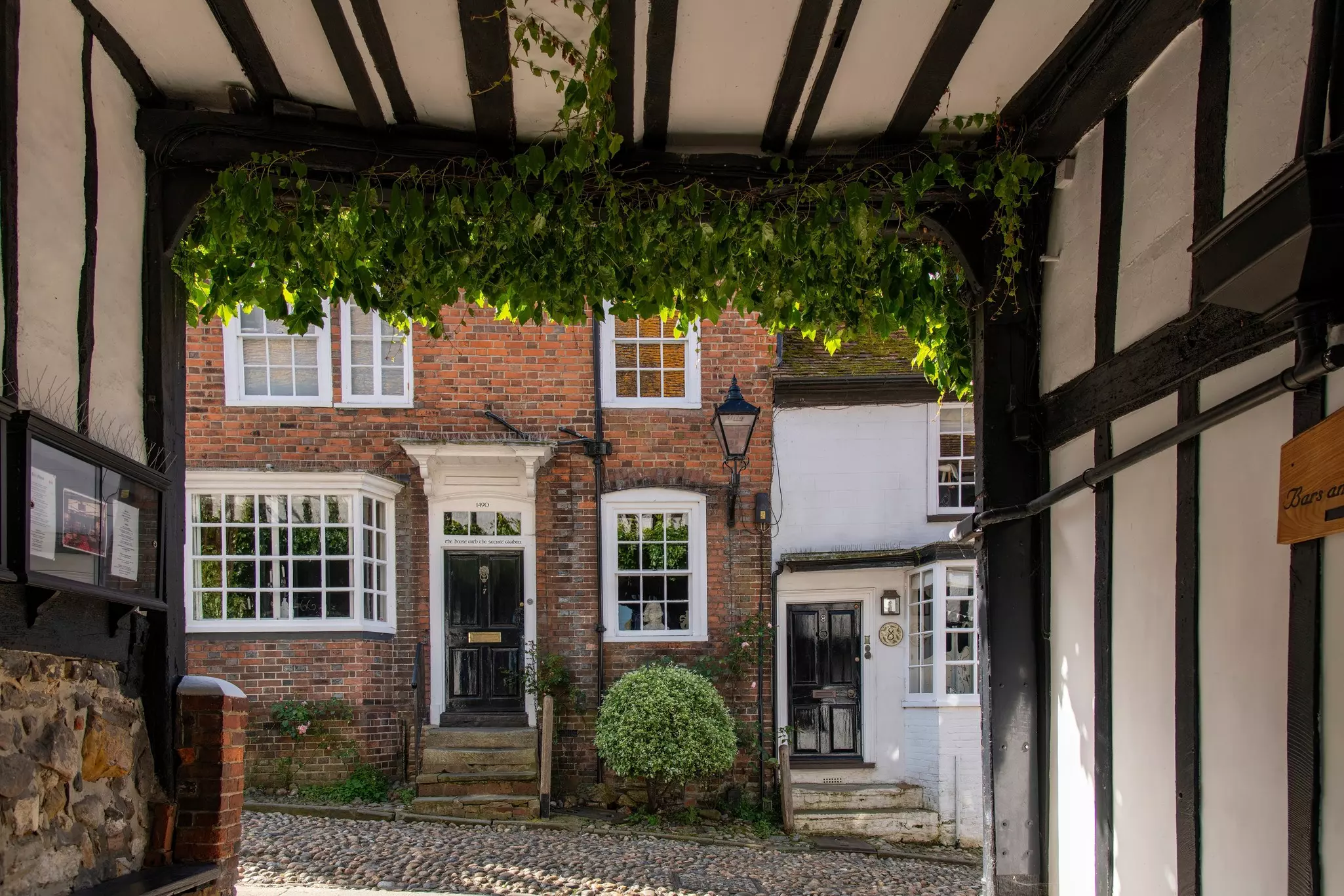
With its half-timbered houses, cobbled lanes and medieval passageways, Rye in East Sussex is one of England’s prettiest historic towns. While less widely known, its literary heritage is impressive indeed. Author Henry James once lived at Lamb House, while EF Benson immortalized the town in his comic Mapp and Lucia novels.
Rye has a creative, bohemian charm, courtesy its indie bookshops, vintage markets and the lively annual Rye Arts Festival. Not far, the golden sands of Camber provide a coastal contrast to village culture.
Don’t miss: A self-guided 3-mile walk takes you from Lamb House to Mermaid St and the Ypres Tower. In town, visit Rye Bookshop, pick up gifts at Pocket Full of Rye and stop for cake at the Cobbles Tea Room. Time your visit with Rye International Jazz & Blues Festival to add a soundtrack to your visit.
Book your England trip with Lonely Planet Journeys
See England how it's meant to be seen
Planned by local experts and tailored to you, Lonely Planet Journeys handles the logistics so you can just enjoy the trip. Tell us what you want and we'll build your England itinerary from scratch, or browse our bookable trips to get inspired.


Explore related stories