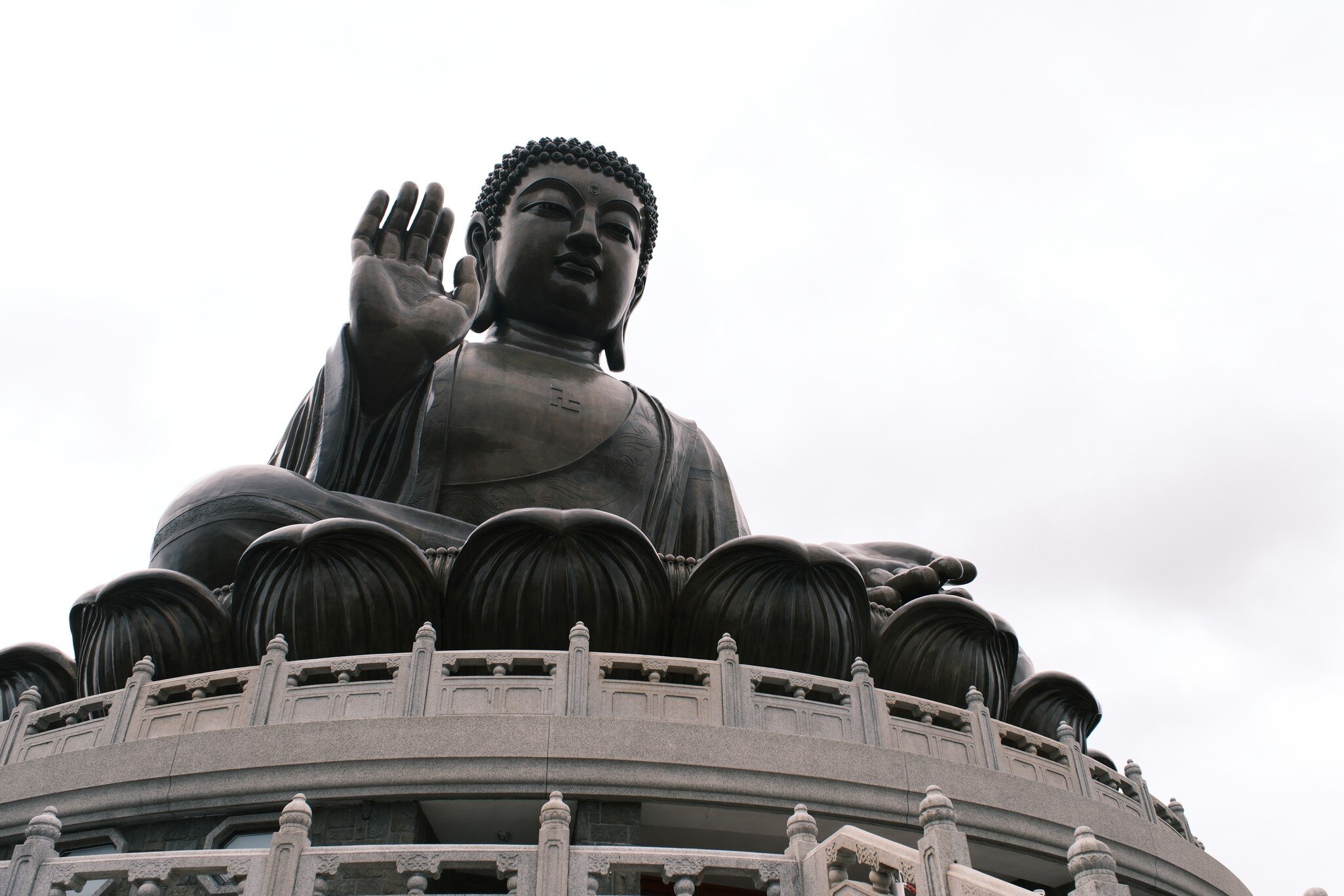
Po Lin Monastery & Big Buddha is the main tourist draw of Lantau, Hong Kong's largest outlying island. It's a genuinely impressive sight and well worth a trip, particularly via the epic cable car ride through the mountains from Tung Chung. Unveiled in 1993, the Big Buddha is the tallest seated bronze Buddha statue in the world.
Tian Tan Buddha
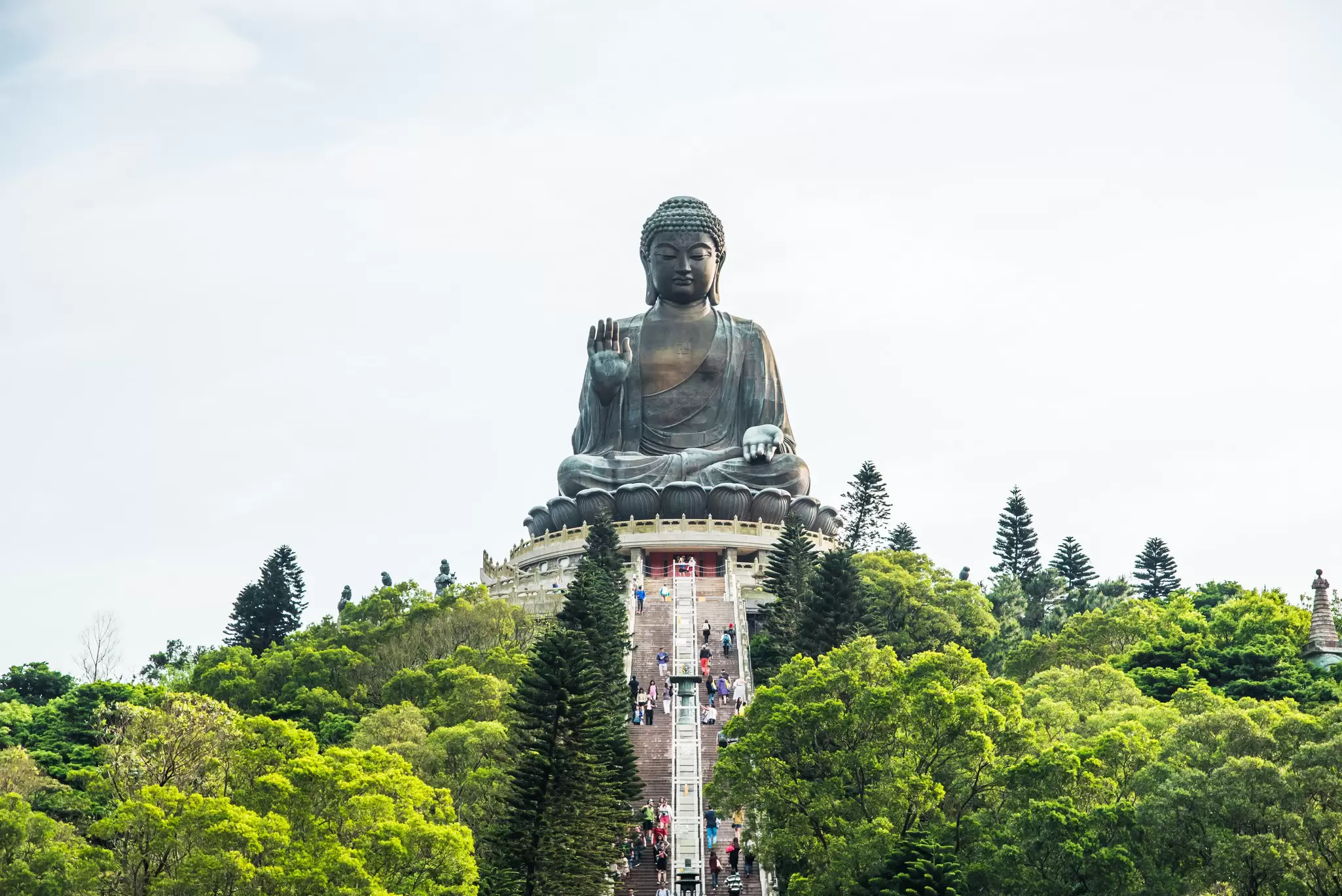
No trip to Hong Kong is complete without visiting Ngong Ping plateau for the seated Tian Tan Buddha statue. The statue, a giant, 26.4m-high representation of Lord Gautama, sits at the top of a 268-step staircase. The statue itself weighs in at a whopping 250 tonnes and is made from 202 separate bronze pieces, and can be seen aerially as you fly into Hong Kong, or on a clear day from Macau.
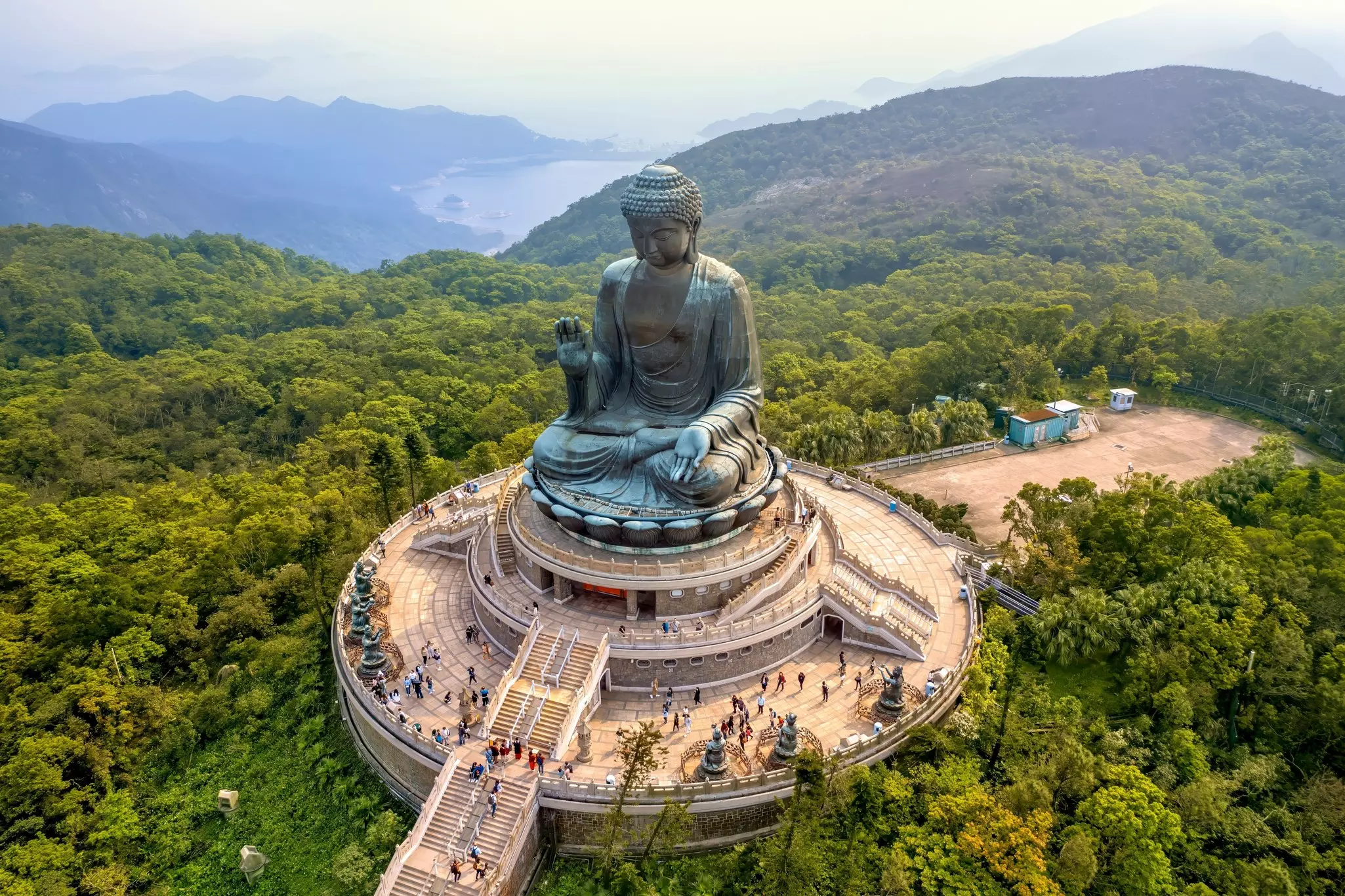
The whole complex covers an area of over 6500 sq meters, and inside the three-story podium at the base of the statue are exhibits about the history of the project, as well as some interesting paintings, Buddhist relics and the ubiquitous gift shops. Visiting the Big Buddha and the exhibitions inside is free, but if you want to eat in the Po Lin Vegetarian Restaurant, buy a ticket at the foot of the steps for HK$150.
Po Lin Monastery
The sprawling Po Lin Monastery complex was founded in 1906 by three monks from Jiangsu province and was originally known as "Big Thatched Hut" until it was named Po Lin (meaning "Lotus Flower") in 1924. Over the past century it has become a popular sight of pilgrimage, and all three of the main halls here are relatively modern buildings. Still, there are some impressive statues, as well as the Hall of Ten Thousand Buddhas, which visitors are allowed to peer into, if not nose about in.
Don’t miss the excellent Po Lin Vegetarian Restaurant, to the left of the main monastery building, where you'll find Cantonese cakes, desserts and cool drinks being served. It's open from 11am to 4.30pm.
Ngong Ping 360
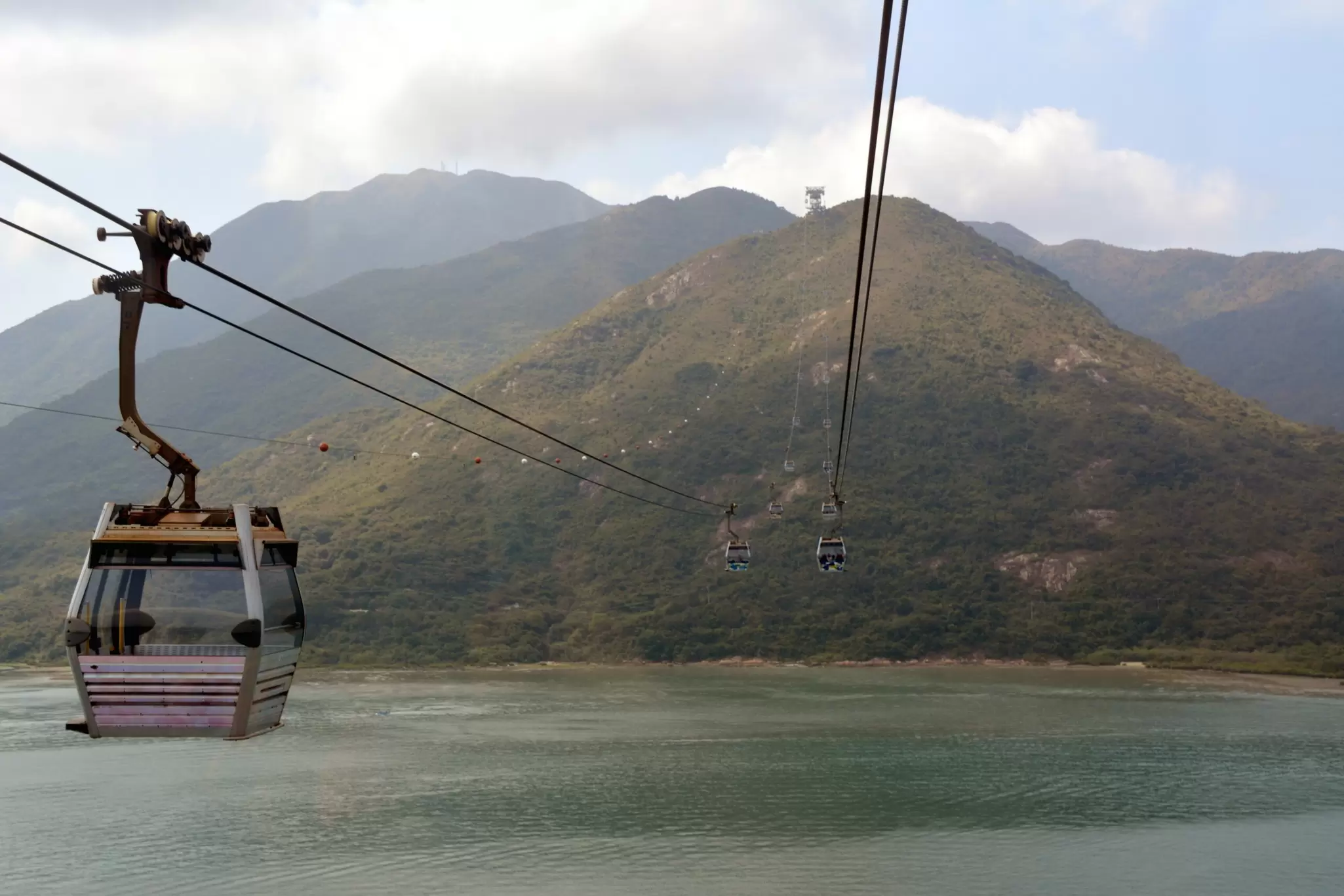
The most spectacular way to get to the Ngong Ping plateau is by the 5.7km Ngong Ping 360 cable car. Even on a weekday, tourists start queuing for the cable cars at the foot of the escalator from before 9am, and there are long lines in front of the station by 10am when the cable cars begin running. Be aware that there is no shade here, and you will be urged to buy tickets from unofficial guides who give the impression of being staff members. By far the best option is to buy your tickets online before you arrive and print them out.
There is a bewildering range of tickets, packages and prices, but a simple round trip costs HK$270 or HK$350 for a glass-bottomed "Crystal Cabin." If you’re feeling particularly spendy, you can rent the entire cabin for HK$3000; otherwise the cars seat 10. Ngong Ping 360 staff corral ticket-holders into a series of pens before ushering groups into the waiting cable cars.
Once inside, the cars weave their way over the forests and mountains of Lantau, 40% of which is unspoiled national parkland, until they arrive in Ngong Ping Village, a cluster of commercial outlets and Chinese and western-branded restaurants and cafes. From here, head north towards the Big Buddha complex, and note the bus station on the right as you walk through the village.
Hikes From Po Lin
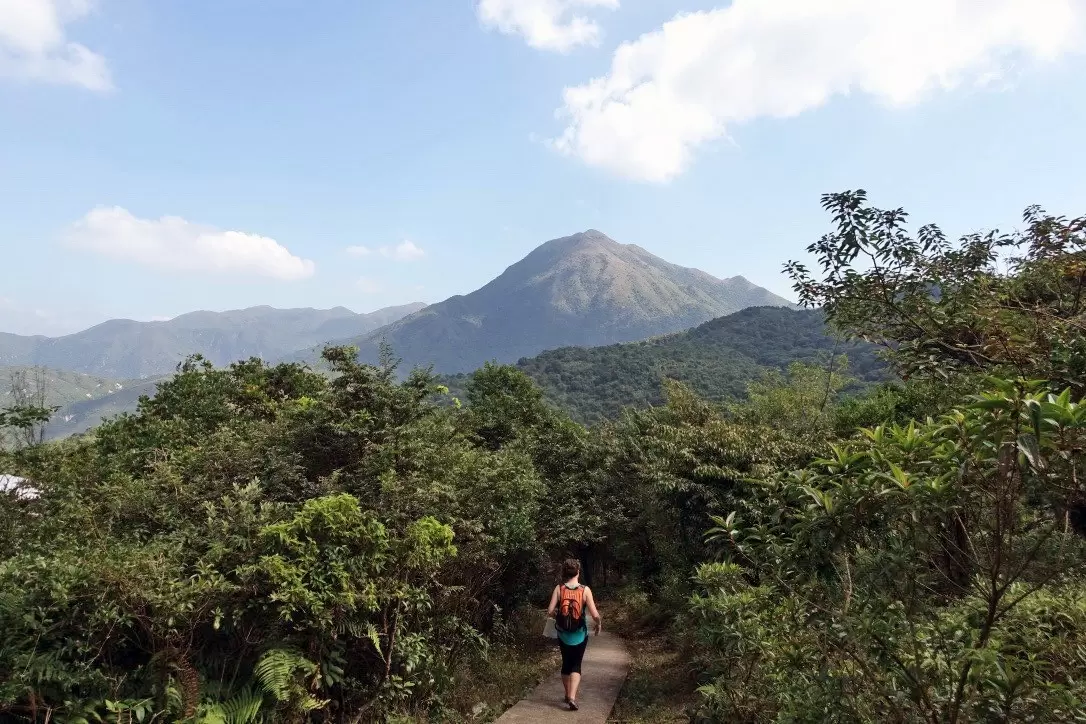
From Po Lin Monastery you can embark on a number of hikes including the "Two Peak Challenge" which goes first to Lantau Peak (934m, 2.3km) and on to Sunset Peak (869m, another 4.3km). You'll need to bring water, sturdy footwear and a decent level of fitness: some of the trails are steep and challenging, although all are well-marked. You can also hike back downhill to Mui Wo and Tung Chung.