Oct 6, 202617 min read
Where to Stay in Hong Kong: Best Neighborhoods and AreasJul 27, 2026
7 MIN READ

Writer
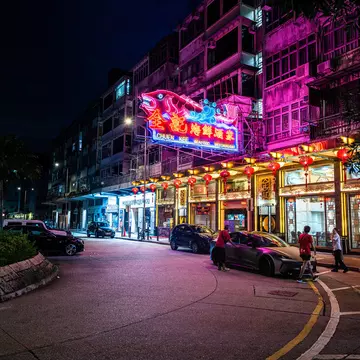
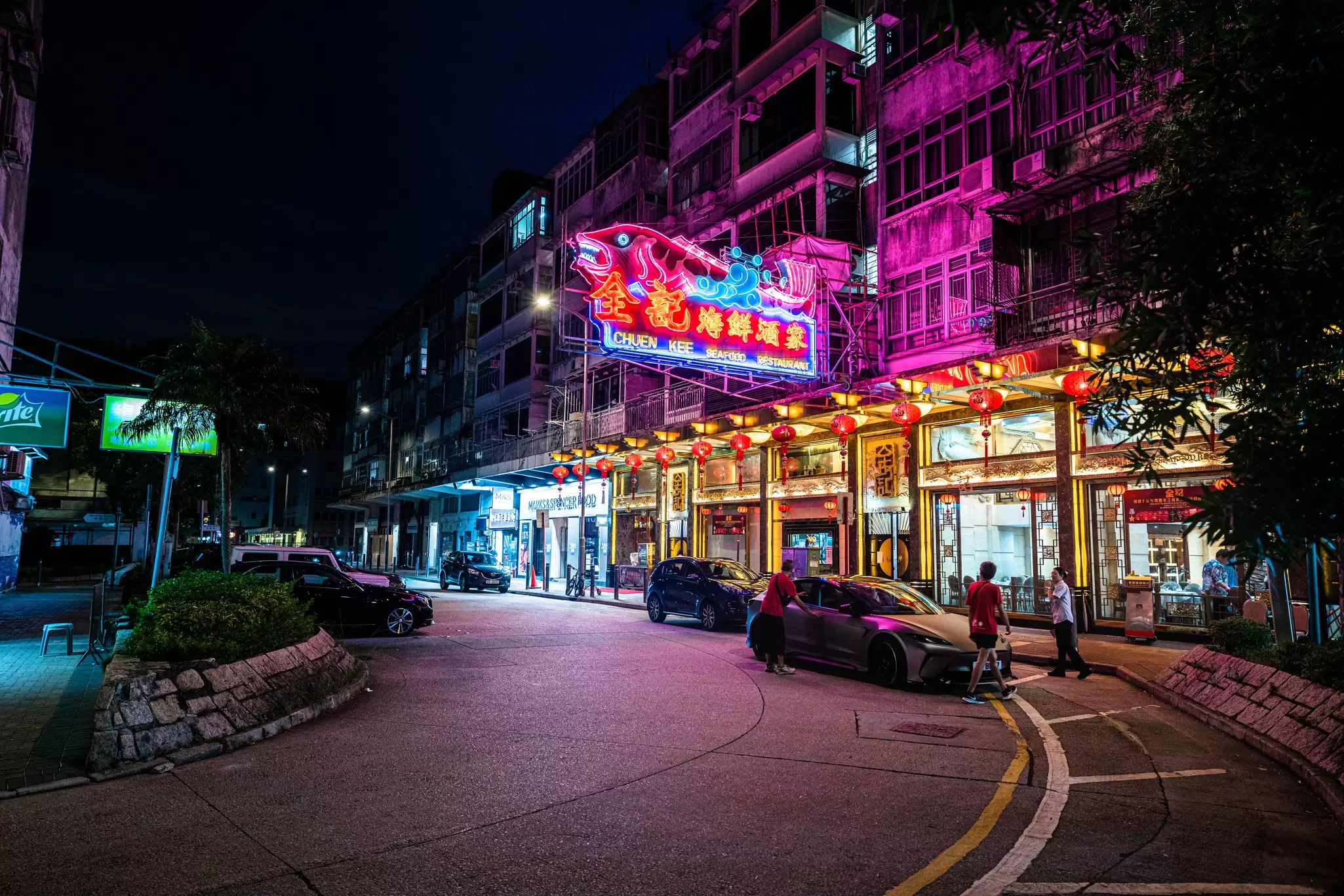
Neon lights on Sai Kung Man Nin St. Faye Bradley
Writer
Highlights
Lonely Planet writer Faye Bradley maps six of Hong Kong's endangered traditional crafts.
Commission hand-carved mahjong tiles at Kam Fat Mahjong or a bespoke cheongsam at Linva Tailor.
Bo Wah Effigies makes joss paper offerings; Kwok Kee Woodware Sculpture carves deity statues.
Try Hawk Advertising's minibus sign workshop, then spot glowing neon after dark in Wan Chai.
Lonely Planet may earn a commission from affiliate links on our site. All recommendations and reviews reflect our own independent opinions.
For all its reputation as a city of skyscrapers and speed, Hong Kong has always been something more than its skyline suggests. Having grown up here, the city that has always stayed closest to my heart is not the one of harbor views and rooftop bars, but the one found in its quiet workshops — with generations of inherited knowledge and skills passed down through families. The tile carver at her narrow bench, the tailor measuring silk by touch, the noodle maker bouncing on a bamboo pole at dawn: these are the trades that shaped daily life here long before the harbor filled with glass towers, and behind each one today is a person who has dedicated a lifetime to keeping that knowledge intact. Their workshops are some of the most quietly extraordinary places in Hong Kong — and many of them are still open to visitors.
Finding them, though, takes a little preparation. Some are tucked down side streets with no English signage; others look, from the outside, like any other shuttered shopfront. Several artisans speak limited English, so a translation app is worth downloading before you go. Many of these spaces are also small and working — some double as family homes — so the usual courtesies apply: always ask before photographing, and book ahead if you're hoping to join a workshop or commission a piece.
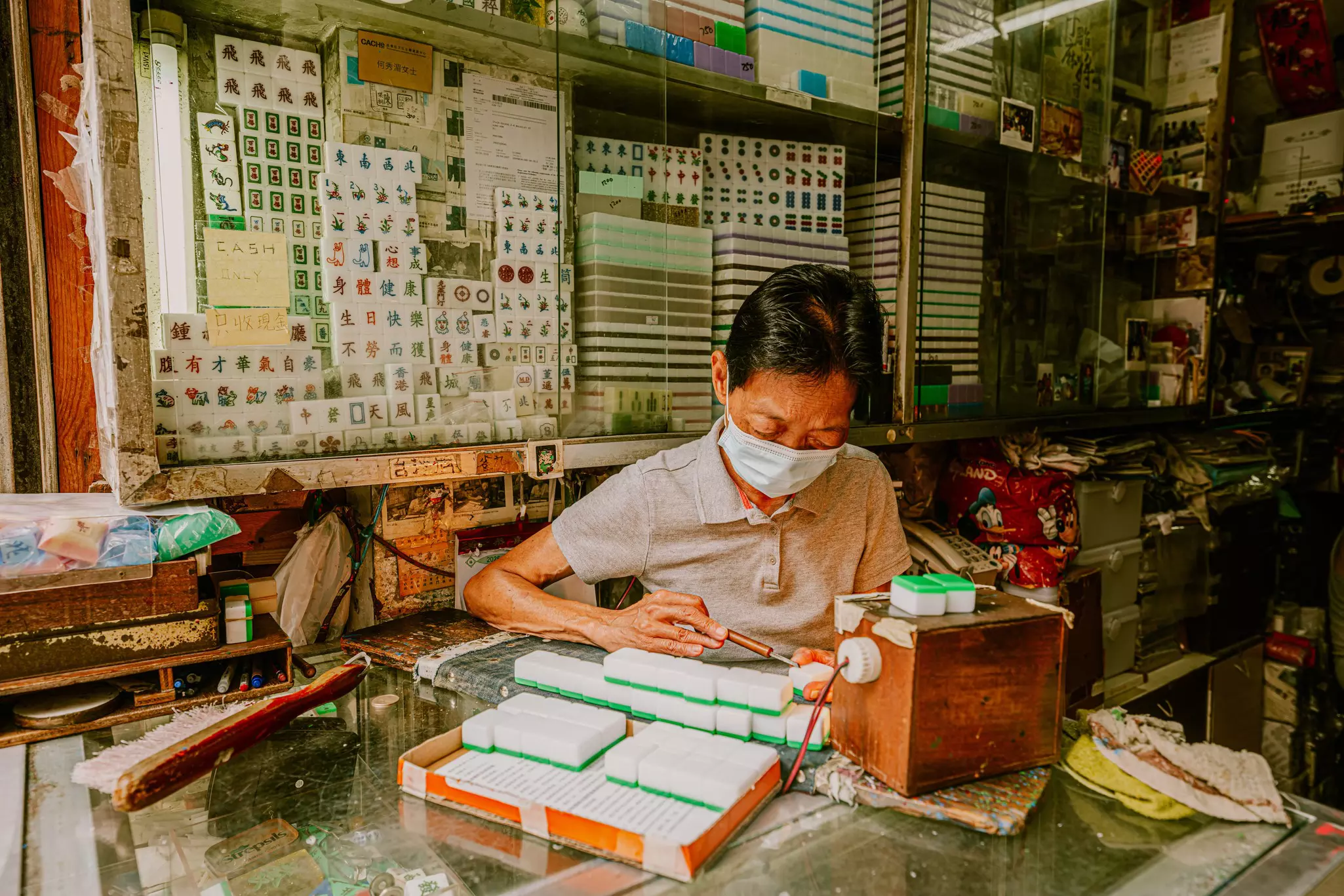
Mahjong has been played in China since at least the mid-19th century, evolving from earlier card games into the 144-tile set recognized today. It arrived in Hong Kong with waves of migration from Guangdong province, weaving itself into the rhythms of family life, neighborhood parlors and festive gatherings. For decades, the tiles were carved by hand – each bamboo stalk, each wind symbol, each flower etched individually into bone or plastic by artisans who spent years learning to read the grain of a material no larger than a postage stamp.
Tucked along a quiet backstreet in Hung Hom, Kam Fat Mahjong is one of the last places on earth where this still happens. Ho Sau-mei learned the trade from her father, who founded the business in 1962, and has spent more than four decades at the same narrow bench, in the same dim workshop that also served as the family home. A full set costs around 2000 Hong Kong dollars (HK$2000) and can take up to two weeks to complete. Commissions are arranged by phone; walk-in sets are occasionally available.
Location: Kam Fat Mahjong, 2 Bulkeley St, Hung Hom, Kowloon, Hong Kong.
Hours: Mornings preferred; confirm by phone (+852 2362 8421) before visiting. Note that Ho Sau-mei does not speak much English.
Planning tip: Bring a sturdy bag if collecting a set – a full hand-carved set weighs around 7kg.
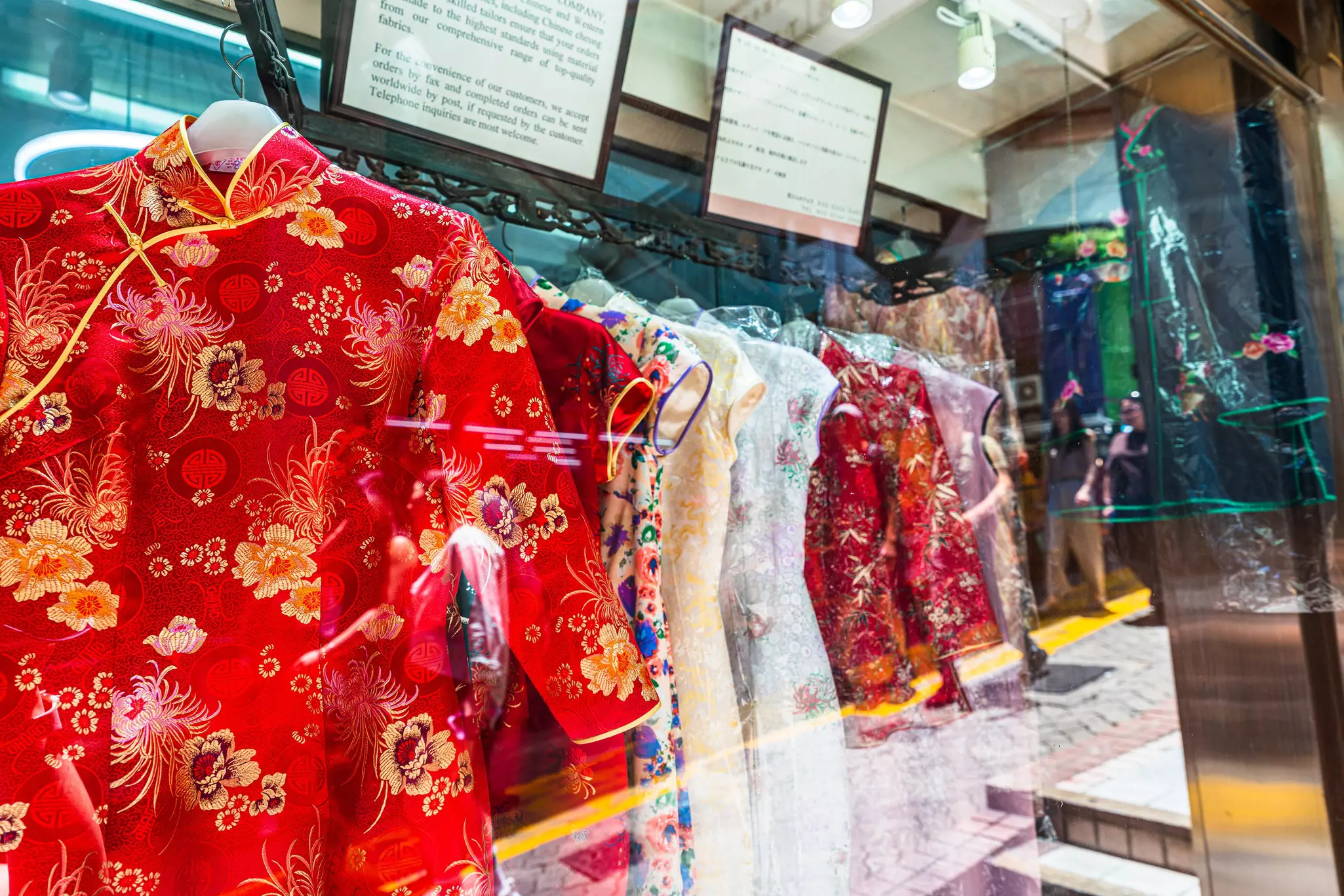
The cheongsam (known as qipao in Mandarin) traces its origins to the Qing dynasty, though the streamlined silhouette most associated with Hong Kong today was shaped by Shanghainese tailors who arrived in the city after 1949, bringing with them a distinct aesthetic that blended Chinese tradition with European tailoring techniques. Through the 1950s and 60s, the garment was everyday wear for many Hong Kong women: figure-skimming, high-collared, fastened with handmade pankou knotted buttons, and cut from silk, satin or brocade chosen to reflect the wearer's taste and personality.
That relationship between tailor and client is what is hardest to replicate today. Linva Tailor, founded in 1965, is one of the few remaining ateliers where it still exists. The shop gained international recognition after it was reported that tailor Leung Ching-wah created the extraordinary cheongsams worn by Maggie Cheung in Wong Kar-wai's In the Mood for Love – garments that did as much as anything to cement the cheongsam's place in the global imagination. Bespoke pieces run from HK$4000 to HK$20,000 and take at least several weeks to make. Brands such as Qipology and Shanghai Tang offer more contemporary interpretations of the form, and are worth visiting alongside the traditional ateliers.
Location: Linva Tailor, G/F, 38 Cochrane St, Central, Hong Kong.
Hours: Open Monday to Saturday, 10am to 5pm.
Planning tip: PMQ periodically runs cheongsam-making demonstrations and workshops – check their events calendars ahead of your visit.
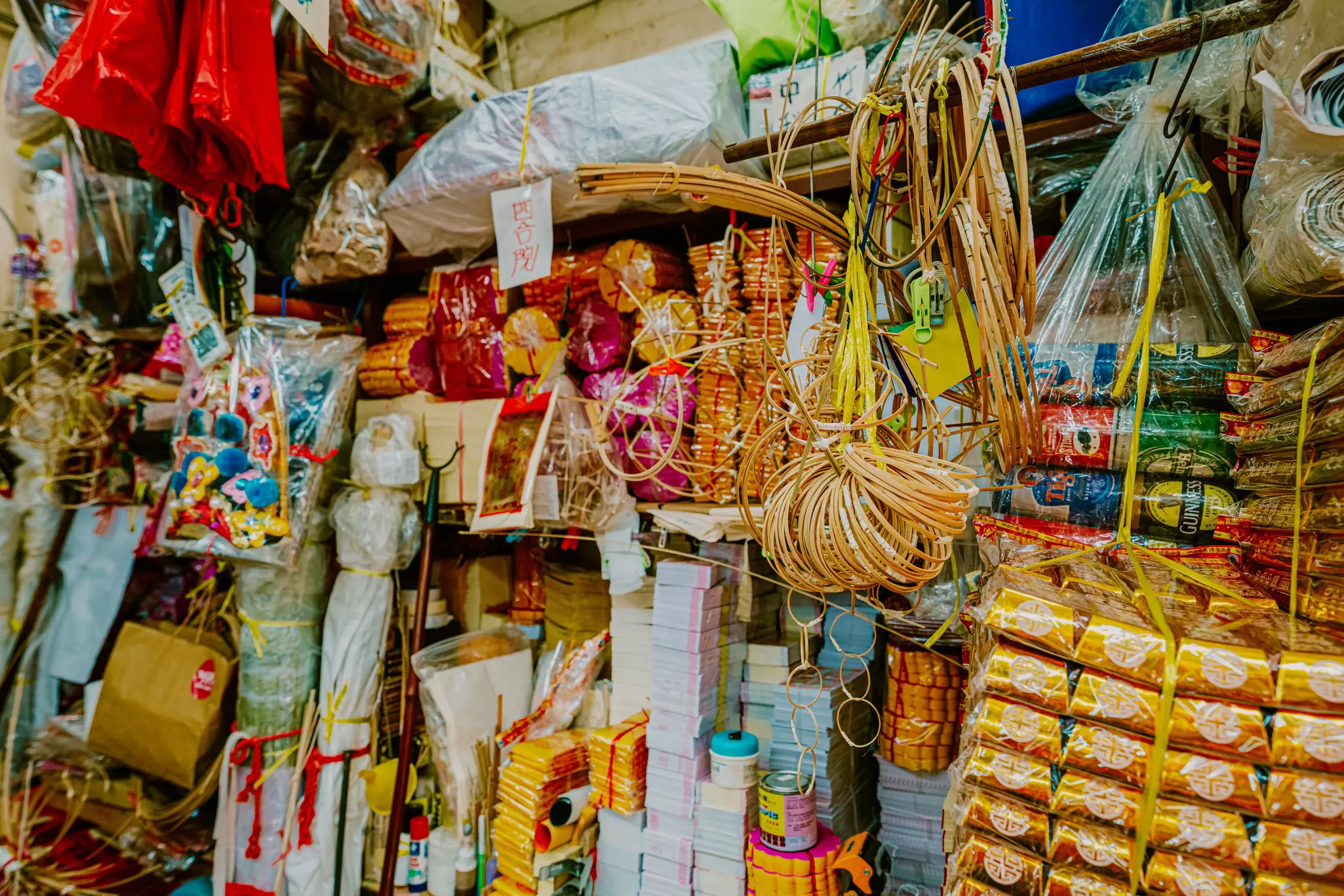
In Chinese folk religion and Taoist tradition, paper effigies are burned as offerings to honor those who have died – a ritual act of remembrance and care intended to ensure the comfort of loved ones in the afterlife. The tradition is ancient, with records of paper offerings in China stretching back more than 1000 years. Burning paper effigies remains a living, meaningful practice for many Hong Kong families.
What has changed over time is the range of objects made. Alongside traditional items – paper money, clothing, simple household goods – Bo Wah Effigies in Sham Shui Po now crafts detailed replicas of contemporary life, from mobile phones to pop culture references. Bo Wah has been doing this work since the 1960s and is among the last specialist makers remaining in the city.
Location: 2D Fuk Wing St, Sham Shui Po, Kowloon, Hong Kong.
Hours: Standard shop hours; no appointment needed to browse.
Planning tip: If your visit coincides with Qingming (Tomb Sweeping Day, early April) or the Hungry Ghost Festival (seventh lunar month, typically August), you'll see these offerings being used at temple forecourts across Hong Kong.
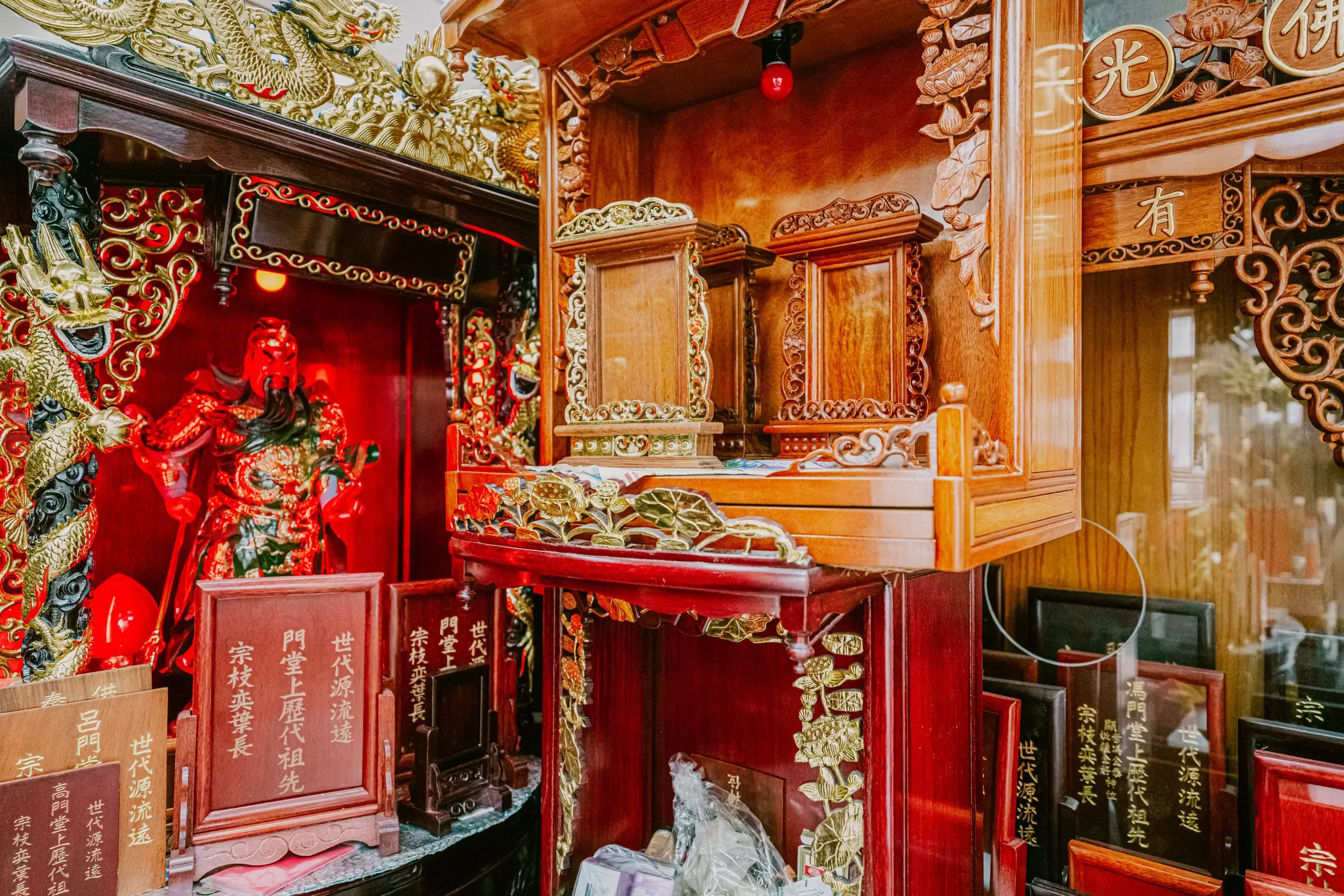
The carving of wooden deity sculptures has been central to Chinese religious life for centuries, providing the sacred images that anchor temples, household shrines and ceremonial spaces. Kwok Kee Woodware Sculpture is a sixth-generation specialist. The family's artisans produce deity statues, ancestral tablets and temple furnishings using techniques passed down through decades. Their work can be found in temples across Hong Kong, including the nearby Tin Hau Temple on Temple St and Po Lin Monastery on Lantau Island.
Location: Kwok Kee Woodware Sculpture, 158-160 Reclamation St, Yau Ma Tei, Kowloon, Hong Kong.
Hours: Daily, 9am to 6pm.
Planning tip: Walk to Tin Hau Temple on Temple St afterward to see the work in its natural setting; it gives the craft an entirely different dimension.
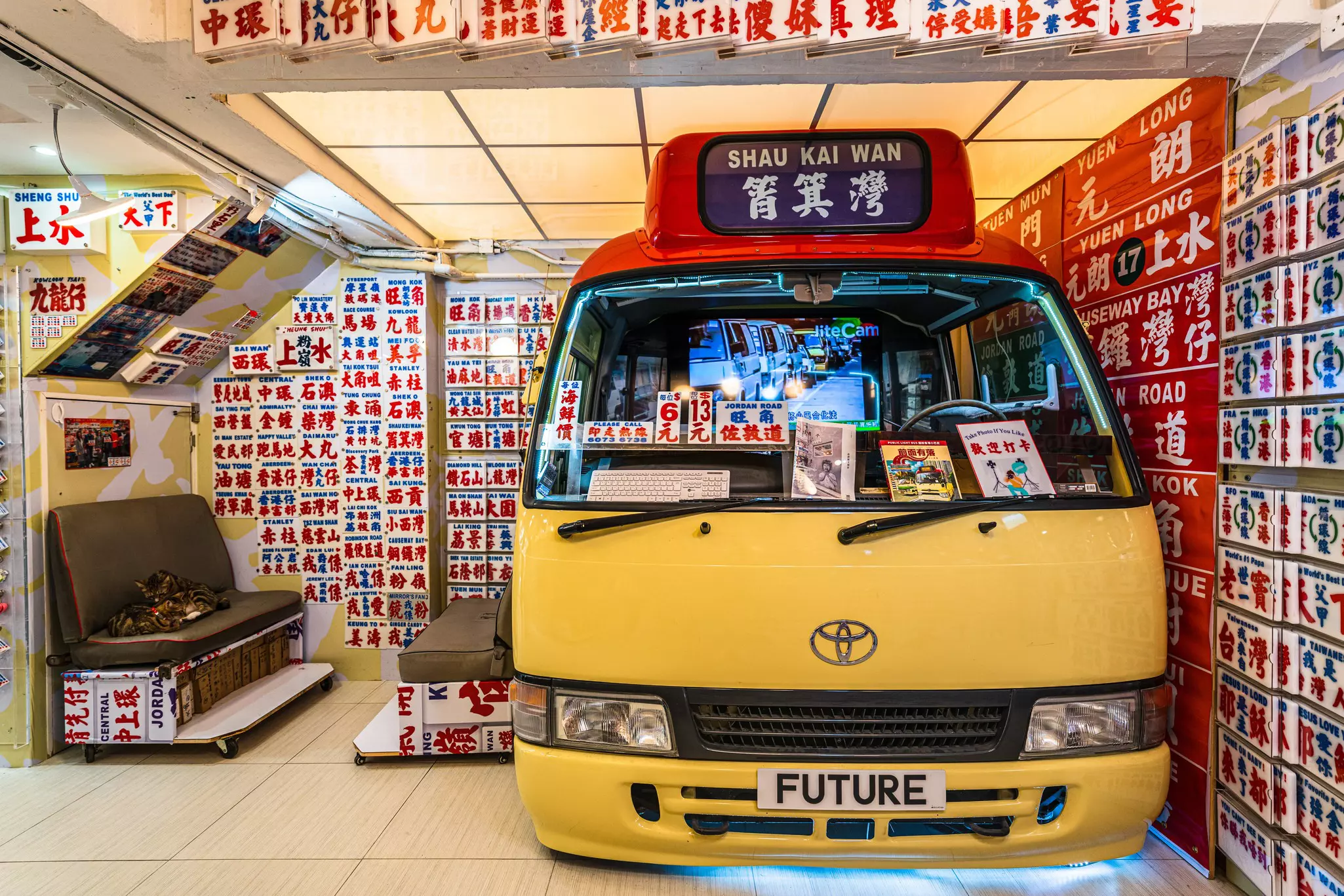
Hong Kong's red minibuses (nimble, schedule-free, routed by demand rather than timetable) have been part of the city's transport fabric since the 1960s. Their hand-lettered destination signs, painted in a bold style of Chinese calligraphy developed specifically for the purpose, became as much a part of the streetscape as the vehicles themselves: legible at speed, deeply local and instantly recognizable to anyone who grew up here.
At Hawk Advertising Company in Jordan, Mak Kam-sang has been painting these signs for more than 50 years and is widely regarded as the last person doing so. The multifunctional store-slash-gallery also produces personalized name plaques and keychains, and offers hands-on workshops for visitors – one of the most enjoyable and accessible craft experiences in the city.
Location: Hawk Advertising Company, G/F, 39 Battery St, Yau Ma Tei, Hong Kong.
Hours: Open daily 10:30am to 6pm; workshops require advance booking.
Planning tip: If you can, combine a visit with a ride on a red minibus through Kowloon beforehand. It makes the whole tradition land differently when you've just stepped off one.
From the 1950s onwards, as Hong Kong grew at extraordinary speed, neon signs became a visual language of their own. The signs are layer upon layer of glowing color stacked up the faces of shophouses in Mong Kok, Wan Chai and Yau Ma Tei, advertising everything from tailors to temples to noodle shops. At their peak, the signs were so dense they blotted out the sky above street level. Photographers, filmmakers and artists came from around the world to capture them.
Since 2014, thousands have been removed under a Buildings Department program, and when M+ began acquiring vintage signs for its permanent collection, it confirmed what many locals already knew: the era was effectively over. Surviving examples can still be found along Lockhart Rd in Wan Chai, around Temple St and Tung Choi St in Mong Kok, and above shopfronts in Sai Kung. To see the craft still being practiced, book a workshop with Master Wong Kin-wah – one of the city's most senior neon artisans with close to 70 years of experience, now working alongside his grandson to keep the tradition alive.
Location: Surviving signs in Wan Chai, Mong Kok and Sai Kung.
Planning tip: Go after dark (from around 8pm) when the remaining signs are at their most atmospheric.
Book your China trip with Lonely Planet Journeys
See China how it's meant to be seen
Accommodations, activities and ground transportation all taken care of, so you can focus on the fun part. Tell us what your dream trip to China looks like, and our local experts will build it from scratch. Or start with one of our itineraries and make it your own.

Explore related stories