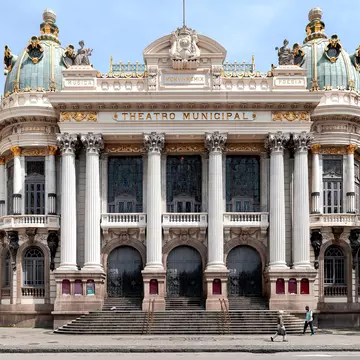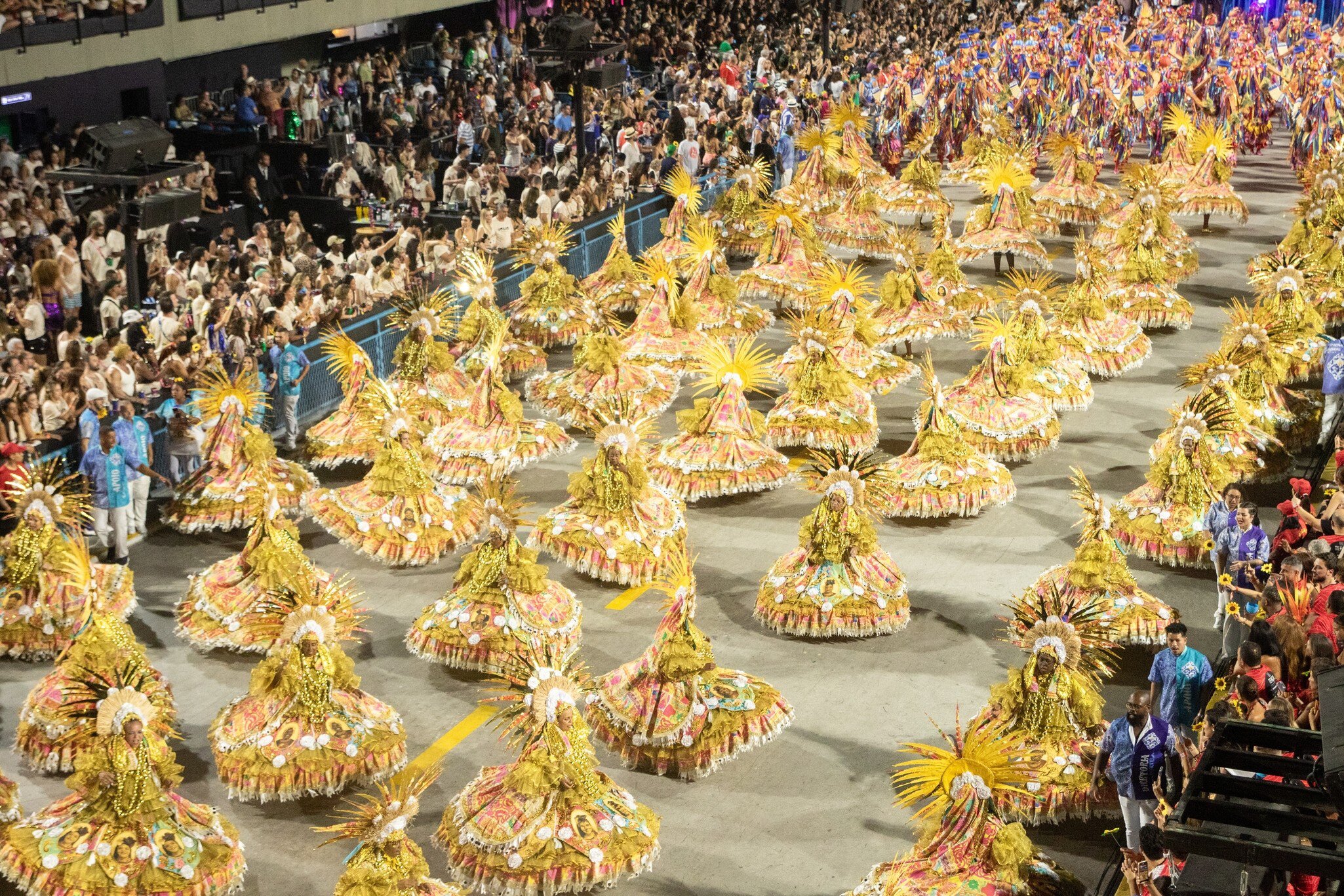
The Sambódromo da Marquês de Sapucaí is the home of Rio Carnaval's spectacular samba parades, and the 700m-long runway is renowned for both its architecture and its history. It was designed by Brazilian architectural legend Oscar Niemeyer – also famous for designing the United Nations Headquarters in New York City – on the same site where the samba schools already held their annual parade.
Construction
An anomaly in Brazil, the Sambódromo was constructed in just 120 days, with three shifts of workers working around the clock to ensure the site was ready for the 1984 parade (it was, just barely).
Three years later, the site gained its official name, the Passarela Professor Darcy Ribeiro, in honor of the well-known anthropologist who was one of the main drivers of the project, and it was Ribeiro himself who gave the Avenue it's popular nickname – Sambódromo – which combines samba with the Greek term dromo meaning an avenue or corridor used for running (although you'll also hear it referred to as the Avenida or the Sapucaí as well).
Of the 700m Sapucaí, 560m are parade grounds, which the samba schools of the Carioca Special Group are expected to parade down in all their glory in 75 minutes or less, to avoid a time penalty.
Parade Parts
Of Rio de Janeiro's more than 70 registered samba schools, 12 make up what is known as the Grupo Especial, who perform on the Sunday, Monday and Tuesday night of Carnaval. Here are some of the elements to watch out for.
Concentration
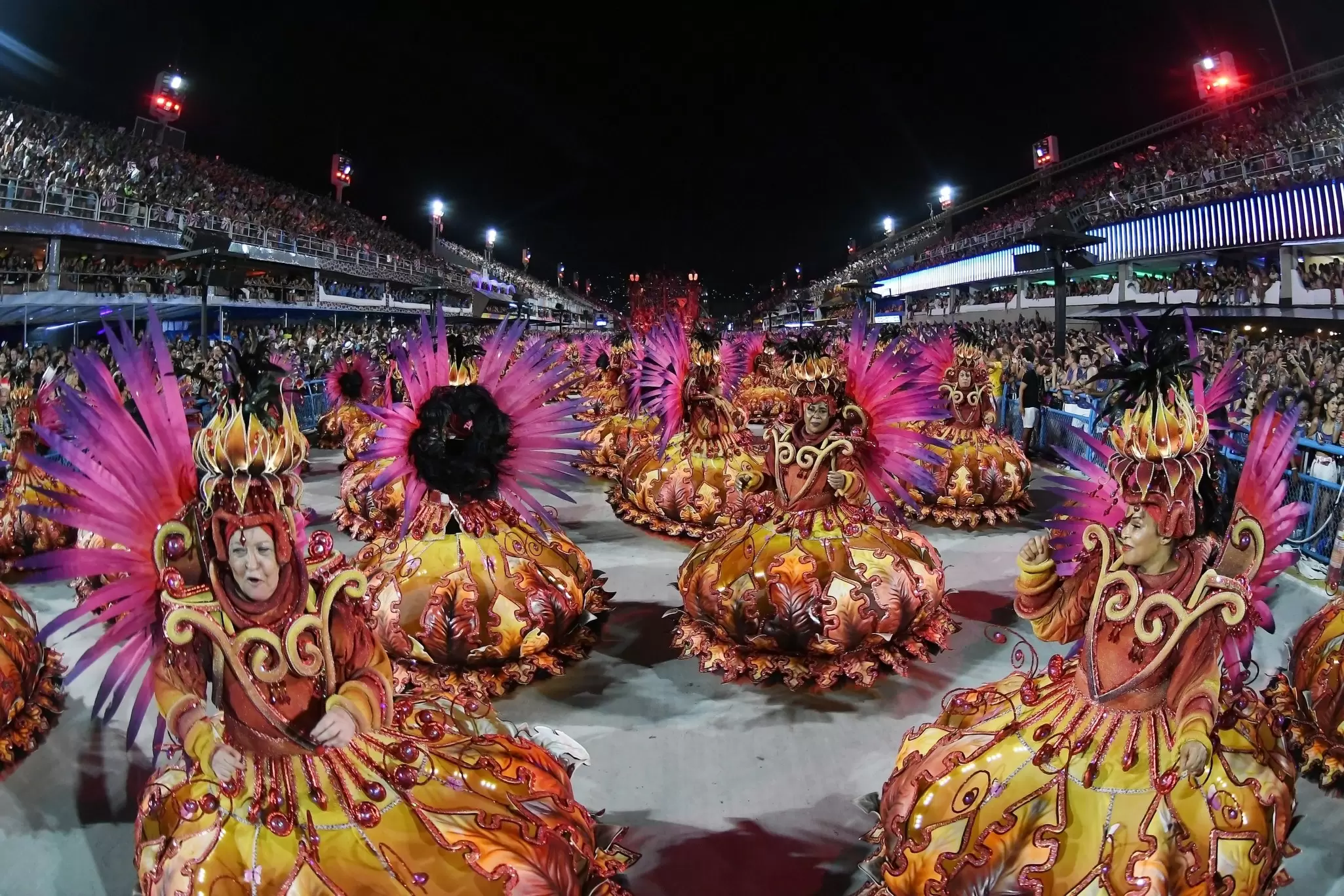
Also called the esquenta, or warm up, the concentration is the moment before everything gets underway. While one school is parading, the next school will be in their esquenta, just off the Av along one of the city's main freeways, getting ready for their turn.
Grito de Guerra
When it's time for a parade to begin, the announcer will present the school and their theme over the microphone. The moment is marked by fireworks – in 2023, schools used silent fireworks in respect to members of the crowd with autism and/or other mental disabilities – and the grito de guerra, or war cry (each school has its own) is repeated among the ranks as the cars begin to move.
The Curve
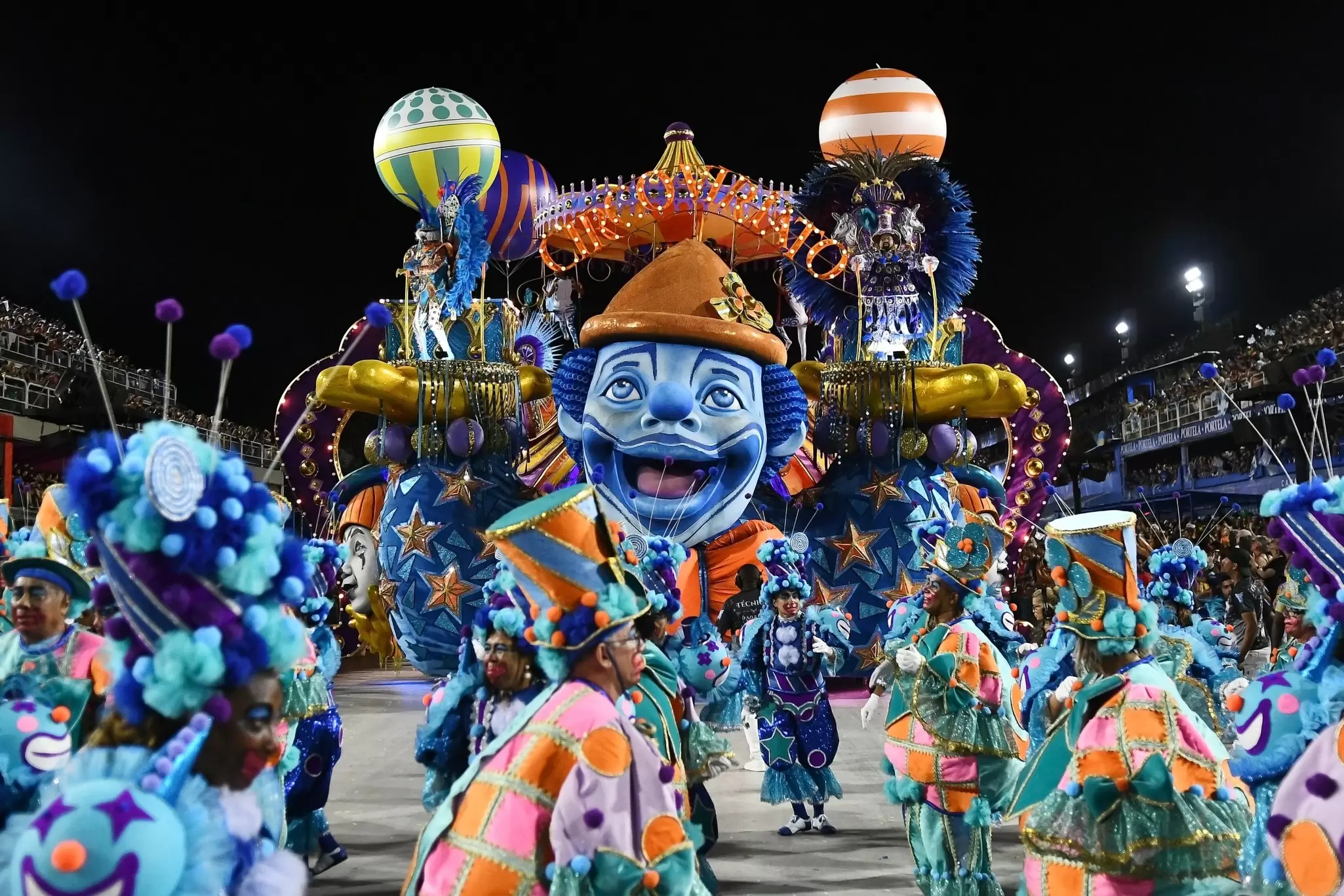
To enter onto the Av, schools have to make a 90-degree turn known simply as a curva (the curve). It's a very technical moment, during which 9m-tall parade cars topped with dancers need to turn in time to the music without falling over. For anyone who has paraded, it's also considered to be one of the most emotional moments of the night, when you first see the Av's blazing lights and colors.
School Divisions
Comissão de Frente
The Comissão de Frente (commission of the front) is the first line of the parade, consisting of 10 to 15 people who perform an elaborate choreography meant to introduce the school's theme. Their performances are often very theatrical and can last several minutes.
Alegorias
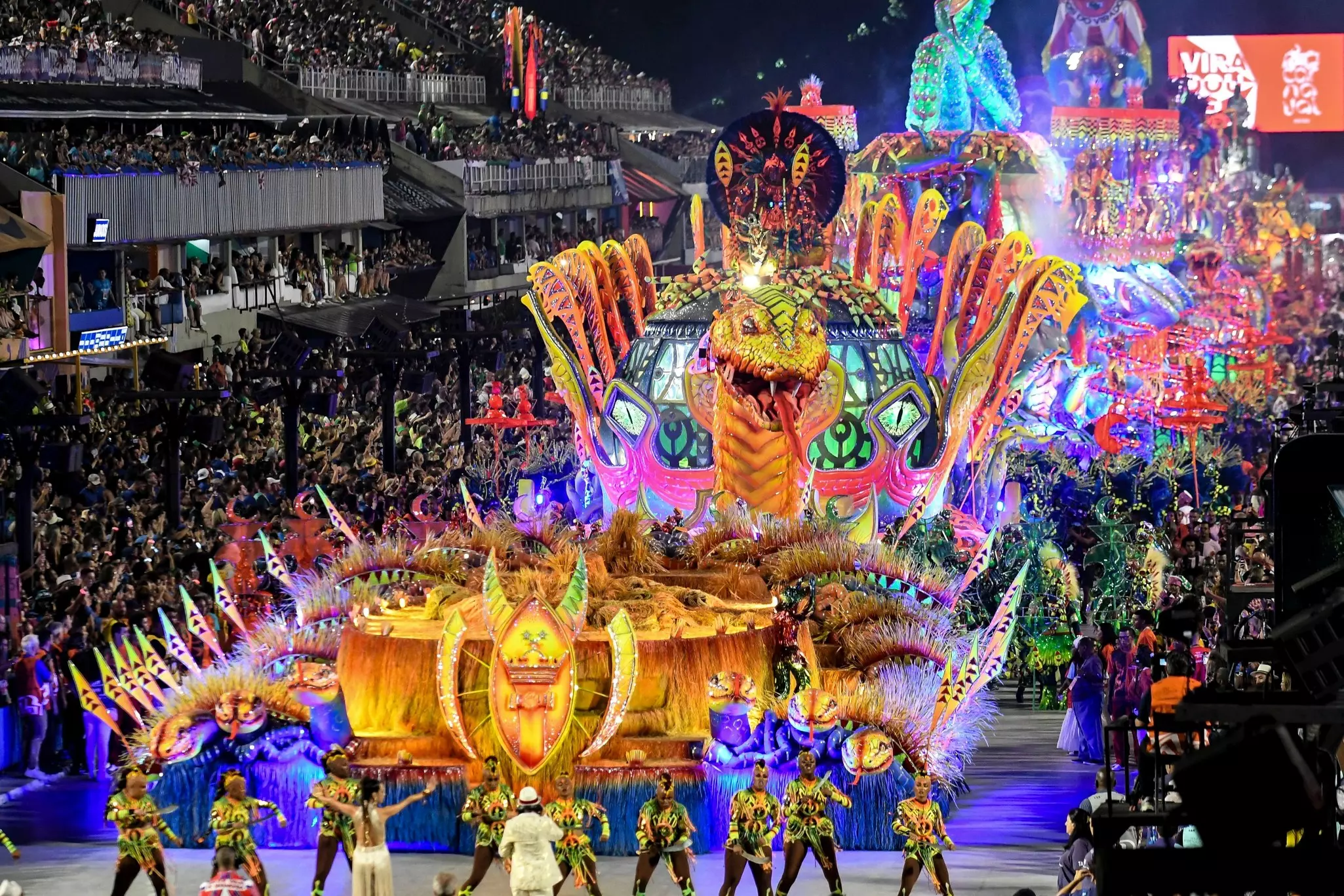
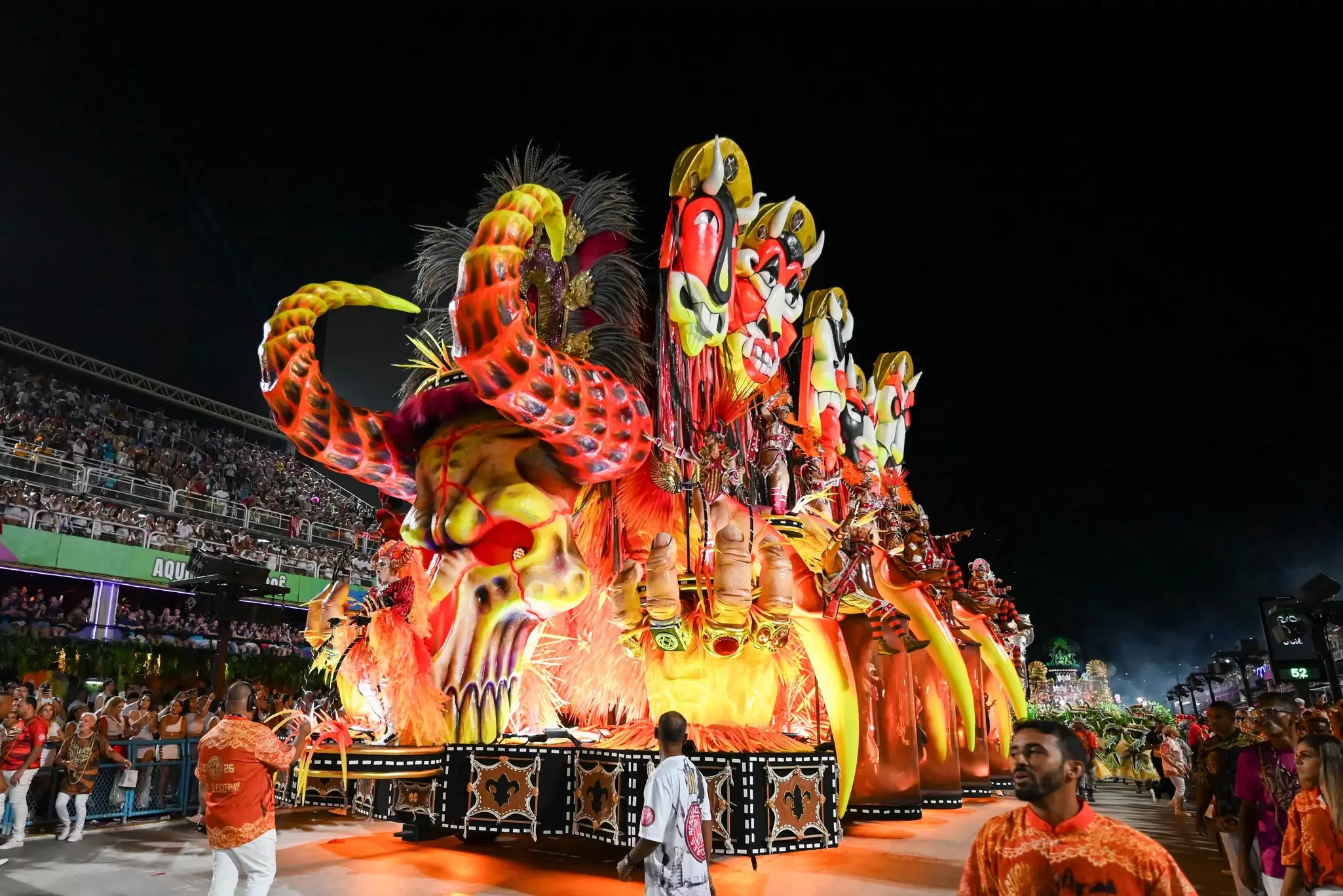
The Alegorias are the parade cars, which are essentially moving sculptures that can reach up to 9m, 80cm tall (but no taller, so as not to hit the TV cameras), and are elaborately decorated to fit with the theme of the year. The cars are moved by human power only – motors are not allowed, due to fire risk – and are topped with dancers in elaborate costumes known as the destaque and semi-destaque.
Mestre-Sala E Porta-Bandeira
The mestre-sala (dance master) and porta-bandeira (flag-bearer) are a couple who present a special dance, while graciously carrying their school's colors. Their costumes are typically Carnavalized versions of 18th-century gala-clothes.
Bateria
One of the most important elements of the parade is the bateira (percussion) orchestra. The bateria is responsible for setting – and keeping – the pace of the parade and the music, while the entire school – even technical members – sing that year's samba at the top of their lungs for 75 minutes straight. Baterias from the Grupo Especial typically have between 250 and 300 members, are led by the master conductor and often have a Rainha de Bateria (samba queen), representing them.
Ala de Passistas
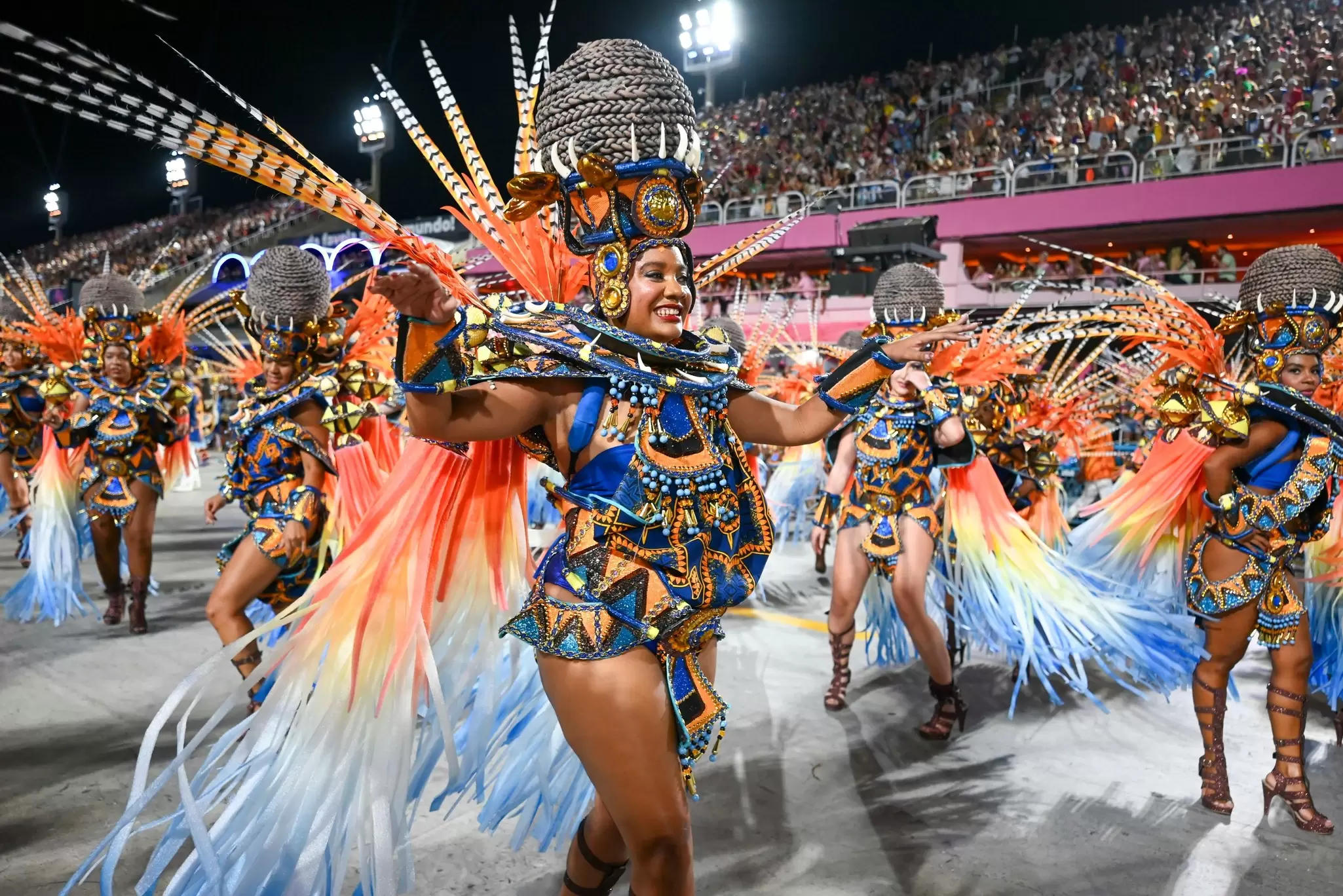
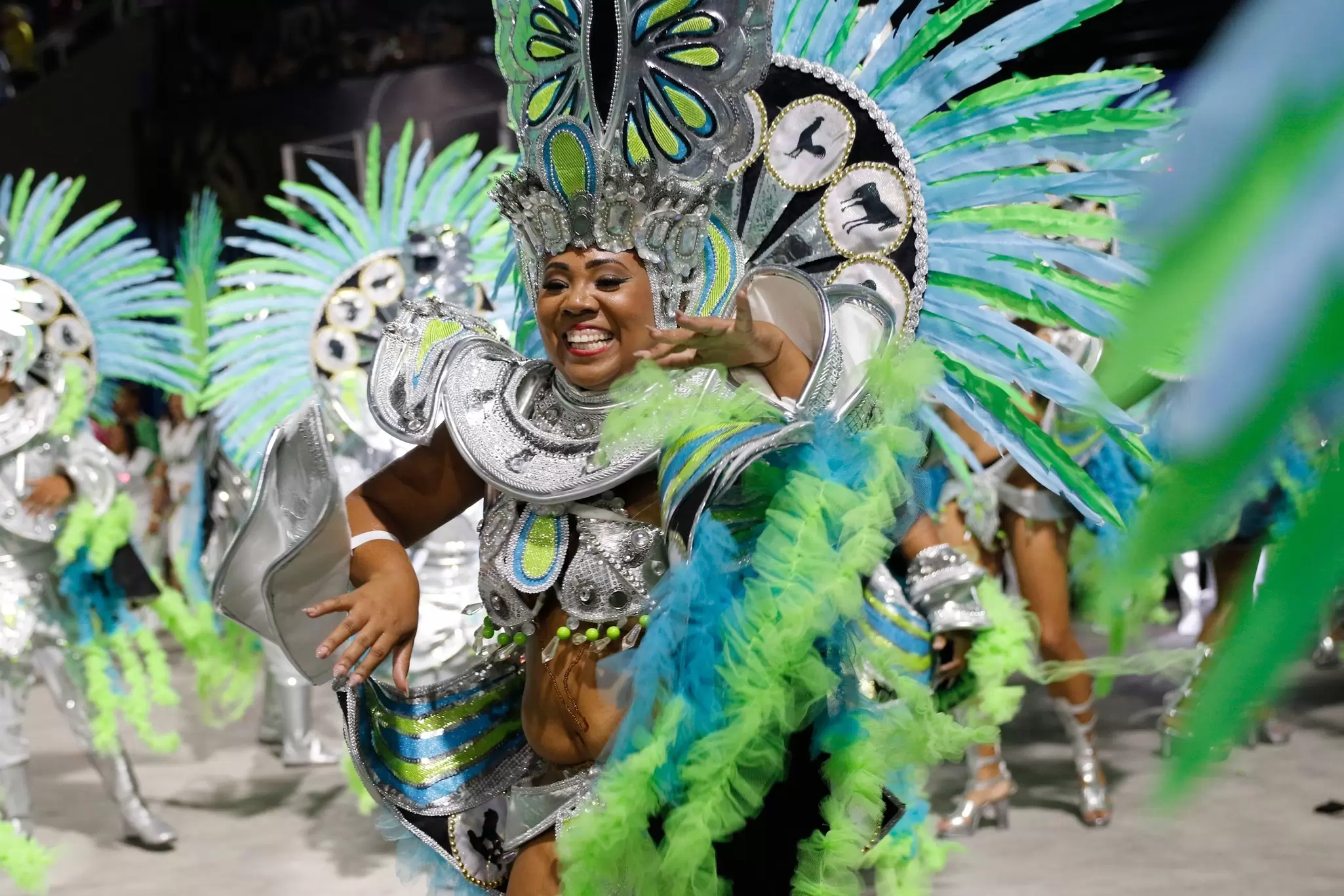
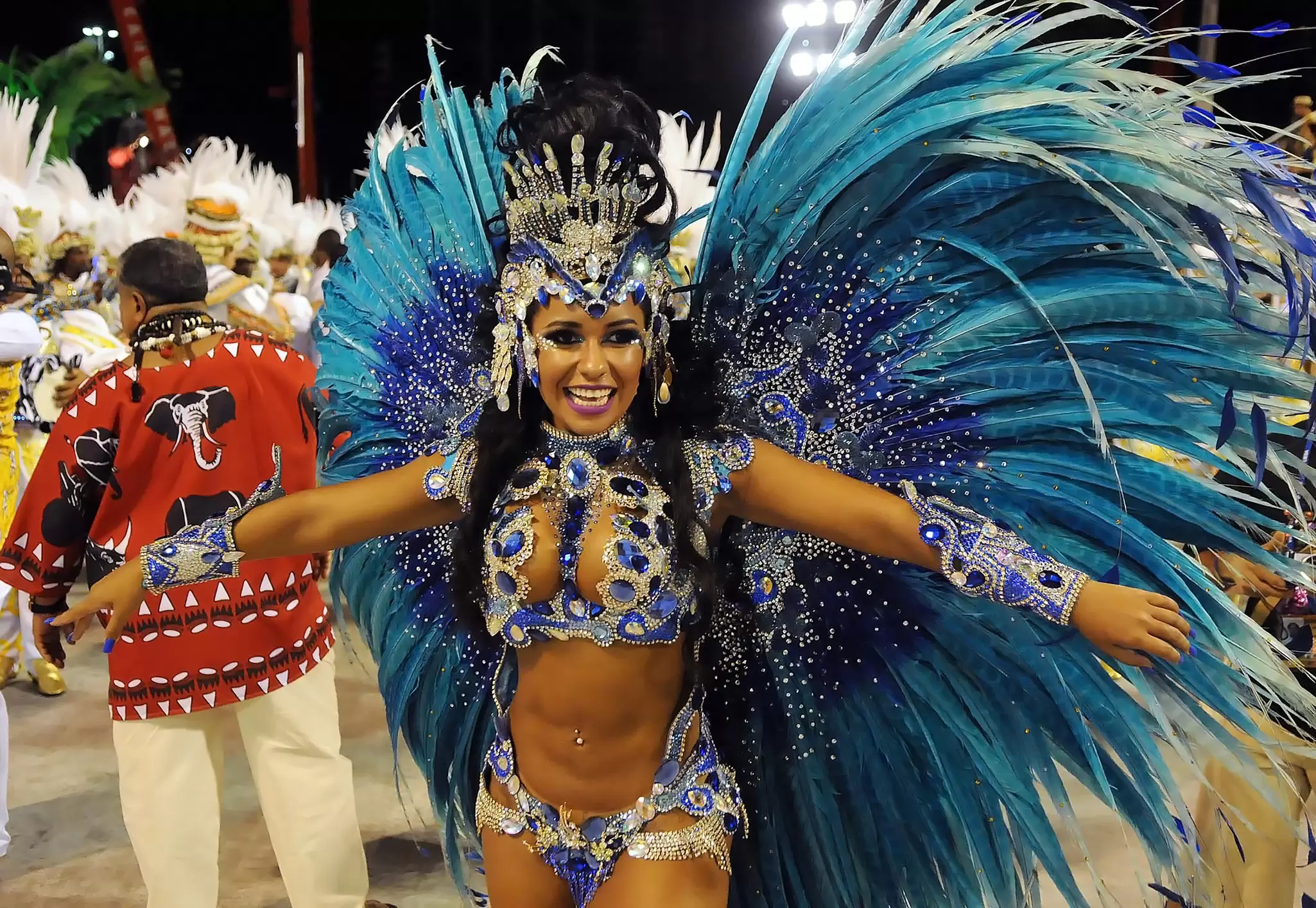
The passistas are the school's principal samba dancers. These elaborately dressed, seminude women are one of the best-known images of Carnaval, and their role is to dance the traditional samba-no-pé nonstop during the parade.
Ala das Baianas
Considered to be one of the most important parts of a samba school, the baianas represent the past on which samba was built. The group of white-clad women, dressed in typical Bahian outfits, remind us of the women who formed the first groups of samba in Salvador.
Velha-Guarda
The velha-guarda is a group of the oldest sambistas in the school who walk along during the parade dressed in colorful formal-wear, waving to the crowds. Members of the velha-guarda are typically aged in their 70s or above and are often founders of the schools themselves, but usually retired from holding any other positions in the parade. They tend to be samba legends, and are generally the most revered group in the parade.
Types of Tickets
If you want to watch what cariocas call the best show on earth, you'll need to plan ahead to get tickets. Arquibancada, or the bench seats, are the cheapest but sell out exceptionally quickly (currently sold on Ticketmaster), while the Camarotes, or VIP boxes, which are more expensive, will often include free food and drink and still have availability closer to the event. Carnaval ARARA (@carnavaldaarara) is a favorite.
Beyond Samba
Between bench seats and VIP Boxes, the Sambódromo has room for over 80,000 spectators. Outside of Carnaval season, the site also hosts concerts and events – ranging from motorcycle races to operas to evangelical conventions – and even held the archery and marathon events during the 2016 Olympic Games, as well as archery for the Paralympics. In 2021, the Sambadrome was declared Historic and Artistic Patrimony.