Aug 20, 20268 min read
Türkiye on a BudgetAug 20, 2026
8 MIN READ

Writer
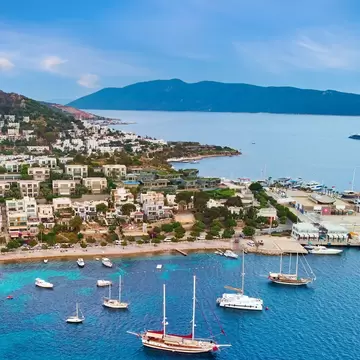
Bodrum, Türkiye. goffkein.pro/Shutterstock

Writer
Lonely Planet may earn a commission from affiliate links on our site. All recommendations and reviews reflect our own independent opinions.
Stunning coastlines, delicious cuisine, plentiful outdoor adventure options, and of course, thousands of years of history – Türkiye’s many riches don’t come cheaply these days.
Formerly a relatively budget-friendly destination, recent years have seen high inflation rates and unpredictable prices, with popular destinations like İstanbul, Bodrum, and Cappadocia rivaling European cities in terms of cost. But there are still ways to explore this deeply rewarding country without breaking the bank, especially if you’re able to travel off-season or willing to substitute some of the big-name sights with equally fascinating alternatives.
Basic hotel room for two in İstanbul: ₺3500–4000
Day use of two sunloungers and an umbrella at the beach in Ölüdeniz: ₺1500
Portion of baklava (four to six pieces) at Karaköy Güllüoğlu in İstanbul: ₺350–500
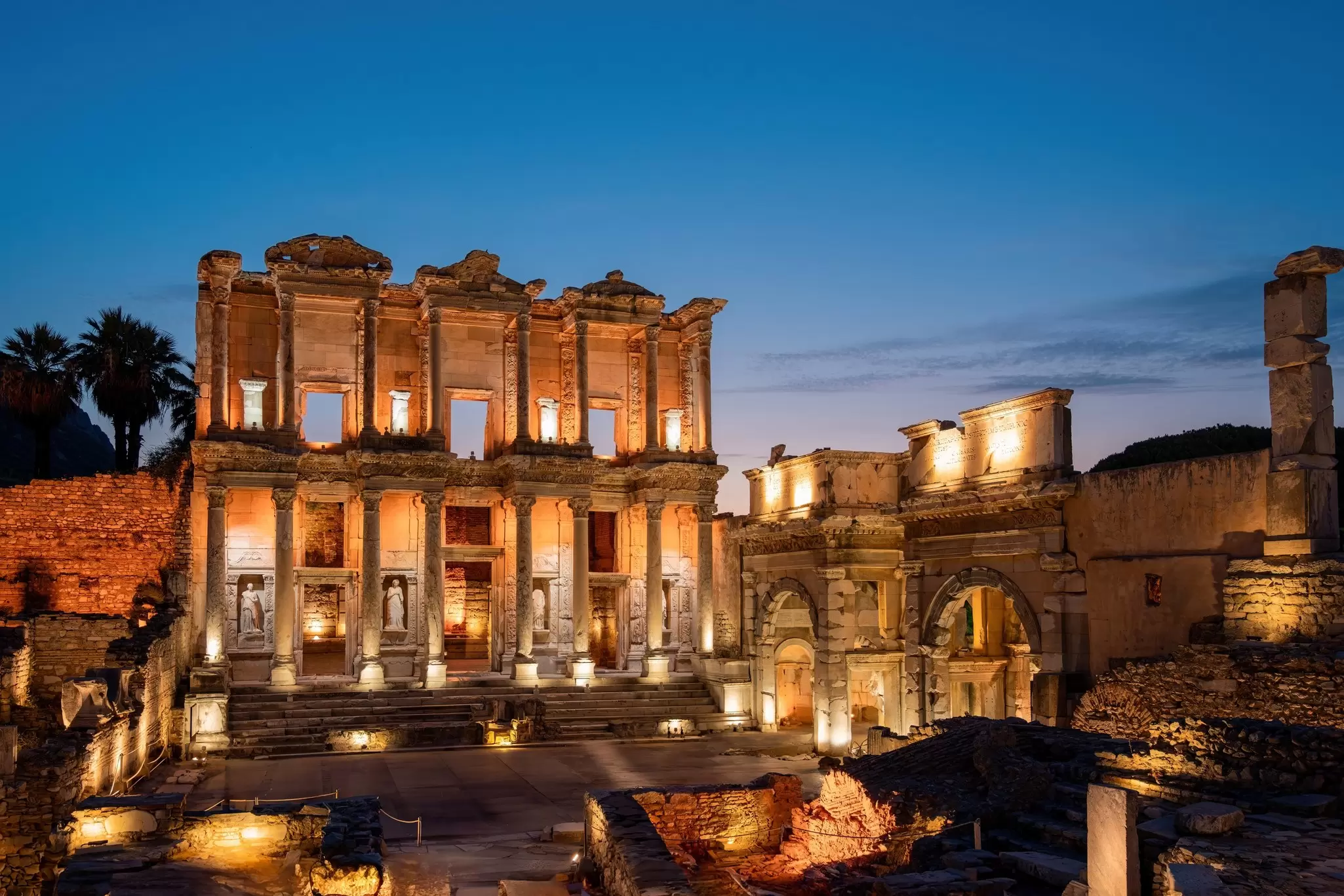
Entry to Ephesus archaeological site, including terraced houses: ₺2870
Entry to Hattuşa archaeological site: ₺150
Glass of rakı (aniseed brandy) at a meyhane (tavern): ₺350–600
Single ride on public transportation in İstanbul: ₺65
Cup of Turkish coffee at Fazıl Bey in İstanbul: ₺220
Car rental per day: ₺1800–2500
The two busiest times of the year for travel in Türkiye are the two main religious festival periods in Islam, known as Ramazan Bayramı and Kurban Bayramı in Türkiye and Eid al-Fitr and Eid al-Adha in the Arabic-speaking Muslim world. This is when Turks both domestically and abroad visit their families and holiday en masse – think Thanksgiving and Christmas in the US – making for sold-out flights, booked-up hotels, and higher prices. The timing of the two holidays follows the Islamic lunar calendar, so their dates shift from year to year.
In addition to these bayrams, there are some other peak periods in certain cities to avoid if you’re looking for the best deals, including the Easter and New Year’s holidays in İstanbul, and the Şeb-i Arus Festival (December 7 to 17) in Konya.
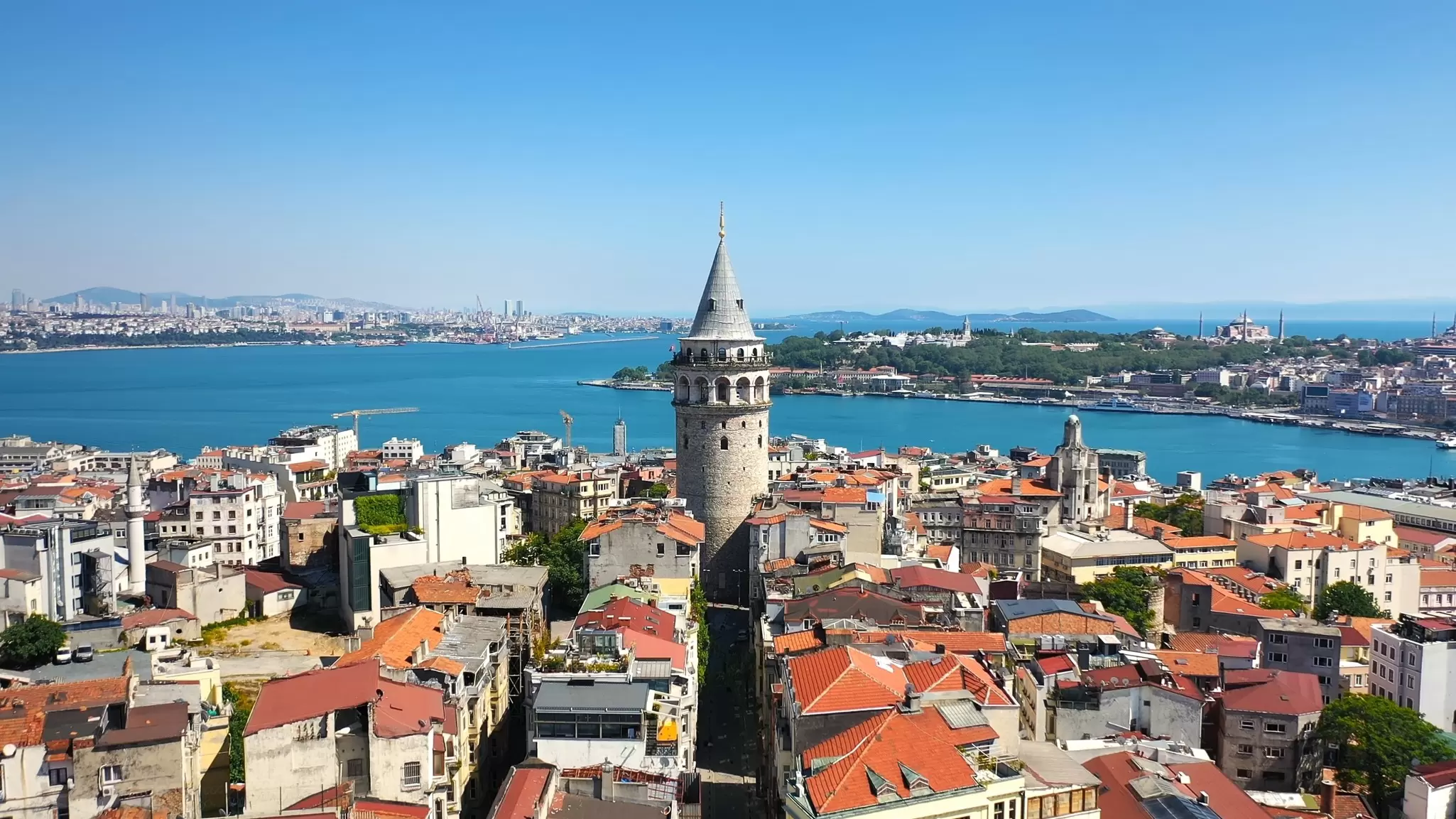
Most international flights to Türkiye arrive at one of İstanbul’s two airports, İstanbul Airport and Sabiha Gökçen International Airport. Flagship carrier Turkish Airlines regularly offers significantly reduced deals while Pegasus offers lower-cost links to Europe as well as domestic flights. (Be careful when booking, though: the cheapest flights on Pegasus typically include a 3kg underseat bag only.)
Travelers from the US, EU and many other countries can take advantage of Turkish Airlines’ “Stopover in Istanbul” program, which offers 1 free night at an İstanbul hotel for economy class passengers and 2 for business class passengers during a layover of at least 20 hours and not more than 7 days en route to another international destination. Do be aware that accommodation at a specific hotel is not guaranteed and some of the hotels participating in the program are not in the city center.
In the summer months, low-cost carriers like SunExpress and Jet2 fly directly from European cities to coastal destinations in Türkiye like Antalya, Bodrum, Dalaman and İzmir.
Most airports in Türkiye have a shuttle bus into the city center and nearby points of interest (such as the beach resorts of Çeşme and Alaçatı from İzmir Adnan Menderes Airport), often run by the Havaş company and/or local municipalities at a significant savings over taxi fares, especially for solo travelers. Cheaper still is public transportation: both of İstanbul’s airports are now connected to the city center via metro line.
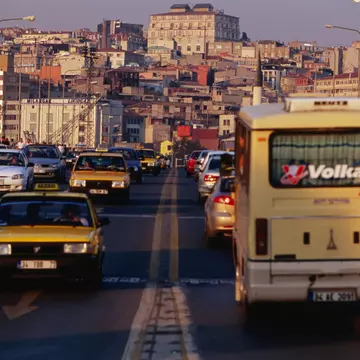
Within cities, public transportation is generally fairly robust, and inexpensive, with a single bus, metro, tram or ferry ride typically costing ₺35–65. Many systems accept contactless credit cards, but if you’re planning to explore extensively, it may be worth purchasing and topping up a local transit card, such as the İstanbulKart in İstanbul, İzmirim Kart in İzmir or Başkent Kart in Ankara, which offer a per-ride discount.

An extensive network of buses and minibuses crisscrosses the country, and online booking sites like obilet have made it easier for visitors to find bus schedules and purchase tickets ahead of time. Though fuel prices have gone up, a bus ticket is still generally cheaper than flying, and the long-haul buses are comfortable, with in-seat TVs, snack service and rest stops. High-speed rail services with the state-run Turkish Railways, such as those that travel between Istanbul, Ankara and Konya are comparable in price to buses, and the local train services are cheaper still.
If you’re considering taking the popular Eastern Express train trip from Ankara to Kars or the Mesopotamia Express from Ankara to Diyarbakır, be aware that Turkish Railways sells two types of tickets for these journeys. The “touristic train” (turistik tren) makes a handful of stops where visitors are allowed a couple of hours to get off the train and explore, while the regular service plies the same route but makes many brief stops for passenger boarding and de-boarding only. The latter cost a fraction of the price of the former, which are often sold out far in advance.
A MuseumPass for İstanbul, Cappadocia, the Aegean or Mediterranean region, or all of Türkiye offers entry to selected museums and archaeological sites over a period of 3 to 15 days for a set price. If you’re planning to visit a lot of historical sights, it can yield a significant discount over paying individual admission fees, but check the list of what’s included first and be realistic about your time to ensure you’re not overpaying for the convenience.
In İstanbul, many private museums have weekly free days; at some, like İstanbul Modern, this only applies to residents of Türkiye, but others, such as the Pera Museum (Fridays from 6 to 10pm), Arter (Thursdays), and the Sakıp Sabancı Museum (Tuesdays) are open to all.
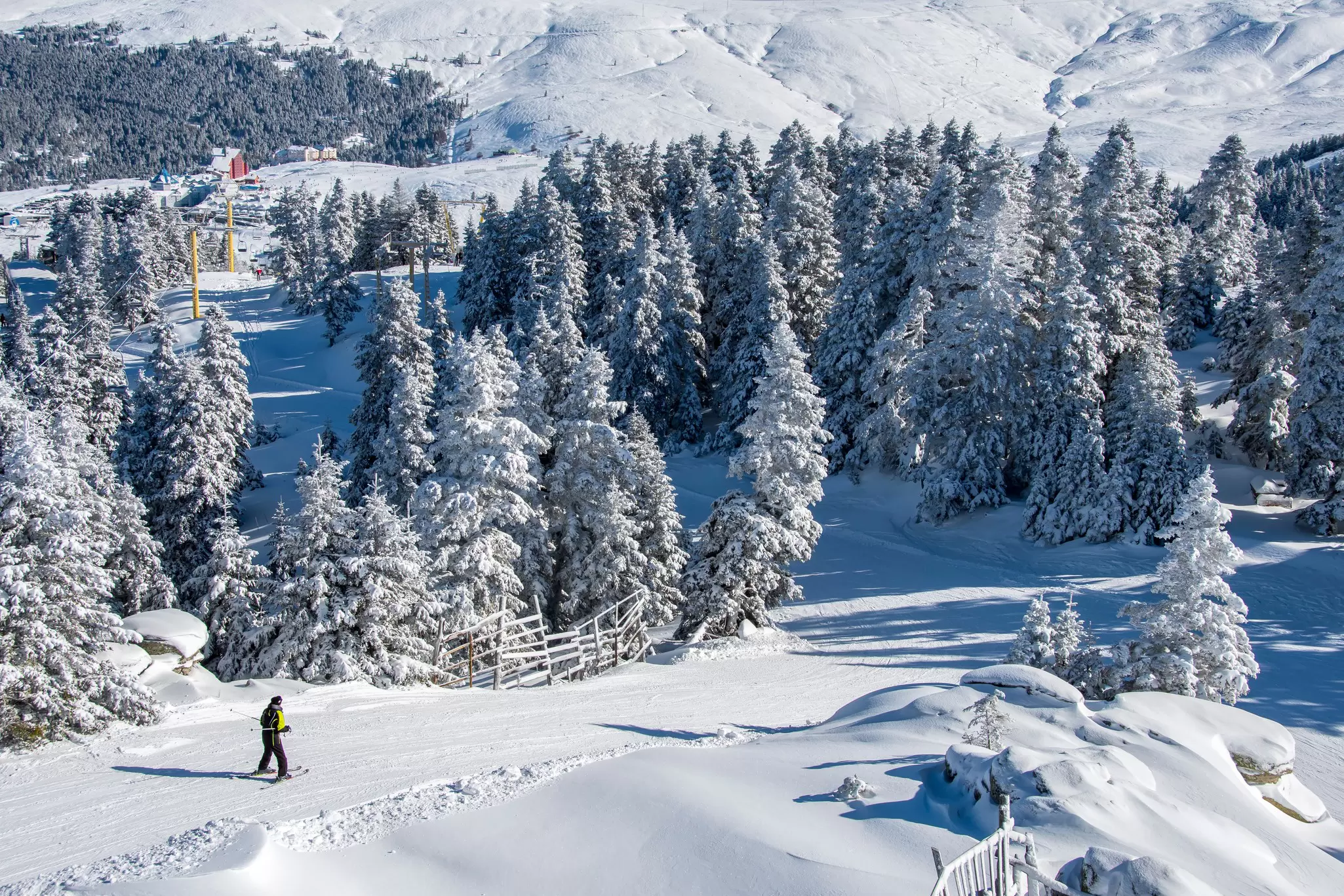
You can often find cheaper hotel rates midweek at areas that are popular weekend breaks for city-dwellers, such as the beach resorts of Çeşme and Alaçatı near İzmir or the ski resorts of Uludağ and Kartepe near İstanbul. Conversely, look for deals at business hotels in cities like İzmir or Ankara on the weekends.
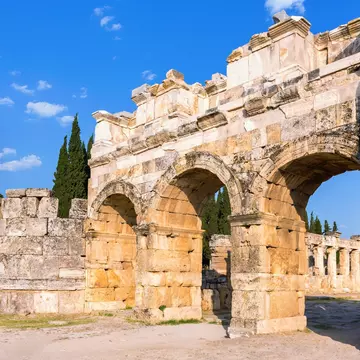
Sights like Ephesus, Cappadocia and Safranbolu are iconic for a reason, but also on the pricey side. Archaeology buffs will find much to love for half the entry fee of Ephesus at the impressive Bergama acropolis or Hierapolis at Pamukkale, while you can stay in a lovingly restored konak (Ottoman wooden mansion) in intriguing Amasya or Kastamonu for much less than in Safranbolu, or explore the caves, rock formations and carved monuments of the Phrygian Valleys without the crowds and costs of Cappadocia.
Most hotels in Türkiye include breakfast in the rate, and it can often be quite lavish, either served as an open buffet or an individual table full of small dishes ranging from olives and cheeses to jams and honey with clotted cream. A good one can keep you going nearly until dinnertime. Not a morning eater? Ask if you can get a reduced room rate without breakfast.
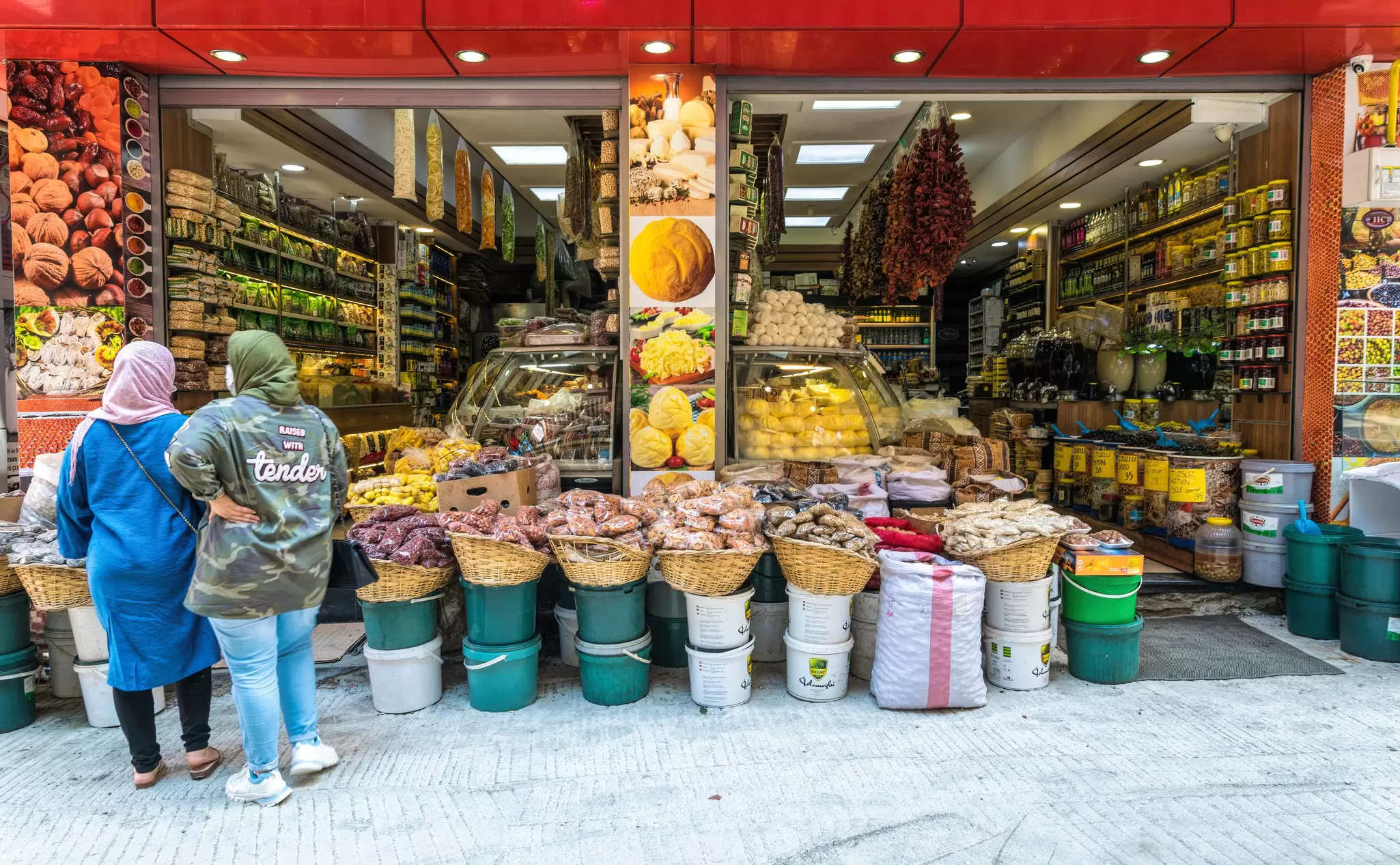
Food prices have suffered some of the highest inflation, so for a good deal at lunchtime, do as the locals do and head to an esnaf lokantası (tradesman’s restaurant), or ev yemekleri lokantası (home foods restaurant). These casual eateries serve a colorful variety of hearty precooked dishes canteen-style, so you can just point behind the counter at what you want to eat. If you’re not that hungry or want to try multiple dishes, most will offer a yarım porsiyon (half portion) option.
Another great choice for an inexpensive lunch or snack is the pazar, weekly open-air fruit and veg markets held on different days in different neighborhoods. Larger ones such as the Tuesday market in Fethiye will often have stands selling homemade pastries, gözleme (stuffed flatbreads) and other quick bites. Or buy an assortment of cheeses, olives, nuts, fruit and bread for self-catering picnics.
A night out at a meyhane, a Turkish-style tavern, is a must-do for many travelers but these are some of the more expensive eating options and it’s easy for the cost to add up, especially when ordering fish and seafood, whose prices aren’t always listed on the menu. Though some waiters may pressure you to order fish before you’ve even received your meze, hold your ground and wait until you know if you really want another course.
If you do choose to order fish or seafood, be sure to ask the price – and confirm whether it’s per kilo, per portion or per piece. To avoid unpleasant surprises, you should also ask before sitting down what the kuver (cover) charge is per person; this is a separate charge from a service fee or tip. In general, restaurants like meyhanes that serve alcohol tend to be more expensive than those that don’t – this is in addition to the heavily taxed cost of the wine, beer, rakı and cocktails themselves.
Sign up for the Lonely Planet newsletter for more travel tips and hacks.
Explore related stories