Sep 27, 20269 min read
Taking the Train from Toronto to Montréal (What You Need to Know)Sep 27, 2026
9 MIN READ

Writer
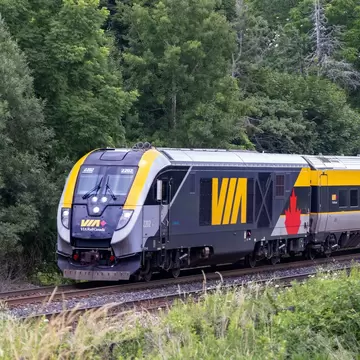
A VIA Rail train en route between Toronto and Montréal, Canada. sockagphoto/Shutterstock

Writer
Lonely Planet may earn a commission from affiliate links on our site. All recommendations and reviews reflect our own independent opinions.
More than 75% of Canadians live within 150km of the US border, in cozy, cosmopolitan cities such as Toronto and Montréal, but traveling in the south of the country is still a Canadian adventure, and it’s best experienced at ground level.
Flying between Canada’s largest city and the largest city in Québec will give you only a distant glimpse of southern Canada. Travel between Toronto and Montréal by train and you'll be immersed in calming countryside as you hop between small Canadian towns dotted along the St Lawrence River and the north shore of Lake Ontario.
While not quite as dramatic as the landscapes you'll see from the Rocky Mountaineer, the scenery is soothing in summer and radiant in fall and winter, as radiant foliage slowly gives way to snow and ice. Better still, you’ll have space to stretch out and stretch your legs as you roll out from Union Station in the heart of downtown Toronto, and roll into Gare Centrale, just a short hop from the historic old city in Montréal.
As an added perk, daily Via Rail trains between Toronto and Montréal use some of the most modern and comfortable carriages on the Canadian rail network. And a half-day journey is a small price to pay for skipping the plane and arriving feeling relaxed and in touch with the terrain you are traveling through.
If you’re tempted by the idea of riding the rails between two of Canada’s most appealing cities, here’s everything you need to know about taking the train from Toronto to Montréal.
Canada is a big country, and you’ll get a feel for its scale even on the journey from Québec to Ontario. The train trip from Toronto to Montréal covers about 540km – equivalent to the journey from Paris to Frankfurt – and the journey takes around 5.5 hours, or slightly less on a handful of faster trains. On the way, you’ll pass through appealing small towns such as Cornwall, Kingston, Belleville and Cobourg, where you might want to stop for a taste of Canada off the main tourist trail.
When leaving Toronto, you’ll depart from historic Union Station, a column-fronted beaux-arts masterpiece from 1927. The station sits right in the thick of things downtown, just a few blocks from the Waterfront neighborhood [8 of the best neighborhoods in Toronto], easily reached by subway, bus, suburban train or taxi.
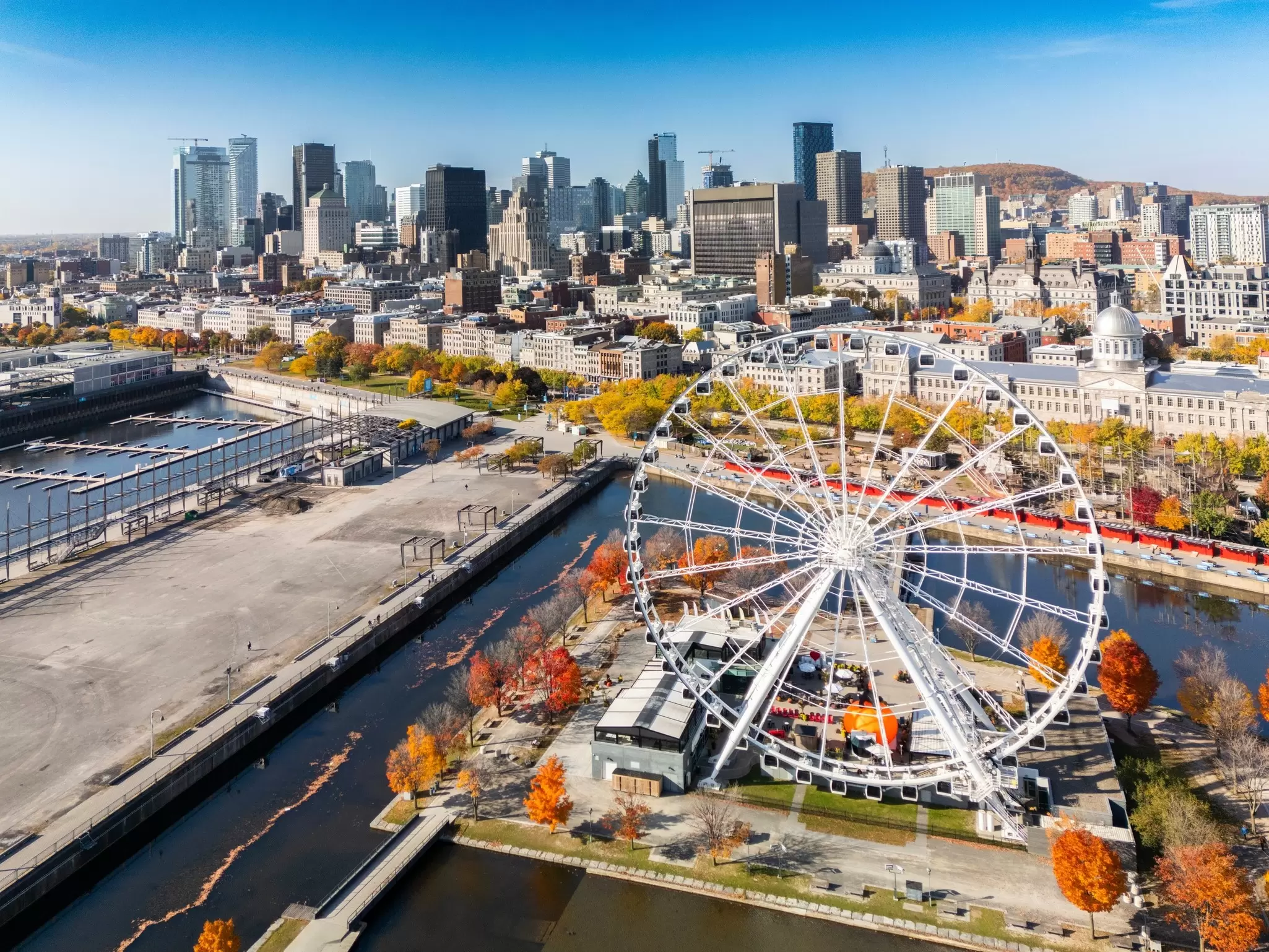
At the far end of the trip, you’ll roll into Gare Centrale in the center of Montréal. Despite the 1940s friezes by Charles Comfort inside the ticket hall, the station is today enclosed by a modern parking garage. Exit to the south to reach Bonaventure metro station and the Basilique-Cathédrale Marie-Reine-du-Monde, modeled after St Peter’s Basilica in Rome.
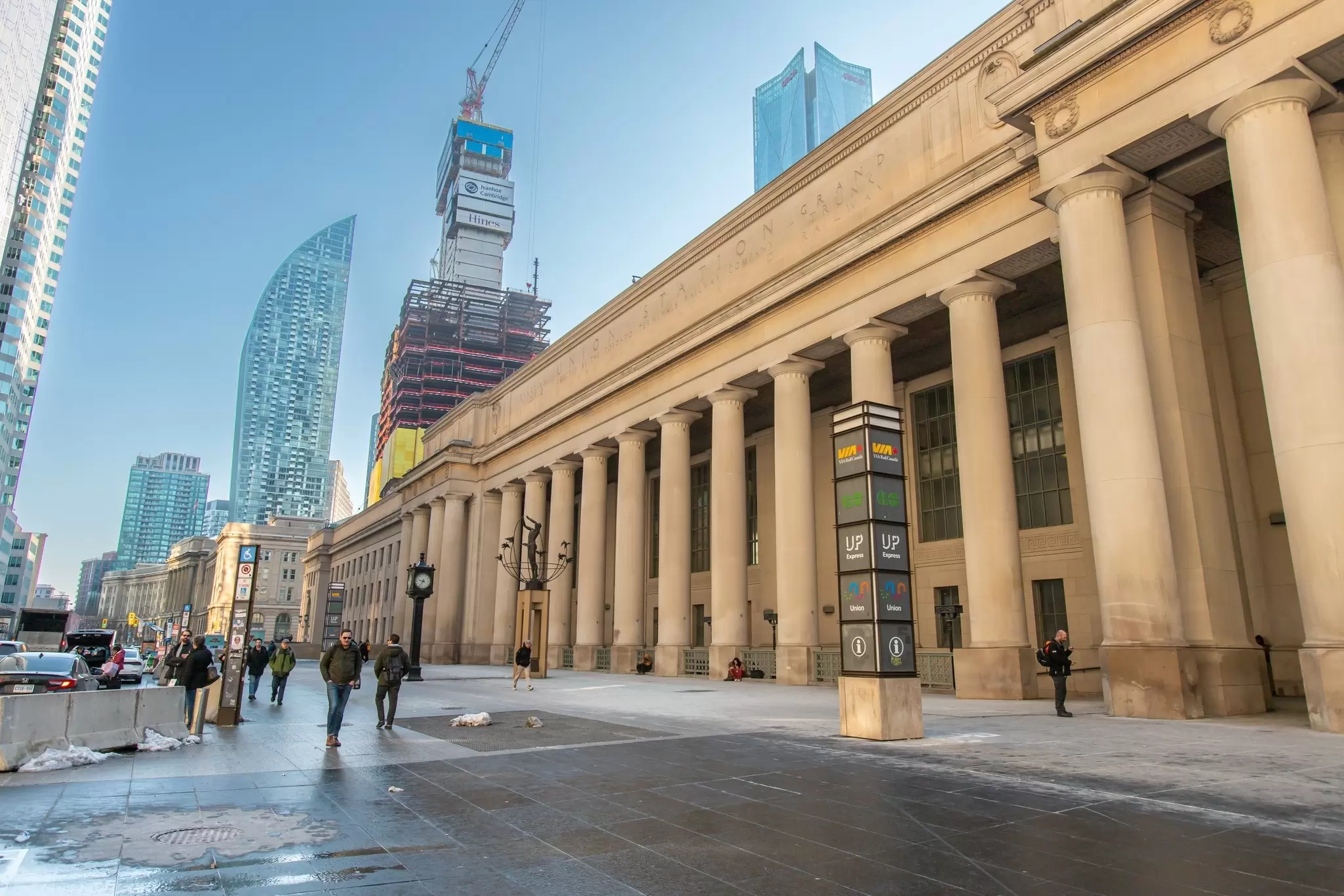
You can reach Toronto’s Union Station easily on the subway, city buses, suburban trains or the UP Express train from Toronto Pearson International Airport. See the Toronto Transit Commission website for timetables and route maps. If you’re traveling light, the Bike Share Toronto scheme has cycle stations right by Union Station; if not, rideshares are available through Uber and Lyft, or you can take a regular taxi.
On arrival in Montréal, you can jump on the Orange Line of the metro at Bonaventure to reach Vieux-Montréal (Old Montréal), the Quartier Latin, the Plateau, Mile End, Little Italy and other key Montréal neighborhoods. If you’d rather be out in the fresh air, you can walk the 1.5km to Vieux-Montréal in about 20 minutes, or use the Bixi bikeshare scheme.
Montréal has an enviable public transportation system; the website of the Société de Transport Montréal (STM) has information on metro and downtown bus routes, while Exo runs buses and commuter trains to the suburbs. To reach Montréal-Trudeau International Airport, take the 747 Express bus, summon a rideshare from Uber or Lyft, or take a regular taxi.
Trains between Toronto and Montréal are run by Canada’s national rail company, VIA Rail. There are six to 10 direct services daily between the two cities, starting from around 6:30am and finishing around 6pm. The journey will take between 5 hours and 5.5 hours, depending on the service. If you plan on taking the last train of the day, let your hotel know when you’ll be arriving, as you’ll reach your destination after 11pm.
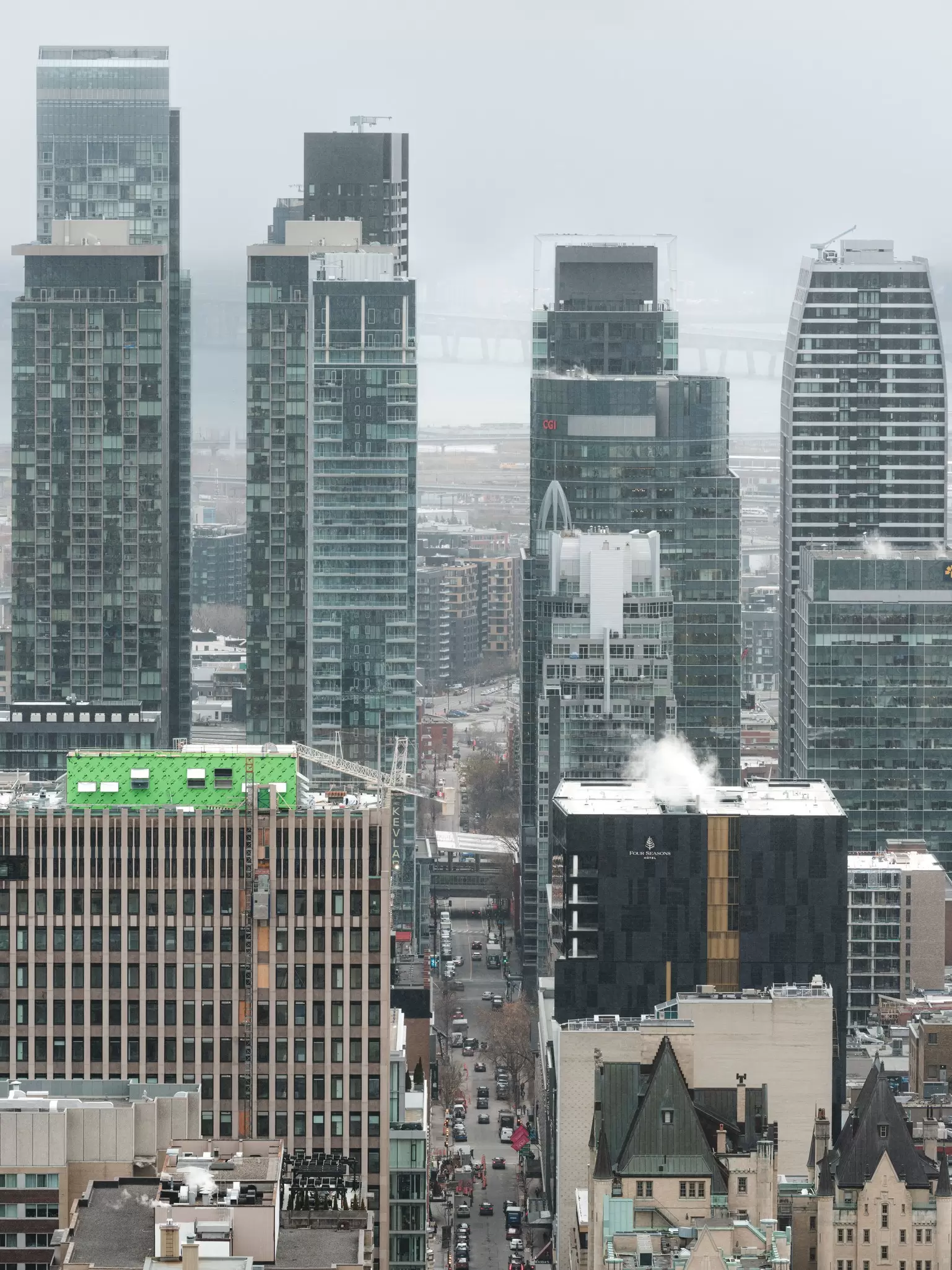
VIA Rail uses dynamic pricing, so fares vary depending on demand, seat availability, and how far ahead you book. Advance fares can be refreshingly inexpensive, but fares creep up the closer you get to the date of departure, and buying a ticket for same-day travel can cost three times as much as the cheapest advance fare. However, you’ll usually pay less than traveling by air whenever you buy your ticket, particularly once you factor in the cost of getting to and from the airports.
As a guide, if you book well ahead, you can find advance fares in economy class for around 55 Canadian dollars ($) – less than the price of a taxi from Toronto’s airport to downtown. However, if you buy your ticket on the day of travel, you can expect to pay around $155. Tickets for business class cost considerably more, but there’s an in-seat meal and drinks service included in the price, and you can use business lounges at the stations.
As for other Canadian trains, there are discounts for children aged 2–12 and seniors aged over 65, and children under 2 go free. There are also special discounts for Canadians who are members of the armed forces or members of Indigenous communities.
The easiest way to book a journey with VIA Rail is online via the official website, though you can also book in person at the train stations. Note that some travelers have reported problems making bookings with non-Canadian bank and credit cards; this seems to vary with the browser you use, so try Safari or Firefox if you have trouble when using Chrome.
Look out for special promotional fares – discounted tickets for certain trains are released by VIA Rail every Tuesday. You have to book by midnight that day using a promotional code, but you can travel on a future date and you might save up to 20%.
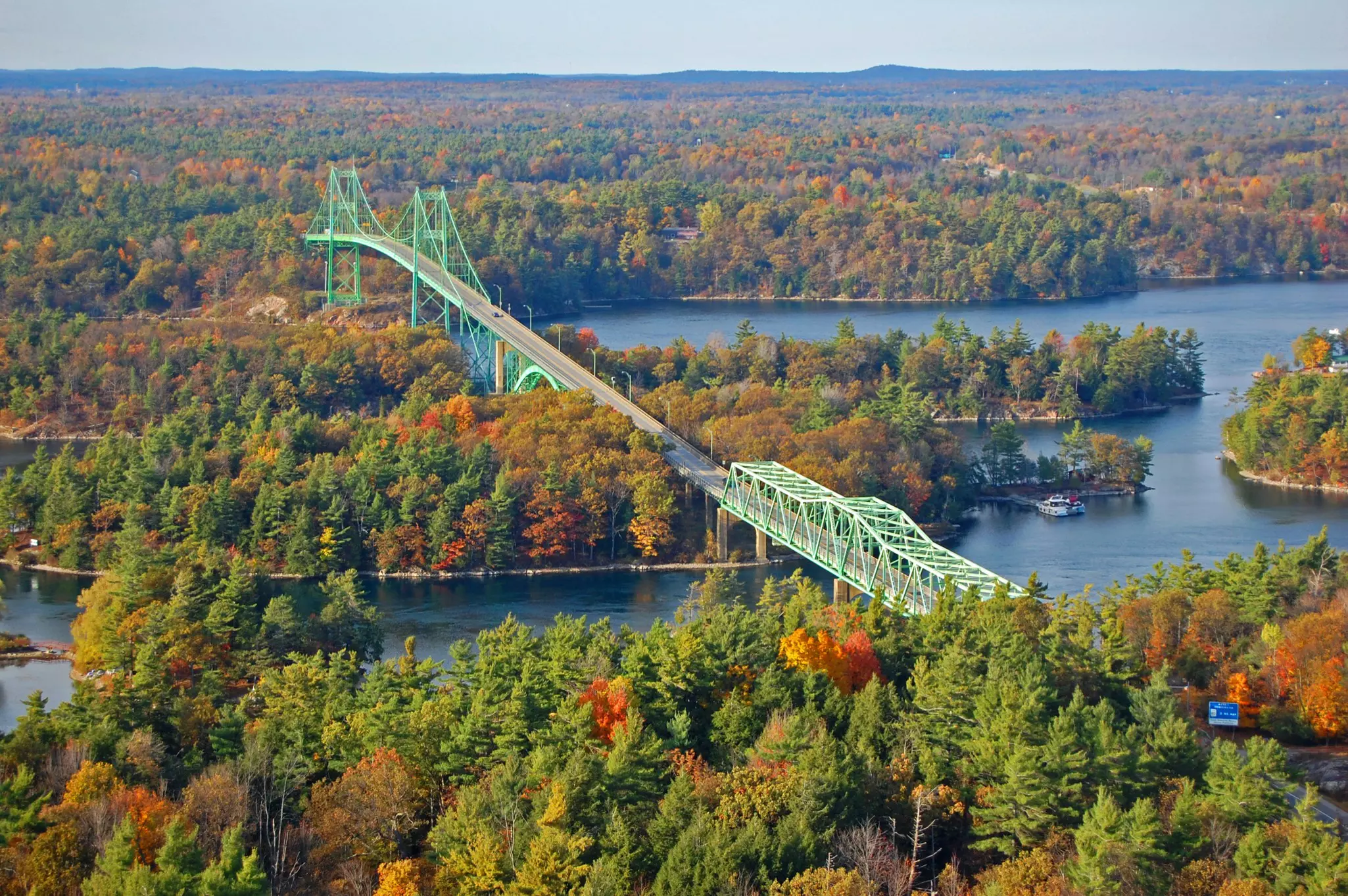
If you feel like breaking the journey, the Toronto–Montréal line passes along the so-called Québec City–Windsor Corridor, home to around 90% of people living in Canada. There are views of farmland, Lake Ontario and the skylines of Toronto and Montréal along the route (sit on the right side of the train heading out of Toronto), and you can break the trip at a string of historic towns and cities.
About 112km northeast of Toronto, Cobourg is known for its Victorian-era architecture, its lighthouse, and its big sandy beach on Lake Ontario. About 75km further along the lakeshore, Belleville is another pretty lakeshore town, home to the Second Empire-style Glanmore mansion, built for wealthy Canadian banker JPC Phillips.
Just before the train leaves Lake Ontario, Kingston was Canada’s first capital, and the city is known for its limestone architecture and historic sites. Admire City Hall and the moody Kingston Penitentiary, and soak in history at Fort Henry – built during the War of 1812 to protect the Royal Navy dockyards – and Bellevue House, former home of Canada’s first prime minister, Sir John A Macdonald.
Closer to Montréal, the riverside town of Gananoque offers easy access to boat trips, kayak tours, bike rides and other adventures in Thousand Islands National Park. Nearby Brockville is an alternative base for the national park; drop into Fulford Place, the grand home of 1930s senator George Thomas Fulford, or enjoy island cruises and parks along the St Lawrence River.
Closer to Montréal, Cornwall was a hub for settlers loyal to the British crown after the American Civil War, with an agreeable small-city vibe, scenic riverside parks and a cute collection of historic homes and semi-rural islands on the St Lawrence River.
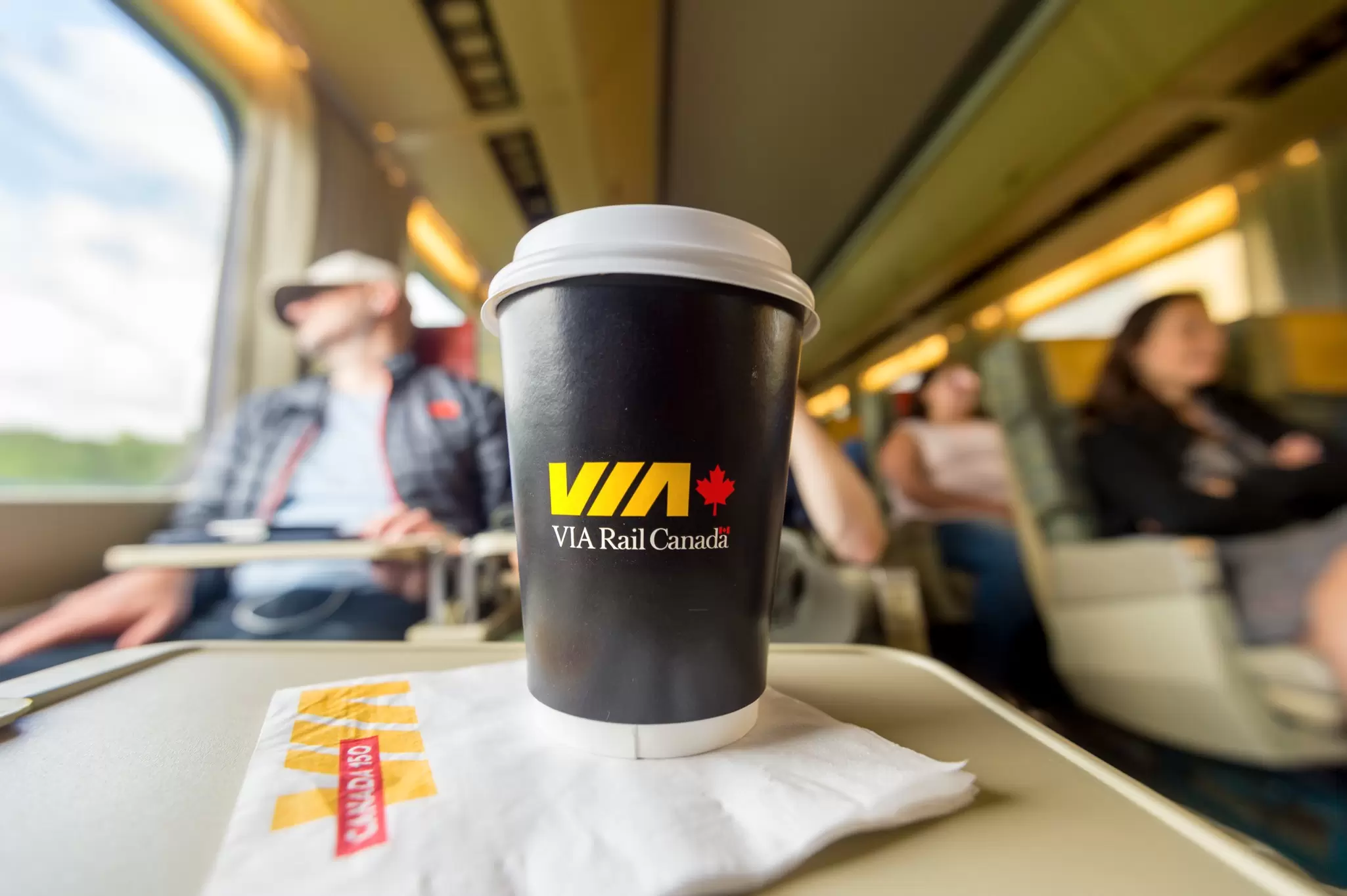
If this is your first time on a train in Canada, here are some of the key things you need to know.
VIA Rail trains on the Toronto–Montréal route have overhead racks for smaller bags and space at the ends of the carriages for larger suitcases. Note that there’s a 23kg limit for suitcases or backpacks; economy passengers can only bring one item of large luggage, while business class passengers can bring two.
Trains are fairly spacious, particularly in business class, and there are accessible toilets and designated areas for wheelchair users in all classes (stations offer step-free access). Contact VIA Rail if you have any additional needs.
In business class, a full meal and drinks service is included in the ticket price, and the menu varies depending on the time of day you travel. Travelers in economy class can order drinks, light meals and sandwiches from a more limited menu, either in advance, or from the roaming food carts on board. Note that bringing your own alcoholic drinks to consume on-board is not permitted, though these are sold on the train; it’s fine to bring your own food and soft drinks.
If you can’t take the train for any reason, you can always complete the journey by plane (a 1.5-hour flight) or take the Megabus – a trip of about 7 hours. If you need to change or cancel your train ticket, this can be done online via the Via Rail website or by phone. You may be able to get a full or partial refund if you cancel before departure, but this will depend on your ticket; refunds are not available for some promotional fares.
Find out more about travel in Canada with Lonely Planet's Canada guidebooks.
Book your Canada trip with Lonely Planet Journeys
See Canada how it's meant to be seen
Planned by local experts and tailored to you, Lonely Planet Journeys handles the logistics so you can just enjoy the trip. Tell us what you want and we'll build your Canada itinerary from scratch, or browse our bookable trips to get inspired.


Explore related stories