Aug 26, 20265 min read
Taking the Train from London to Paris (What You Need to Know)Aug 7, 2025
5 MIN READ

Writer
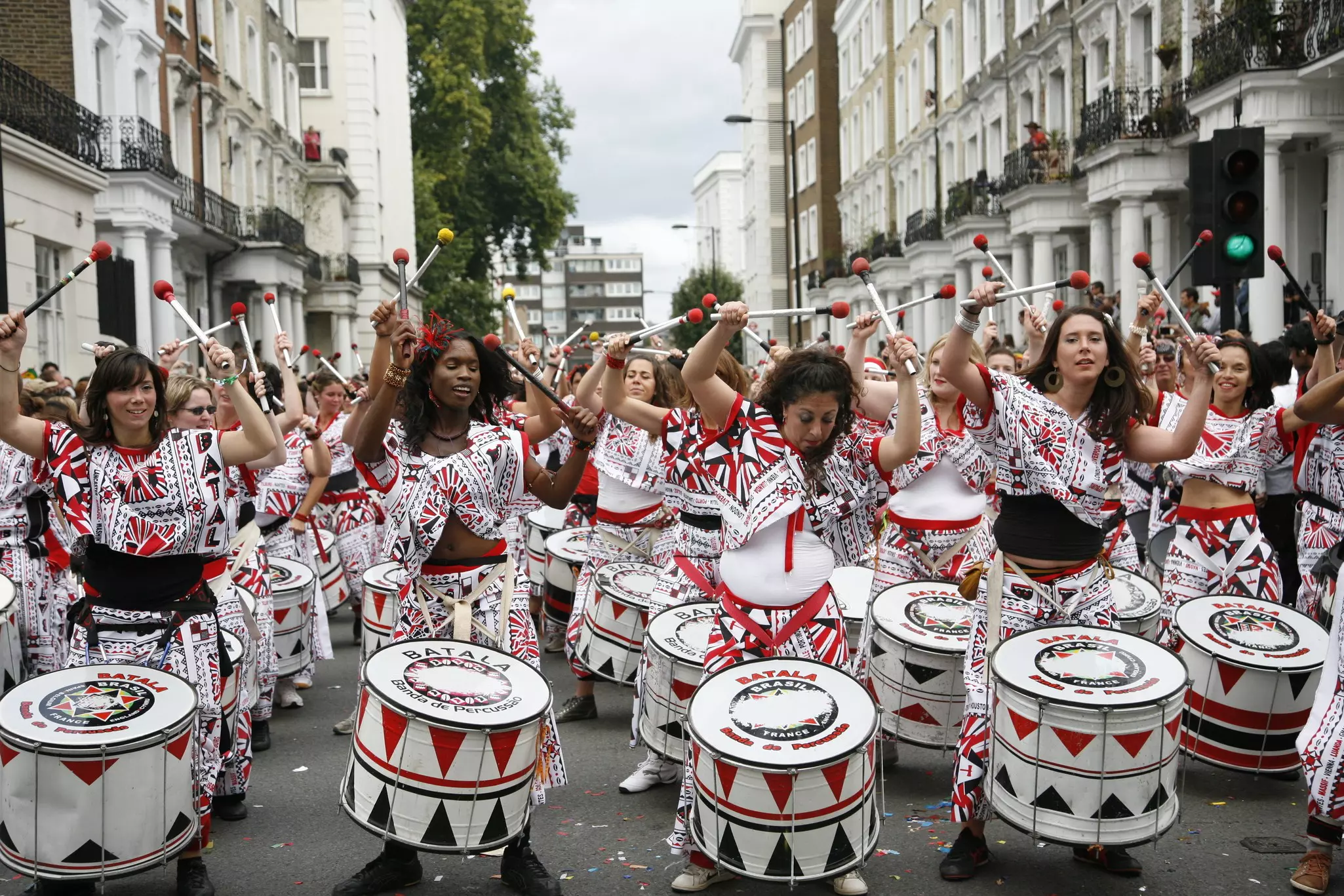
A Notting Hill Carnival parade participant. Wally Cassidy/Shutterstock

Writer
Lonely Planet may earn a commission from affiliate links on our site. All recommendations and reviews reflect our own independent opinions.
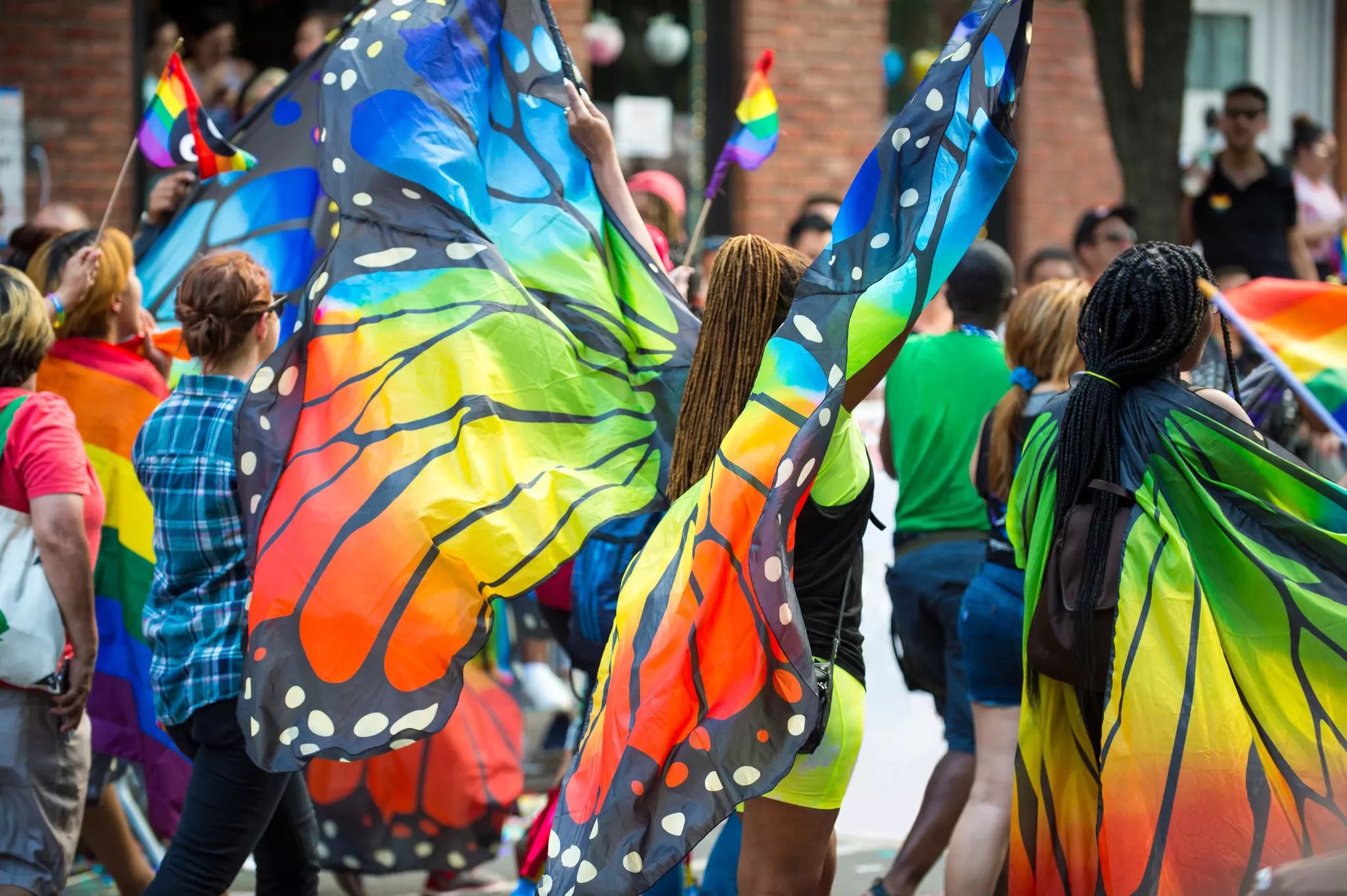
Dancers in feathers, streets pulsing with steel drums, and the scent of jerk chicken thick in the air — it can only mean one thing: Notting Hill Carnival is back. Every August Bank Holiday, massive crowds fill West London for Europe’s biggest street party — a vibrant celebration of Caribbean culture and community. Whether you're a Carnival regular or first-time reveler, here’s what to know.
Notting Hill Carnival was first started by London's West Indian communities in 1966 and now sees around two million people attend. The event – a celebration of Caribbean culture, arts and heritage – features a vibrant parade of floats, performers and music, with steel drum bands blasting through West London and street food stalls serving up Caribbean classics. Londoners and visitors alike revel in the chance to dance, feast and let loose in the name of community.
The roots of Notting Hill Carnival trace back to 1959, when Trinidadian human rights activist Claudia Jones organized an indoor celebration of Caribbean culture at St Pancras Town Hall, aiming to ease racial tensions in the local community. The event is also connected to the death of Kelso Cochrane, a 32-year-old Antiguan-born carpenter and aspiring lawyer, who was killed in a racially motivated attack that same year. His death sparked protests and calls for improved race relations, particularly in Notting Hill, which at the time was home to the UK’s largest Caribbean community.
The first outdoor Carnival took place in Notting Hill in 1966. Since then, the vibrant, community-led celebration has grown into Europe’s biggest street festival — and the closest thing to Mardi Gras outside the US.
Carnival takes place on the streets of London W10 and W11, around Notting Hill, Ladbroke Grove, Westbourne Grove, Westbourne Park and Kensal Rd.
It depends on the vibe you're looking for. Sunday is family day and offers a slightly more chilled experience but you'll still find plenty of dancing and celebrations from people of all ages.
Monday is more of a full-on party vibe. You probably won't see many children there, but it will be busier with more crowds.
But both days have afterparties lined up across the city, so just because the event ends at a particular time doesn't mean you have to.
The Carnival parade is free for anyone to attend, and everyone is welcome.
But anyone who wants to be part of the parade has to be part of an authorized group or pay to join the procession.
Accommodation around West London is available, with options ranging from £110 (US$146) a night to £400 (US$530). Options such as Hotel London Kensington are cheap and cheerful at around £150 (US$200), while the five-star Kensington Hotel will set you back around £360 (US$480). Other affordable choices include The Caesar Hotel and K+K Hotel George, while The Portobello Hotel and The Laslett offer more splash-out stays.
Accommodation around West London is available, with options going from £110 (US$146) a night to £400 ($US530). Options such as Hotel London Kensington are cheap and cheerful at around £150 (US$200), while the five-star The Kensington Hotel will set you back at £360 (US$480). Other affordable options include The Caesar Hotel and K+K Hotel George, while The Portobello Hotel and The Laslett have more splash-out choices.
The city has countless night-out options connected to Carnival, so you don’t have to go home when the official events wrap up. Book these parties in advance to avoid price hikes and sell-outs. Resident Advisor, Skiddle and XX are the primary sources.
Bring cash. Drinks, food and even some toilets often require actual money (notes or coins), and local ATMs will likely have large queues, so it's better to be safe than cash-strapped and sorry.
Carnival is often blessed with scorching temperatures, so sunscreen and water are necessary. You can bring a bag in with you, so a big bottle of water is absolutely a good idea. Also, if you are going to drink alcohol at the event, many people choose to bring pre-mixed cocktails or multipacks of beer (a.k.a tinnies) to the event. Since it's a street party, there aren't any problems with carrying in food or drink. Many Carnival stalls and local corner shops will sell these, too, if you don't fancy the extra weight or responsibility.
Another must for newbies and old-timers: consult the parade map route before you go and see what sound systems you want to visit and where they are. Because the event attracts massive crowds, it can take a long time to move from one corner to another. It's good to know in advance where you want to go instead of aimlessly following the crowds for hours (unless that's your thing). The Notting Hill Carnival route usually remains the same every year and can be found on the official Notting Hill Carnival app, which features a handy map.
If you are meeting up with friends at the event, make sure to establish a meeting point before you go in. As mentioned, the crowds can be nuts, so it makes it easier if you keep that as a designated spot to assemble if a group member is lost during the day.
Also, be mindful that Carnival is a community event. Sunday is technically family day, which means lots of families choose to take young children to see the parade and party. While attendees still use the opportunity to celebrate, be respectful of the people around you.
Most importantly, get into the carnival spirit!
Explore related stories