Jun 26, 20269 min read
Guide to the Mississippi Barrier Islands Jun 26, 2026
9 MIN READ

Writer
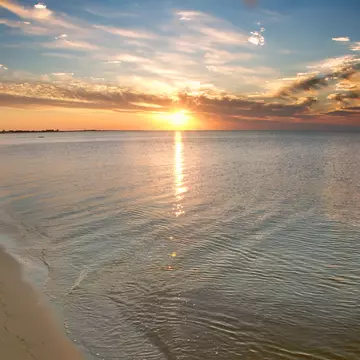
Sunset seen from Horn Island, Mississippi. Jason Patrick Ross/Shutterstock

Writer
Lonely Planet may earn a commission from affiliate links on our site. All recommendations and reviews reflect our own independent opinions.
I first came to know the Mississippi barrier islands through art.
When I drive between Texas and Florida to visit my daughter, I’m always looking for an interesting stop during my road rip. That’s how I found the Walter Anderson Museum of Art in Ocean Springs, Mississippi – and the works of artist Walter Anderson pulled me in. His vivid watercolors and drawings of birds, waves, fish and coastal wilderness made me want to see the place that inspired them. That place was Horn Island, one of the Mississippi barrier islands.
Beginning in the 1940s, Anderson repeatedly rowed himself across open Gulf waters to Horn Island in a small skiff, camping alone beneath the overturned boat and filling notebooks with drawings and observations.
I see why Anderson was so drawn to the place. For while Horn Island and the other Mississippi barrier islands sit about 12 miles offshore, once you’re surrounded by nothing but water, sky and white sand, they feel much, much further away. In the best possible way.
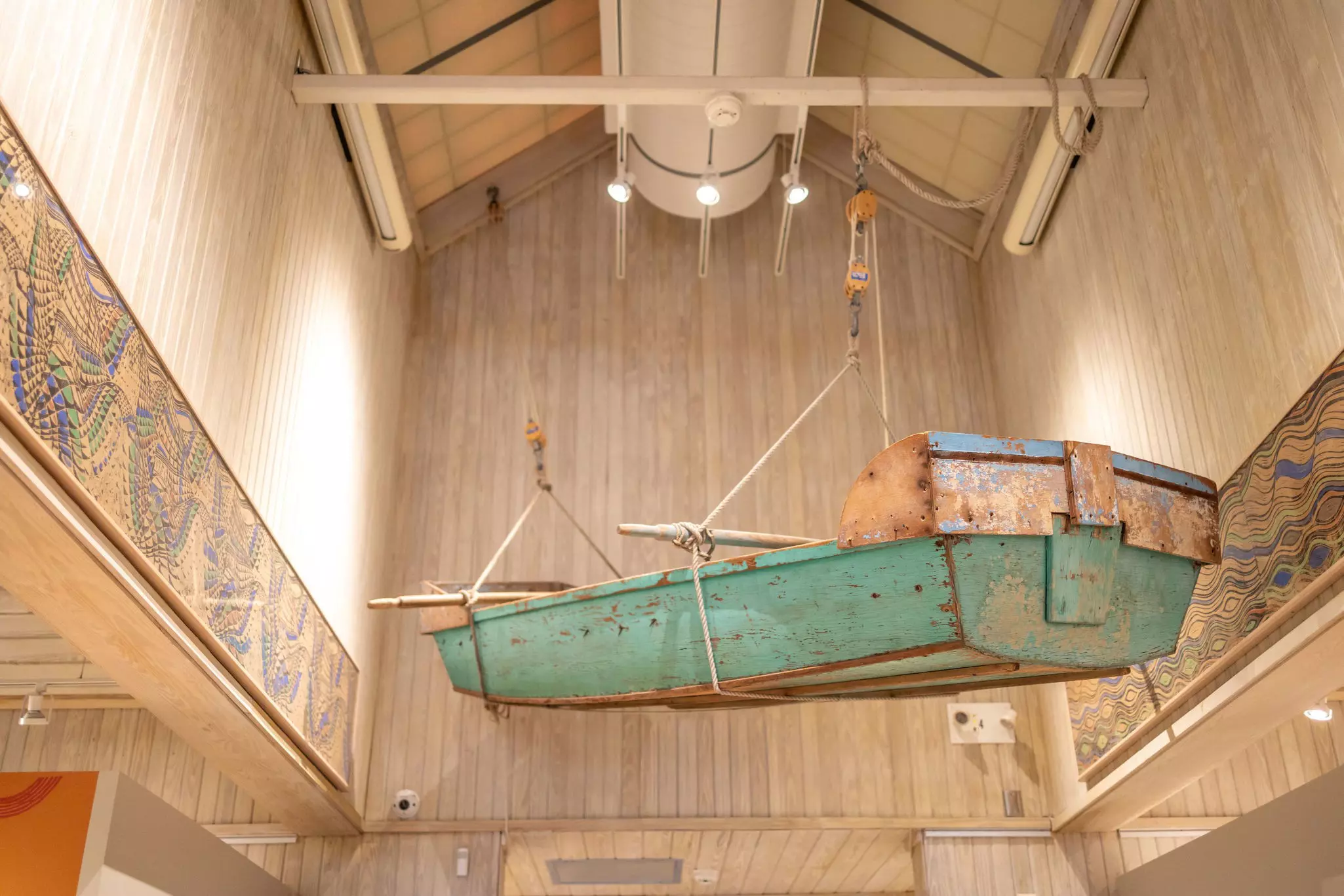
The Mississippi barrier islands stretch across the Gulf Coast just offshore from Biloxi, Ocean Springs and Gulfport. Some islands are wilderness areas that form part of the Gulf Islands National Seashore; others are more accessible as day-trip destinations. Together, the islands offer something increasingly rare along the Gulf Coast: undeveloped shoreline.
“Horn Island is such a special place and the connection to Walter Anderson is really fascinating,” says Maggie Kirkland of Coastal Mississippi.
For travelers who love art, birding, paddling, fishing or just the idea of disappearing for a day, the barrier islands make an easy add-on to a Mississippi Gulf Coast itinerary. Pairing them with a stay in Ocean Springs adds another layer entirely: galleries, seafood restaurants, fun boutiques and an eclectic small-town art scene.
The best time to visit the Mississippi barrier islands is spring through early fall, when warmer temperatures and calmer Gulf conditions make boating and beach days easier to plan. From roughly May through October, charter operators run more regularly and waters tend to be calmer. Visitors can comfortably spend full days swimming, shelling, fishing or exploring the islands.
As lovely as that all sounds (and it is), summer also brings heat, humidity and hurricane-season unpredictability. If you want milder temperatures and fewer crowds, late spring and early fall are ideal (though hurricane season peaks in September and early October). Winter visits are possible, but trips to the more remote islands often depend on wind and water conditions – both more unpredictable outside the summer season.
For most first-time visitors, 2 or 3 days along Mississippi’s Gulf Coast allows enough time to experience both island life and the surrounding coastal towns.
Most travelers get to the Mississippi barrier islands on day trips, particularly Ship Island and Horn Island. If you’re staying along the Mississippi Coast for a long weekend, one island day combined with time in Ocean Springs or Biloxi gives you a solid sense of what makes this part of the USA unique.
Travelers interested in camping, fishing or backcountry exploration can easily spend multiple days exploring the islands, especially the quieter wilderness areas like Cat Island or Petit Bois Island. These are extremely rustic experiences requiring preparation and outdoor know-how.
Ship Island is the easiest option for most travelers thanks to ferry service departing from Gulfport via Ship Island Excursions. The ferry ride takes about an hour, making Ship Island especially appealing for families and first-time visitors.
The other islands, including Horn Island, Cat Island and Petit Bois Island, generally require either your own boat or a charter operator; many travelers depart from Ocean Springs, Biloxi or Pascagoula. Barlow's Charters offers both traditional fishing charters and customized trips.
Once you arrive, there’s no transportation infrastructure on the islands themselves. No roads, no golf carts: just sand, shoreline and endless skies.
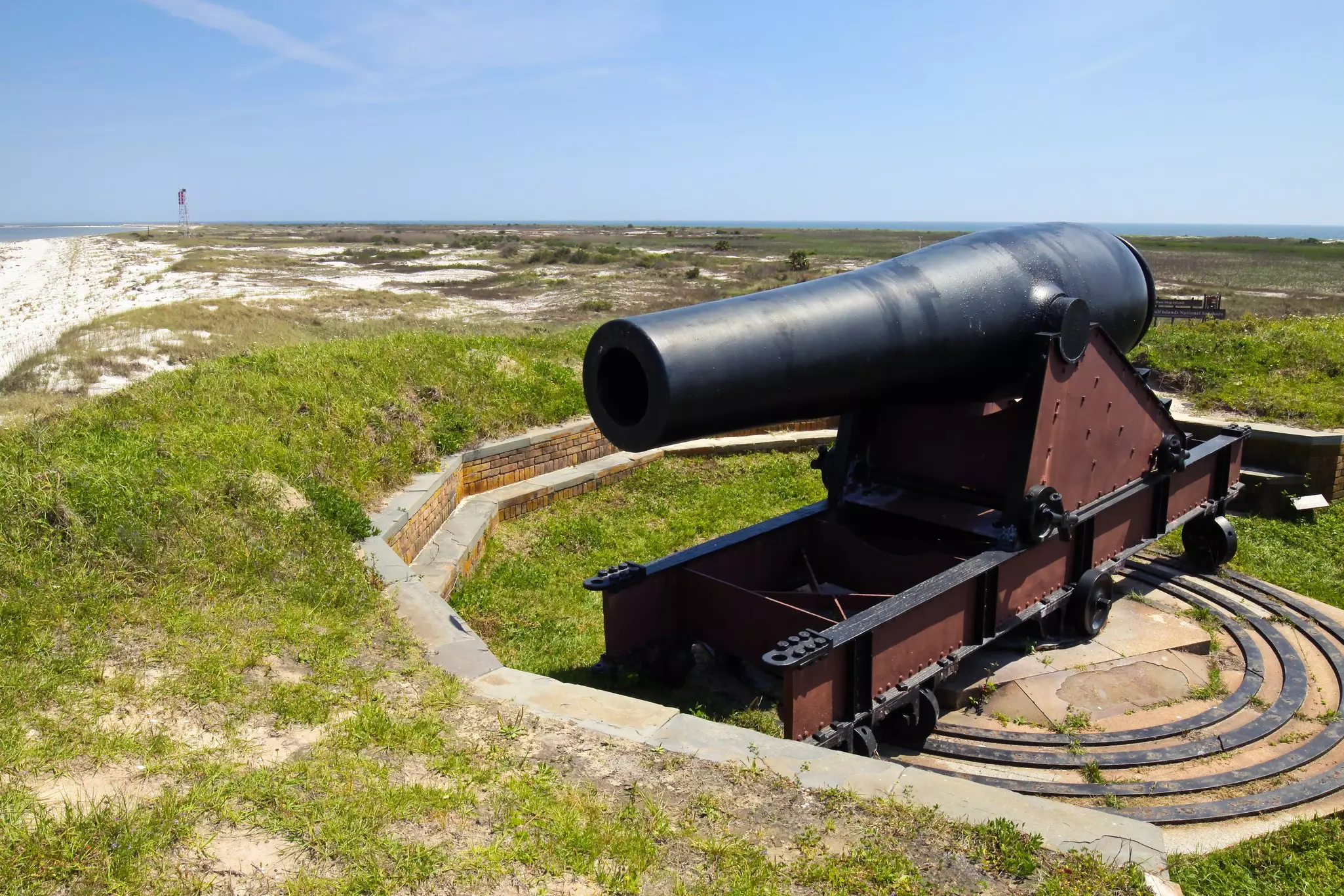
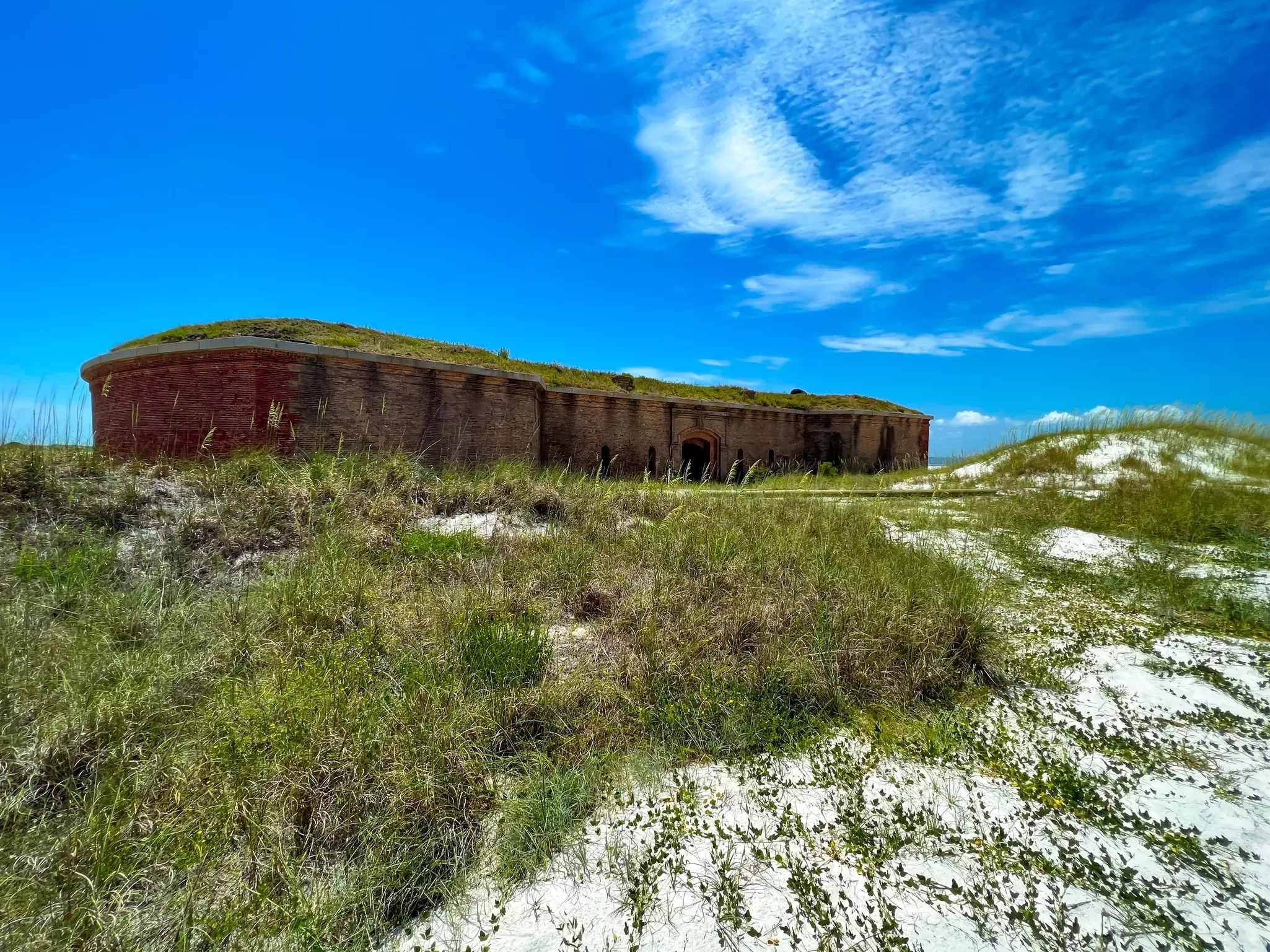
Once a strategic military location for several colonial powers and later the Union Army during the Civil War, Ship Island is now best known for Fort Massachusetts, one of the Gulf Coast’s best-preserved coastal military installations. Visitors can tour the fort, then swim, shell and fish.
Compared to the more remote islands, Ship Island feels more social and family oriented while still offering beautiful stretches of protected Gulf shoreline. You’ll also find basic visitor services.
For many visitors, Horn Island is the emotional centerpiece of the barrier islands, offering a wild vibe increasingly hard to find on the popular mainland beaches. Even though I had phone service on Horn Island, I activated Airplane Mode.
Knowing the artist repeatedly rowed himself across open water to paint here changes the way you experience the island’s shifting dunes, grasses and silence. Charter captain Christopher Barlow describes Horn Island as both a local gathering place and a wilderness escape. “If you want seclusion, this is the spot,” he says. “The water is pristine and so are the beaches.”
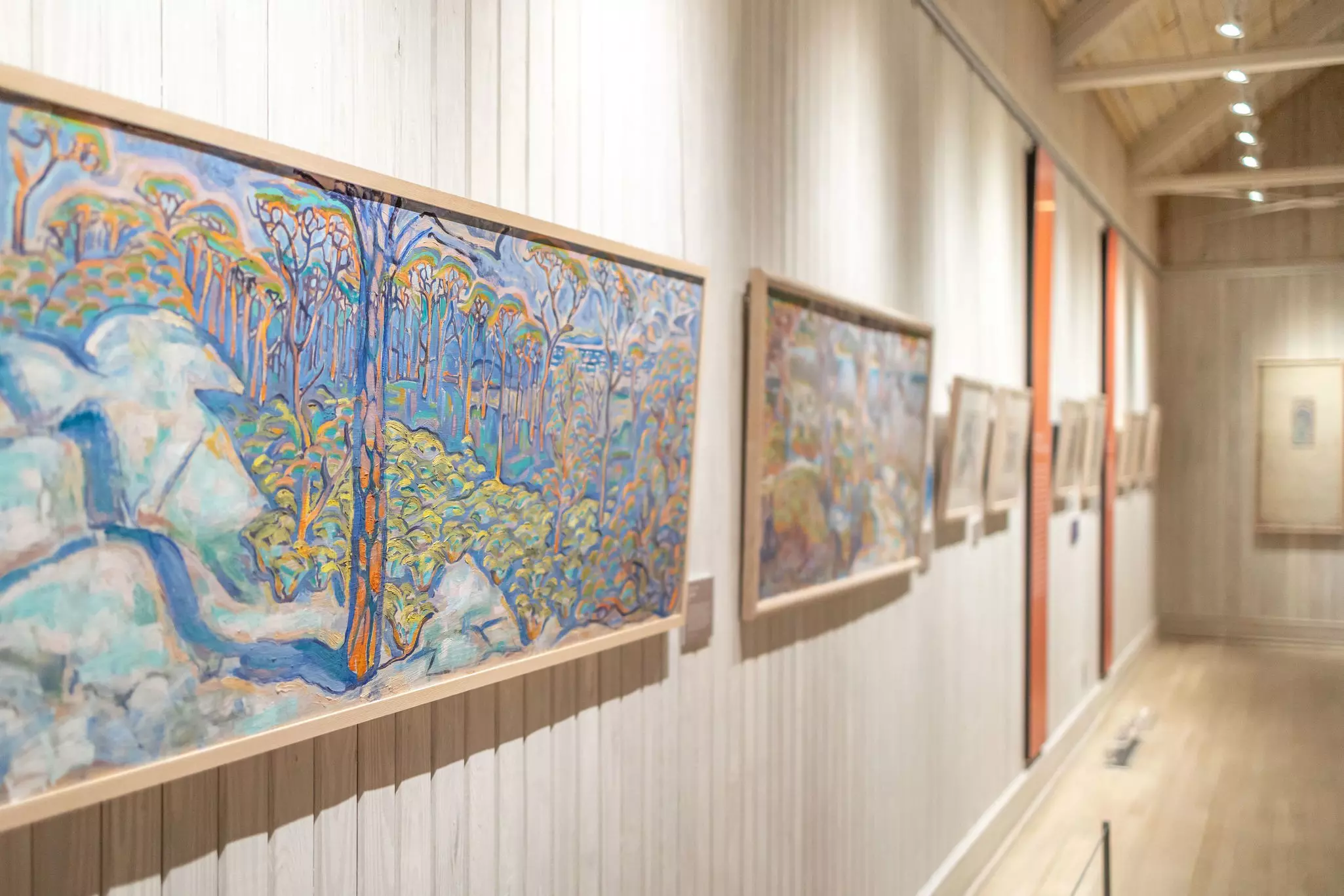
The islands make the most sense when paired with time in Ocean Springs, where the essential stop is the Walter Anderson Museum of Art. Anderson’s artwork and journals help visitors understand the emotional pull the islands held for him. Nearby, Shearwater Pottery – founded by the Anderson family in 1928 – continues operating as both a pottery studio and cultural landmark, with some of Walter Anderson’s pottery on display.
Beyond the art connections, Ocean Springs is simply a lovely, artsy coastal town to explore, with shady, walkable streets and enough boutiques, restaurants and galleries to fill a long weekend.
Travelers seeking solitude and a more rugged natural experience may be drawn to Cat Island or Petit Bois Island. Cat Island stands out for its unusual T shape and forested interior, which feels markedly different from the more exposed dunes and beaches elsewhere in the island chain. Petit Bois, meanwhile, remains one of the most isolated and environmentally sensitive islands in the region. It’s been protected as federal wilderness since 1978.
Neither island offers facilities or infrastructure – and that’s precisely the appeal. These are best suited for experienced boaters, birders, anglers and travelers who value seclusion over convenience.
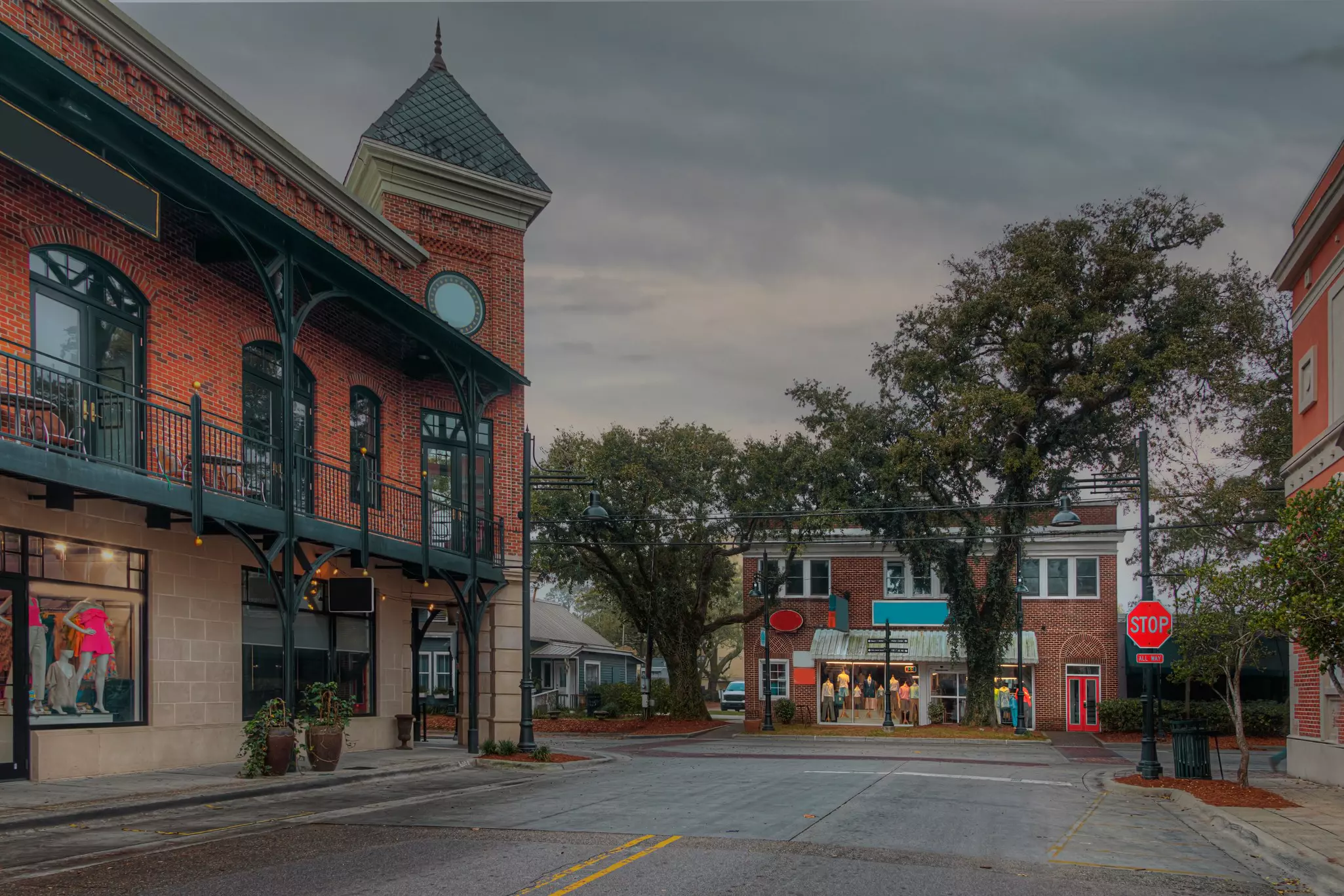
My ideal weekend here starts in Ocean Springs, with a stay at the Springs Hotel, a quiet boutique property downtown. I’d spend one day taking in the Walter Anderson Museum of Art and Shearwater Pottery, and wandering through the shops. My favorite restaurants are The Lady May and Mosaic, both ideal for lingering over dessert or (and?...) a second drink.
Then it’s on to dreamlike Horn Island. What always strikes me is the stillness: your ears pick up bird notes instead of traffic. The islands feel both delicate and resilient, and spending time here helps me to understand why protecting these coastal spaces matters so much. We talk a lot about sustainability, responsible travel and conservation. Here’s where it becomes real.
The Mississippi Gulf Coast is generally more affordable than many better-known beach destinations. The biggest expense for most barrier island trips will be transportation to the islands themselves.
Ship Island is the most budget-friendly option thanks to its public ferry service, while private charters to Horn Island or Cat Island can become expensive for solo travelers. Traveling with a group and splitting charter costs helps.
Night at the Springs Hotel: from $200 per night in summer
Admission to the Walter Anderson Museum of Art: $10
Coffee in downtown Ocean Springs: from $4
Dinner in Ocean Springs: $20–35 per person
Ship Island ferry ticket: from $40 round trip
Private charter to Horn Island: from around $500 for a half-day trip for up to six people
Preparation matters because, aside from Ship Island, you won’t find services or infrastructure on the islands. Bring drinking water, snacks, sun protection and a dry bag. Sturdy footwear is helpful if you plan to walk beyond the beach areas.
If you’re camping, plan for a fully self-sufficient experience and check current regulations with the National Park Service before your trip. If you book a camping trip with a charter provider, discuss gear needs with your captain.
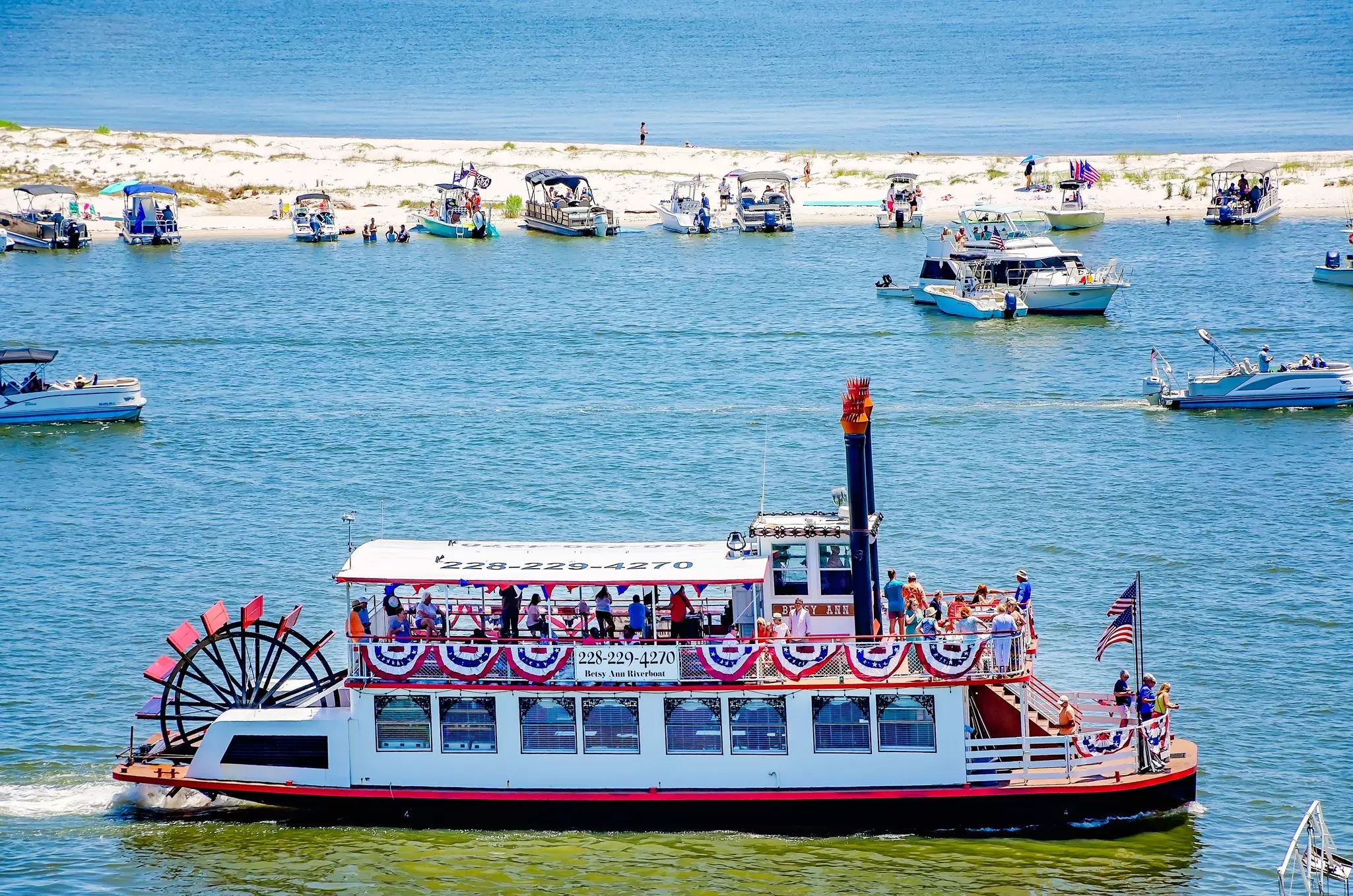
Yes – but choosing the right island matters.
Ship Island is typically the best fit for families thanks to ferry access, calmer logistics and seasonal amenities. Deer Island also works well for shorter paddling or boating outings close to Biloxi.
Remoter islands like Horn Island, Cat Island and Petit Bois are suited for experienced boaters and campers, or families with older, adventurous kids.
Leave No Trace principles matter here. Whatever you bring onto the islands – including garbage – needs to leave with you. “We take the preservation of the land pretty seriously,” says Barlow. “Whatever you bring in, you bring out.”
Visitors should also avoid disturbing dunes, nesting birds and sensitive marsh habitats. Staying on established paths where possible and respecting wildlife closures help preserve these fragile ecosystems for future visitors.
Supporting locally owned charter operators, restaurants and shops also helps keep tourism tied to the communities most invested in protecting these landscapes.
Explore related stories