Jul 10, 20264 min read
The 5 Best Places to Visit in RwandaJun 30, 2026
8 MIN READ
Writer
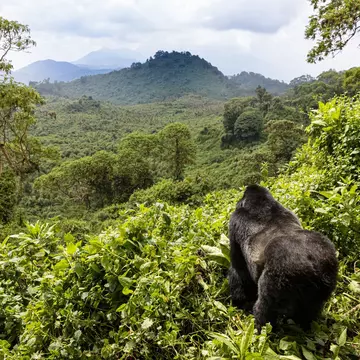
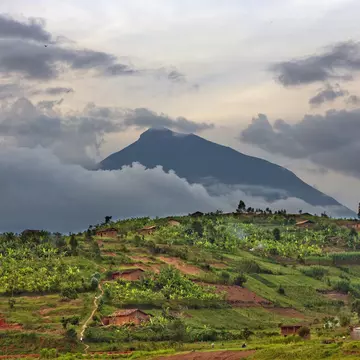
Volcanoes National Park, Rwanda. Acacia Gabriel/Lonely Planet

Writer
Lonely Planet may earn a commission from affiliate links on our site. All recommendations and reviews reflect our own independent opinions.
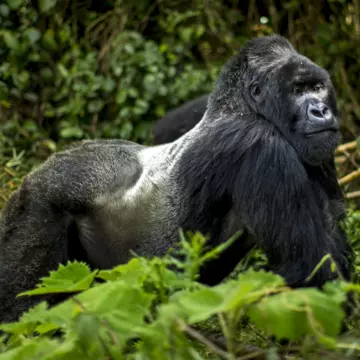
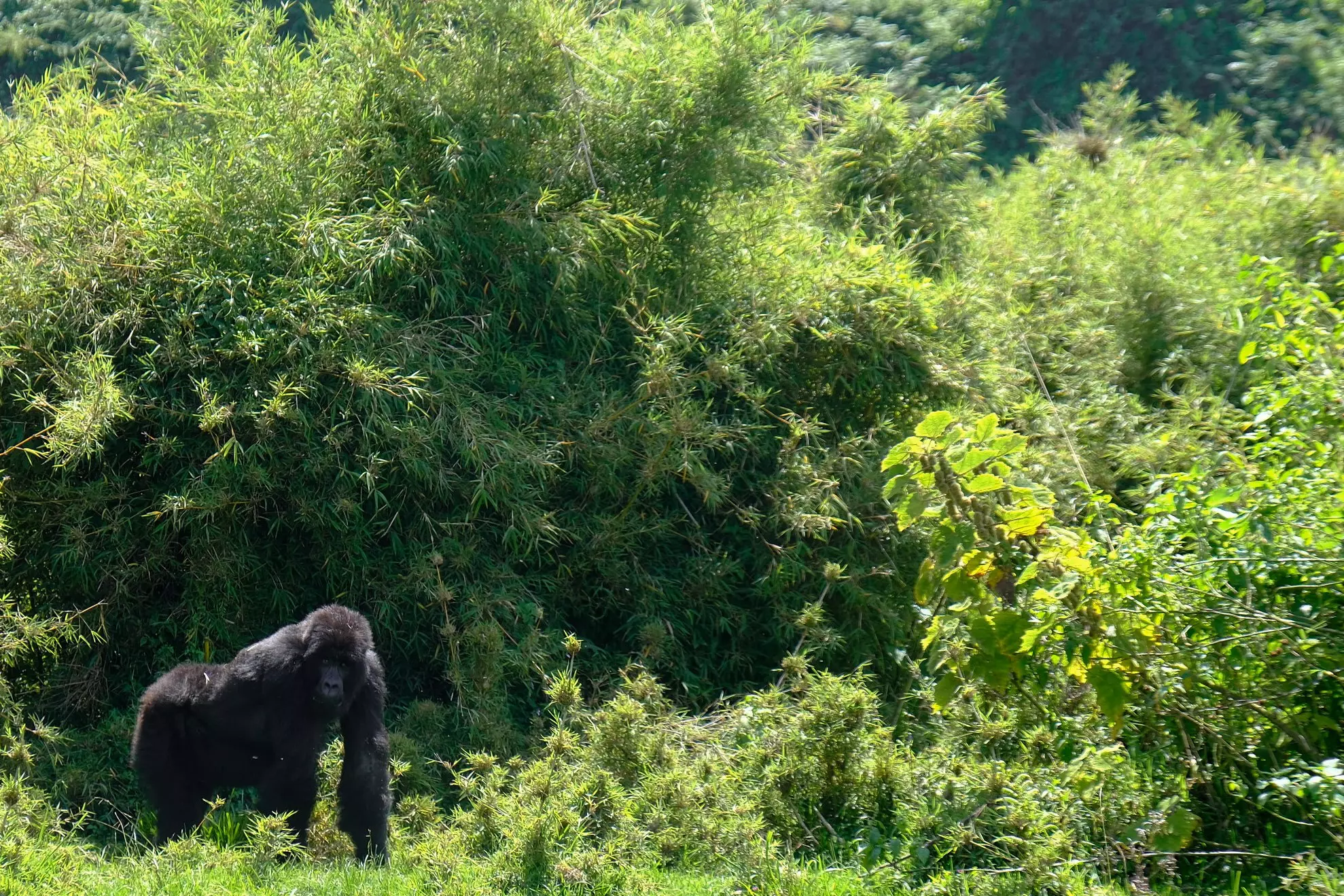
A silverback gorilla crawled through the bushes on his fists, heading straight toward me. I was squatting close to the grass and instinctively tried to stand as my heartbeat raced, but my guide placed his hand on my shoulder.
“Stay down,” he whispered softly.
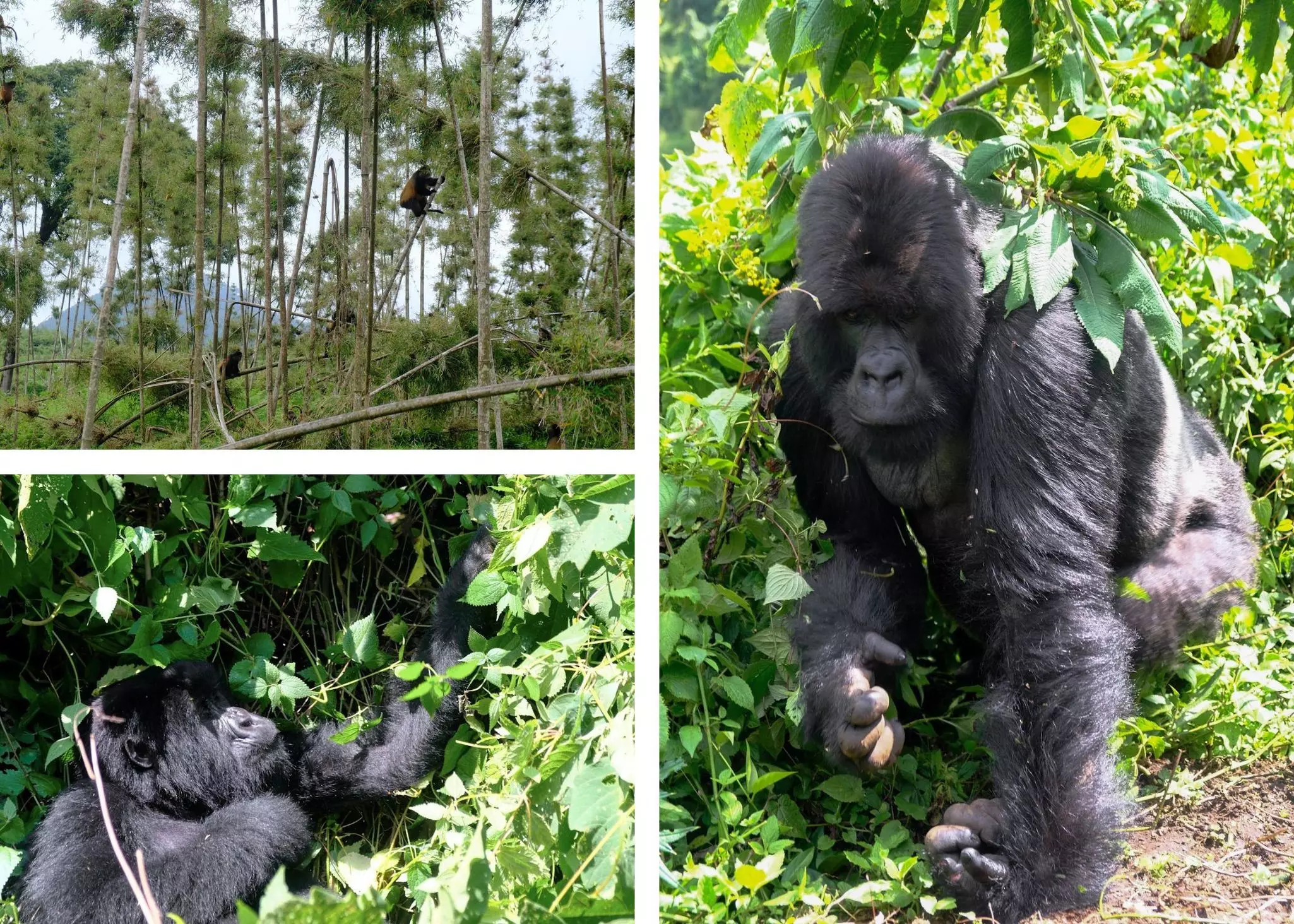
The silverback got close enough to kiss me on the cheek before turning and walking toward the bushes, and I slowly moved backward. He was followed by the rest of the family – a juvenile, some adults and a baby who must have been less than a year old. The infant played on their mother’s back while the others barely noticed us, too busy going into the bushes to eat lunch.
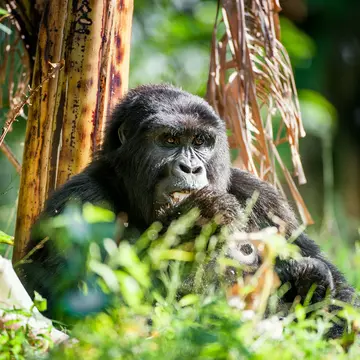
Thanks to activists like Dian Fossey, a researcher who died protecting this majestic and curious species, the endangered mountain gorillas are a rare conservation success story, and they are the only great ape species whose population is increasing.
To protect these incredible animals and ensure that everything is ethical and safe, gorilla treks in Rwanda require lots of planning, specific permits and other important considerations. Here’s what you need to know before experiencing this all yourself.
You’ll start your day by checking in at the headquarters of Volcanoes National Park, where you’ll be assigned a guide and gorilla family to visit. From there, you’ll drive to the starting point of your trek and meet up with your group’s porters.
On the trek, you’ll hike to meet the gorillas where they are, so every trek is completely unique. Your guide will communicate with local trackers to figure out where the gorilla families are that day, and each tour group visits a different family to give the gorillas some space.
The trek can be a quick walk, hours of a steep uphill trek, a muddy sludge, a crawl through the stinging nettle or some combination of all of the above. It can last up to 5 hours, so prepare for the worst but hope for the best.
On my trek, we were lucky enough to spot some of the other wildlife in the park. We saw the famous golden monkeys swinging through the bamboo trees and had to negotiate our way around some wild buffalo.
When you reach the trackers’ location, you’ll have a few minutes to regroup before initiating contact with the gorilla family. You can leave most of your bags with your porter, so take a few big sips of water, adjust your camera settings (turn off the flash), take a few deep breaths – whatever you need to feel prepared to meet the gorillas.
Your guide will also pass around face masks, and it’s important that you wear these during all interactions because infectious diseases are the second most common cause of death in mountain gorillas. The apes are very susceptible to human diseases – they do share nearly 99% of their DNA with us after all.
Once you see the first gorilla, the clock is ticking and you have exactly 1 hour to soak it all in. This time limit ensures that the gorillas aren’t overwhelmed and that they can spend most of their day in peace and privacy.
For your safety, be sure to whisper rather than speak at your typical volume, avoid any sudden movements, don’t make eye contact for too long and maintain a reasonable distance. Gorillas are particularly protective of the infants in their families, so be extra mindful of maintaining enough space when there is a baby around (even though it is incredibly tempting to cuddle them!). Ask any questions before you start interacting with the gorillas, and always listen to your guide.
Permits are necessary and strictly limited, with only 96 available each day. We recommend arranging your permit at least a year in advance to ensure that you get a spot on your preferred dates, or plan your trip around the dates that are available.
For international travelers to Rwanda, a gorilla-trekking permit costs 1500 US dollars (US$) – it's US$200 for Rwandan citizens and citizens of other East African nations – and must be secured in advance. You can book directly through the Visit Rwanda online portal, or hire a licensed local tour operator, who can bundle the permit with transportation and lodging.
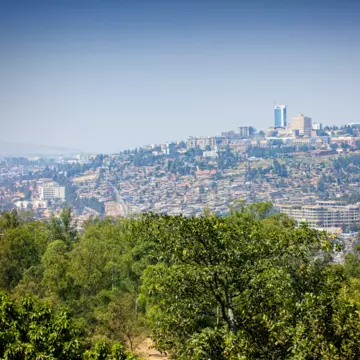
The easiest way to get to Volcanoes National Park is to drive from Kigali to Musanze. It takes 2–3 hours and is a very scenic drive.
There are also helicopter transfers available. Akagera Aviation has scheduled helicopter trips from Kigali Airport every day, and the flight takes about 30 minutes.
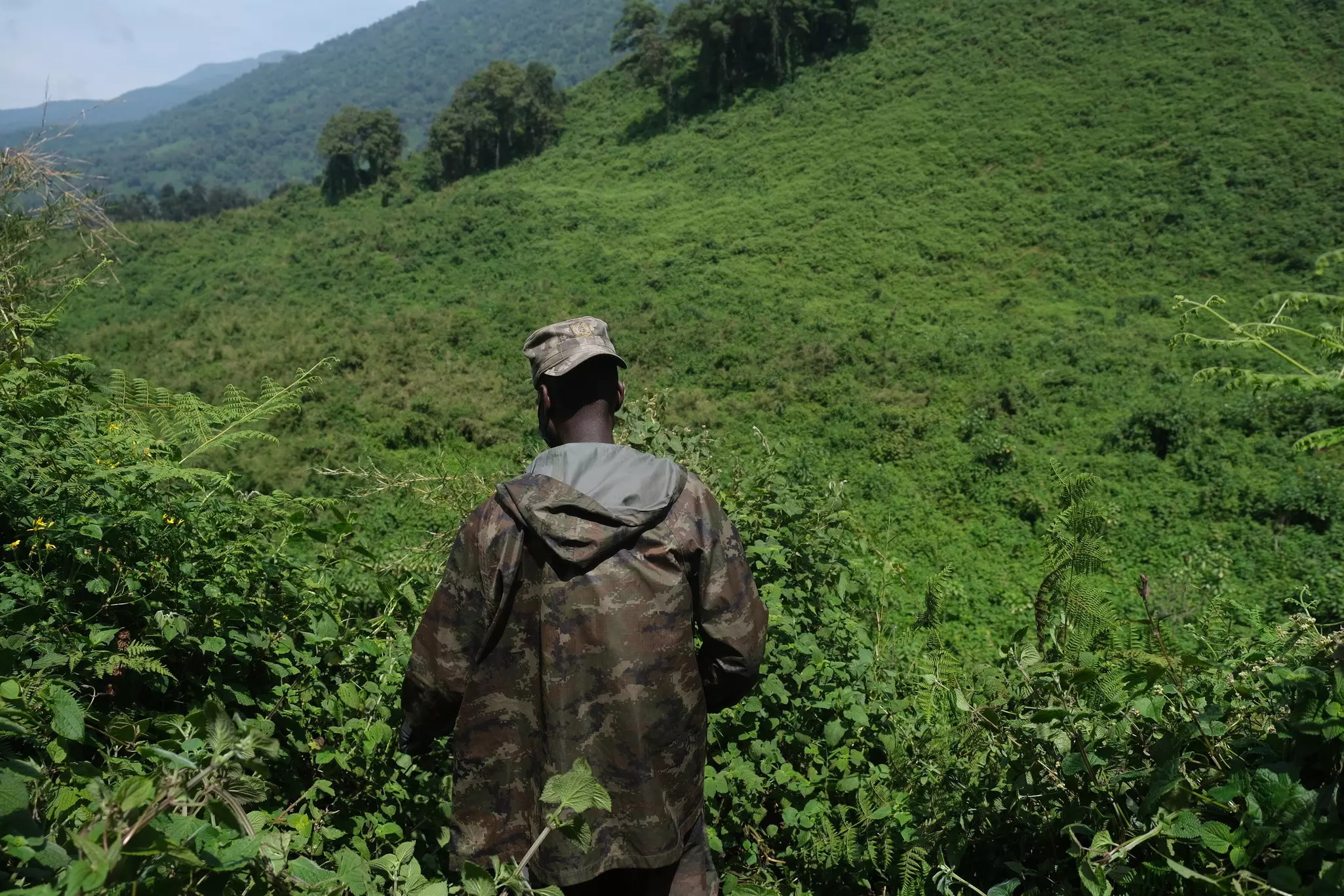
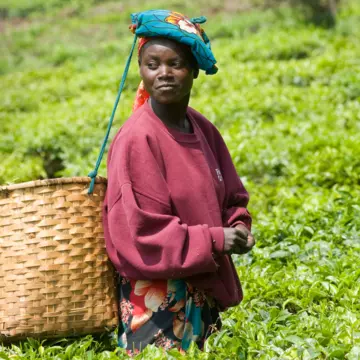
Yes, you should get a porter for your gorilla trek in Rwanda. I debated it before my trip, but I decided to hire one after I learned about how it contributes to the local economy. Most porters come from surrounding communities, and these trips are a vital source of income for them and their families. In many cases, these porters were former poachers, and income from porter work reinforces how conservation and tourism can support local communities.
I consider myself an experienced hiker, but having a porter made my trip easier and more comfortable. I also just loved hanging with her. She helped me avoid the stinging nettle (which as the name implies, really hurts), took photos for me, passed me my water during breaks and held my hand when I went up steeper inclines.
It’s about US$15 to get a porter for your trek, and US$5-10 tips are heavily encouraged.
Ten percent of the revenue from gorilla-trekking permits is channeled toward local communities. This money is used to build schools, health centers, roads and other infrastructure in the community.
To ensure peaceful coexistence, there is a compensation fund for local farmers should any gorillas damage their crops. The treks also provide employment for many locals, who can become rangers, trackers or porters, or who work in hospitality as drivers and staff at tourist lodges.
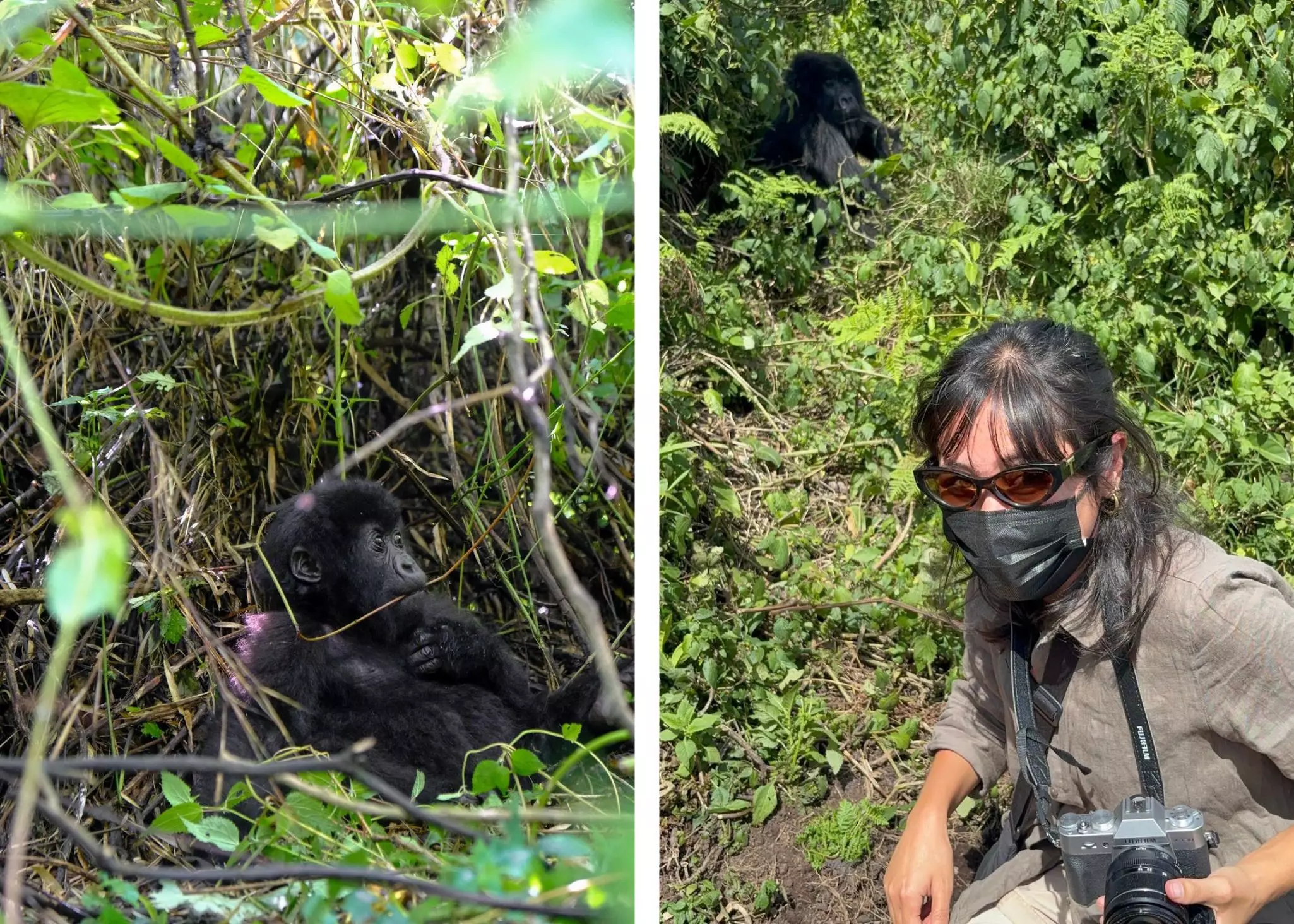
Your trek can last up to 5 hours, so you’ll want to make sure that you are comfortable and prepared. You’ll be hiking through pretty dense vegetation, and you never know when it’ll rain in Volcanoes National Park, so bring a rain jacket and accept that everything you wear will likely get covered in mud.
Even if it’s warm out, you’ll want to wear clothes that cover your skin and protect you from the stinging nettle and other plants. I wore zip-off hiking pants, a sports top and a lightweight button-down.
Also, be sure to bring a hat, sunglasses and gaiters if your accommodations don’t provide them (most hotels and resorts do – check before you arrive). Thick hiking socks will save your feet, and merino wool ones like some styles from Darn Tough will wick away sweat and resist odors. You’ll need shoes that are comfortable, like Salomon’s Ultra 5 Mid Gore-Tex, which are lightweight, dependable and designed for wet terrain and technical paths. Whatever shoes you wear, make sure they are fully broken in before your trek.
You’ll be able to bring a day pack, and if you’re getting a porter, there’s no reason not to come extra prepared. Bring a lot of water, sunscreen, bug spray, hand wipes and snacks. I also used a Fujifilm XT-30 III with a 18-55mm lens. If you’re hoping to take videos, I recommend getting a lens with OIS (optimal image stabilization) so the content comes out less shaky.
Volcanoes National Park is in the district of Musanze, and this is where you’ll find most of the hotels and lodges. Before your trek, I highly recommend visiting the Ellen DeGeneres campus of the Dian Fossey Gorilla Fund. This interactive exhibit honors the work of the revolutionary researcher and truly makes you appreciate all of the care and effort that went into conserving this magnificent species. It will teach you about famous gorillas, show you how gorilla families function and get you excited for your once-in-a-lifetime trek.
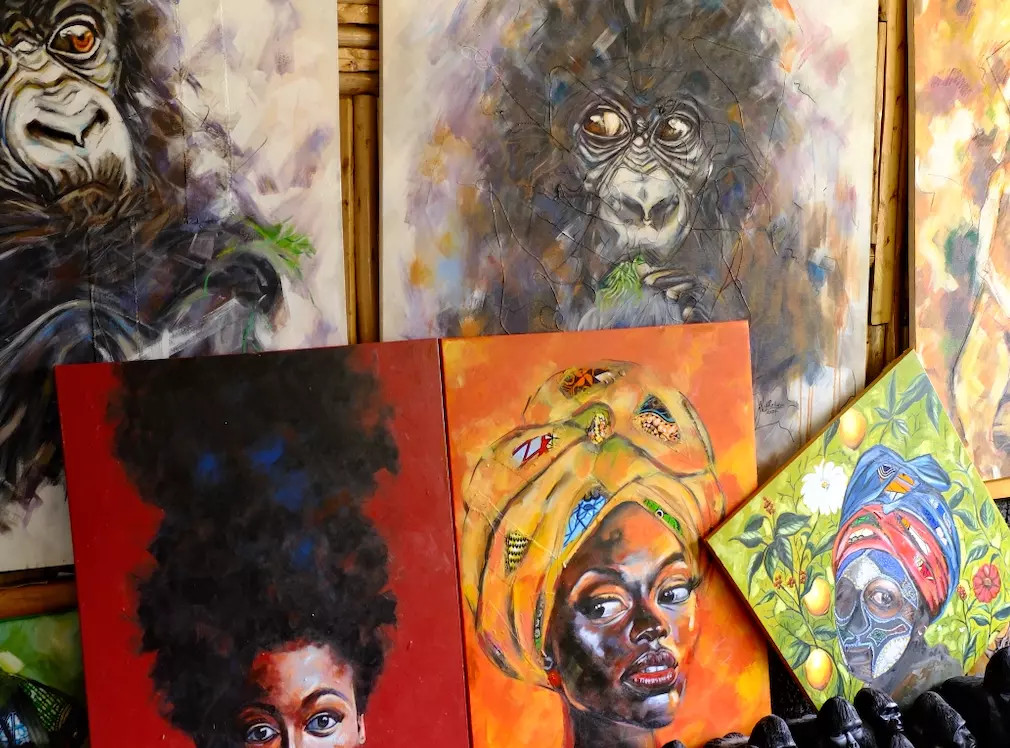
To connect with the local culture, you should also book an experience with Red Rocks, an ecotourism company that is dedicated to uplifting communities and conserving wildlife. It offers a ton of experiences, whether you’re interested in cooking traditional recipes, taking an art class or weaving baskets.
You can shop for souvenirs and art at the Kinigi Women Village or do a distillery tour at Virunga Mountain Spirits.
Acacia Gabriel visited Rwanda, as a guest of Visit Rwanda. Lonely Planet does not accept freebies in exchange for positive coverage.
Book your Rwanda trip with Lonely Planet Journeys
See Rwanda how it's meant to be seen
Planned by local experts and tailored to you, Lonely Planet Journeys handles the logistics so you can just enjoy the trip. Tell us what you want and we'll build your Rwanda itinerary from scratch, or browse our bookable trips to get inspired.


Explore related stories