Sep 2, 202617 min read
15 Most Beautiful Places to Visit in EuropeJun 10, 2026
7 MIN READ

Writer
New EES entry gates at Düsseldorf Airport, Germany. Nicolas Economou/NurPhoto via Getty Images

Writer
Lonely Planet may earn a commission from affiliate links on our site. All recommendations and reviews reflect our own independent opinions.
Airport lines are the stuff of travelers’ nightmares, and the worst ones are those that come at the end of an extended trip, when your longed-for vacation (or just a hot shower) feels closer than ever. Unfortunately, with the recent rollout of a new EU immigration protocol, passengers touching down in European countries might have to face long waits before their dream trips can get underway.
What’s going on? Here’s what you need to know about – and what you can do to get ahead of – Europe’s new Exit/Entry System (EES) during your summer travels.
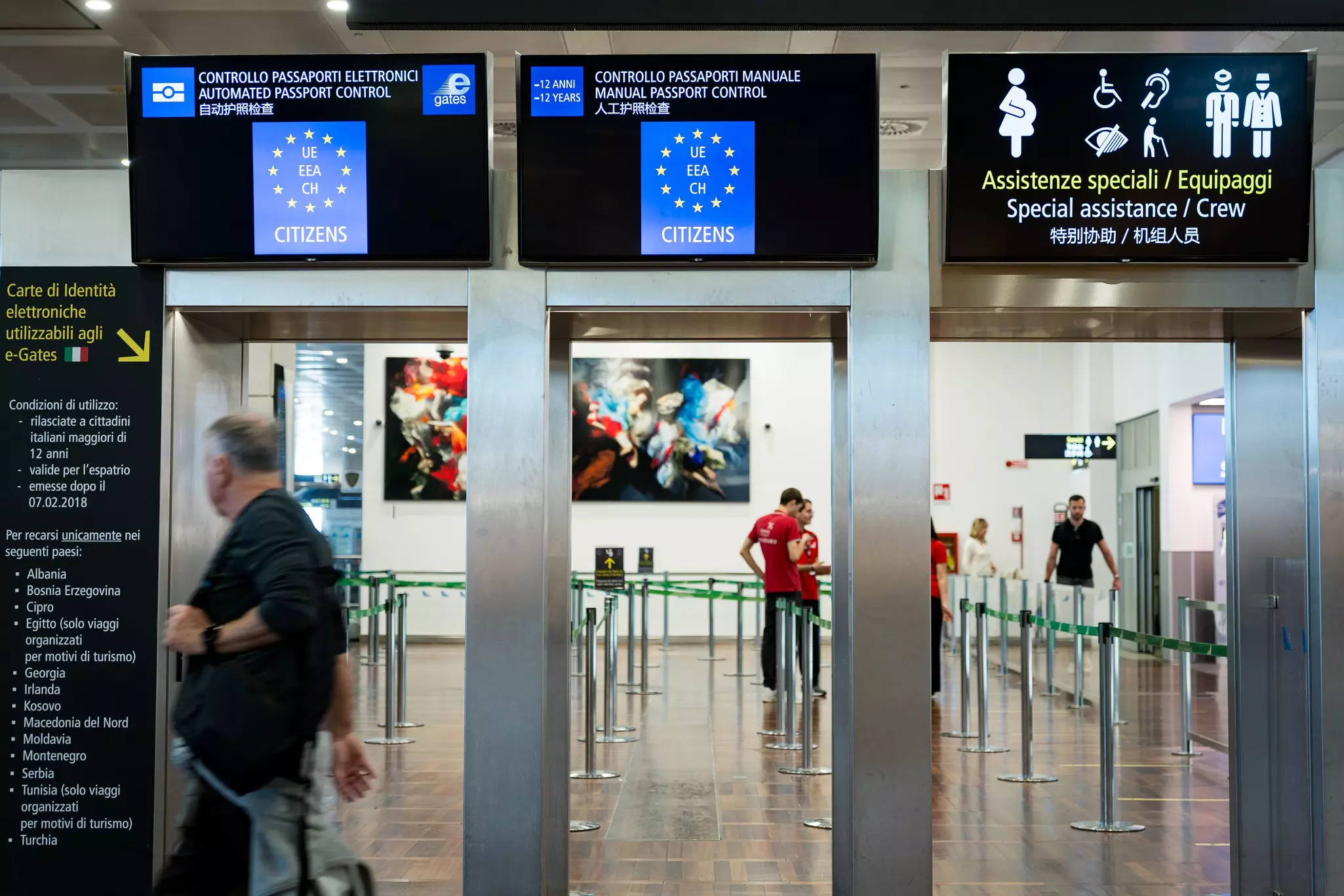
The Exit/Entry System is the new immigration process within Europe’s 29-country Schengen area, replacing passport checks and stamps from agents. Officially launched in October 2025, the system became universal at all Schengen border crossings as of April 10, 2026.
The EES creates an electronic profile, including biometric data, for each non-EU visitor entering the Schengen area. At kiosks, passengers have their faces, fingerprints and passports scanned to create their profile, which gets stored for 3 years or until their passport expires, whichever comes first. This means that passengers will only need to provide their biometric data once within this time frame. There is no fee for using the EES.
After they’ve created their profile at one set of kiosks, or if they already have a profile on file from a previous visit, passengers then move to an automatic gate, where their passports, faces and fingerprints will be scanned. After the gate opens, they’ll officially set foot in the Schengen area. Some may be asked to see an agent for additional checks, though the vast majority of passengers will proceed with no agent interaction.
Note that the Schengen area is closely but not fully contiguous with the larger EU. Ireland and Cyprus are not part of the passport-free travel zone – meaning the EES is not in effect in those countries. Iceland, Norway, Switzerland and Liechtenstein, on the other hand, are not EU members but lie within the Schengen area, so they participate in the EES.
According to the EU, yes. According to traveler reports…not fully. Given implementation hiccups and resulting queues, certain airports have temporarily supplemented (or even bypassed) the machines with immigration agents manually checking (and stamping!) passengers’ passports. As immigration and airport authorities continue to roll out and refine the EES process, expect this to become rarer – and for lines to become shorter.
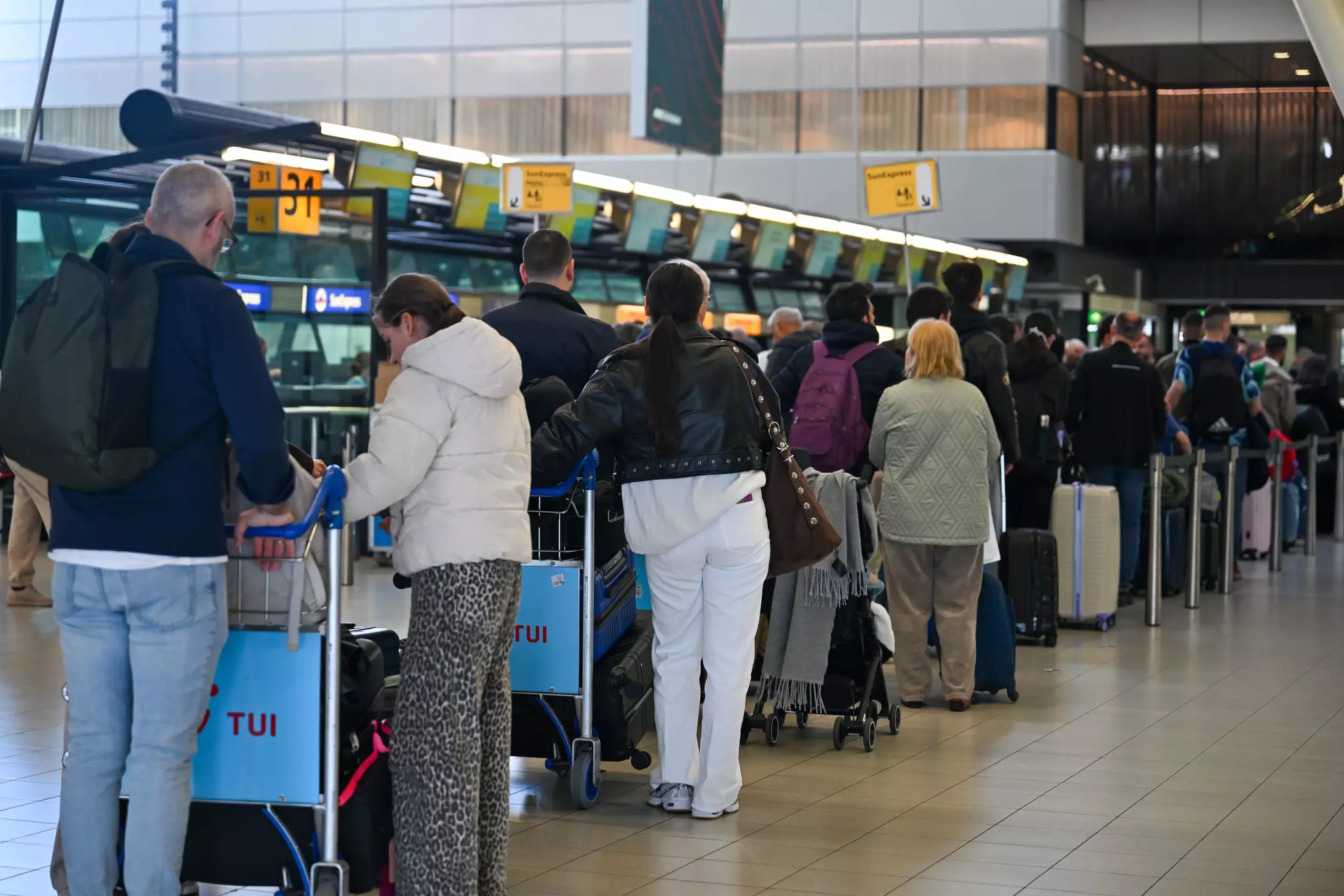
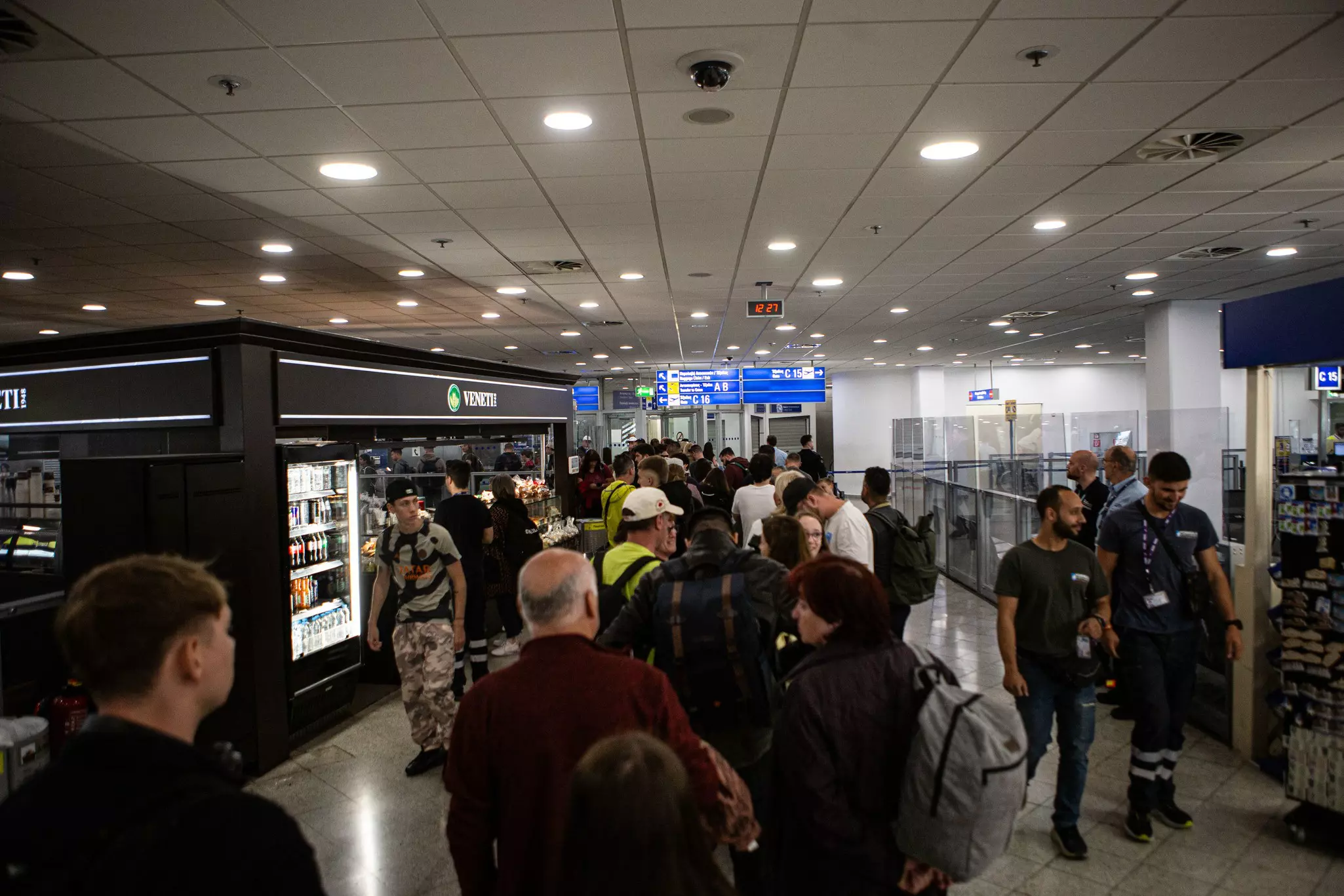
At ports of entry within the Schengen area, passengers will be separated into queues for qualifying European citizens and everyone else. Inevitably, the latter line will be the far longer and slower one – and recent accounts from all over Europe have noted that they can be long and slow indeed. While consistent data about the breadth and severity of the lines is hard to come by, reports out of airports from Porto to Prague have raised fliers’ stress levels as the summer travel season gets underway.
Authorities estimate that the electronic immigration gates take 1 minute per arriving passenger, and that scans to create an EES profile add only another 1–2 minutes to this time. Yet when you multiply this by the hundreds or even thousands of passengers disembarking from jumbo jets at major international airports, you can understand why many have reported backups at immigration of 2 hours or longer.
For now, unfortunately, yes. With the system so new, non-EU passengers at airports all over Europe are being directed to a single line – increasing wait times for those who have already registered for the EES. With time, authorities plan to have separate queues for non-Schengen passengers with and without existing EES profiles. This means that frequent travelers to Europe can look forward to speedier processing in the medium term – but probably not until after the summer.
If you arrive on a flight from beyond the Schengen area and are continuing on a flight within it (say, an itinerary from Boston to Rome via Amsterdam), you will use the EES and enter the Schengen area at the initial airport before catching your onward flight. If there are EES-related delays at immigration, your connection may start to feel tight, perhaps almost intolerably so. Keep in mind that travelers have reported airline representatives pulling affected passengers to the front of the line to make their connections.
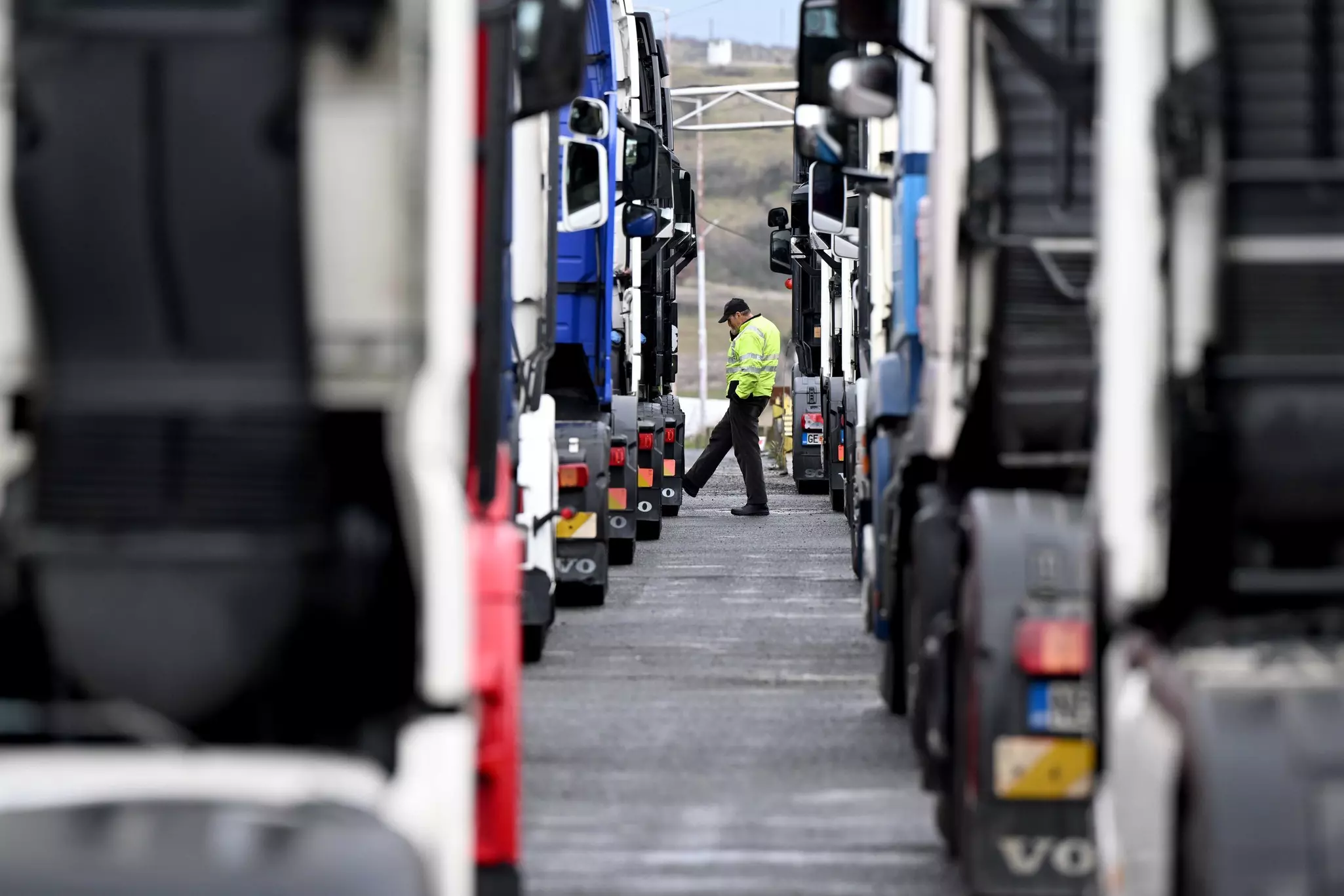
No. Visitors will use the system to register their arrival however they enter or exit the Schengen area, whether by train (including the Eurostar), boat (including ferries and cruise ships) or overland by car (such as at the Hungary–Serbia border).
Try to fly nonstop. Is there anything worse than languishing in a line as the clock ticks down to your onward departure? While no one can escape the EES queues when they enter the Schengen area, you can remove one stress point by avoiding connections wherever possible, even if the nonstop option costs a bit more. You might also consider a nonstop flight to a city within reasonable train-trip distance from your ultimate destination (if you’re headed to Florence or Naples, say, consider flying into Rome).
Book an airport concierge. Splashing out a bit of money can take away a lot of stress. Airports all over Europe have third-party concierge services that offer VIP perks like lounges, sign-bearing escorts and – crucially – skip-the-line privileges at immigration. The simplest packages start at around €150; expect to pay at least €300 this summer to take your wait time from 2-plus hours to 30 minutes or less. Big players in this space include Royal Airport Concierge and SkyVip; research which companies operate at the airport where you’ll be landing. And book early.
Be prepared to be patient. Paying for a concierge can reduce overall wait times – but largely helps assuage anxiety. Yet even without an escort, there’s always a good chance you’ll zoom through immigration with minimal lines. (Passengers usually don’t post when that happens.) The best advice when you encounter a delay at the airport, whether caused by the EES, heavy passenger traffic, bad timing or any other reason? Stay calm and be patient; you will eventually get through. Your trip will be worth any wait.
EES isn’t the only major change for Schengen travelers on the horizon. The forthcoming European Travel Information and Authorisation System (ETIAS) affects visitors who don’t need visas to enter the Schengen area.
Slated to come into force in the last quarter of 2026, ETIAS is not a visa (contrary to many online explanations). Rather, the system applies to those whose passports mean they don’t need a visa to enter the EU. ETIAS is very similar to the USA’s ESTA, which has been in effect since 2008.
Travelers from the 60 countries currently allowed to enter the Schengen zone without a visa must apply for ETIAS. This includes citizens from the US, Canada, Brazil, Australia and Japan, as well as such non-EU, non-Schengen countries as the UK, Montenegro, Ukraine, and Bosnia and Hercegovina. These travelers will be required to register online before their travel, entering their passport information and paying a €7 fee. The web portal has yet to launch.
In short: the EES logs your movements in and out of the Schengen area, while ETIAS gives you the right to make those movements.
Explore related stories