May 6, 202514 min read
The 15 Best Things to Do in LatviaAug 5, 2026
9 MIN READ

Writer
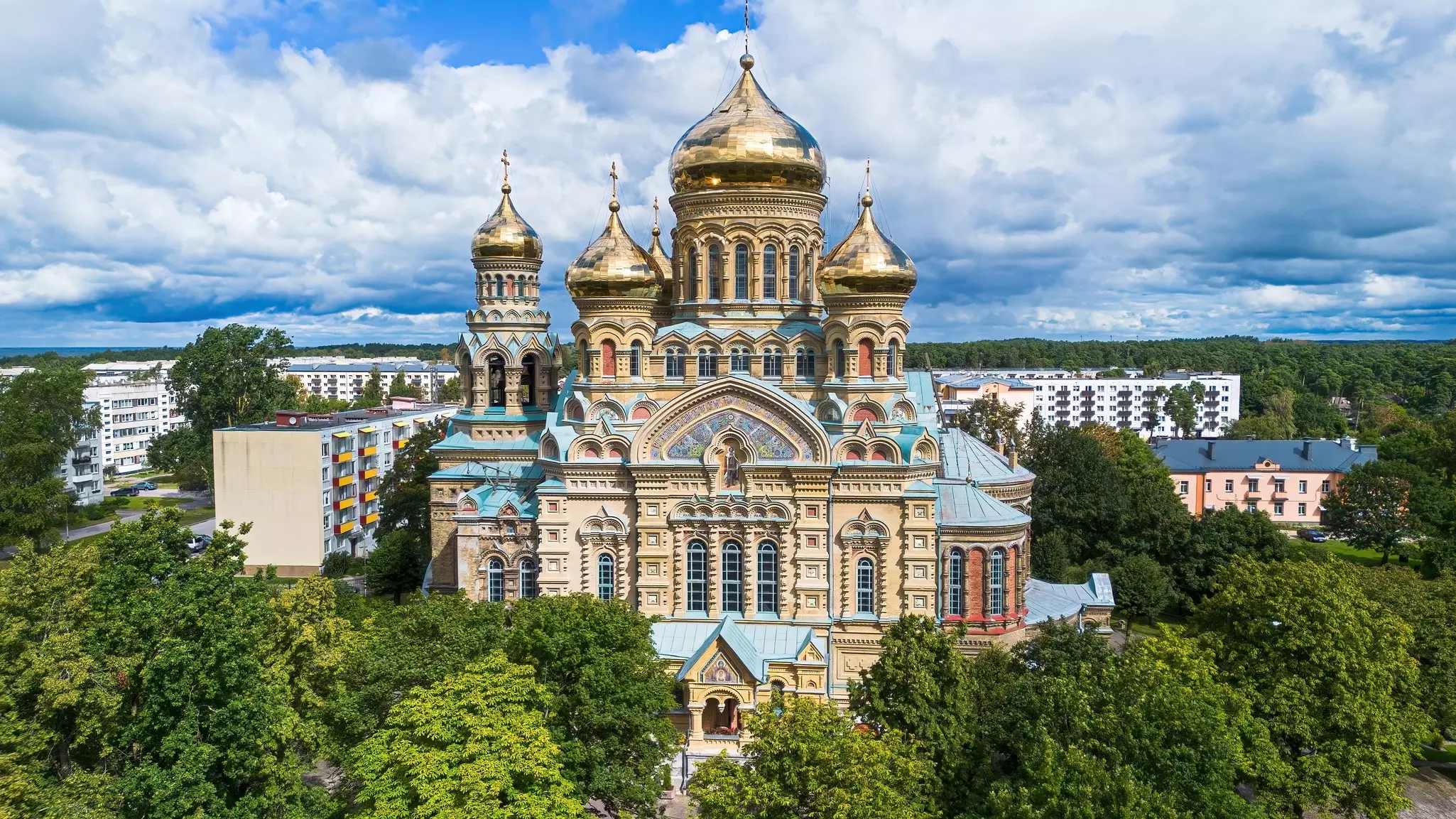
Winter snow crowns St Nicholas Maritime Cathedral in Liepāja, Latvia. Igor Shoshin/Shutterstock

Writer
Lonely Planet may earn a commission from affiliate links on our site. All recommendations and reviews reflect our own independent opinions.
For travelers seeking destinations that are a bit out of the ordinary, the historic port city of Liepāja on Latvia's Baltic Coast is quietly preparing for its moment in the sun. In 2027, Liepāja – alongside Évora, Portugal – will officially become the European Capital of Culture, and the city is getting ready to grab your attention.
Known to Latvians as "the city where the wind is born," Liepāja has adopted the theme of (un)rest for its year as Capital of Culture, a perfect reflection of its dual identity. This is a city vibrating with a fierce creative energy, where music and songs weave through the streets, yet it remains anchored to the slow, peaceful rhythm of a Baltic town.
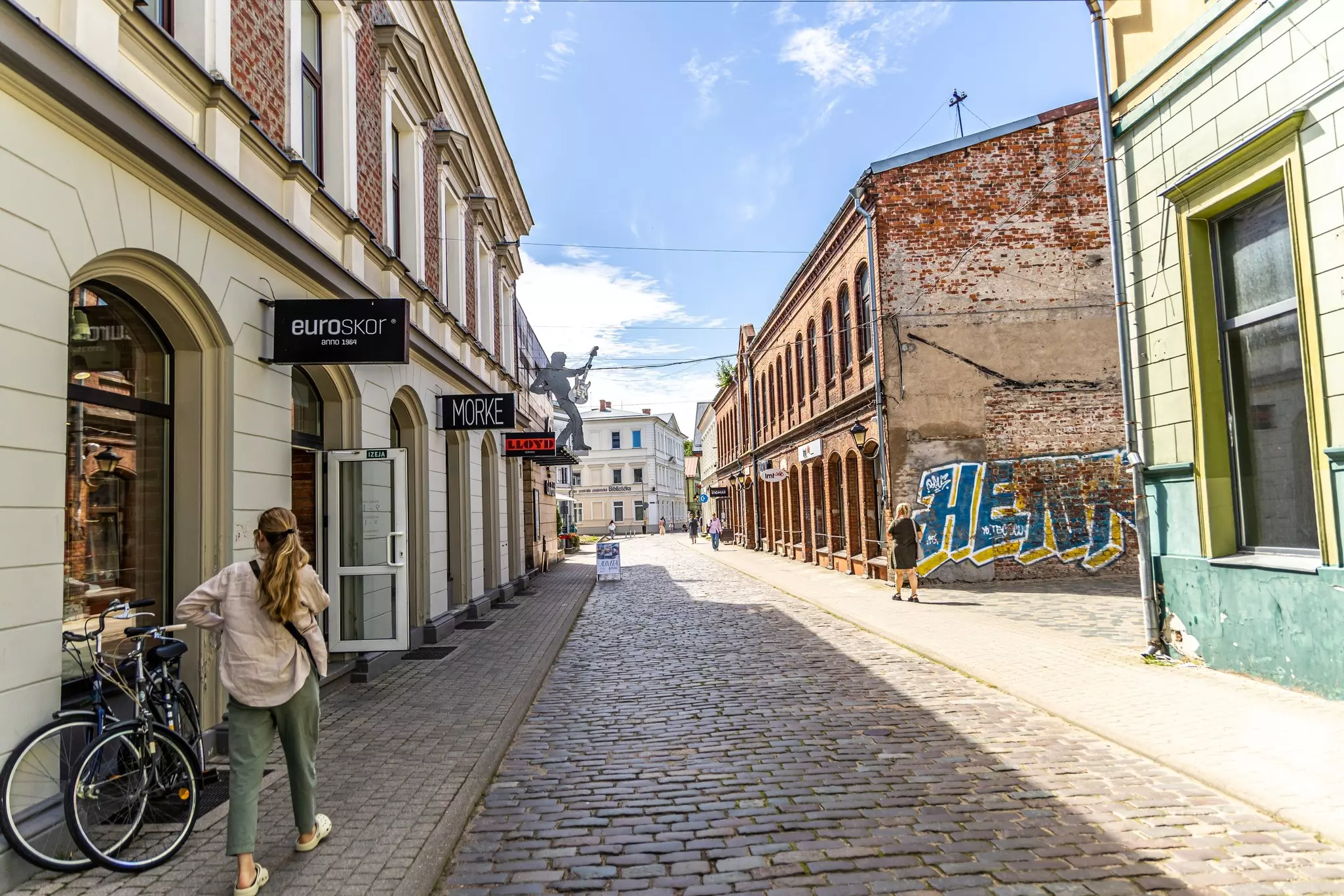
With the Baltic Sea as its backyard, the best time to visit Liepāja is during July and August. The warm weather draws sunseekers and the streets come alive with summer events. If you prefer a quieter stay, May to June and September to October are ideal; mid-May is a particular favorite of mine as the city bursts into sudden bloom, while June sees the first roses blanketing Rozu laukums (Roses Square).
Mid-October sees the tree leaves turn for fall, filling the town with color. This is a great time for outdoor activities before December ushers in festive Christmas markets and New Year’s Eve concerts at the Great Amber concert hall. Afterward, the city settles into its quiet winter rhythm, offering serene, snow-clad landscapes well into March.
To enjoy what the city has to offer, I would recommend spending 3 days here as a minimum. However, allowing 4 or 5 days will give you time to enjoy more Liepāja 2027 events, and 10 days is great if you plan to spend time on the beach and also explore the Kuldīga and South Kurzeme regions.
The easiest way to reach Liepāja is by bus, with regular routes from Riga, Ventspils and other neighboring Latvian towns, as well as services from Klaipėda and Palanga in Lithuania. While trains run to and from Riga, services are infrequent and run at inconvenient times. Air Baltic flights to the city’s small airport are mostly seasonal and seats sell out fast.
Once you get here, Liepāja is highly walkable, though you can use buses and the new tramline if you're in a hurry, or rent a bicycle to explore routes through the old town and out to Karosta. When using public transportation, tickets are cheaper if you pay through the Liepājas pilsēta app, or you can buy an all-day pass. Conventional taxis and Bolt rideshares are also available if needed.
In 2027, as Liepāja steps into the spotlight as the European Capital of Culture, the city has wrapped its entire year-long cultural program around a single, evocative theme: (un)rest. This concept is intended as an exploration of human nature, examining the tension between the restless curiosity that drives us forward and the quiet stillness we need to find our bearings.
Divided into five themes – the European Dream, Port of Paradox, New Eyes, Deliberate Modesty, and Creative Foresight – the year's events are designed to shake up the Baltic cultural landscape. Best of all, a vast portion of this massive cultural calendar can be enjoyed by visitors free of charge.
Among more than 500 events, highlights include a solo exhibition by Japanese contemporary art star Chiharu Shiota (from March to December), the Illuminated Liepāja light festival (March 17–23), and the Europa Cantat festival, hosting 3000 international vocalists (August 9–15). Also note the Venice Biennale Golden Lion-winning Lithuanian masterpiece Sun & Sea, an opera performance set on a simulated indoor beach(April 8–11).
While many summer visitors head straight for the Baltic beaches, such as 8km-long Liepājas pludmale to the south of the center, 2027 is focused on cultural activities.
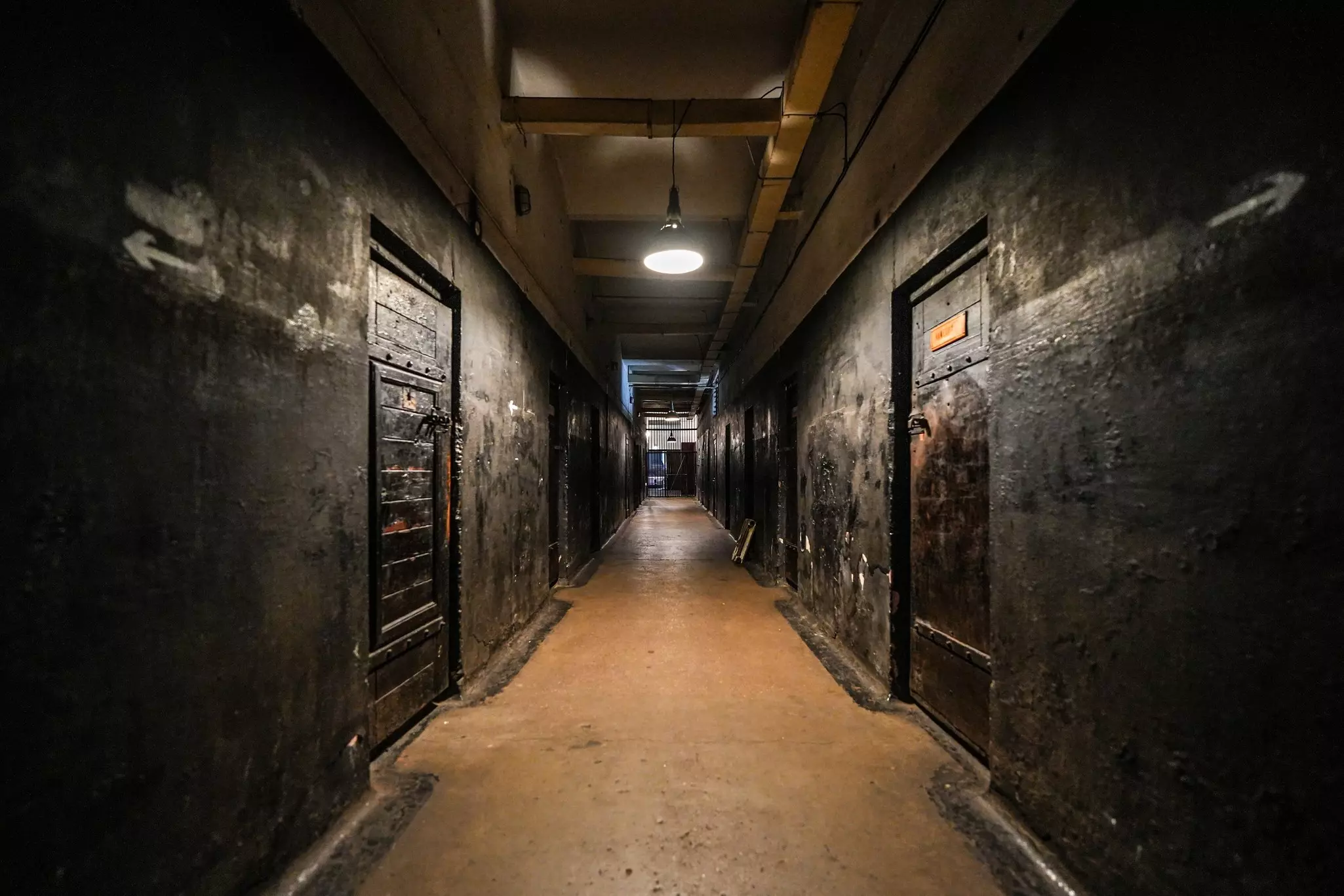
Originally planned as a hospital, Karosta Prison was transformed into a military jail where unruly soldiers were punished for their behavior, back when Liepāja was under the control of Imperial Russia. The area around the prison continued to serve as a military base under Soviet rule – in fact, Karosta remained isolated from the rest of the world until the base was closed in 1997.
Today, visitors can roam around Karosta and explore the prison with a guide. Alternatively, you can participate in an escape game, or even spend the night in either a prisoner’s cell or an officer’s quarters. While in the area, be sure to visit the nearby St Nicholas Maritime Cathedral – a gold-domed wonder from the 1900s.
Twenty years after opening her home as a guesthouse, 17th-century Dutch migrant Margarethe Hoyer was left in a difficult situation by the death of her husband. What does a recently widowed woman have to do to make a living in 17th-century Latvia? Bucking gender roles, she took over the business herself, drawing many prestigious guests. Even Czar Peter the Great stayed there during his European grand tour in 1697.
Today, Liepāja’s oldest wooden building has been turned into a museum, with the interiors restored to their late-Renaissance glory. On the second floor, take a second jump in time to the 19th century, where the former apartments of notary Christoph Wilhelm Stender have been recreated. Make sure you drop by for lunch, as waitstaff dressed in period costumes serve local delicacies.
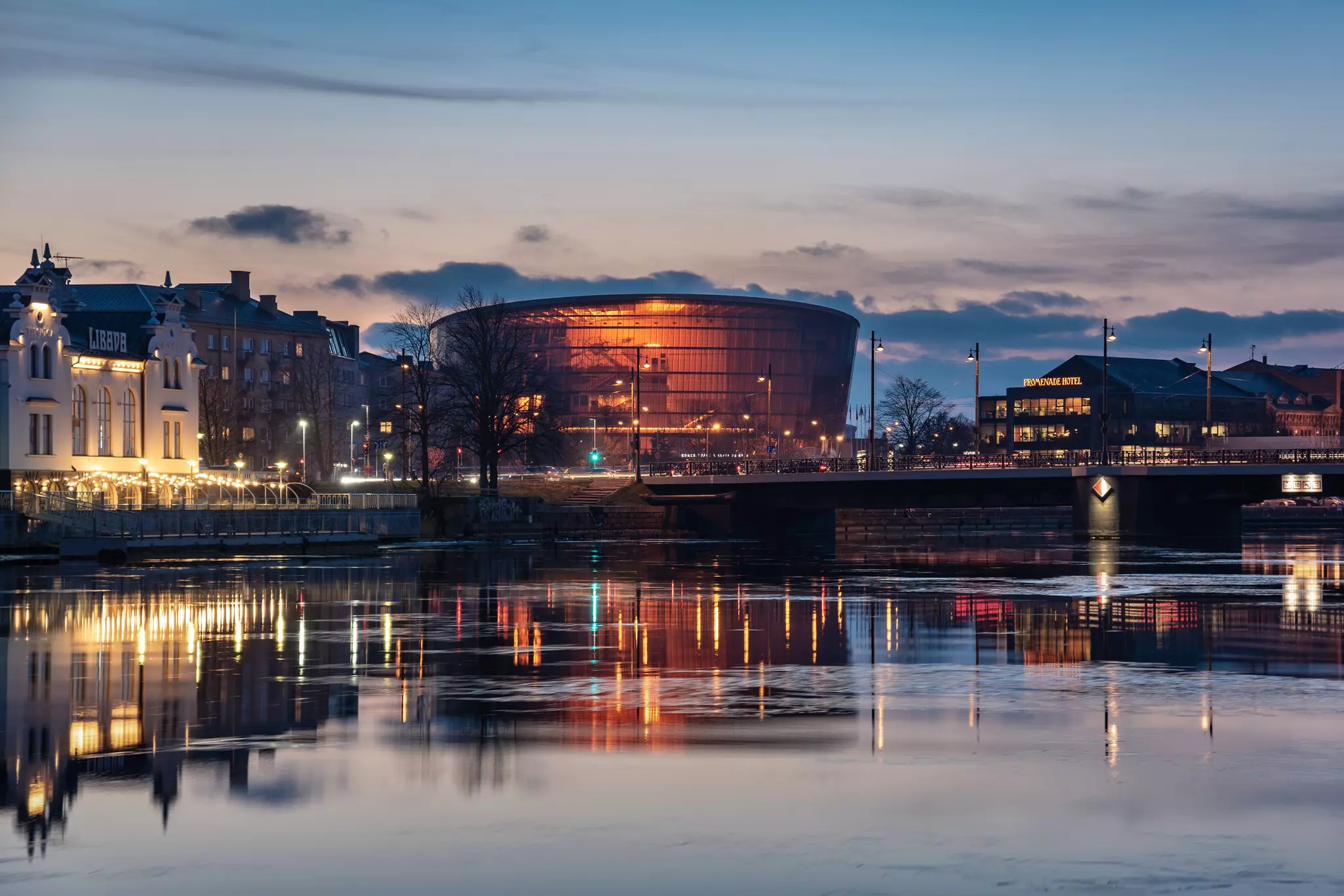
Resembling a giant piece of amber, the striking Great Amber concert hall has become an icon of Liepāja’s cityscape and one of the Baltics’ most prestigious venues for classical music – the crowning jewel for a city deeply associated with music. The name is a nod to the fossilized tree resin found along the Baltic Coast, which has been used for jewelry making since prehistoric times.
Bathed in a permanent orange light during the day, the concert hall is open daily if you’re curious to take a look inside, or you can join guided tours every Sunday. I highly recommend attending a concert during the performance season (September–June) to fully appreciate the phenomenal acoustics of the Great Hall, especially since the ticket prices are quite reasonable. Look out for concerts by the talented Liepāja Symphony Orchestra.
One of the strangest, and some would say spookiest, exhibition places in Liepāja is hidden in the basement of the Romas dārzs (Roman Gardens) complex. The first exhibition you will come across is the Puppet Art and Design Museum, with an impressive collection of 19th-20th century toys, dolls, figurines, and, of course, puppets, sometimes animated to eerie music and so dimly lit that the scene could be straight out of a creepy movie. Follow the labyrinthine corridors to discover the rest of the gallery, displaying one of the largest private collections of Latvian contemporary art, some of it for sale.
The city has found a unique way to blend its musical heritage with tourism. Did you notice the brass metal musical notes and instruments embedded in the sidewalks and squares? They are part of the “Follow the Notes” walking route, exploring the city's history and heritage. Beginning at Rozu laukums, in front of the tourism office (feel free to stop by for a paper map if you need one), the notes will guide you to the city's main sights. It’s as easy as humming a tune!
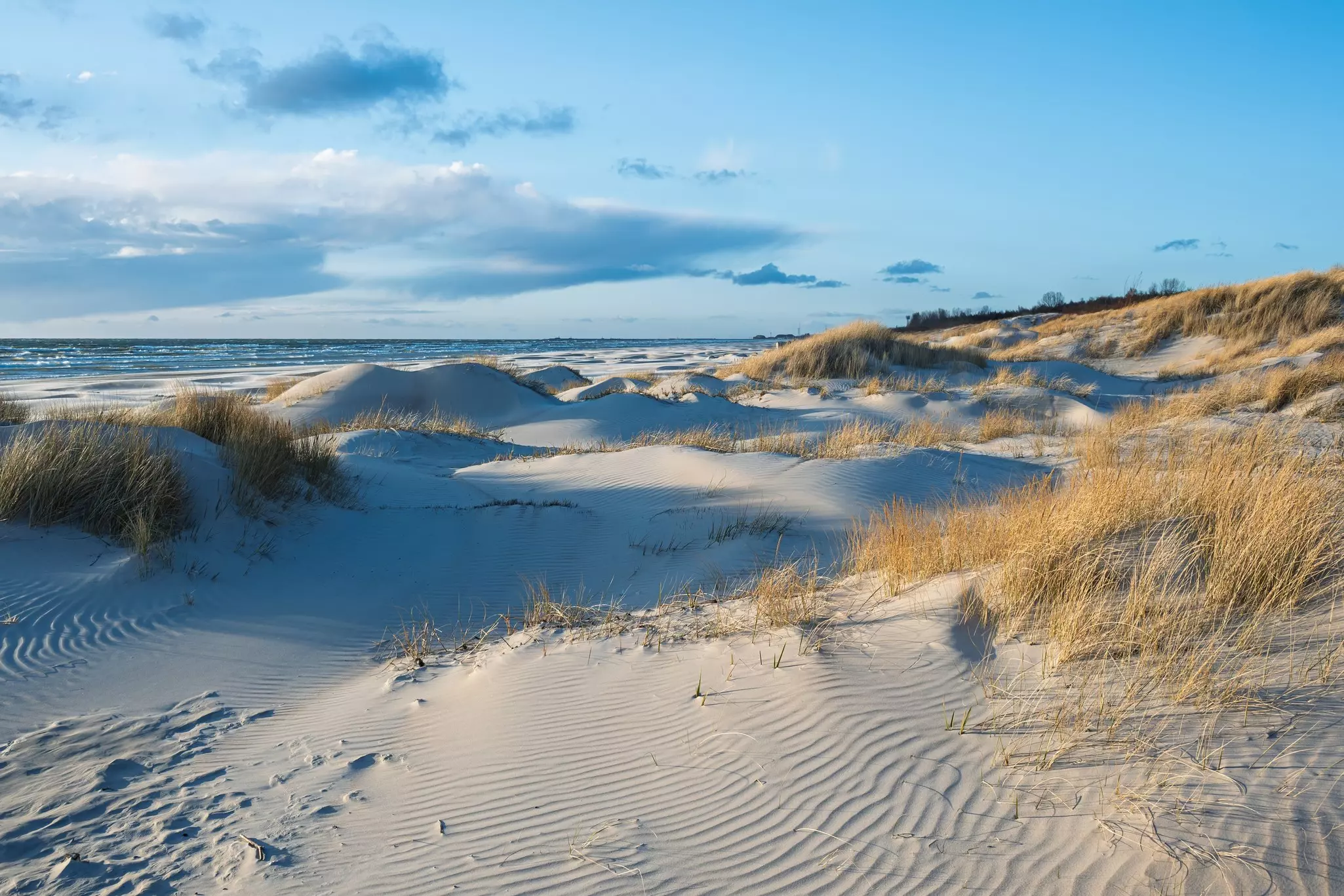
There is nothing more relaxing than walking on the beach at any time of the year. Liepāja’s Blue Flag-rated beach, with its pearly grey sand and seaside park, is where I like to go to just breathe, with the famed Liepāja wind whipping my hair and face. If the sea was rough the day before, I always take some time to look for bits of amber washed ashore. You have to be patient and keep your eyes wide open – most of the time, the pieces of “Baltic gold” are quite tiny, but it’s worth the effort.
Latvia is amongst the top destinations in Europe when it comes to value for money, and compared to its neighbors, it’s still relatively cheap. Prices in Liepāja peak in summer, but during the late fall and winter, hotels slash their prices by almost 50% – a trade-off for travelers who don’t mind short days and cold weather.
Latvia has used the euro (€) since 2014. Cards and payment apps are accepted everywhere, but keep some euro coins handy if you need to use public toilets or pay for public transport. Here are some sample costs for travel in Liepāja.
Night at a downtown hotel: from €85 (€55 in winter)
Public transport ticket: €1.50 for a single ride
Coffee at family-owned Vējš cafe: €2.50
Three-course lunch of the day at Pumpurs Maja: €9.50
Evening set menu at Piano inside the Promenade Hotel: €49
Draft craft beer at Miezis & Ko: from €5
Ticket to see Liepāja’s Symphony Orchestra at the Great Amber: from €15
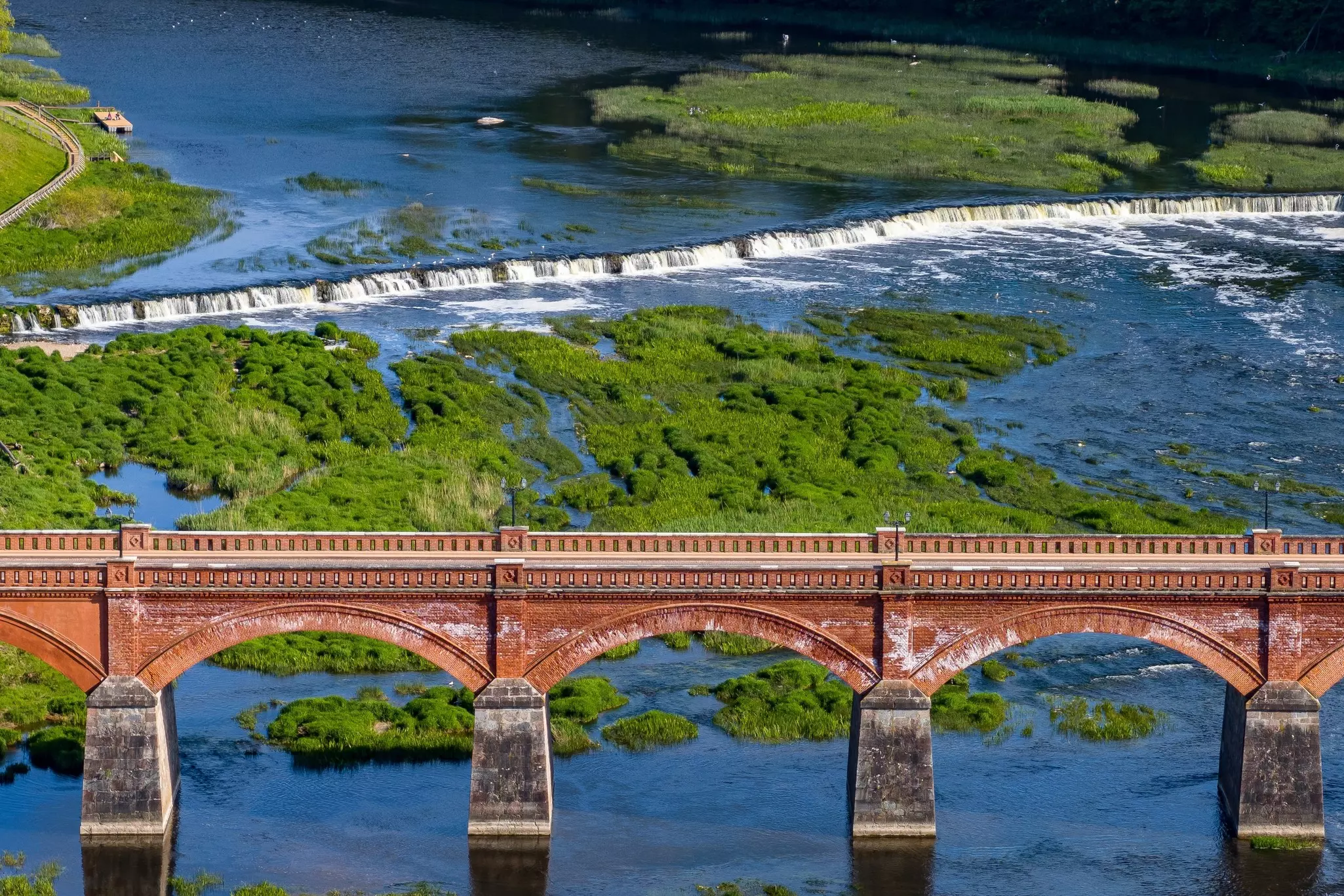
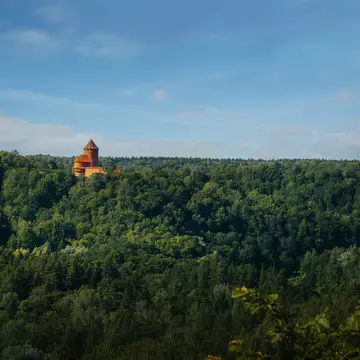
While Liepāja is the beating heart of the 2027 European City of Culture program, cultural events will spread far beyond the city limits. The neighboring regions of South Kurzeme and Kuldīga are co-hosting the festivities, with the party officially kicking off in these rural districts on January 22, before rolling into Liepāja the following day for the grand opening ceremony.
To truly catch the soul of southwest Latvia, skip the car, hop on local buses, and embark on a slow-travel itinerary. From Liepāja, head north along the coast to the windswept piers of Pāvilosta. This is Latvia's surfing capital, and the town is hosting the Amber Season in Pāvilosta art residency in July and August 2027.
From the coast, head inland to Kuldīga, a stunning, UNESCO-listed town of red-clay roof tiles and winding cobblestone streets, home to Europe’s widest waterfall. This is a perfect place to enjoy the Midsummer celebrations on June 21; allow at least 2 days to enjoy Kuldīga's fairytale atmosphere. Finally, make your way back toward the coast with a stop in Aizpute, one of Latvia’s oldest towns, before looping back to Liepāja.
Explore related stories