Jun 30, 20269 min read
How to Plan a 175Km Hike Around Rīga, LatviaMar 30, 2026
9 MIN READ

Writer
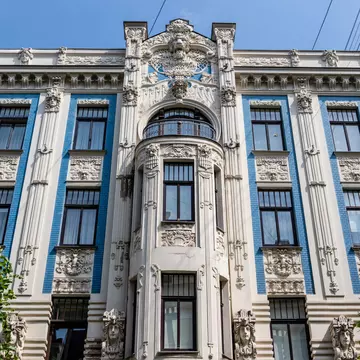
Rīga is famous for its art nouveau-inspired Jugendstil architecture. Jan Willem van Hofwegen/Shutterstock

Writer
Highlights
Rīga-based writer Solveiga Kaļva guides you through Latvia's largely undiscovered capital.
Summer brings long sunny days and free open-air concerts; avoid grey November.
Head to Vecrīga's cobblestone streets, then Alberta St for unforgettable art nouveau facades.
Foodies should head to Rīga Central Market for rye bread, smoked fish and kvass.
Lonely Planet may earn a commission from affiliate links on our site. All recommendations and reviews reflect our own independent opinions.
Rīga can cast a spell on even the most experienced travelers. It’s a city where medieval mysteries live alongside contemporary art performances, hundreds of art nouveau buildings line historic streets, and the city’s flourishing culinary scene offers traditional Latvian dishes and modern Nordic cuisine. Yet, Latvia’s capital is largely undiscovered by mass tourism. It’s the perfect European city break for appreciating a tranquil and cultural city without a crowd. Plan your time, budget and activities with this guide.
The best time for visiting Rīga is summer, when everything is green, the days are long and warm, and there is plenty of sunshine. In the middle of June, the sun rises as early as 4:30am and sets as late as 10:20pm. What could be better than sipping a sparkling drink on a terrace or listening to live music late in the evening while it is still pleasant and light outside?
Summertime in Rīga comes with many open-air concerts and other cultural events, most of which are free to attend. Rīga’s cultural life peaks in August, when the city celebrates its anniversary offering a wide range of events. Book well in advance if you intend to travel at this peak time. With the average temperature around 20°C to 25°C (68°F to 77°F) and only rarely reaching 32°C (90°F), Rīga is also an excellent summer destination for escaping the heatwaves of Europe's southern countries.
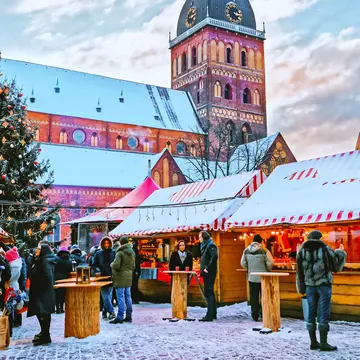
If you are not afraid of cooler weather, a lack of sunlight and possibly heavy rainfall, then other seasons work just as well. Late spring comes with wonderful blossoms in the parks and green spaces of Rīga. Early autumn paints the whole city golden. The middle of winter might surprise you with a marvelous Christmas atmosphere: expect lovely craft markets, aromatic mulled wine and white snowflakes falling from the pitch-black sky. Avoid visiting Rīga in November or February, which are usually the dreariest months of the year.
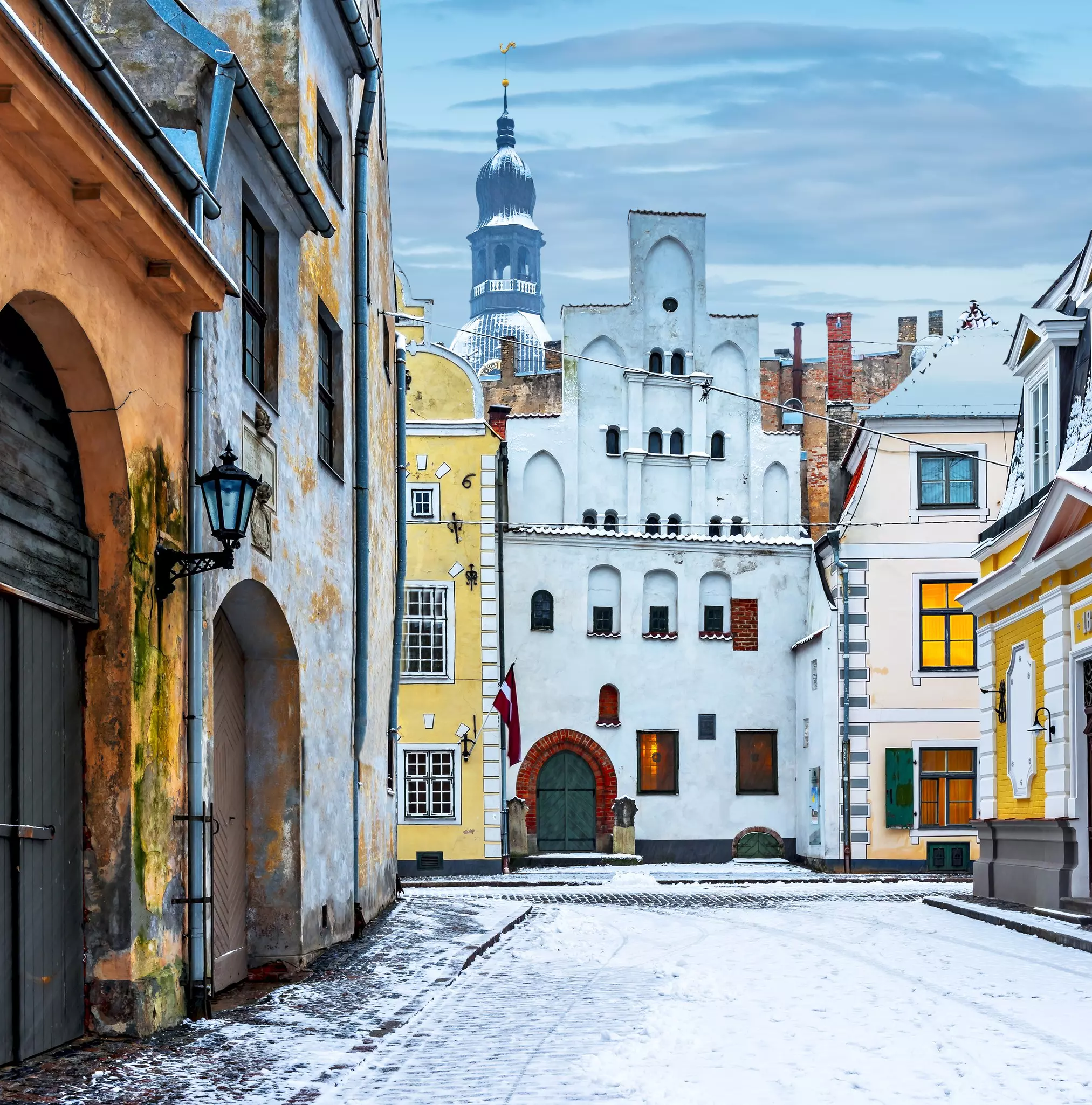
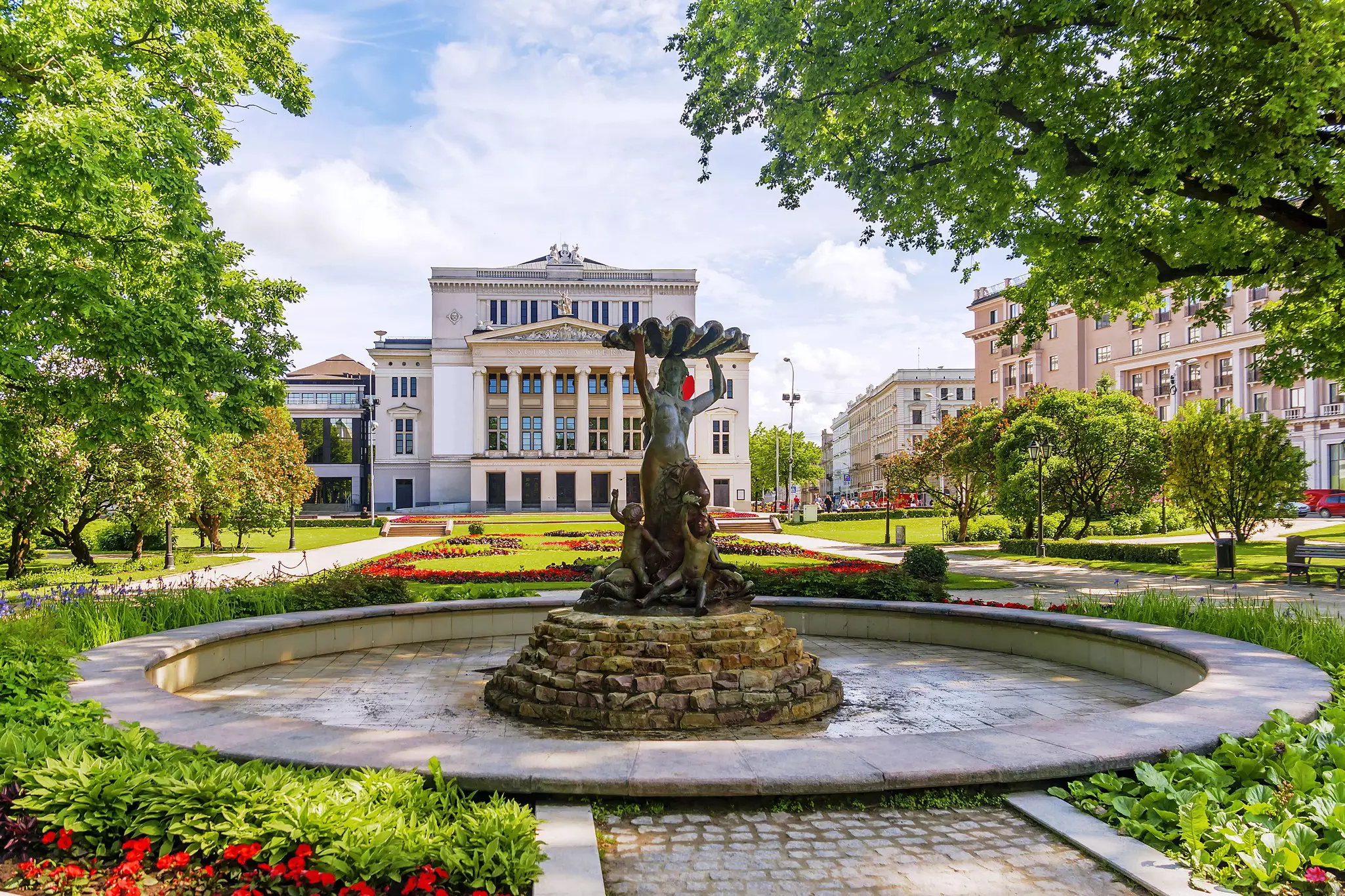
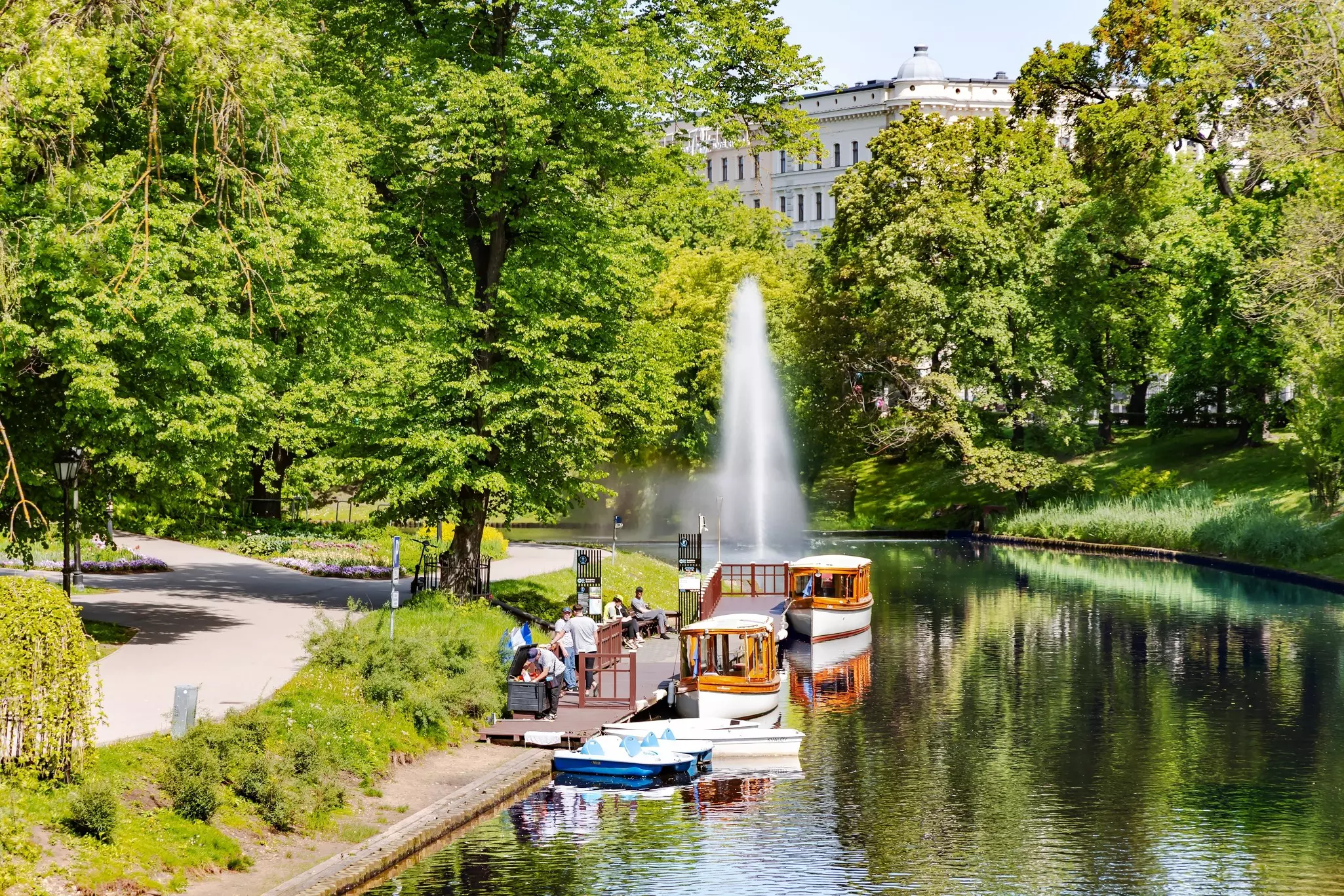
If you spend only a weekend in Rīga, you can probably see the most important places. You can walk around the charming cobblestone streets of the Vecrīga (Old Town), where a rich variety of architectural styles from Gothic to Modern stand side by side. Visit picturesque sites such as the House of the Blackheads, St Peter’s Church, Rīga Dome Cathedral, Three Brothers, and the Great Guild (closed works until the end of 2026); walk along the canal; go to the Freedom Monument and the magnificent Latvian National Opera and Ballet building.
Leave some time for exploring the famous art nouveau district around Alberta St – a place likely to leave you speechless. Visit some of Rīga’s finest museums, such as the Latvian National Museum of Art, the Museum of the Occupation of Latvia and the Zuzeum Art Center.
Adding a couple more days will allow you to enjoy the city at a slower pace and go to lesser-known places and suburbs. Cross the Daugava River and spend a day walking around Āgenskalns. Once a poor district inhabited by fishers, sailors and workers, it is now an enchanting area with its specific appeal loved by creative souls and hipsters and includes a notable example of wooden architecture and art nouveau buildings.
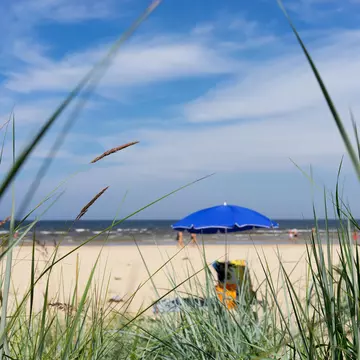
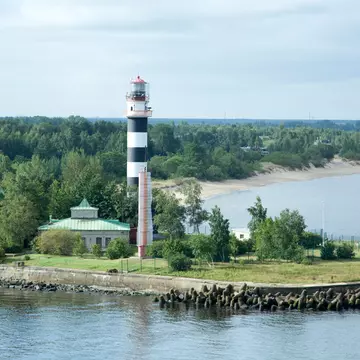
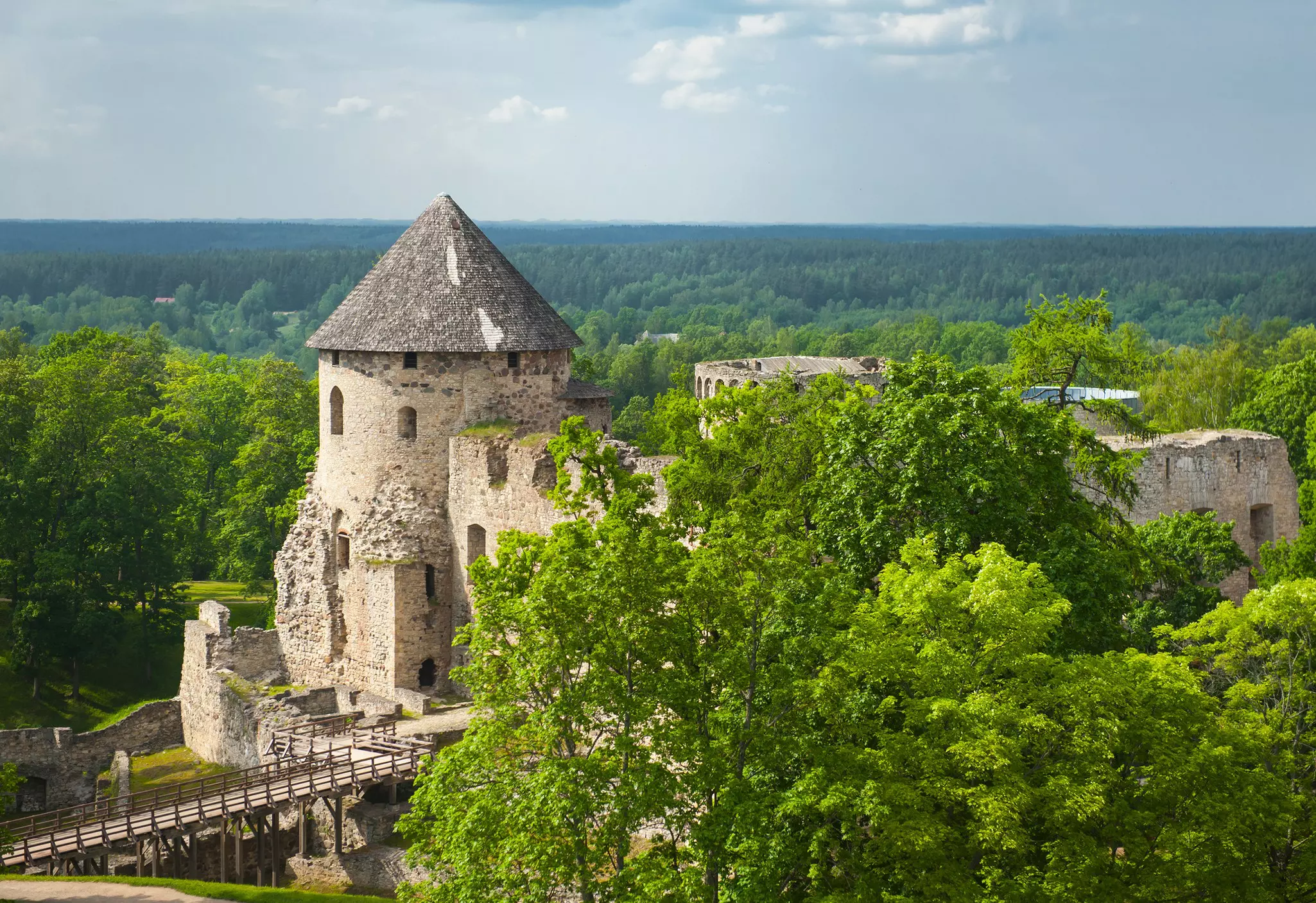
Take a tram to Mežaparks and relax in one of the greenest areas of Rīga – breathe in some fresh air in the pine woods, have lunch by the Lake Ķīšezers and admire countless villas from the 20th century. You can even go to the seaside and spend a day on the beach without leaving the city. But if you do want to reveal a bit more of Latvia, there are many great day-trip destinations you can easily reach from Rīga. For outdoor adventures, head to Sigulda; tour the medieval castles in Cēsis; or enjoy some time on the beach in Jūrmala.
Rīga Airport, 10km from the city center, is the largest airport in the Baltic States making it a popular place to fly into whether you are just visiting Latvia or heading on to Lithuania or Estonia. After arriving at Rīga Airport, look for the city bus No. 22 which offers cheap and easy transportation to the city center (30 minutes, from €1.50). Alternatively, you might choose – and pay more for – the Lux Express shuttle bus, a taxi or car-sharing service or drive to the city center yourself.
If you want to reach the city from other European cities, look for long-distance bus offers by companies such as Lux Express, Ecolines and FlixBus, which connect Rīga to cities as far away as Amsterdam. The most popular connections are between Rīga and Warsaw (13 hours), Vilnius (4 hours), Tallinn (4 hours and 30 minutes) and Tartu (4 hours). You can also combine taking a ferry from Helsinki to Tallinn (2 hours) and continuing your way to Rīga by bus.
Rīga is an ideal city for those who favor walking around on foot – it is flat and walkable and offers beautiful architectural details that make any walk a memorable sightseeing activity. Most of the tourist attractions are located in the central part of the city, so if you are staying in Rīga for just a couple of days you may not even need to think about using any transport.
If you are visiting Rīga for a longer time, you can take a bus, trolley bus or tram to escape the main tourist routes, explore the suburbs, relish the seaside or even go for a hike in nature. You can buy tickets and check out timetables and routes on the Mobilly app or Rīgas satiksme website.
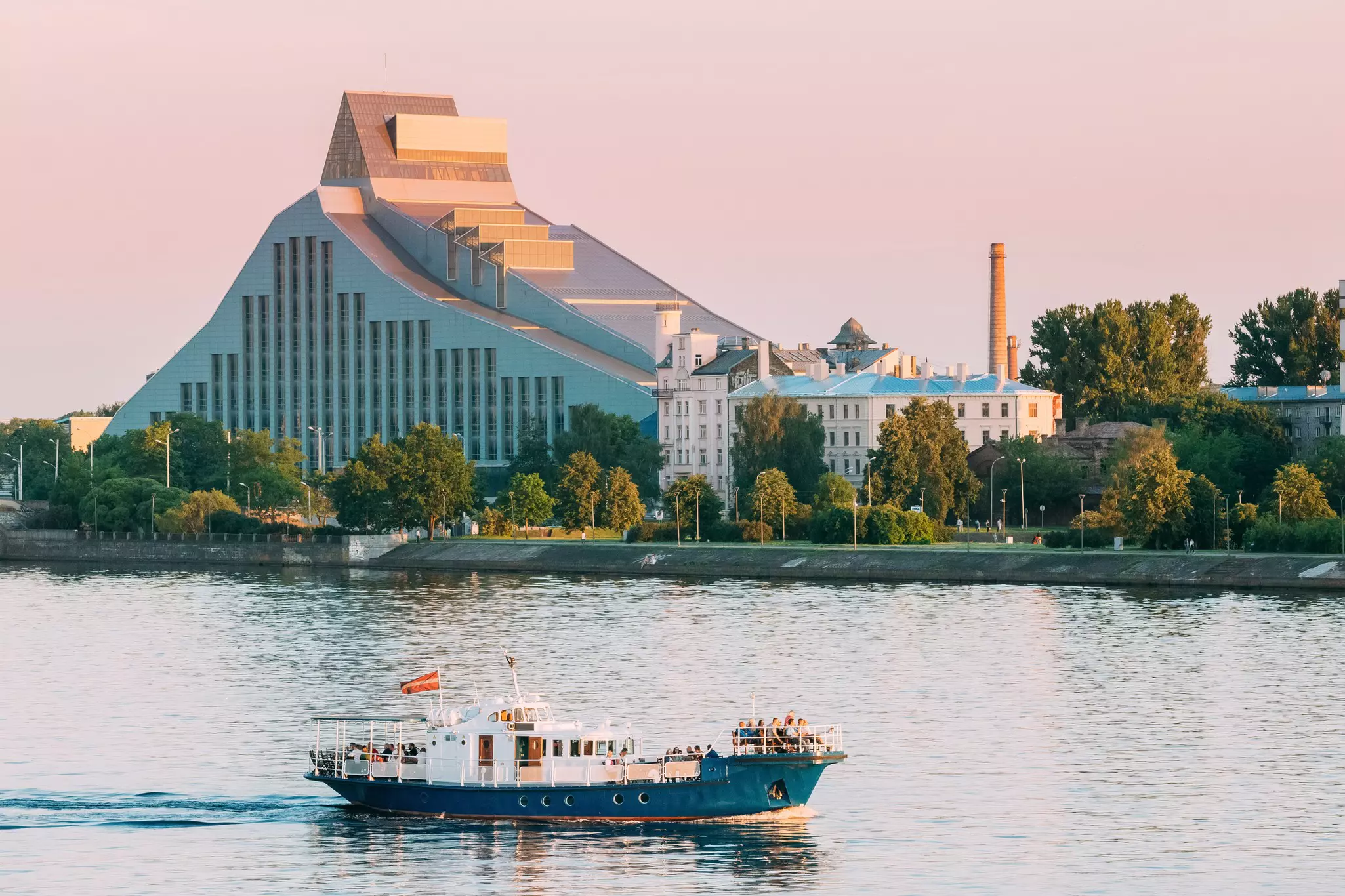
Rīga features such diverse architecture that it is worth experiencing it from different perspectives. After walking around Old Town and popular art noveau streets on foot, choose one of the viewing platforms – Latvian Academy of Sciences, St Peter’s Church or Rīga Doma Church – to observe the city from a bird’s-eye view. If you feel adventurous enough, rent a kayak and explore a completely new angle of the city from the canal and the Daugava River. The most popular panorama of Rīga with its church towers trying to reach the sky can be seen from the AB Dam or the National Library of Latvia.
You cannot say you have been to Rīga if you have not immersed yourself in its culture. Classical music enthusiasts will appreciate the program of Latvian National Opera and Ballet. Those who prefer alternative music will love hearing unknown musicians performing at bars like Aleponija or Atmoda and throughout the Tallin Street Quarter. And jazz fans will be amazed by the atmosphere of M/Darbnīca. Explore the different departments of the Latvian National Museum of Art, and go outside the city center to visit the Ethnographic Open-Air Museum of Latvia or SongSpace, dedicated to the unique tradition of the Song and Dance Festival.
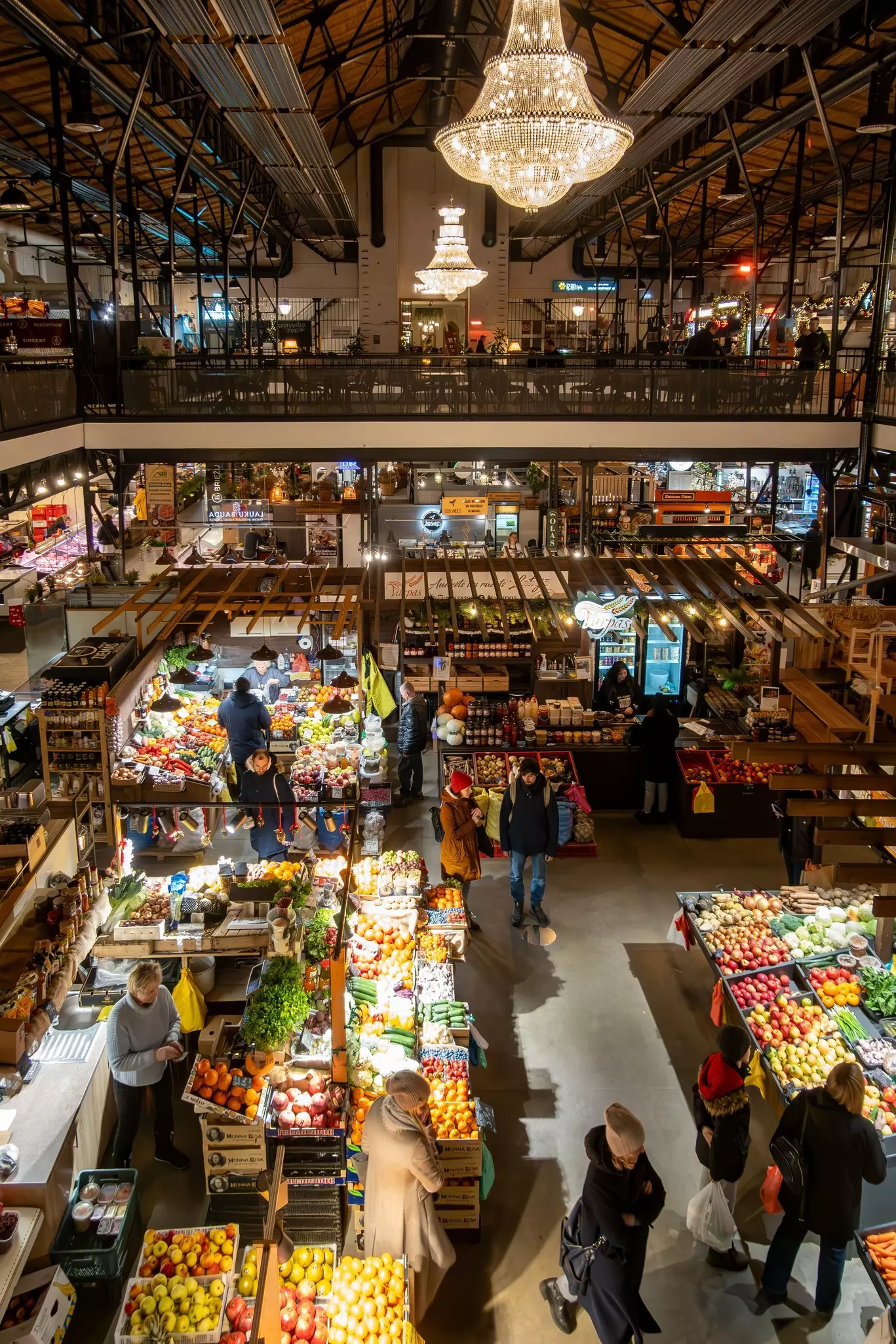
Rīga is known for its amazing markets, full of fresh vegetables, dairy products, meat and fish. The most famous is Rīga Central Market, one of the largest markets in Europe. Dive into the aisles of the market and go on a culinary journey! Make sure you try out rupjmaize (rye bread), biezpiens (cottage cheese), smoked fish, pickled vegetables, Jāņu siers (a type of cheese), kvass (fermented bread-based beverage) and anything else that attracts your attention. If you find yourself wandering around Āgenskalns, stop by its market that has become a real cultural hub and a discovery for culinary tourists.
I love a lot of things about Rīga, but most of all I enjoy wandering around the city center and spotting interesting architectural details. When it comes to discovering art nouveau, most tourists think it is enough to visit Alberta St or Elizabetes St. But the whole city center is full of wonderful examples of this architectural style waiting to be admired. Almost every building has its style, character and special vibe. Even after seeing the same buildings countless times, I can still find new details on their facades.
Tērbatas, Krišjāņa Barona, Aleksandra Čaka and Brīvības Sts are the ones you might start with. Some of my favorite examples can be found at 33/35 Tērbatas, 58 Brīvības and 26 Aleksandra Čaka. Lift your eyes, get your camera out and be ready to be surprised by what you will find. When I get tired of the hustle and bustle of the streets, I go and relax at Ziedoņdārzs, one of the nicest parks in Rīga.
Rīga is considered a good-value destination, and relatively inexpensive compared to other European capitals. It offers a wide range of activities for all tastes and budgets too. You can explore without spending much by taking free tours, strolling along a river promenade, and having picnics in parks, or you can splash the cash by staying at five-star hotels and savoring world-class meals and the finest theater.
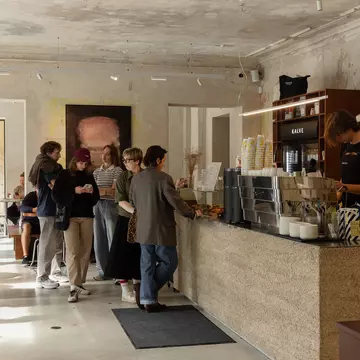
Generally, Old Town is considered overpriced, so look for more affordable cafes, restaurants and bars in the city center. You’ll save money, have more authentic experiences and meet local people.
Here's a guide to average costs:
Dorm bed: from €15
Basic hotel room for two: from €40
High-end hotel room for two: from €100
Self-catering apartment: from €30
Public transportation ticket: €1.50
Museum ticket: €5–10
Opera or ballet ticket: €25–55
Theater ticket: €20–55
Concert ticket: from €15
Coffee: €3
Pastries: €1–4
Main course meal: from €12
Beer: €5
The official language in the country is Latvian, but many people in Rīga speak English well, especially in tourist areas so you should find it easy to get by. Most museums provide exhibitions with English translations. Menus and services in cafes, restaurants and bars are typically available in English too. Keep in mind that Latvians might seem cold or reserved at first sight, but that is only on the surface. Deep in their hearts, they are warm and hospitable; it just takes a little time for them to open up to strangers.
Yes, you can and you should! The water in Rīga is clean and tasty. Bring your water bottle, refill it with tap water at any tap or drinking water station around the city, stay hydrated and help reduce plastic waste.
Explore related stories