Jan 7, 20267 min read
The 5 best places for wellness experiences in Morocco Sep 1, 2025
9 MIN READ
Writer
Writer
Morocco is a country of dazzling diversity, from its ancient cities and craggy mountain ranges to rolling deserts and deserted beaches.
One day you could be scaling Toubkal, North Africa’s highest peak; the next, you could be meeting designers in Marrakesh, riding the Atlantic rollers in Essaouira, strolling through the twisting blue alleyways of Chefchaouen or savoring street food in the medieval medina of Fez.
There’s certainly no shortage of things to do, but here are some of the best.
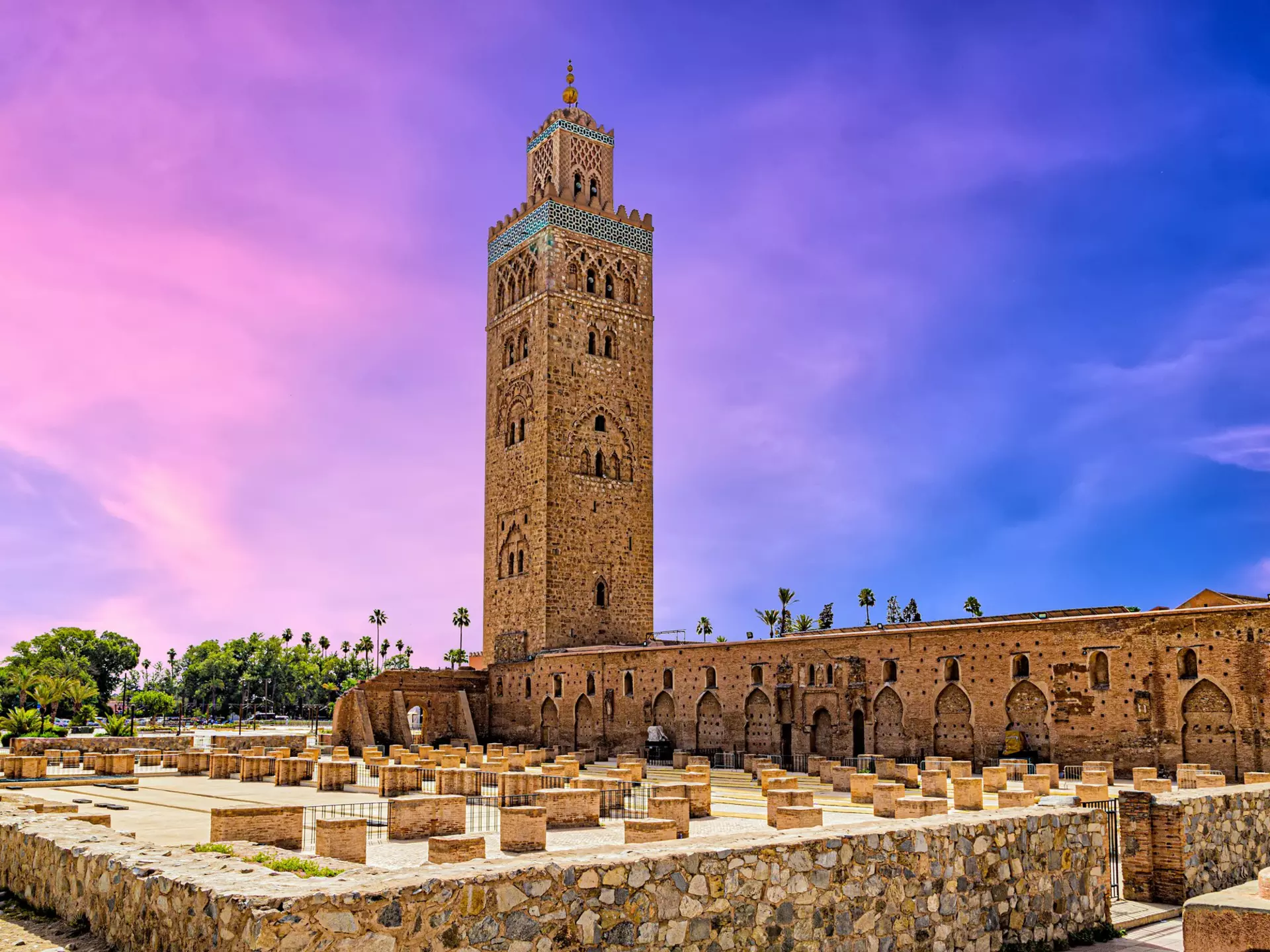
The fabled Red City of Marrakesh is a sensory overload of sights, sounds and smells. Its ancient medina is a maze of narrow streets with the Djemaa El Fna – arguably Africa’s most famous square – at its heart, and its nightly circus of storytellers, snake charmers and musicians.
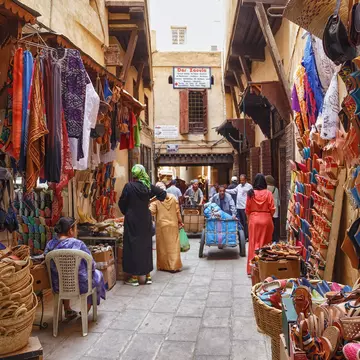
In Fez, Morocco’s oldest imperial city, time appears to have stopped. Dating back to the 8th century, Fez El Bali – the world’s largest living medieval medina – is a jumble of souqs, workshops and mosques, with a tangle of more than 9000 narrow alleyways to explore.
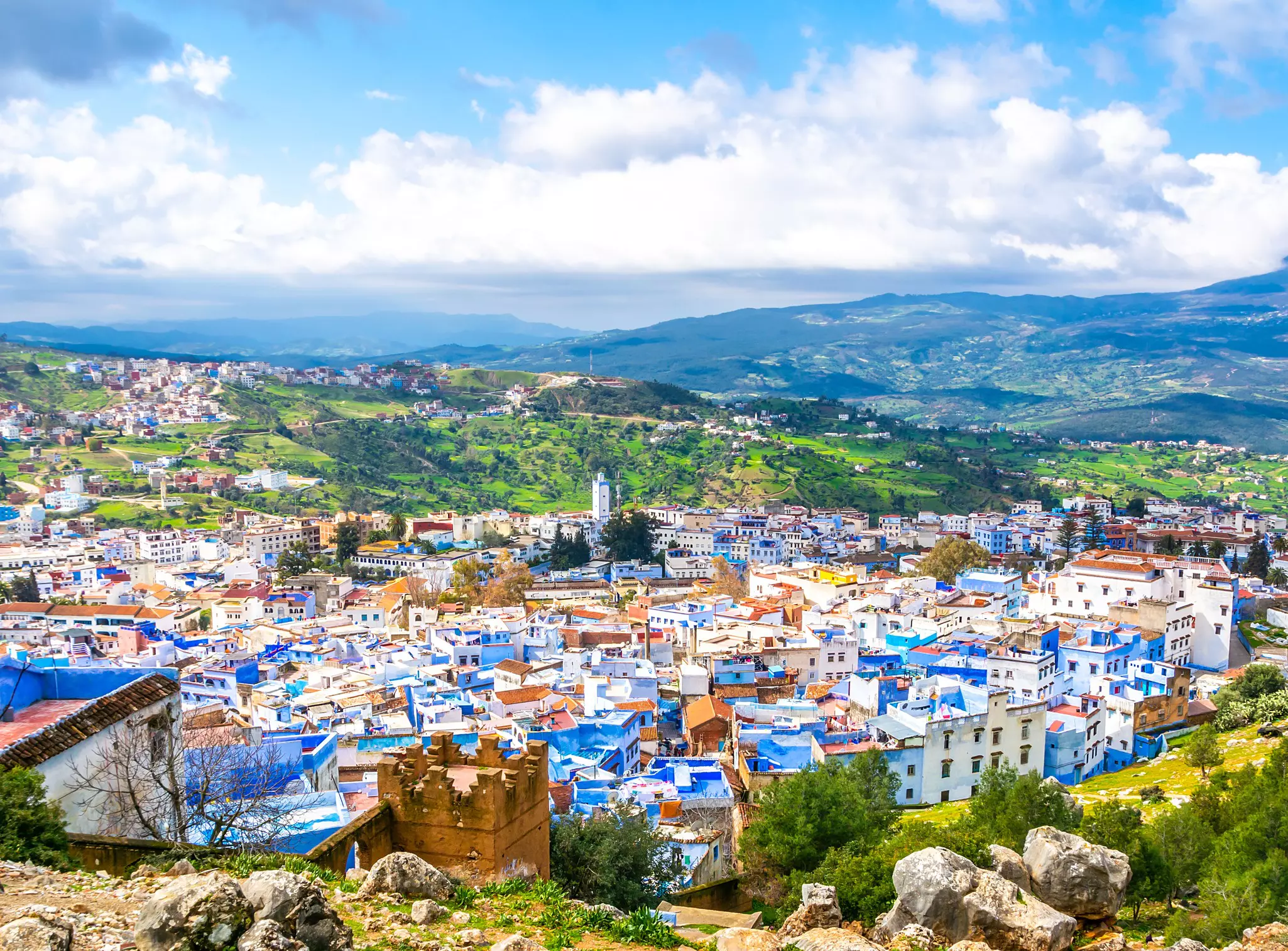
Tucked into the green folds of the Rif Mountains, charming Chefchaouen is famed for its blue-hued medina. Soak up its relaxed pace of life by wandering its cobbled streets and sipping a mint tea in an open square, then hike the trails of Talassemtane National Park with its luminous waterfalls and forests of fir trees.
Planning tip: The best time for exploring Morocco’s medinas is spring and autumn. Summers get very hot – temperatures can reach over 40°C (104°F) in July and August – and winters can be cold.
Casablanca’s most iconic landmark is the Hassan II Mosque, one of the world’s largest mosques, open to non-Muslims on guided tours. The monumental prayer hall can hold 25,000 worshippers – another 80,000 can fit in the courtyards outside – and it showcases the finest Moroccan crafts, with hand-carved stucco, painted wood and stunning zellige (mosaic tilework).
Downtown Casa is an al fresco museum of architecture, from the neo-Moorish tiled façade of La Grande Poste to art deco apartment blocks, and Place Mohammed V’s uber-modern Grand Théâtre de Casablanca designed by French "starchitect" Christian de Portzamparc.
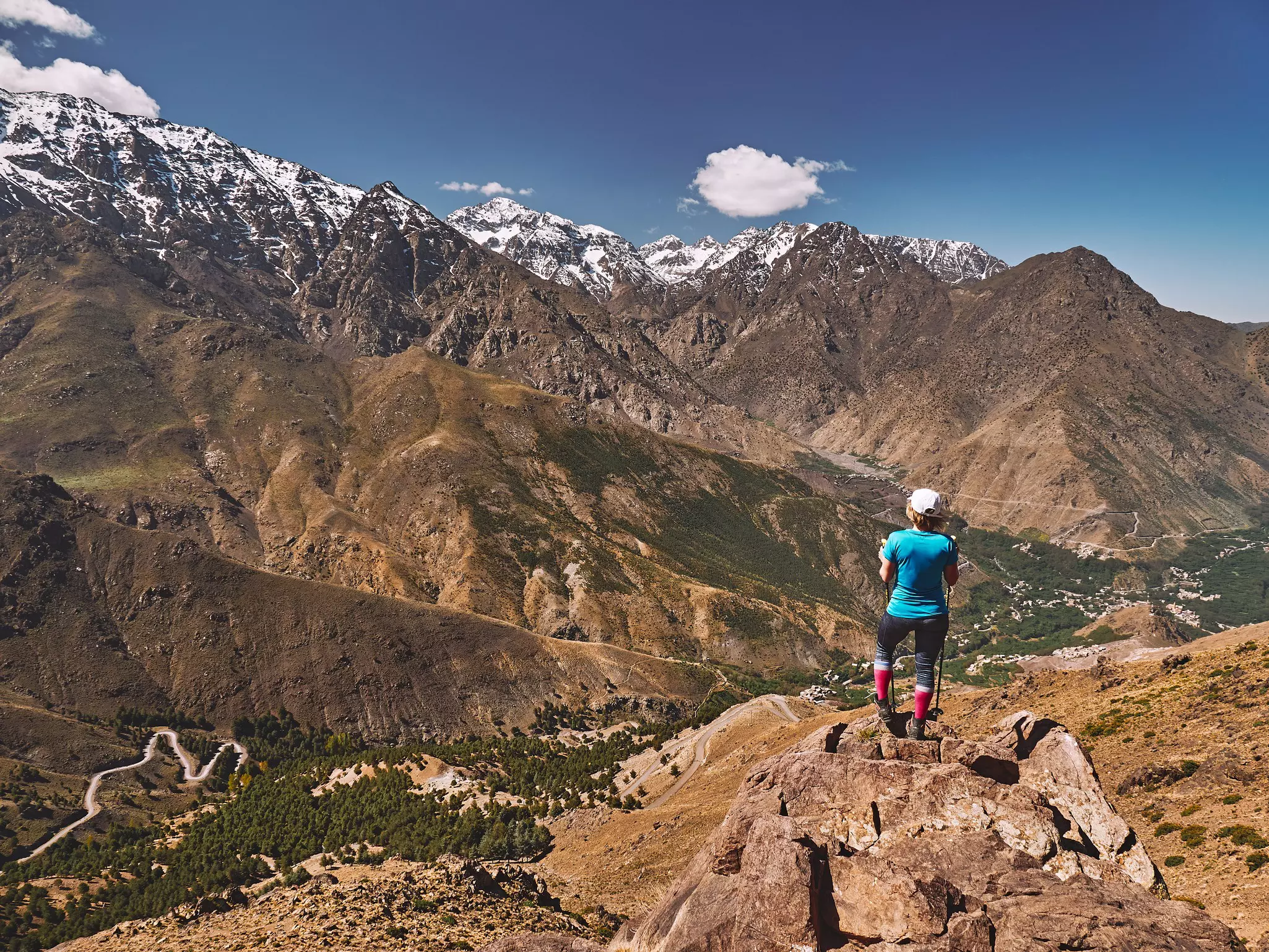
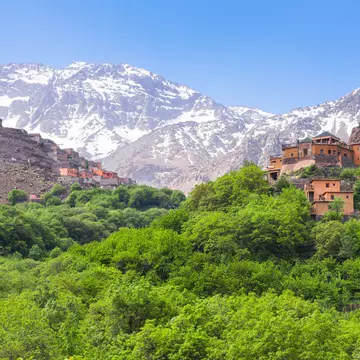
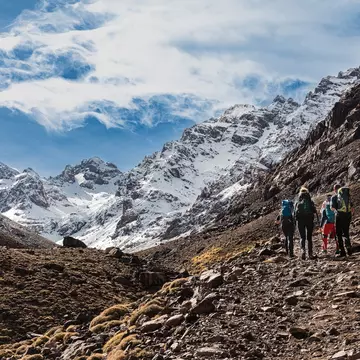
The High Atlas is a hiker’s paradise, running diagonally across the country for around 1000km (620 miles), from the Atlantic coast to northern Algeria. Imlil, located in the foothills of the High Atlas 90 minutes from Marrakesh, is the jumping-off point for scaling Toubkal, North Africa’s highest peak at 4167m (13670ft), a two-day ascent.
If you have more time, the week-long Toubkal circuit follows centuries-old trails between remote Amazigh villages, crossing fertile valleys, rugged massifs and panoramic passes.
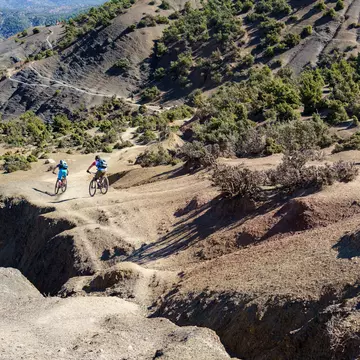
For even less-trodden trails, the region around Tafraoute is Morocco’s Amazigh heartland, where tribes and traditions hold firm. Surrounded by lush palm groves and hilltop kasbahs, the Anti Atlas makes the perfect base for hikers – at 2359m (7740ft), Jebel El Kest is the region’s highest peak, but there are more gentle hiking and cycling routes passed the picturesque villages of the Ameln Valley.
Lonely planet’s trusted travel insurance provider
Travel with confidence. Protect your trip and your wallet.
We don’t represent World Nomads, we receive a fee from quotes using this link. This is not a recommendation to buy travel insurance.
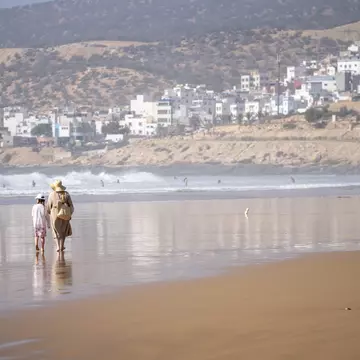
Dubbed the “Wind City of Africa” for its coastal breezes, Essaouira is the perfect spot to take to the water, whatever your ability. Sleepy Sidi Kaouki, a 30-minute drive south, is another option, with consistent waves, wild beaches and wallet-friendly accommodation.
Further down the coast, quiet Mirleft, 130km (80 miles) south of Agadir, is home to some of Morocco’s best surfing spots. Here Spot-M takes out experienced and novice surfers for group and individual lessons.
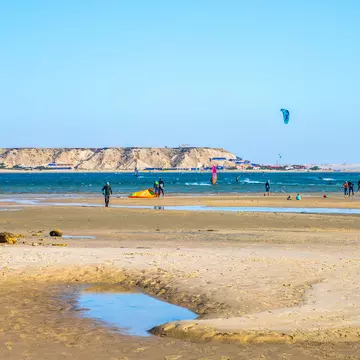
Detour: Far-flung Dakhla is as south as it gets, but with reliable year-round wind conditions and calm lagoon waters, it’s being hailed as Morocco’s kitesurfing capital.
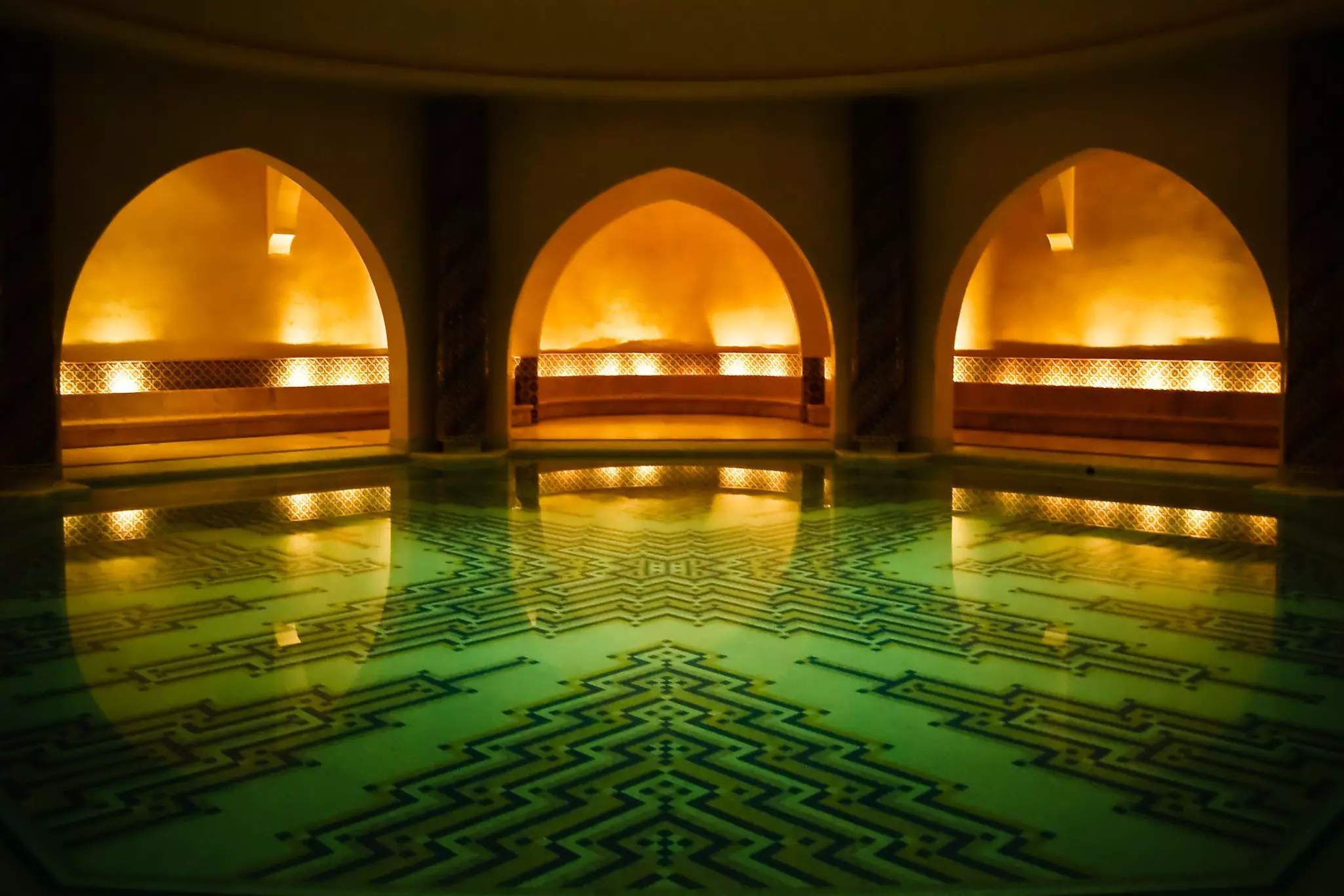
After a long day of sightseeing, head to a hammam to be steamed, soaped, scrubbed and massaged into a state of total relaxation. Every neighborhood has one, and they come in all shapes, sizes and levels of luxury, from a simple steam and scrub at a no-frills public bathhouse to a higher-price private hammam at a swanky hotel with more elaborate wraps and massages on offer. Wherever you go, you’ll emerge squeaky clean with baby-soft skin.
Planning tip: Pick up traditional hammam gear at the souq, including savon beldi (black soap), a kessa (course scrubbing mitt) and ghassoul (cleansing clay).
Moroccan cuisine is a genuine melting pot – alongside Amazigh influences, Arabs, Moors, Ottoman Turks and French all left their culinary mark. One of the best ways to discover it is on a street-food tour. Fearless foodies sample everything from snail soup to boiled sheep’s head, plus tempting sweet treats such as chebakia (deep-fried dough coated in sesame seeds) and wild honey.
Head to the legendary Café Clock to learn how to create three traditional dishes after souq shopping for super-fresh ingredients, or dive into the dough at The Ruined Garden, where you’ll bake five kinds of typical bread, including baghrir or “thousand-holes” pancake.
Detour: In the Middle Atlas, you can also visit a boutique fromagerie, discover the age-old process of hand-rolling couscous and taste new Moroccan wine from a French enologist. Check out luxury tour outfit Plan-it Morocco for more.
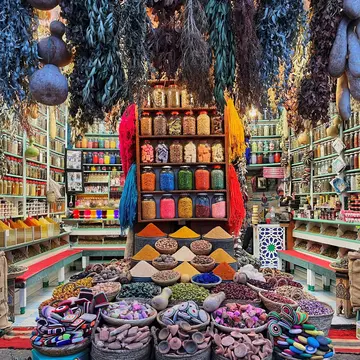
Marrakesh will satisfy the most insatiable shopaholic. The labyrinthine passageways of the souq are devoted to everything from aromatic spices to leather babouches (slippers) and shaggy wool rugs, with artisans weaving, hammering and carving out their wares as they’ve done for centuries. And now homegrown and international designers are working alongside them, giving age-old crafts a contemporary twist.
The fixed-price boutiques of Gueliz (the French-built Ville Nouvelle) take away the hassle of haggling. Along the rue de la Liberté, Atika sells top-quality leather shoes for a fraction of the price of designer brands. And opposite the must-see Jardin Majorelle (the former home of Yves Saint Laurent), concept store 33 rue Majorelle stocks clothes, accessories and jewelry from top Moroccan designers, including fair trade cooperatives.
Local tip: Don't begin negotiating on a price unless you genuinely want to buy something. Remain calm and courteous. If you feel under intense pressure to make a purchase, you can always walk away, but remember: for shopkeepers, this is their livelihood.
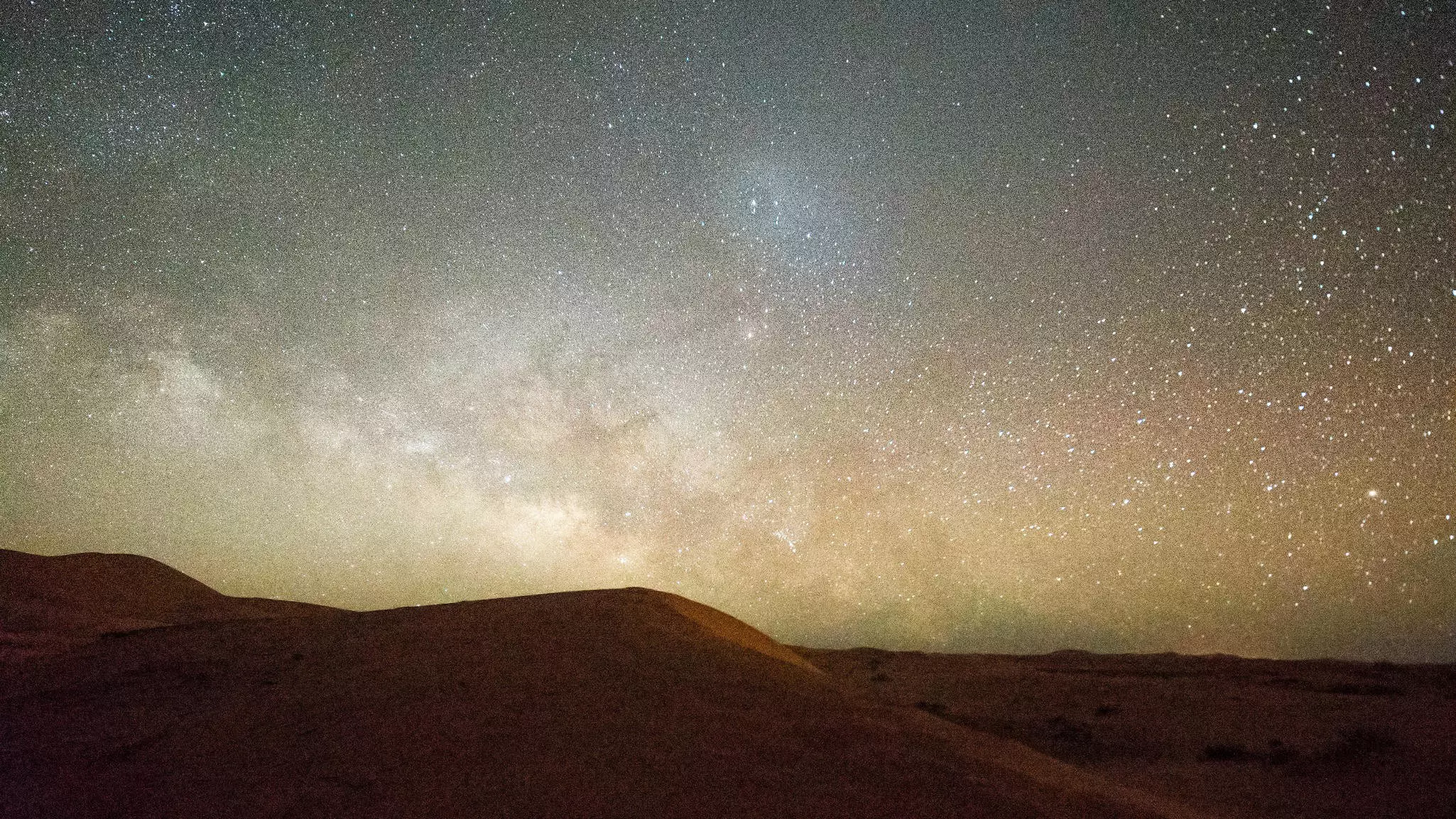
Scramble to the summit of a sky-high dune at sunset and savor the silence and the stellar views as you watch the desert turn gold, pink and purple. Camp overnight Bedouin style and sleep under a blanket of stars. You might spot the arc of the Milky Way. At Erg Chigaga, you’re not only off the grid but also several hours' camel trek from the nearest street lights.
Planning tips: Travel in the Sahara is best between October and early May. In the depths of the Saharan winter (especially December and January), overnight temperatures can fall below freezing. Almost unbearable heat blankets the Sahara from June to early September. Camel excursions head out from M’Hamid into the Erg Chigaga. From Merzouga, you can also take a 4WD trip out into Erg Chebbi. Both Merzouga and M’Hamid are a one-day bus ride from Marrakesh.
Morocco’s rich musical culture boasts influences from Amazigh to Andalusian, Arabian to sub-Saharan, and it’s fast becoming a top spot for music festivals showcasing eclectic rhythms.
One of the most popular is the Gnaoua World Music Festival, which draws festival-goers to the laid-back coastal city of Essaouira for four days of open-air concerts featuring the hypnotic rhythms of gnaoua, a musical and spiritual tradition brought north by sub-Saharan enslaved people in the 16th century. Casablanca plays host to Jazzablanca, which showcases well-known and up-and-coming artists from Morocco and around the globe.
Sufi chanters, African-American jazz saxophonists, Colombian harpists and international headliners like Björk flock to Fez for its annual Festival of World Sacred Music. Mawazine is said to be the world’s largest music festival, attracting a staggering 2.75 million people and turning Rabat into a gigantic open-air stage.
Planning tip: If you’re heading to a festival, book your accommodation as far in advance as possible and be prepared for higher prices.
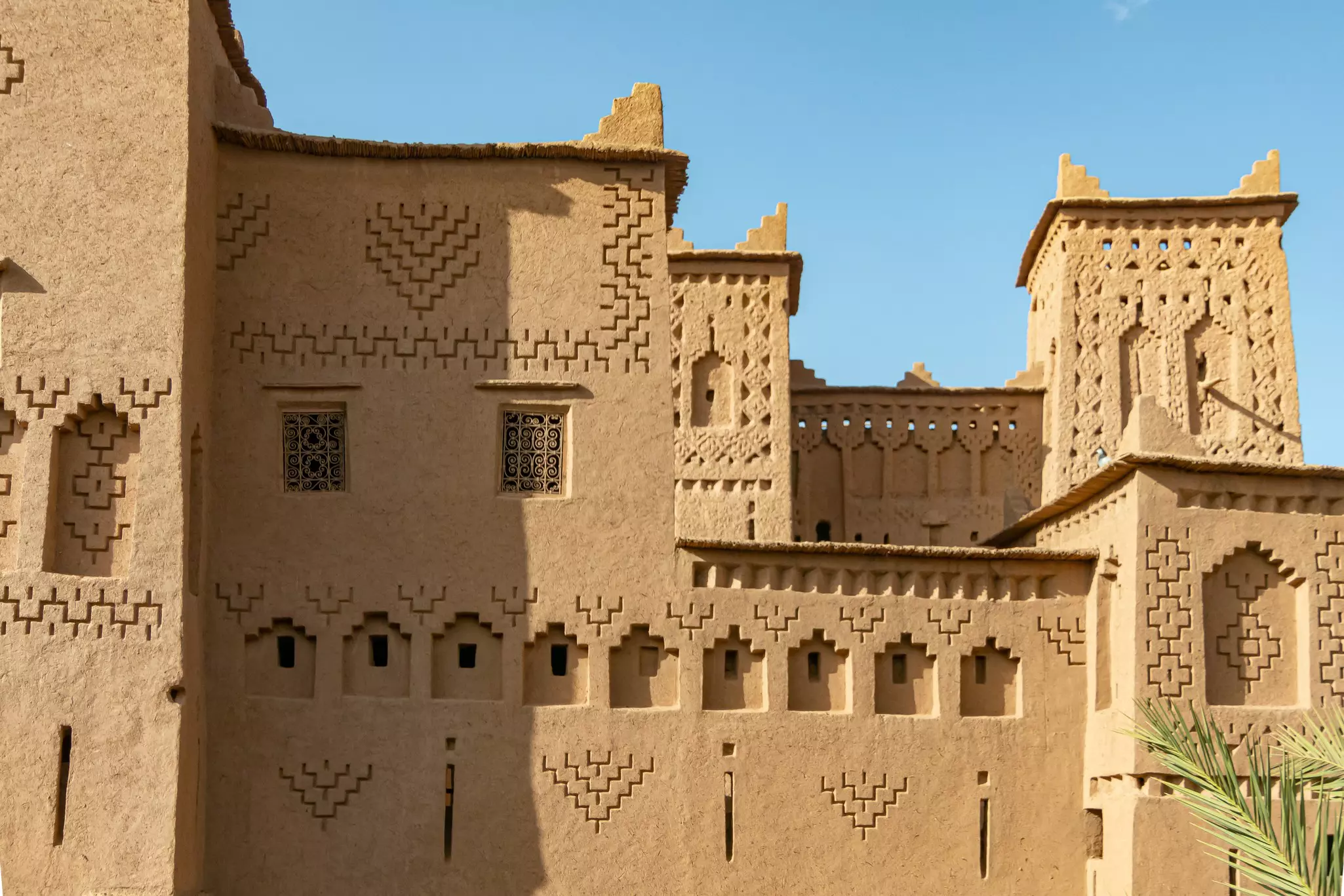
Like a green carpet spread on top of the red-tinged rocky landscape, Skoura’s idyllic palmeraie rustles with dates palms. With stylish guesthouses and farm-to-fork restaurants, it makes the perfect place to linger and enjoy the slower pace of oasis life.
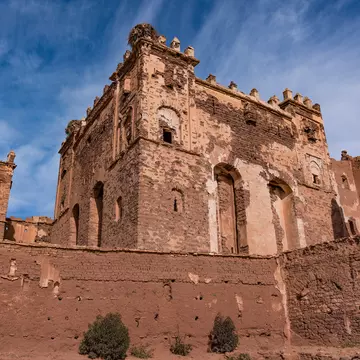
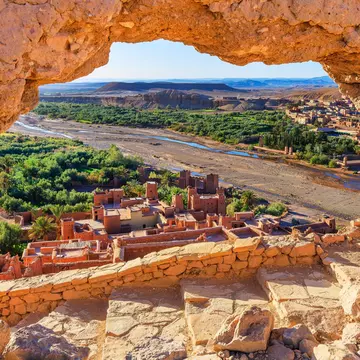
The region is dotted with labyrinthine ksar (fortified villages), including Ait Ben Haddou – a UNESCO World Heritage Site and star of many a film, including Gladiator (2000) – and imposing mud-brick kasbahs, such as the magical ruins of Kasbah Amridil. Rural souqs showcase the oases’ bountiful produce, including pomegranates, apricots, figs and almonds, and it makes a great base to explore the scenic Dadès Gorge and Todra Gorge to the northeast, and the Draa Valley to the southeast.
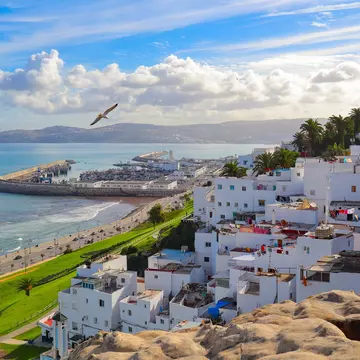
For the first half of the 20th century, Tangier was one of the Mediterranean’s most cosmopolitan resorts, an International Zone with a bohemian vibe beloved by the Beat Generation in the 1950s.
A host of literary figures have taken their inspiration from this legendary port city over the years. William S. Burroughs penned Naked Lunch at the Hotel El-Muniria, where you can still take a mint tea on the terrace overlooking the Mediterranean. And Paul Bowles made Tangier his home for more than 50 years, using it as both subject and setting for The Sheltering Sky. Visit his exhibition at the Tangier American Legation Museum, then follow in his footsteps to Café Hafa overlooking the Straits of Gibraltar.
You can find these authors and more in the historic bookstore Librarie des Colonnes, which opened its doors in 1949 and was frequented by the likes of Tennessee Williams and Truman Capote.
The launch of Al Boraq – Africa’s first high-speed rail link named after a mythical winged steed – means you can visit Tangier on a day trip from Casablanca or combine the two very different coastal cities on a mini-break. The slick silver train will whizz you to your destination in just over two hours, hitting speeds of up to 320kmh (200mph), with stops in Rabat and Kenitra.
Planning tip: If the ONCF website still only takes Moroccan credit cards, you'll need to buy tickets at the station. Alternatively, you can go through an online retailer like Marrakech Tickets, who will add a small commission fee to the total.
Take your Morocco trip with Lonely Planet Journeys
Time to book that trip to Morocco
Lonely Planet Journeys takes you there with fully customizable trips to top destinations – all crafted by our local experts.
Explore related stories