Jun 24, 20268 min read
Top 10 Things to Do Toledo, SpainJun 24, 2026
8 MIN READ

Writer
Toledo, Castilla-La Mancha, Spain. Bahdanovich Alena/Shutterstock

Writer
Highlights
Writer Felicity Hughes rounds up 10 highlights in Toledo, Spain, from swords to synagogues.
For medieval history, head to the Alcázar fortress or Mezquita Cristo de la Luz.
Art lovers should visit Toledo Cathedral for Goyas and Titians, or the Museo del Greco.
For food, try Toledo's legendary marzipan and game dishes at Restaurante Alfileritos 24.
Lonely Planet may earn a commission from affiliate links on our site. All recommendations and reviews reflect our own independent opinions.
The historic heart of Toledo, in central Spain, was the country's center of influence and power until nearby Madrid became the country's capital in 1561. During medieval times, however, this was the place to be, and Toledo is renowned as the “city of three cultures” where Muslims, Christians and Jews lived together in relative peace. In Toledo today, discounting the occasional car squeezing its way through its narrow stone streets, you still almost feel as if you’ve been plunged right back to the 13th century when Alfonso X the Wise ruled over a diverse multi-faith population.
Traveling to Toledo is an opportunity to explore ruins, learn Jewish history, try new foods, enjoy Renaissance art and more. When you arrive in town, if you've taken the bus, you'll be closer to Toledo's medieval center than if you'd arrived by train. There's an outdoor escalator through the old town, too, if you're not feeling up for the climb.
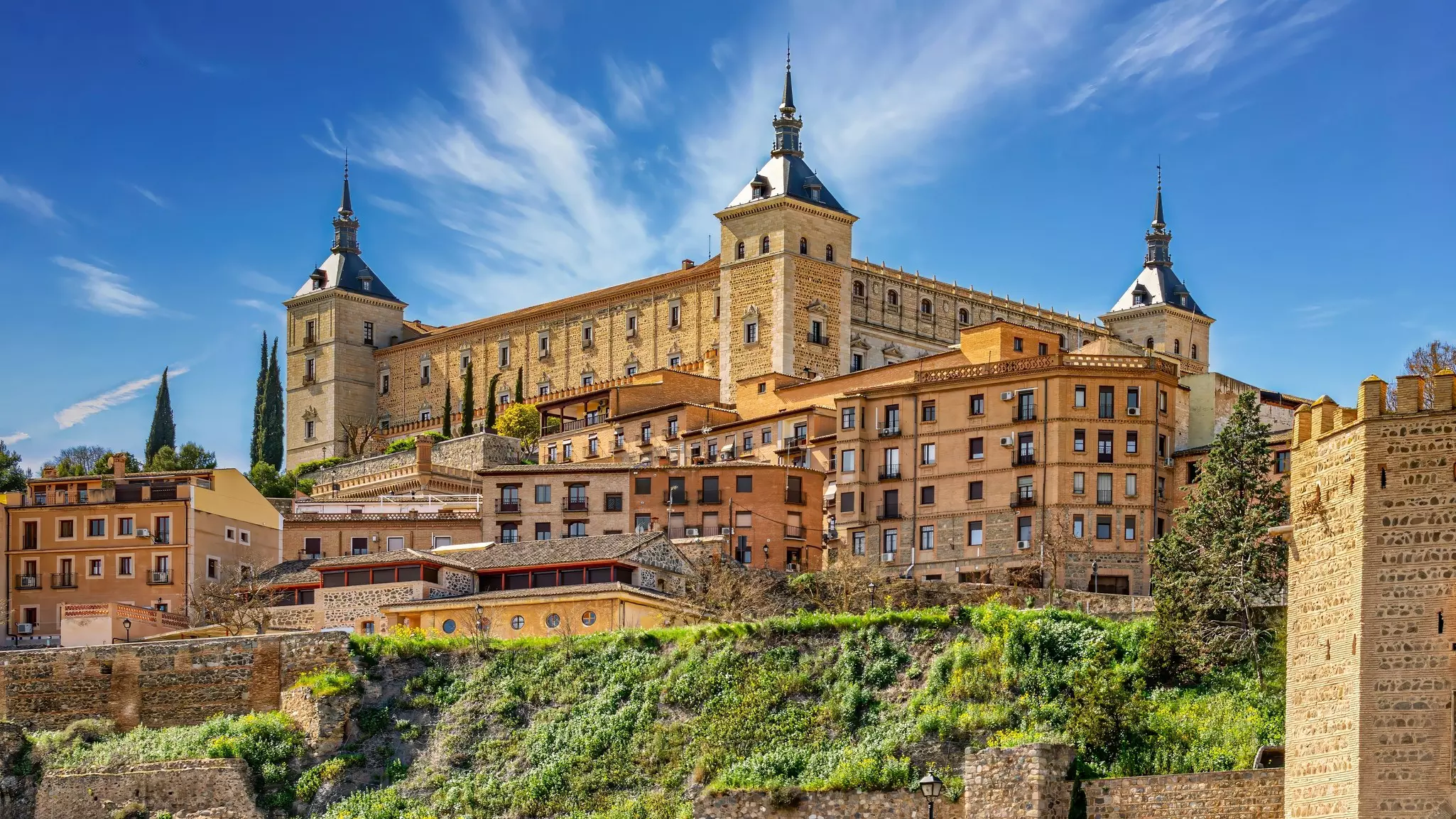
Toledo was founded as Toletum by the Romans, its elevated position making it a great place to build a fortress. The name of this building, however, dates back to the time of Al-Andalus: Alcázar means "fortress" in Arabic. The version you’ll encounter – best viewed on your approach to the city – was rebuilt in the 13th century during Alfonso the Wise’s rule and then remodeled by Juan de Herrera, architect to Felipe III (the king who mysteriously chose not to make Toledo Spain’s capital).
Now the Alcázar is home to a military museum. While most sections inside are temporarily closed for a phased renovation, some remain open, so check online before you go.
Top tip: Entry to the museum is temporarily free while renovation work is being done.
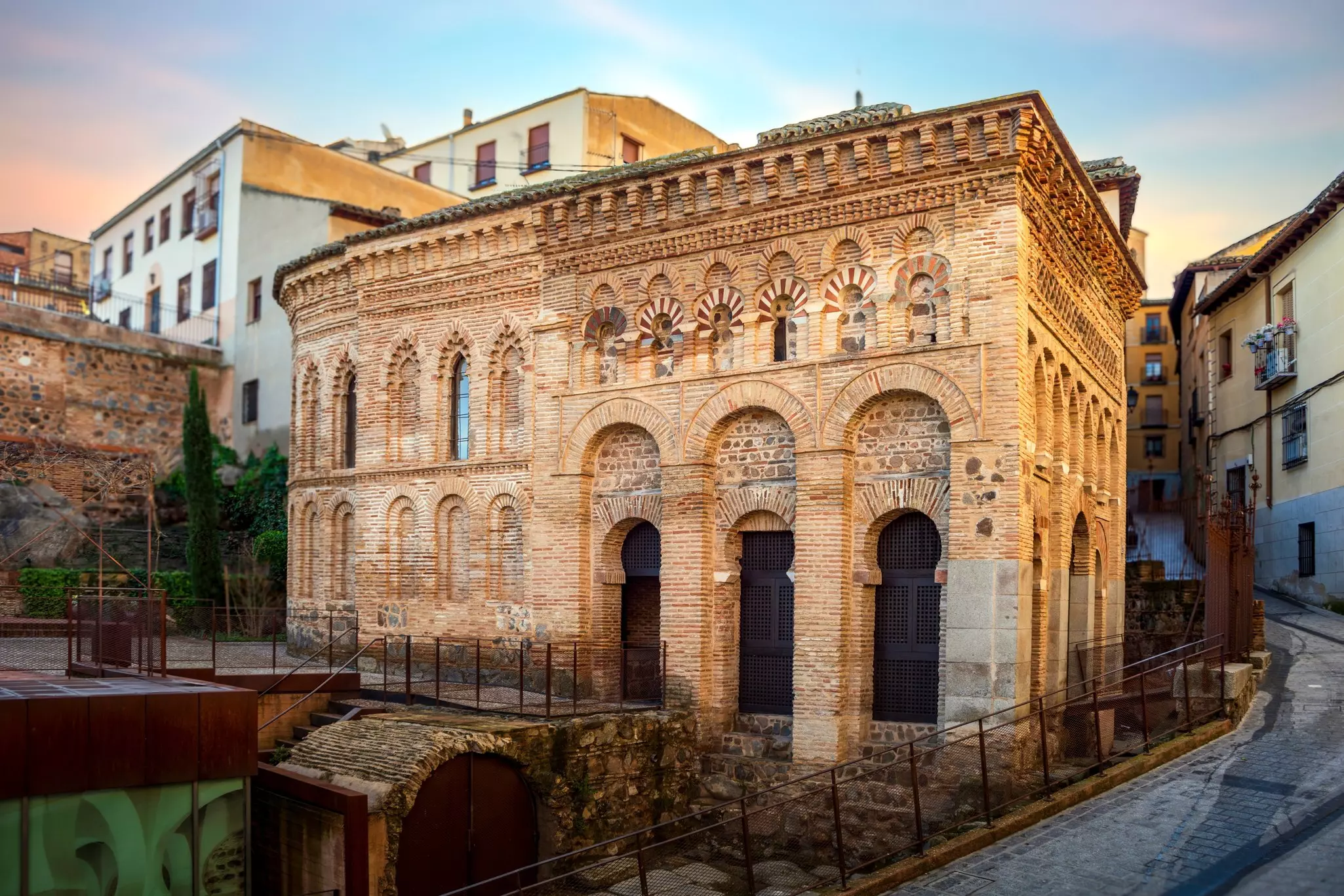
To understand Toledo’s Muslim past, visit this small mosque. Look carefully at the facade, and you can just make out pixelated brick script running just below the roof. This is Arabic text that states that the building was constructed in 999 during the Caliphate of Cordoba, a high point before Al-Andaluz fractured into warring factions. After Alfonso VI conquered the city in 1085, the building was converted into a church, so it’s now a mix of both Romanesque and Mudejar architectural styles. The interior is fascinating, if rather cramped, but it’s still worth paying to see, as you also get to take in the fabulous views from its pretty little garden.
Local tip: You can buy the 14 euro (€14) Toledo Monumental wristband, which gives you access to the mosque along with San Juan de los Reyes Monastery, Santa María La Blanca Synagogue and the Iglesia de los Jesuitas, which has an El Greco painting worth seeing. Other sights on this list are not included, so it’s only worth getting if you’re planning to do more than three attractions offered.
It’s said that after Carthaginian General Hannibal Barca used Toledo swords in the Punic Wars, the defeated Roman legions began to seek these superior weapons out. This reputation for prestigious blades continued through the ages, though sadly, nowadays, there are very few people making quality swords in the city.
You can, however, see master craftsman Antonio Arellano in action by booking a spot on one of his sword workshops for groups no smaller than 16.
Local tip: Do not be fooled by the numerous shops in Toledo peddling low-quality mass-produced steel swords and daggers.
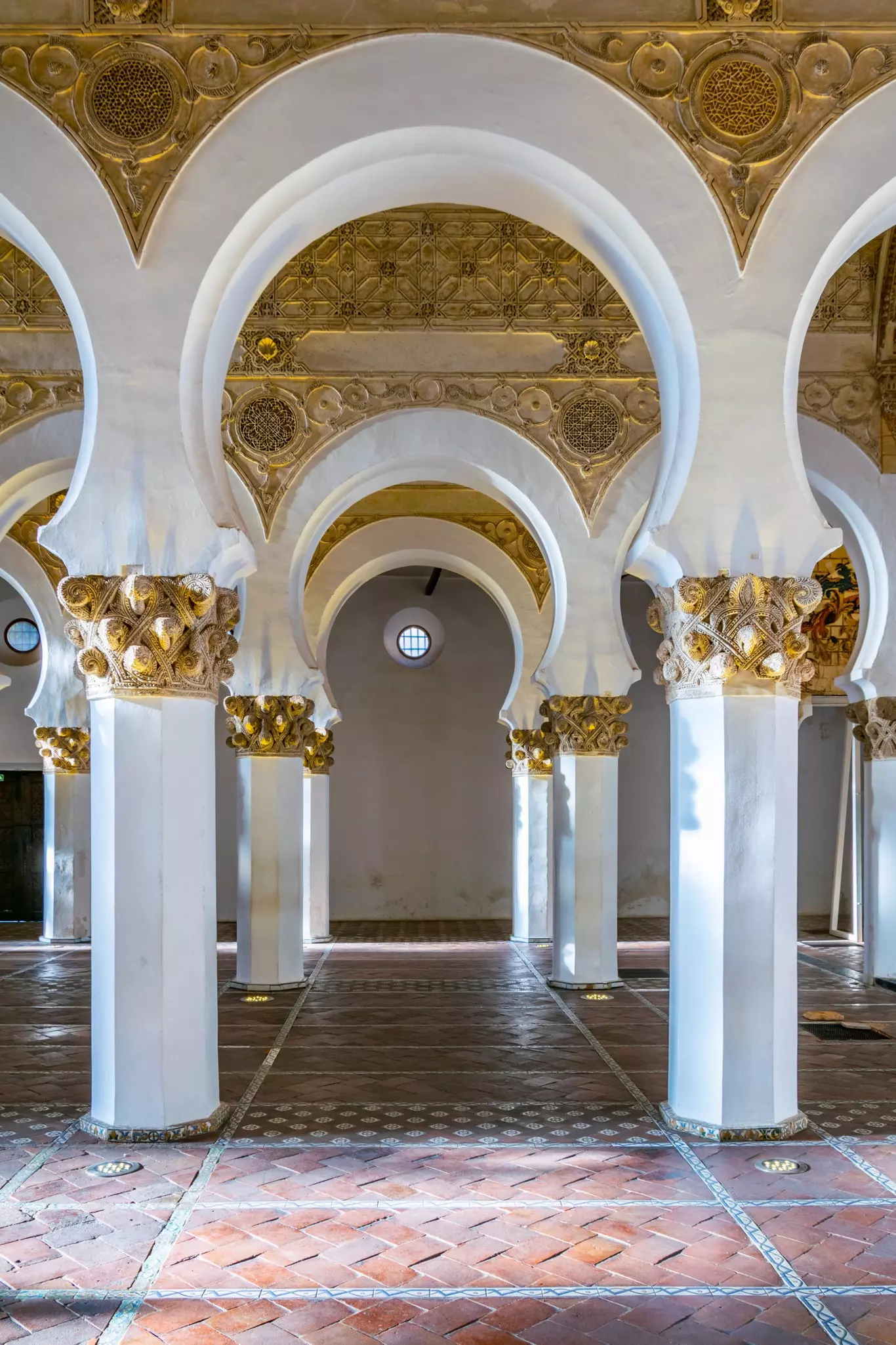
Toledo’s third religion is, of course, Judaism. A Jewish population flourished in the city under both Muslim and early Christian rule, and this synagogue, with its horseshoe arches and ornate yeseria (plasterwork) created by Muslim artisans, embodies this latter period, when all three religions coexisted.
The period of religious tolerance did not last, and persecution of the peninsula’s Jewish population culminated in 1492 when Isabella and Ferdinand insisted Jews either convert or leave the country. Spanish speakers can learn more about this period at Sinagoga del Tránsito, another spectacular medieval synagogue that's a 3-minute walk down the road. However, there’s scant info in English, and it’s not included in the Toledo Monumental pass.
Local tip: Look out for the small blue tiles embedded in the pavement around this area. Decorated with menorah and Hebrew characters, these were installed in 2012 to delineate the former Jewish quarter.
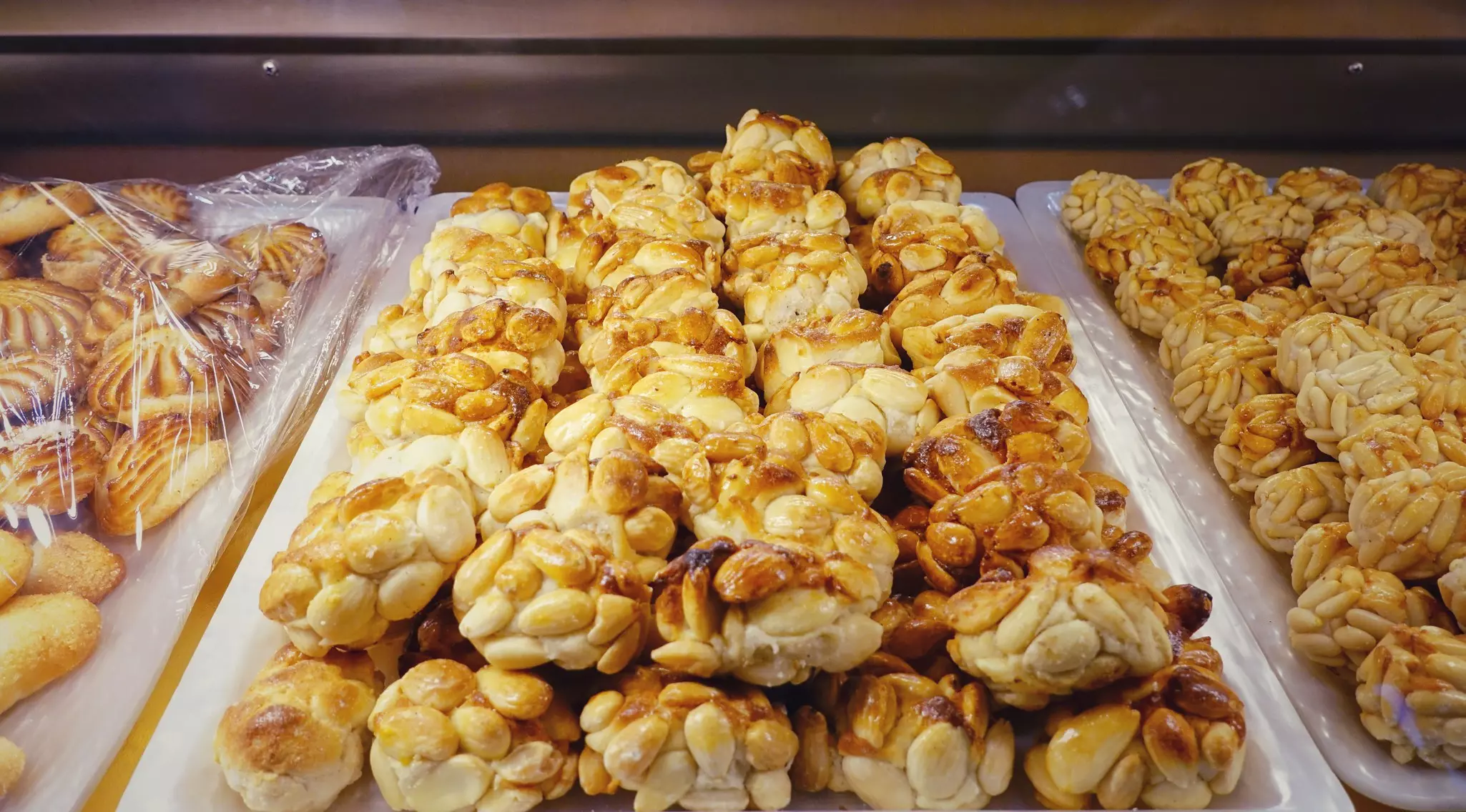
Legend has it that marzipan was invented in Toledo in 1212, during the Battle of Navas, when Muslim forces attempted to retake the city. Under siege and starving, the nuns of Convento de San Clemente mixed almond flour, sugar and water to produce the delightfully moreish and malleable treat – you can see wonderful marzipan sculptures in many shop windows as you wander around. If you fancy visiting the nuns credited with inventing the stuff, head over to the convent, which still sells marzipan on Calle de San Clemente.
Local tip: Get top-notch marzipan from Santo Tomé, Rey del Mazapan and Dulces Artesanos Convento de San Antonio.
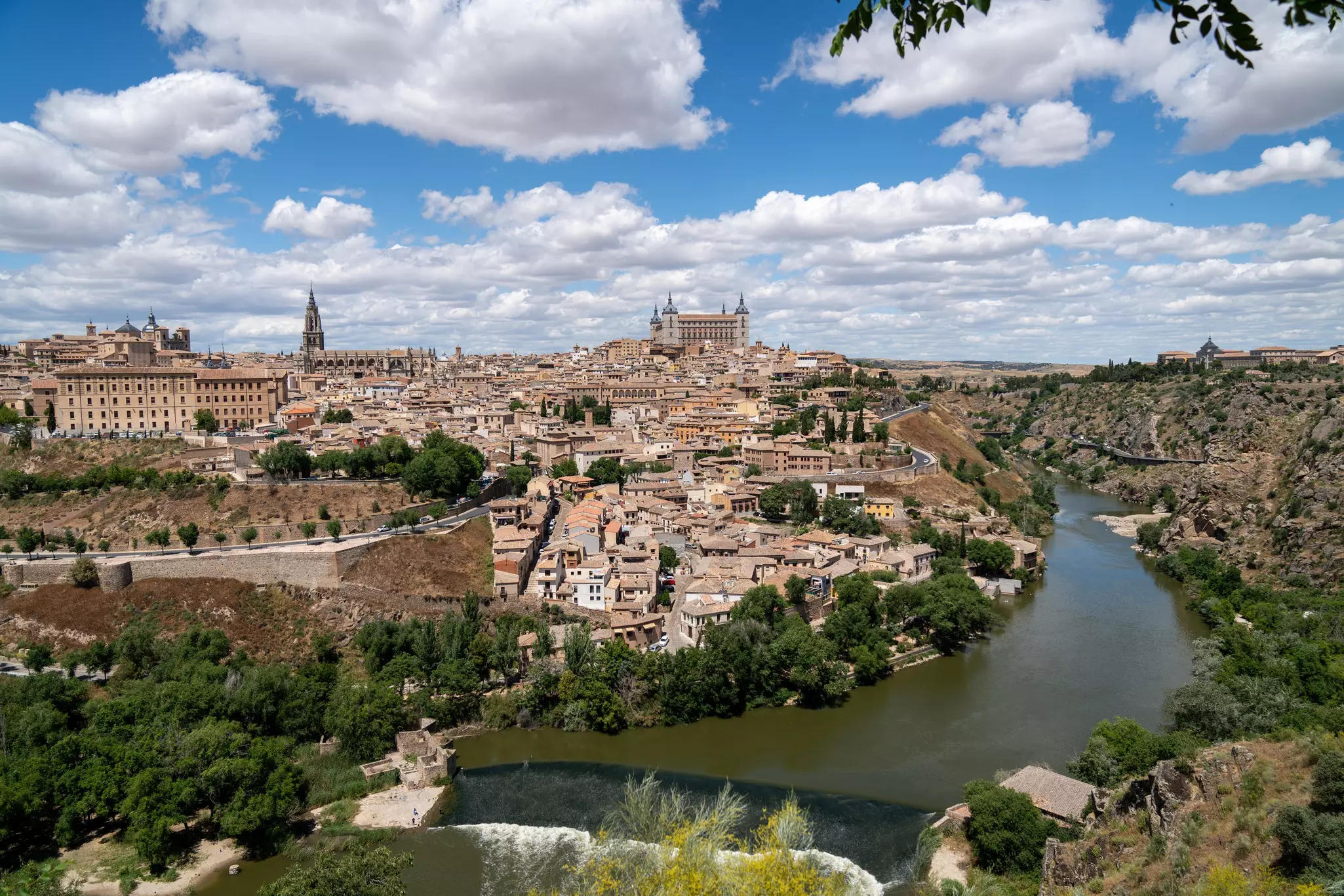
To take a load off and enjoy some epic views, head to the Paseo del Transito park, which offers great views of birds freewheeling out over the Tagus River glittering below. Get a seat at the kiosk and order a slightly overpriced coffee or beer, or simply take advantage of one of the park’s many benches.
Top tip: Look out for the statue of Samuel HaLevi just beside the park: an important Jewish figure in medieval Toledo, he rose to the position of treasurer to King Pedro “the cruel” of Castile and the nearby Museo de El Greco is built on top of HaLevi’s former palace.
This little church is not visited as much as Toledo’s other star attractions, but its architecture tells an essential story of the Iberian Peninsula’s Mozarabe community. These were Christians who spoke a blend of Latin and Arabic. Despite the demise of the kingdom of Al-Andalus, these Christians still cherished Islamic culture, and the horseshoe arches in the church are a nod to an enduring influence.
Entry is not included with the Toledo Monumental wristband, but medieval history buffs will find it’s worth the entrance fee, as the church doubles as a museum of Visigoth culture. Toledo was the Visigoth capital between the 5th and 8th centuries, and there’s no better place to become acquainted with them than this museum, where grave goods and reproductions of spectacular votive crowns are on display (info in Spanish only).
Local tip: If you’ve bought the Toledo Monumental wristband and don’t want to pay extra, you can switch this one out for Iglesia de El Salvador; built on the ruins of a Visigoth church, this former mosque has now become a church.
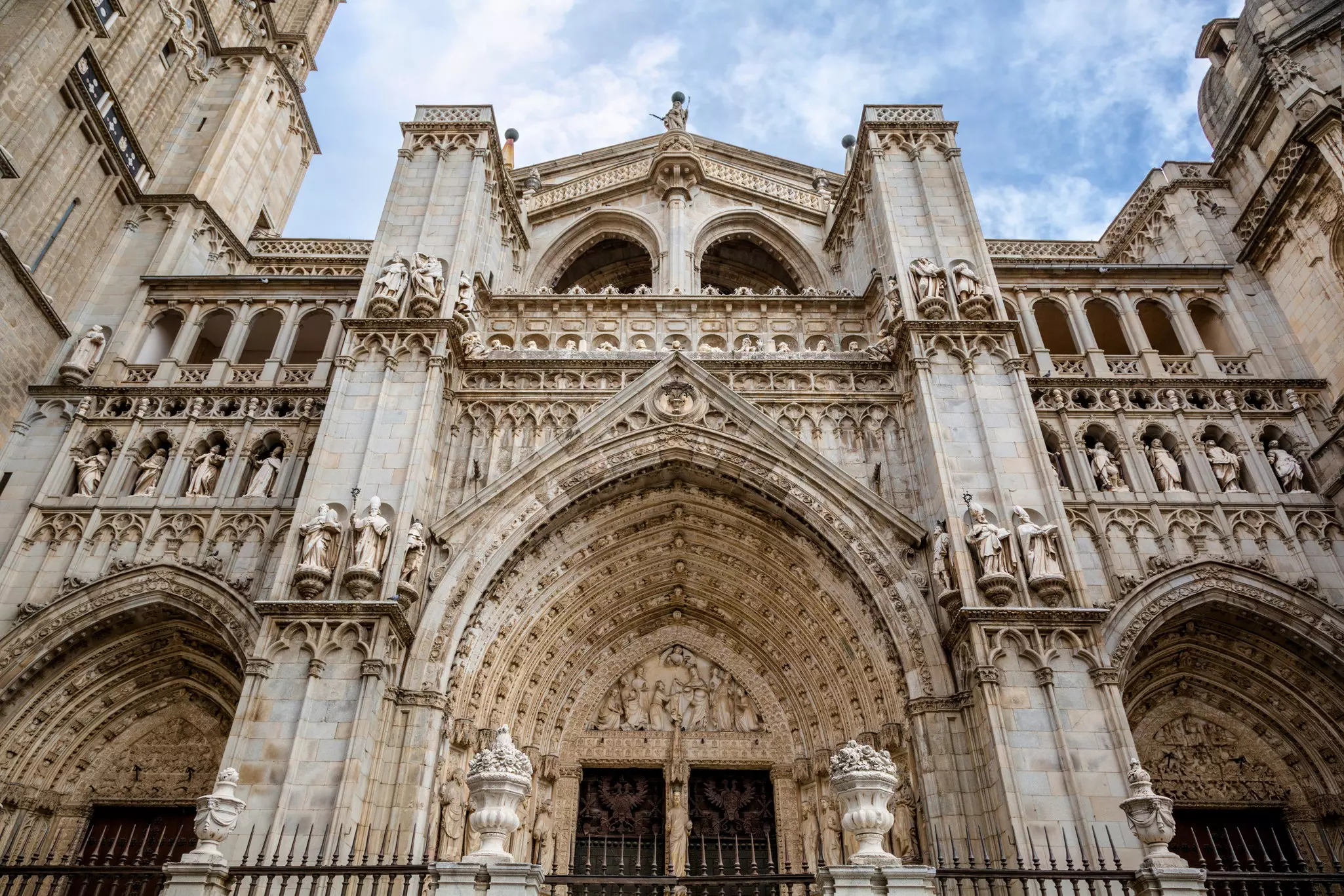
While Catedral de Toledo was a place of worship for the Visigoths and the city’s Muslim rulers, the current building dates from 1220 after the destruction of Toledo’s mosque. As ever, a lingering penchant for Islamic art is still present with Mudejar elements mixing with Renaissance styles. The spectacular medieval building also houses works by Goya, Rafael, Titian and Caravaggio, so art lovers might want to make a beeline for the sacristy first. Not part of the wristband deal, it costs €12 (US$13) to visit.
Top tip: While you can download an audio guide to your phone with a QR code, it’s a rather dull litany of dates and names.
The mountains to the south of Toledo are teeming with deer, rabbits, boar and partridge. It's a popular spot for hunting (a sport enjoyed by Spain’s elites) – disgraced former King Juan Carlos I is known for having bagged his first boar here. While hunting isn’t an accessible activity for most, game is often on the menu in Toledo. We like Alfileritos 24, a restaurant tucked into the old part of the city with innovative dishes like warm partridge salad with yuzu vinaigrette or marinated venison medallions coupled with eggplant jam. Extra points for exquisite presentation and offering gluten-free options.
Top tip: Vegans can get their hit of wild food by ordering artichokes slathered in truffle sauce at Street & Soul.
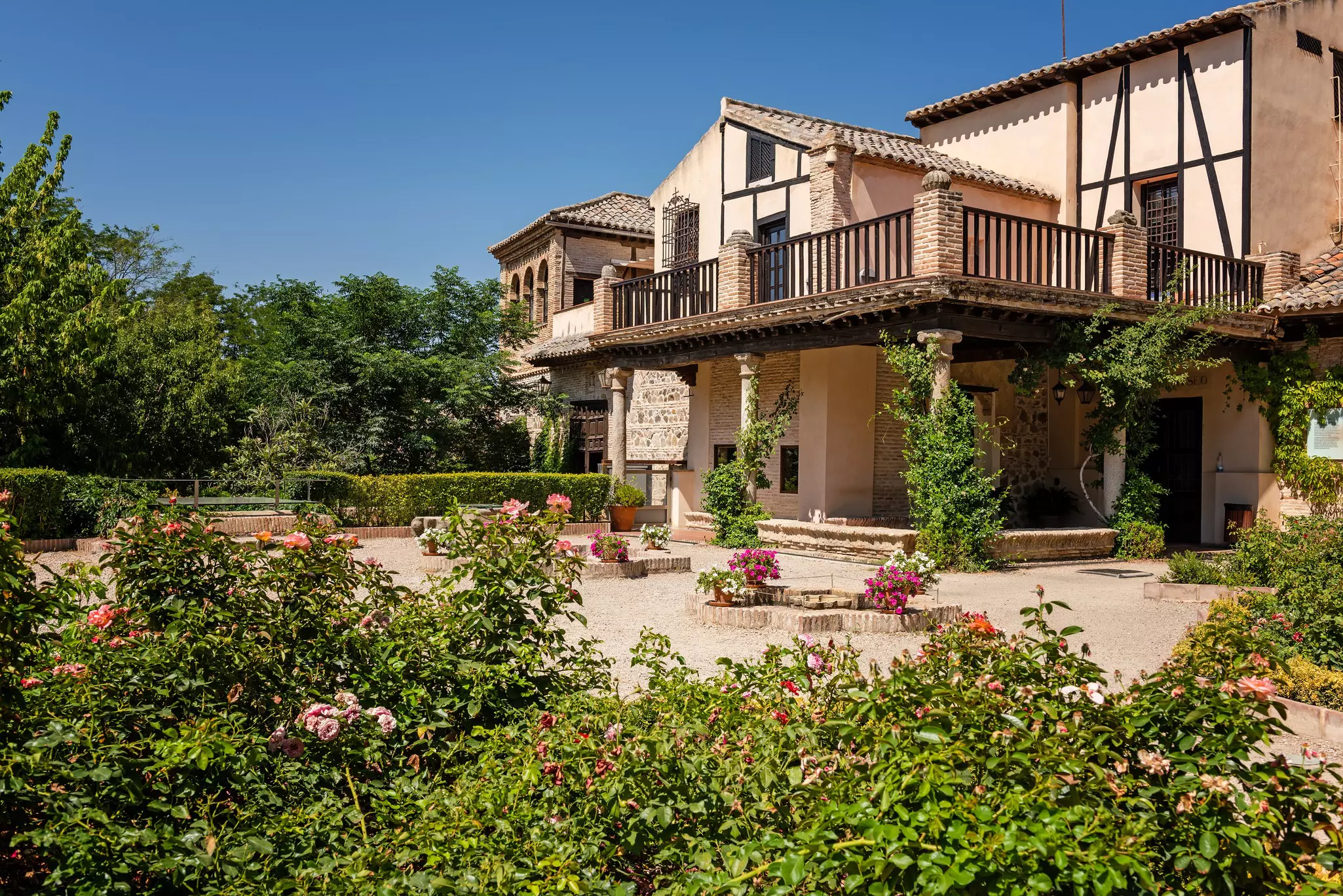
This early 20th-century building designed to recreate the house of El Greco stands on top of the remains of a Renaissance palace. El Greco (the Greek), whose real name was Domenikos Theotokopoulos, lived and worked in Toledo at the start of the 17th century, where his slightly hallucinogenic palate and oddly elongated figures impressed and bemused people by turns. He was perhaps better understood later by art admirers like the Marquess de la Vega-Inclán, who is responsible for bringing together this fantastic collection of works and creating the museum.
Top tip: This museum isn’t part of the Toledo Monumental wristband. However, one of El Greco’s finest works can be seen in the church of Iglesia de Santo Tomé, which is included in the deal.
Explore related stories