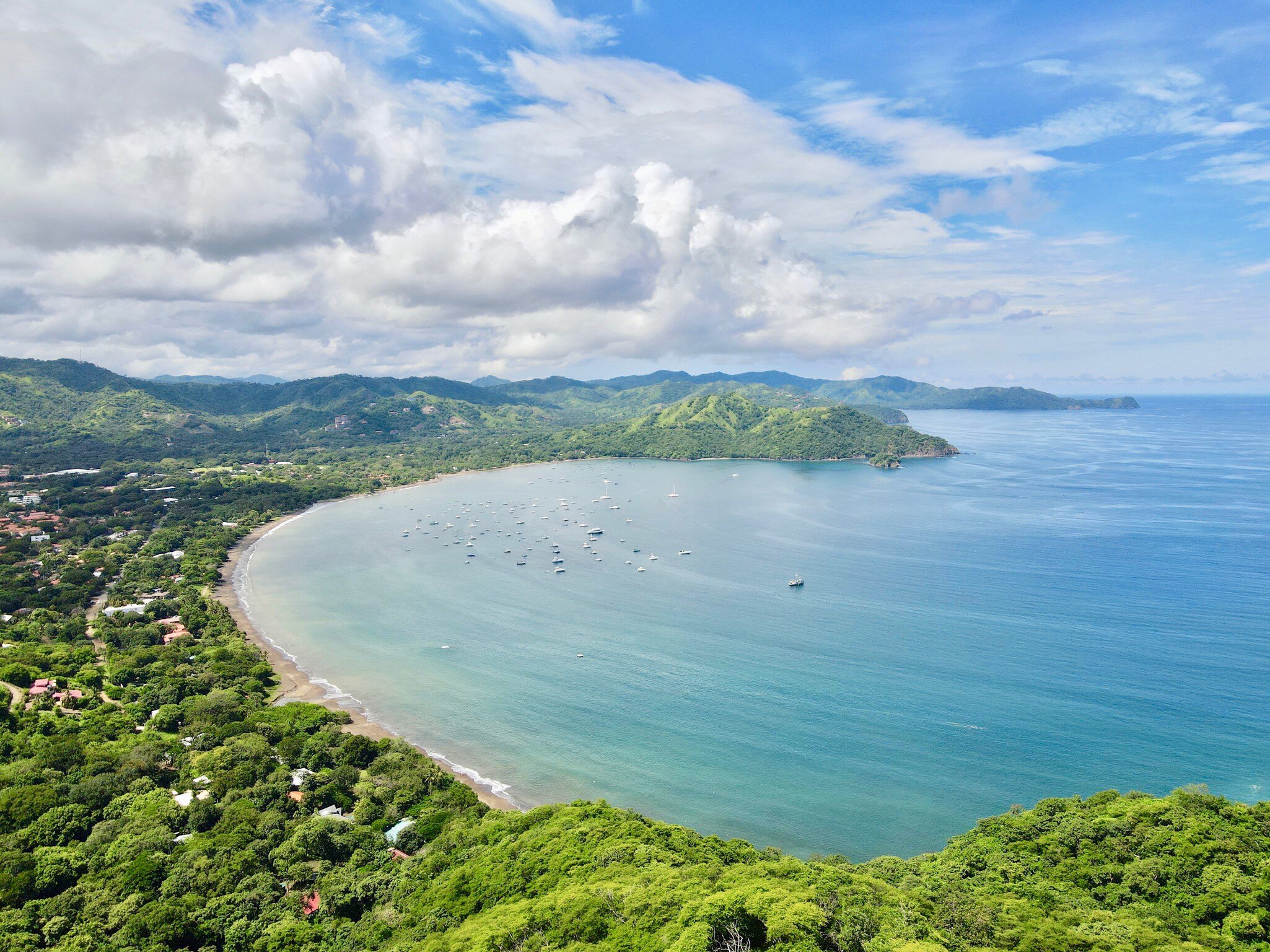
Isla del Coco is a small, volcanic island that sits about 550km off Costa Rica's Pacific Coast. A national park since 1978 (and UNESCO site since 1997), it has no permanent inhabitants besides the park rangers, making it the world's largest uninhabited tropical island. The island can only be reached by sea and is a bucket-list stop for divers looking to see large marine animals in the wild.
History
Isla del Coco was discovered in the first half of the 15th century by navigator Johan Cabezas (the actual date is debated). Over the next two centuries, it became a place of rest and refuge for whalers, corsairs and pirates, thanks to its abundance of freshwater, wood and fishing. From the late 1700s to the early 1900s, expeditions to Coco turned more scientific in nature, although the island did spend a few short years as a criminal colony and then as an agricultural colony at the end of the 1880s.
Visiting the Island
These days, the island remains uninhabited, meaning there are no accommodations on land, so visitors stay on live-aboard vessels in one of the island's two main bays – Wafer or Chatham.
While it's possible to visit by your own boat or hydroplane, most travelers have to take part in a guided tour. Tours to Isla del Coco typically last 10 to 11 days, giving you a full seven days on and around the island, and can range from US$3500 to US$7500 depending on the preferences of your accommodations. Undersea Hunter (underseahunter.com) is a popular operator for enthusiastic divers.
On Land
The island itself is nearly 24 sq km in size, and nearly rectangular in shape. It's lined by sea cliffs that reach up to 180m in height (nicknamed "The Moai"), covered with tropical forest and punctured by three peaks – the tallest being Cerro Iglesias at 634m. There are freshwater rivers that cascade into waterfalls, along with a number of bugs, birds and reptiles that call Isla del Coco home (there are no native land mammals). The island has a large percentage of endemism, including three endemic bird species, two endemic freshwater fish, two endemic reptile species and 70 endemic species of vascular plants.
To actually step foot on the island, you'll need a permit from the Costa Rican National System of Conservation Areas (SINAC; US$50 per day), arranged in advance – your tour operator should sort this out before departure.
Any island excursions, such as a hike to Wafter Bay's waterfall, are accompanied by the park rangers, who are knowledgeable about the island’s unique geology, flora and fauna.
Diving
Most people who visit the island are there to spend time underwater. Thanks to the deep waters and counter-currents that surround it, Isla del Coco is the perfect natural habitat for large marine species, and is considered to be a world-class dive spot. Divers are likely to encounter hammerhead, silky and Galapagos sharks (among others), giant manta ray and dolphin pods, whale sharks, blue marlins, swordfish and more.
Some of the main dive sites include Submerged Rock, a swim-through playground; Islas Dos Amigos, a current-heavy site where you can hold to the rocks and watch the marine show; and Dirty Rock, a popular site for mating manta rays and schooling scalloped hammerheads.
Alcyone, which is one of the main places divers go to get full-frame images of swimming hammerheads, is widely considered to have the best diving on the island, and divers who've been to Isla del Coco argue that it's one of the best dive sites on the planet.