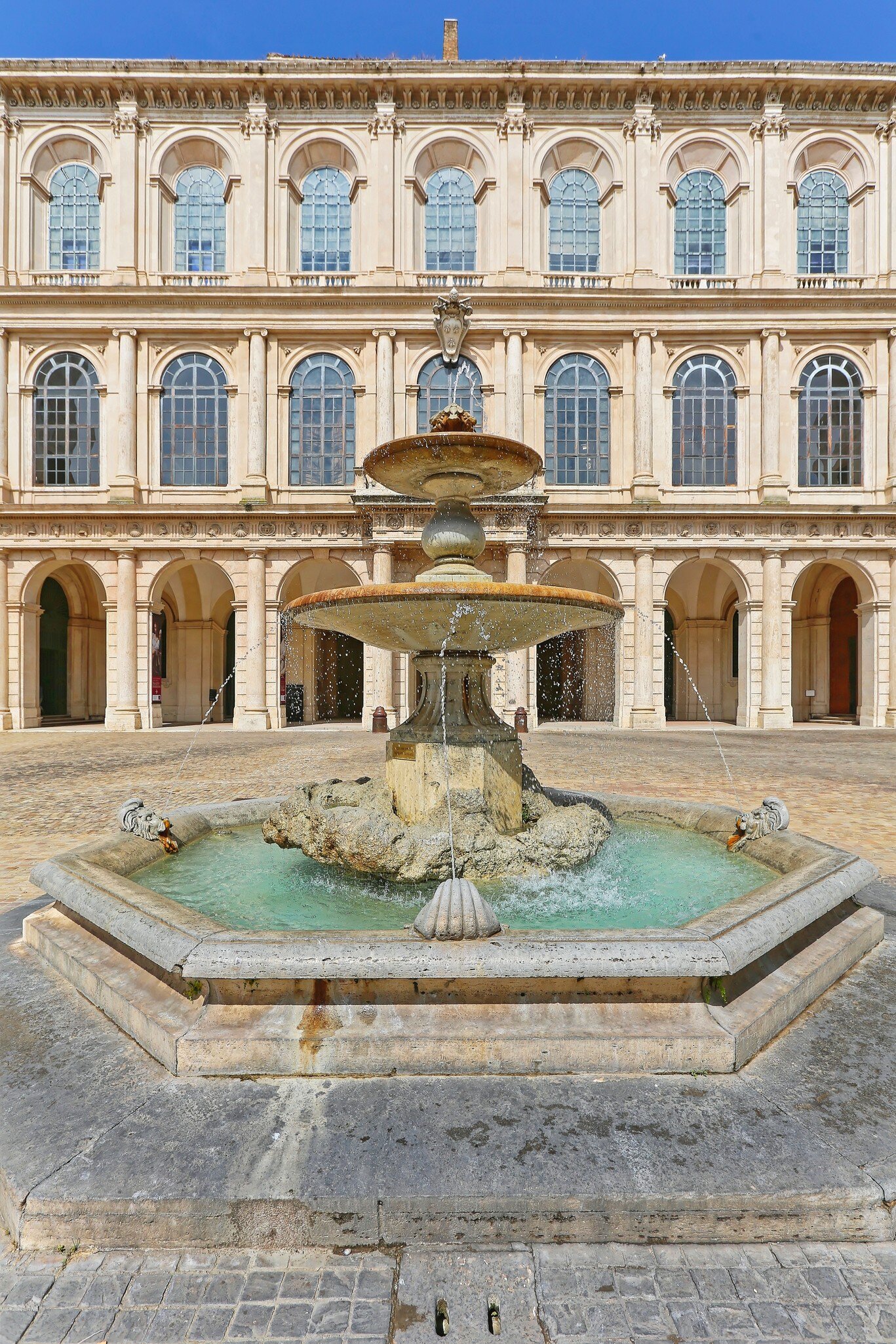
Roman families spared no expense when it came to affirming their power through any means necessary, and the Barberini were no exception, especially after their rise to the Papal throne. So it’s no surprise that their magnificent palace, commissioned at the height of the Renaissance, is a stunning collection of architecture and art, boasting works by Bernini, Caravaggio, Raphael and Borromini.
The Palace
The palace was commissioned by Pope Urban VIII, the same pope who ordered the construction of the fountains in Piazza Barberini.
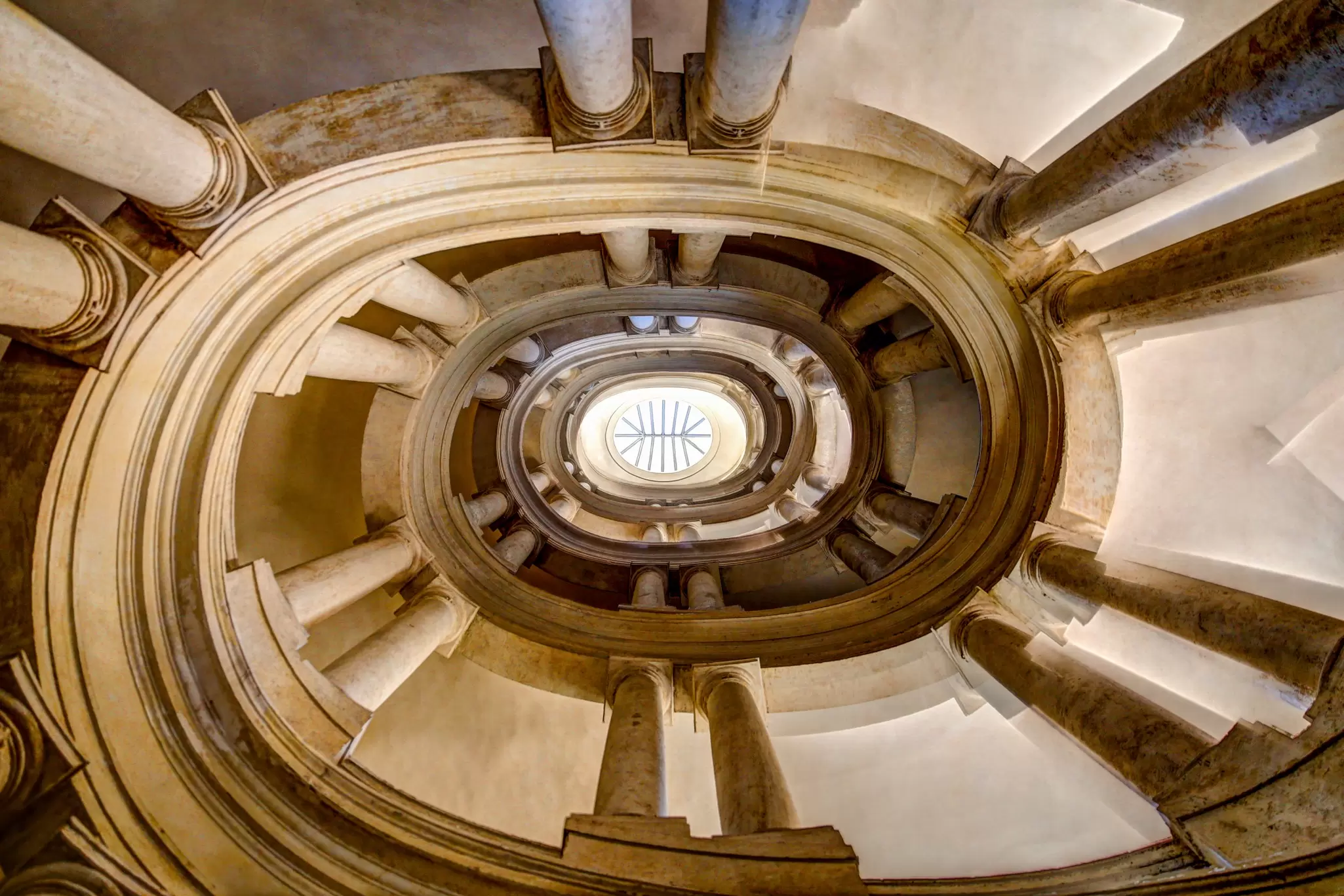
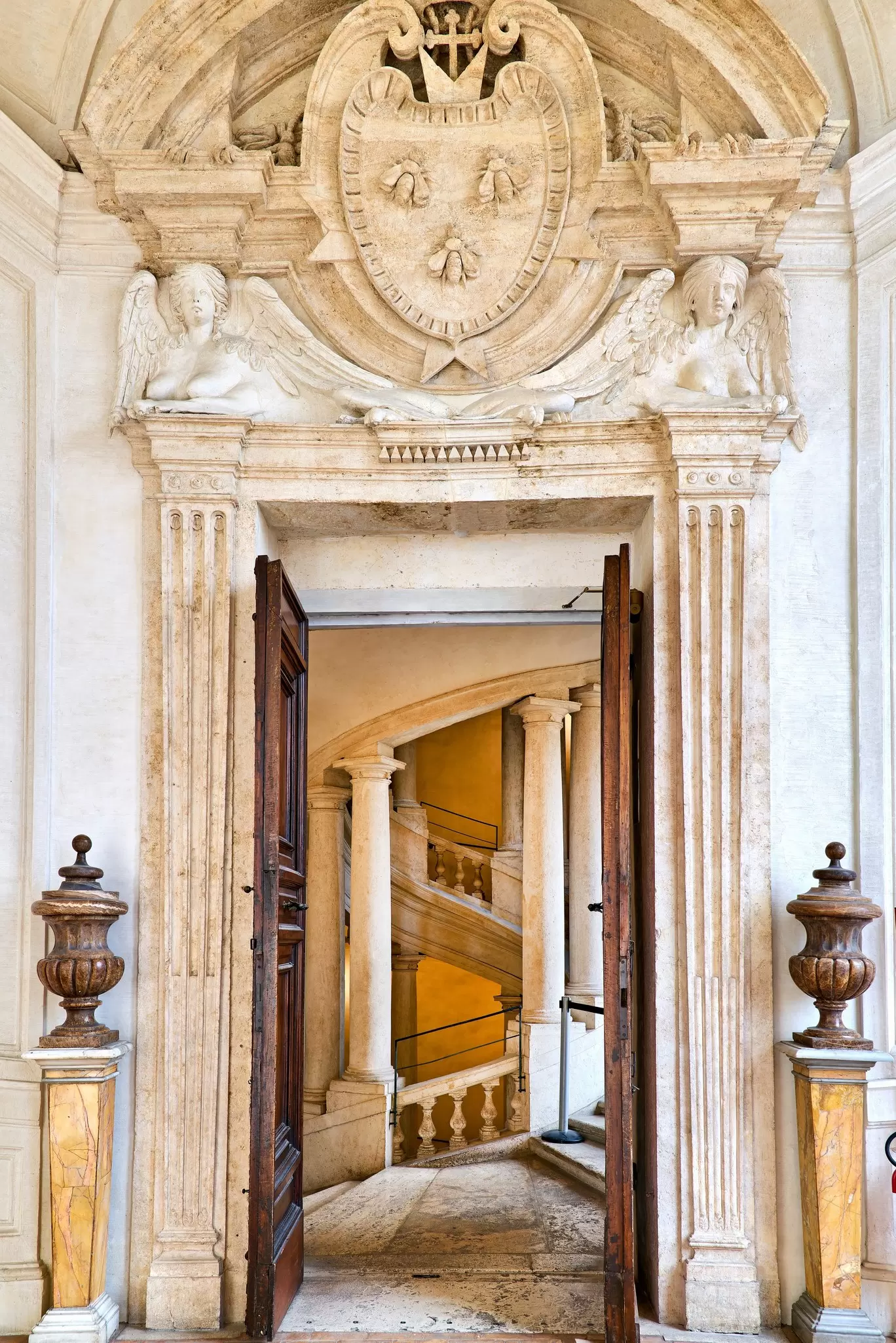
The project was entrusted to Rome’s three highest-profile architects – Carlo Maderno, Francesco Borromini and Gian Lorenzo Bernini, who worked on it from 1625 to 1633. Notorious rivals Borromini and Bernini each left a grand staircase within the palace, with Borromini’s helicoidal one probably being the most famous of the two.
The Art
Now an art gallery, Palazzo Borromini is the home of several masterpieces. Take in Filippo Lippi’s Annunciazione (Annunciation, 1440–45) on the ground floor, and then move up to see Caravaggio’s Narciso (Narcissus, 1597–99) and the gruesome Giuditta e Oloferne (Judith Beheading Holofernes, 1598–1602). You also can’t miss Raphael’s La Fornarina (Portrait of a Young Woman, 1528–19) – believed to be a portrait of his mistress, a baker’s daughter from Trastevere – as well as Hans Holbein’s famous 1540 portrait of Henry VIII of England.
Salone Pietro da Cortona
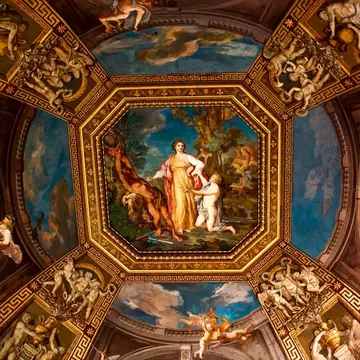
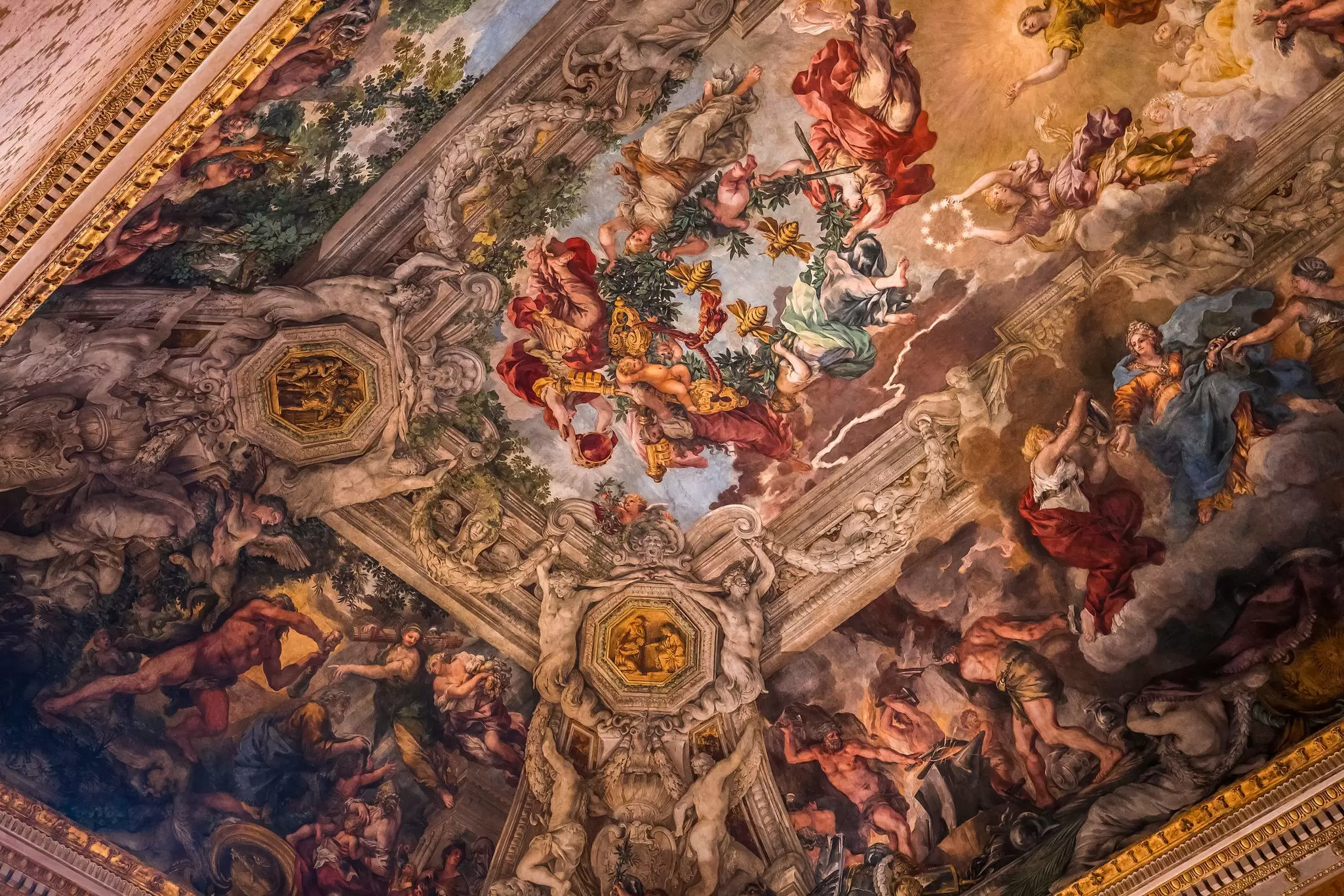
A special mention needs to go to the palace’s reception hall, where you’ll be glad to crane your neck upwards to take in Pietro da Cortona’s sprawling fresco, Il trionfo della divina provvidenza (The Triumph of Divine Providence, 1632–39) – a piece celebrating Pope Urban VIII and his family, as testified by the presence of the three Barberini bees.