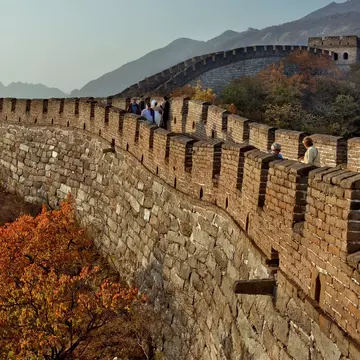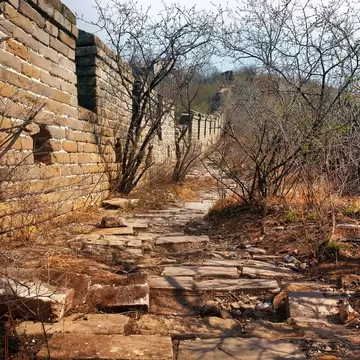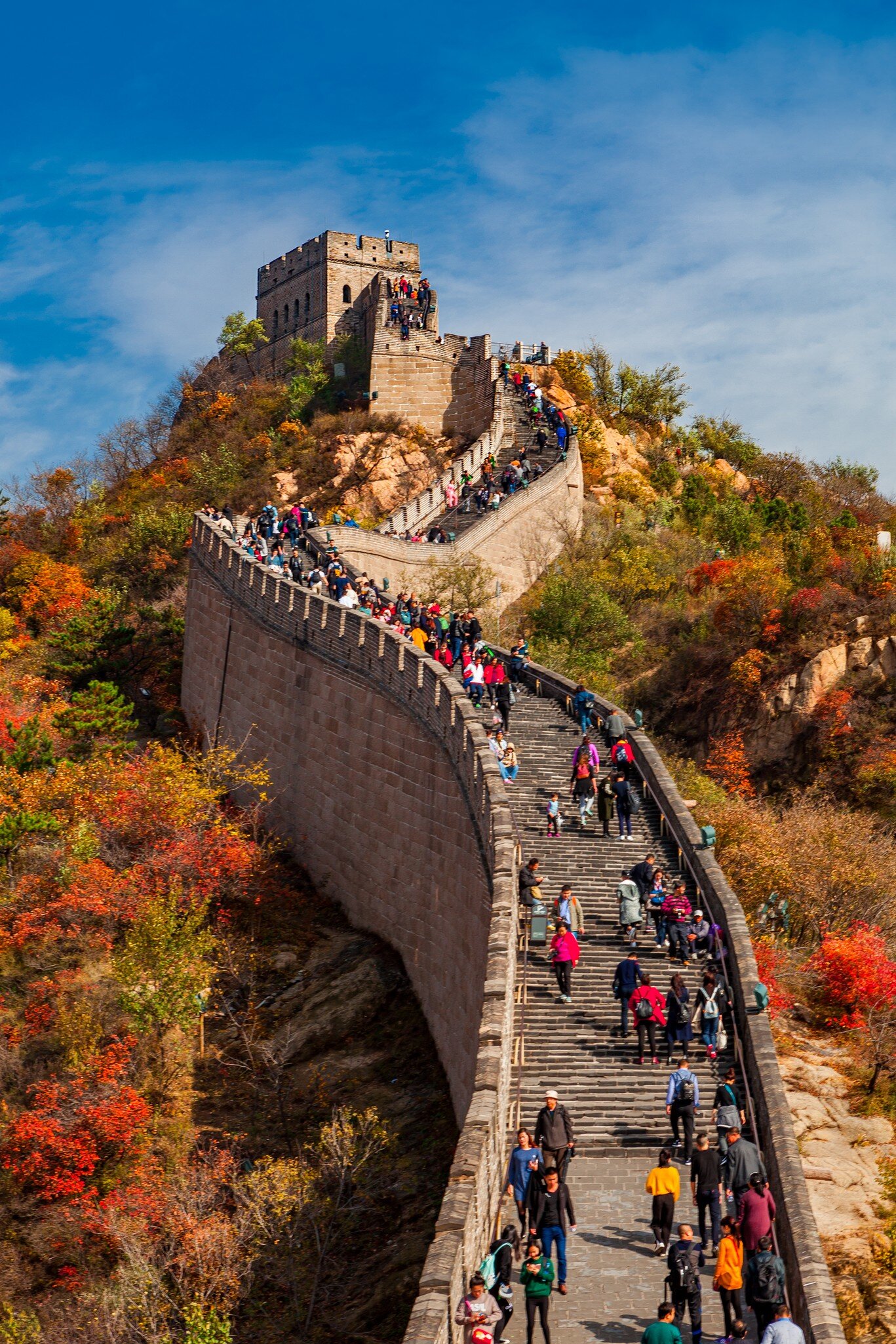
Badaling (八达岭, Bādálǐng) is the bedrock of Great Wall tourism, and the government has laboriously restored its masonry since the 1950s. When western travelers say they have seen the Great Wall, they usually mean they visited Badaling. Crowds can be intense, but the park's convenient location and heart-stopping views make it one of the most coveted day-trips in the world.
Hike the Wall
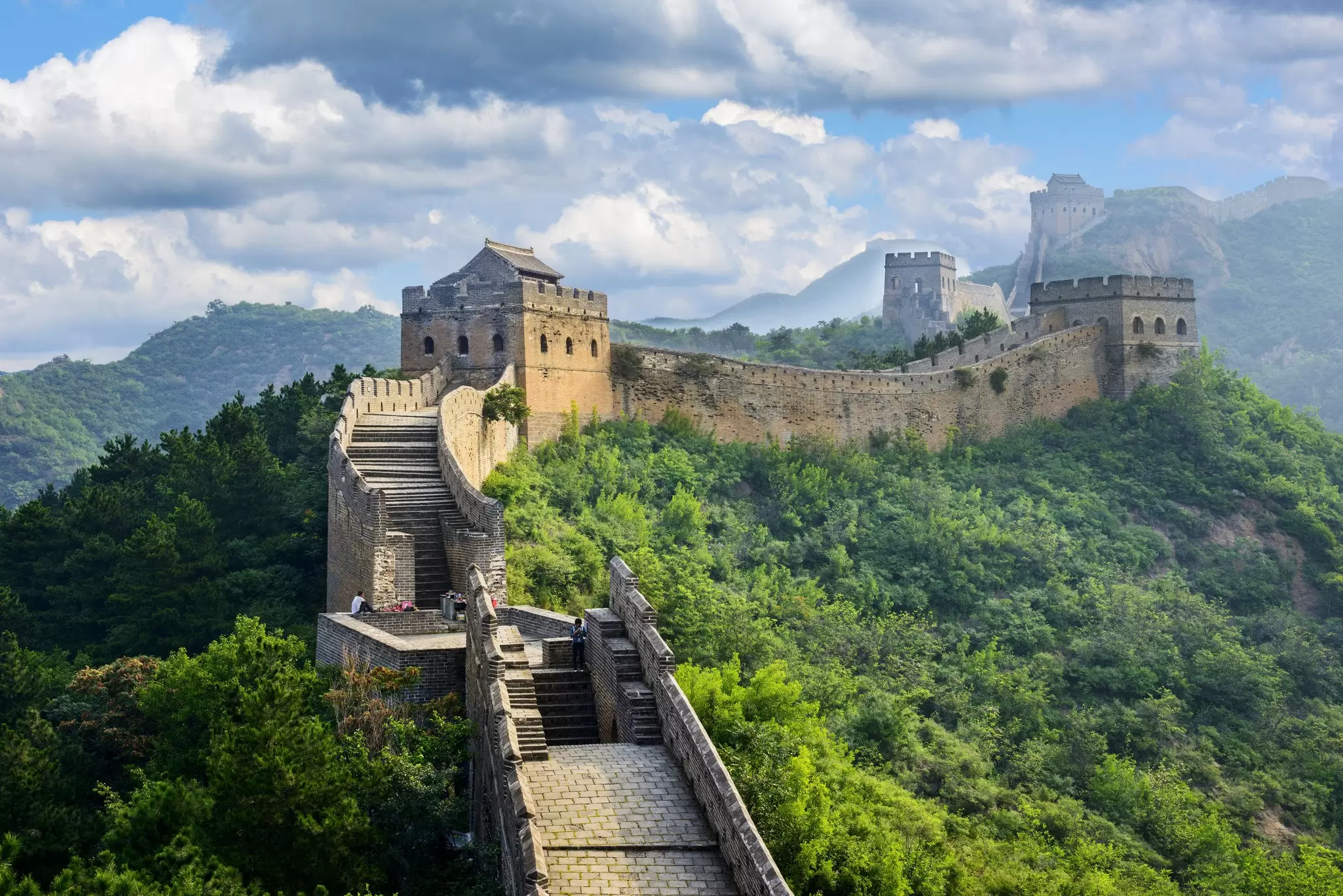
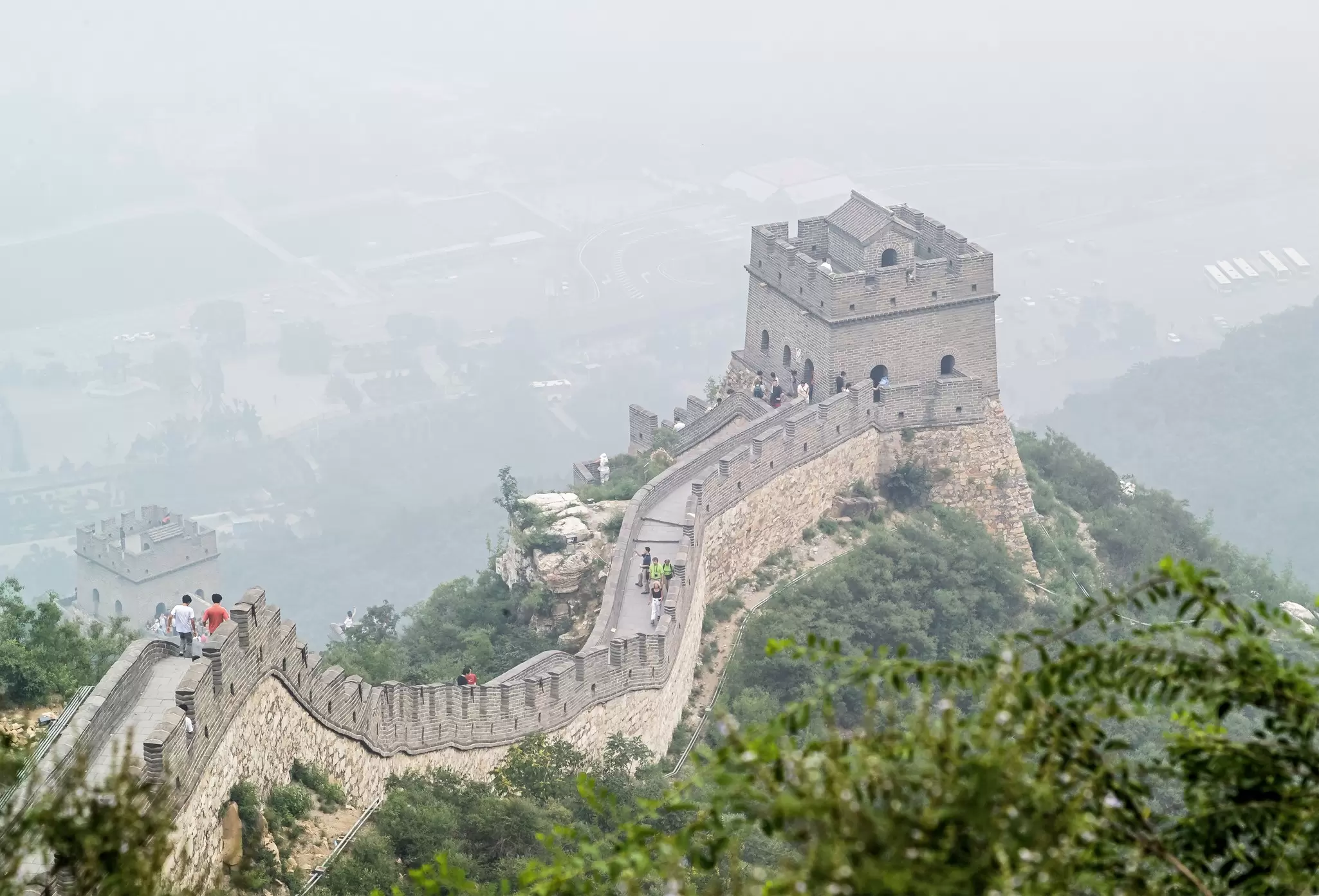
This section of the Great Wall extends 12km over the Badaling highlands, connecting 43 watchtowers and undulating far beyond view. Yet the walkable part of Badaling is a manageable 3.74km, and visitors can pass through up to 19 watchtowers. The crenellations are high on both sides, and guards will stop visitors from climbing on top. It’s normal to stand shoulder-to-shoulder with hundreds of other people as you inch your way down the brick floors. The views are spectacular on both sides of the wall, and panoramic photos are a cinch to take on a clear day, provided you dodge all the selfie sticks. During periods of rain or intense sun, the towers can be a godsend: You can duck inside for shelter and peer through the narrow windows that archers once used to pick off enemies with arrows. Note that the towers do not have staircases, so there is no rooftop access.
Ride the Cable Car
Badaling’s cable-car system is designed to lift visitors over the ridges and deposit them at the summits. The transparent walls provide 360-degree views as you rise over the precipitous slopes. There are two well-marked cableways: the North Cableway is longer and adjacent to the main car park, while the South Cableway is shorter and a slightly longer walk. The cable cars are great for aerial shots of the wall, and they provide shortcuts for starting or ending a hike, taking only a few minutes from station to station. Alternatively, you can try the "pulley" system; climb into a plastic chair and ride for 10 minutes up a narrow-gauge track, much like a roller-coaster. Cable cars cost ¥100–140 and pulley rides ¥80-120; tickets can be purchased from posted QR codes or at well-marked booths at the base. Children under 1.2m ride free.
Shop the Market
An inclined road leads from the car park to the main entrance, and its pavements are lined with souvenir shops, cafes and restaurants. Life-size statues, sculpted to look like Ming dynasty workers and warriors, are scattered along the route. The shopkeepers are remarkably easygoing for such a well-trafficked destination, although most items can be found at a cheaper price back in Beijing. If you’re traveling light, these shops are a smart place to stock up on food and bottled water. The street has two sizable public restrooms, and you’re wise to use them before venturing onto the wall, where plumbing is limited.
Explore the Grounds
The China Great Wall Museum opened in 1994 to help visitors understand Badaling's history and importance; for three decades, the museum displayed more than 2000 artifacts, mostly from Badaling's heyday during the Ming dynasty. Following a lull in attendance, the museum has been rebuilt and reopened in 2025. The new space has been expanded and modernized, and curators are actively growing their collection. The plazas around the main entrance are nice for a picnic lunch, and you can find a statue of 16th-century general Qi Jiguang on horseback.