Jul 21, 20268 min read
A Walking Tour of Galle Fort, Sri LankaJul 21, 2026
8 MIN READ
Writer
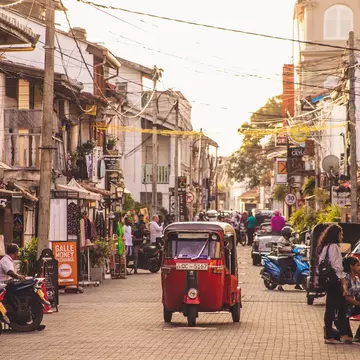
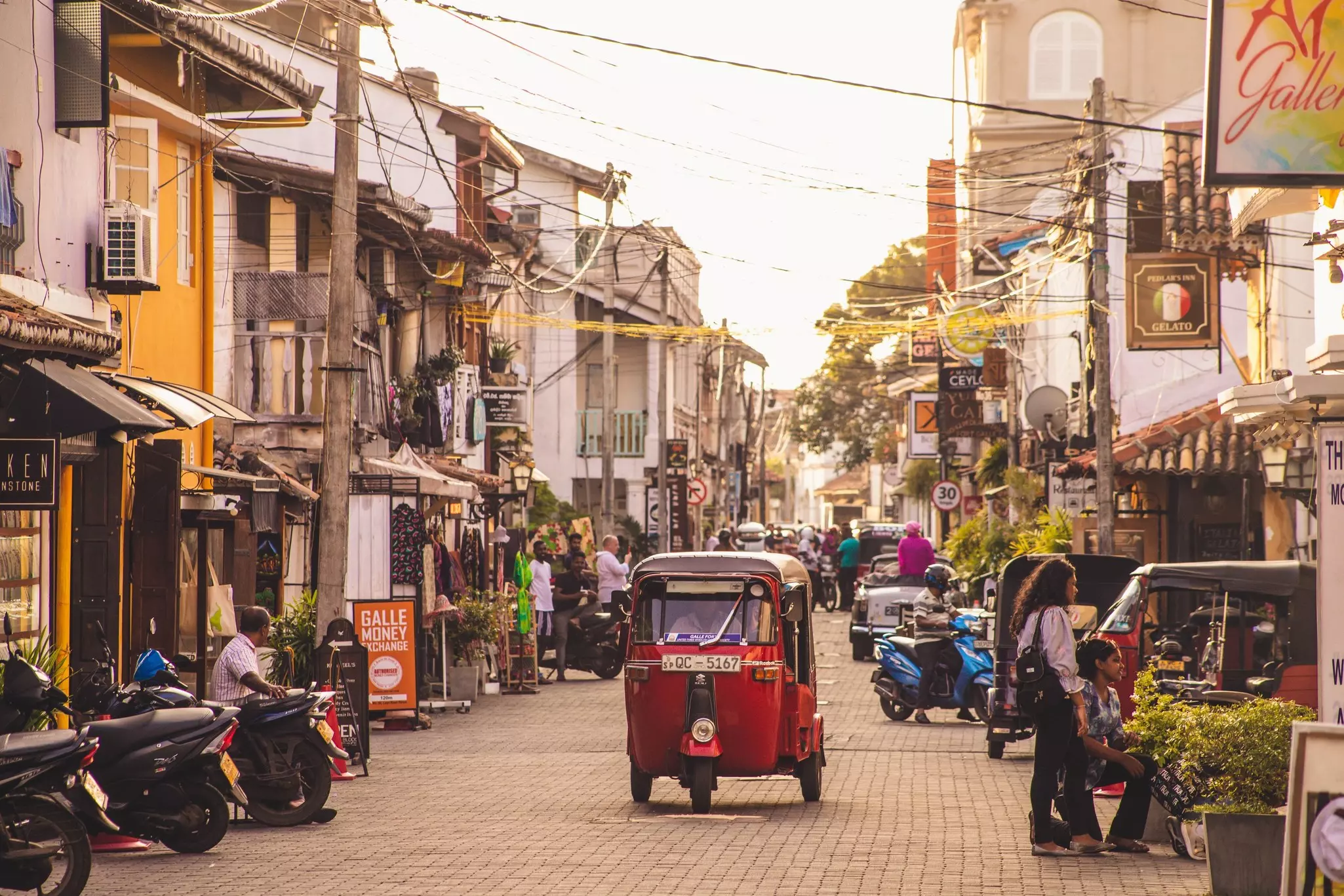
A street in Galle Fort. Paulo Henrique Pigozzi/Shutterstock
Writer
Highlights
Writer James Pham maps a three-to-four-hour walking tour of Sri Lanka's Galle Fort.
Visit All Saints' Church for Gothic arches, then the Black Fort for harbor views.
Order a kithul latte at the Old Dutch Hospital and a cardamom latte at Coffee Brunch.
Catch the sunset from the ramparts, then taste arrack varieties at Ropewalk Bar.
Lonely Planet may earn a commission from affiliate links on our site. All recommendations and reviews reflect our own independent opinions.
Encircled on three sides by the Indian Ocean, Galle Fort is one the most atmospheric destinations in Sri Lanka. It’s a place where you can get close to centuries of trade, conquest and cultural exchange through elegant heritage buildings now repurposed into stylish cafes, cute boutiques and gorgeous hotels.
Galle’s first colonizers (from 1588 to 1640), the Portuguese built the original fortifications and established Galle as a strategic port in what was then Portuguese Ceylon. The fort was subsequently captured by the Dutch (1640–1796), who added massive stone walls, ramparts, bastions and a street grid. At the end of the 18th century, the British took over from the Dutch, using Galle Fort as an administrative center until Sri Lanka gained independence in 1948.
What sets Galle Fort apart from many other heritage destinations is that it very much remains a living, working community. “I like to call it a living monument,” says tour guide Chirath De Silva, a third-generation resident of Galle Fort (WhatsApp +94 72 759 5970). “Schools, churches and courts are still functioning for the thousand or so people who live here. This is the only place in the world where the history of three European nations converges. The fort looks different throughout the day, from watching the sunrise on the wall to the colorful scenes of all the restaurants lit up at night.”
Since the fort is so compact and flat, it’s best explored on foot. As a bonus, since the streets are laid out in a neat grid and there’s water on three sides, it’s impossible to get lost.
Allow 3 to 4 hours for this leisurely stroll through Galle Fort, with stops for eating, shopping, history and culture along the way.
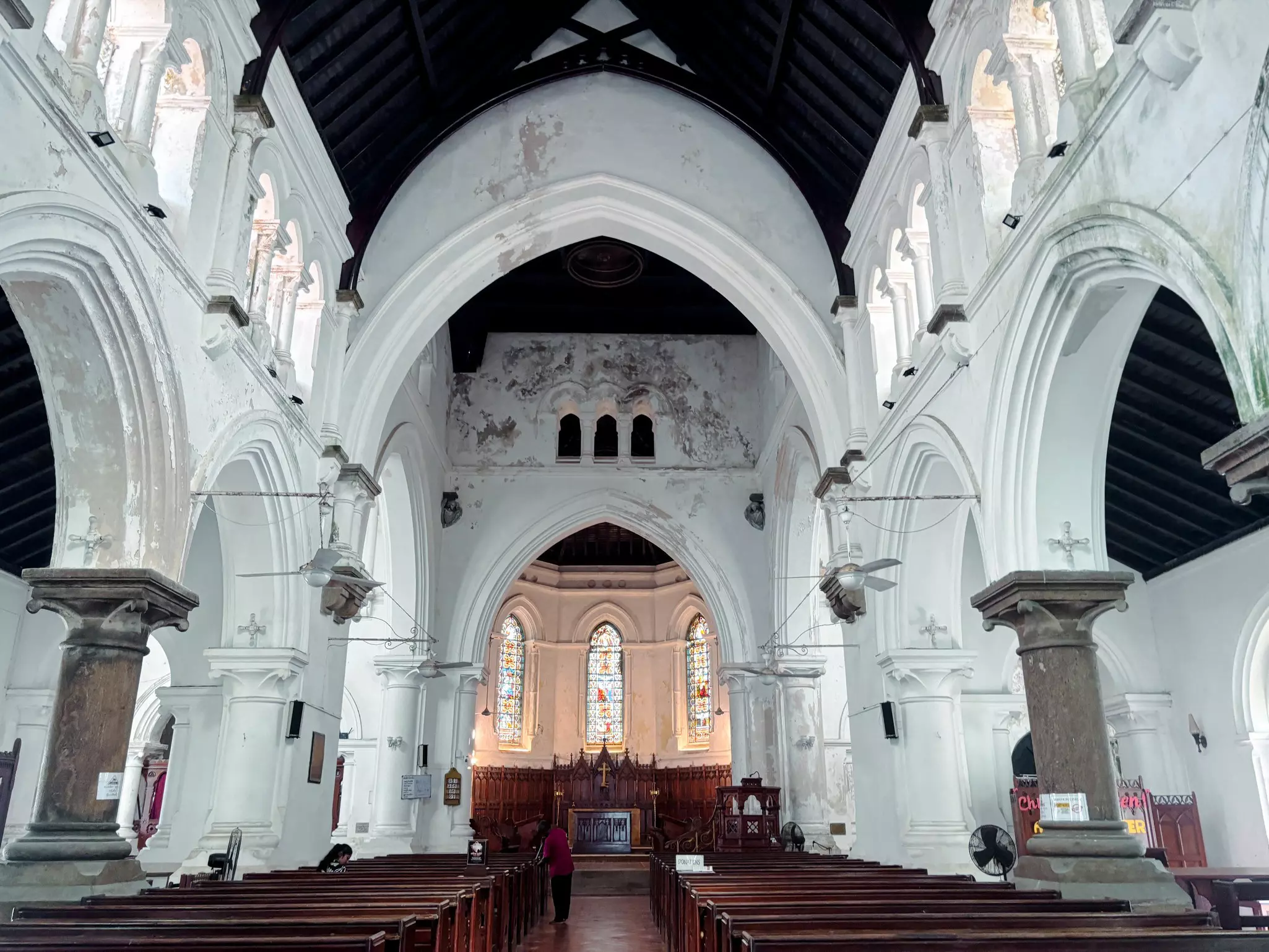
Start your tour at All Saints’ Anglican Church. Built atop the site of a Dutch-era courthouse and consecrated in 1871, All Saints has pointed Gothic-style arches, stained glass windows and high timber ceilings. Notice the teak pews and cruciform floor plan as well as how the Victorian Gothic Revival architecture has been adapted for the tropical climate, including through high ceilings, a timber roof and shaded openings on multiple sides to allow sea breezes in.
Planning tip: The church is open to the public starting at 10:30am, with Eucharist service on Sunday at 9am.
Once a 17th-century Dutch warehouse built into the fortifications, the Maritime Archaeology Museum today showcases the seafaring heritage of Sri Lanka, which has connected eastern and western maritime routes for centuries. Don’t miss artifacts recovered from ships that sank in Galle Harbor; items related to the Dutch East India Company (Vereenigde Oostindische Compagnie, or VOC), such as porcelain objects and weapons; and displays on life by the sea, with fishing boats and traditional fishing tools.
Detour: As you exit the museum, turn right and head through the Dutch Gate (officially known as the Old Gate). A 3-minute walk takes you to Sipnara Shipla Saviya, a showroom operated by the National Crafts Council, where you can pick up traditional textiles, wooden and lacquer objects, beeralu lace and other souvenirs – all while supporting local artisans. Another 5-minute walk takes you to the lively morning fish market, which takes place next to colorful boats on the beach. (Tip: as you’re exiting the gate, look for the VOC emblem; as you’re coming back in, notice the British Royal Coat of Arms.)
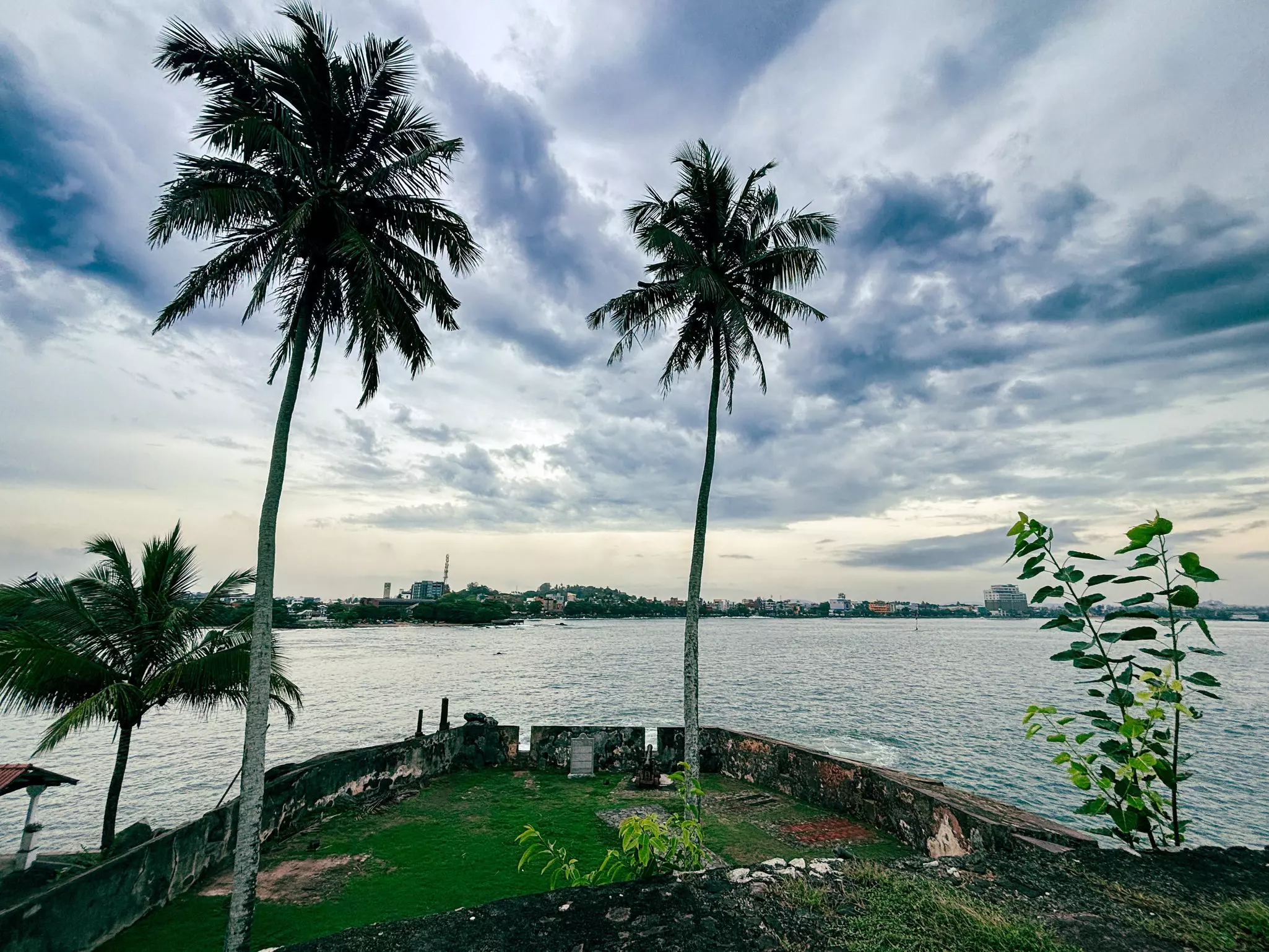
Built by the Portuguese in the late 16th century, the Black Fort is likely the oldest surviving part of the fort complex. Its name probably derives from the black smoke from the smithing workshops and cannon fire that stained its walls. After checking out the defensive terraces and old stone buildings, take in the stellar views over the harbor from the same strategic position defenders once used to spot approaching ships.
Planning tip: The Black Fort is easily overlooked as it’s located behind a gate and up a short uphill path. From the Maritime Museum, walk toward the harbor and look for the entrance to the Deputy Inspector General police office along Hospital St.
Built in the 18th century to treat Dutch colonists, the Old Dutch Hospital has today found new life as a retail complex for upscale boutiques and restaurants. Grab a caramel-esque kithul latte (flavored with jaggery made from the sap of the fishtail palm) from Gafe as you browse the shops along the handsome colonnaded verandas, which are a popular backdrop for wedding photos.
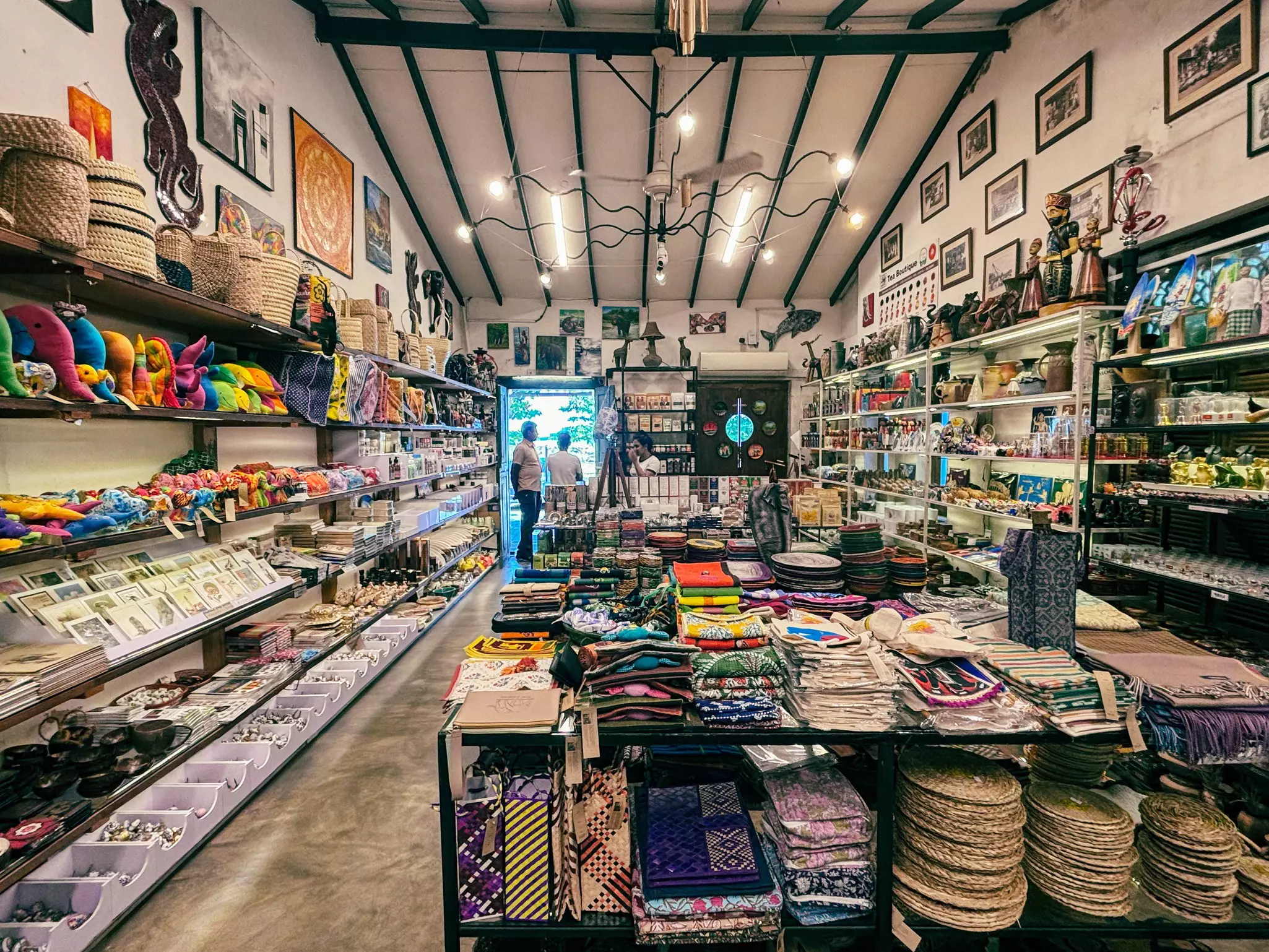
You’ll find many of Sri Lanka’s superb crafts here in Galle, including wood carving, jewelry, tea and gems. Family-owned Orchid House has most of these in one place, including an extensive selection of teas and other locally made souvenirs in the front half, and a jewelry shop in the back. If you’re feeling thirsty, pop across the street to the popcorn cart that sells a refreshing citrus drink made of ambul dodang, a tart and sour variety of orange.
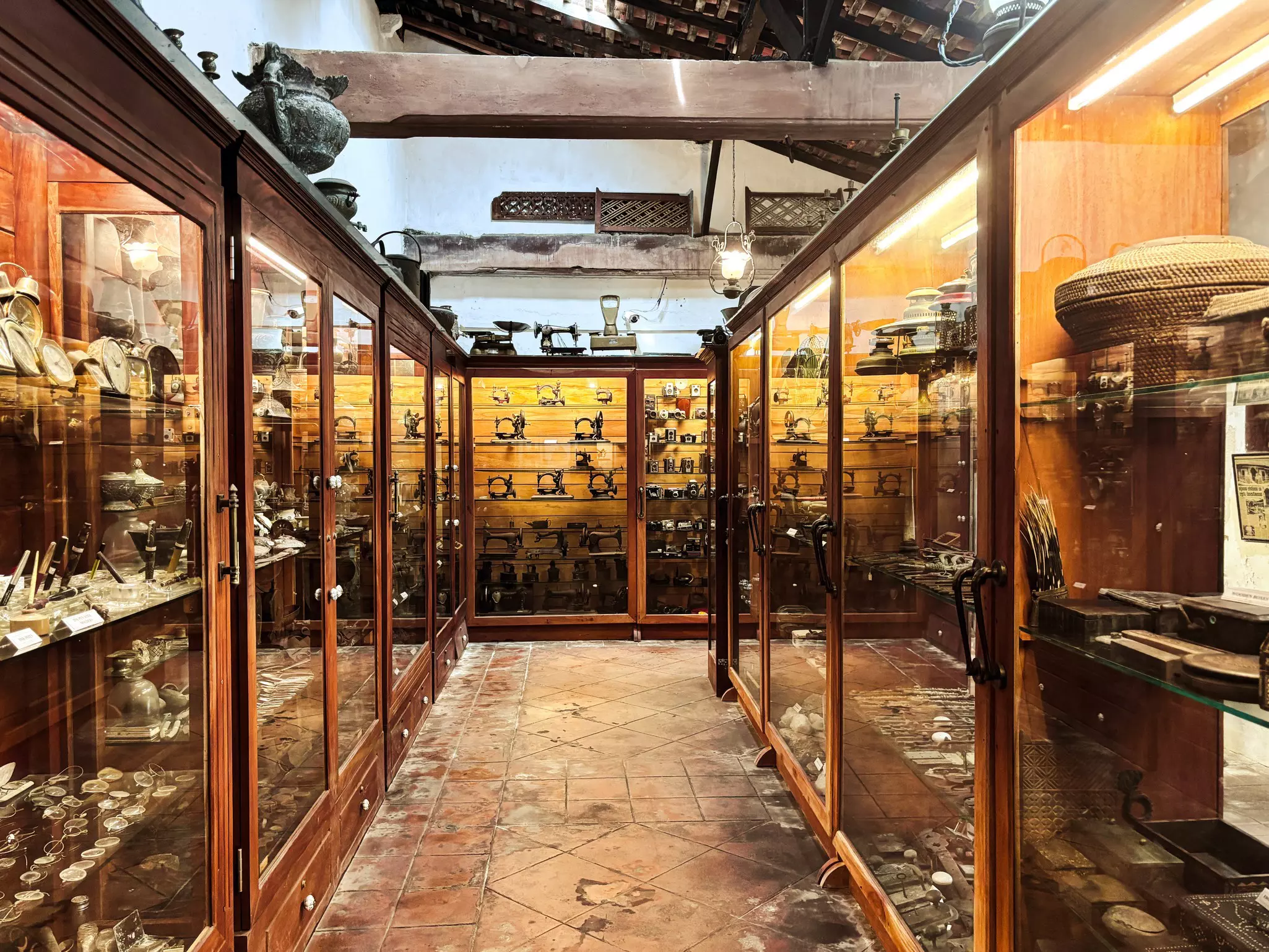
This privately owned museum and antique store feels like a time capsule of the past several hundred years. It’s chock full of VOC-era artifacts like coins, porcelain and brass betel-nut cutters, as well as random vintage items from everyday life – think gramophones, box cameras and sewing machines. Admission is free, and some of the items are for sale.
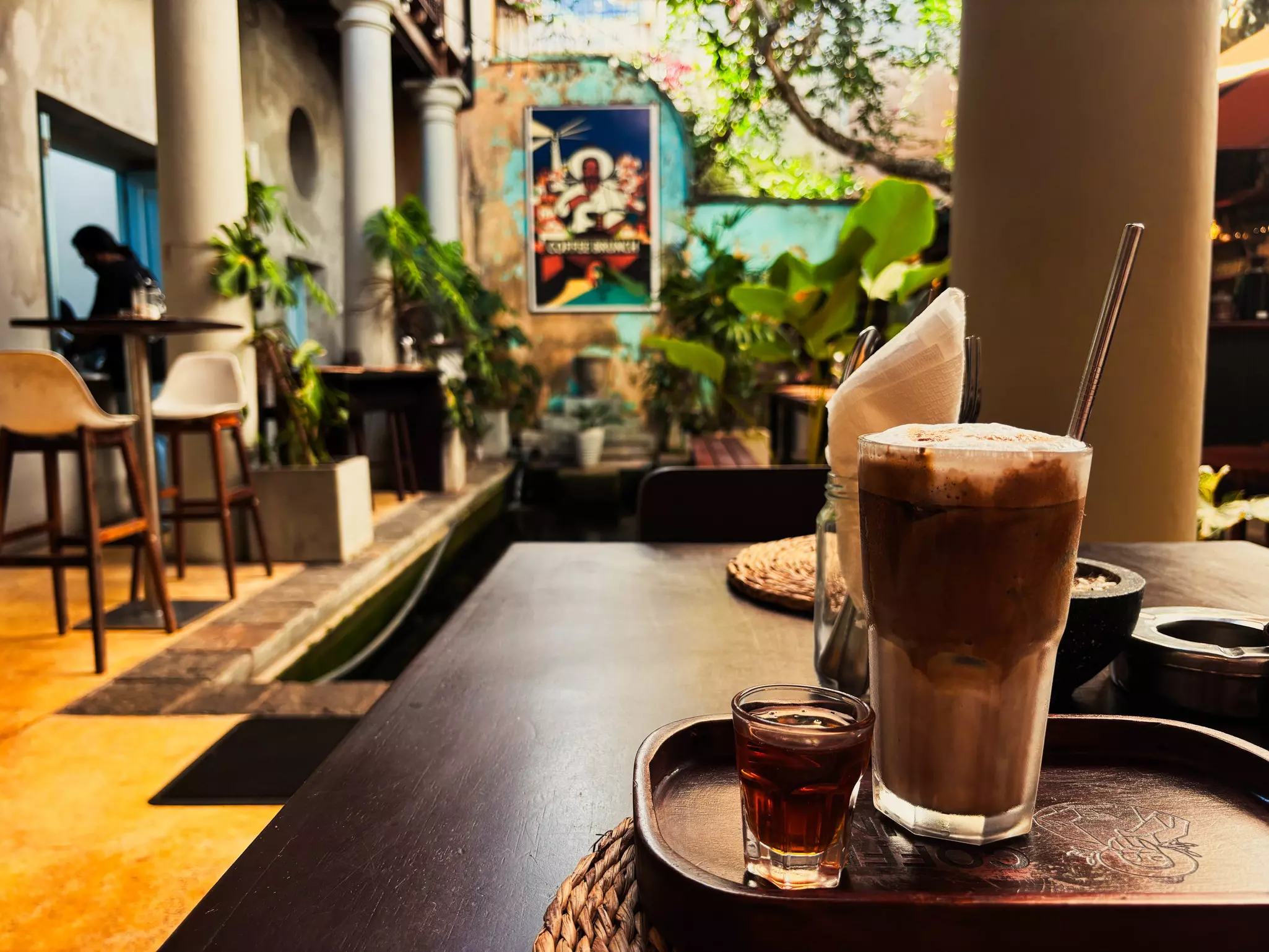
You should take your time walking around Galle Fort – for the chance to stop for nibbles and window shopping in between cultural highlights is a major draw. Head west along Pedlar St, the fort’s main road, to find loads of gem and gelato shops, then duck into Stick No Bills, filled with vintage travel postcards and posters. Hidden in the back is Coffee Brunch, a retro oasis complete with a koi pond, Zen vibes, homemade brunch items and a delicious cardamom latte.
Spotting the blend of various cultural influences is another highlight of any stroll around Galle Fort. Distinctly European in style, the Sri Sudharmalaya Viharaya Buddhist temple has arched windows and doors and a small belfry-like tower to go along with its stupa. Yet once inside (entry is free), you’ll find traditional Buddhist devotional imagery, including a large reclining Buddha statue.
At the corner of Pedlar and Rampart Sts, Pedlar’s Corner Café serves above-average food with stellar sunset views. Snag a table on the upstairs terrace for best vistas. If you don’t want to pay, join the many locals watching the sunset all along the ramparts.
Uzmal Yameen, a teen who grew up in Galle, recommends grabbing a few spicy rottis from the tiny Hot Hot Roti stand and watching the sunset from Flag Rock Bastion, the southernmost point of Galle Fort. As a bonus, you might meet the “Crazy Jumpers” – local cliff divers who leap into the shallow waters below. (The spectacle is free to watch, but tip if you take photos or videos.)
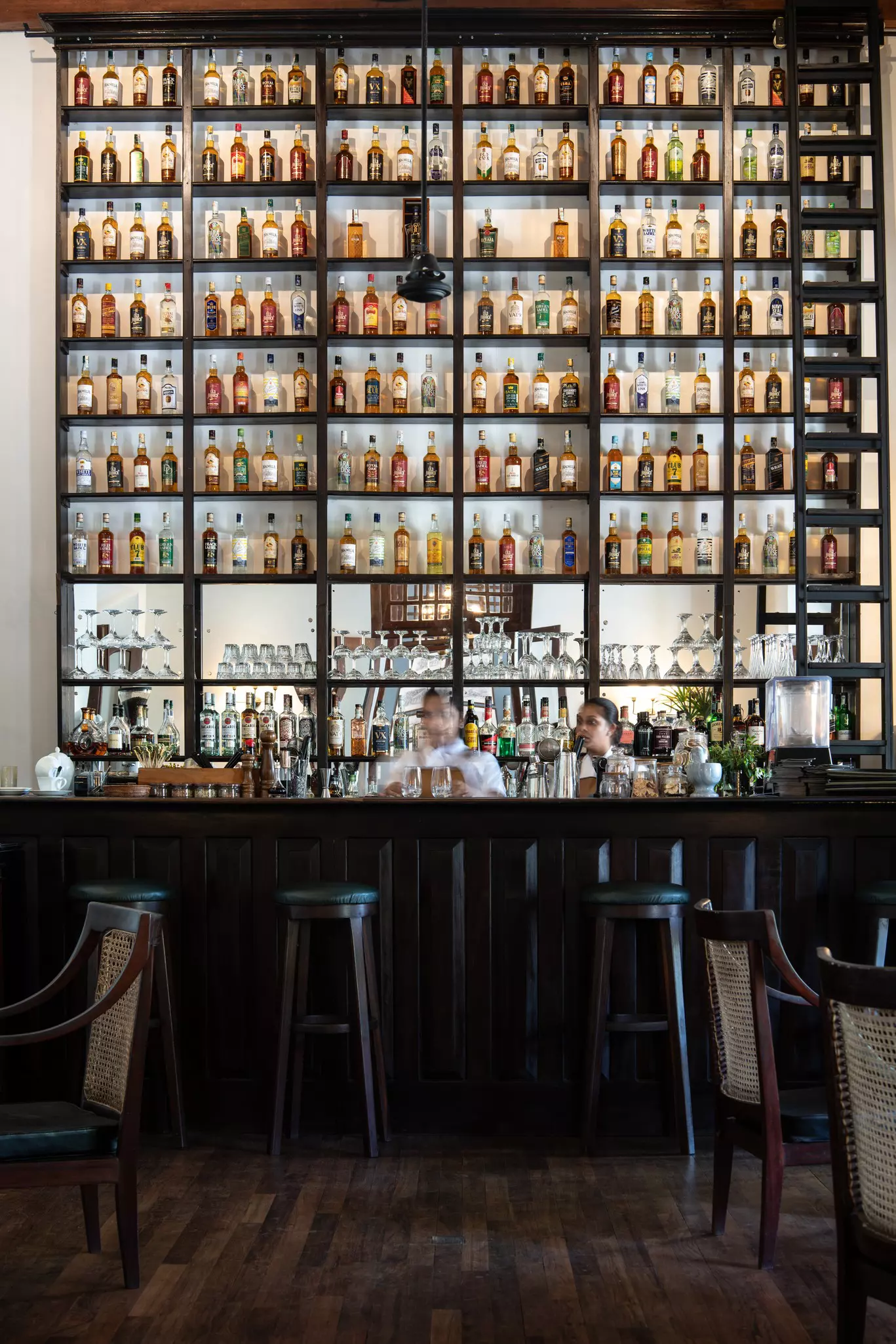
Celebrate the end of your walk with a final stop at Sri Lanka’s first specialty bar for arrack – a smooth and slightly sweet spirit made from the sap of coconut flowers. Distilled and fermented in wood barrels, arrack is often likened to a cross between rum and whisky. The Arrack Experience at Ropewalk Bar is a mini master class on how arrack is made; the difference between arrack and arrak (hint: it’s in the percentage of actual coconut spirit); and how to savor the various notes of coconut, honey, vanilla and caramel of some of the more than 75 in-stock varieties of the spirit. Each of the five samples of specialty arrack is paired with a Sri Lankan bite, like fried handalla (a local anchovy) or sweet potato chips. You’ll end the session by concocting your own arrack cocktail.
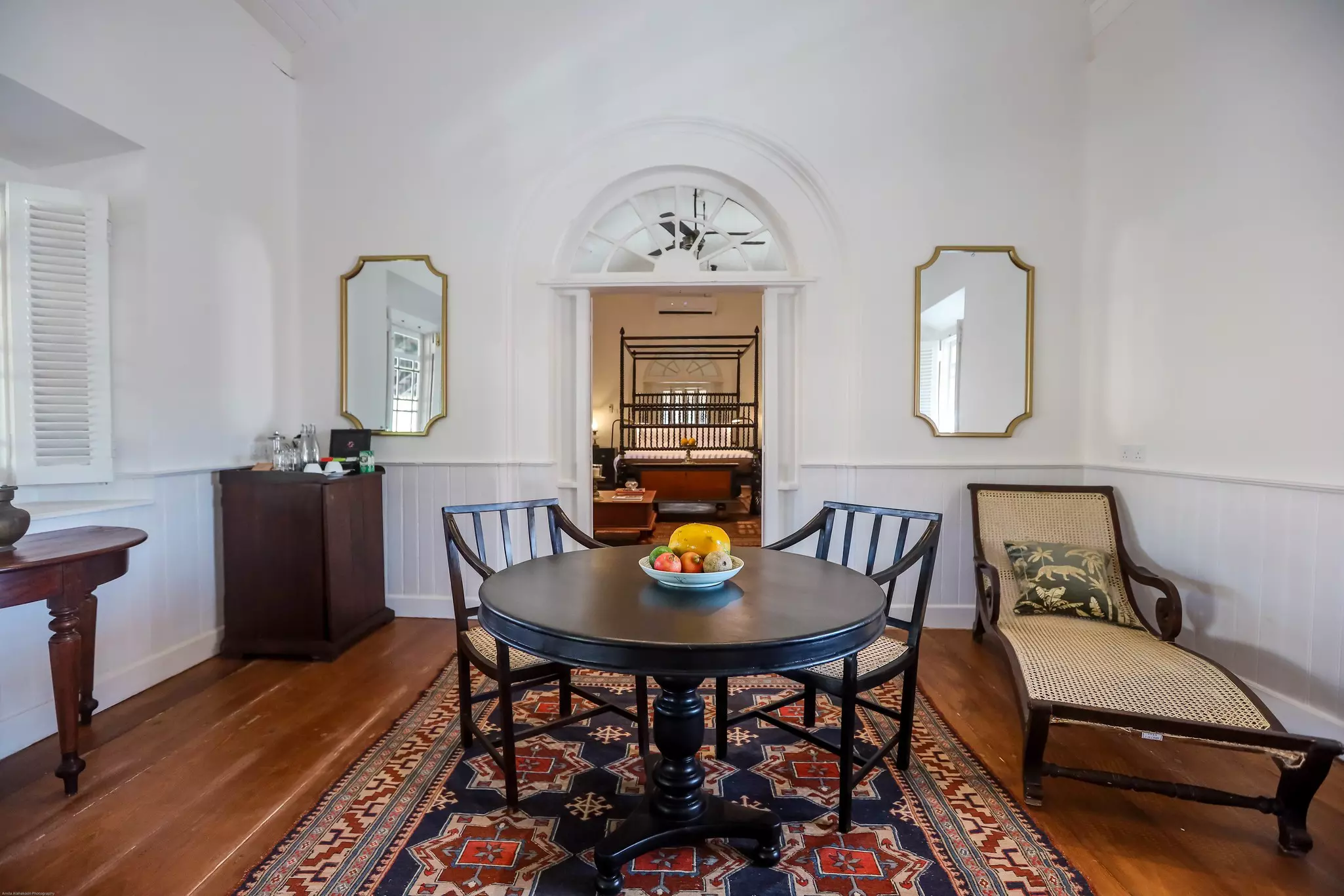
Where to stay: Originally an 18th-century Dutch villa, the iconic Galle Fort Hotel is located in the heart of town. Eleven distinct rooms and suites surround a frangipani-filled courtyard, highlighted by a sparkling swimming pool – a rarity for hotels within the fort walls. Spacious guest rooms feature plantation shutters, antiques and gorgeous hand-painted wallpaper. Even if you’re not staying here, book ahead for the excellent Feasts of Ceylon meal, and choose from the rotating menus that showcase some of the Sri Lanka’s diverse and delicious cuisines, such as Muslim, Tamil, Burgher and Sinhalese.
James Pham traveled to Sri Lanka at the invitation of Island Life Sri Lanka. Lonely Planet does not accept freebies in exchange for positive coverage.
Book your Sri Lanka trip with Lonely Planet Journeys
See Sri Lanka how it's meant to be seen
Accommodations, activities and ground transportation all taken care of, so you can focus on the fun part. Tell us what your dream trip to Sri Lanka looks like, and our local experts will build it from scratch. Or start with one of our itineraries and make it your own.

Explore related stories