Jul 28, 20267 min read
Ultimate Guide to the Calgary StampedeJul 28, 2026
7 MIN READ

Writer
The Calgary Stampede. Justin Foulkes/Lonely Planet

Writer
Highlights
Writer Caroline Trefler guides you through the Calgary Stampede, Canada's 10-day western festival.
Ride the midway, try genre-bending foods and catch the afternoon rodeo and evening grandstand show.
The CDN$50 SuperPass covers all 10 days; 100-plus free pancake breakfasts sweeten the deal.
Head to the Powwow Competition for Indigenous dancers and drummers in gorgeous, colorful regalia.
Lonely Planet may earn a commission from affiliate links on our site. All recommendations and reviews reflect our own independent opinions.
Billed as “The Greatest Outdoor Show on Earth," the Calgary Stampede transforms this Canadian city into a giant cowboy-hat-wearing party celebrating the region’s Western roots for 10 days every July. It has all the elements of an American state fair – carnival rides and crazy food mashups, agricultural shows and fireworks – plus it’s an international music festival (2026 headliners included Alanis Morissette and AṨAP Rocky) and a world-class rodeo. It’s also very Canadian, with plenty of maple syrup (and free pancakes), an abundance of friendly Canadians and the essential inclusion of the Indigenous Treaty 7 First Nations communities.
Although I grew up in Canada, I had never been to the Stampede until this year: it was one of those things that sounds fun in a “yeah, I’ll go one day” way, until I felt a sudden need to go asap. Sort of like how I never wanted to run the New York City Marathon until it suddenly became the must-do challenge I had to conquer after turning 40; going to the Calgary Stampede was, suddenly, essential to my feeling fully Canadian. I'm now a convert to both – I’ve run the NYC marathon twice, and I can’t wait to go back to Stampede.
Here's everything you need to know about the Calgary Stampede and how to do it right.
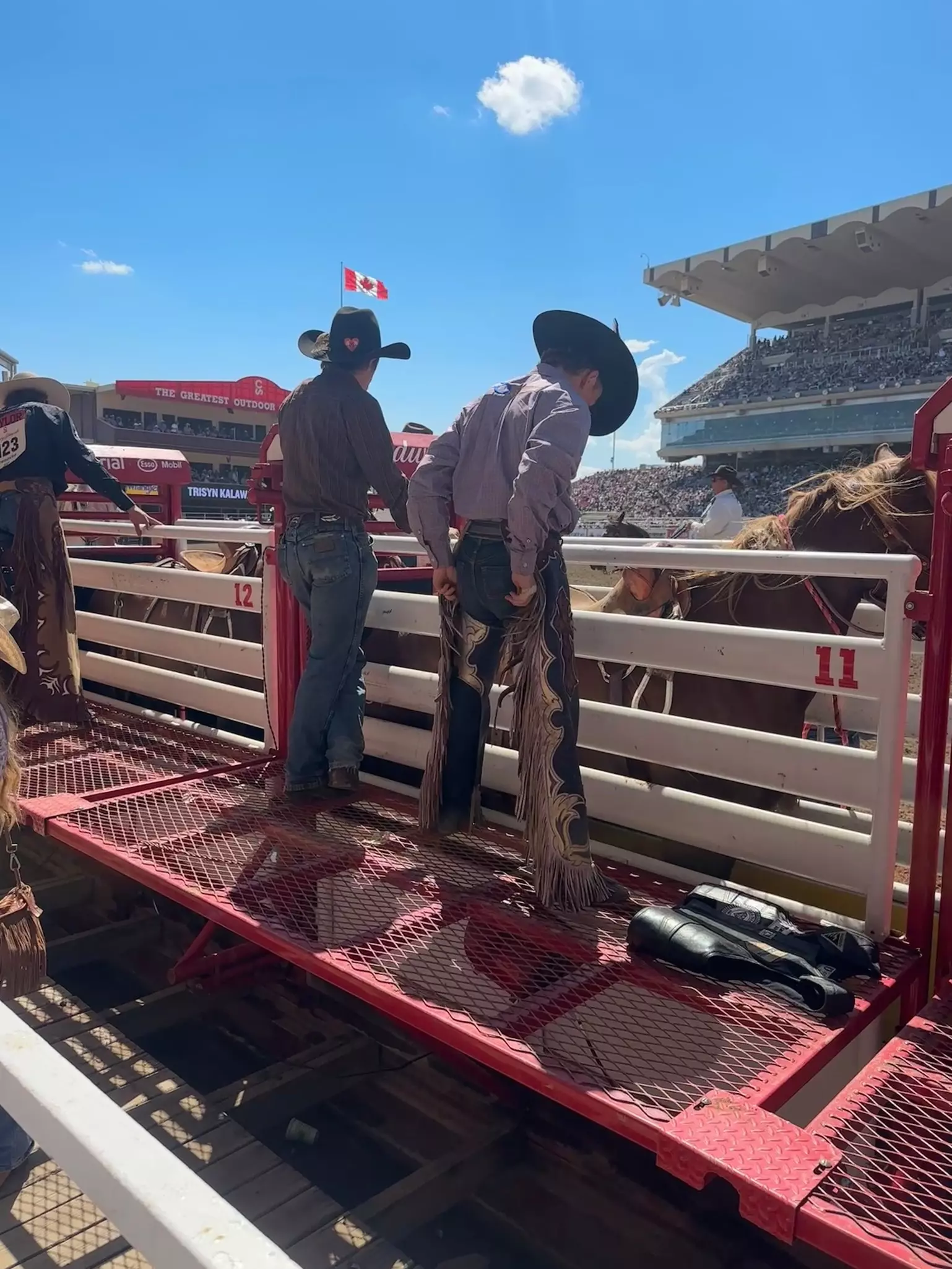
There are a lot of different parts to Stampede, most of it for all ages, which is why a lot of people grew up going with their families. It’s part carnival crowd, with rides and games and lots of food – not just corndogs but genre-bending mashups like spicy-ramen-stuffed grilled cheese, ginger beef pierogies and piña colada churro sundaes (I ate all of those and more). The agricultural building is partly educational, with information about types of wheat and eggs and sheep and beef, plus competitions and demonstrations.
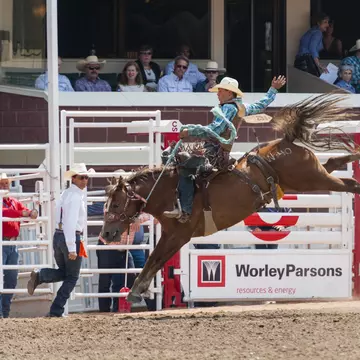
There’s an afternoon rodeo every day and a high-energy grandstand show every evening with international entertainers like the tap dancing Gardiner Brothers, aerial acrobats and fireworks. Multiple daily music concerts feature international artists across 4 main stages and smaller venues around the city. There’s shopping too, of course, including fine art, local food and western wear. Not to mention the Top Chef-like food competitions, a wine garden and even motocross.
Elbow River Camp, along the Elbow River, is where the Treaty 7 First Nations people have been gathering since the first Calgary Stampede in 1912. It’s a welcoming space where Indigenous Canadians share knowledge and cultural traditions.
You could try to pack your Stampede experience into one really full day (plus an evening concert or grandstand show) but there’s so much to see and do, you’ll going to want to stretch it to at least two. The rides and carnival games get more lively at night – and in July, the sun doesn’t set until close to 10 pm. Add a few more days if you want to visit Kananaskis Country in the Canadian Rockies.
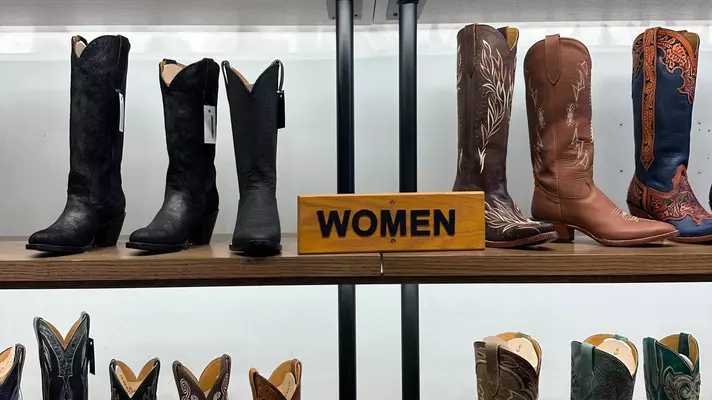

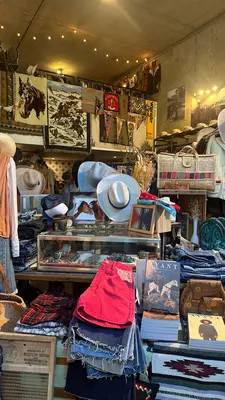
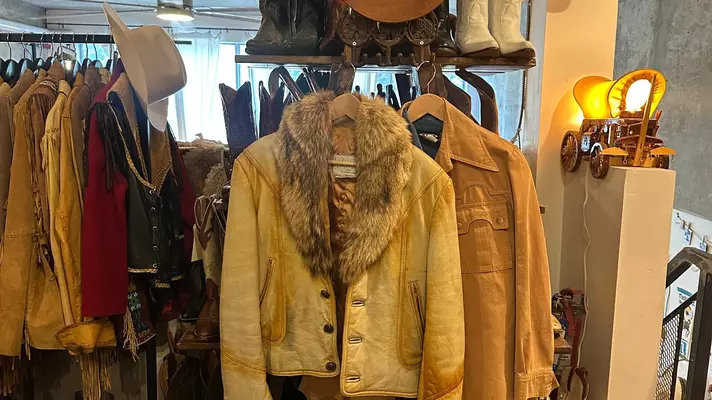
The first rule of Stampede is dress for Stampede! Okay, it’s not really a rule, but you’re going to want to dress the part; it’s almost impossible not to embrace the heavy-on-denim cowboy fashions.
Don’t worry, if you don’t have western wear in your closet, you can shop when you arrive. The flagship Alberta Boot Company store, right downtown, is the place for cowboy boots and hats; their premium leather boots are handcrafted onsite and the salespeople will help you find the right fit. They also have an extensive selection of quality men's and women's jeans, cowboy shirts, statement belt buckles, belts and silver-and-turquoise jewelry. Smithbilt Hats specializes in cowboy hats in so many styles and colors.
To add panache to your wardrobe, head to Wild Rabbit Vintage to browse the meticulously curated and gorgeously displayed selection of pre-loved cowboy wear, leather and suede jackets, jewelry and accessories. The prices are reasonable, even before you remember it’s Canadian dollars.
Pro tip: A bolo tie is an easy way to add a little cowboy to your outfit.
The Calgary Stampede takes place over 10 days every July: next year it’s July 9–18, 2027.
For hotels, book as far in advance as you can to keep costs down. Aficionados book in January for the July festivities (with most hotel bookings, you can cancel in case your plans change). Big ticket concerts sell out months early, book tickets for smaller names a few weeks out. There’s so much music in the city, especially during Stampede, that last-minute tickets are often available for some performances.
One-day admission in 2026 was $28 Canadian dollars (ages 13-64), but the Stampede SuperPass is a great deal, giving unlimited admission for all 10 days for just CDN$50. Plus, there are free and discounted admission days for everyone throughout the Stampede on various days and times. For instance, on Family Day admission is free until 11 am and on Community Day there’s free admission for everyone from 11am-1pm. Additionally, tickets to the Afternoon Rodeo or to the Evening Show include admission to the Stampede Park for that day.
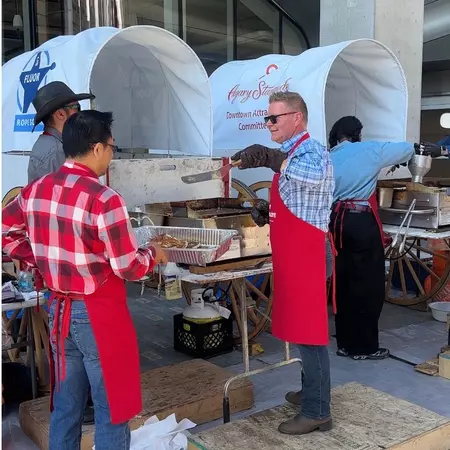
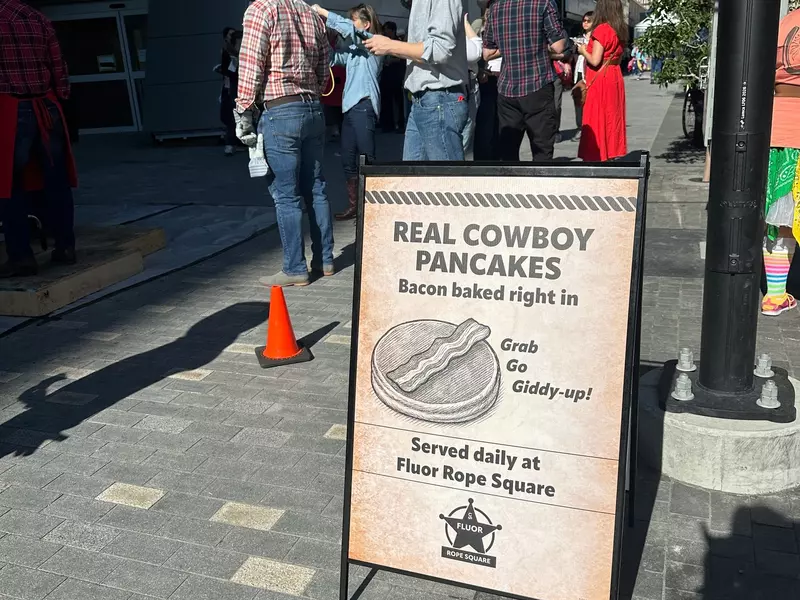
And you can eat for free – at least for breakfast: There are more than 100 free pancake breakfasts over the 10 days. Some are officially part of the Stampede, but many are put on by various communities within Calgary and include entertainment. The Stampede Breakfast website lists all the registered breakfasts during the festival.


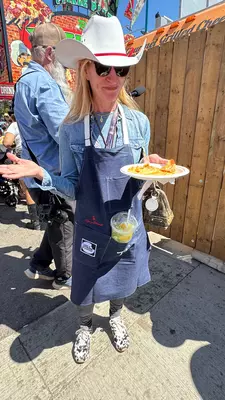
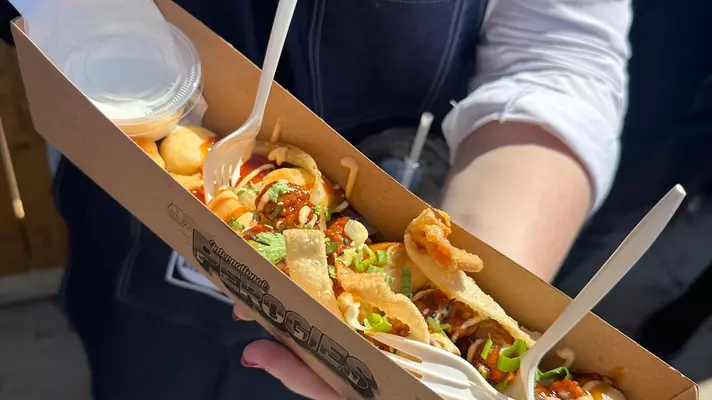
The food: Definitely don’t miss the delicious and sometimes wacky food on the midway. Every year brings new creations along with favorites from previous years. To learn more check out the descriptions on the Calgary Stampede website.
The Stampede Powwow Competition: The best Indigenous dancers and drummers from around the US and Canada come together to celebrate and showcase their culture. The dances are exciting, and the colorful regalia is gorgeous. Learn more about it here.
I do not love the heat, so I was thrilled – and a bit surprised – to find plenty of air-conditioned spaces at the Stampede. The Nutrien Western Event Centre, the BMO Centre and the Scotiabank Saddledome (for agriculture exhibits, the marketplace and powwow competition, respectively) are all modern buildings where you can cool off in the air-conditioning while you enjoy Stampede events. I was also really impressed with how well-maintained the bathrooms (not port-o-potties) were throughout the grounds (I visited a few).
I was not expecting to get so caught up in the stock dog championship. In fact, I’d never heard of such a thing. I was at the Nutrien Western Events Centre to see the sheep, but I saw a sign saying that seating for the stock dog competition was upstairs in the arena, which is air-conditioned, so I figured I’d sit down and regroup. Literally within two minutes, I was hooked! As I quickly learned, each dog has 4 minutes to herd three sheep into a corral inside the arena. The handler is allowed to open and close the pen, but the action and excitement are all about the dog and the sheep. The dogs are so smart and agile but when a sheep makes a break the whole crowd audibly gasps. I kid you not, this is edge-of-your-seat entertainment.
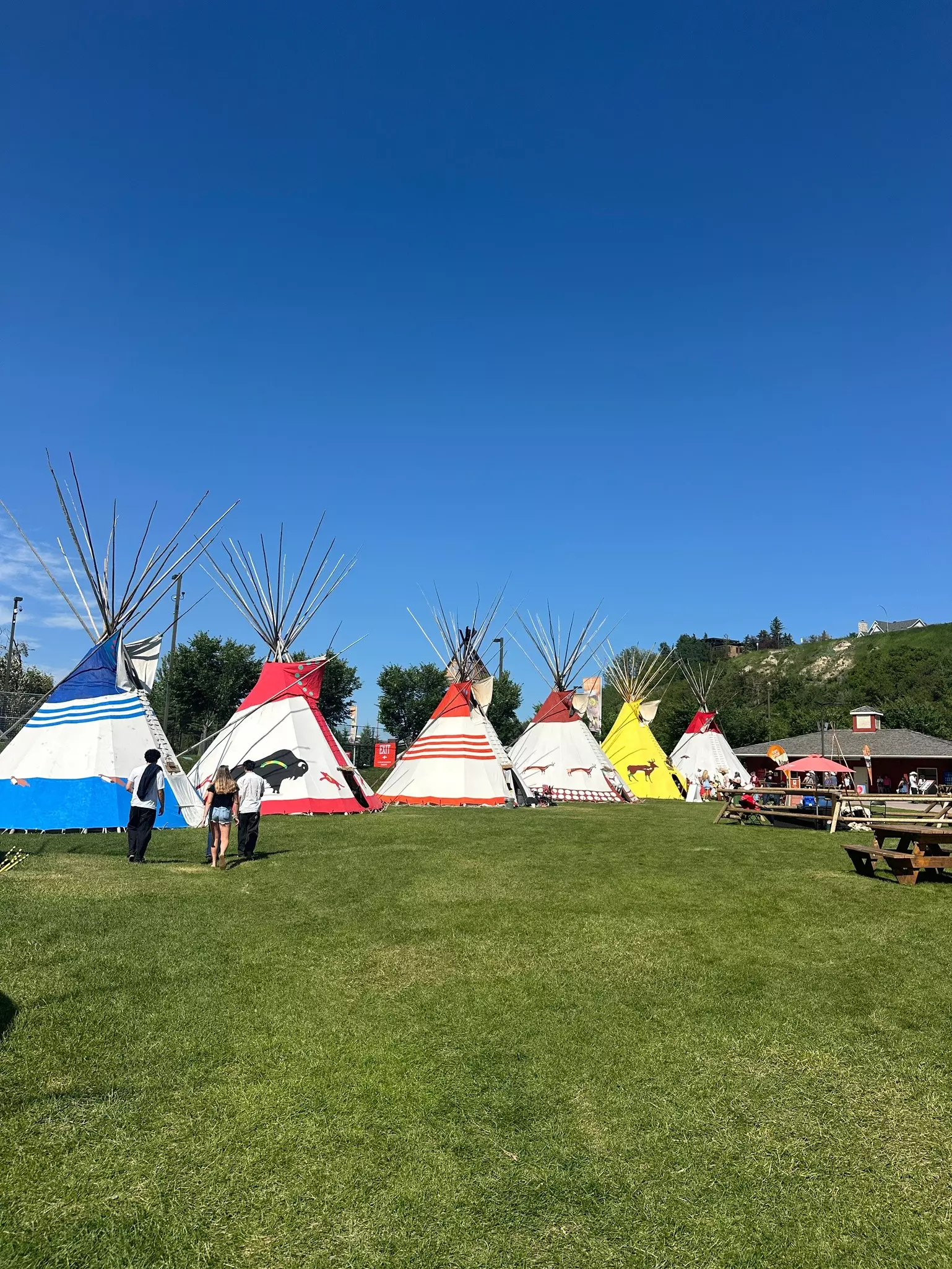
Canada’s Indigenous communities have been an integral part of the Stampede since its inauguration in 1912. At the time, Indigenous people weren’t allowed to celebrate their culture or even leave their reserves without a permit, but the Stampede founder, Guy Weadick, successfully lobbied the federal government to allow the Treaty 7 First Nations to participate. More than 1800 Indigenous people came to the event that first year. Treaty 7 First Nations people still raise their tipis in the same place, at Elbow River Camp, to continue and share traditions.
Lonely Planet respectfully acknowledges that Canada is the traditional territory of more than 630 First Nations communities as well as Inuit and Métis communities. We offer gratitude to the Indigenous Peoples for their care for, and teachings about, this land.
Caroline Trefler traveled to Calgary at the invitation of Visit Calgary. Lonely Planet staff members do not accept freebies in exchange for positive coverage.
Explore related stories