Jul 22, 20268 min read
13 Things to Know Before Visiting Lagos, NigeriaJul 22, 2026
8 MIN READ

Writer
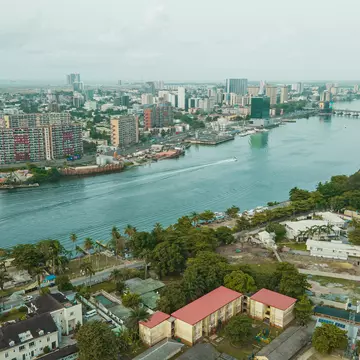
Lagos Island, Nigeria. Kehinde Temitope Odutayo/Getty Images

Writer
Highlights
Writer Pelu Awofeso shares 13 Lagos tips on timing, transport, culture and safety.
Visit August for free arts festivals, or December's weeklong Detty December party season.
Accept any owambe invite for an afternoon of jollof rice, eba and spirited dancing.
Use LagosRide, Uber or Bolt from the airport, and get the Cowry app for BRT buses.
Lonely Planet may earn a commission from affiliate links on our site. All recommendations and reviews reflect our own independent opinions.
It’s in the DNA of Lagos to welcome visitors and make them feel at home, whatever the length of their stay. A common saying, loosely translated, praises Lagos for having room enough for “owners of the house, the guest and the lazy.” It is what this metropolis has done over the centuries, attracting traders, explorers and migrants of all types.
As Nigeria’s commercial and entertainment capital, Lagos remains a magnet for Nigerians and international visitors. Before you make a trip to this thrilling city, here are a few tips to experience Lagos like a local.
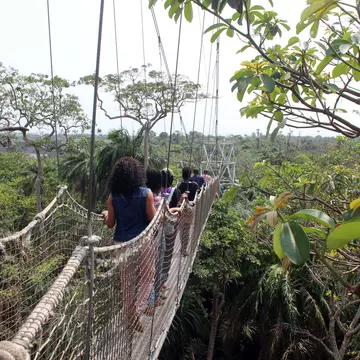
Ideally, spend your first 3 days in Nigeria visiting Lagos' top sights. If you can only manage a single day, stay within Lagos Island. Lift your spirit looking at some of the over 20,000 artworks at the Nike Art Gallery, then travel down the Lekki–Epe Expressway to see the rare collection of Nigerian work at the Yemisi Shyllon Museum of Art. On your way back, stop at the LUFASI (Lekki Urban Forestry and Animal Shelter Initiative) nature park for refreshing forest air.
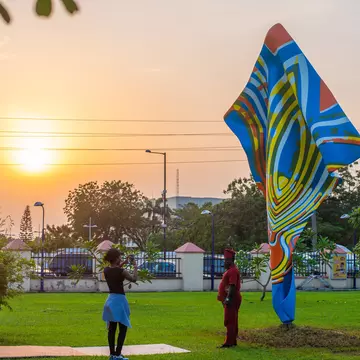
The city experiences a rainy season (May to August) and a dry season (November to April), which you should consider as you plan when to visit. The second half of the year is festival season, and Lagos really comes to life. Then in August, the cultural floodgates open, and the city throbs with multiple art events. While some require an invitation, most are free to attend. The Lagos Books and Art Festival, Lagos Fringe, LagosPhoto, Lagos Fashion Week, MUSON (with drama, classical music and dance offerings) and Lagos International Jazz Festival are some of the major events on the calendar each year.
If you’re around during the festive Christmas period, you’re in for a real jamboree. The state-sponsored, weeklong Detty December showcases the best of Lagos' entertainment scene, from comedy to concerts. Visit during this period to fully understand why “Èkó for Show” is a slogan the city embraces proudly.
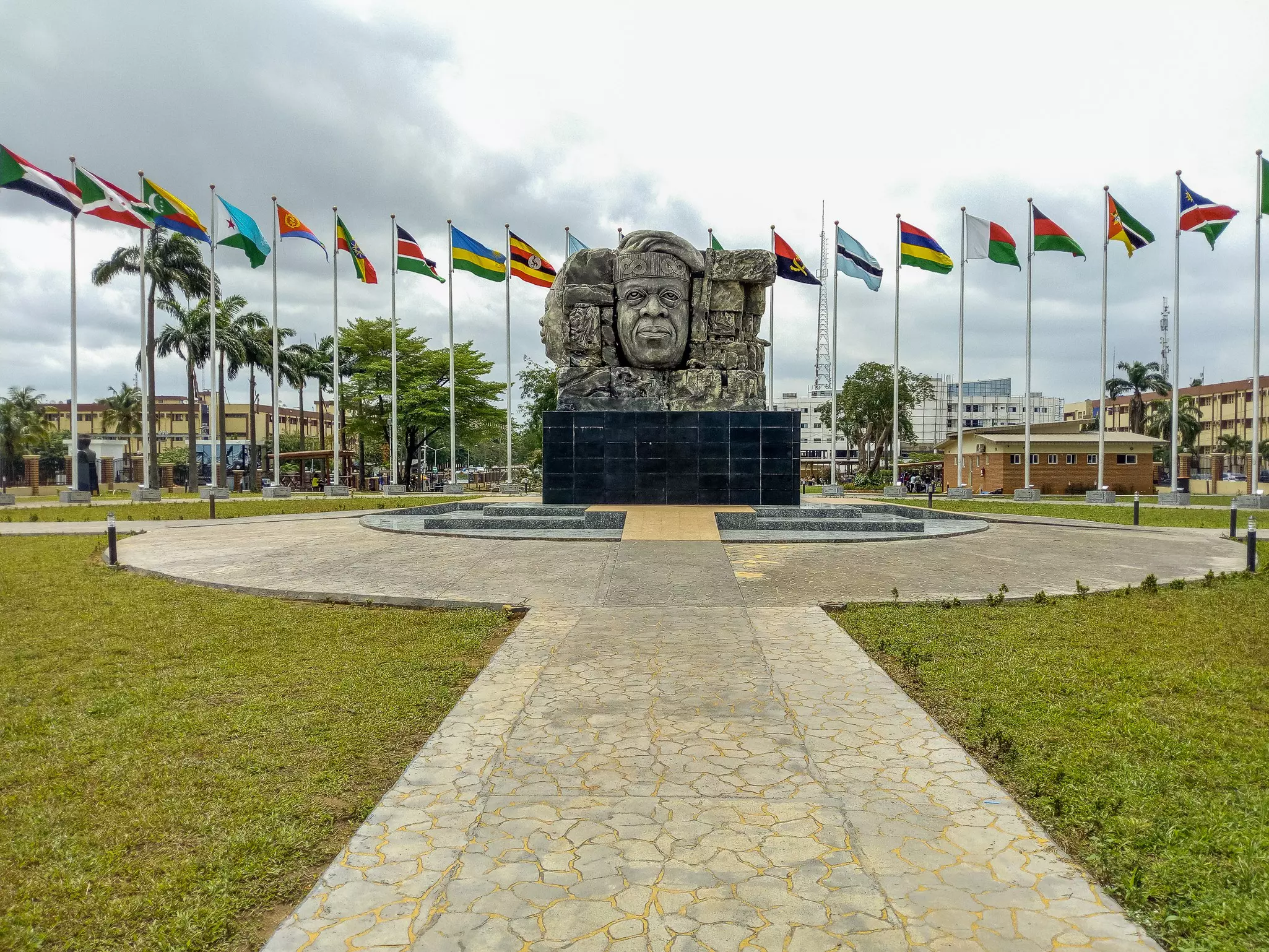
Lagosians generally refer to themselves as islanders or mainlanders, depending on which side of the lagoon they find themselves on. Everywhere, however, residents affectionately refer to their hometown as Lasgidi.
For administrative purposes, Lagos is divided into five broad regions: Ikeja (the capital), Badagry (the far west), Ikorodu, Lagos Island and Epe (the eastern end of town). Every part comes with its own vibe, with plenty of fun and fantastic things to see and do in every district.

Stay connected abroad with an eSIM
Holafly eSIM provides unlimited mobile data with no hidden fees, giving you peace of mind wherever you travel. Stay connected even after your plan ends with Always On. Use code LONELYPLANET for an exclusive discount.
Lonely Planet may earn a commission from affiliate links on our site. All recommendations and reviews reflect our own independent opinions.
Lagos has humid weather; the average temperature in the region is 32°C (90°F), sometimes reaching 35°C (95°F). So T-shirts, jeans, cotton pants and shorts are likely all you’ll need during your stay.
Lagos is dominated by the Yoruba people but contains residents from almost every ethnic group in Nigeria. While English is the official language of everyday speech and business, pidgin – a homegrown variant – is spoken and understood by almost everyone. In fact, Lagos could well be the country’s pidgin capital. Before you arrive, it’s a good idea to learn a few common sayings to use as you’re going about the city:
• How you dey? (How are you?)
• How now? (How are things?)
• Wetin you tok? (What did you say?)
• Abeg (please)
• Na so (that’s true)
• E don do (it’s enough)
• Lai lai (impossible or never)
Lagosians light up when international visitors chat them up in pidgin or in the local Yoruba language.
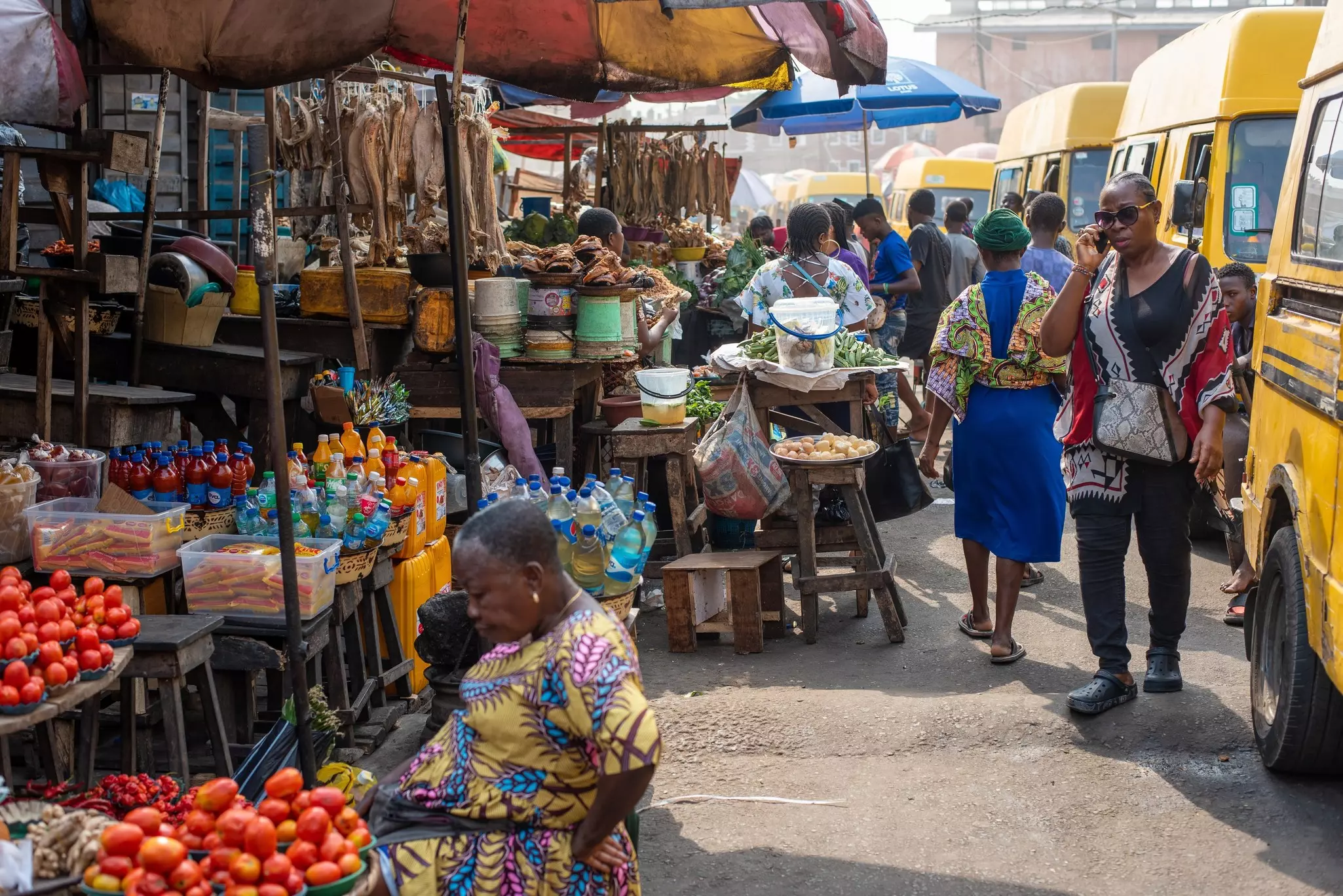
You can pay for pretty much anything in Lagos with a card, and vendors increasingly own point-of-sale machines, making everyday transactions a lot faster and seamless. Still, it’s advisable to have some Nigerian naira (N) notes, especially in denominations of N50, N100, N200 and N500, for those awkward moments when the mobile networks fail and cash transfers don’t go through.
ATMs throughout the city make withdrawing cash easy. When paying for purchases (or giving or collecting any item, for that matter), be sure to do so with your right hand; older Lagosians consider it disrespectful to hand over cash with the left hand.
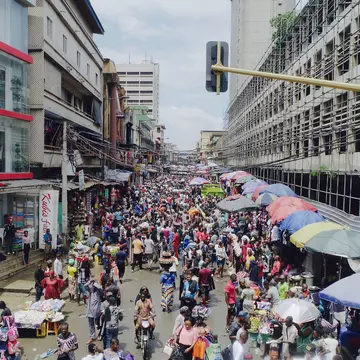
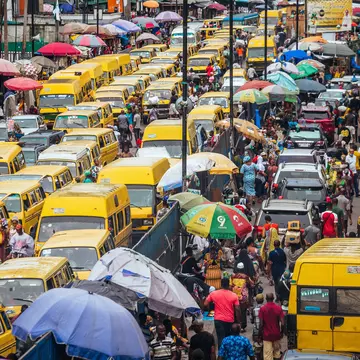
You’ll immediately notice that Lagos is a packed city. One of the smallest states in Nigeria, it’s also the most populous, with over 20 million residents. It also has a rather high noise level, thanks to honking, sermons from megaphones at religious centers, bus conductors calling out for passengers and other boisterous sources. If you stay in a hotel near a church or mosque – both of which dot nearly every part of the city – expect services throughout the week to cut into your quiet moments.
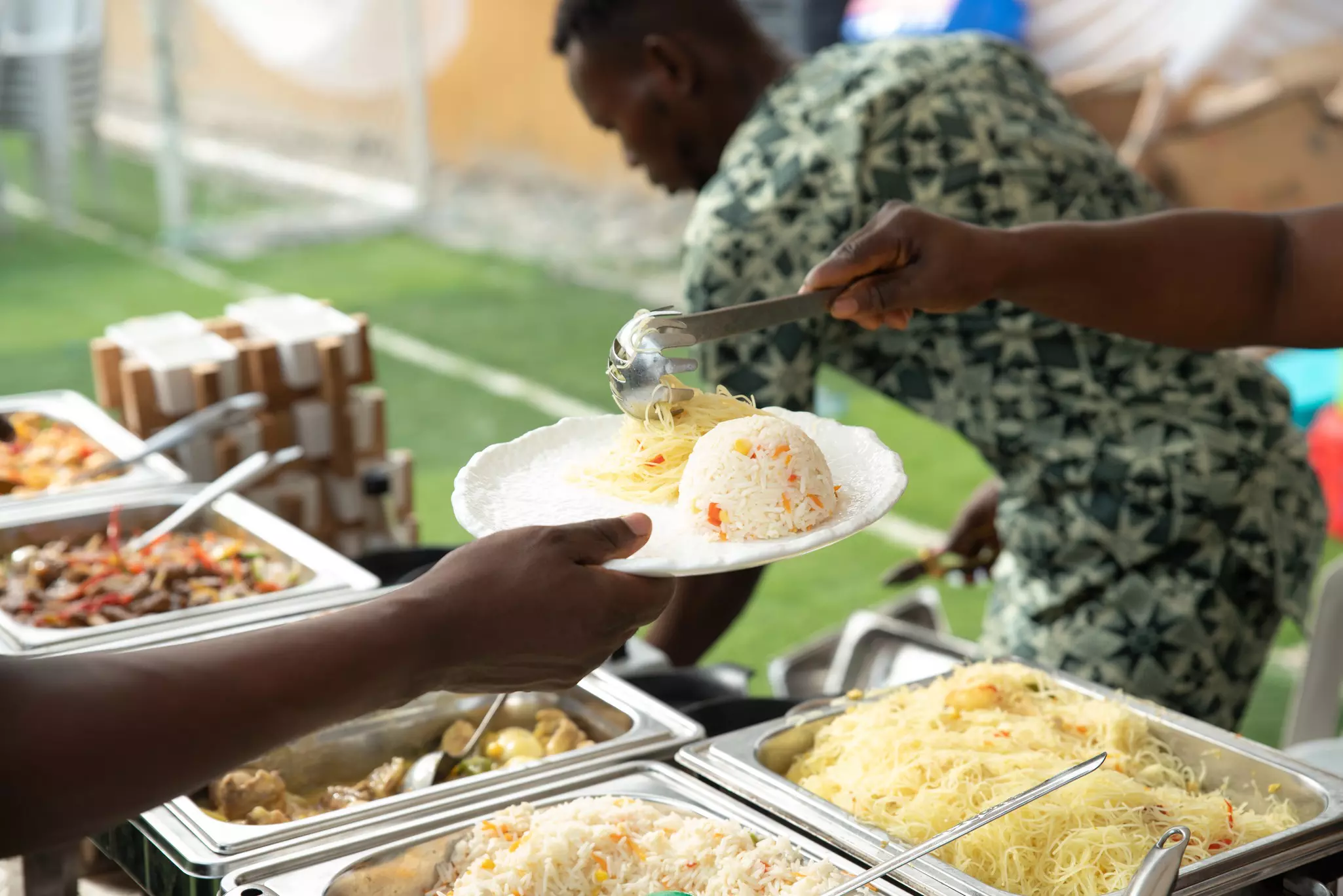
On weekends, Lagosians take themselves to beaches, malls or movie complexes. And they dress up to attend birthdays and wedding parties (owambe), which are a point of pride here. If you’re lucky enough to be invited to any of these gatherings, accept at once. This will be your free pass to an afternoon of joy and spectacle, complete with ceremonial costumes and spirited dancing. To dress as the locals do, a custom outfit can be stitched to order in 24–48 hours.
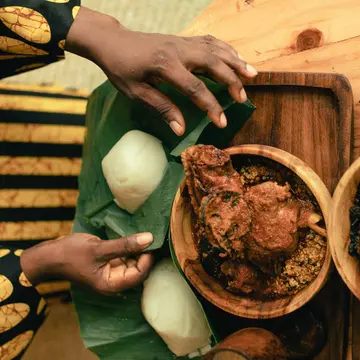
Typically, the parties are feasts, marked by a seemingly never-ending flow of food and drinks. Starters are small bites (like fried puff-puffs, samosas and spring rolls) accompanied by an assortment of drinks. The main dish could be anything from white rice, jollof rice or fried rice to iyan, eba, amala and a variety of soups; at buffet events, ask your hosts for advice on which “swallow” (yam, cassava or rice) goes with which soups, stews or sauce, and which delicacies can be served on the same plate or taken together (ofada rice with bean soup, for instance, would attract curious giggles). To dine like a true Lagosian, you may use cutlery for some meals, but the proper way to eat swallows is with your hands, after rinsing in water.
On weeknights, open-air and neighborhood bars are packed with people sitting out and discussing the day’s news and events or simply catching up with friends. Most venues have in-house DJs, who add to the fun and excitement; some of the bars also serve food, with suya (barbecued beef), barbecued fish and pepper soup all standard offerings. Note that suyas and pepper soups are quite spicy and are not to be rushed – bite and slurp with caution, and sip a lot of water to lessen the sting.
At some point during your stay, you should try the ease and convenience of a BRT (bus rapid transit), one of the more successful public-private partnerships aimed at solving the city’s transportation challenges. Beloved by many, BRTs travel on dedicated lanes from 6am to 8pm, and can sometimes be the best way to avoid traffic as you enjoy views of the cityscape. You’ll need to use the Cowry app.
When you roll your luggage past arrivals, opt for a service like LagosRide, Uber or Bolt, which are preferred by locals for comfortable commutes around the city. Alternatively, you could arrange an airport pickup from a reputable taxi company, avoiding the stress of picking out one of the approved taxi operators – all of whom loudly call out to arriving patrons in the terminal – upon arrival.
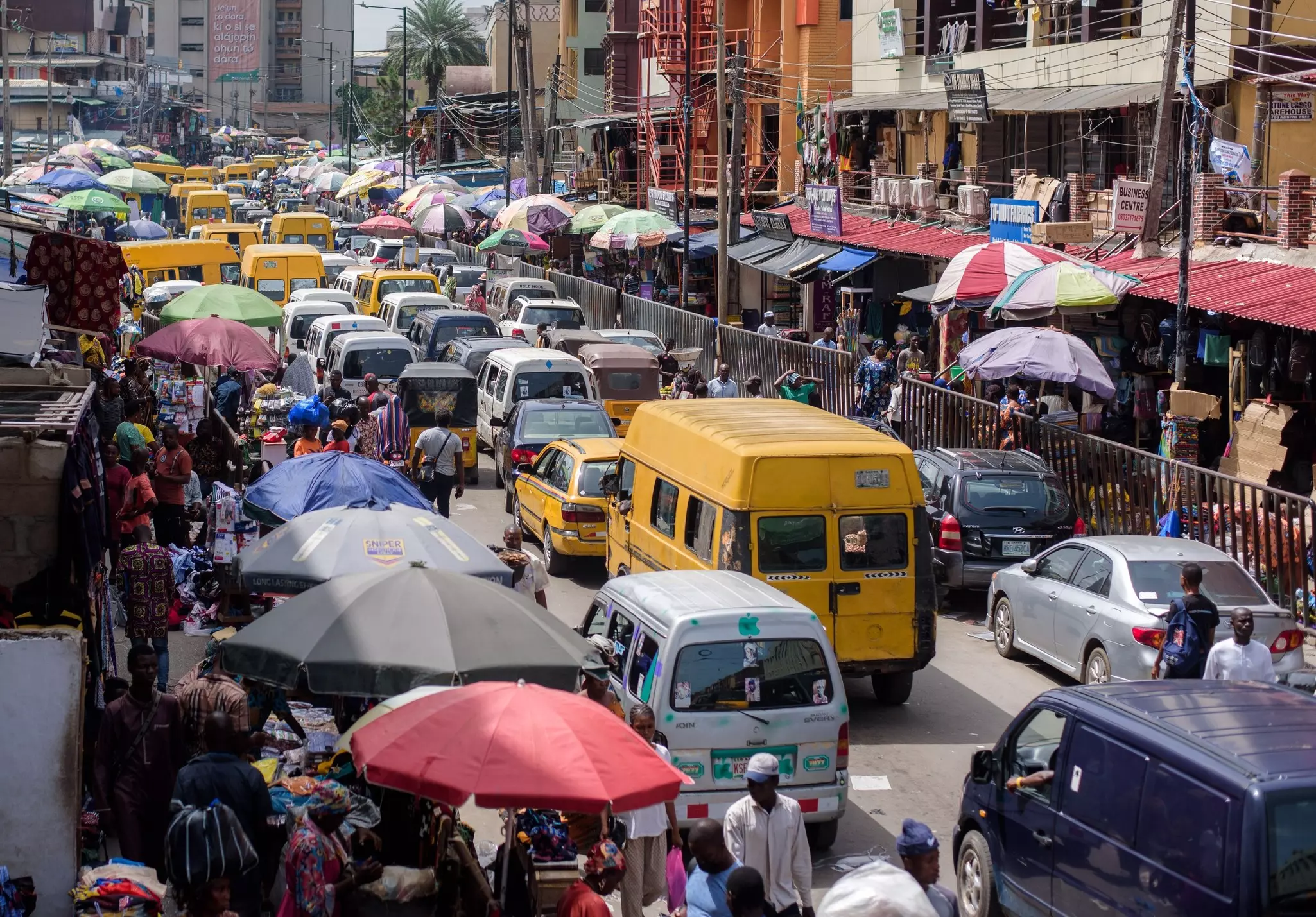
Lagosians depend heavily on roads to go about their daily lives, and the city's traffic congestion is infamous. Public transportation is a disorderly mix of licensed minibuses (danfo), taxis and cabs (kabu-kabu) operating from garages and roadsides, all of which crisscross the many vibrant neighborhoods of the city.
Three-wheeled transports (keke marwa) are ideal for neighborhood shuttles, as are motorcycle taxis (okada), though the latter are officially banned on several routes statewide, including major highways. While buses charge fixed rates, you’ll have to agree on a price before your ride starts for the other options.
Because Lagos is in the tropics, malaria is one of the more common health risks of traveling in the region. Your doctor can prescribe the right medicines to carry along with you. It is also advisable to have mosquito repellent handy. Even Nigerians who live abroad usually take such precautions if they are returning home for the first time in a while.
Explore related stories