Jul 16, 202615 min read
21 Things to Know Before Visiting IcelandJul 16, 2026
15 MIN READ
Contributors
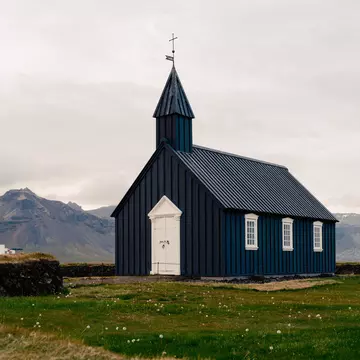
The traditional Icelandic church of Búðakirkja, Iceland. Daniel Dorsa for Lonely Planet

Contributors


Joe Bindloss, Alexis Averbuck
Highlights
Writers Alexis Averbuck and Joe Bindloss share 21 tips on etiquette, safety and exploring Iceland's natural wonders.
Stay up to date on volcanic eruptions and snowstorms before driving or hiking.
Shower with soap before entering hot springs – it's just good manners in Iceland.
Never follow Iceland's F Roads in a 2WD; hire a 4WD or join a "superjeep" tour.
Lonely Planet may earn a commission from affiliate links on our site. All recommendations and reviews reflect our own independent opinions.
The number of people visiting small, ravishingly beautiful Iceland is soaring, and with its wealth of natural and cultural attractions, that is not likely to change anytime soon.
This tiny country is fairly new to being a superstar tourist destination, and there are a few important things to be aware of before your visit. In Iceland's wild landscapes, small errors can lead to life-threatening situations and being informed can keep you out of trouble when visiting volcanoes, glaciers, hot springs and frozen wastes. You do not, for example, want to sink into the quicksand at the end of a glacier, or drop into a hidden crevasse.
Our top tips for visiting Iceland will help you navigate local etiquette, travel responsibly and stay safe, so you can focus on the island's rich culture, surprising cuisine, amazing marine wildlife and spectacular landscapes and geological features.
Midway between Europe and America, Iceland is easily reached by air, but the climate and volcanic activity can disrupt transport, so consider the following tips.
The best time to visit Iceland depends on what you plan to do when you get here. For mild weather that's good for camping and hiking, come from June to August, but expect crowds at the sights and peak prices. Whale watching is good from April to September, while December to January is the best time to see the northern lights, though winter snowstorms can affect transport routes. Of course, the lively culture of Reykjavík and Iceland's naturally heated geothermal springs can be enjoyed year-round.
Iceland is a place to soak in the scenery (and spa-like hot springs) at a relaxed pace, so give yourself time to make the most of it. While a weekend will give you a taste (and it's a popular option for those stopping over on flights between mainland Europe and America), first-time visitors should aim for a week or more, particularly if you hope to see attractions beyond Reykjavík and the Golden Circle area. Consider following this week-long itinerary along Iceland's Ring Road as a sampler of what the island has to offer.
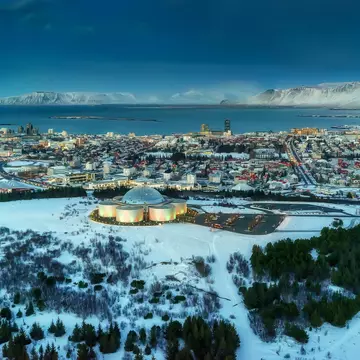
Almost everyone starts the trip in Reykjavík, which is packed with fun things to do and great places to stay, eat and drink. You can use the capital as a base for easy road trips along the west and south coasts, or inland to the sights of the Golden Circle, taking in some of Iceland's best places to visit.
To explore the northwest of the island (including the remote Westfjords), start from Akureyri, Iceland's northern hub. If you intend to take in the sights on the east coast, the town of Egilsstaðir is a convenient base. Wherever you plan to go, cozy rural guesthouses, spa hotels and campgrounds are easy to find, so don't feel you have to limit yourself to staying in bigger towns and cities.
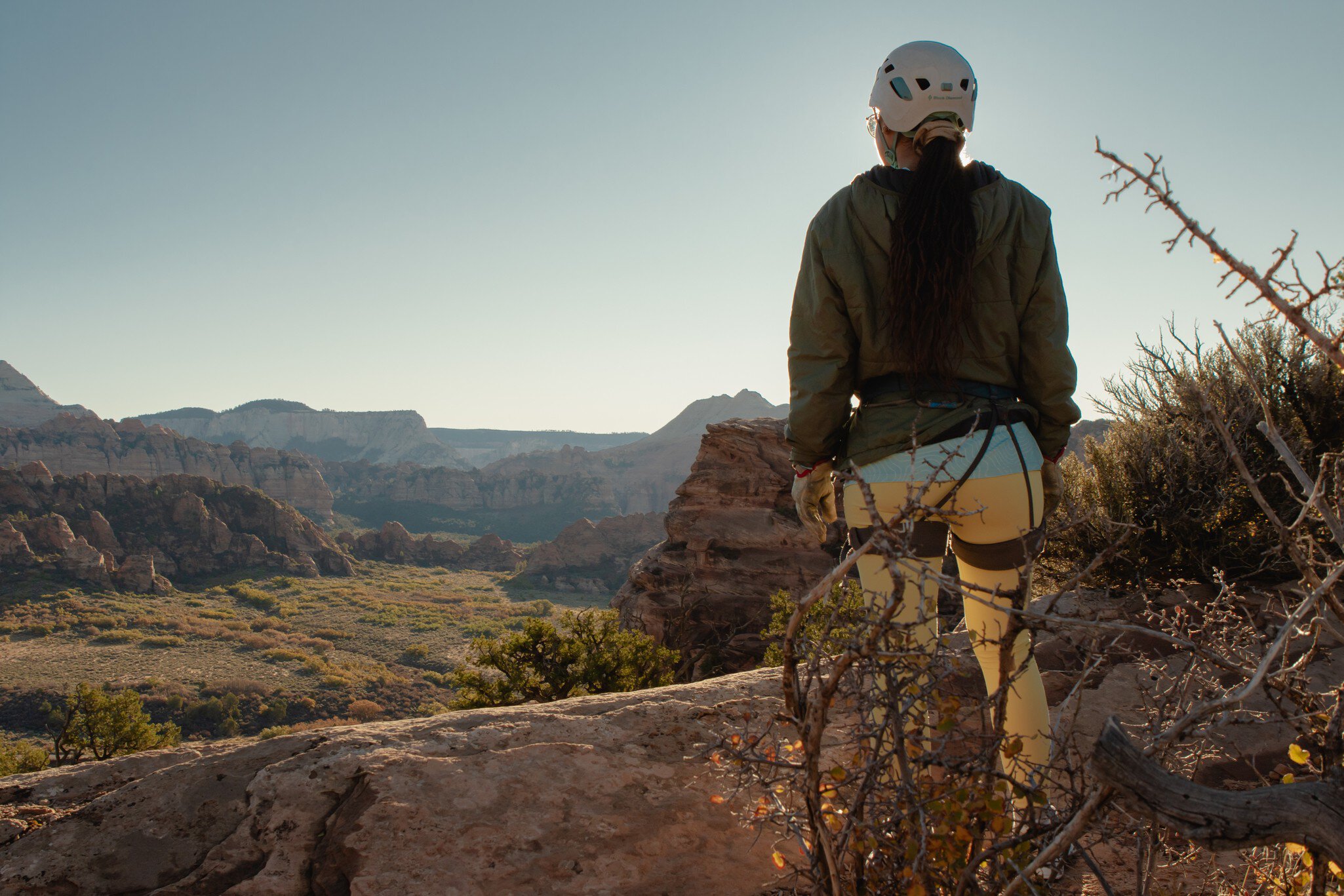
Getting outdoors is an important part of the Iceland experience, but you'll need to carry good maps and appropriate gear if you want to go hiking. Common sense is also key – if you had no access to a car or building, would you be warm and dry enough in what you are wearing?
Sturdy hiking footwear, waterproofs and warm layers should be part of your kit at any time of year. Even in mid-summer, daytime temperatures only reach around 15ºC (59ºF), and climbing up Iceland's peaks and snowcaps requires warm layers.
Being prepared can open up the possibility of reaching great wilderness areas such as the Westfjords' beautiful Hornstrandir Nature Reserve, known for its Arctic foxes, spectacular birding cliffs, and unspoiled hiking and camping.
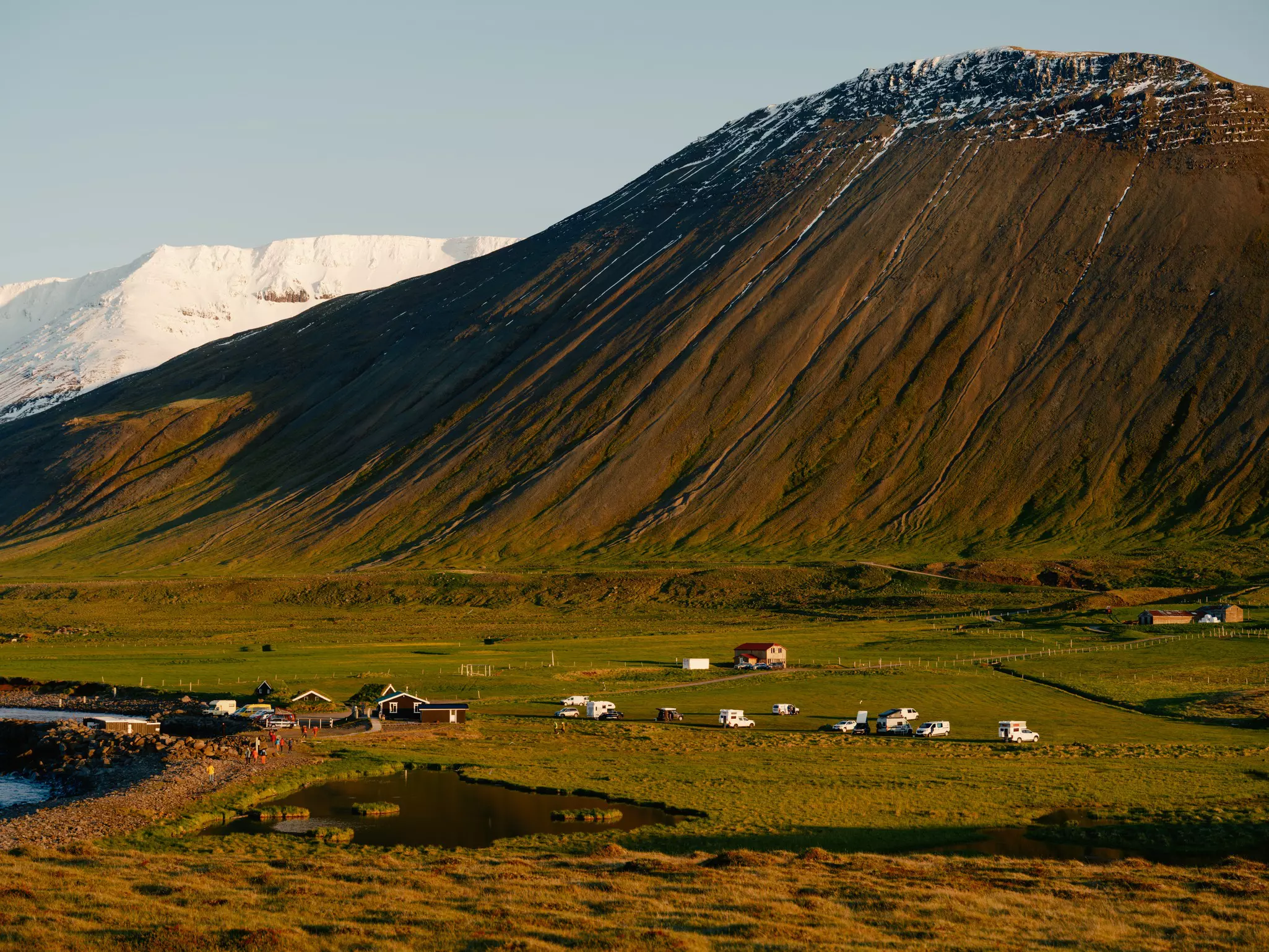
Don't go camping without a high-quality waterproof tent. Wild camping is restricted, so stick to formal campsites – they're easy to find, including in some spectacular locations. Ferðafélag Íslands (the Icelandic Touring Association) runs many huts, campgrounds and hiking trails.
With proper gear, you can relax and enjoy all that beauty, worry-free. If you need additional equipment once in Iceland, Reykjavík has a bevy of suppliers for gear purchase or rental, including Fjallakofinn.
Icelanders tend to speak excellent English, but they are very proud of their native tongue, so learning a few Icelandic words and phrases will be well received. Even memorizing the words for hello (halló), goodbye (bless), yes (já), no (nei) and thank you (takk) will raise a smile.
Beyond the basics of good manners and politeness, also consider how you interact with Iceland's natural environment.
Respecting local etiquette (and not whingeing about the weather or how hard it is to reach the natural wonders) is a surefire way to get a warm welcome from Icelanders. Icelanders are generally open-minded, and many people care passionately about the environment, so respect nature as locals do and avoid littering, trampling over areas of moss (it grows very slowly and is easily damaged) or driving off designated roads.
You'll find Icelanders tend to speak impeccable English, are often game for a chat and are happy to tell you about their favorite places to go or their hobbies and enthusiasms. People tend to use first names, and saying "please" isn't the norm; "thank you," on the other hand, is widely used. When entering someone's home or many guesthouses, it's normal to take off your shoes.
Icelanders tend to adopt a smart-casual dress code in the city and wear more practical clothing for outdoor activities in the countryside. Showy outfits are usually reserved for formal occasions, big nights out, posh meals and the runtur – Reykjavík's legendary weekend bar and club crawl. If you are not planning any lavish nights out on the town, prioritize comfortable, practical clothes. A warm Icelandic wool sweater is a useful item to buy locally and keep handy from fall to spring.
Lonely planet’s trusted travel insurance provider
Travel with confidence. Protect your trip and your wallet.
We don’t represent World Nomads, we receive a fee from quotes using this link. This is not a recommendation to buy travel insurance.
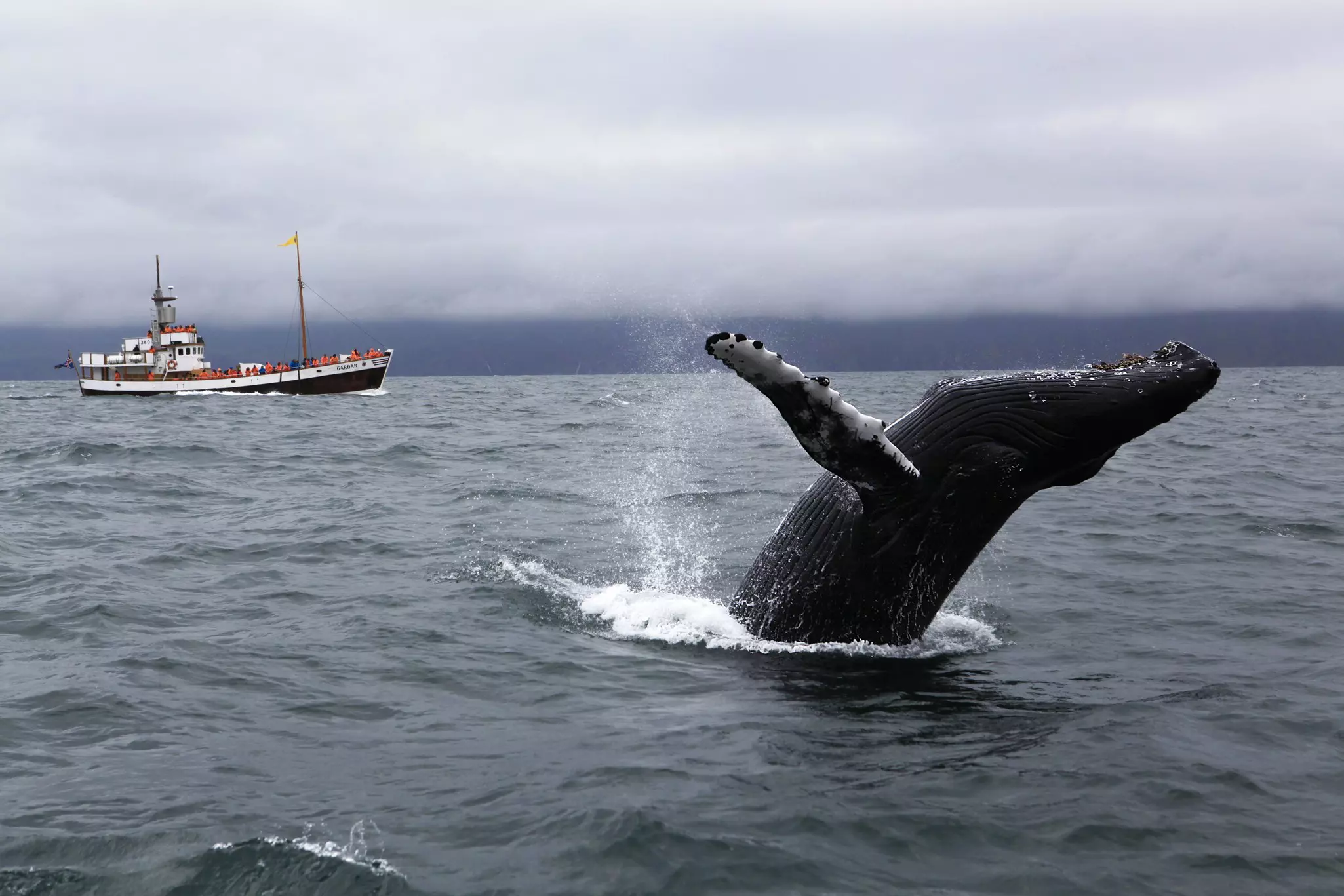
People tend to be quiet and respectful at museums and other sights so as not to disturb other visitors. Booking ahead is sensible for the biggest attractions and the most popular tours (such as trips to the Katla ice cave under the Langjökull glacier). For activities such as whale watching and glacier tours, booking a week or two in advance is good practice.
Iceland's churches were once left unlocked, but these days, you may need to stick to defined opening times or visit during services. Alternatively, you may be able to ask around to find the local resident who has the keys to let you in. If you come during a service, don't disturb people who are there to pray.
Photography is welcome at most sights, but a permit is required to fly a drone in Iceland's national parks, and drones are completely banned at some natural attractions, including most of the country's major waterfalls and the geothermal area at Geysir.
Icelanders respect each other's space on public transport. Put larger bags in the designated luggage compartments on buses, and keep smaller bags or backpacks on your lap. Have cash (exact change) or a contactless card ready to pay when boarding buses, and avoid making lots of noise or eating on board.
When driving, keep to speed limits, drive on the right, and only pull off the road in designated parking bays. On narrow lanes, use passing spaces – when meeting an oncoming car, the vehicle closest to a parking bay usually yields. When approaching a single-lane bridge, the car closest to the bridge has right of way. Tipping taxi drivers isn't the norm.
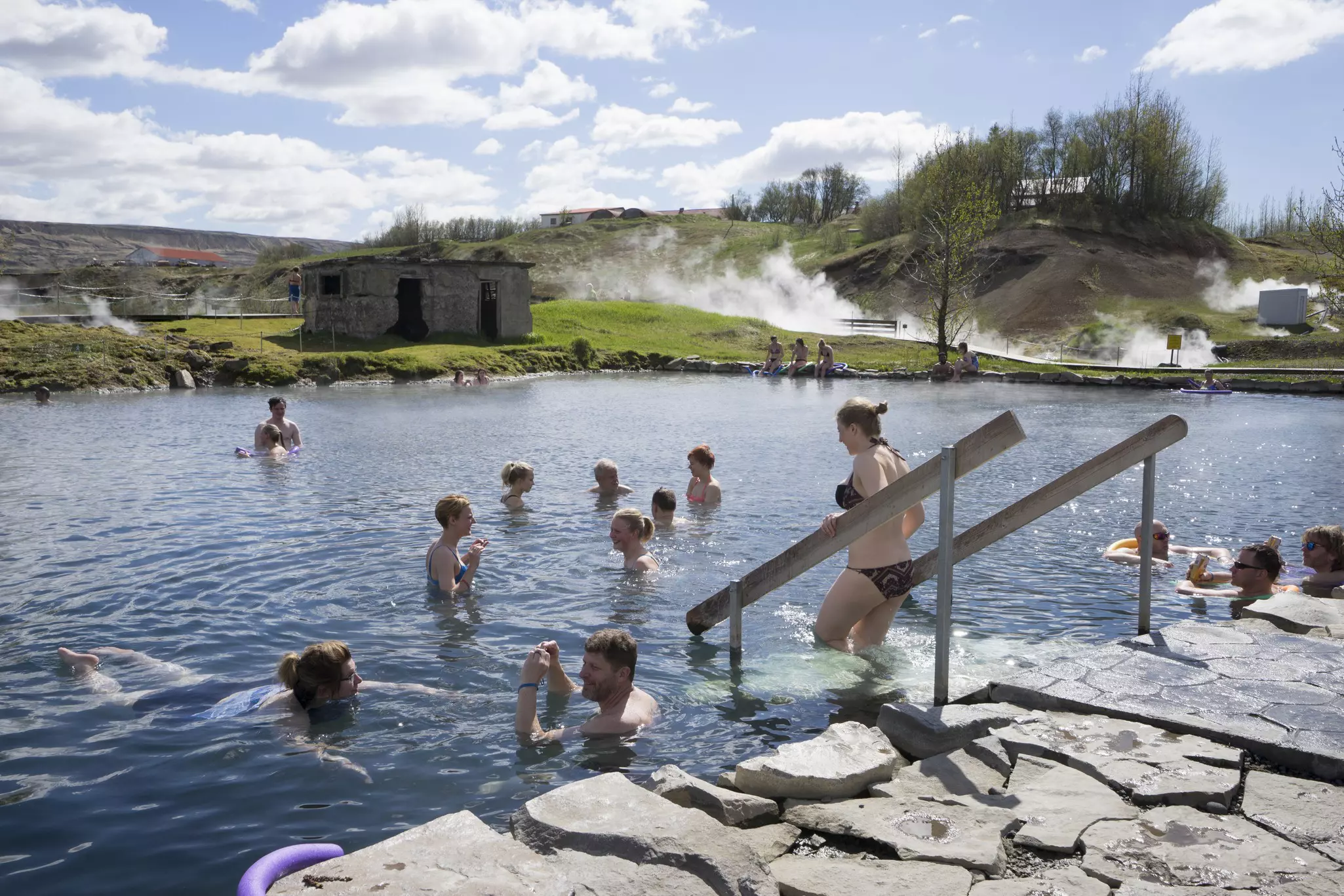
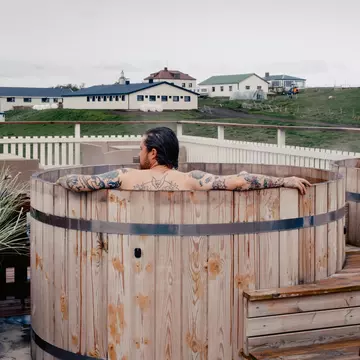
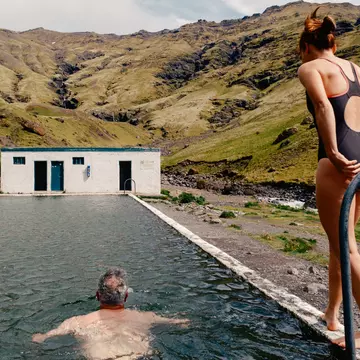
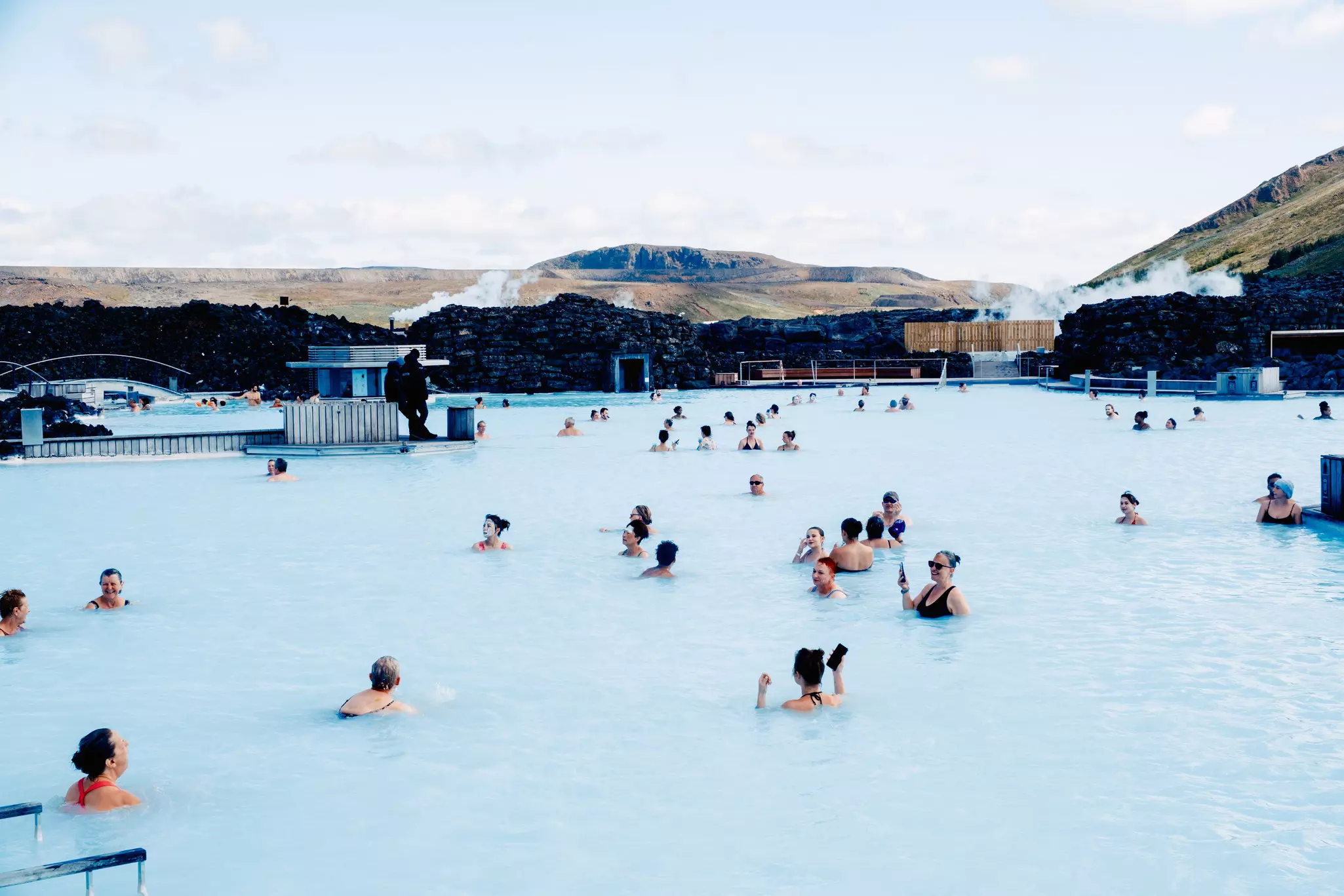
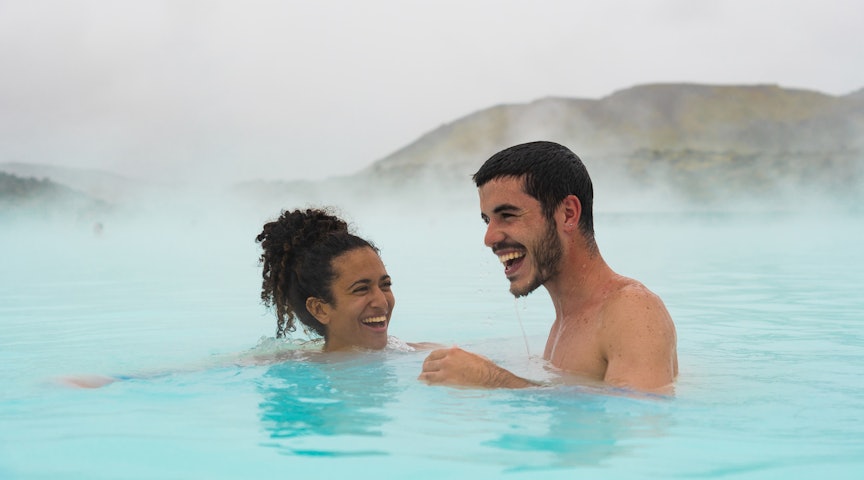
Part of the unique gift of Iceland's volcanic landscapes, natural hot springs pop up all over the island, from free-to-use natural hot pots to upmarket bathing and spa complexes. It's practically a national pastime to hit the local spring, soak and gossip. It is, however, an absolutely mandatory hygiene and etiquette rule to shower naked and wash thoroughly with soap before donning your swimsuit to enter hot springs and pools.
Most pools are not treated with chemicals, so cleanliness is a key factor. Whether you're at the famous Blue Lagoon or the remote outdoor pool at Krossneslaug in the Westfjords, there's no quicker way to horrify an Icelander than to jump in dirty. You should also take your shoes off and put them on the rack provided as you enter the changing room.
Iceland has a permanent population of around 393,000 people, but some 2.25 million visitors arrived here in 2025, placing a considerable burden on the island's natural environment and infrastructure. To reduce the impact of your travels, remember the basics of responsible travel. Don't litter, minimize your environmental footprint, leave places better than you found them (so remove any litter you do find), and take steps to protect wild animals and plant life (such as only booking tours through responsible operators).
This applies to popular areas like the Golden Circle as well as the wild interior, where it's just you, the glaciers and volcanoes. To help combat overtourism, consider visiting quieter parts of Iceland where tourism places less strain on resources and supports smaller, locally run businesses, such as those in the far north of the country.
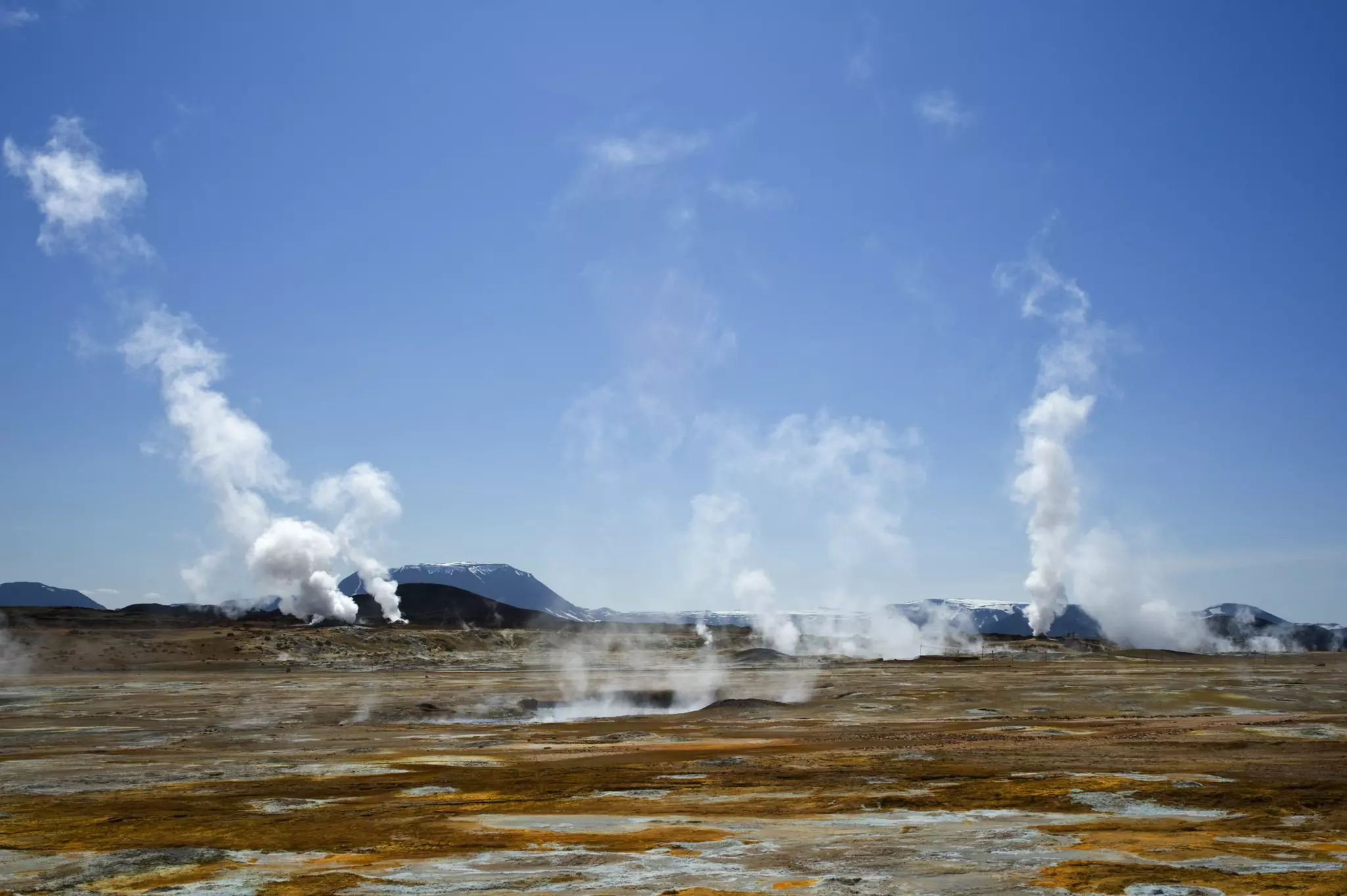
With Iceland's volcanoes, glaciers and chilly winter weather, there are a few considerations for staying safe while you explore.
Iceland's steaming hot springs hint at powerful forces below the ground, and volcanic eruptions periodically disrupt flights to Iceland (and the rest of Europe). There were eruptions in July 2025 at the Sundhnúkur crater on the Reykjanes Peninsula in southwest Iceland, not far from Keflavik International Airport. The lava flows led to the evacuation of the town of Grindavík and a ban on hiking in the area until the eruption ceased.
While not on the scale of the 2010 Eyjafjallajökull eruption, which caused widespread closures of European airspace, the 2025 eruptions are a reminder that volcanic activity can affect travel to the island, so stay up to date on the latest seismic activity. When hiking, stick to marked routes and pathways, and immediately follow any advice to evacuate in the event of an eruption.
Never drive off-road in Iceland. It's illegal and incredibly damaging to the island's fragile environment. Cavalier tourists leave tracks where they've flouted the rules, and those tracks entice others to do the same, increasing damage and erosion. Even with a 4WD, stick to marked roads. Local tour agencies offer responsible wilderness excursions in vehicles that are modified to handle the conditions, following approved routes and using proper safety equipment, with support in the event of an emergency.
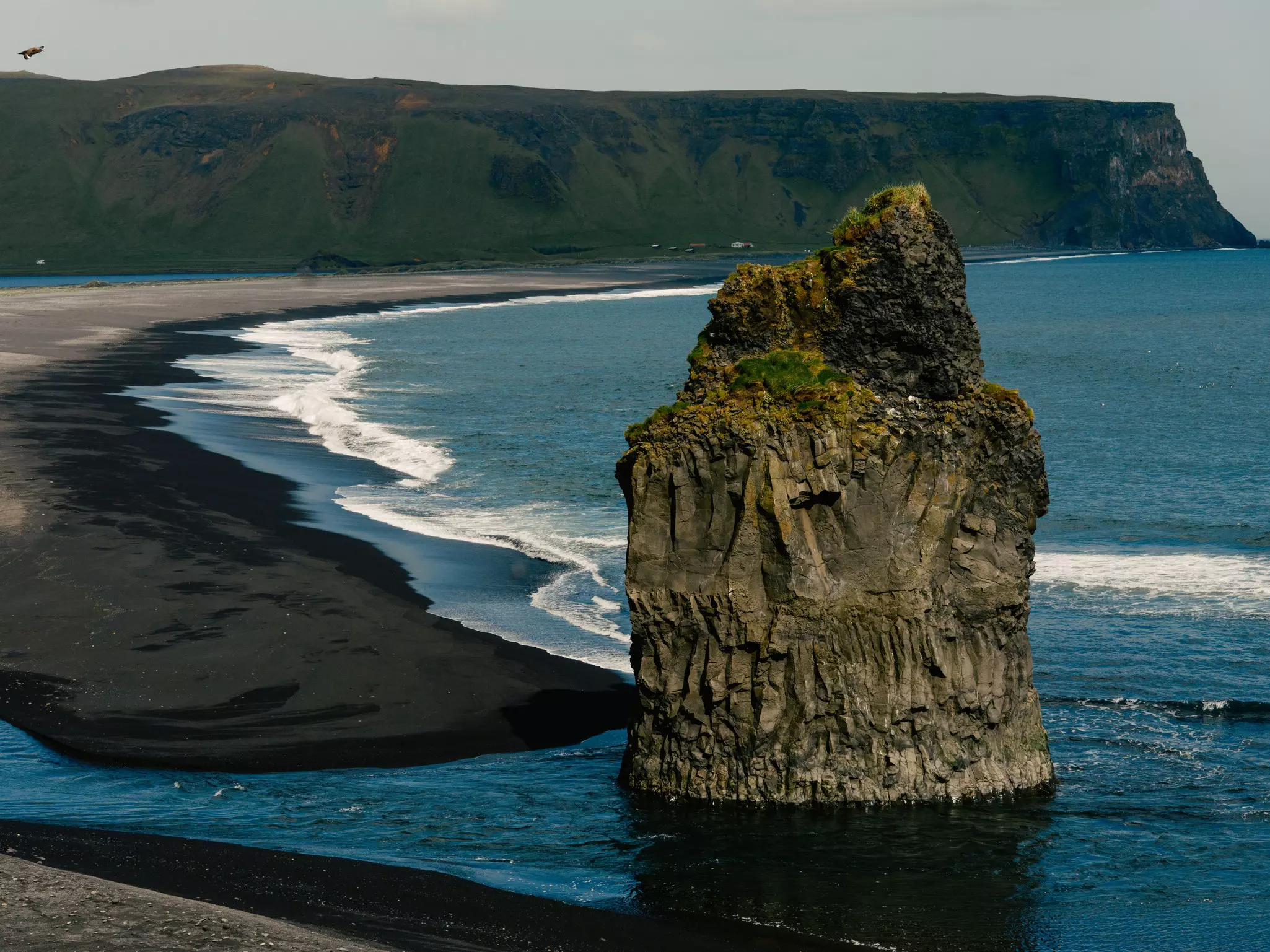
Icelanders often roll their eyes when they see tourists making rookie errors when visiting Iceland's incredible landscapes. We've watched a teenager, on a dare, jump into 2°C (35°F) waters at Þingvellir National Park and witnessed tourists being sucked into the waves at black-sand Djúpalónssandur beach – one family even attempted to drive across Langjökull glacier in a small SUV!
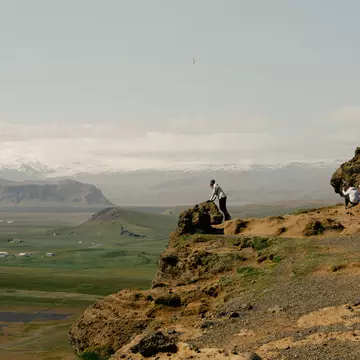
For all its humbling drama, Iceland's terrain can sometimes be perilous. There are usually no safety rails beside cliff edges and no ropes alongside plummeting waterfalls. Icelanders prefer not to mar beauty with obvious signs or railings; instead, they rely on people to be aware of their surroundings and mindful of potential danger. If you do see signs or barriers, heed them!
Glaciers bring extra risks that tourists may not be aware of. Hidden crevasses can be highly dangerous, so only venture onto a glacier with a guide on an organized tour with proper safety equipment. A rented 2WD or 4WD vehicle is not suitable for crossing a glacier – even the specialized vehicles used by tour companies can get bogged down in snow.
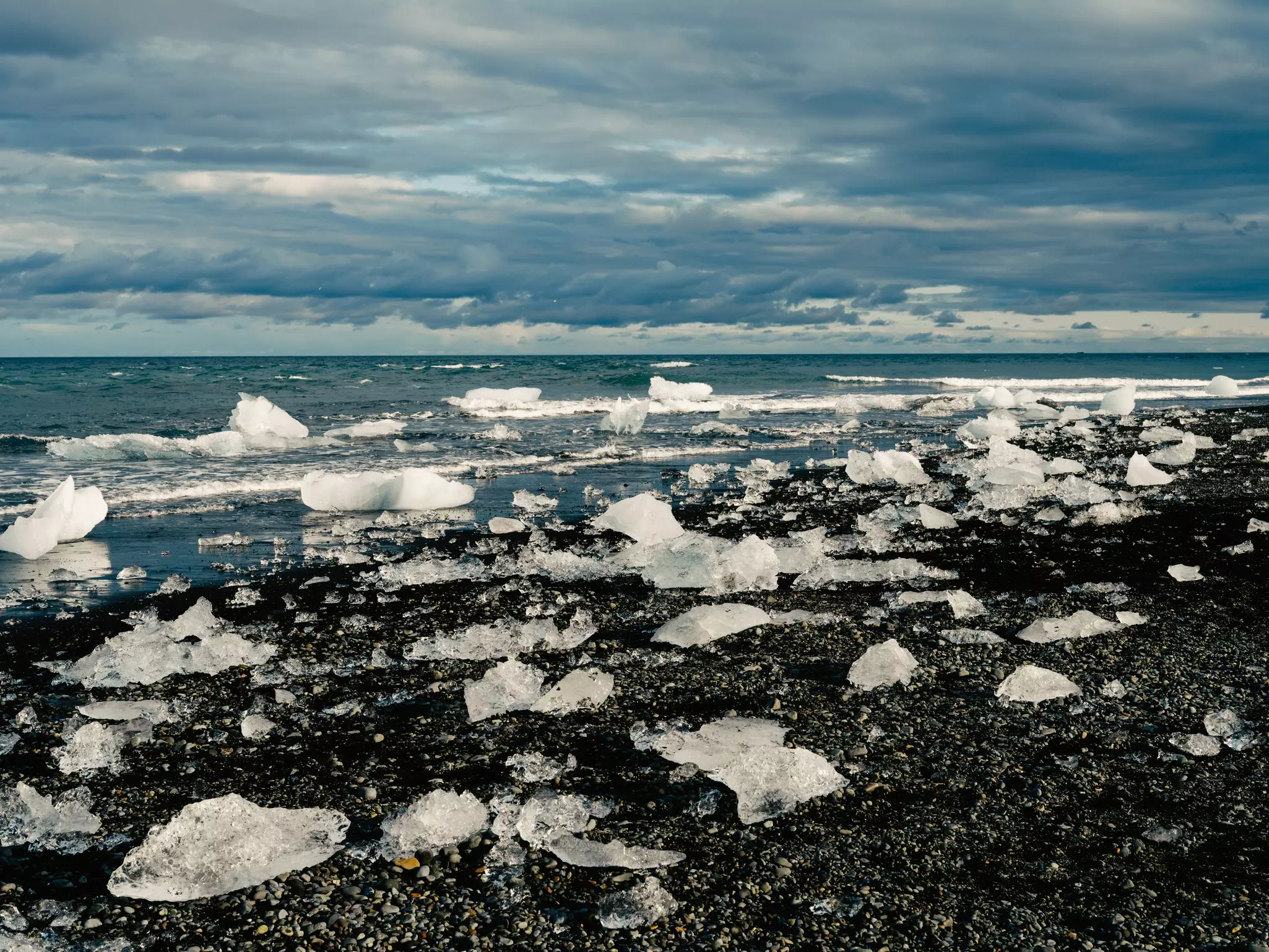
The fine sand around the end of glaciers (including at some of Iceland's beaches) is another hazard. It can turn into quicksand when wet, so be extra careful. Cars trying to ford shallow streams and rivers can also get stuck, so seek local advice before attempting any crossing. Also, be on the lookout for so-called "sneaker waves" that break with unexpected force at swimming spots such as Reynisfjara's black sand beach.
Between November and March, snow can also disrupt flights and road travel. Spring snowstorms in 2026 left visitors trapped in Reykjavík for several days, and most winters see the closure of smaller roads across the interior of the island. When visiting in winter, make sure you are ready (and dressed) for temperatures that can reach -10°C (14°F) at night.
Also, heed the weather when heading out on foot – a sunny day can quickly turn to snow flurries, and the stakes get even higher as you head into the true wilds. Always check the weather forecasts from the Icelandic Meteorological Office via the Vedur website when planning a trip.
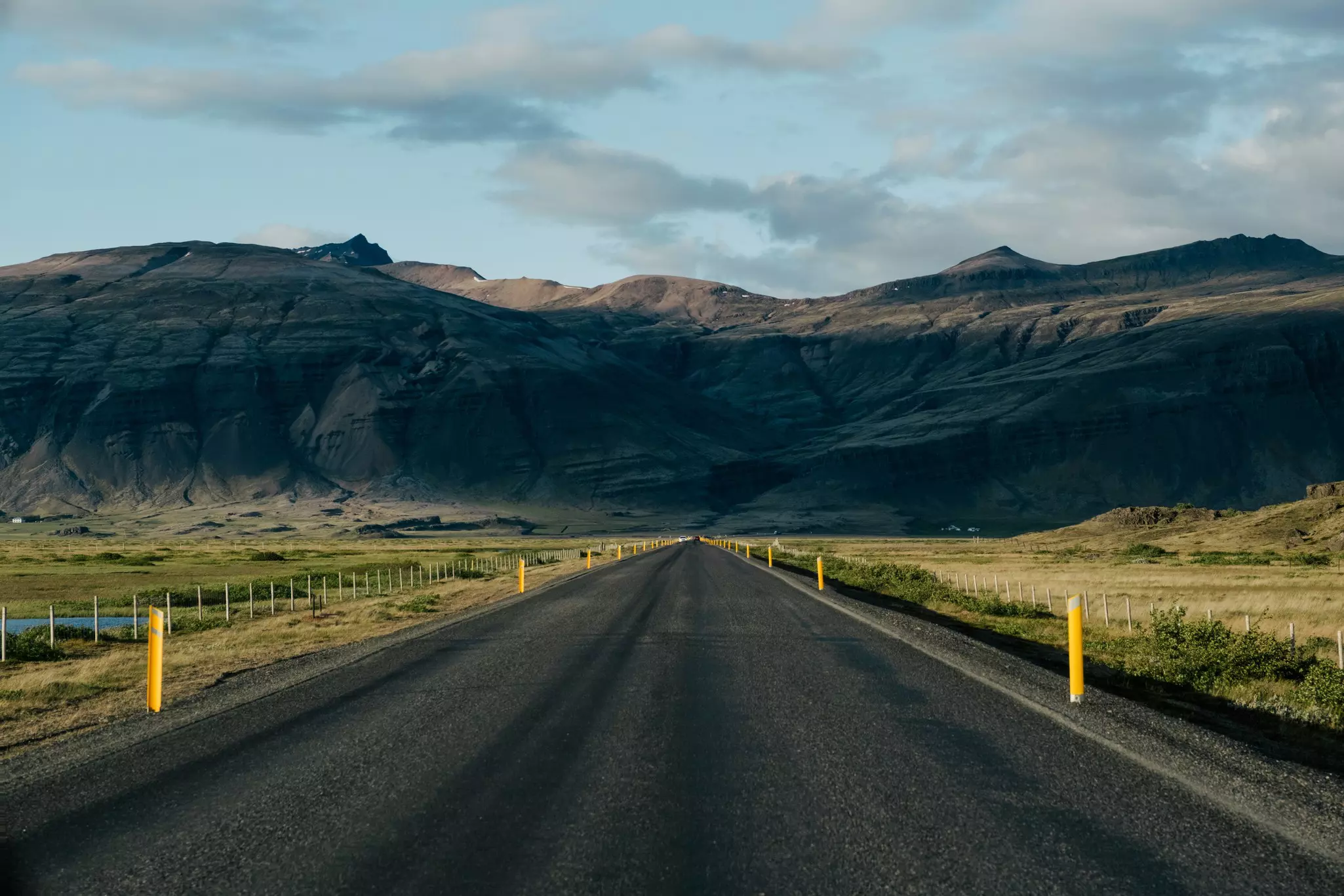
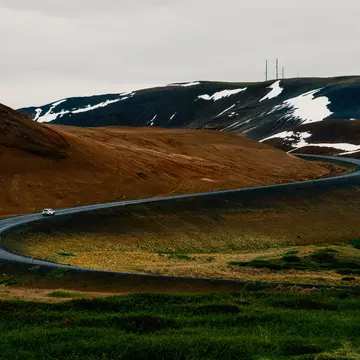
Having your own wheels in Iceland will allow you to roam the island's uplifting countryside at your leisure. But it's important to check your route before setting out to make sure roads and trails are open – Icelanders always do.
Plan an itinerary that's realistic for you. Investigate driving times and road conditions on the Umferðin website (and look for any alerts or warnings), and if you're going walking in nature, check trail conditions and hiking requirements before you set off.
On any trip into nature, ask locals, who will know the tricks and troubles of each place. You don't want to be caught on a hillside in fog or sleet (whether on foot or in your car) with no food and water and no idea how to get back to safety.
Be more prepared by visiting the Safe Travel website, run by ICE-SAR (Icelandic Search & Rescue). It provides travel and weather alerts, a smartphone app (useful in emergencies) and advice on creating a safe travel plan.
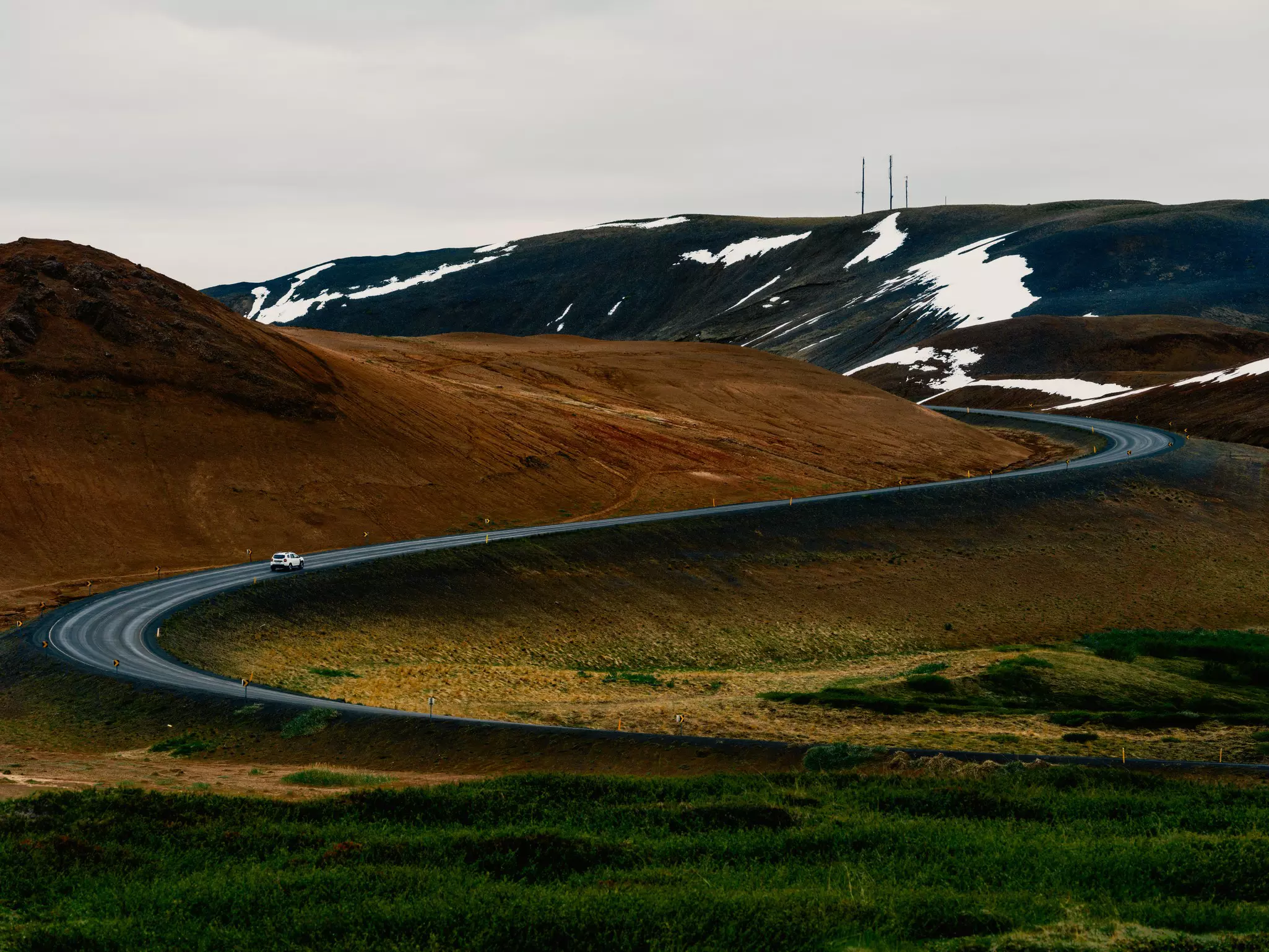
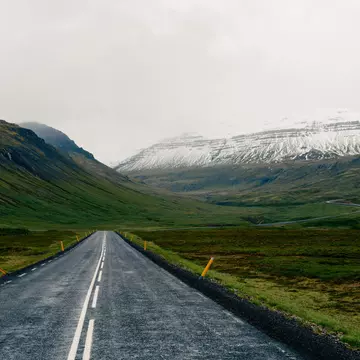
It's incredibly important to know which roads are accessible in the type of vehicle you're driving. Beyond Iceland's main Ring Road (Route 1), fingers of sealed road or flat gravel stretch out to most communities until you reach the F Roads – bumpy tracks only passable by 4WD.
F roads are unsafe for small cars, and if you travel on them in a hired 2WD, you will also invalidate your insurance. If you want to roam into the island's rugged interior, hire a 4WD or join an organized tour in a 4WD bus or another appropriate vehicle. Similarly, trying to ford a river in a 2WD vehicle or a low-slung 4WD is asking for trouble.
Iceland's tour operators are a professional and knowledgeable bunch and can get you out into rugged country you would have difficulty reaching under your own steam. Adventurous tours will take you to icecaps, remote valleys and craggy lava fields using "superjeeps" (modified 4WDs), snowcats, amphibious buses, snowmobiles, helicopters and more. While trips can be expensive, going on a tour can provide insights and safely lead you through dangerous landscapes you shouldn't tackle alone.
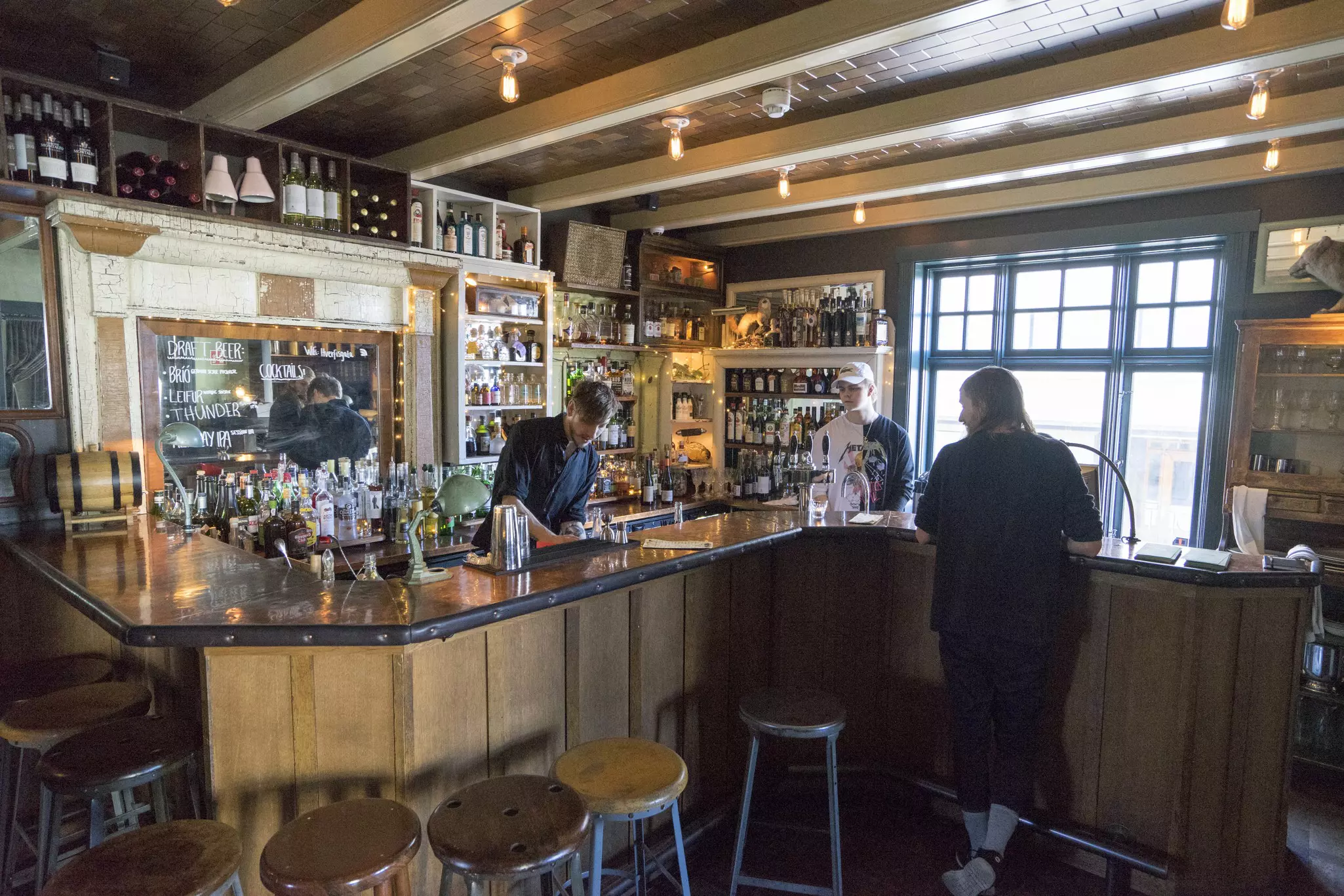
Iceland is famous for delicacies such as hakarl (air-dried fermented shark meat), but there are plenty of more accessible dishes for the less adventurous. If you do sample hakarl, it's traditional to accompany it with a shot of Brennivín (Icelandic schnapps).
The legal drinking age in Iceland is 20, and drinking is discouraged by high alcohol taxes and restrictions on where alcohol can be purchased. Beverages containing more than 2.25% alcohol are only sold in designated Vínbúðin stores, which keep limited hours and close on Sundays or in licensed restaurants, bars and clubs.
You can, however, find low-strength, malty "pilsner" beer containing less than 2.25% alcohol at many shops and unlicensed cafes. Smoking and vaping are banned indoors, and throwing butts away outdoors will bring strong disapproval; stick to designated smoking areas and use the waste bins provided.
Service charges are already included in the bill at most restaurants and cafes in Iceland, so tipping isn't customary or expected, but leaving a small tip for good service won't raise any objections. Remove your coat and knock the snow off your boots when you enter, and be ready to go to the counter to pay.
People often eat evening meals quite early, between 6pm and 8pm. When dining in a group, it's normal to serve older people first, before children. If the establishment is not licensed, you may still be able to buy low-strength pilsner for a beer taste without the alcohol hit.
Icelandic water is pure and wonderful; Icelanders will look at you askance if you ask for bottled water. However, be ready for a mildly sulfurous smell when using hot taps in Iceland – water is often geothermally heated by volcanic forces, lending it a distinctive odor.
To continue planning your trip to Iceland, check out our Iceland guidebook .
Book your Iceland trip with Lonely Planet Journeys
See Iceland how it's meant to be seen
Planned by local experts and tailored to you, Lonely Planet Journeys handles the logistics so you can just enjoy the trip. Tell us what you want and we'll build your Iceland itinerary from scratch, or browse our bookable trips to get inspired.

Explore related stories