Aug 17, 20268 min read
A Guide to Lombok, IndonesiaAug 17, 2026
8 MIN READ

Writer
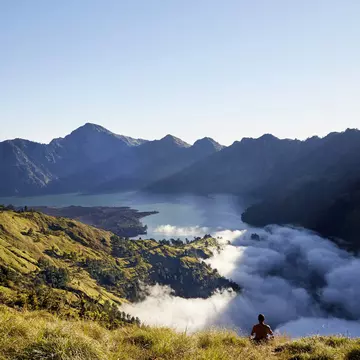
The crater lake at Mount Rinjani on Lombok, Indonesia. John Laurie/Lonely Planet

Writer
Highlights
Lombok-based writer Leyla Rose guides you through Indonesia's Bali alternative.
Visit April to June or September for dry weather, lower rates and smaller crowds.
Beginners dive in the car-free Gili Islands while serious hikers take on Mount Rinjani.
Rent a scooter to get around, or use Grab and Gojek rideshares in tourist areas.
Lonely Planet may earn a commission from affiliate links on our site. All recommendations and reviews reflect our own independent opinions.
Lombok is often compared to what Bali, just a short hop across the water, was like 30 years ago. In some ways, it’s true – the beaches aren’t crowded, traffic jams are nonexistent and nature is still largely untouched. But Lombok isn’t stuck in the past – it has everything that Bali has, from international dining to luxury hotels. The island’s laid-back atmosphere is ideal for anyone seeking a relaxing holiday, with a bit of adventure on the side.
For a long time, Lombok remained unknown to visitors, and those who did venture here only did so as part of a tag-on to a Bali trip. Today, thanks to its excellent transport links, both domestically and internationally, an increasing number of visitors are making Lombok their main trip, choosing to skip Bali entirely.
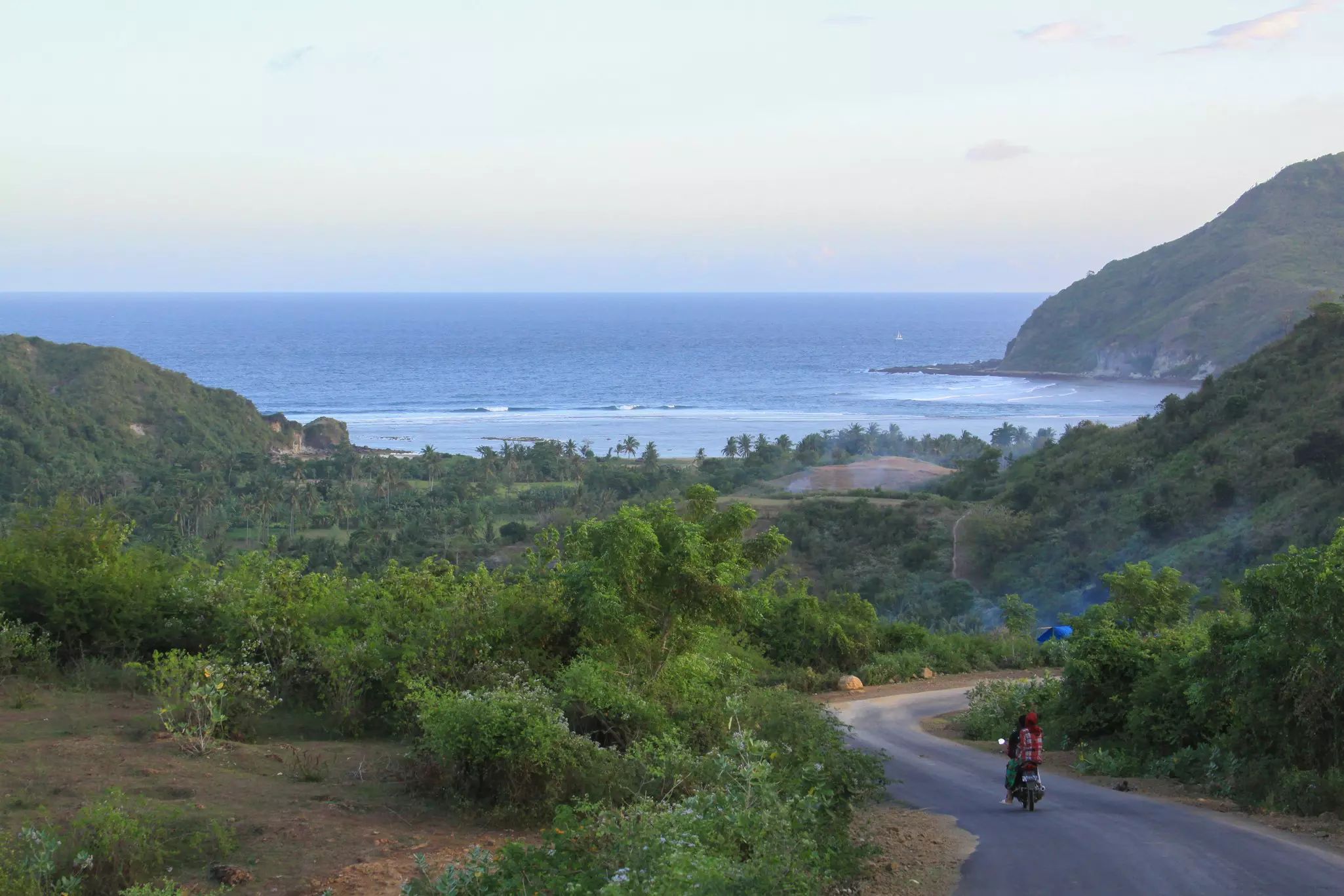
The best time to visit Lombok is during the dry season, between April and September. Days are clear and the heat is dry, with a nice cool breeze thanks to the Australian winter bringing up cool air. It’s the perfect time for outdoor activities like swimming under waterfalls, cycling and trekking through jungle and rice fields. July and August are the busiest months, so you may want to book accommodations ahead of time.
The sweet spot is during the shoulder months (April to June and September), where the weather is good, low-season rates still apply and it’s not too busy yet.
The wet season (October to March) brings humid weather and torrential downpours, although these only last a couple of hours a day, and usually just in the afternoons. It’s still possible to visit during the wet season – get your outdoor activities done in the morning and enjoy afternoons indoors at Lombok’s many spas. The wet season is also a better choice for budget travelers. Keep in mind that if you’re traveling during Ramadan (the dates vary each year), local eateries will close but restaurants in tourist areas stay open.
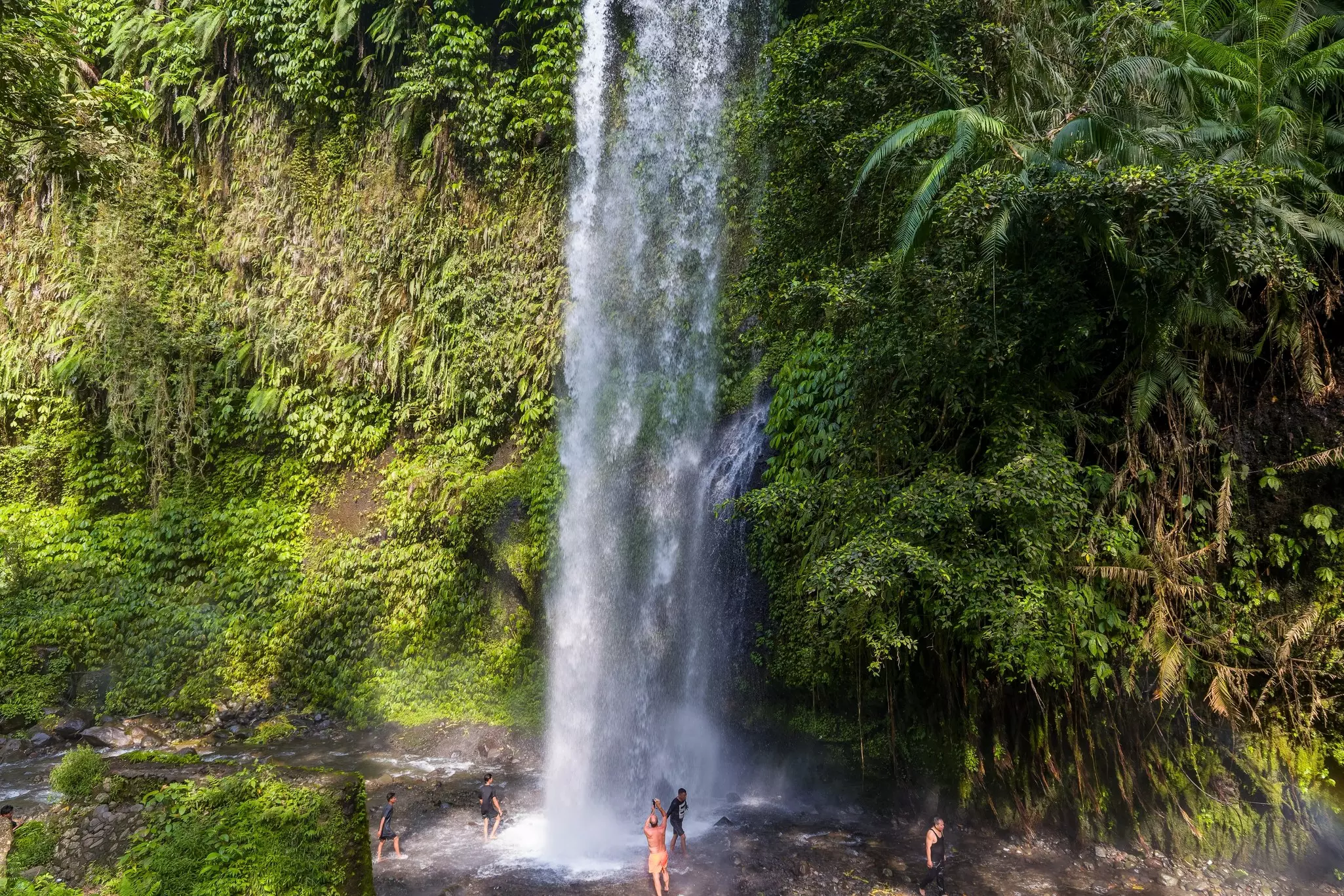
Lombok may be compact but it has tons to offer, and 2 weeks is an optimal amount of time to see everything and not feel rushed. A loop around the island makes the most sense – start your trip in Kuta, spending a couple of days exploring the beaches, surfing and yoga. This is the busiest part of the island, so head inland to Tetebatu for a night or two and enjoy the peace and quiet amongst the paddy fields.
Go further north, where you can take on the tough (but rewarding) multiday climb up Mount Rinjani. If you prefer something a little less strenuous, a visit to Sendang Gile and Tiu Kelep waterfalls is a must. From this point, you’ll start heading south along the west coast.
Take a boat over to the Gili Islands – tiny, car-free islands with white-sand beaches. Choose between Gili Trawangan (the party island), Gili Meno (the quietest island) and Gili Air (a good mix of both). A couple of days here is ideal, before heading back to Lombok mainland and continuing south.
Drive through Ampenan and Cakra for a taste of city life – you’ll find local markets and street food. One last stop before heading back to Kuta is the Secret Gilis, a group of small islands in the southwest. Surrounded by calm and clear waters, these islands are perfect for snorkeling, diving and kayaking.
If you’re short on time, 5 days is enough to see Lombok’s highlights. In this case, it’s best to base yourself in Senggigi, a resort town on the west coast from which most places are within a 2 hour drive.
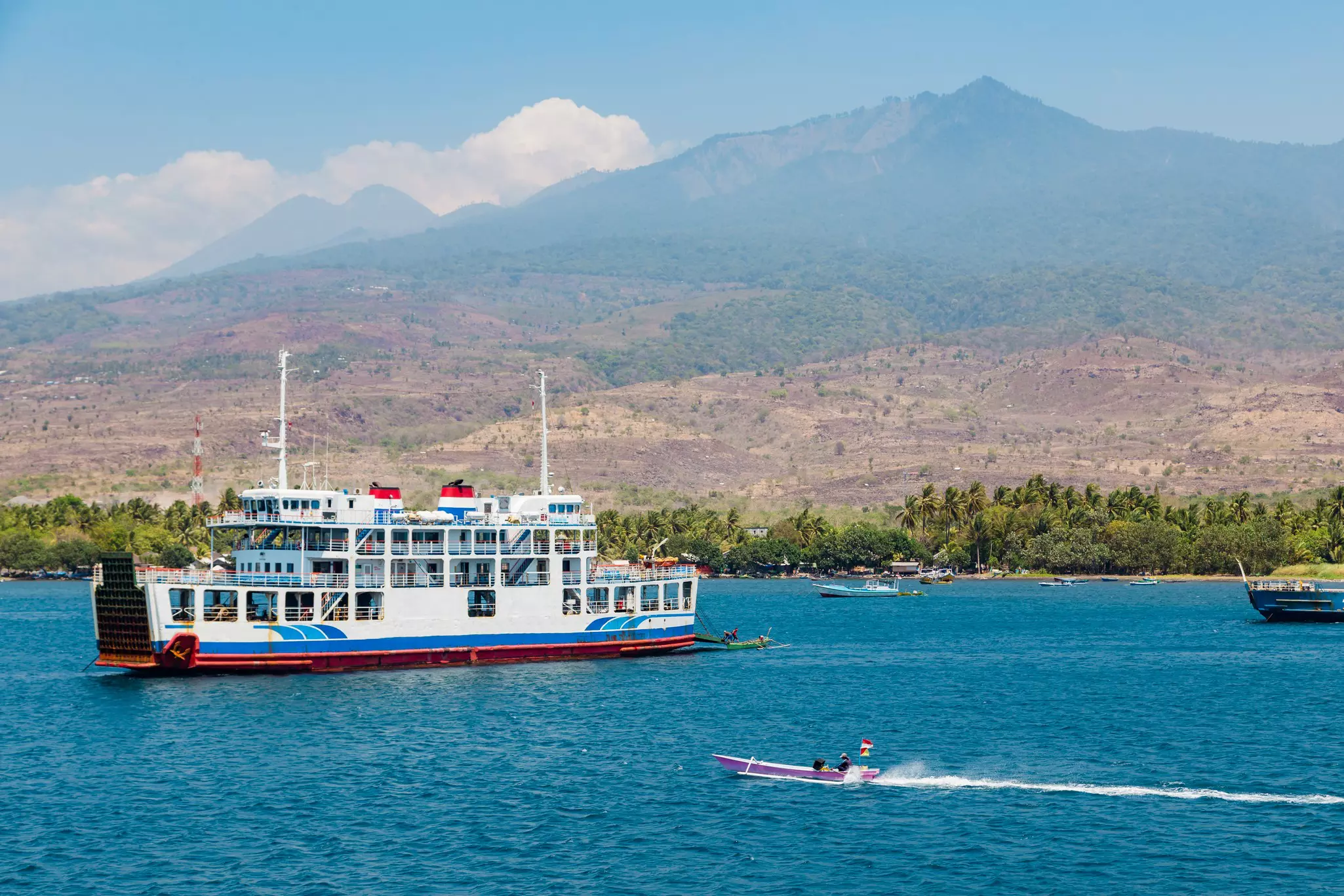
Lombok International Airport in central Lombok has direct flights to other transport hubs across Indonesia such as Bali, Jakarta and Surabaya, as well as Singapore and Malaysia.
If you’re traveling to Lombok from Bali, you can take the slow ferry (5 to 7 hours) which arrives at Lembar port. The fast boat takes from 1 hour and 30 minutes to 2 hours, and stops in Senggigi, Bangsal and the Gili Islands.
There isn’t a public transport network in Lombok, so the best way to get around is by hiring a scooter or car. It’s straightforward and affordable, but if you’re not keen on driving, it’s also possible to hire a car with a driver. Another option to get around is rideshare apps like Grab and Gojek, and taxis like Bluebird. Bear in mind that these only operate in tourist/urban areas like Senggigi and Kuta.
Lombok isn’t designed for pedestrians, but it isn’t exactly unwalkable either. Tourist areas are easy to get around on foot, but more built up urban areas have unreliable sidewalks, pollution and fast-moving traffic.
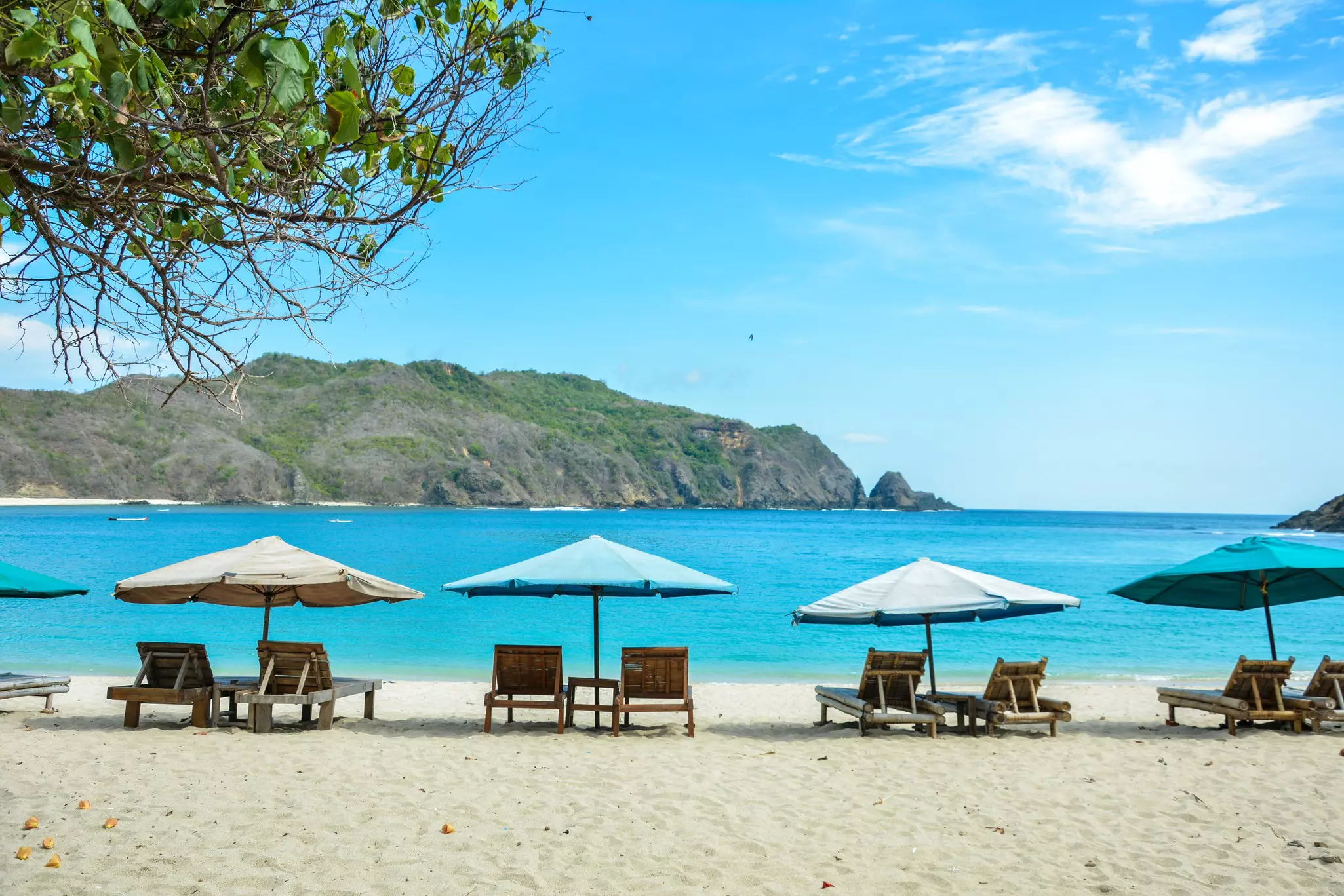
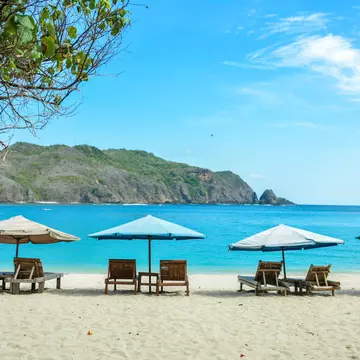
The south coast is home to the island’s best beaches, from hidden coves to white sands that stretch as far as the eye can see. Set up for a beach day at Selong Belanak, where the calm waters and soft sands make it a favorite with beginner surfers. Mawun is another stunning, quieter beach, which is great for swimming and sunbathing. There are a few beach shacks here selling food and refreshments, so you can easily stay here all day. Further east is Pink Beach, a remote bay with pastel-pink sands colored by crushed red coral. It’s a fun adventure to get here, as it’s quite remote and the roads bumpy, but the incredible views are worth it.
Swap Lombok’s beaches for a tour of its rich cultural heritage. Villages like Sukarara and Sade are centers for handweaving, where women create colorful patterned fabrics on wooden looms. It’s fascinating to watch them at work, and you can purchase the fabrics directly from them.
Lombok also has a long history of pottery, and the village of Banyumulek is the largest production center for handcrafted earthenware. They make for wonderful souvenirs, and you can even join a workshop to make your own memento to take home.
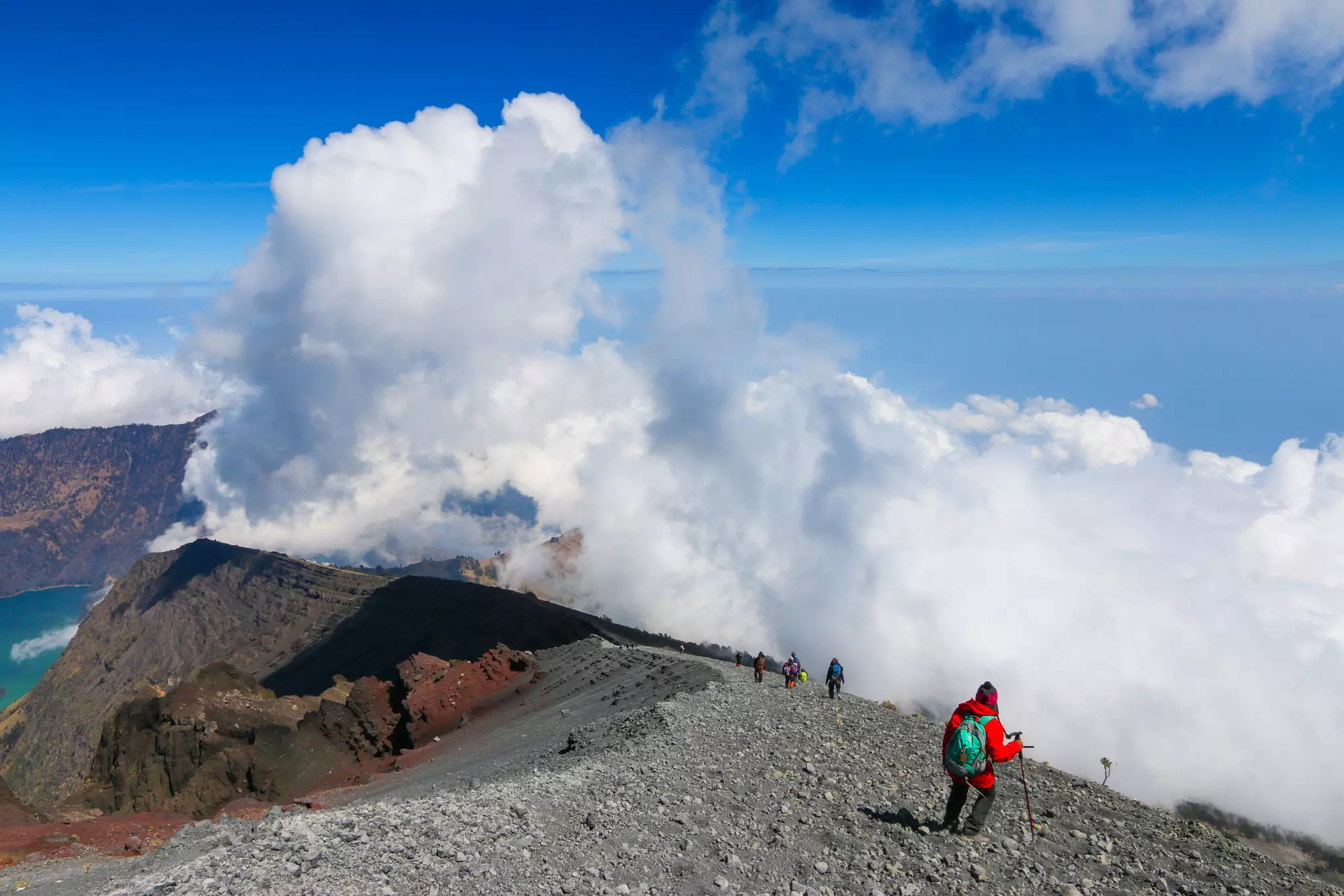
At 3726m, Mount Rinjani is Indonesia’s second tallest volcano. It’s a popular activity amongst visitors to Lombok, the range of landscapes – savanna, rainforest and temperate forest – making for a scenic route the entire way. If you’re visiting Lombok for a longer amount of time, then this is definitely worth doing – the shortest route is a 2 day/1 night trek up to the crater rim and back down, but you can also add on a couple of days to see the summit, crater lake and hot springs. A guide is required, and there are many trekking companies to choose from, most of which provide tents, gear, food and porters to carry everything.
Scuba diving and snorkeling should be high on your to-do list. If you’re new to scuba diving, the Gili Islands are the best place to learn, with tons of diving operators and ideal conditions for beginners. Seasoned divers should check out the southwest coast with its large pelagics and macro critters. For snorkeling, head out to east Lombok around the Pink Beach area. It’s a bit out of the way, but this is where the best corals are – plus, you’ll most likely get the whole place to yourself.
My favorite thing to do in Lombok is hang out at Pandanan Beach. Located on the west coast, this gently curved bay doesn’t see many tourists at all. The sandy bottom and calm waters are lovely for swimming, and the sunsets here are amazing. If I’m hungry, I’ll order fresh grilled fish from one of the many beach shacks, served with rice, vegetables and fresh coconut.
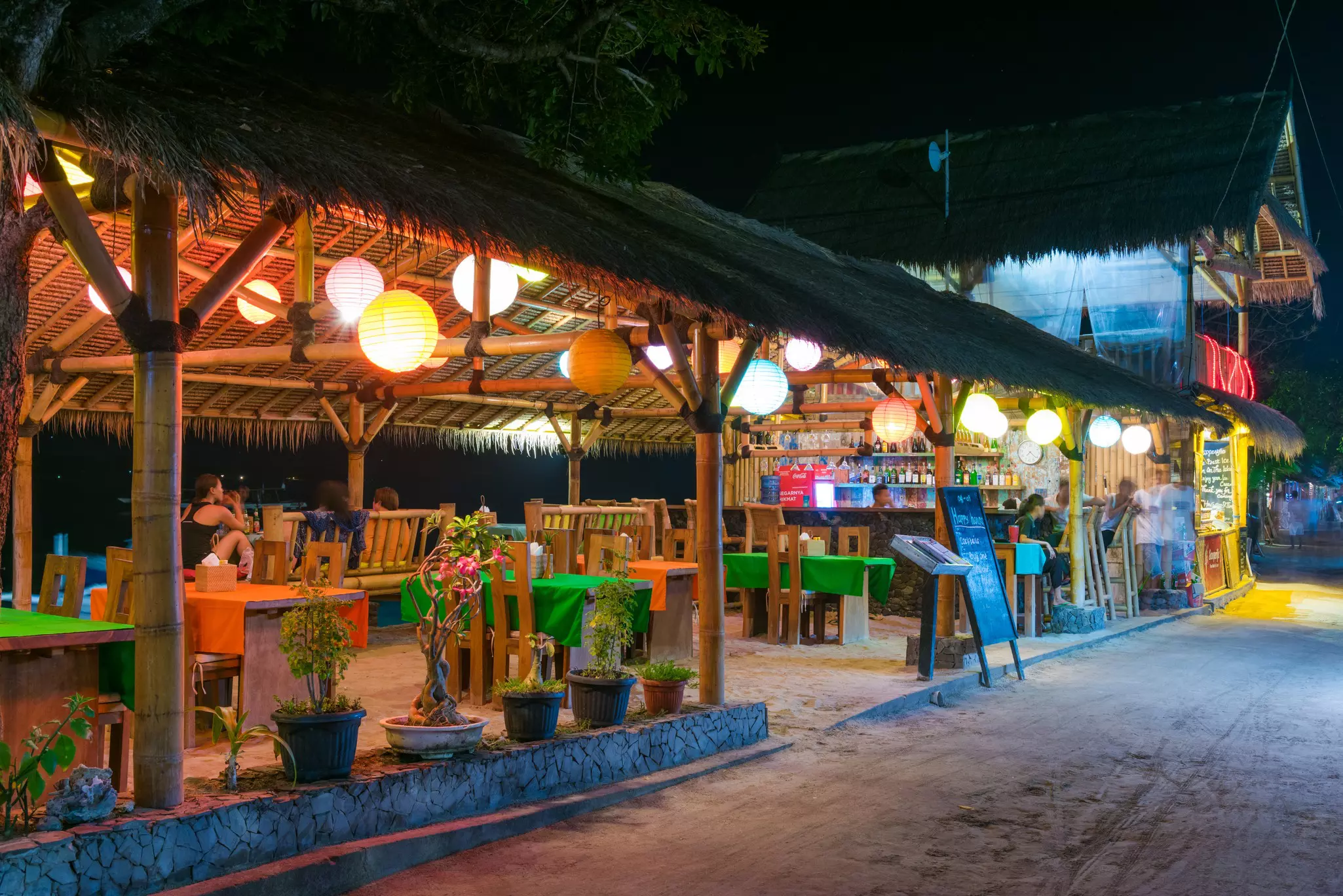
Lombok is a good-value destination, and your money goes a lot further than it would in Bali. Food is inexpensive, especially when eating at local, family-style warungs. Budget accommodation is easy to find, but keep in mind that the standards of comfort and hygiene aren’t high. On the other hand you can find midrange and luxury hotels for reasonable prices. Bring cash to spend in budget hotels, markets, shops and warungs, but anywhere else debit and credit cards are fine.
Budget room for two: 300,000Rp
Upscale room for two: 800,000–1,500,000Rp
Self-catering villa: 2,000,000–10,000,000Rp
Scooter per day: 75,000–150,000Rp
Coffee from a coffee shop: 40,000Rp
A plate of rice and sides at a casual warung: 20,000Rp
Dinner for two at a restaurant in a tourist area: 350,000Rp
A beer at a bar: 45,000Rp
Lombok is a Muslim-majority island, so dressing modestly is advised. Shorts and tank tops are fine at the beach and in tourist areas. Women should cover their shoulders, chest and knees (T-shirts are fine) when walking in more rural areas.
Long, breezy clothing is needed for sun protection and beating the heat, as well as covering up when not at the beach. Bring activewear if you’re planning on going to the gym or hiking, and a long-sleeved rashguard for swimming – not only does it protect you from the sun, but also from jellyfish or corals. A pair of sturdy footwear is essential for hiking, while waterproof sports sandals are useful for walking to waterfalls.
Tap water in Lombok and the rest of Indonesia isn’t purified, so avoid drinking it or using it to brush your teeth. You’ll often find water dispensers in hotel rooms – these are fine to use, but otherwise, stick to bottled water. Street food in Lombok is safe to consume. Just make sure you wash your hands before eating, and wash any fruit or vegetables that you buy in the markets.
Explore related stories