Sep 21, 20265 min read
How to Experience Tango in Buenos AiresSep 29, 2026
8 MIN READ

Writer
Aerial view of the iconic River Plate stadium pitch (El Monumental). Sobrevolando Patagonia/Shutterstock

Writer
Lonely Planet may earn a commission from affiliate links on our site. All recommendations and reviews reflect our own independent opinions.
If you think about Argentina, you think about soccer.
A great starting point for discovering a destination is engaging with its local culture, and, needless to say, the culture of Buenos Aires and the culture of soccer are one and the same.
Whether it’s your first time in this city and you want to discover the Argentine passion, or if you’re a fan looking to immerse yourself in the culture like a true local, these are thebest places to experience fútbol rituals in Buenos Aires.
The mass popularity of soccer in Argentina didn’t take root immediately. Like everything, it had its process of growth. British immigrants introduced the game in the middle of the 19th century and from there, the sport slowly began expanding.
By the 1880s, the first neighborhood clubs had been founded, and in their early years, competitions were organized mainly on an amateur basis in schools and immigrant clubs.
But in the first decade of the 20th century, soccer gained mass appeal as clubs popped up throughout the country, integrating popular sectors into the sport.
If you want to feel the most intense soccer atmosphere, visiting La Bombonera is the classic pilgrimage.
Located in La Boca, the entire neighborhood revolves around the stadium, specifically around the Boca Juniors team. Inside the stadium, you can tour the team’s museum or see soccer legend Diego Maradona’s VIP box, where he watched matches with family and friends.
Born in Lanús but raised in Villa Fiorito, Maradona made his professional debut in 1976, at the age of 15, standing out in his very first match. On his first team, Argentinos Juniors, Maradona was immediately recognized for his goal-scoring ability and confident style.
In 1981, Maradona joined Boca Juniors, where he became one of the best players not only on the team but in the country.
But it was during his 1982 World Cup appearance with the Argentine national team that Maradona became an international icon. He scored just two goals in the tournament, but his skill was undeniable.
Four years later, Maradona and Argentina beat West Germany 3-2 to win the 1986 World Cup, cementing his legacy in Argentina and beyond as one of the greatest.
To enter Maradona's club, you can buy the "Stadium Tour + Museum" package at the venue entrance or on the official website. It's open every day from 10am to 6pm.
But who are we kidding, the best time to visit La Bombonera is on match day.
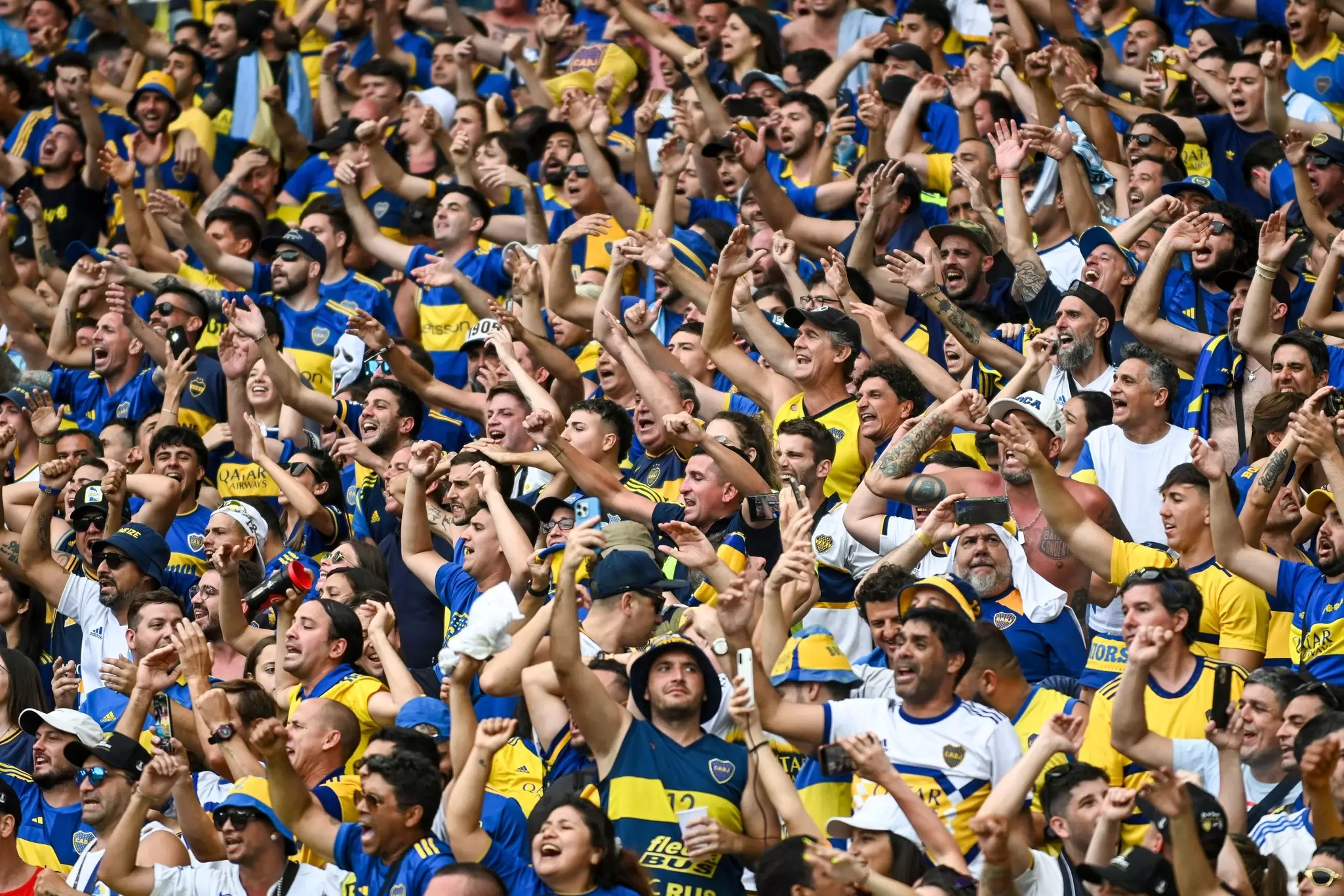
Famous for its flags, drums, and constant singing, a match here is unforgettable. Arrive early and explore the La Boca neighborhood while fans gather; you'll see the energy build from the outside as everyone walks toward the stadium.
To attend the match, you can check the team's public match schedule. The easiest way to buy a ticket is through tourism platforms like GetYourGuide or Viator, which offer highly rated activities and local guides who can help you gain access.
After the game, end the day by eating a choripán outside the stadium: a classic Argentine sandwich with a grilled chorizo sausage, warm, toasted bread and topped with chimichurri.
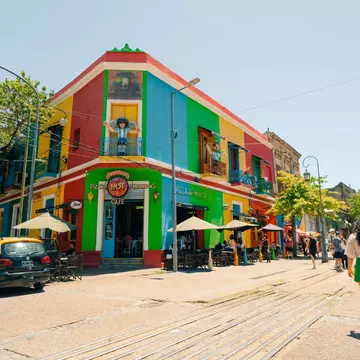
The neighborhood: La Boca itself is a tourist attraction, with the colorful Caminito and the river. This old immigrant spot is full of murals of Argentina’s greatest players, and shops around the stadium where you can buy shirts and souvenirs.
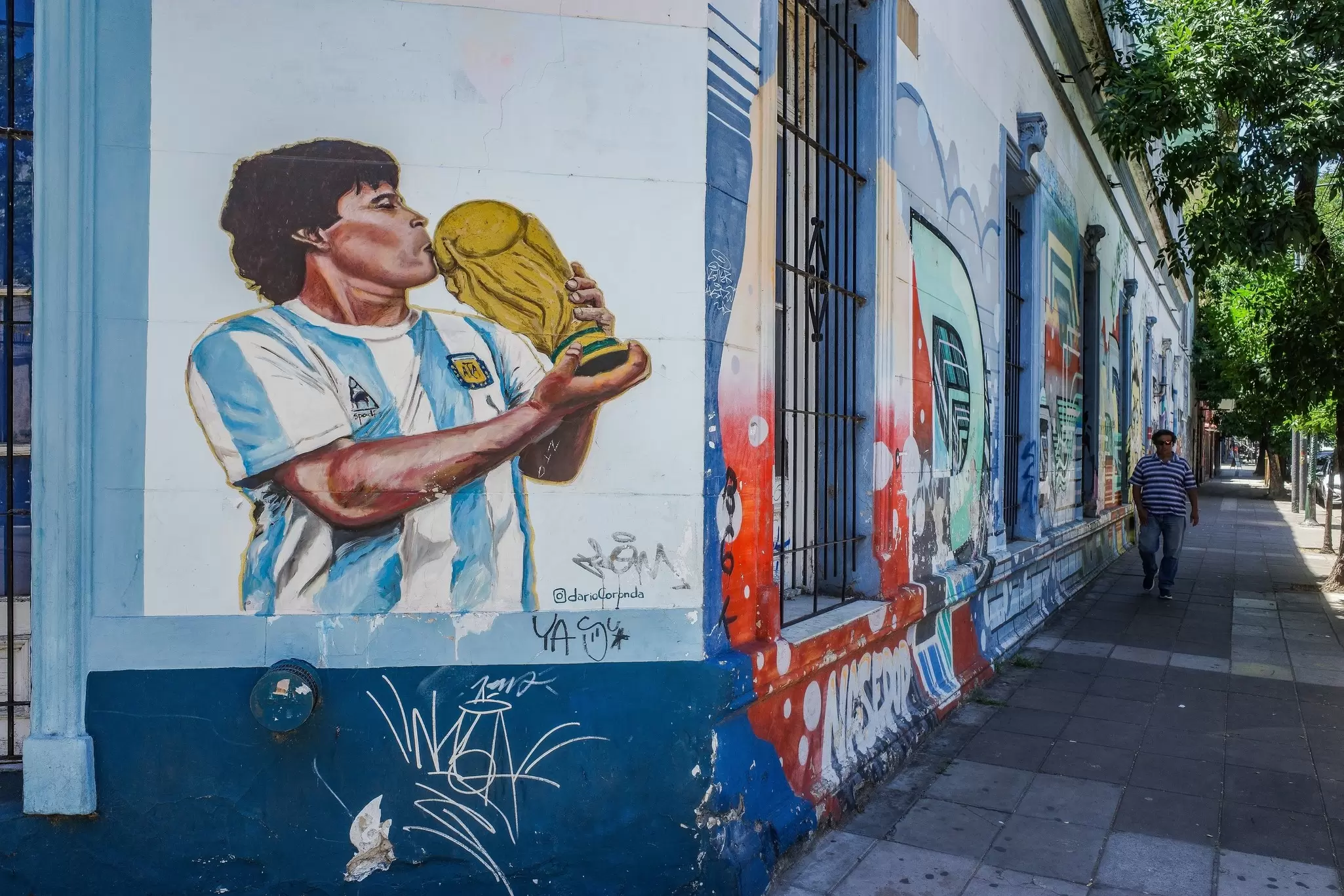
In Buenos Aires, the lines between soccer, ritual and religion is blurry.
The Maradona memorial, located in the La Paternal neighborhood, on the grounds of the Argentinos Juniors stadium (entrance at the corner of Boyacá Street), is that intersection. Fans leave offerings, light candles and write notes. They recite prayers with their eyes closed and reflect on wooden benches around the grounds.
The neighborhood: In La Paternal, where the king of soccer lived, you will also find murals with Maradona’s face and improvised altars everywhere. In addition, the house where Maradona lived in his youth is open to visitors (reservation required).
Everyone is out on match days. Many Argentinians gather in historic pizzerias on the famous Av Corrientes, steps away from the Obelisco in the city center, for a celebratory dinner if their favorite team wins, or a comforting treat for the losers.
In the true spirit of soccer, you’ll see people wearing rival teams’ shirts eating next to each other.
The top pizzerias are Güerrín, Kentucky, Las Cuartetas and Los Inmortales.In all of them, you’ll find a pizza that does not resemble the one from Rome or New York.
Argentine pizza has a lot of cheese (I mean, a lot) and a tasty flavor that locals like to have with fainá, a type of flatbread made from chickpea flour. Usually, Argentinians take a piece of each (pizza and fainá) and eat them together in the same bite.
It’s also common to have it paired with fugazzeta, a type of pizza filled with cheese and topped with onion and an ice-cold beer.
A good dessert is the way to go, as these pizzerias usually make very tasty flans and panqueques (a crepe) with dulce de leche.
The neighborhood: After pizza, end the day with a walk through the neighborhood of San Nicolás. Av Corrientes becomes pedestrian when the sun sets, and it is long, so you only have to keep walking straight to find ice cream stands, arcade games for the little ones, theaters or bars. You’ll find the widest avenue in the world, Av 9 de Julio, surrounded by neon signs and tango shows.
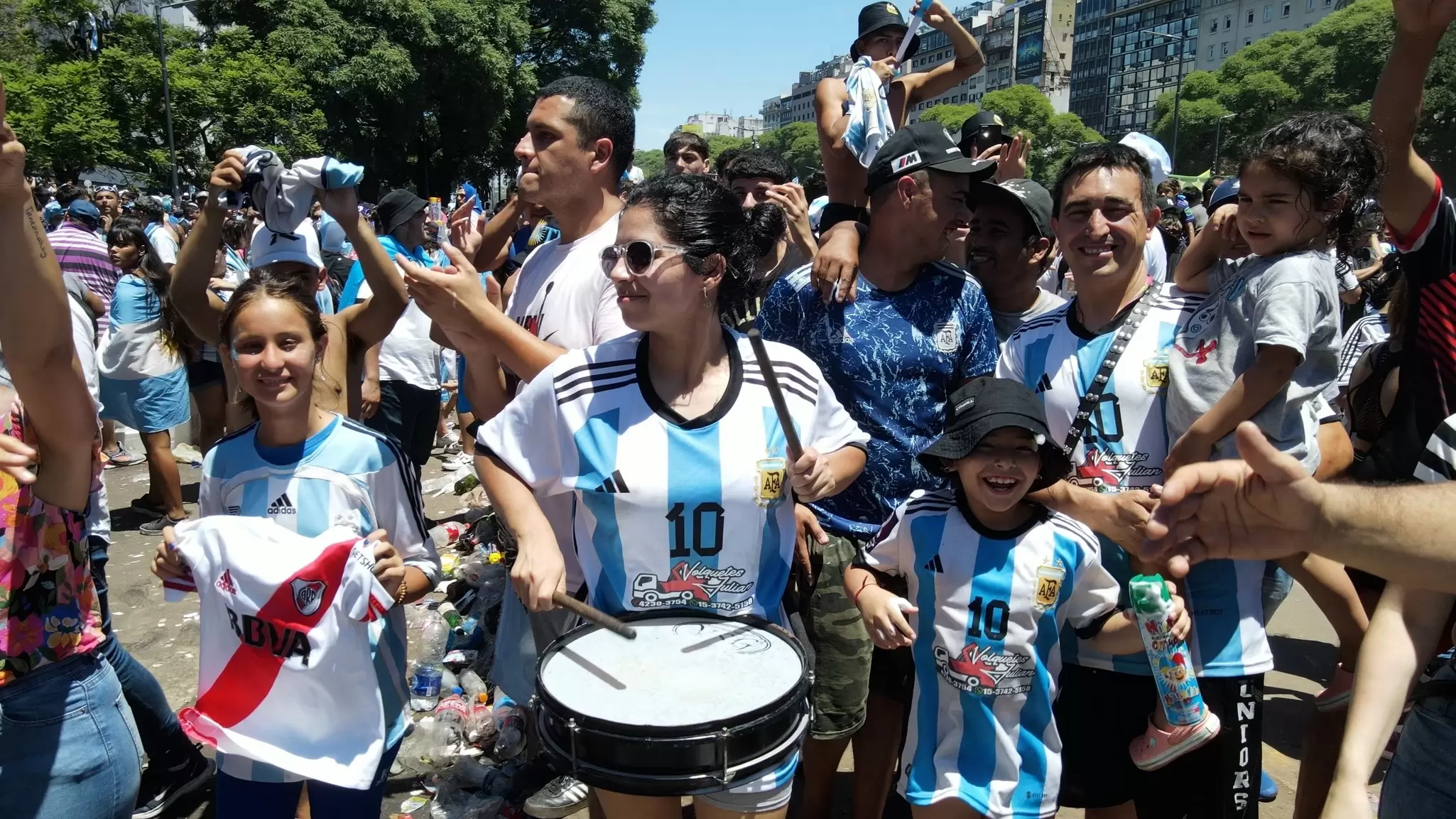
Obviously, watching a match at the stadium is fun, but watching the game in one of the Bares Notables of Buenos Aires is also a unique experience.
These cafés were founded between 1800 and 1900, many of them declared cultural heritage of the city, and recognized for hosting everyone from presidents to elite musicians, such as Astor Piazzolla, the tango singer Carlos Gardel, as well as international writers, such as Jorge Luis Borges.
The cafés served breakfast and merienda (Argentinian afternoon tea) for over 100 years, naturally evolved with the times and are now used as meeting spaces to watch big club or national team matches.
During the match, you’ll see fans shouting at the televisions and strangers hugging each other shouting the goals at the top of their lungs, or you’ll hear collective gasps when players miss the target.
These cafés have marble floors, wooden bars and carved doors. You’re sure to find photos of the current Argentine soccer king, Lionel Messi, lifting the World Cup trophy.
Bares Notables work like the classic bodegón (restaurant/tavern), known for its very large portions of food meant for sharing, the best milanesas (a thin piece of breaded meat, fried or baked) with French fries at affordable prices, good wine, and a family atmosphere, with servers who’ve worked there their entire lives.
The neighborhood: Some of the most popular Bares Notables are El Banderín (Almagro neighborhood), Café-Bar Roma (La Boca), Gardel (San Cristóbal), and Celta Café (San Nicolás), but there’s more than one in each neighborhood of Buenos Aires, so you’ll find one practically everywhere.
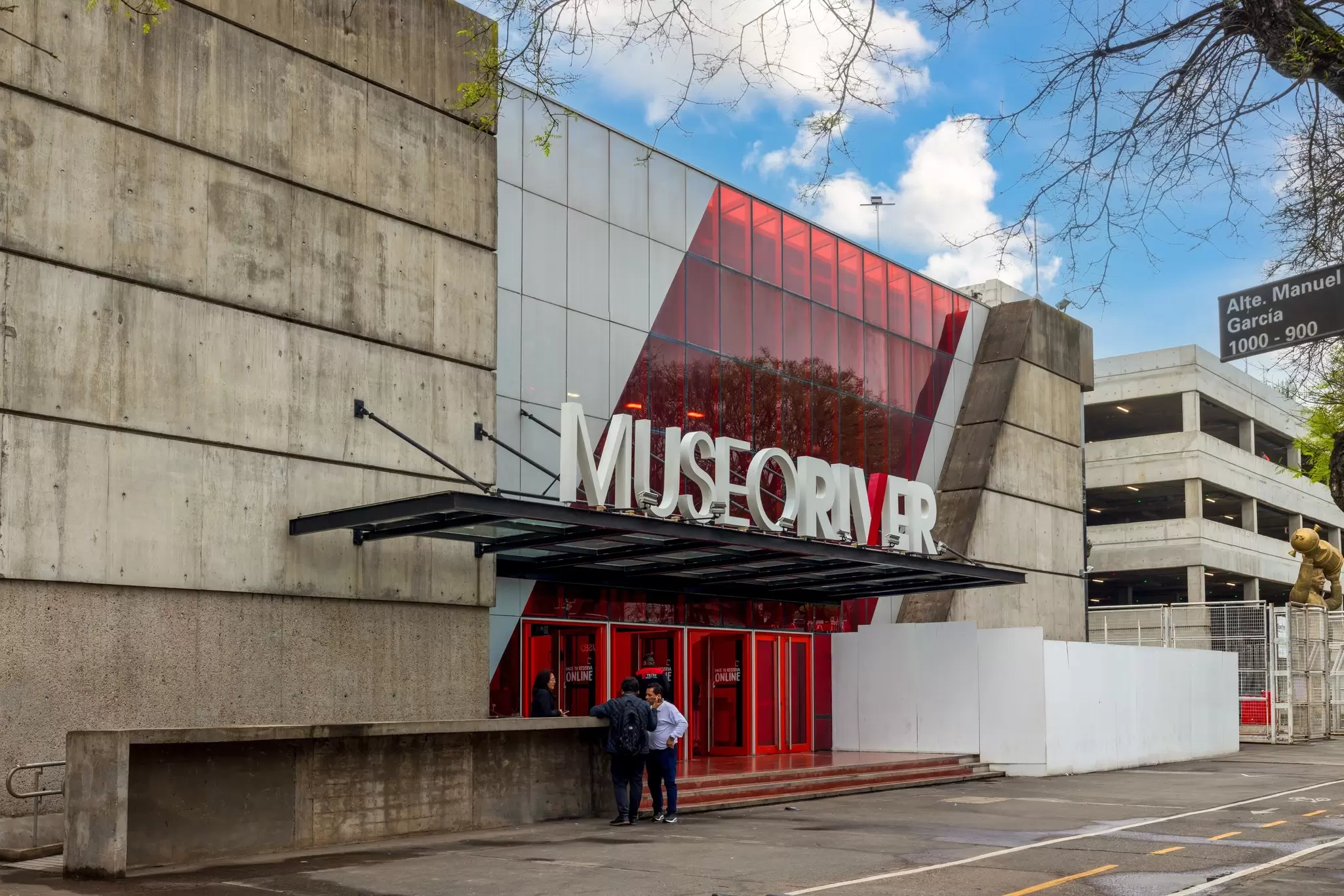
In the Núñez neighborhood, you will find the Monumental Stadium, home of the River Plate team, one of Argentina’s top soccer clubs.
After walking through the team’s museum, the complex has an option that combines soccer with another Argentine ritual – meat.
Inside the stadium, both the Banda restaurant and Bodegón 1901 combine a great meal with an even better view of the field, as outdoor tables provide panoramic views of the stadium. Both food establishments have limited seating on match days, so early reservations are a must to ensure a spot.
River’s restaurants are not the only option for trying Argentine meat in the area. The best-known steakhouses, steps from El Monumental, where you’ll find fans gathering after the match, are El Pobre Luis, Lo de Lalo, and Galidón.
The neighborhood: Núñez is affluent. You’ll find Chinatown near the stadium, with its outdoor gastronomic hub, where fans also gather after the match.
Take care of your belongings. Due to the large number of people, always keep an eye on your belongings.
Be careful where you buy your tickets. For reservations (matches and activities), choose official team websites or travel platforms like HomeFans, GetYourGuide or Viator. Don’t buy from unknown websites.
Moving in the city. Buenos Aires has good public transportation. However, there’s often traffic on match days. To avoid delays, taking a taxi is the best option for getting around.
Explore related stories