Sep 21, 20265 min read
How to Experience Tango in Buenos AiresJul 7, 2026
6 MIN READ

Writer
Gauchos in San Antonio de Areco, Argentina. sunsinger/Shutterstock

Writer
Highlights
Writer Isabel Albiston picks five day trips within two hours of Buenos Aires.
In Tigre, rent a kayak and paddle the Paraná Delta's lush island waterways.
Head to San Antonio de Areco for gaucho culture, or Campana for estancias and wine.
Architecture fans head to La Plata; take the ferry to Colonia del Sacramento, Uruguay.
Lonely Planet may earn a commission from affiliate links on our site. All recommendations and reviews reflect our own independent opinions.
Buenos Aires has so much going on that you could spend years trying (unsuccessfully) to take it all in. And that’s not all: within the space of a day trip, you can taste more of what Argentina has to offer.
These are our five favorite day trips from Buenos Aires.
Why go: To get a taste of life on the pampas (and a tasting of wine)
Travel time: 1 hour
How to travel: By car
Campana, 81km northwest of BA, combines rivers and islands, the immensity of the pampas and history. Along with the nearby town of Cardales, Campana is surrounded by estancias from the late 19th century, some of which are today open to the public. One of the best-known is Santa Susana, a 865-acre property dedicated to farming, horse breeding and tourism. Come here to learn about the customs of the gauchos and eat a typical asado a las brasas (barbecue).
While Argentina’s wine country lies in the Andean foothills hundreds of miles east of BA, Gamboa is a rare winery within striking distance of the capital. On a guided visit through the 15 acres of vines, you can learn about the winemaking process, then sit down to a lovely lunch.
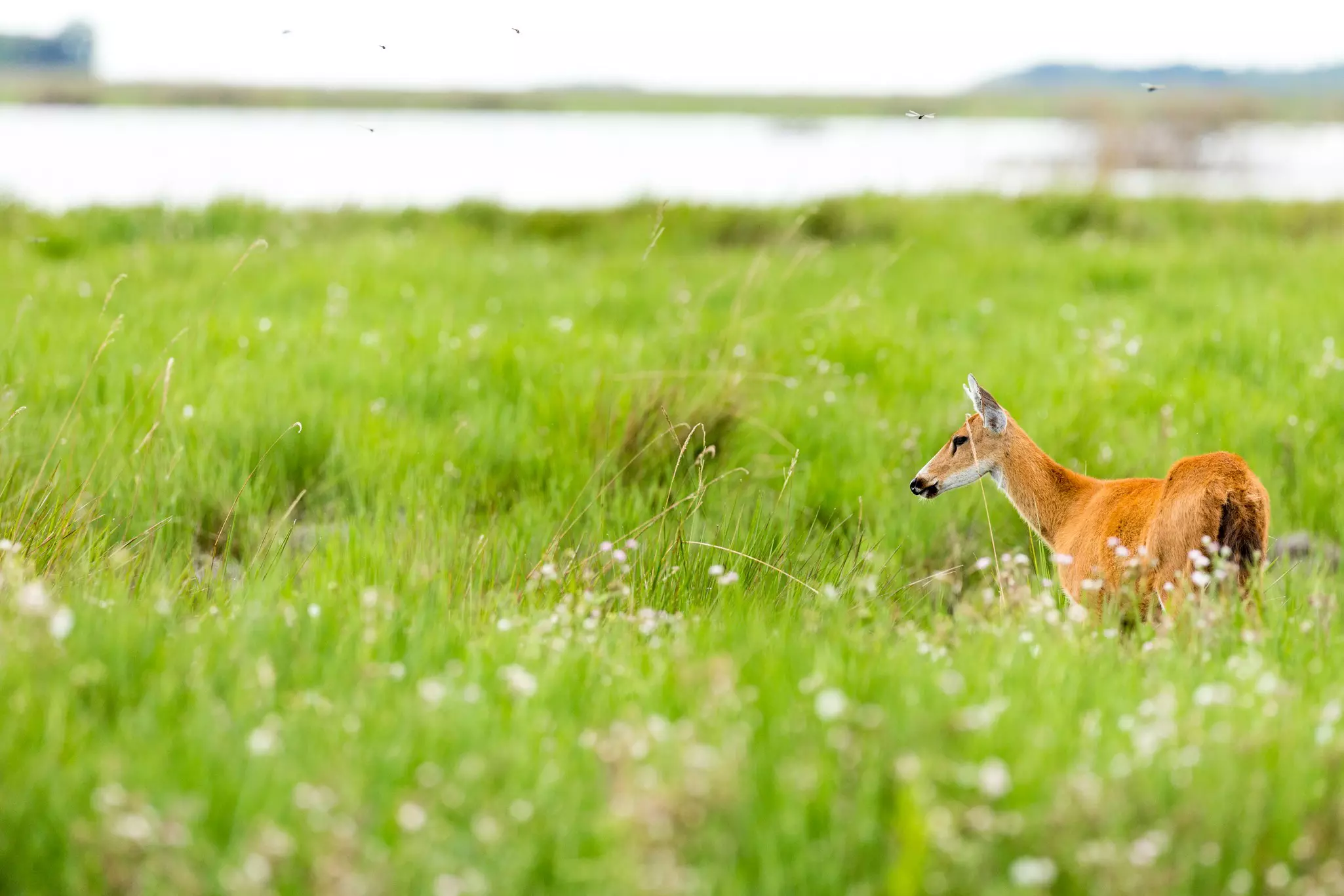
For a touch of nature, head to Parque Nacional Ciervo de los Pantanos, where grasslands and marshes provide an introduction to the delta’s biodiversity and the Río Paraná’s islands. In this 50 sq km park, you can walk three trails of 2km each, with viewpoints of the wetlands. If you are lucky, you may spot the ciervo de los pantanos (swamp deer) from which the park gets its name.
How to get to Campana from Buenos Aires: Campana and the nearby attractions above are about an hour’s drive from Buenos Aires. A travel agency such as Tangol can put together a full day’s itinerary, including transport.
Why go: To explore an enormous river delta by boat
Travel time: Up to 1.5 hours
How to travel: By car or by train
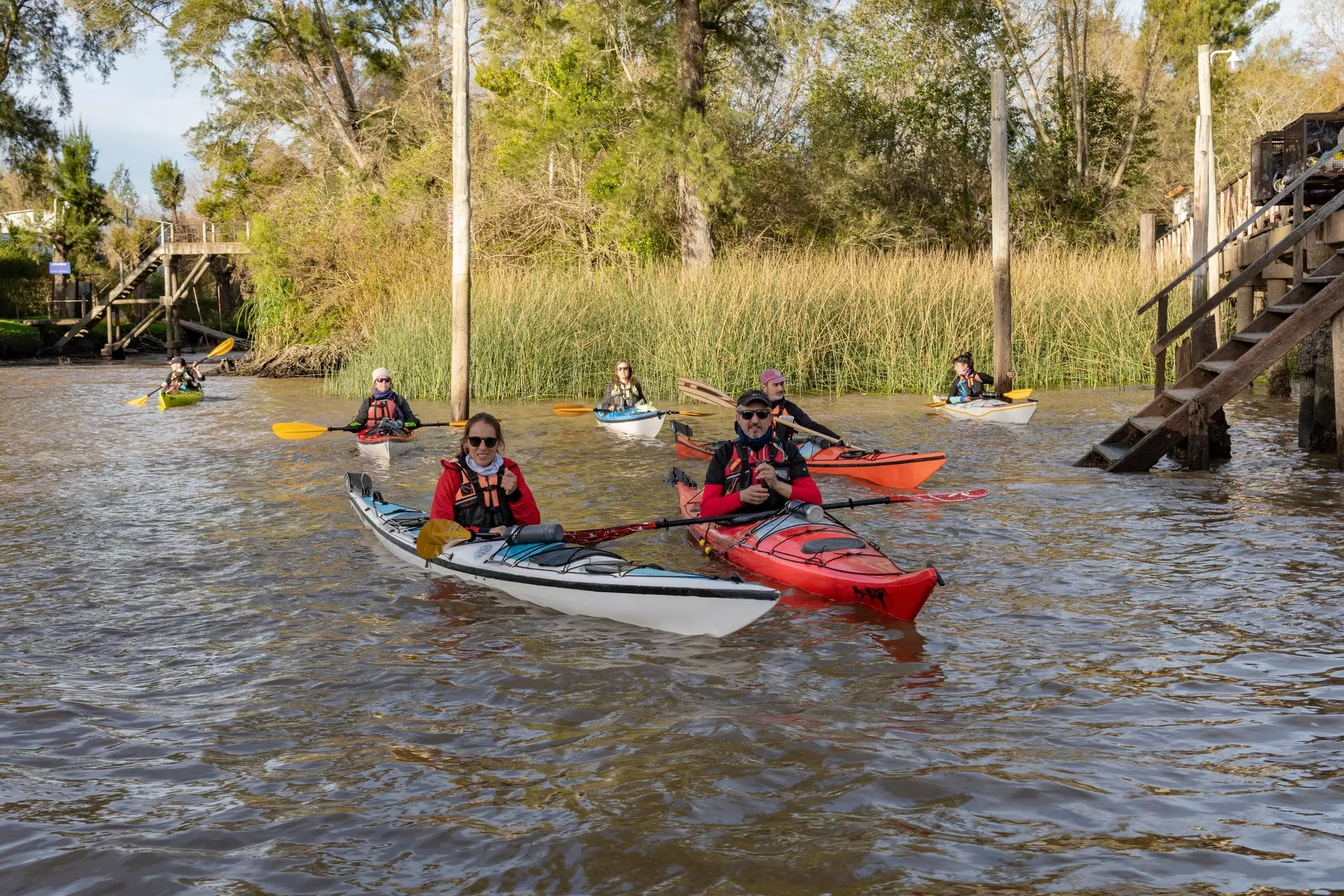
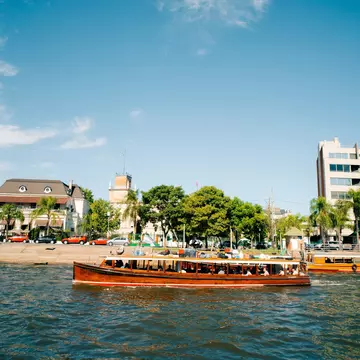
The town of Tigre is the gateway to the Paraná Delta, a vast network of muddy waterways and lush green islands that can be accessed only by boat or kayak. Islanders live in stilt houses reached via rickety wooden jetties, where lanchas colectivas (public transport boats) stop on request. The best way to explore the Delta is to rent a kayak or take a tour, and enjoy a few blissful hours paddling under overhanging branches to a soundtrack of birdsong and passing motorboats. (Bring bug spray.)
When hunger strikes, pull up at the jetty of a low-key parrilla (a restaurant specializing in grilled food). In Tigre town (and accessible on foot as well as by boat) is the Museo de Arte, a lovely belle-époque building that now houses the work of some of Argentina’s most celebrated artists.
How to get to Tigre from Buenos Aires: Tigre is a 50-minute drive from Buenos Aires or an inexpensive train trip from Retiro station (travel time about 90 minutes). The most scenic way to reach Tigre is by boat from Puerto Madero (2 hours).
Why go: To discover a university town filled with notable architecture
Travel time: Up to 1 hour and 15 minutes
How to travel: By car or by train
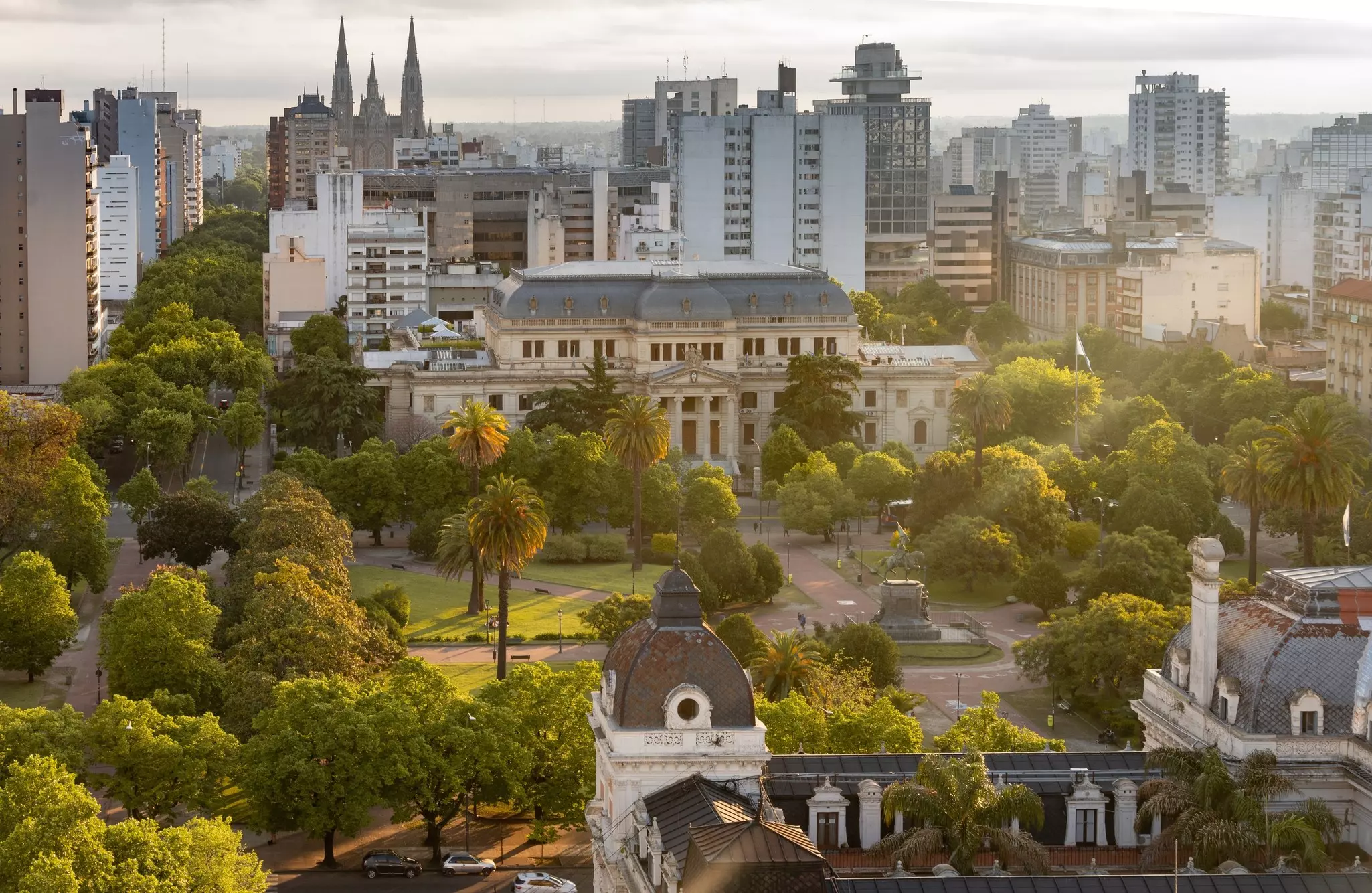
One of the grandest planned cities in Latin America, La Plata lies 56km southeast of Buenos Aires. Home to a huge university, the city bustles with restaurants, craft breweries, a great music and art scene, as well as beautiful parks. Along its streets you’ll find different species of trees, such as lime, plane, jacaranda and orange.
Architecture buffs come here to tour Casa Curutchet, one of only two works in the Americas by French-Swiss architect Le Corbusier (the other is on the campus of Harvard University). With its glass-paneled facade, narrow columns, ramp and spiral staircase, the building is superb example of the architect’s influential “Five Points of a New Architecture.” Book a brief guided tour through the Colegio de Arquitectos, then stay as long as you like to explore.
Another architectural marvel is Catedral de La Plata, impressive for its sheer scale. Covering 7000 sq m and has capacity for 14,000 people, it’s the largest neo-Gothic church in South America.
El Cementerio Municipal de La Plata was as a mini version of the city – it has similar diagonal streets and small squares, and the same architectural styles of its buildings in its crypts (neoclassical, art deco, neo-Gothic and Egyptian modernist, among others). Hire a local guide to learn about Masonic symbolism throughout the cemetery.
How to get to La Plata from Buenos Aires: La Plata is an hour’s drive from Buenos Aires. Alternatively, trains from Plaza Constitución station take 1 hour and 15 minutes.
Why go: To wander historic cobbled streets
Travel time: 1 hour and 15 minutes
How to travel: By ferry
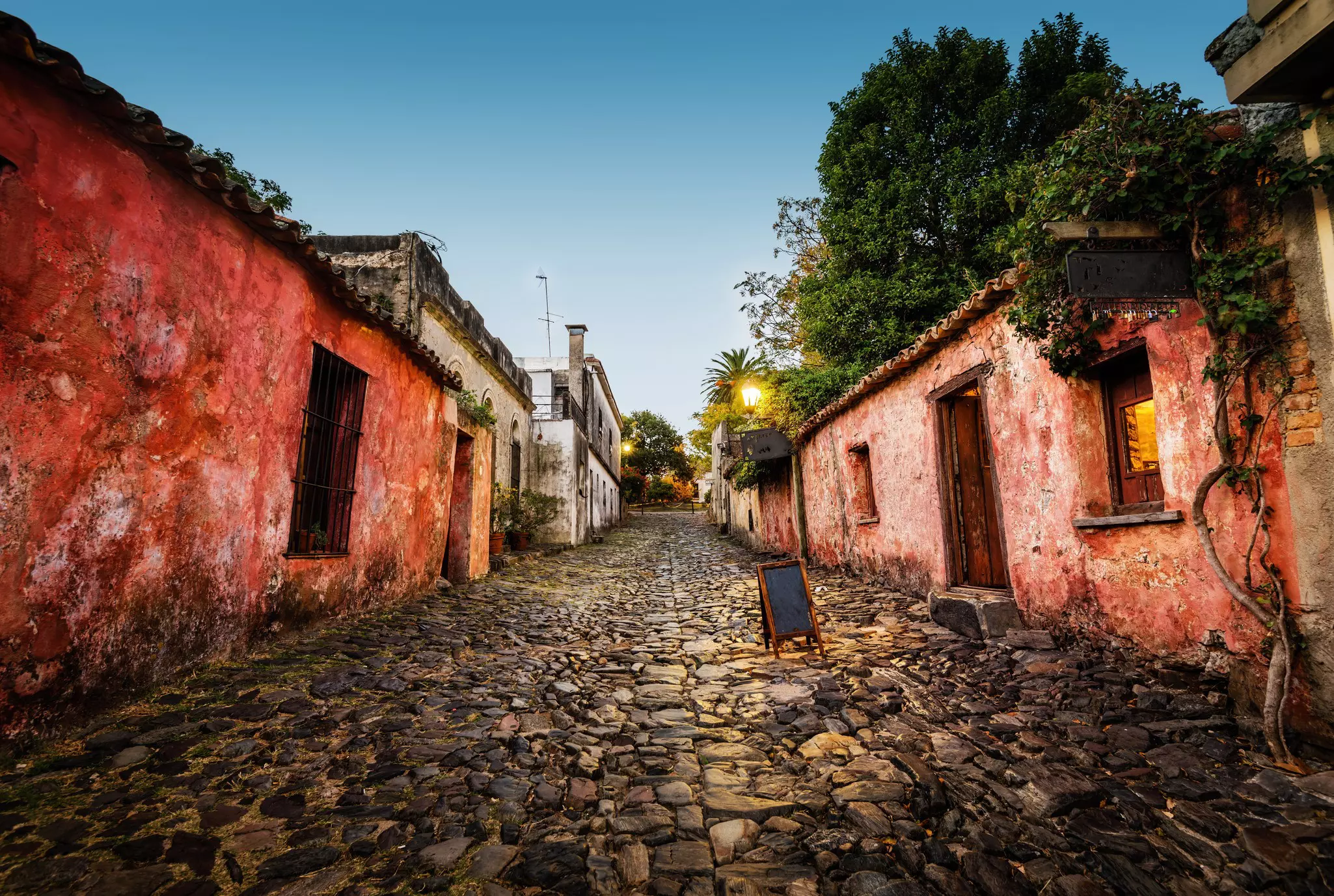
It’s easy to see why the pretty Uruguayan town of Colonia is such a popular destination for day trippers from Buenos Aires. Just 30 miles across the Río de la Plata from the Argentine capital, Colonia has a relaxed pace that stands in stark contrast to BA’s frenetic energy.
You can explore most of Colonia’s Barrio Histórico (historic neighborhood) in just a few hours. Allow time to linger for photographs in various picturesque settings, such as the cobbled 18th-century Calle de los Suspiros and the Faro, a 19th-century working lighthouse.
A single ticket grants you entry to the town’s eight small museums. Rent a bike to cycle as far as the former bullring at the Real de San Carlos to explore the beaches on the outskirts of town. For lunch, stop at Los Farolitos for a chivito, a classic Uruguayan sandwich filled with grilled beef steak, cheese, bacon, tomatoes, olives and mayonnaise.
How to get to Colonia del Sacramento from Buenos Aires: Colonia is an easy day trip from Buenos Aires by ferry, with service from both Buquebus and Colonia Express. Don’t forget your passport.
Why go: For an introduction to gaucho culture
Travel time: 1.5 to 2 hours
How to travel: By car or by bus
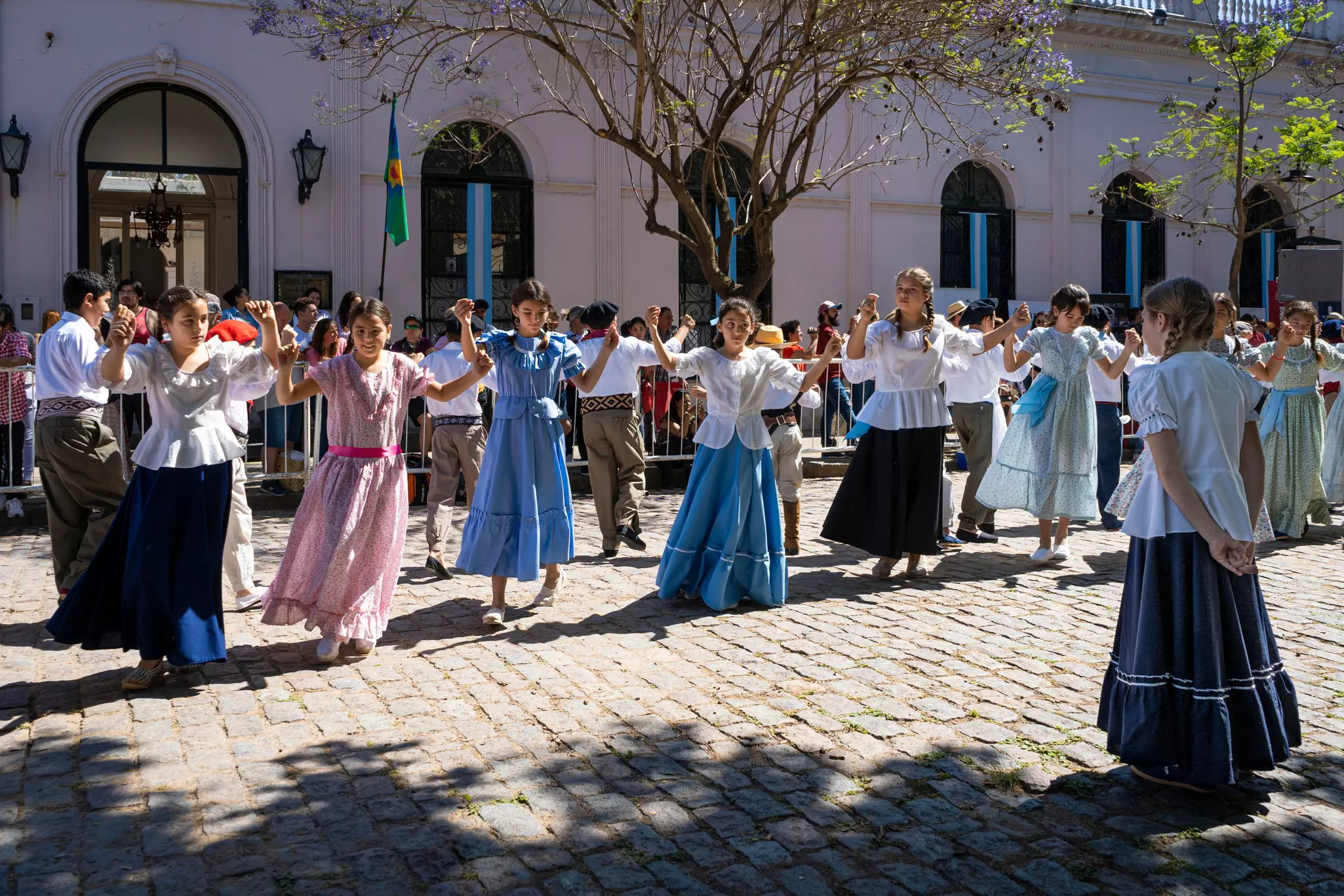
The prosperous pampas town of San Antonio de Areco is the perfect place to channel your inner gaucho. (These nomadic, cowboy-like figures are known for their horse-riding skills and for being the heroes of Argentine folk tales.) These days, the gaucho’s modern-day descendants can be spotted in their boinas (traditional berets) on horseback around Areco’s elegant town plaza, or in one of its dusty bars, such as the Boliche de Bessonart.
The best place to try horseback riding and see displays of gaucho horsemanship is on a day visit to an estancia (ranch); Estancia el Ombú de Areco is a good option. If you want to learn more about gaucho history and folklore, don’t miss the Museo Gauchesco Ricardo Güiraldes.
The highlight of the year is November’s Fiesta de la Tradición, during which gauchos gather to compete with daring displays of horsemanship. Live folk music and dancing continues late into the night.
How to get to San Antonio de Areco from Buenos Aires: From Buenos Aires, San Antonio de Areco is a 1.5-hour journey by car and around 2 hours by bus. Organized estancia day visits often include private transport to and from Buenos Aires.
Explore related stories