Nov 2, 20269 min read
Guide to Taking a Desert Safari in DubaiNov 2, 2026
9 MIN READ

Writer
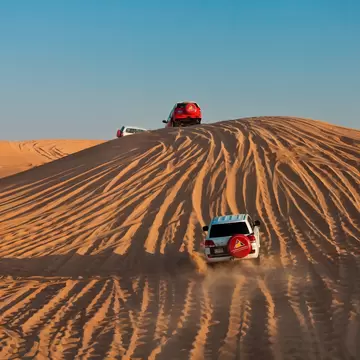
Dubai desert safari. Federico Meneghetti/REDA/Universal Images Group via Getty Images
Writer
Lonely Planet may earn a commission from affiliate links on our site. All recommendations and reviews reflect our own independent opinions.
No visit to the UAE is complete without spending some time in the sand – after all, more than 80% of the country’s land area is desert. Swathes of arid desert landscape stretch from the Gulf to the Empty Quarter and the gravel plains bordering the rugged Hajar Mountains in the east. Whether you want to experience the thrills of dune bashing, gaze at the starry night sky or enjoy a taste of Bedouin hospitality, here’s how to get the most out of a desert adventure.
Swathes of arid desert landscape stretch from the Gulf to the Empty Quarter and the gravel plains bordering the rugged Hajar Mountains in the east.
Whether you want to experience the thrills of dune bashing, gaze at the starry night sky, or enjoy a taste of Bedouin hospitality, here’s how to get the most out of a desert adventure.
To start planning your trip, download the Lonely Planet app or check out our Dubai & Abu Dhabi guidebook for local tips, maps and more.
Best time to go: November to April, when temperatures during the day are milder, with cooler evenings.
First-timers: A group tour is the best option unless you have experience driving and navigating in the desert.
What to wear: Layers and closed shoes from November to April, as temperatures drop noticeably as soon as the sun sets in the winter.
Bedouin hospitality: The Al Marmoom Bedouin Experience (from Dhs356) includes a morning camel caravan over dunes, then Arabic coffee and dates.
Wildlife: Gazelles, oryx and Arabian tahr roam freely in the 225 sq km of the Dubai Desert Conservation Reserve, the UAE’s first protected national park.
Desert rules: Stick to marked tracks unless you’re an experienced off-roader, and travel in a convoy rather than heading into remote areas alone.
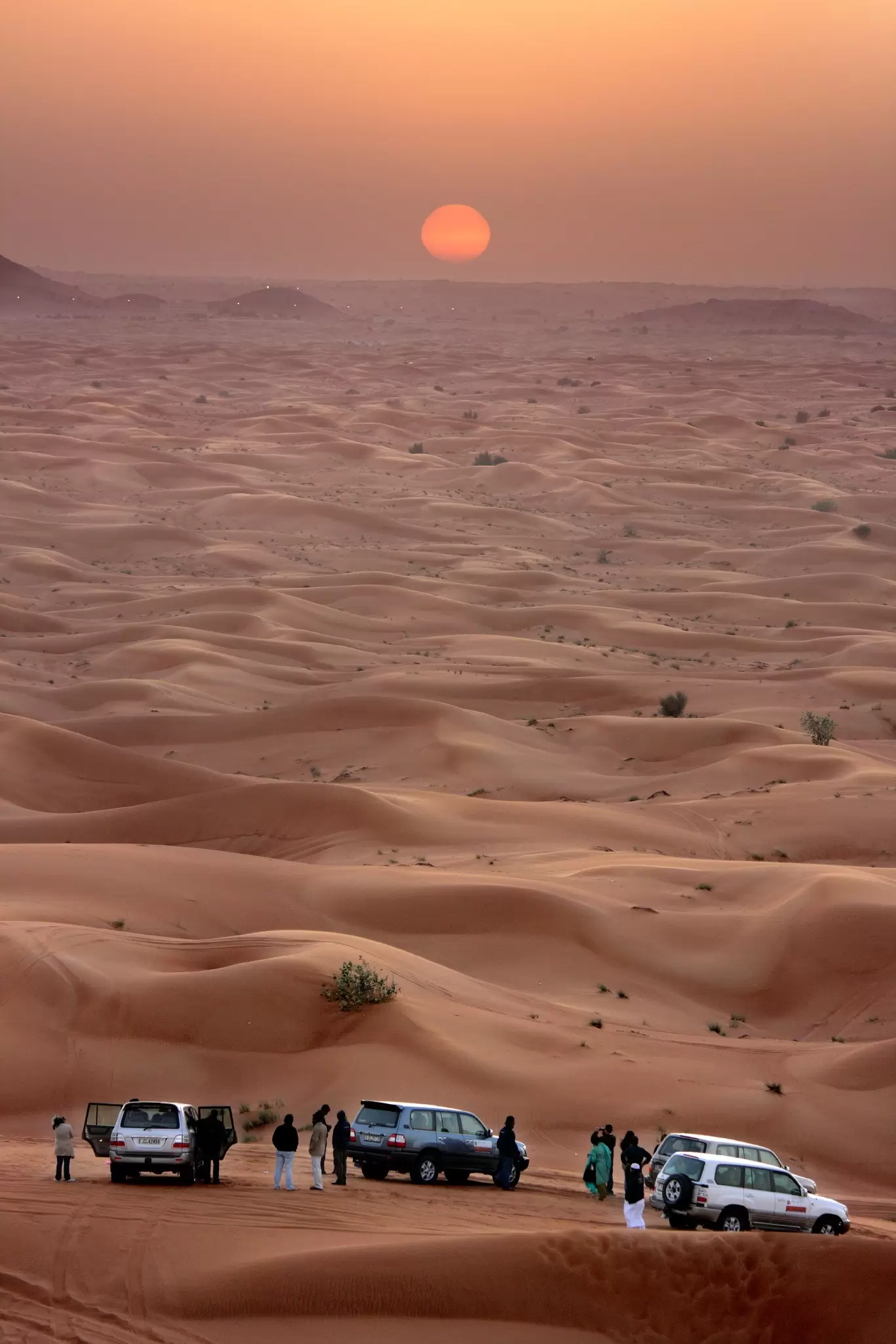
Unless you have experience driving and navigating in the desert, a group tour is the best option for first-timers. Group tours also offer more in terms of activities, including sandboarding, quad tours, barbecues and overnight camping. And if you plan to take part in activities like ATVing or sandboarding while out in the desert, check whether your travel insurance covers adventure sports before you leave home.
November to April is the best time to visit the desert as temperatures during the day are milder, with cooler evenings. Always check the weather forecast for sandstorms before you head out. They tend to occur more frequently when winter turns into spring.
Depending on the time of year, the weather in the desert can change drastically compared to the city. Loose-fitting clothing, a scarf (which offers protection from the sun, sand and wind), and sandals are recommended from May to October. Closed shoes are highly recommended when visiting from November to April. Also note: temperatures drop noticeably as soon as the sun sets in the winter (November to April) so take warm layers for cold desert nights.
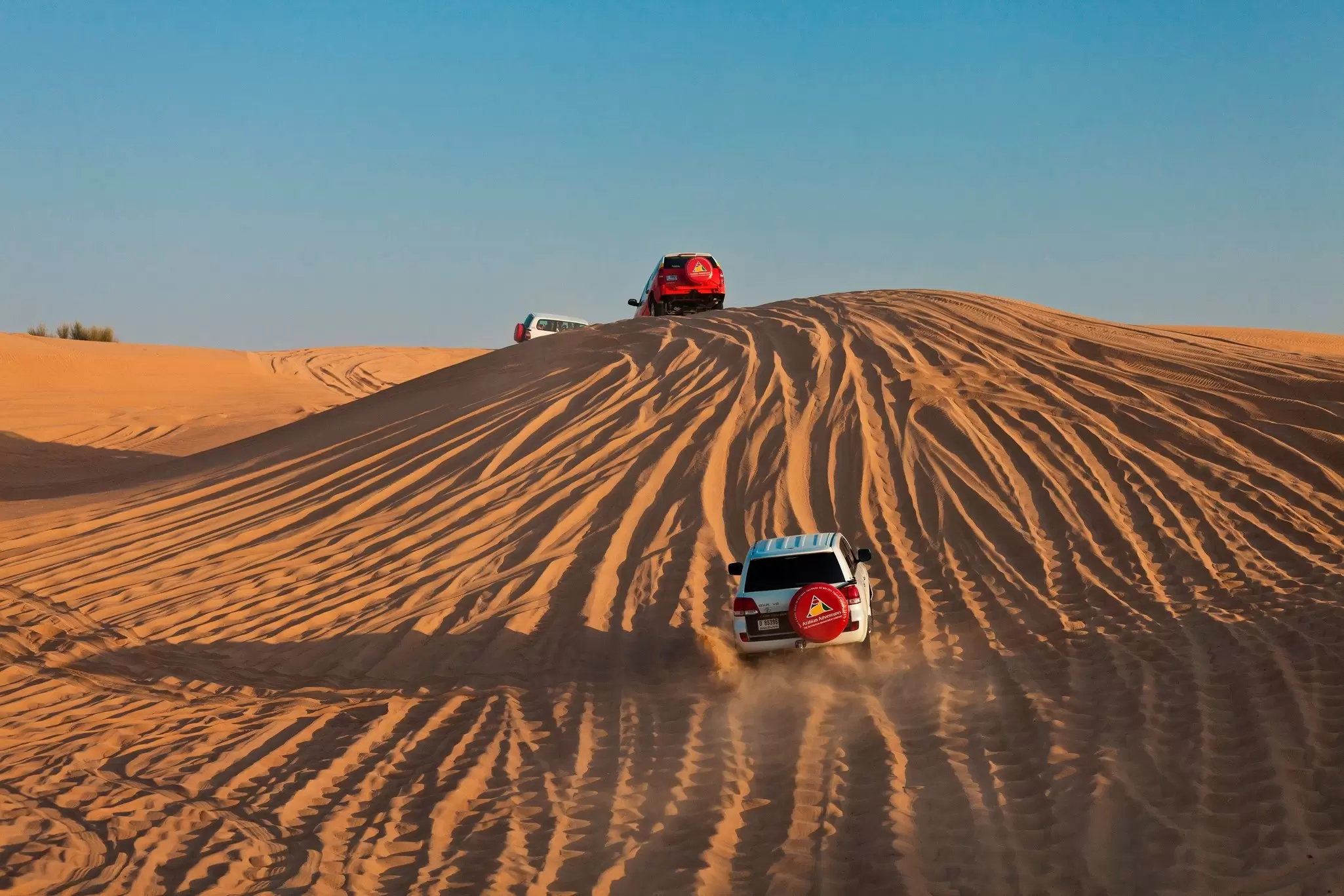
Dune bashing is a popular adventure sport in the UAE. On weekends, you’ll often find residents racing down the Dubai–Hatta road, past rush-hour traffic, into the desert to ride one of the area’s biggest dunes, the burnt-orange Big Red. They maneuver their 4WD vehicles at high speeds over the towering sand dunes, producing an adrenaline-fueled roller-coaster experience.
If you don’t have experience driving off-road in the desert, consider booking a tour package – many tour companies in the UAE also include dune bashing as an activity. For Abu Dhabi visitors, Al Khatim Desert towards Al Wathba or the expanse of the Liwa dunes are the most common picks for dune-bashing escapades.
Arabian Adventures (safaris from Dhs99): A long-standing desert safari name, it offers convenient door-to-door pickups, cultural entertainment and skilled drivers.
Platinum Heritage (safaris from Dhs495): For those seeking a luxury desert experience, these private tours tout knowledgeable guides, night safaris and vintage Land Rovers.
Sand Sherpa (camping from Dhs795): Blends eco-conscious adventure with authentic experiences, including camping amid sweeping dunes and local wildlife.
Hot Air Balloon UAE (from Dhs1100): Takes guests 1200m above the desert at sunrise, offering breathtaking panoramas and unforgettable falcon demonstrations.
Desert Rose Tourism: Well regarded in Abu Dhabi.
Classic Safari (from Dhs500 per person): Uses convertible "Landis" for a taste of bygone days in Umm Al Quwain, on 4- to 5-hour day trips that include a barbecue, and on overnight trips in the dunes.
Not every escape to the desert needs to be a rugged adventure – this is Dubai, after all. Arabian Adventures’ Nomad Garden reimagines the traditional safari dinner with a design-led setting, lantern-lit tables and refined menus that feel more like a private supper club than a desert camp.
The Sonara Camp inside Dubai Desert Conservation Reserve blends sustainability with theater, pairing a sunset lounge with camel rides, falcon encounters, live performances and a three-course dinner in the dunes.
One way to really embrace the charm of this vast desert space is to book the Al Marmoom Bedouin Experience from OceanAir Travels (from Dhs356). Starting with a hotel pick-up from the city, the experience takes visitors to the nature reserve, passing desert flora and fauna. Experienced guides will point out falcons, deer, oryx and gazelles en route to a traditional Bedouin village in the heart of the reserve. Here, you’ll discover the desert in the footsteps of the region’s traditional communities, with a morning camel caravan over dunes. Post-ride, enjoy Arabic coffee and dates back at the village, the traditional way for Bedouins to start their day.
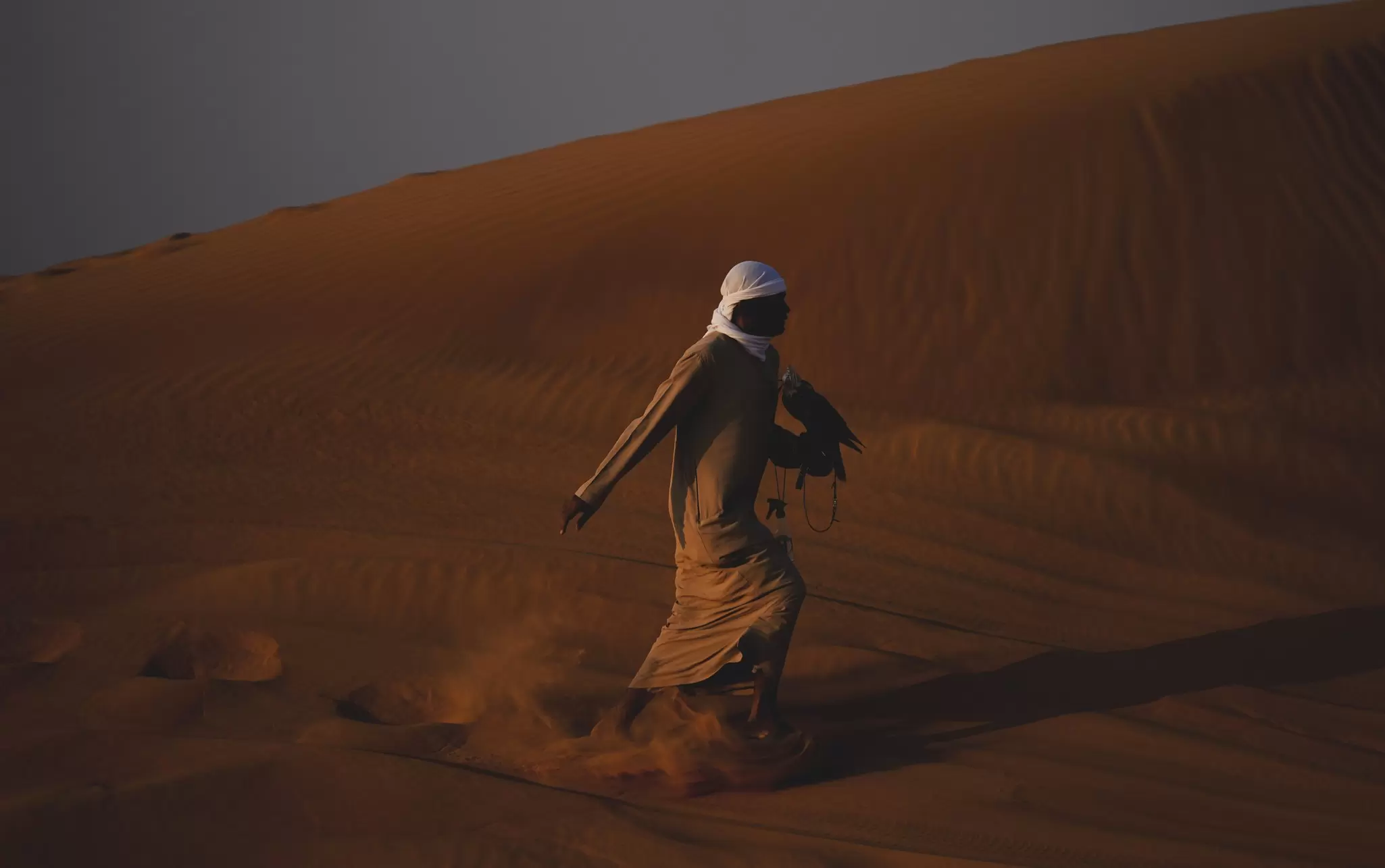
An ezba is a private desert retreat where Emirati families keep camels and horses and gather outside the city. Ezba Experiences (from Dhs515), led by Emirati guides Abdulazeez Manea and Naser Almansoori, offers small-group visits to one such family-run space on the outskirts of Abu Dhabi. Guests meet Wasayif, the resident camel, and learn how camels shaped trade routes, transport and survival in the harsh desert. You can also carry a falcon on your arm and hear about the deep-rooted tradition of falconry or brush the manes of Arabian horses kept on site. Unlike most desert safari experiences, there are no dune buggies or buffet tents here. The focus is on the continuity of Emirati heritage through stories and hospitality.
For a shorter taste, the seasonal Camel Farm on the northbound E77 road is the place to experience a 1-hour Bedouin-style camel ride.
In the UAE, coffee is a symbol of hospitality. If you’re offered a cup, it’s polite to accept it in your right hand. The server must hold the dhallah (coffee pot) with their left hand, with their thumb pointing to the top, and pour the coffee into the small cup (finjal), which must be held in their right hand. The pour should only fill around a quarter of the cup. Drink one to three cups. Tip the cup left to right a few times to signify when you’ve had enough.
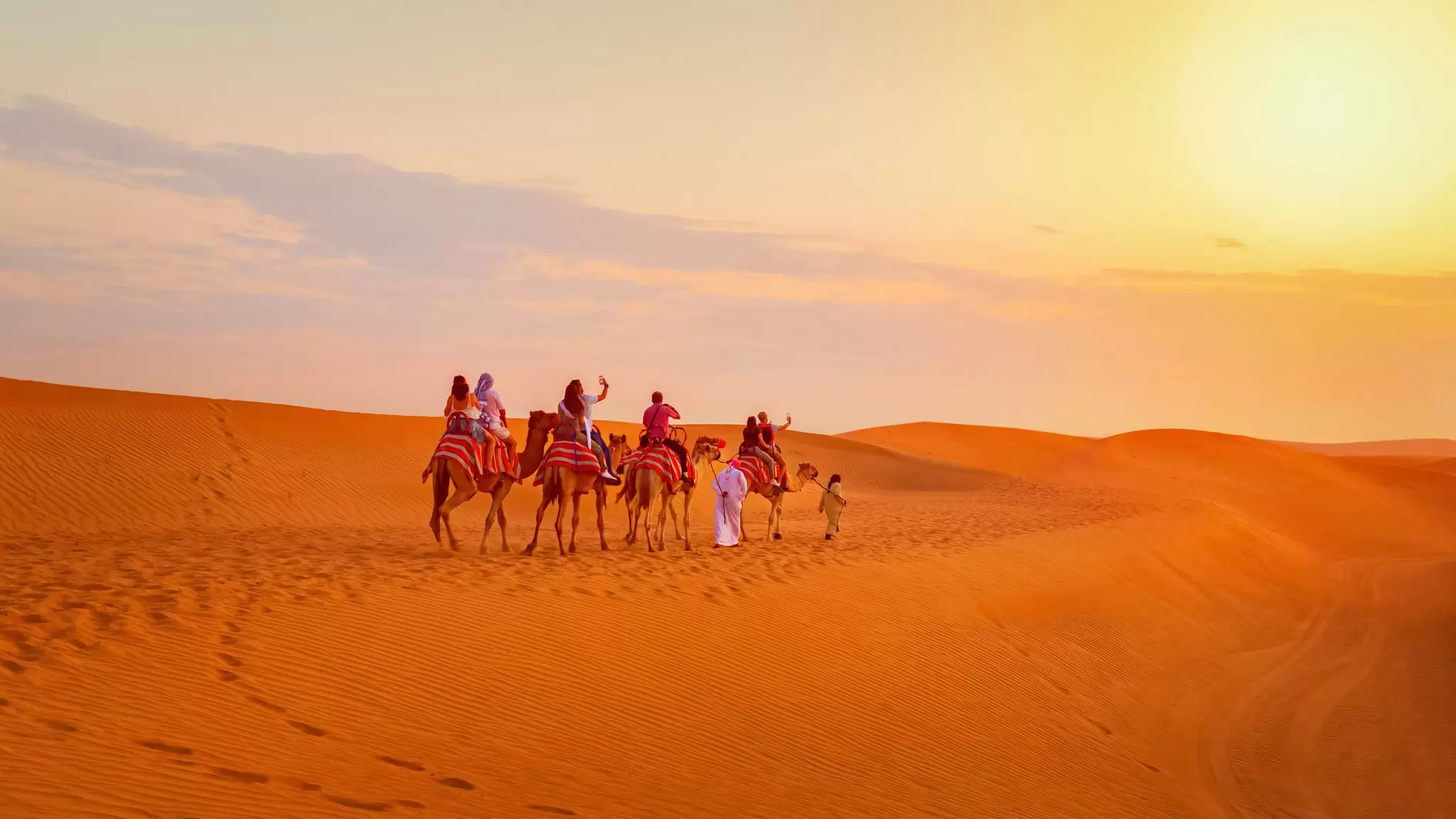
The Dubai Desert Conservation Reserve has been designated as the UAE’s first protected national park. Wildlife thrives in the 225 sq km of desert terrain, where gazelles, oryx and Arabian tahr roam freely. Camels, long a symbol of Emirati heritage, are easily spotted meandering along the ever-changing mounds and ridges. To explore these dunes, book experiences through approved tour providers, such as Arabian Adventures, Sand Sherpa and Al Maha. Located just 30 minutes from Downtown Dubai, the sprawling protected area is also home to caracals and sand foxes.
Al Marmoom Desert Conservation Reserve encompasses 10% of all of Dubai and is the largest unfenced nature park in the country. It’s open to the public and the perfect place to surround yourself with nature, especially in the winter months. The reserve is home to one of the city’s largest populations of Arabian oryx and one of the biggest flocks of flamingos. Keen birders can look forward to spotting some 200 species of native birds, and up to 150 different types of migratory birds depending on the time of year.
Look out for the Arabian oryx, the UAE’s national animal. The striking antelope is recognizable by its long, straight black horns and white coat, and can survive for long periods without water.
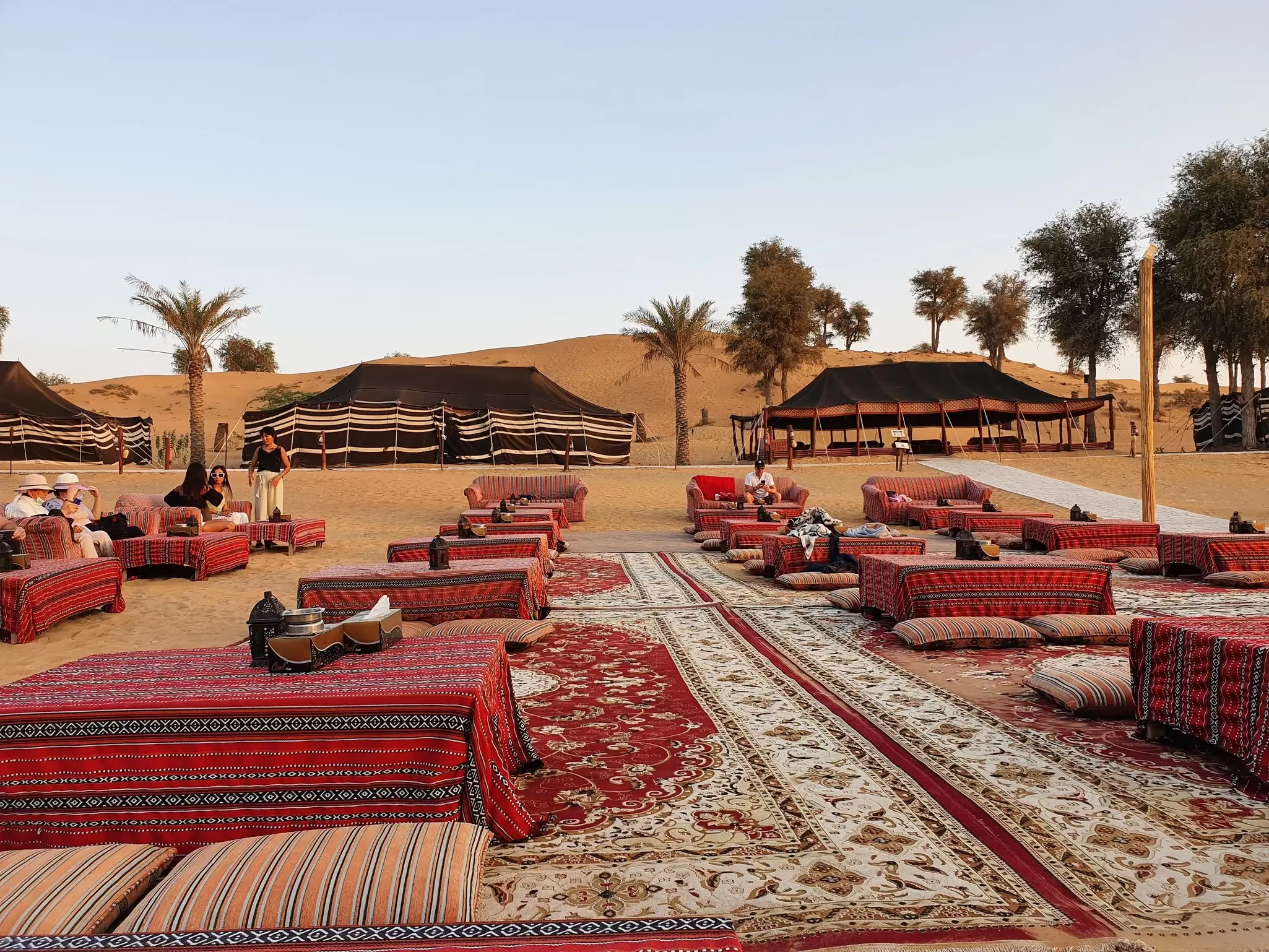
Travelers should be aware of new measures designed to protect the desert, including restrictions for accessing natural beauty spots, designated tracks in and out of the dunes, and regular patrols of the area. On the road:
Keep an eye out for camel-crossing signs. Not only can collisions carry heavy penalties, but they can also cause serious vehicle damage.
Stick to marked tracks. Veering off route can harm fragile desert ecosystems and leave you stranded.
Travel in a convoy rather than heading into remote areas alone. While locals passing by may offer help, relying on outside help is risky and can put others in danger if conditions change quickly.
Stargazing is growing in popularity for visitors here: the UAE’s clear desert skies and pockets of low light pollution make it ideal for watching the cosmos. Always check moon phases, avoid city lights and pack warm layers for winter nights.
One of the best places to experience it is the Al Quaa Milky Way Spot, about 90 minutes from Abu Dhabi. Easily found on Google Maps and accessible without a 4WD, it offers some of the clearest Milky Way views in the Emirates. Closer to the capital, guided sessions at Al Sadeem Observatory in Al Wathba combine telescope viewing with astronomy talks and astrophotography experiences. In Dubai, Al Thuraya Astronomy Centre in Mushrif National Park hosts regular stargazing and solar-observation sessions and features one of the region’s largest telescopes.
For a deeper connection to the desert, Sand Sherpa runs guided camping trips in the Dubai Desert Conservation Reserve, the UAE’s first protected national park. Operating between October and May when temperatures are cooler, trips combine wildlife drives, bush-style meals under the stars and custom-built expedition trailers with rooftop sherpa tents. The experience focuses on conservation, education and self-sufficient camping rather than glamping, with guided nature trails, hawk walks and the chance to spot Arabian oryx and gazelles roaming free. A donation to the reserve is included with each guest’s park entry, supporting ongoing conservation efforts.
Not ready to go fully off-grid but keen to spend a night under the stars? Several UAE campsites offer a low-effort introduction to desert nights without too much planning:
Hatta Camp Site: Provides a DIY mountain setup with marked pitches and barbecue areas for travelers bringing their own gear.
Pura Eco Retreat: Near Al Ain, features heritage tents and futuristic domes, some with plunge pools, all set against wide desert views at the foot of Jebel Hafeet.
Bab Al Nojoum: On Hudayriyat Island in Abu Dhabi, it offers ready-pitched canvas tents, communal fire pits and easy access to the coastline, blending camping with comfort.
If you’d rather sleep in a room, two desert resorts stand out. Al Maha is a famous desert retreat with 42 private pool villas, surrounded by dunes and shy gazelles. Bab Al Shams, in Dubai’s Al Qudra area, is Dubai’s longest-running desert resort. It underwent extensive renovations in 2023 and is a great place for a family escape surrounded by the wilds of the desert, with falcon shows, camel rides and safari drives.
Explore related stories