Mar 30, 20268 min read
Beyond the Matches: Breathtaking Monterey County Is a Perfect Change of PaceSponsored by
This article was paid for and produced with See Monterey. Paid content is produced separately from Lonely Planet's editorial coverage. Product availability and terms are subject to change; please verify details directly with service providers.
Mar 30, 2026
8 MIN READ

Writer
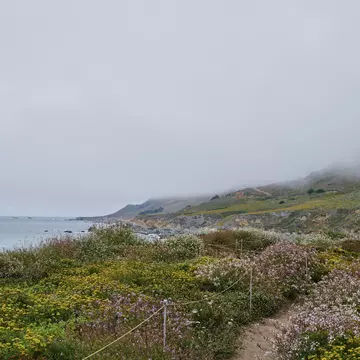
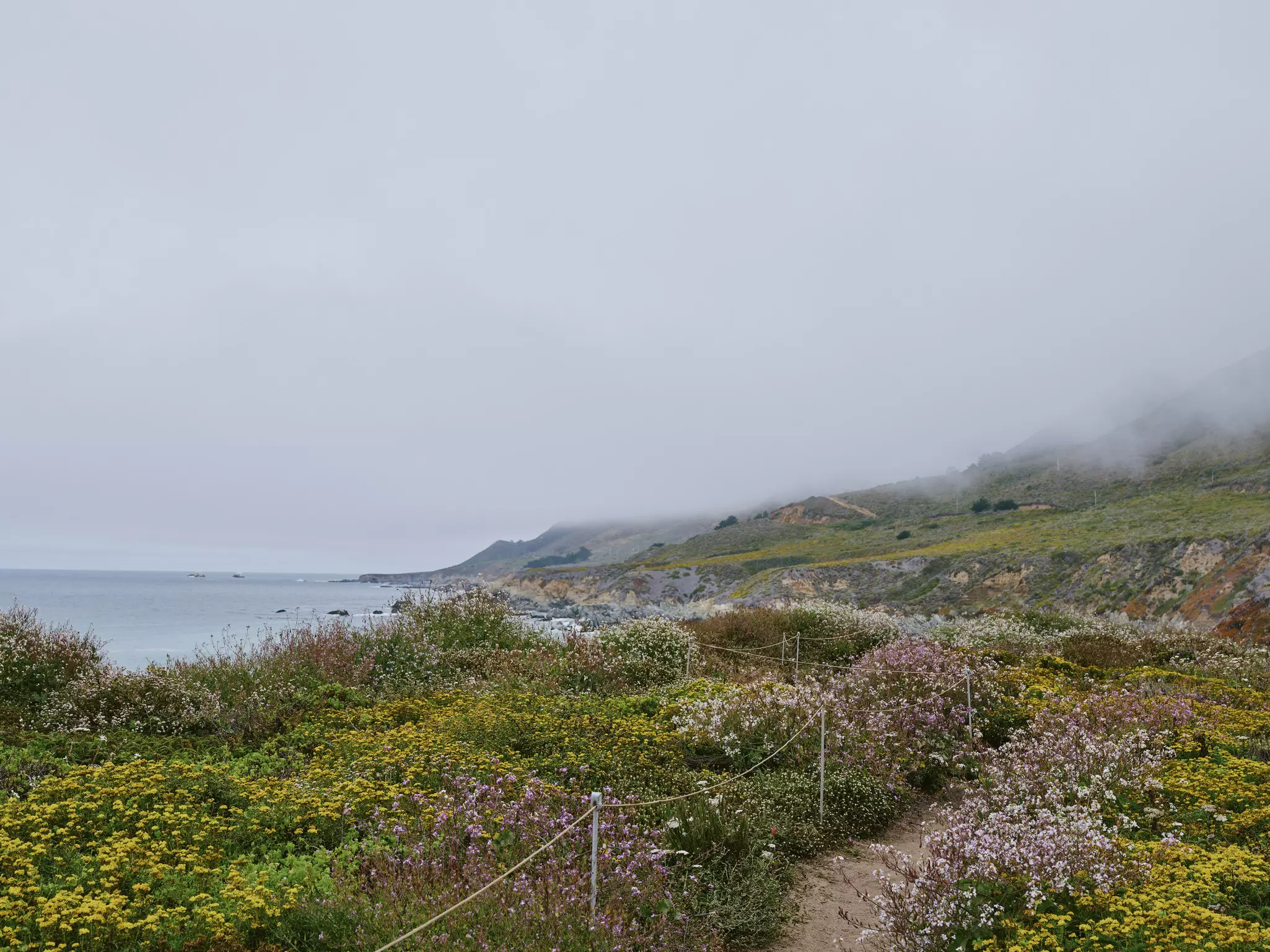
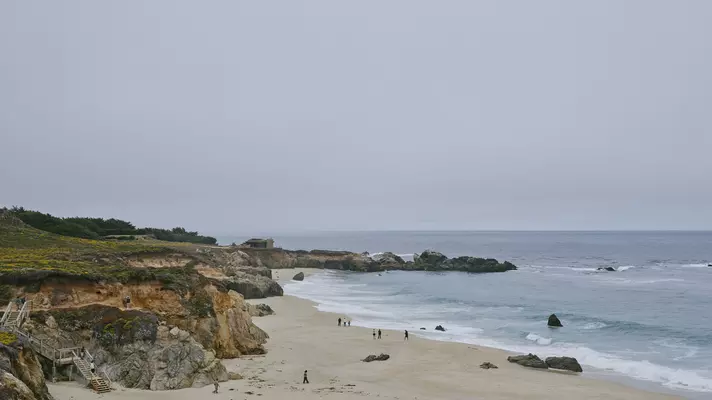
Garrapata State Park in Big Sur. Benjamin Heath for Lonely Planet
Writer
What's better than pristine coastline, majestic redwoods, world-class dining and otters somersaulting in the bay? When that town also has a glint in its eye. That's Monterey County, California: it’s a focal point for innocent seaside pleasures, like ice creams and bike rides and feeding time at the aquarium. Monterey County is made up of endless paths – each leading to something incredible, from pinch-me pretty views to dreamy neighborhoods, scenic road trips and a variety of wildlife to see.
Here you'll find vineyards, hilly nature reserves and neighborhoods more manicured than movie sets – like Carmel-by-the-Sea, flanked by white-sand beaches to its west and wine country to the east, where immaculately coiffed locals stroll by the beaches and clink mimosas over brunch. A respite in Monterey County is the perfect calm-down after the rush of game day in Santa Clara. Here's what to do while you're there.
Best for wildlife spotting
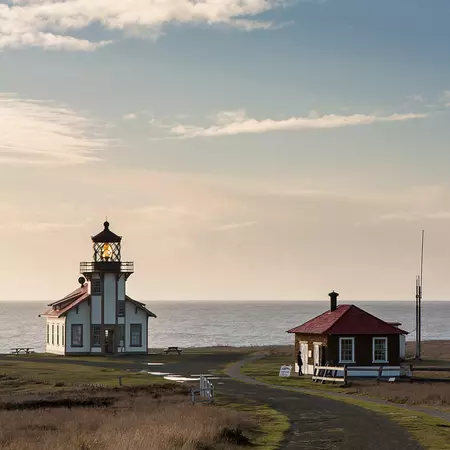
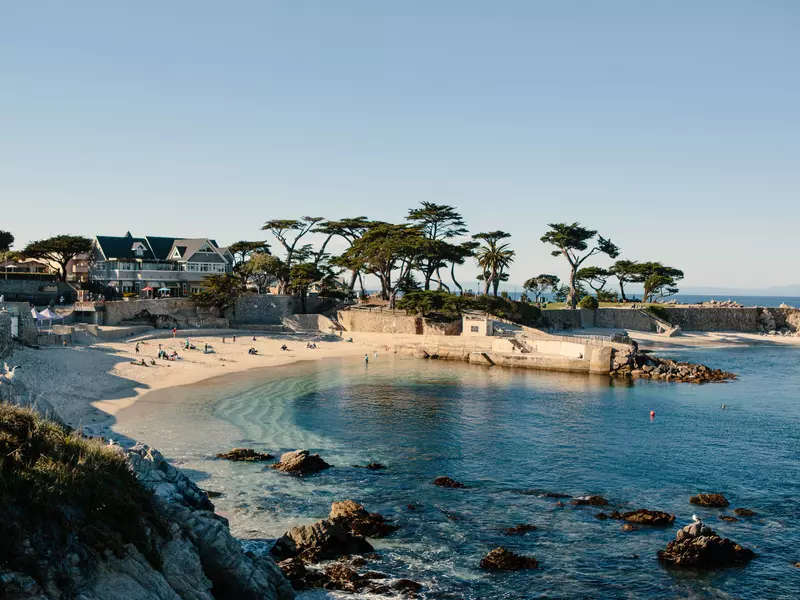
Monterey is a true menagerie of marine life, even before you set foot inside the famous aquarium. Begin on Ocean Blvd, north of Monterey’s downtown. Stop by Point Cabrillo for views of pudgy sea lions basking in the sun. Always keep your distance and respect wildlife. Next head to the pretty cove at Lovers Point in Pacific Grove to spy on seabirds; it’s a 30-minute walk, or you can rent a bike from Big Sur Adventures for a quick joyride. Either way, finish your morning with brunch at Happy Girl Kitchen, an eco-conscious cafe just two blocks from Ocean View Blvd.
Planning tip: Plan your stroll for the morning to spot the most active animals.
Best for up-close aquatic wonders
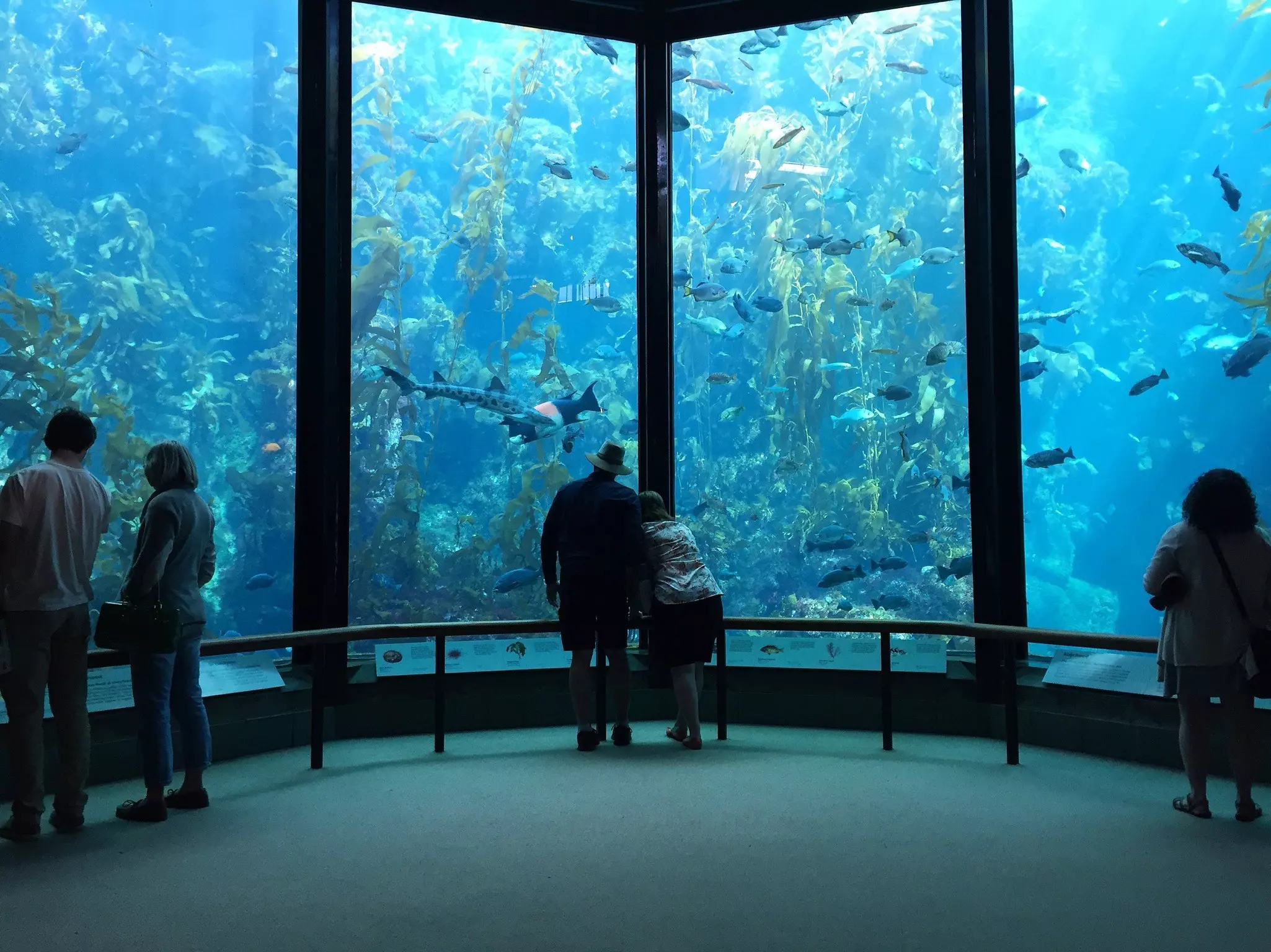
The crowds at Monterey Bay Aquarium thin out in the afternoon, allowing you to enjoy this epic palace of undersea life without the hubbub. Stroll south to the aquarium and grab a pamphlet on your way in – it has essential info on feeding times for the rays, penguins and sea otters. The Jellyfish Galleries and colossal Open Sea tank garner the most photographs, but the most impressive exhibit is the three-story kelp forest. Some 2000 gallons of seawater are pumped in, fresh from the ocean, to replicate the Pacific’s tidal swells.
Make it happen: To avoid long lines in summer, on weekends and on holidays, buy tickets in advance or arrive early, or after 4pm. Allow at least 2 hours for your visit, although you may want to extend it to a full-day affair.
Best for whale watching
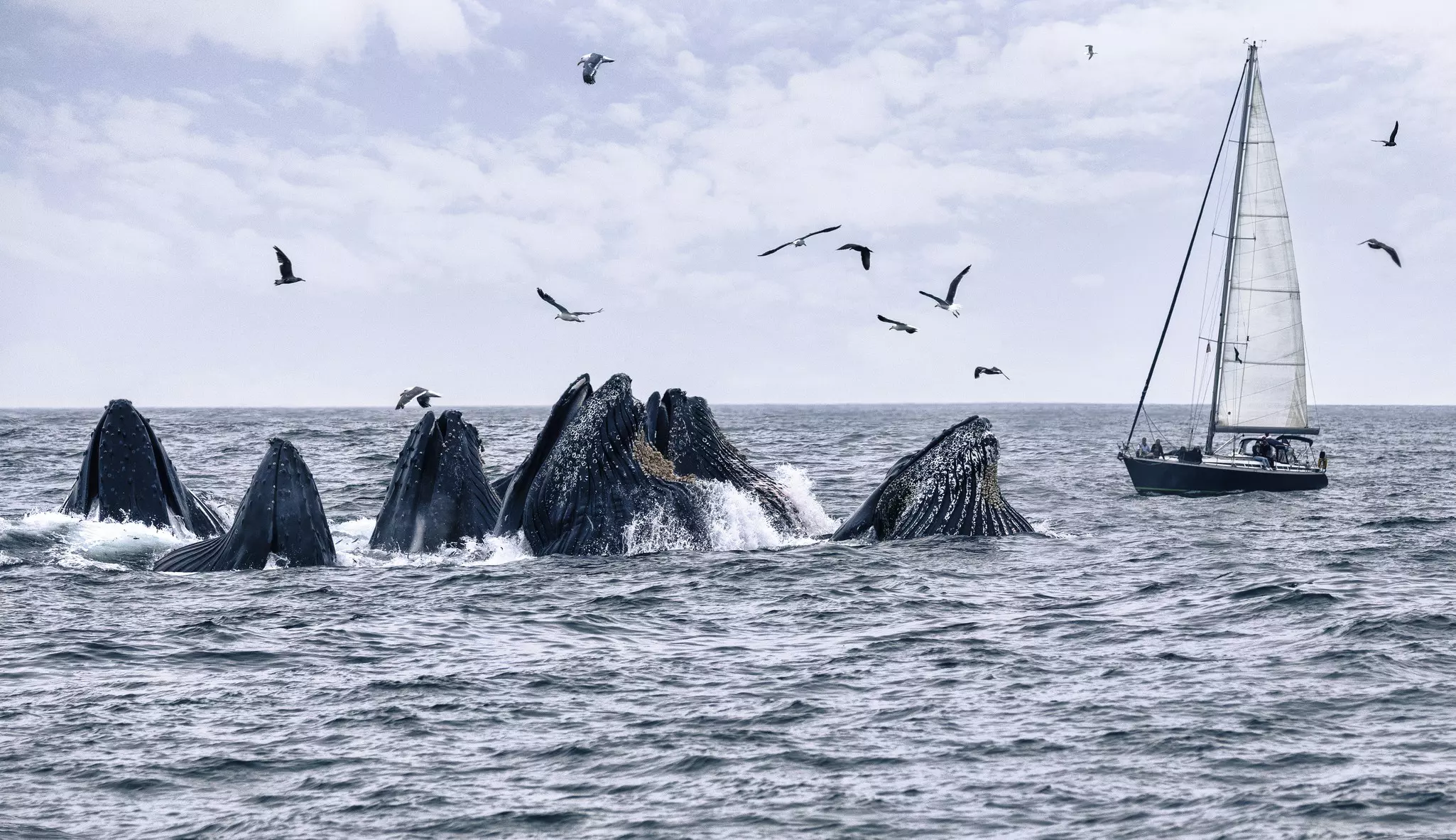
The town of Monterey sits at the heart of Monterey Bay National Marine Sanctuary, which extends 276 miles from the San Francisco Bay Area down to Cambria. You can spot sealife right from the shore, but it’s more rewarding to get out on the water.
Not keen to get wet? Monterey Bay Whale Watch is one of the oldest local tour operators, and it’s owned by marine biologists. With any whale-watching expedition, you’re rolling the dice: y
ou could see anything from a distant plume of whale spray to the shiny bulk of a humpback mere feet from your boat. But whatever Mother Nature reveals, you’ll experience an eco-friendly boat tour and gain an understanding of belugas, common dolphins and other denizens of the deep.
To get a little closer, rent a kayak or SUP. Monterey Bay Kayaks offers guided to
urs to vantage points where you can safely spot seals, sea lions and otters without disturbing their natural habitats and behaviors. If you prefer to go without a guide, Adventures by the Sea rents vessels.
Planning tip: Much like humans, whales visit Monterey all year round. Their migration seasons overlap, meaning you have a chance of seeing colossal marine mammals whenever you travel. You can see humpbacks from March through November, but your best shot to see these mighty creatures raising a fin is in July and August. The ocean’s biggest behemoths, blue whales, have a shorter season: your optimum chance of sighting the world’s biggest mammals is from May to October.
Best for a quiet afternoon with a glass of wine
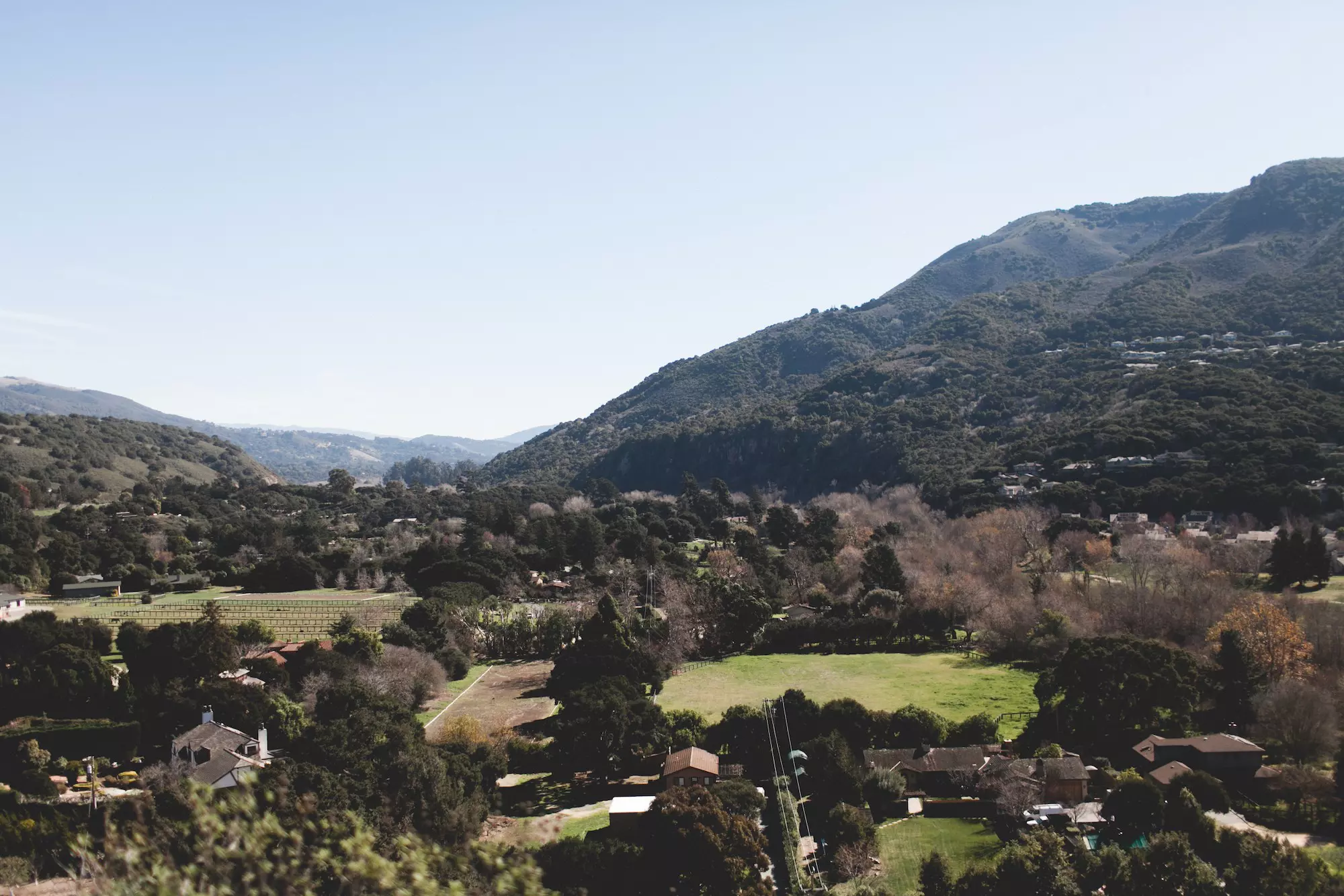
The wineries in Carmel Valley, less than 30 minutes’ drive from Monterey, are protected from Monterey’s maritime fog, allowing warmer-climate grapes to thrive. Begin your wine-tasting experience at McIntyre & Boekenoogen Family Wines Tasting, owned by a cattle-ranching and wine-growing family; it bottles wines on-site and offers daily tastings of cabernets, petite syrahs and more. Take a stroll around the village in between tastings, ideally pausing at Corkscrew Cafe for wood-fired pizzas (from mushroom and thyme to Italian sausage).
Continue to Folktale Vineyards, led by local winemaker Gregory Ahn. The vineyard at Folktale is farmed organically by hand, including installing owl boxes and raptor perches to keep down pest populations. The Chardonnay and Pinot Noir are bright and refined while the celebrated Rhône varietals are earthy and complex.
Afterwards, head to Carmel-by-the-Sea, and keep the party going at tasting rooms around town. Dawn’s Dream Winery is a casual spot with a focus on chardonnay and pinot noir; perch next to a barrel table in its exposed-wood tasting room and settle in. Finish up at Barmel, Carmel’s life of the party, with live music and DJs on the weekend, as well as burgers and other bar food to sop up the damage.
Best for a day drive
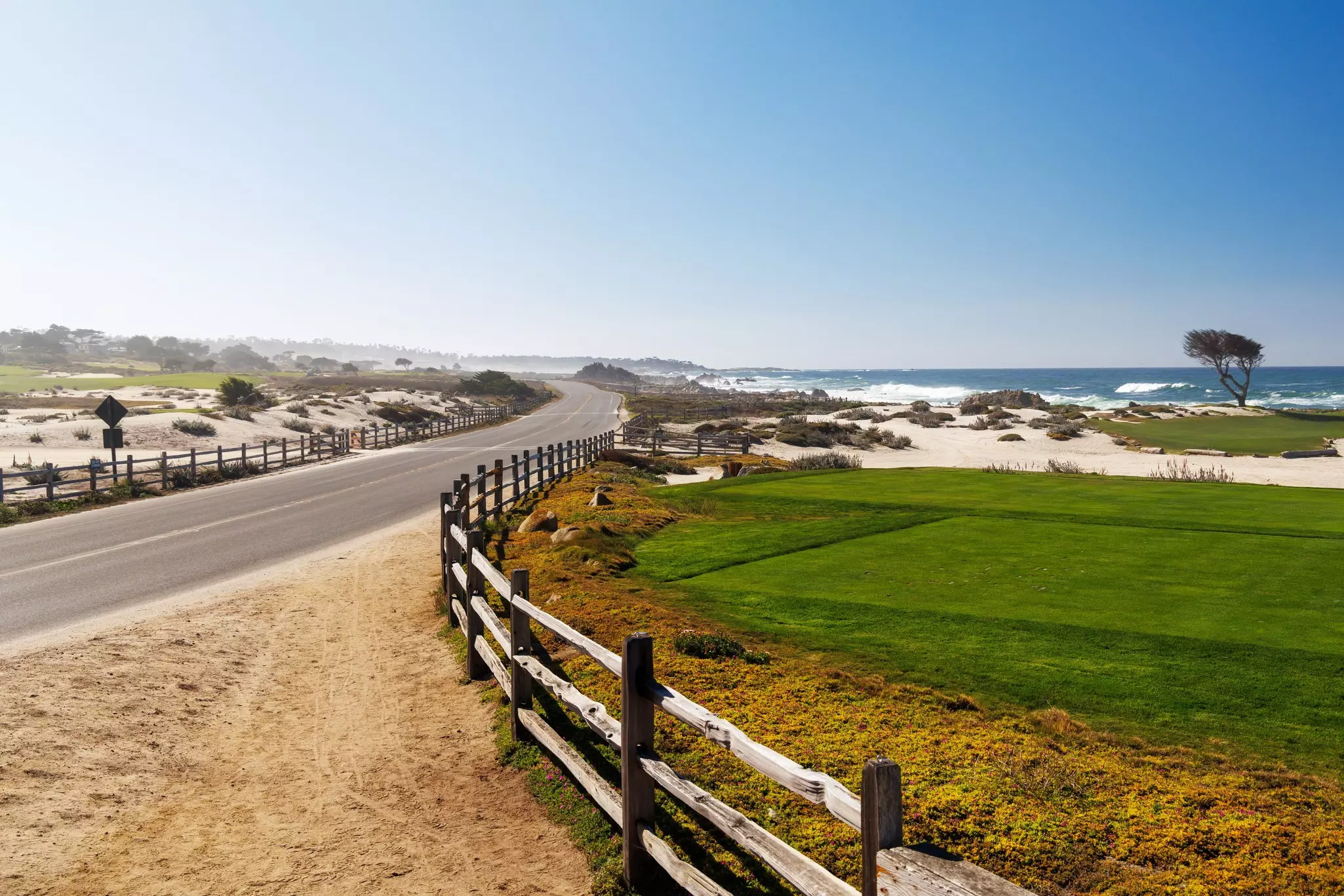
Travelers flock to the 17-Mile Drive, a scenic stretch of road that begins just 15 minutes from Monterey and meanders through the private resort of Pebble Beach. This gated road passes wave-smashed cliffs, champagne-colored beaches and all the splendor of the California coast. Enter at Sunset Dr in Pacific Grove and drive west to the coast, where the road snakes south past cypress groves, rugged cliffs and beaches the color of buttery shortbread. Practically everyone stops at Spanish Bay Beach, so if it’s crowded, press on to photo ops like Restless Sea, where turbulent Pacific sea swells cast foam across the rocks, and Point Joe, the site of past shipwrecks.
At China Rock, you can see where Chinese fishers built their village in the 1880s. Further south, wildlife-watchers will want to point their binoculars at Bird Rock, home to pelicans and sea lions. Next up is the uniquely photogenic Cypress Point Lookout, followed by the Lone Cypress. It’s far from the only tree of its kind, given the knotted cypress groves that cling to cliffs around Monterey, but this 250-year-old tree is perched on a crag, as if posing for a picture. At Pescadero Point, the southernmost tip of the route, you can see ‘ghost trees, ’ where bonelike cypress trunks endure though the tree is long dead. After the road curls inland, you can rejoin Carmel Way south to Carmel-by-the-Sea.
Planning tip: There are four access gates, and the one from Hwy 1 is the most popular. Our favorite is Sunset Dr in Pacific Grove. Allow at least 3 hours for the full drive.
Best for hiking and tide-pooling
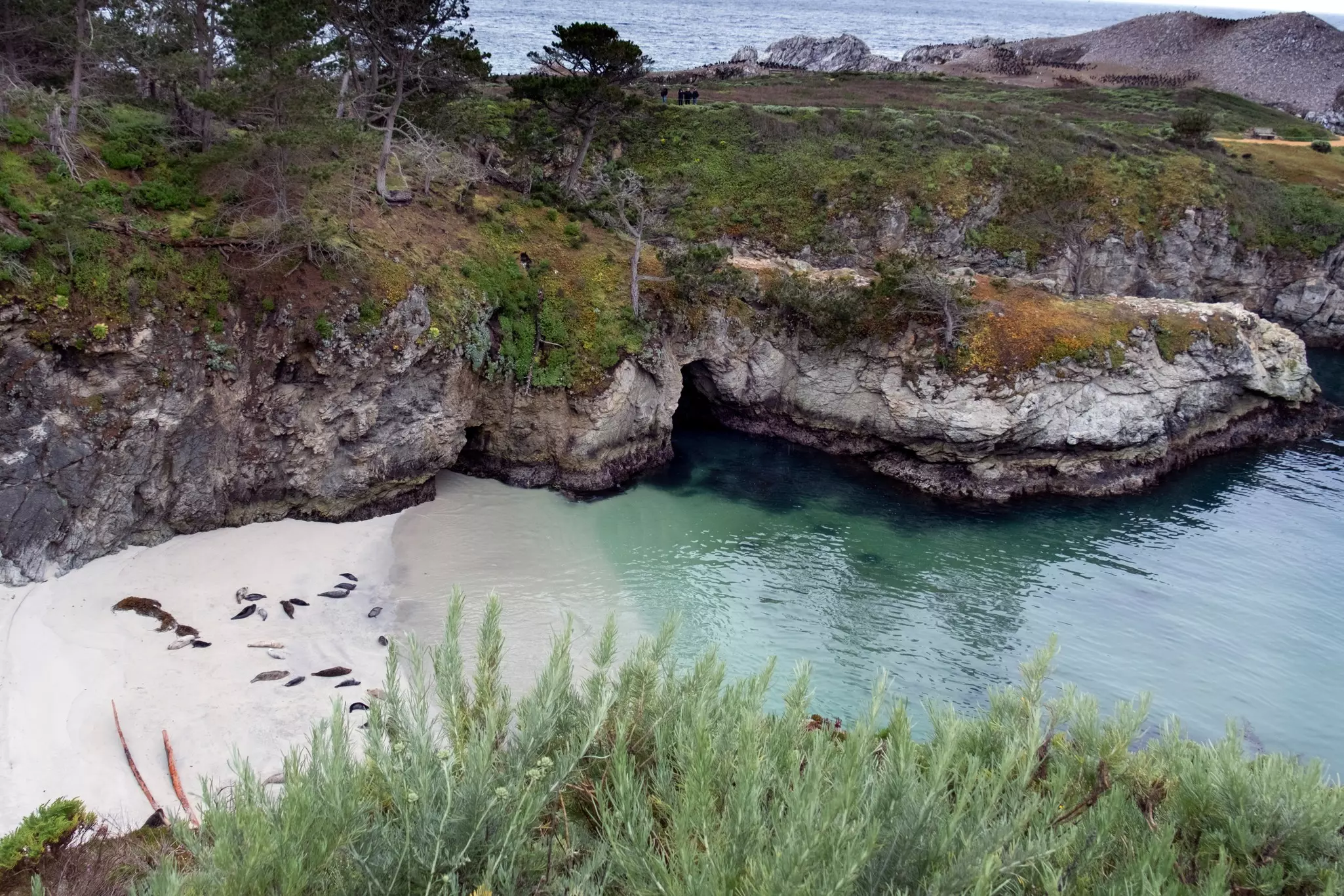
Point Lobos State Natural Reserve, a 20-minute drive from Monterey, is a dramatic collision of steep cliffs, teeming tide pools, pine groves and coastal scrub. For walking trails less than a mile long, follow signs from the northwest parking lot to Cypress Grove or Sea Lion Point. Notable intrigues include the Whalers Cabin Museum, which has the still-standing remnants of huts built by the first wave of Chinese migrants to California in the early 1850s. Inside are whalebones, old photographs and antique Chinese ceramics.
Weston Beach, a 15-minute walk from the northwest parking lot, has tide pools where you can spot black abalone, sea stars and purple crabs. Want to go deeper? Certified divers can explore 70-foot-high kelp forests at one of two permitted plunge spots, Whalers and Bluefish Cove, and meet seals, otters and buffalo cod.
Planning tip: Whether you dive in your own group or join a guided tour (recommended), you need to reserve well in advance. Book diving tours with Monterey-based Aquarius Dive Shop.
Best for the classic California road trip
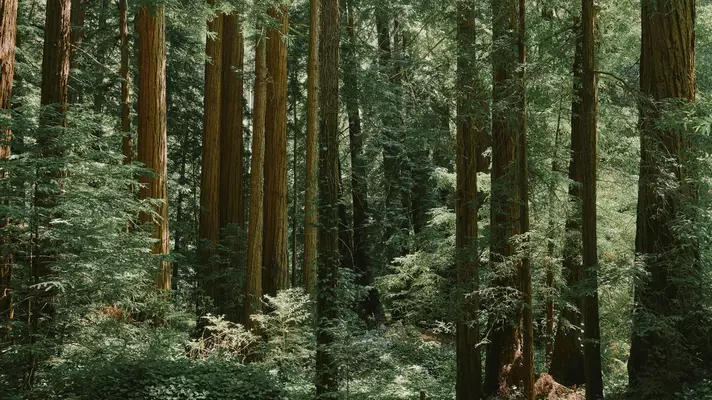
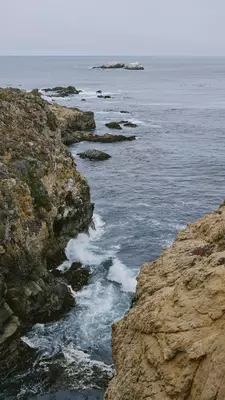
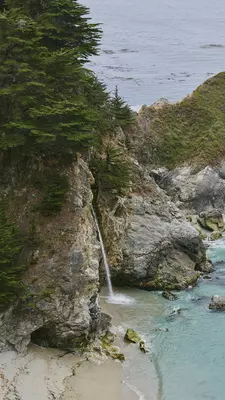
When you imagine the great California road trip, wind in your hair as you soar along sinuous coastal roads, you’re picturing Big Sur. Between the Pacific Ocean and the Santa Lucia Mountains, this inspiring section of coast extends south of Monterey, roughly between Carmel and San Simeon. Big Sur’s landscapes are mighty, and its presence in California culture is colossal; but it’s also fragile, isolated and thinly populated.
The drive starts in Garrapata State Park. Look for the rock-studded Garrapata Beach from which you can spot whales in winter or wander past wildflowers in spring and summer. After a breather, keep driving to Andrew Molera State Park, admiring the ocean views along the way. In the park wander the 20 miles of trails that weave through redwood forests and wildflower meadows. The 2-mile Headlands Trail Loop has great views and historic artifacts. Another 8 miles beyond is Pfeiffer Beach, renowned for sand that appears purplish when the light hits just right. Drive just a few more miles to Nepenthe and grab an ambrosia burger on the luxurious deck. You could head back to Monterey after this, or continue your drive through Big Sur if you have the time.
Please help keep Big Sur wild. While visiting follow all guidelines and treat this fragile place with respect. Always visit responsibly.
Planning tip: The whole stretch of Hwy 1 through Big Sur to San Simeon can be done in a long day, but two is ideal.
Book your United States trip with Lonely Planet Journeys
See United States how it's meant to be seen
Accommodations, activities and ground transportation all taken care of, so you can focus on the fun part. Tell us what your dream trip to United States looks like, and our local experts will build it from scratch. Or start with one of our itineraries and make it your own.

Explore related stories