Sep 20, 202611 min read
The Ultimate Weekend in Dunedin and ŌamaruSponsored by
Aug 11, 2026
9 MIN READ

Writer
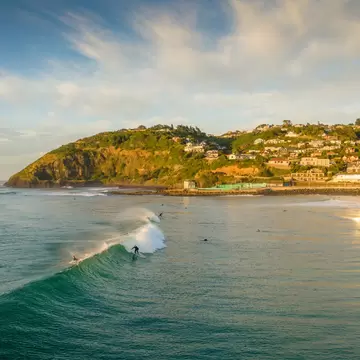
Morning in St Clair Dunedin, New Zealand. Dunedin NZ

Writer
What gets me about Dunedin, every time I come back, is how much wilderness sits this close to a city. Thirty minutes from the Octagon — about as central as a city center gets — you can be watching albatrosses ride the wind over Taiaroa Head, or waiting for hoiho (one of the world’s rarest penguins) to wander up a beach at dusk. I've never gotten used to it, and I hope I never do.
Four days is enough time to see why this place works the way it does: a walkable center you can cover on foot in an afternoon, a peninsula wild enough to feel like the edge of the world, a harbor built for exploring by bike, and a coastline with hidden beaches to explore. Here's how I'd spend a few days in Ōtepoti (Dunedin’s Māori language name).
How to get from the airport: Dunedin Airport is 27km southwest of the city. You can book a shuttle for some NZ$20. While there are plenty of taxis at the airport as well, a rideshare is typically more economical.
Getting around town: Central Dunedin is walkable (or by bus); rental cycles and e-bikes are readily available for the wider region. The Port to Port ferry and Otago Water Taxis cross the harbor between Port Chalmers (north of Dunedin’s city center) and Portobello (a village on the Otago Peninsula). Having access to a car will give you great flexibility. Car rental counters operate at Dunedin Airport.
Best time to visit: Dunedin is a university city, so while it hums with activity from mid-February through until November, it can be much quieter during school holidays. The result? While other South Island cities are incredibly busy during the peak summer months of December and January, Dunedin can be a pleasantly quieter alternative, where it’s possible to have wide stretches of sand to yourself. The rest of the year, the students add to the vibe, rather than detracting from it. Hikers, bikers and outdoor explorers favor October through April. Regardless of the time of year, be sure to pack layers.
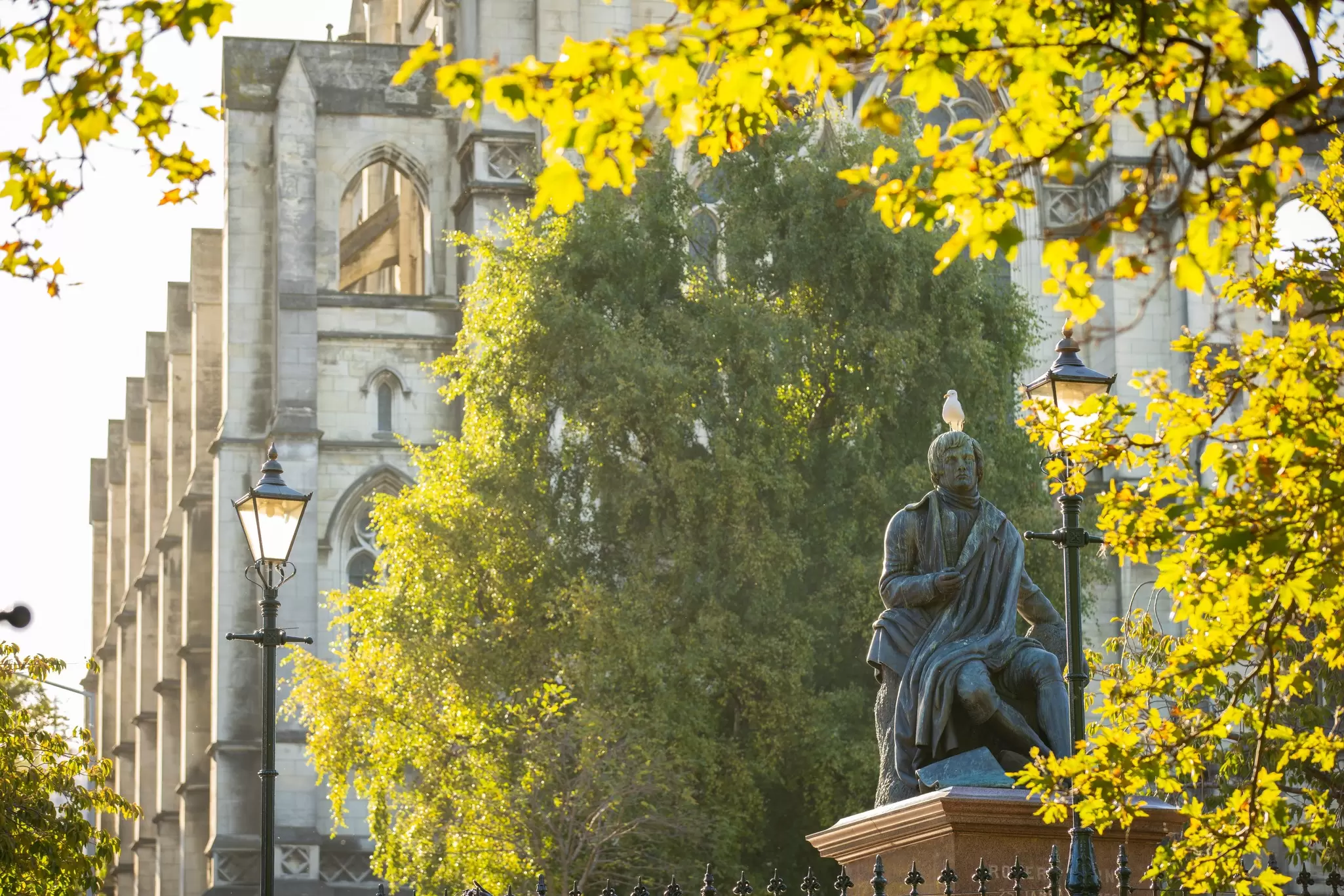
Start in the Octagon, Dunedin's eight-sided civic heart, home to a statue of the poet Robert Burns. (A nephew of the poet was among the city's first European settlers.) From there it's a short walk to Dunedin Railway Station, a bluestone building completed in 1906. Claimed to be the country's most photographed – with mosaic floors and stained-glass windows – its 2024 restoration won the heritage category at the New Zealand Architecture National Awards. Don't miss the upstairs Otago Art Society galleries inside the Dunedin Railway Station itself.
But it’s not just about the Dunedin Railway Station's good looks. A handful of scenic train journeys also depart from the station, including a day trip through the Taieri Gorge, deep in the Dunedin hinterland.
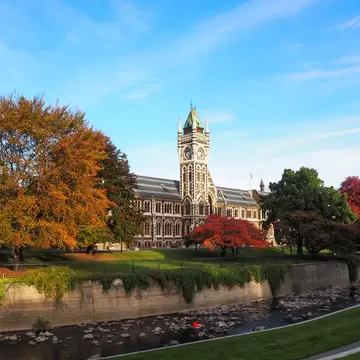
From the Dunedin Railway Station, choose between two engaging museums a short walk apart: Tūhura Otago Museum, next to the University of Otago, has an interactive science center and planetarium that will thrill kids. (The three-story Tropical Forest, where hundreds of exotic butterflies flit above a six-meter waterfall, is a firm favorite.) Another option is the free Toitū Otago Settlers Museum, tracing South Island settlement history with an engrossing Māori section and the Smith Gallery's floor-to-ceiling Victorian era portraits.
As you walk the city, keep an eye out for Dunedin's Street Art Trail, with numerous commissioned murals adorning central city buildings. For a fuller day, consider adding Baldwin Street – officially the world's steepest street per Guinness World Records – about 3.5km northeast of the Octagon.
You’ll want to make a reservation for Bacchus, a fine-dining restaurant and wine bar right on the Octagon or Prohibition Smokehouse, also on the Octagon, known for its T-bone. For a more casual affair, try Moons. A small craft brewery south of the Octagon, it serves beers, pizzas, and burgers made with beef sourced by the butcher down the road.
Round out the day with a taste of Dunedin's brewing heritage: Speight's Brewery has been brewing on Rattray St since 1876, with 90-minute guided tours and tastings and an on-site alehouse. Emerson's Brewery, founded in 1992, has a large taproom and restaurant near the university and stadium. If cocktails are more your speed, follow the students with good taste to Woof!, where inventive seasonal drink specials are served in a colorful space.
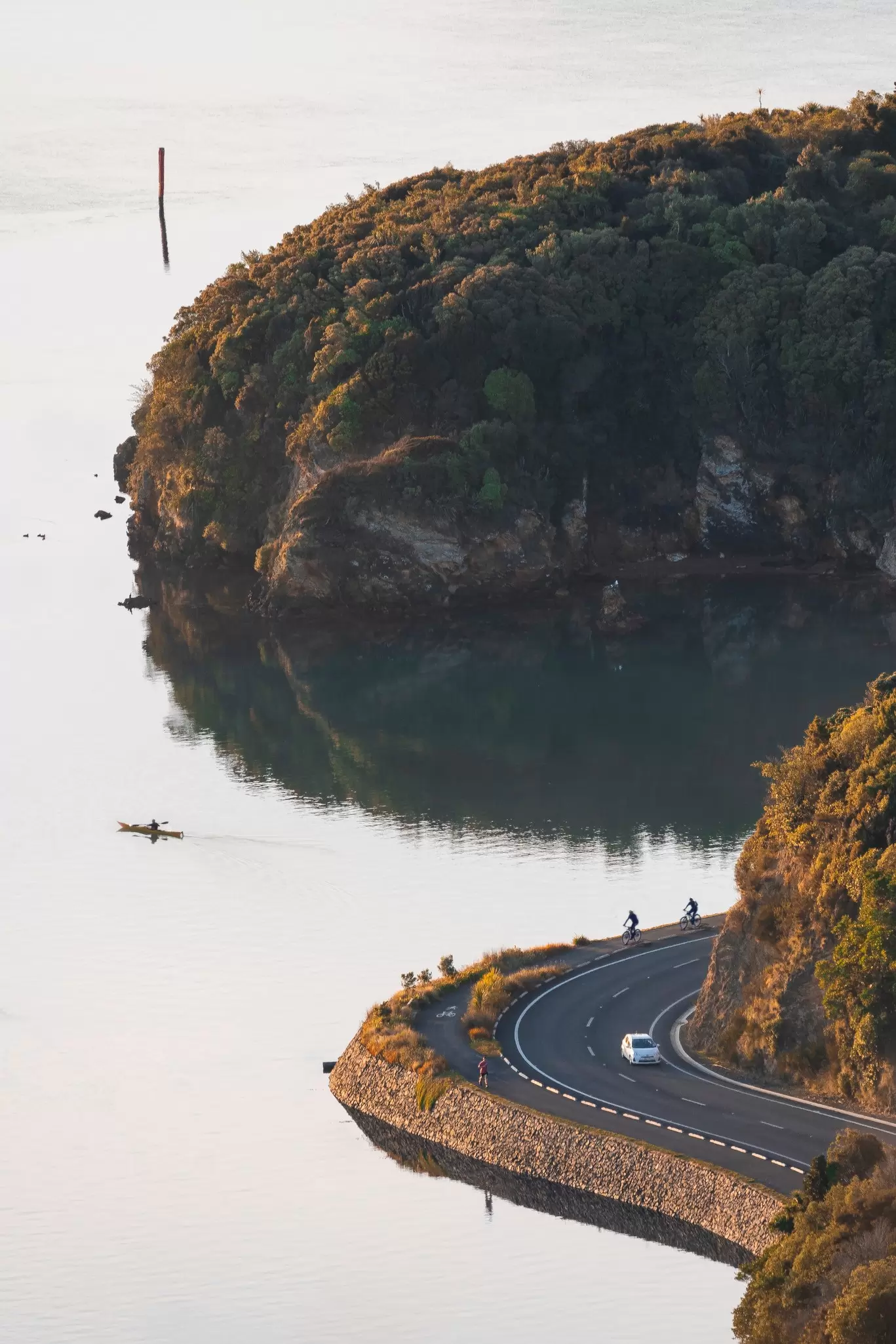
Rent a car for the day to explore the Otago Peninsula's stunning scenery at your own pace. Head out along harborside Portobello Rd, past Macandrew Bay, Company Bay and Broad Bay, continuing on to Wellers Rock Wharf, 26km from the city, for Monarch Wildlife Cruise & Tours' one-hour wildlife cruise. The boat putters out through the harbor to the open sea, past the historic Taiaroa Head Lighthouse, with a good chance of spotting sea lions on isolated beaches, little penguins, and even dusky or Hector's dolphins along the way – plus soaring albatrosses overhead. Don't let a cold or windy day put you off; the local wildlife love it.
After your cruise, it's a short drive to Taiaroa Head at the peninsula's northern tip, home to the world's only mainland breeding colony of Northern Royal Albatross. At the Royal Albatross Centre, a 60-minute guided tour includes a short film followed by a walk to a glassed observatory for close-up views of albatrosses nesting and soaring. With wingspans up to 3m, they're best seen on a windy afternoon.
From there, follow the road back through Portobello and up onto Highcliff Rd, a winding route along the spine of the peninsula with sweeping views over the harbor and out to the Pacific. Stop at Sandfly Bay for a short, family-friendly walk: down through farmland to a viewing platform, then through steepish sandhills to a wide beach where fur seals (kekeno) and sea lions (pakake) often laze on the sand. Give them a wide berth, as they're wild and can be unpredictable. Round out the afternoon at Larnach Castle, New Zealand's only authentic castle – a Gothic Revival mansion built in 1871 by banker William Larnach – where you can explore the grounds, climb the crenelated tower for peninsula views, and stop in for high tea at the on-site cafe.
For dinner head back to Portobello and go to the Portobello Hotel & Bistro. This family-run establishment has been serving locals and guests since 1874. They have a great beer selection and serve Kiwi style meals with a gorgeous view.
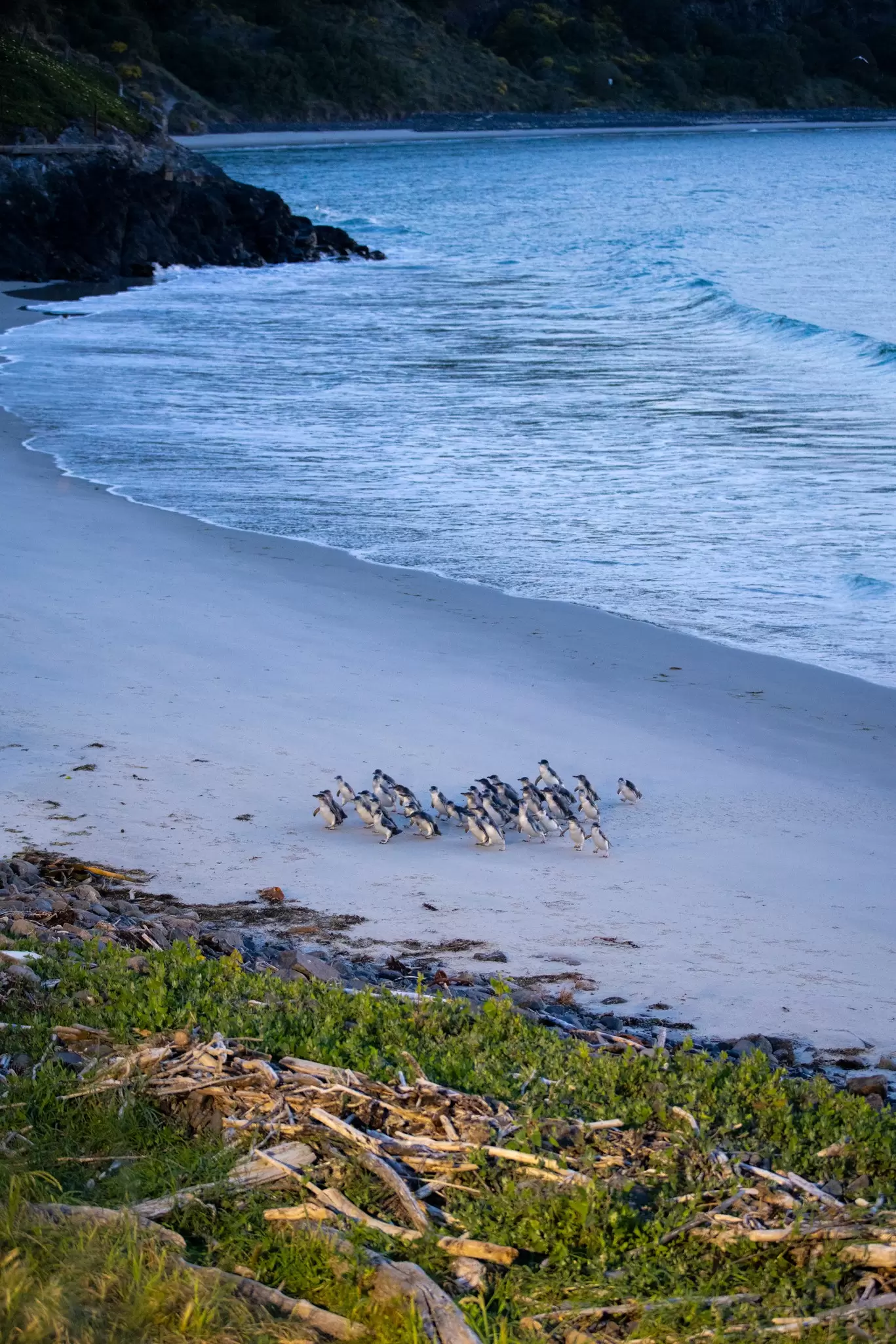
Best done later in the day, once the light starts to fade: Blue Penguins Pukekura. The world’s smallest penguins, little penguins (kororā), are endemic to Australia and New Zealand. As the light falls, they emerge from their day hunting at sea and return to their burrows. On this intimate tour, you’ll get a front row seat to see them waddling back to their homes for the night.
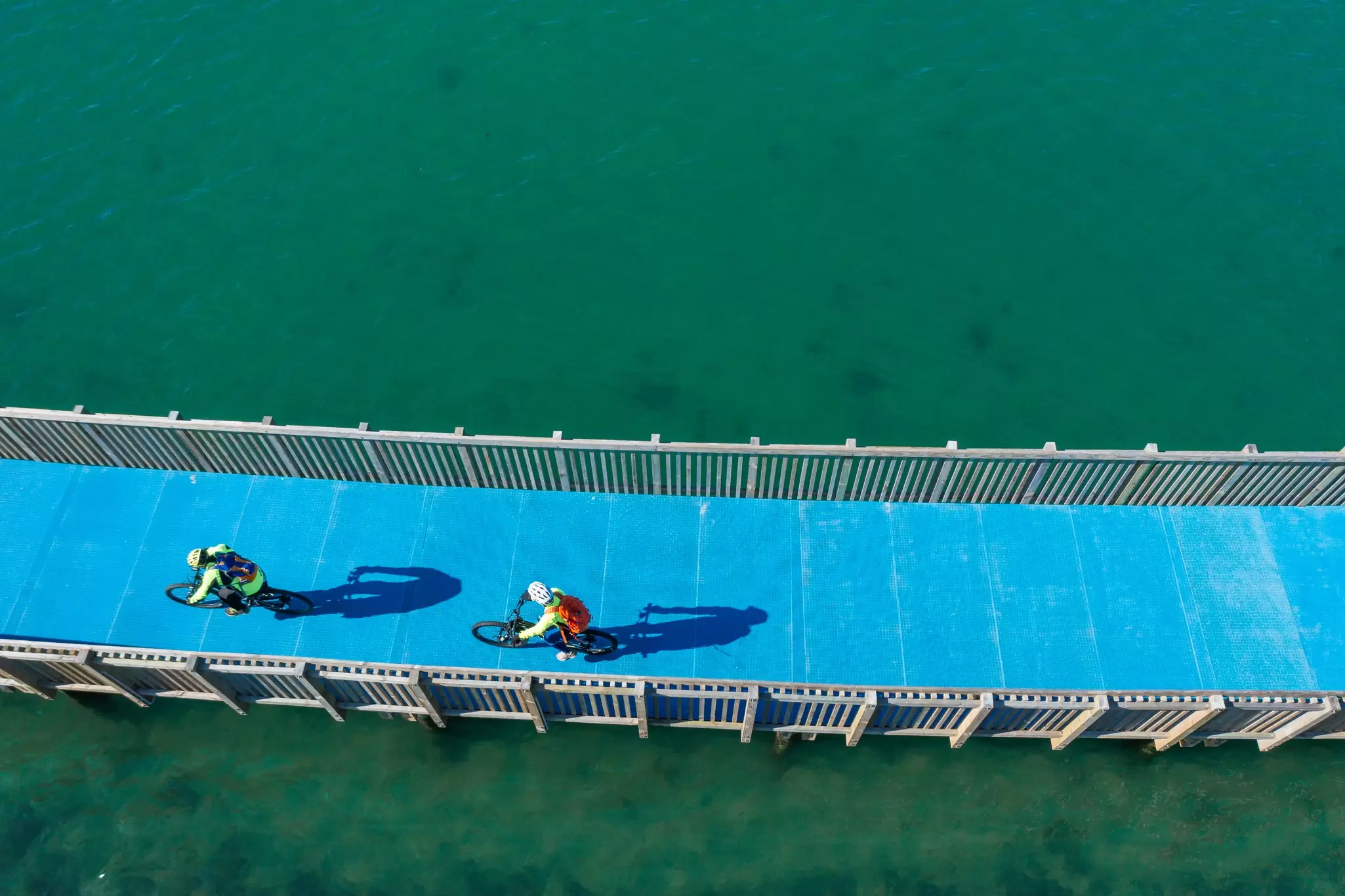
Today take a bike ride on Te Aka Ōtākou, a walking and cycling path that loops around the Otago Harbour. Book a bike or an e-bike online with Dunedin eBike Hire, picking it up from their self-service kiosk close to the Dunedin Railway Station. Check departure times and book the Port to Port Ferry (Port Chalmers to Portobello) in advance. Head up the western side of the inner harbor toward Port Chalmers on a 13km stretch, mostly following the railway line, passing the Forsyth Barr Stadium and the small suburbs of Ravensbourne, Burkes, and St Leonards, past sculptures, recreation parks, causeways and purpose-built boardwalks. For more bike journeys along Te Aka Ōtākou, visit this guide.
Arrive in Port Chalmers, Dunedin's deep-water port since the mid-1800s – expect it to be busy if a cruise ship is in. The town sits somewhere between working-class and bohemian, home to many artists, with George St's galleries, knick-knack shops and cafes worth a wander. Stop for a break at Union Co Cafe. Ride the short distance to Back Beach to catch the ferry across to Portobello, then continue on the Otago Peninsula side of the harbor – through Broad Bay, Company Bay and Macandrew Bay – curving around the head of the harbor and back into Dunedin city. Total loop: 33km, around 4 hours.
Head back toward the Octagon (where else?) and wander down a laneway until you find The Swan, an enclave of seasonally inspired share plates.
Walk the Tunnel Beach trail, a family-friendly 2km route southwest of central Dunedin. You’ll follow a well-defined winding trail down toward the sea, before finally descending through a hand-hewn 72-step tunnel (carved in 1876). At its end? A secluded beach ringed by 30m sandstone cliffs, with a dramatic sea arch along the way. Visit at low tide for full access to the beach and be sure to stick to the path (even if photo opportunities tempt you to do otherwise); the headlands are home to a rare coastal turf ecosystem that is vulnerable and best left undisturbed.
Head to the coastal suburbs of St Clair and St Kilda – both popular swimming beaches patrolled in the warmer months. However, the cool water is most beloved by surfers, who you’ll see playing in the waves year-round.
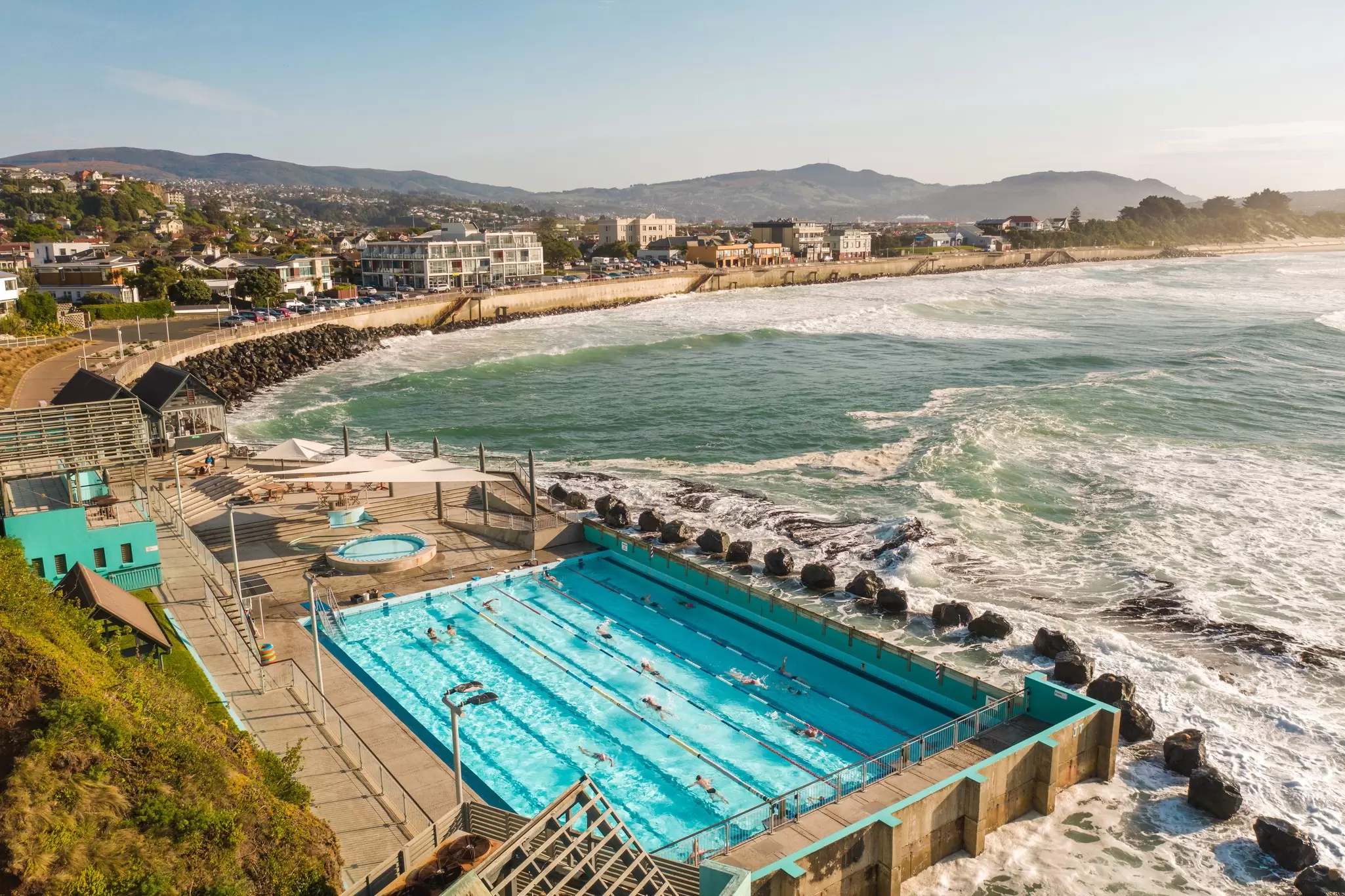
Esplanade Surf School offers lessons and gear rental for anyone wanting to try. Warm up afterward at the St Clair Hot Salt Water Pool – the only remaining saltwater pool of several Dunedin once had. It's heated to 28°C and open October through March. St Kilda Beach is ideal for a long, easy stroll.
Don’t be surprised by the line-up at Esplanade. Tight on the St Clair waterfront, this Italian spot serves house-made pasta and pizza. If Kiwiana is more your flavor, book in to nearby Tītī and opt for the chef’s Feed Me menu; market fish, lamb shoulder and beef cheek all make appearances on the frequently updated menu.
Explore related stories