Aug 20, 202617 min read
18 Things to Do in Sri Lanka and the Best Way to Do ThemAug 20, 2026
17 MIN READ

Writer
Highlights
Writer Zinara Rathnayake shares 18 Sri Lanka experiences, from safaris to street food.
Skip Yala for Wilpattu leopard safaris; hike Pidurangala at dawn for views over Sigiriya.
Order kotthu roti from Hotel de Pilawoos and hoppers from Aunty Radhika, both in Colombo.
Stroll Galle Fort's ramparts at dusk and pair dinner with arrack cocktails at Ropewalk.
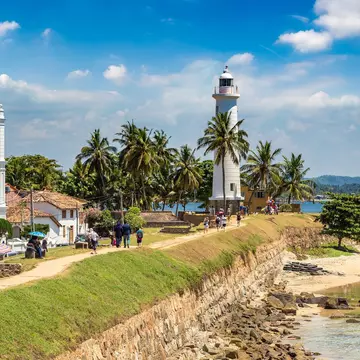
Lighthouse in Galle Fort on a sunny day in Sri Lanka. Sergii Figurnyi/Shutterstock

Writer
Highlights
Writer Zinara Rathnayake shares 18 Sri Lanka experiences, from safaris to street food.
Skip Yala for Wilpattu leopard safaris; hike Pidurangala at dawn for views over Sigiriya.
Order kotthu roti from Hotel de Pilawoos and hoppers from Aunty Radhika, both in Colombo.
Stroll Galle Fort's ramparts at dusk and pair dinner with arrack cocktails at Ropewalk.
Lonely Planet may earn a commission from affiliate links on our site. All recommendations and reviews reflect our own independent opinions.
Sri Lanka is my home. I spent my childhood here, surrounded by palm-lined paddy fields, bathing in lotus-studded freshwater lakes with my amma (mother) and walking around the bustling city lanes of Kandy. Later, as a university student, I’d sit down for 2am kotthu roti (a mishmash of flatbread, veggies and meat of your choice) in a hole-in-the-wall in Colombo and take slow train journeys on the weekend to rainy hills. Now I hop on nighttime buses to Sri Lanka’s far north to island-hop on public ferries, cycle through nearly-deserted country roads and dig into plates of crab curry.
Traveling across Sri Lanka from north to south and east to west, I’ve always admired the warmth and genuine hospitality of my people. And to me, it’s what makes Sri Lanka feel like home. From golden shores where baby sea turtles take their first steps to the vibrant temple festivals in Jaffna, you’ll never run out of things to do in Sri Lanka. To help you plan, here are my favorite experiences.
The non-negotiable
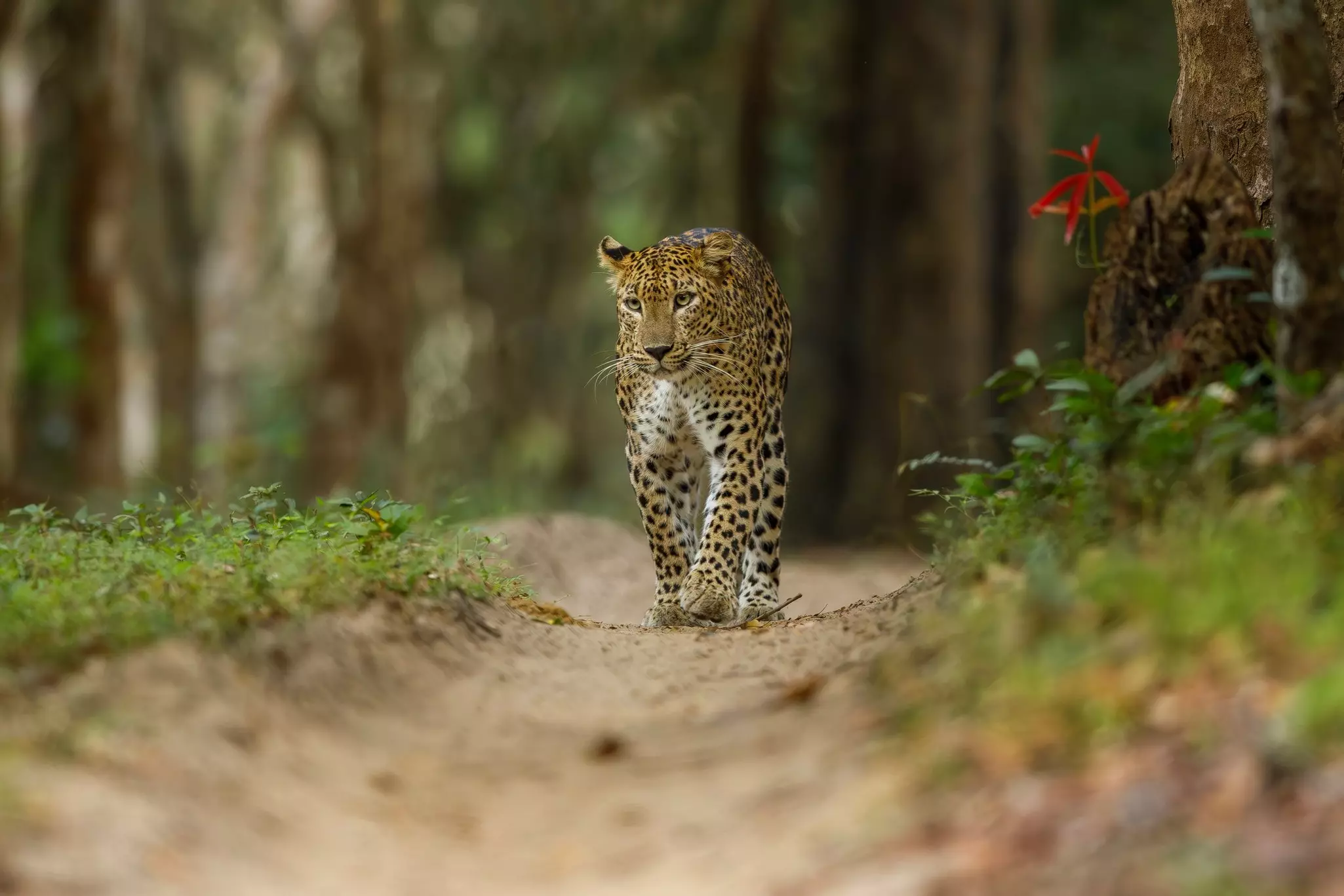
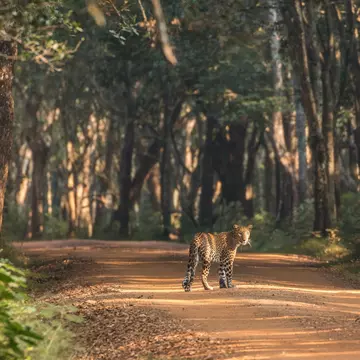
Most visitors to Yala National Park want to see the endangered Sri Lankan leopard. But here’s the thing: overcrowding at the park is sadly common and safari 4WDs have been known to scare the animals away.
For a better and more conscientious safari experience, head to Wilpattu National Park in the northwest of the island and book with a responsible operator like Leopard Trails. The guides don't chase after possible sightings, and they turn off their vehicle engines when near animals. Guides will also whisper near any sighting so as not to disturb the animals. As well as leopards, the park is also home to Asian elephants, sloth bears and bark deer in their natural habitats.
When to go: The dry months from February to October.
Pair with: Head further up north to Mannar Island for the flamingo season, when thousands of greater flamingos flock to the region’s wetlands.
The unmissable hike
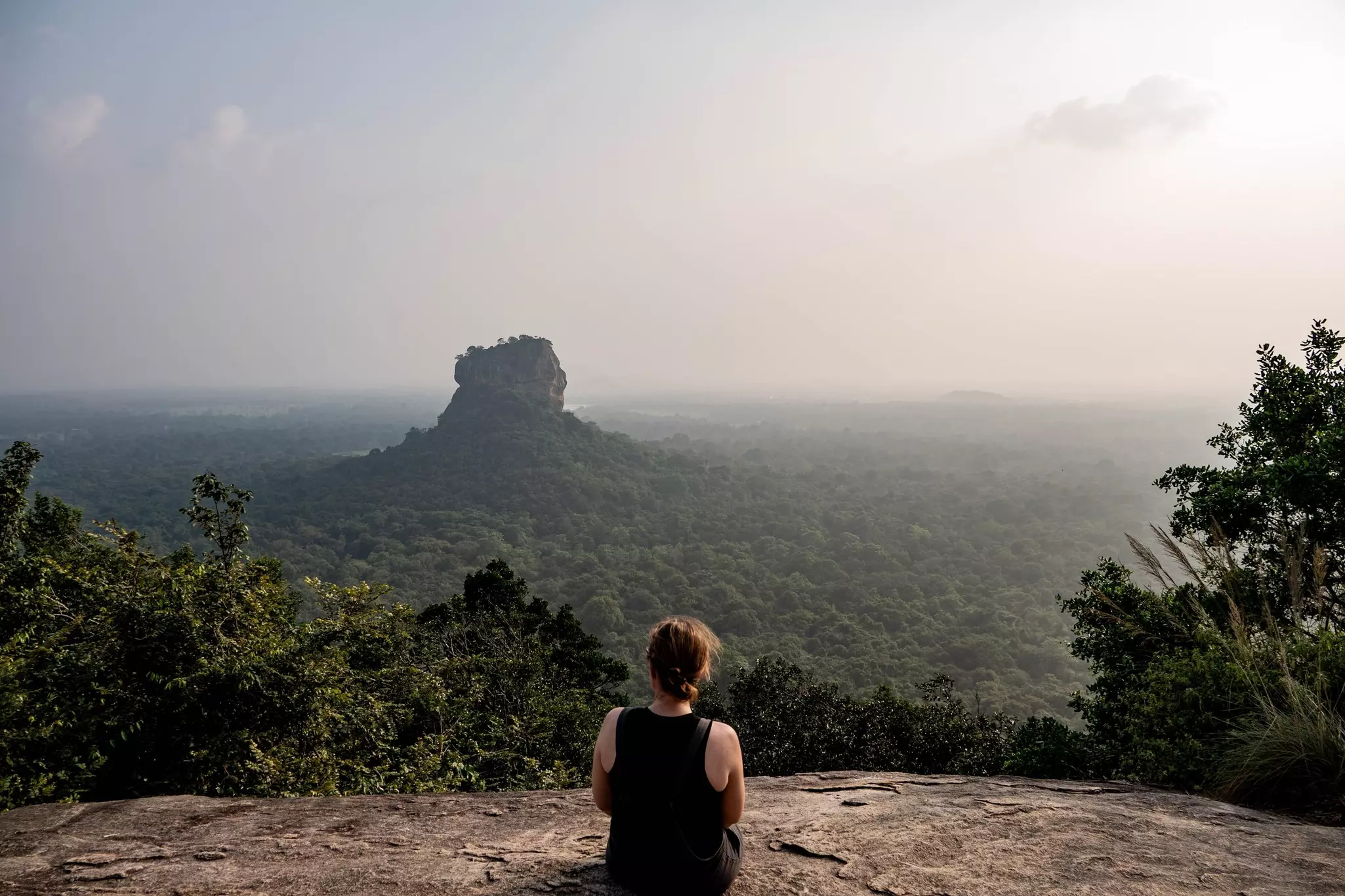
No trip to Sri Lanka is complete without visiting the Sigiriya, a massive rock fortress with ruins of an ancient palace, water gardens and frescos. For a majestic view of this ancient lion-shaped citadel rising through the green jungle, consider climbing the nearby rock
Pidurangala at 5am for sunrise. If you are not a morning person, head here for sunset before the ticket office closes at 6pm – just a heads up that you’ll need to pay the entrance of Rs 1000 in cash, and carry a shawl or sarong to cover up as you’ll walk past a Buddhist temple.
When to go: Sunrise or sunset.
Getting there: Take a tuk-tuk from your hotel in Sigiriya.
Pair with: Sigiriya, of course!
Must-do with kids
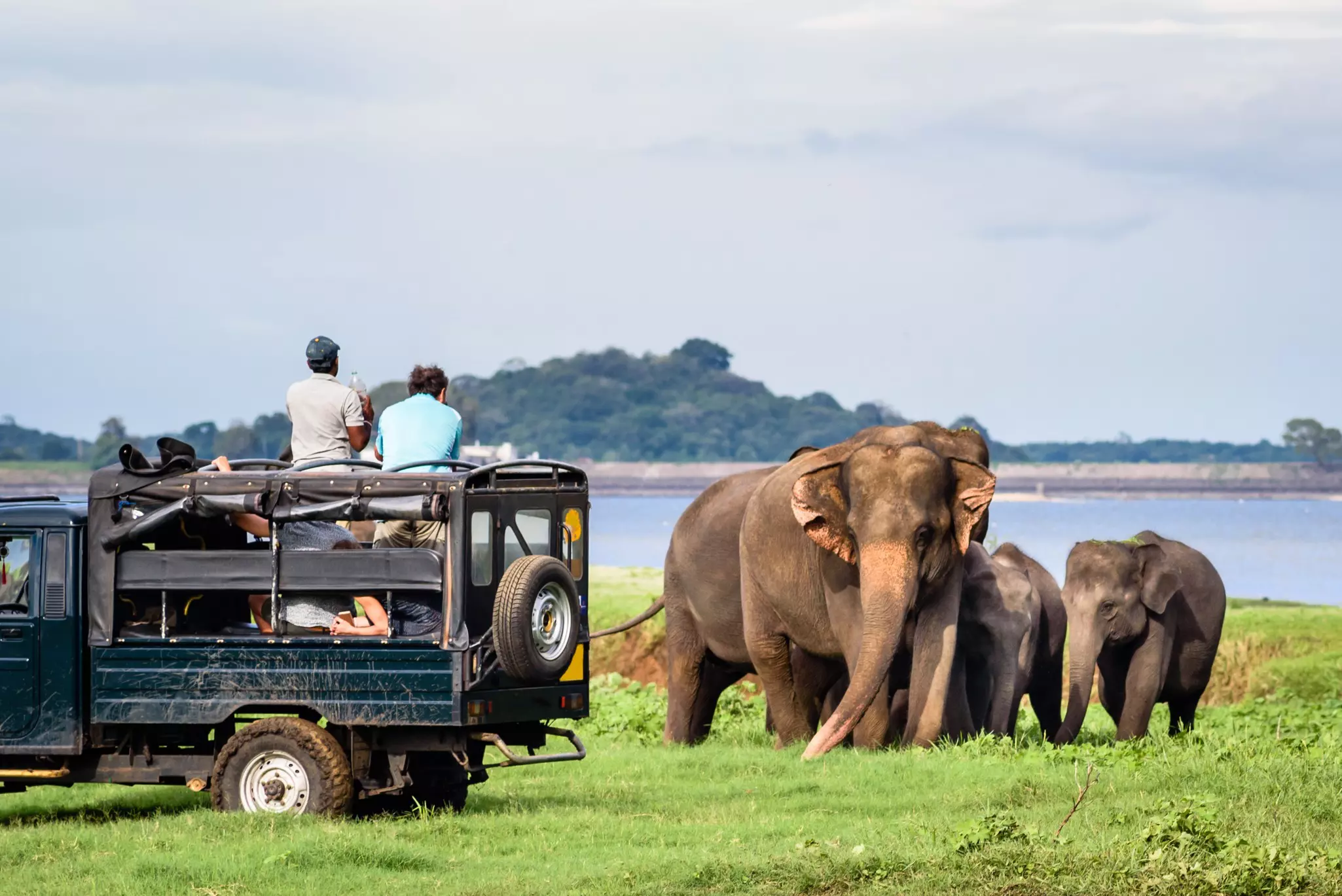
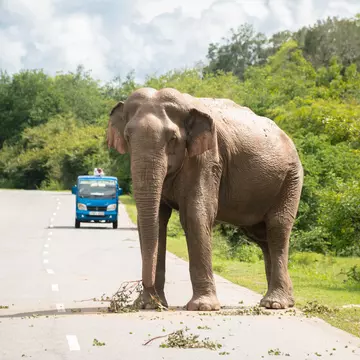
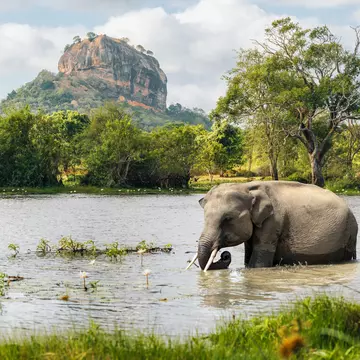
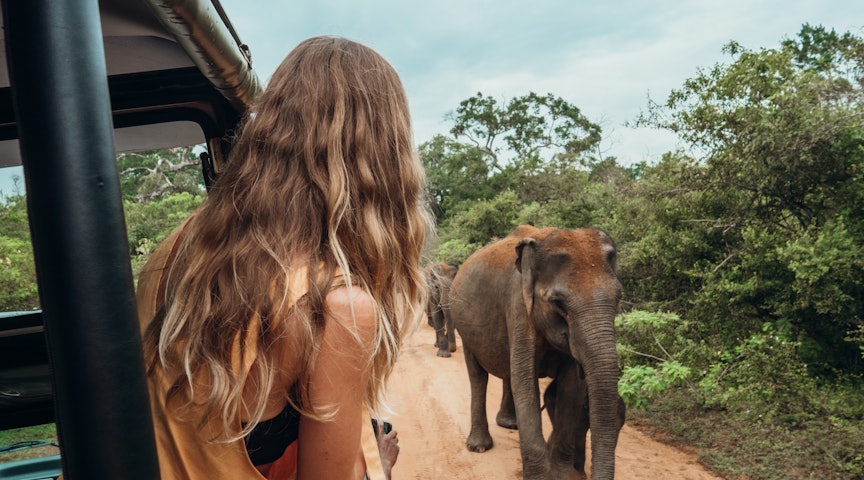
Sri Lanka is home to an estimated 4000 wild Asian elephants, best seen in their natural habitats, the country’s national parks. During the dry months of July and August, the large reservoirs in Kaudulla and Minneriya National Parks draw herds of wild Asian elephants where they graze on grass, nap, bathe and play together. Hot days see elephants sheltering in the nearby jungles, but in the afternoon, around 4pm, they slowly emerge. This is your chance to see hundreds of these playful creatures, including young calves, hanging out by the lakes, the largest gathering of wild elephants in the world.
When to go: July and August during the dry season.
Getting there: Organize a 4WD safari from your hotel in Habarana or Sigiriya.
Pair with: A nighttime jungle walk with the naturalists at Jetwing Vil Uyana to spot the slender loris.
Best for souvenir hunting
Sri Lanka produces some of the world's best cinnamon. Branded as "Ceylon Cinnamon," it’s a lighter, subtly sweet variety than the cassia found in Indonesia, Vietnam and China. Learn about this highly prized spice by visiting Gan Duwa Island on Koggala Lake, just south of Galle, by boat.
Generational peelers here spend their days skillfully shaving thin layers of the tree’s inner bark to create quills of cinnamon, which are then dried under the shade before they are packed. Whenever I go, I’ll buy a few of these plus small packets of cinnamon powder and cinnamon oil as take home souvenirs. After the stop here, boats usually take passengers to some of the other islands, too.
When to go: Anytime of the year. Evenings are better as peelers tend to work when it's cooler.
Getting there: Take a tuk-tuk to Koggala Lake and hop on one of the boats at the jetty.
Pair with: A glass of fresh kirala (mangrove apple) juice from a local vendor on the jetty before you leave.
Best free thing
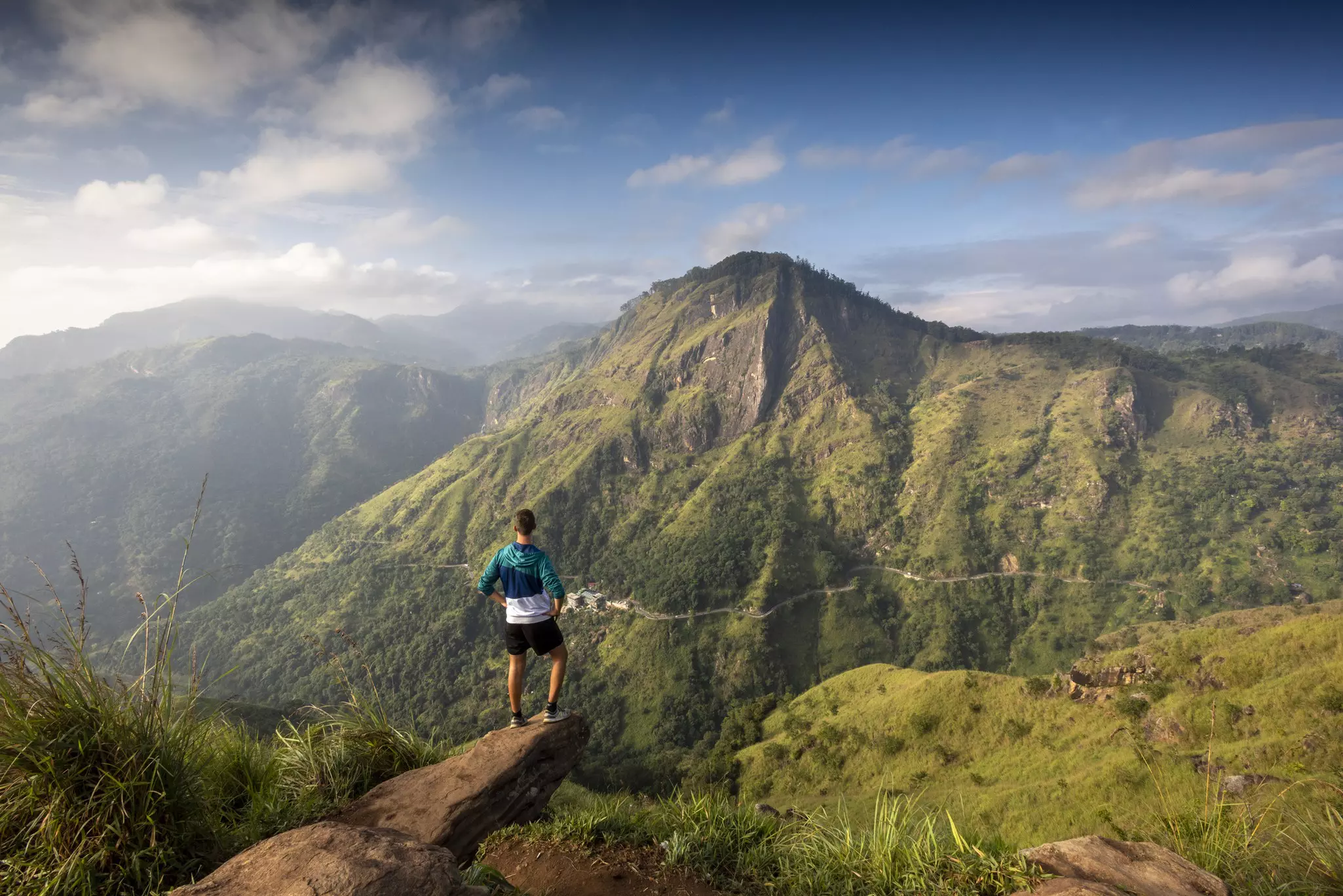
Not to be confused with Adam’s Peak, the sacred mountain near Hatton that involves an arduous 5000-step climb. Little Adam’s Peak, meanwhile, is a shorter, popular hike for those visiting the tourist hub of Ella. Start your hike early in the morning when it’s dark outside so you don't miss the sunrise from the summit.
Ella itself is a laid-back place. Many stay outside the town, but travelers should immerse themselves in the cafe scene at places like Cafe Chill, or throw in some adventure with a zip-lining trip at Flying Ravana.
When to go: Early in the morning before sunrise.
Pair with: Follow the signposted Pekoe Trail, Sri Lanka’s longest walking route that snakes through tea gardens and misty hills. Stage 16 (9.5km long), passes the iconic Nine Arch Bridge near Ella.
Best thing to do on a rainy day
If there’s one thing to try before you leave Sri Lanka, it’s hoppers. Called appa in Sinhala and appam in Tamil, they are bowl-like pancakes made from coconut milk and rice flour batter. With crispy edges and soft, fluffy centers, plain hoppers are eaten with curries or a spicy condiment called lunu miris made with onions and dried red chili.
Walk into any streetside hopper kiosk in the evenings and you’ll often find plain hoppers topped with an egg. If you are in Colombo, head to Palmyrah Restaurant in Renuka Hotel for some Sri Lankan fine dining; the dinner menu includes both savory and sweet hoppers with milk and jaggery. Or, if you don’t mind long lines, try some hoppers from Aunty Radhika in the Wellawatta neighborhood. Walk past the bank on WA Silva Mawatha to find her small, but popular, hopper stall.
Lonely planet’s trusted travel insurance provider
Travel with confidence. Protect your trip and your wallet.
We don’t represent World Nomads, we receive a fee from quotes using this link. This is not a recommendation to buy travel insurance.
Up north in the Tamil-populated Jaffna, hoppers have softer, lacier edges. Thevshi Kutty Hoppers is a small, unassuming spot that does some of the best appam you’ll find in the island – they come topped with chicken and cheese, prawns and chocolatey coconut.
Pair with: Some Sri Lankan "short eats" – it’s an umbrella term used for a range of savory and sweet snacks often eaten in between meals. My favorite is usually a crunchy breaded roll stuffed with canned fish, washed down with a cup of ginger tea.
The most magical
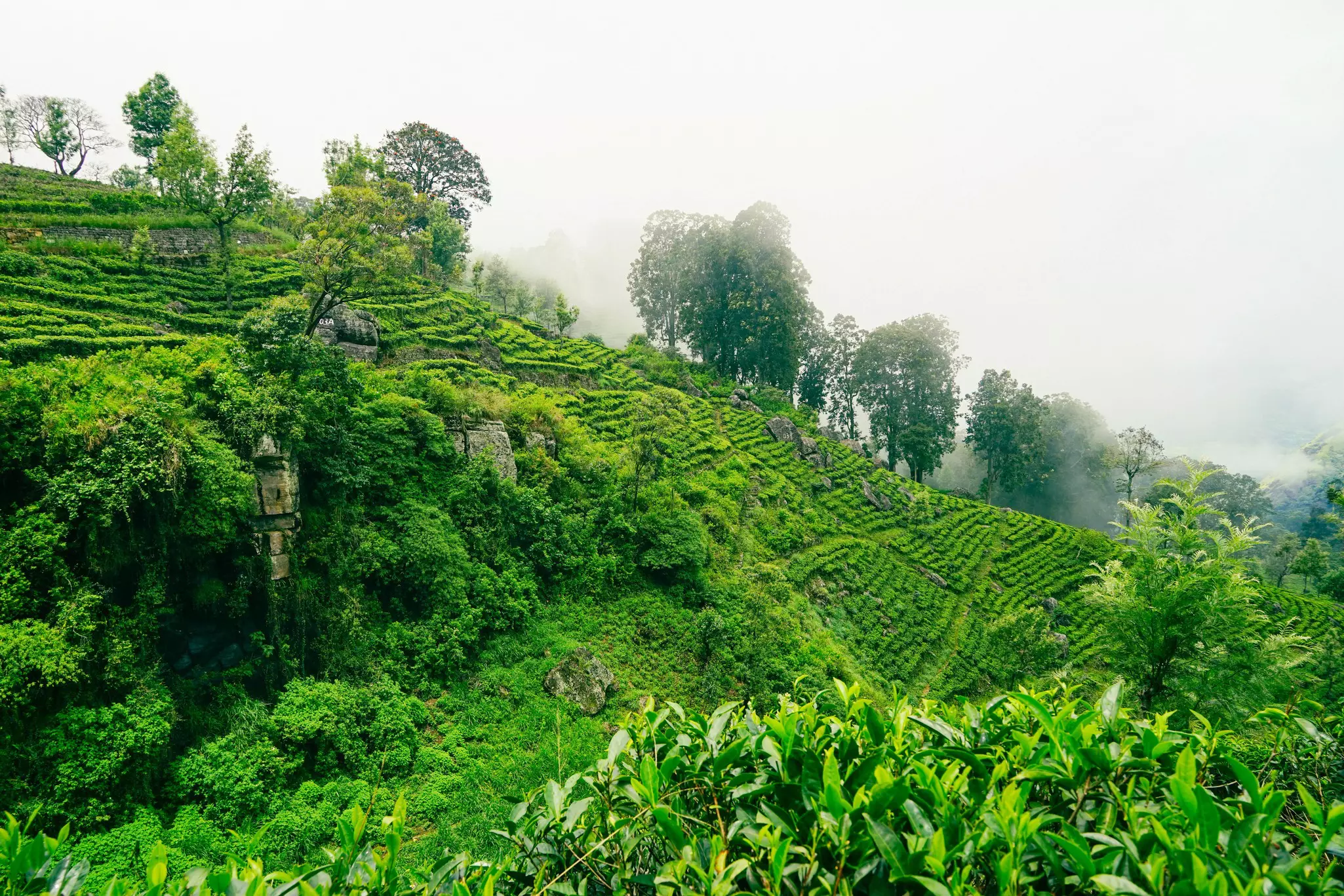
An hour by bus from Ella are the misty mountains of Haputale, a region dotted with tea estates and icy-cold streams. Stay in a local family-operated campsite, such as the Eco Lodge Haputale run by the Dias family. After a few cups of sugary milk tea at their home, they will walk you through a tea garden to their campground made up of several tents with a small kitchen and a dining area that opens up to the Haputale mountains. Wake up to the sound of birdsong and enjoy the sunrise – it’s the highlight of any stay here.
If you don’t mind splurging, fall asleep watching the starry skies inside a glass pod at Cliff Lodge. This fully off-grid lodge is only reachable by a 4WD, serves food cooked on woodfires and includes guided river hikes.
When to go: December to April.
Getting there: Take the scenic Hill Country train from Nanu Oya (near Nuwara Eliya) to reach Haputale.
Pair with: A hearty lunch at Mint of the Mist run by two sons and their mum.
The surprise
Sri Lanka is the southernmost stop along the Central Asian Flyway, a key migratory bird route in the world that spans across parts of Asia and Europe. Home to nearly 200 species of native and migratory birds, the Ramsar-recognized Bundala National Park in Sri Lanka’s south is one of the best places for bird-watchers.
Bird-watching tours start at 6am and run for 3 to 4 hours as the park comes alive with brahminy kites (red-backed sea eagles), hundreds of storks, families of whistling wild ducks, Asian green bee-eaters, dancing peacocks, and resting crocodiles. Come the afternoon, wild Asian elephants, spotted deer and wild boar roam amongst the native fruit trees like weera, neem and palu.
When to go: November to April.
Getting there: For the best chance of spotting wildlife, arrange a 4WD safari with a tour operator like Bundala Safari with Srimal – or look for offices just outside the park in Bundala Junction.
Pair with: A boat trip to Kalametiya Bird Sanctuary in the evening.
Best train journey
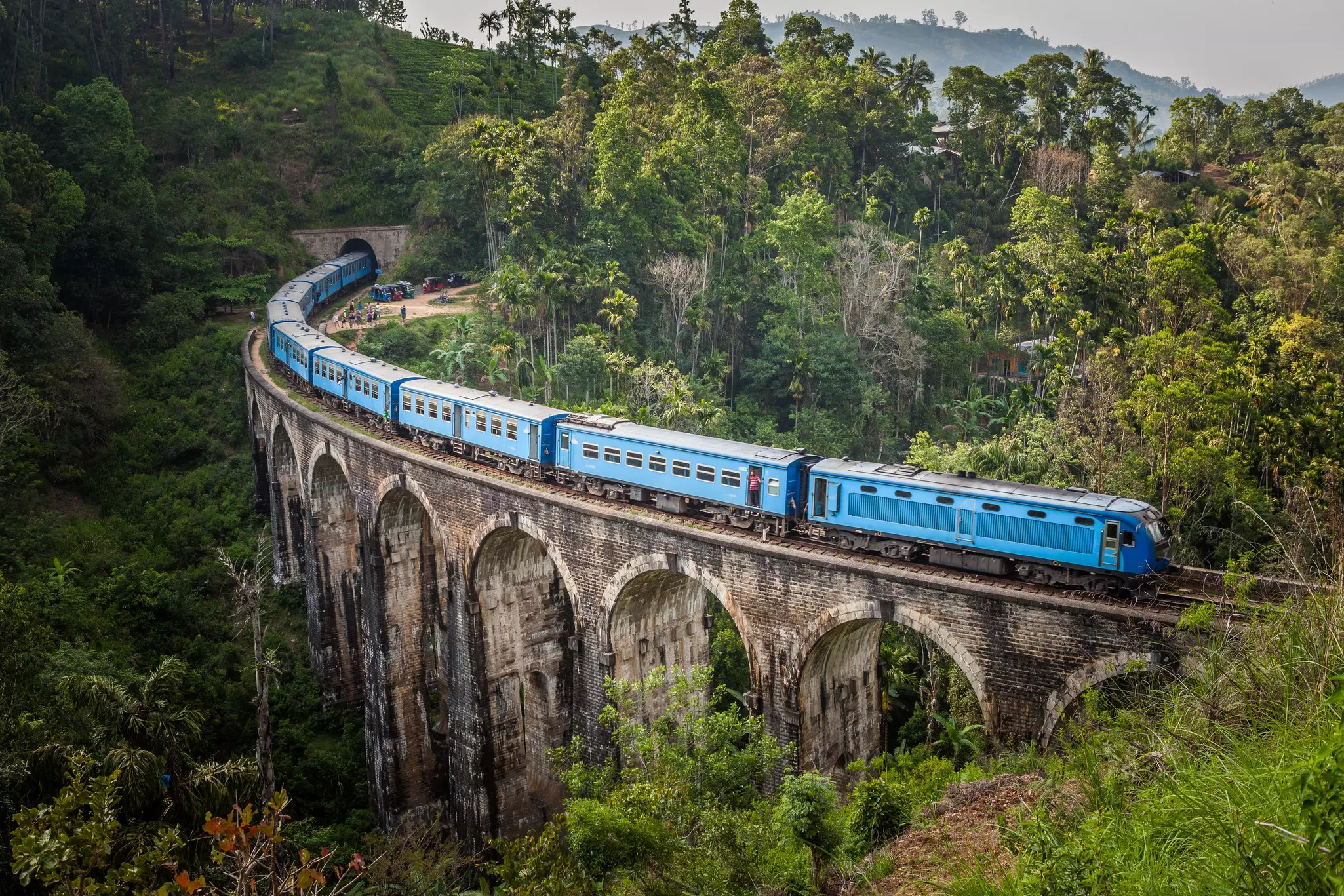
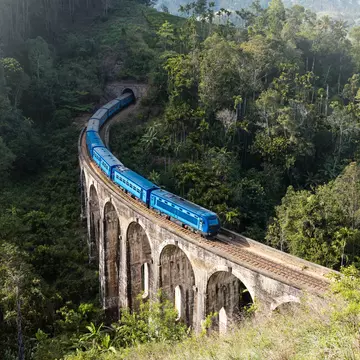
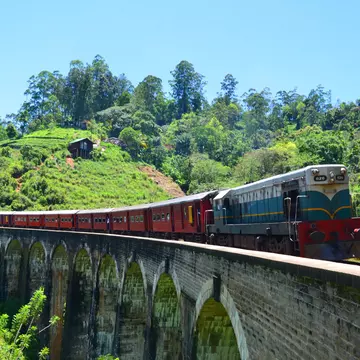
Train journeys in Sri Lanka are hard to miss. For mountain views coupled with tea gardens, gushing water bodies, and colonial-era railway stations lined with blooming roses and pretty tulips, take the train from Nanu Oya (near Nuwara Eliya) to Ella, which also passes through the architectural marvel of Nine Arch Bridge – you’ll have to ride until Demodara to see this.
But don't just stop there. Hop on a coastal train heading south towards Galle from Colombo for the views of the Indian Ocean and swaying palms. Next, board a train riding up north to Jaffna – you will notice changing landscapes as you go past Anuradhapura when green rice fields and coconut trees are replaced by palmyra palms, shrubs and sprawling lagoons.
As always, remember to reserve ahead at Sri Lanka Railways. Most trains have nonreserved coaches that allow you to get a ticket and jump on the train on the day of your travel, but they tend to get crowded.
The secret
With numerous flatwater lagoons and plenty of steady wind, Sri Lanka’s northwestern coast offers some of the best kitesurfing in the world. A 3.5-hour drive north of Colombo is the lesser-explored Kalpitiya Peninsula, which is still relatively new to many overseas tourists. The region is home to sandy beaches and small fishing hamlets with droves of wild donkeys strolling around large grasslands.
Stop in Kappalady on the Indian Ocean for kitesurfing lessons with local instructors at Kite Center Sri Lanka. The kite school can arrange kitesurfing safaris (tours) to nearby spots such as Donkey Point, Dutch Bay and Vella Island for more experienced kiteboarders. The lagoons are also excellent for standup paddleboarding.
When to go: For the experienced kiters, the peak season runs from May until August. Beginners love the calmer winds from December to February.
Getting there: Take a taxi all the way to Kalpitiya or hop on a local bus.
Pair with: A boat tour to see large pods of spinner dolphins – we are talking of hundreds of them! – leaping from the ocean waters.
Best foodie experience
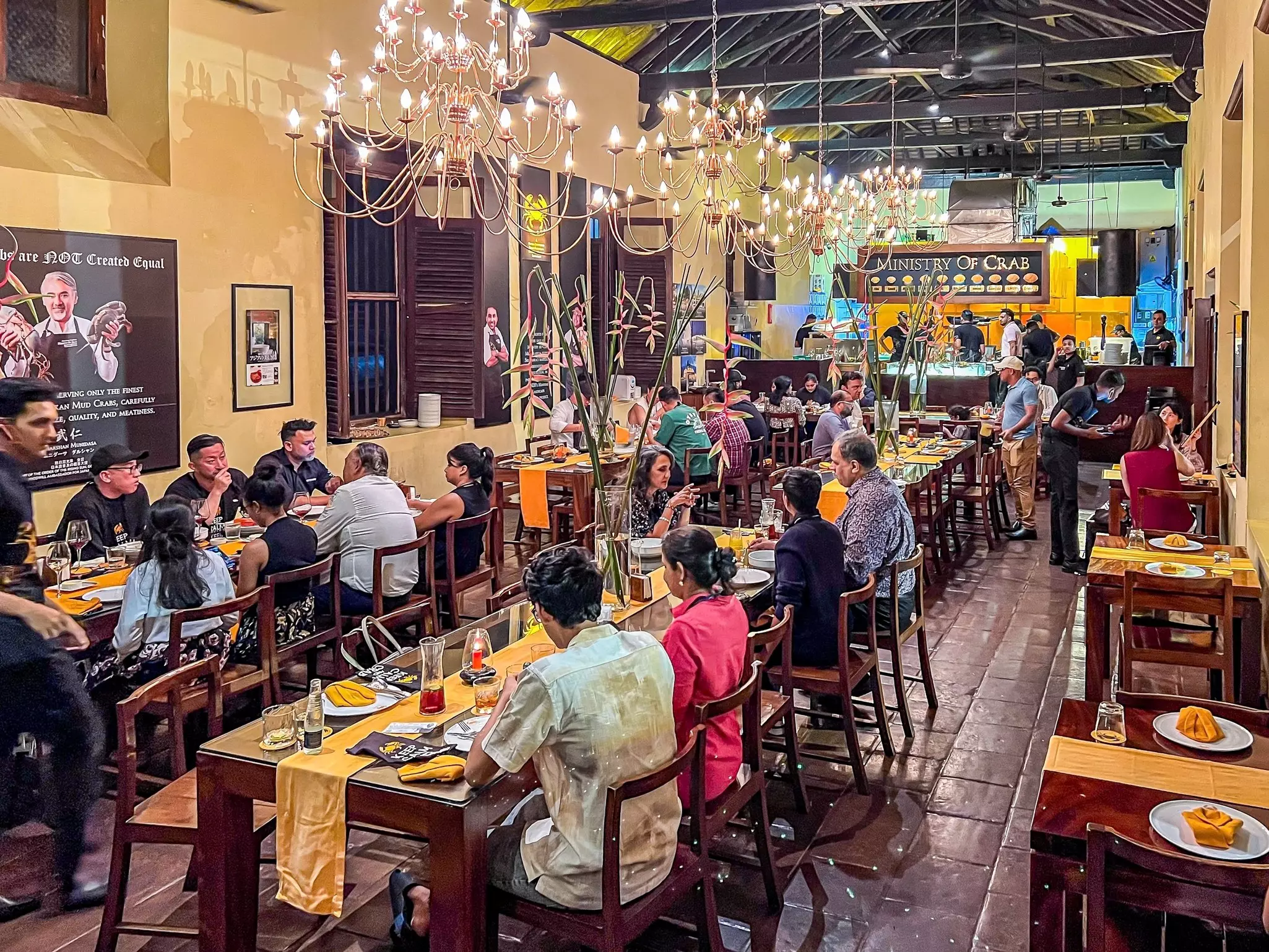
Sri Lankan lagoon crabs sell fast in Singapore’s fine-dining restaurants, and rarely make it to the menu back home. But that’s slowly changed in the last decade, all thanks to chef Dharshan Munidasa’s upmarket taster in Colombo, Ministry of Crab. This fan-cooled restaurant inside the Dutch Hospital Complex also does excellent king prawns, pairing them with fiery coconut condiments and bread baked local style in woodfire ovens. For an experience popular with locals, you can’t beat the Mayura Hotel in Pettah Market.
When to go: Dinner, but make a reservation!
Pair with: Some Jaffna-style crab prepared at Olai Manai in Colombo. They are excellent with puttu, steamed and layered rice flour and coconut shavings.
Dig in like a local
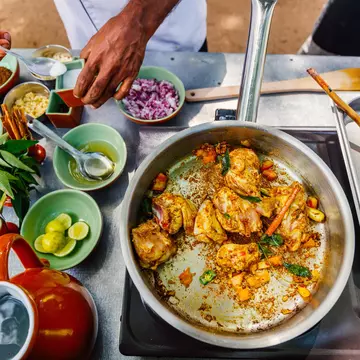
Sri Lankans enjoy curry and rice for at least one meal a day – sometimes for all three – and while there are plenty of great places to try the unofficial national dish, Mettha's Home Cooked Meals, sandwiched between trendy avo-on-toast cafes and souvenir shops of Unawatuna, in the south of Sri Lanka is among the best. Freshly prepared onsite by Aunty Mettha herself (with a little support from her family), the creamy Sri Lankan dal in coconut milk is a must.
And once you get your plate of rice and curry, dig in with your hands. That’s how we eat in Sri Lanka, and we really, really believe that it adds to the taste.
When to go: Lunch, but dinner also works.
Pair with: A traditional cooking class at the family-run Sea Waves Restaurant in Unawatuna, but don’t leave without trying the whole butterfish cooked in a secret umami-rich homemade sauce.
The immersive
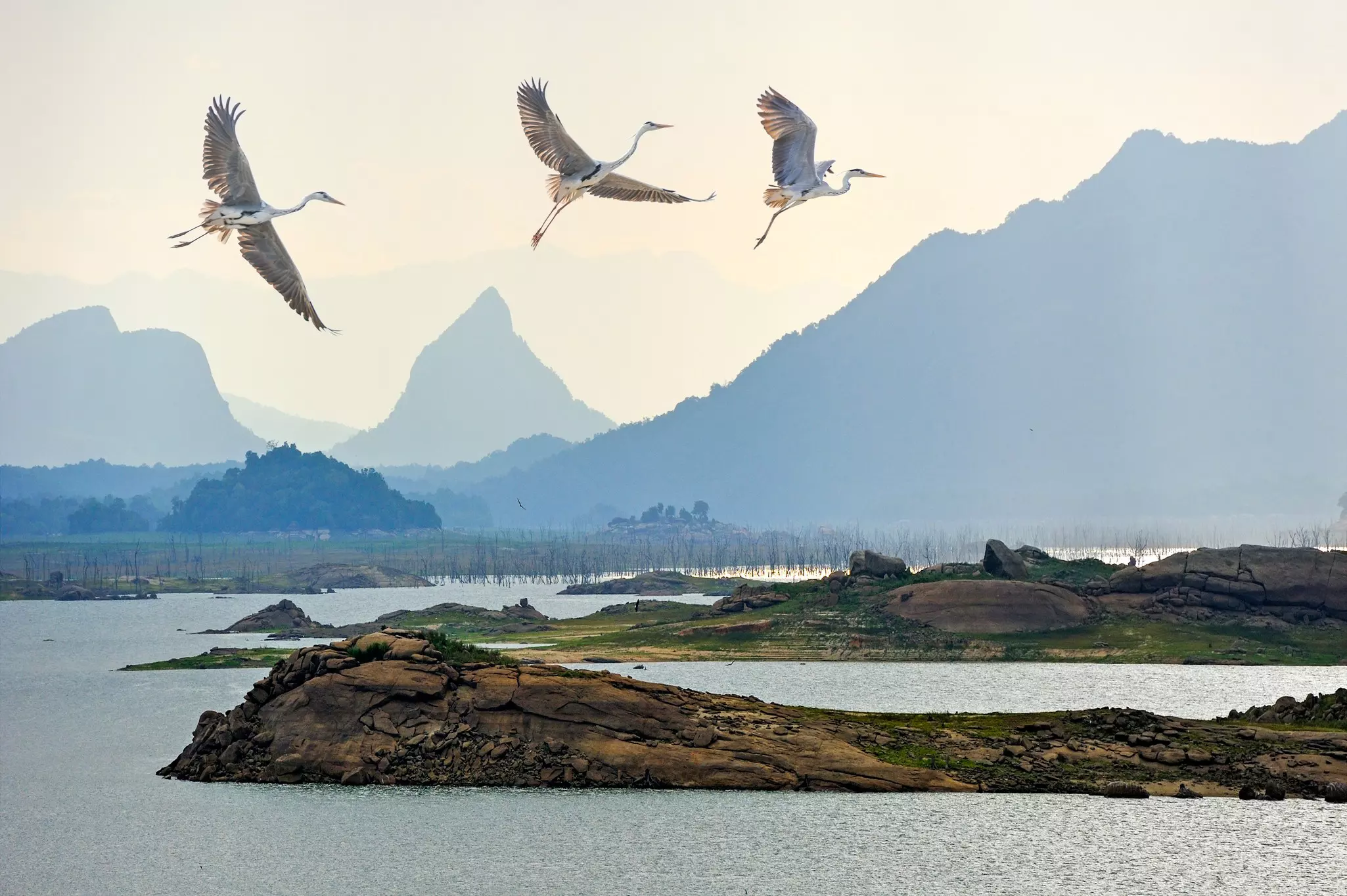
The Veddah are the indigenous people of Sri Lanka. Originally forest-dwellers, their numbers have dwindled over the years due to migration, habitat loss and assimilation into the nation's dominant Sinhala-Buddhist culture. Now scattered across the island in small numbers, some Veddah families still preserve their native language, cuisines and rituals in places like Ratugala, a small village near the Gal Oya National Park.
At Wild Glamping Gal Oya – where many staff members come from the indigenous community – go on a jungle walk with a Veddah guide, and explore caves, spot wildlife and hear folktales tied to the vast, mythical forest.
Getting there: Ratugala is nearly 6 hours and 30 minutes from Colombo via the Southern Expressway.
Pair with: A 2-hour-and-30-minute journey southeast takes you to Sri Lanka’s surf capital Arugam Bay, which is best during the months from April until October.
Best street food
No other meal captures Sri Lanka quite like kotthu roti. This popular street food is a carb-heavy mishmash of fresh vegetables, leftover rotti (flatbread) and eggs, plus a choice of meat or seafood. Thrown together onto a metal griddle and chopped into tiny slices using two metal blades, you can often hear the distinct clink-clink-clink of metal on metal from a few hundred feet away. Kotthu roti is available across the island, but try it in Colombo from Hotel de Pilawoos or Hotel de Plaza (note: Sri Lankan restaurants are often named "hotels").
Just remember to not get deceived by any Pilawoos or Hotel de Plaza, though – there are numerous holes-in-the-wall with the same name – the originals are on Galle Road in Colombo 03.
When to go: Dinner, always!
Pair with: A glass of iced Milo (a popular chocolate malt drink), which goes well with a sizzling hot kotthu.
Best way to spend the evening
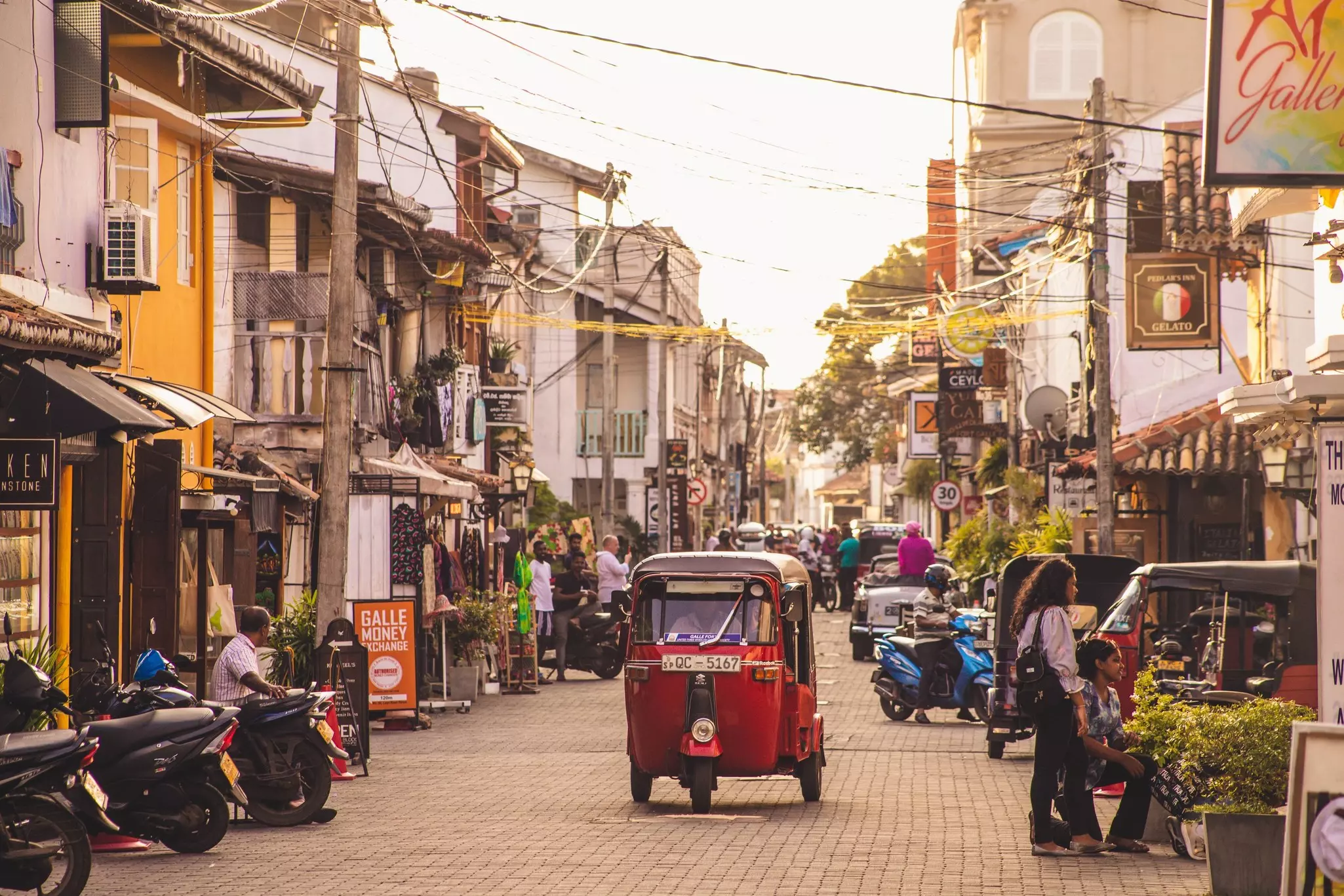
Galle Fort is an eccentric mix of Portuguese, Dutch and British architectural influences surrounded by spas, luxury hotels, souvenir shops, ice cream parlors and gem boutiques. But it’s also a living, thriving community of local residents, schools, courts, tennis clubs, temples, churches and mosques. In other words, it’s a mini Sri Lanka itself. Come in the evening for a leisurely walk on the ramparts and through the Fort’s lanes, and get natural, homemade ice cream from Dairy King. The best sunset views are from anywhere between the Flag Rock Bastion and Triton Di Silvar Bastion.
When to go: Head there before sunset.
Getting there: Galle Fort is a short 500m walk from the central bus and train stations in Galle.
Pair with: Arrack-infused cocktails and dinner from Ropewalk, which is part of the iconic Galle Fort Hotel.
Home to Sri Lanka's first female-led surf club
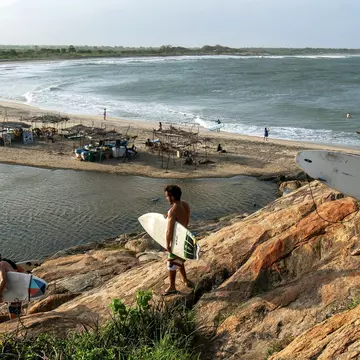
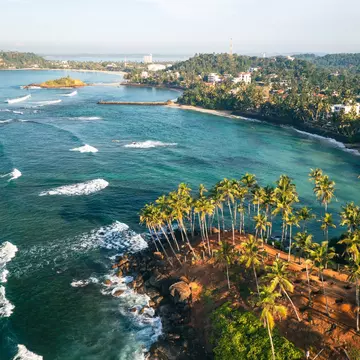
Surfers of all levels head to Arugam Bay on the east coast. During the season from April to September, this curl of soft, ocher sand comes alive at night with parties, booze and live music. The beach shacks that dot the shoreline serve delicious Sri Lankan rotti stuffed with chocolate, banana, chicken, cheese and vegetables for a post-surf pick-me-up.
The village also has a laid-back surf scene, including the Arugam Bay Girls Surf Club, the first all-women club in Sri Lanka, which holds swimming, surfing and yoga lessons for the community.
When to go: April until September.
Getting there: It takes 7 to 9 hours to reach Arugam Bay by public bus from Colombo, including a comfortable air-conditioned service run by NCG Express – tickets can be booked online with Magiya.
Pair with: A safari to the quieter Kumana National Park.
Best historic experience
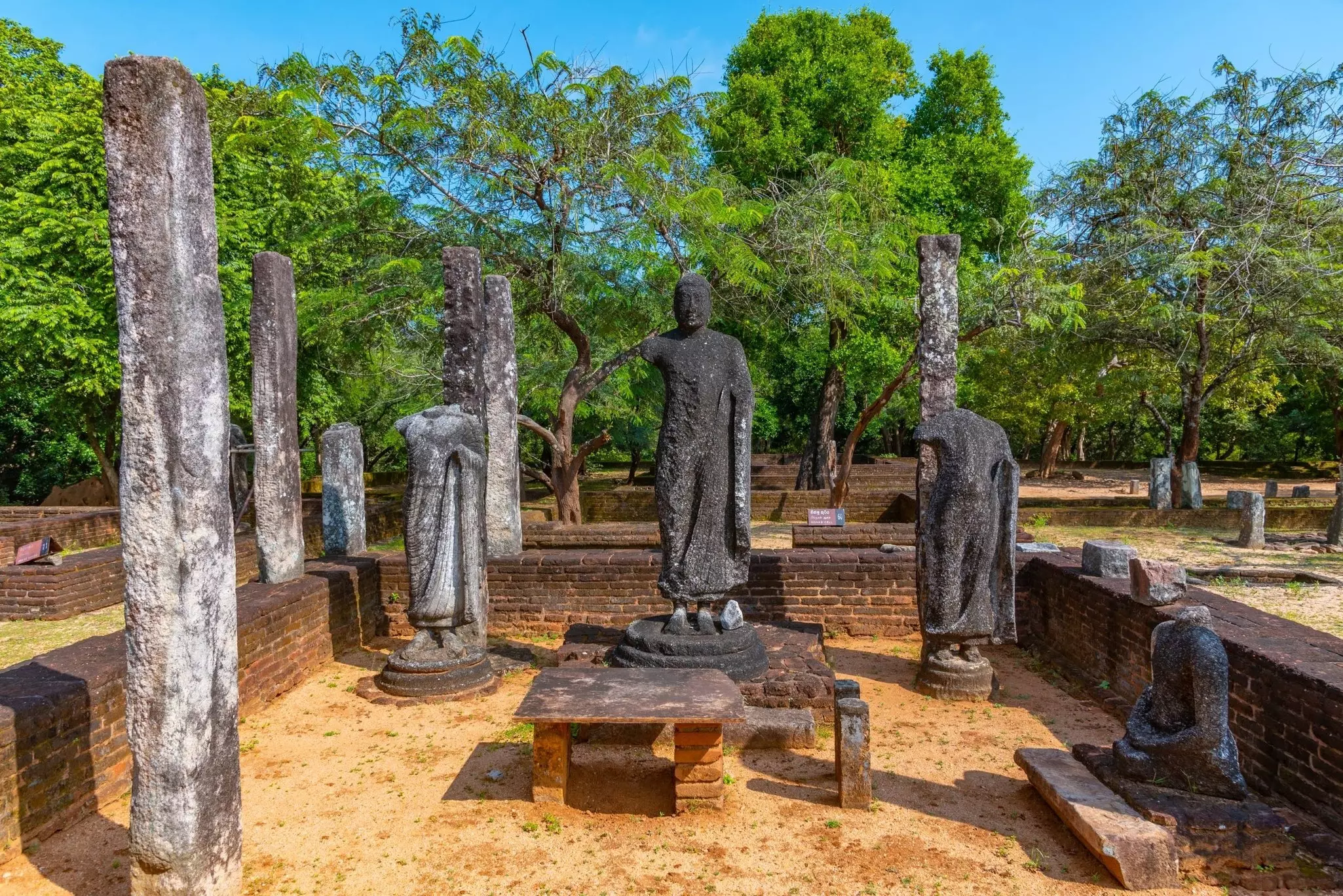
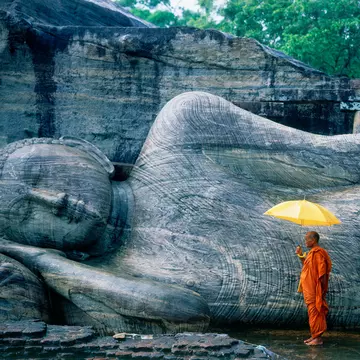
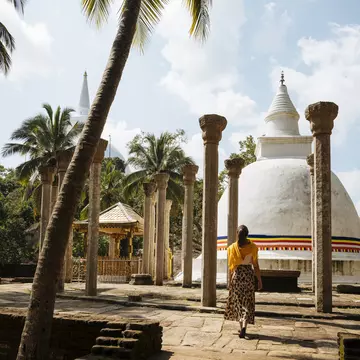
Following the fall of Anuradhapura, Polonnaruwa became the second capital of Sri Lanka from 1070 to 1232, and the ruins of this ancient city are now a UNESCO World Heritage site. Don't miss the Vatadage, a circular relic house with a large Buddha statue. Beyond that, cycle through the ancient city and pay a visit to the ancient Royal Palace and other impressive archaeological relics, including the standing Buddha in Lankatilaka Vihara and a series of Buddha statues carved out of granite in Gal Vihara. You can see the South Indian–Hindu influence in some of the remains, like omitting the bull image in Polonnaruwa-era moonstones (semi-circular stone slabs at the entrance to temples and palaces) – this is because the ancient kingdom faced several South Indian invasions back then.
When to go: Morning or evening but avoid weekends, school holidays and full moon.
Getting there: Cycling is a fabulous way to get around the ancient city complex.
Pair with: A visit to the ancient baths and monastery in the jungle in Ritigala.
The unforgettable
Nature lovers will enjoy the experience of sleeping in a treehouse. Surrounded by the nearby jungle, these houses are built on a wooden platform up the tree. Book one of the treehouses at Back of Beyond in Sigiriya if you don’t mind lizards and monkeys visiting you – it’s all part of the experience!
For those who are in the far south of Sri Lanka, Tangalle is a mix of rugged, palm-dotted sandy beaches, lagoons and shrublands. Here, Jaywa Lanka has a treehouse next to the mangroves; you’ll only hear the faint hum of crashing waves and twittering of birds. Occasional visitors include wild peacocks trying to charm their peahens.
When to go: December until April.
Getting there: Hop on a Beliatta bound train from Colombo, and from there, take a tuk-tuk to Tangalle. For something faster, board an air-conditioned bus from Makumbura bus station, which is easily reachable by central Colombo.
Pair with: A visit to hip surf town Hiriketiya.
Need help planning your next trip? Check out Lonely Planet Journeys to get connected to a local expert who can craft a custom itinerary for you.
Book your Sri Lanka trip with Lonely Planet Journeys
See Sri Lanka how it's meant to be seen
Planned by local experts and tailored to you, Lonely Planet Journeys handles the logistics so you can just enjoy the trip. Tell us what you want and we'll build your Sri Lanka itinerary from scratch, or browse our bookable trips to get inspired.

Explore related stories