Jul 22, 20269 min read
A Guide to George Town in Penang, MalaysiaOct 14, 2025
12 MIN READ

Writer
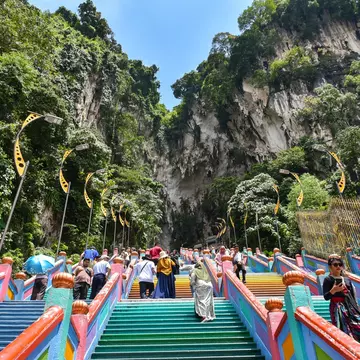
Batu Caves in Selangor, Malaysia. Majo Indo/Shutterstock

Writer
Highlights
Lonely Planet contributor Anita Isalska picks 15 unforgettable Malaysia experiences.
Climb Mt Kinabalu, walk Taman Negara's canopy and tackle Batu Caves' 272 steps.
Eat through George Town's hawker stalls, then learn to cook rendang in Kuala Lumpur.
Meet orangutans in Sepilok, bearded pigs in Bako and turtles at Sipadan.
Lonely Planet may earn a commission from affiliate links on our site. All recommendations and reviews reflect our own independent opinions.
Can't decide between visiting dive sites and tropical beaches, hiking through mountains or exploring swish city centers? Deliberate no more – Malaysia has you covered with its amazing array of things to do.
This Southeast Asian nation has an astonishing variety of landscapes, cultures and cuisines. In the cities, minarets, mandirs and Chinese temples share the skyline with space-age high-rises. Beyond the urban bustle are rainforests, mountains and radiant beaches.
From Peninsular Malaysia to the island of Borneo, traditional arts, crafts and recipes endure – even as cities hurtle towards the latest architectural and gastronomic trends. Here are 15 of Malaysia's most unmissable experiences.
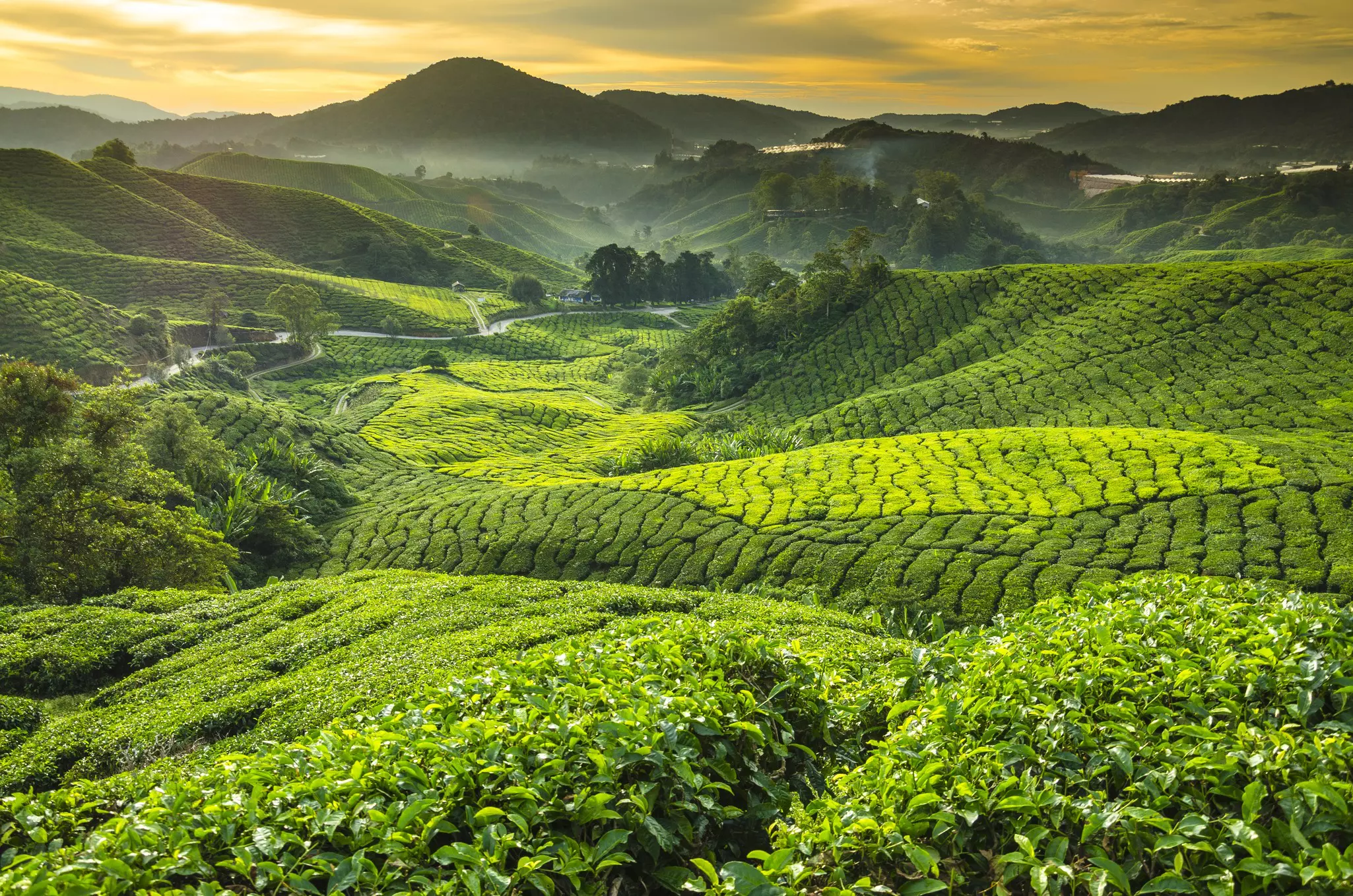
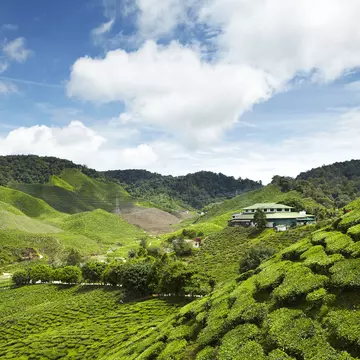
Once upon a time, Malaysia's sweaty British colonialists fled to higher ground, founding hill stations where they could retreat from the heat and jump-start a tea industry. The most famous are in the Cameron Highlands, and today it's mostly tourists (local and foreign) who come to seek respite from Malaysia's muggy lowlands.
These 1300m to 1829m heights (4265ft to 6000ft) offer plenty of hikes, as well as strawberry plantations and souvenir stalls where you can burn a few ringgit. But the quintessential Cameron experience is sipping a bronze-hued cuppa while looking out at the rippling carpet of tea plantations.
Planning tip: Boh Sungei Palas not only has emerald hillsides to gaze upon, it also has the most informative displays on tea-making. Alternatively, there's a splendid tea house overlooking the estate at Cameron Valley Tea House and a further-flung option at Boh Tea Garden, which offers guided tours. You're sure to find an experience that suits you (... to a T).
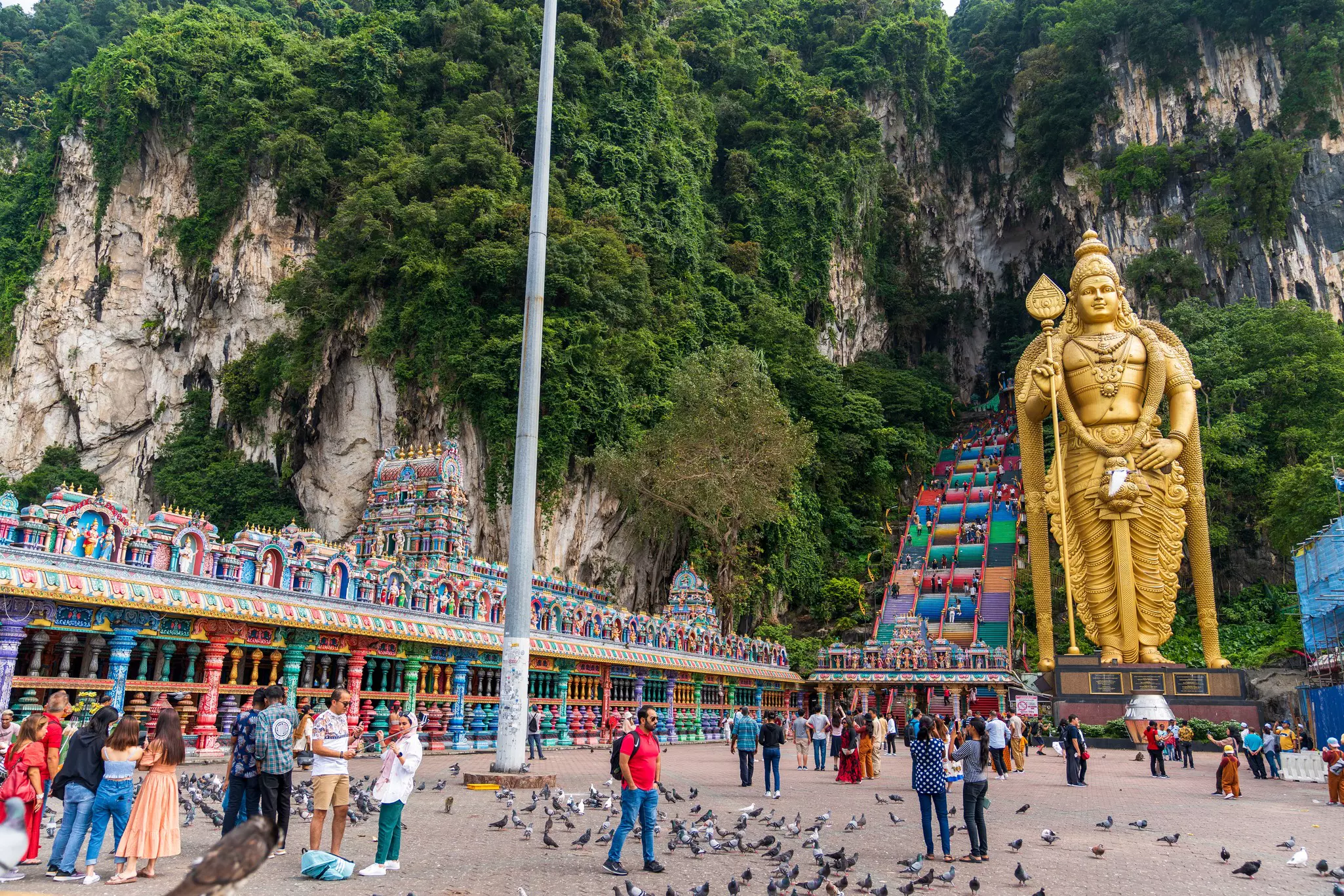
Sheer limestone cliffs rise above you. Ahead stretches a staircase of 272 steps. And looking you smack in the eye is an imperious gilded statue, the Hindu god Lord Murugan.
Newcomers to Malaysia won't soon forget their first heady ascent to Batu Caves, nor the cheeky macaques that beset them on all sides. But this popular day trip from Kuala Lumpur (just 13km/8 miles, and easily done by train) also draws repeat visitors galore. Tourists, pilgrims and locals all clamor to experience this natural wonder and spiritual spectacle.
This complex of limestone caverns has entrancing temples, each with dioramas showing mythical scenes. The central Temple Cave has been a Hindu shrine since 1890. After touring inside its two yawning chambers, take a side quest across a short bridge to the quieter Ramayana Cave, where dioramas illustrate the eponymous Sanskrit epic poem of duty and virtue.
Planning tip: If the regular crowds don't daunt you, time your visit for the Thaipusam Festival (late January or early February) when crowds of devotees descend upon the caves, some partaking in ritual piercings – it's an immersive and unforgettable event.
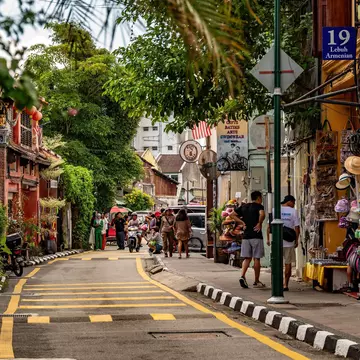
The capital of Penang island is awash in street art, replete with British Raj-era buildings, and crammed with boutiques selling arts and crafts. But before hitting these George Town attractions, heed your grumbling stomach. The best things to do in Penang revolve around eating and drinking – and the state capital has the biggest banquet.
In a city rife with food markets, elegant cafes, and everything in between, the only dilemma is where to begin. Our dream menu features chicken curry at venerable Indian spot Hameediyah, slurping Hokkien mee (noodles) at Lorong Baru Hawker Stalls, and following our nose to grilled satay skewers and spicy-sweet rojak salad at Anjung Gurney Night Market. Other must-try dishes are spicy, fishy Penang laksa, and char kway teow, rice noodles sizzled with huge prawns (some of the best are served at Kafe Heng Huat).
Detour: Pay a visit to Penang's Tropical Spice Garden, an eco-attraction with natural trails through gardens with over 500 acres of tropical flora and 300 varieties of spices. Tours and cooking classes are available on-site, as well as an excellent restaurant.
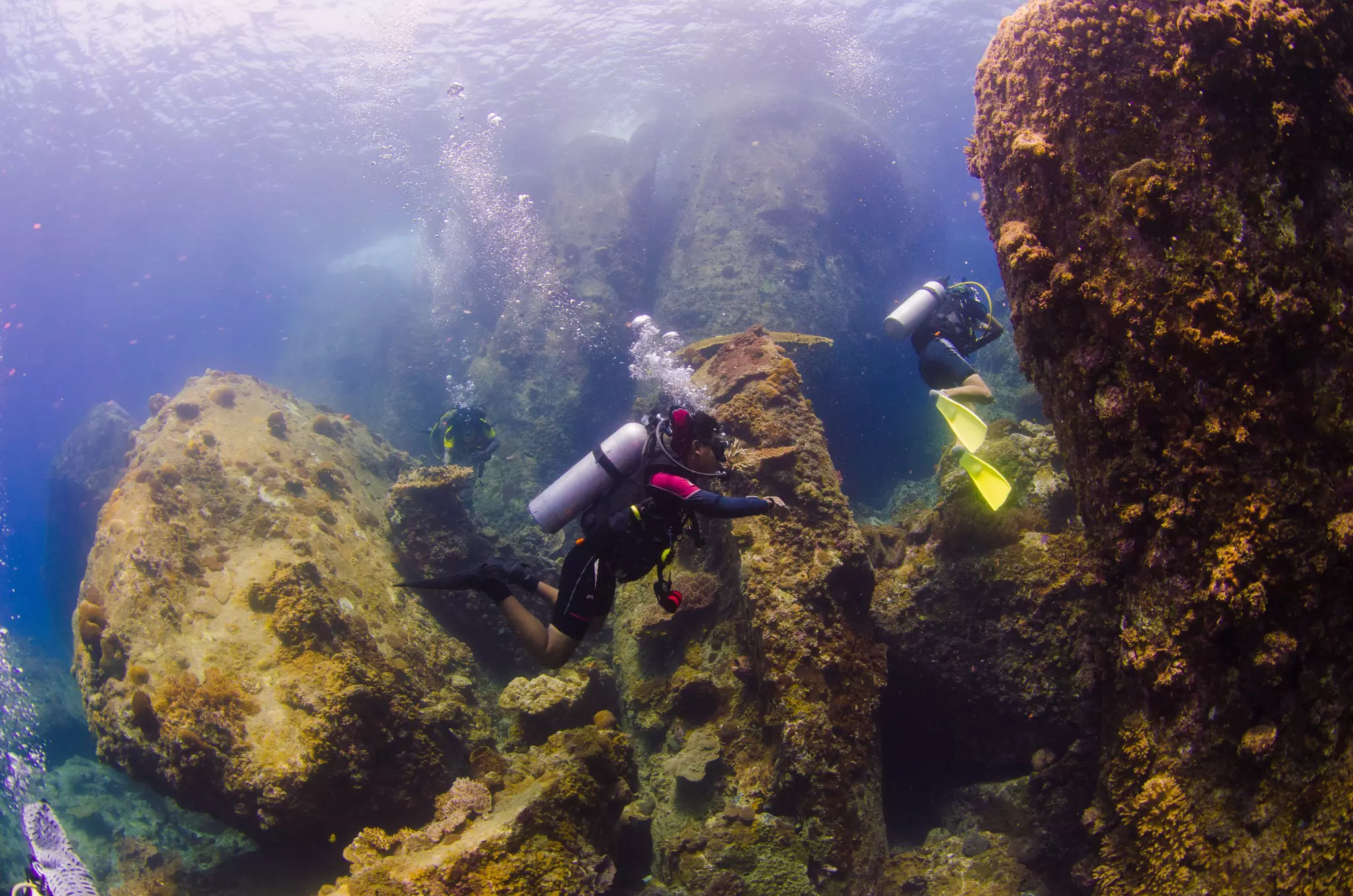
Culture, check. Food, check. Malaysia is also one of Asia's best honeymoon destinations, especially the Perhentian Islands, where gin-clear waters lap golden sand.
But don't doze off in your sun lounger just yet. Pulau Perhentian is even more magical beneath the water. Snorkelers can spy on coral reefs within reach of the beach (try Teluk Pauh and Shark Point, both on the big island). Better yet, wriggle into a wetsuit and dive among green sea turtles, barracuda and colorful reef-dwellers like yellow boxfish.
Lonely planet’s trusted travel insurance provider
Travel with confidence. Protect your trip and your wallet.
We don’t represent World Nomads, we receive a fee from quotes using this link. This is not a recommendation to buy travel insurance.
The Perhentians are a wonderfully calm (and comparatively budget-friendly) place to take a PADI course before testing your skills among the local nurse sharks (they're harmless). More experienced divers can join excursions down to the MV Union Star. This sunken freighter is known as the "Sugar Wreck" for the cargo it transported before meeting its rusty end; today, the wreck swirls with stingrays and scorpionfish.
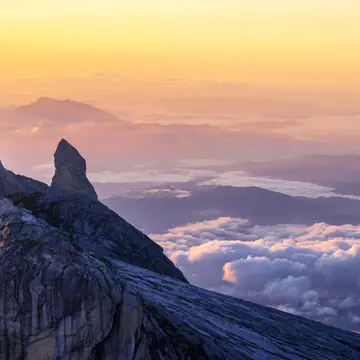
The highest mountain on Borneo, Gunung Kinabalu is Malaysia's first UNESCO World Heritage Site. Viewed from below, this cloud-spearing summit (4095m/13,435ft) inspires awe: an outlying peak that rises far higher than its neighbors in the Crocker mountain range. But experienced from the summit, Mt Kinabalu is even more heavenly.
Your penance for this heavenly vantage point? A thigh-burning ascent, some 8.7km (5.4 miles) each way. But every phase of the journey (split across two days) opens up a new natural wonder. The rough steps and stony pathways propel you ever higher above the tree line, past lunar rock faces, high-alpine grasslands and tangled carpets of ferns, rhododendrons and bamboo. At Panalaban (3272m/10,735ft), you'll bed down in a hostel for the night…or at least for a few fitful hours because you'll be out of bed early to reach the spiky granite summit at sunrise.
Planning tip: March to August is dry season for climbing. Limited permits to climb are issued each day, and you have to climb with a guide.
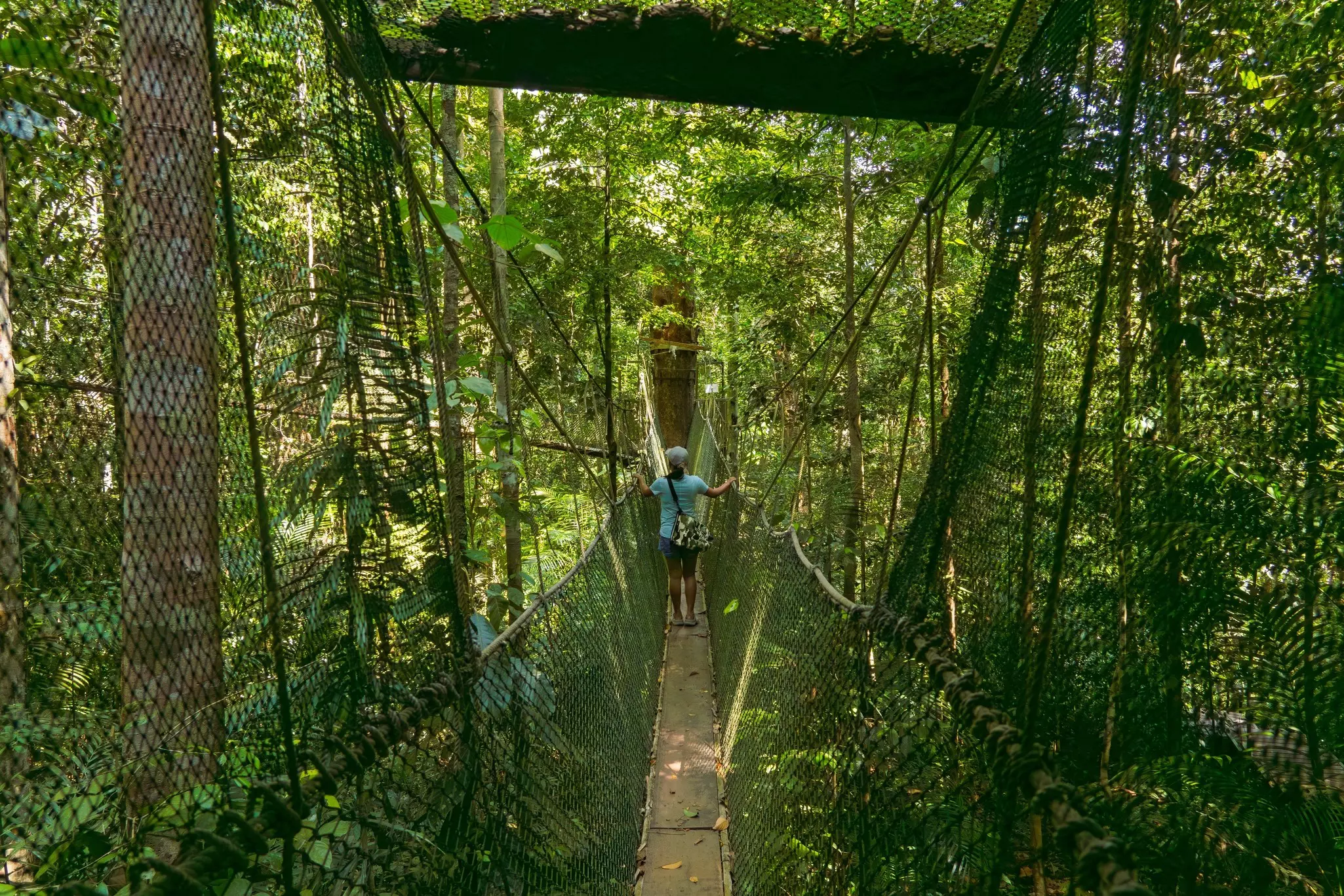
Reality check: for all Malaysia's natural splendor, the country faces serious environmental challenges, like encroachment of palm plantations on forested land. These threats make pockets of unspoiled nature like Taman Negara even more precious.
Literally translated as " National Park, " Taman Negara is 4343 sq km (1676 sq miles) of primeval, protected land crossing Pahang, Kelantan and Terengganu states. Its 130 million-year-old rainforest is among the oldest in the world (pipped to the title by Australia's Daintree), and along its trails, you're enclosed by the deafening soundtrack of jungle life.
Fairy-sized katydids whirr through the forest, macaques chatter in the branches, and hornbills clack their beaks from above. If you're lucky, a gaur – an Asian bison with a distinctive bowl cut – will lumber into view. If you're incredibly lucky, you'll see a glimpse of a tiger, elephant or ultra-rare Malayan peacock-pheasant.
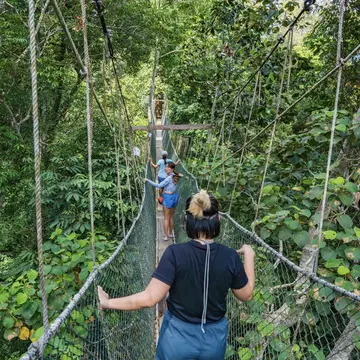
Planning tip: Whatever your fortunes spotting wildlife, don't miss walking the 45m-high (148ft-high) canopy walkway, taking a firefly boat ride or joining an after-dark hike to see things that go bump (or squeak, or scuttle) in the night.
Trishaws: bone-rattling, traffic-dodging, three-wheeled form of transport. To some, they're a joyride; to others, a menace. But in Malacca City (also known as Melaka), trishaws are out of this world.
This historic port city is home to the blingiest trishaws around, adorned with Hello Kitty neons, the Frozen logo, and lighting rigs that could almost guide lost ships to shore. Lavished in flowers, tinsel and knock-off logos, more than 300 ostentatious trishaws ply their trade in Malacca, some offering history tours.
Aboard a trishaw, you might trundle past the Sultanate Palace and the spiky silhouette of the replica Flor de la Mar. You can spin through Dutch Square, which is lined with pinkish buildings like Christ Church. And as the sun dips below the horizon, your trishaw will begin to twinkle with fairy lights, lanterns and neon signs – it's hard to resist snapping a selfie.
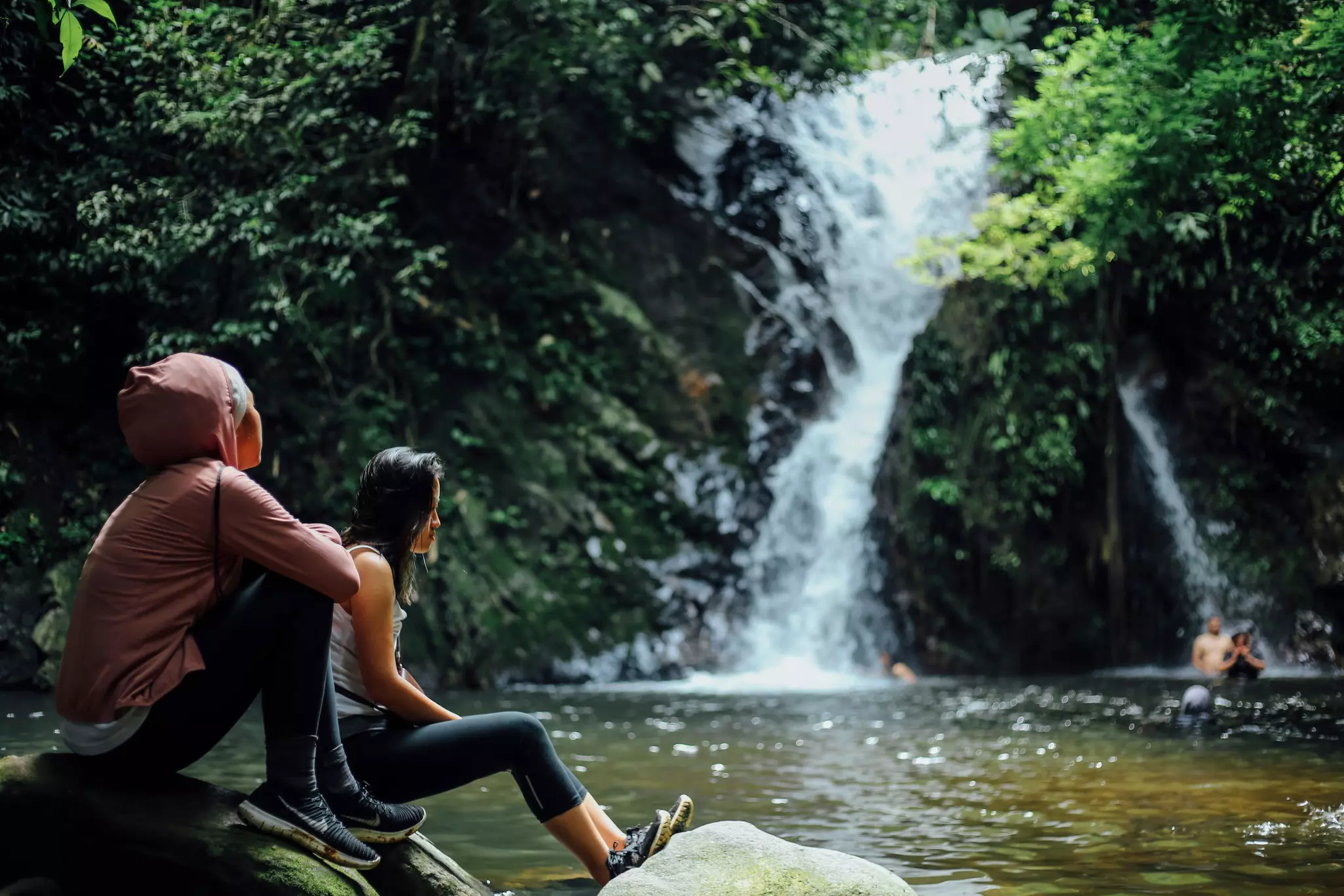
What does solitude even mean in the era of smartphones? Find out by going cold turkey on a private island in Royal Belum State Park, way up north in Peninsular Malaysia's Belum-Temengor Rainforest.
As you take the longboat to the resort, your vibrating phone will fall into a slumber. To replace the constant overstimulation, dive off the island jetty for a swim, sleep in an A-frame tent and awake to watch for all 10 species of hornbills swooping overhead. You can take guided hikes through the jungle in search of whopping great rafflesia blooms, and watch out for tell-tale elephant footprints in the mud.
The island of Borneo is an everyday Eden, where rainforests and reefs teem with wildlife. Amid this natural abundance, it's challenging to zoom in on one particular spectacle, but Gunung Mulu still rises to the top.
At this national park, toothy limestone pinnacles add drama to a landscape of 60 million-year-old rainforests, twisting streams and deep grottoes. The most momentous experience is seeing the skies blacken with bats pouring out of the mouth of Deer Cave. Up to 3 million bats hang around in these dank chambers, and their mid-air acrobatics are to flummox hawks waiting for a mammalian mouthful.
Planning tip: Tours take you inside Deer Cave and amid the spiraling stalactites of nearby Lang Cave before you step outside to watch the aerial spectacle from around 5pm.
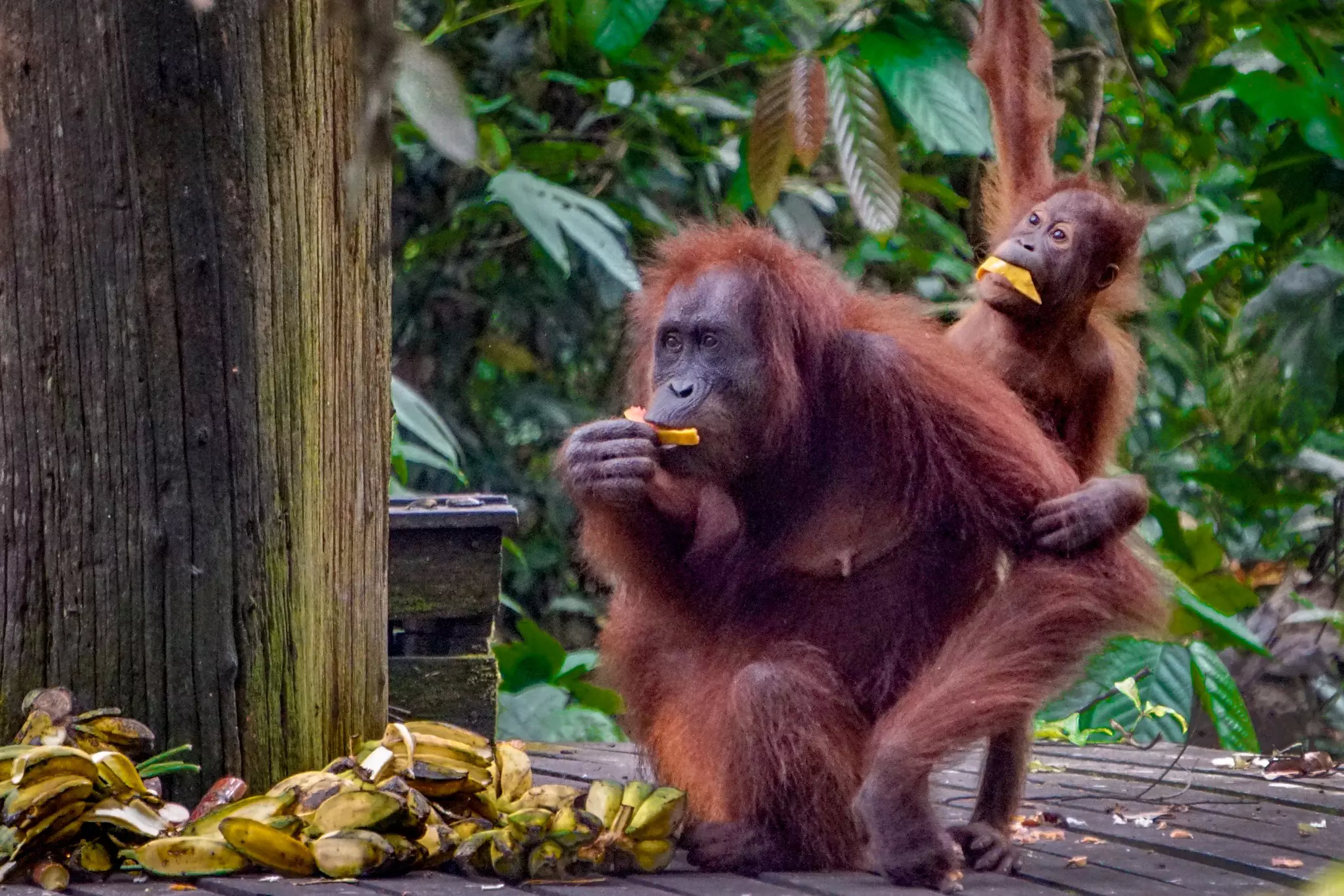
We share approximately 97% of our DNA with orangutans, so why not pay these long-lost relatives a visit? Make Sepilok your base: at the 43 sq km (17 sq mile) Sepilok Orangutan Rehabilitation Centre, you can watch shaggy apes swing into view. The center pairs young primates with older partners to school them in the ways of the jungle before release.
Next, head to Labuk Bay Proboscis Monkey Sanctuary, less than half an hour's drive away. Listen for the thundering sound as they race across the wooden boardwalk at feeding time. Their squishy noses and pot bellies have a strange dignity…so like us humans!
Add a third mammalian encounter by visiting Borneo Sun Bear Conservation Centre, which rescues members of Southeast Asia's smallest bear family. There are 43 of these honey-guzzling cuties on site.
Malaysia is studded with magnificent mosques, from Mughal-era marvels to functional modern constructions, but one masjid steals the show for its sheer grandeur: Masjid Ubudiah in the rocky region of Perak. Designed by famed architect AB Hubback, the mosque's whopping gold domes and Italian marble are a visual feast. It's not the only showpiece in town, either: take a spin around Muzium Diraja Kuala Kangsar and the Galeri Sultan Azlan Shah for an extra dose of architectural opulence.
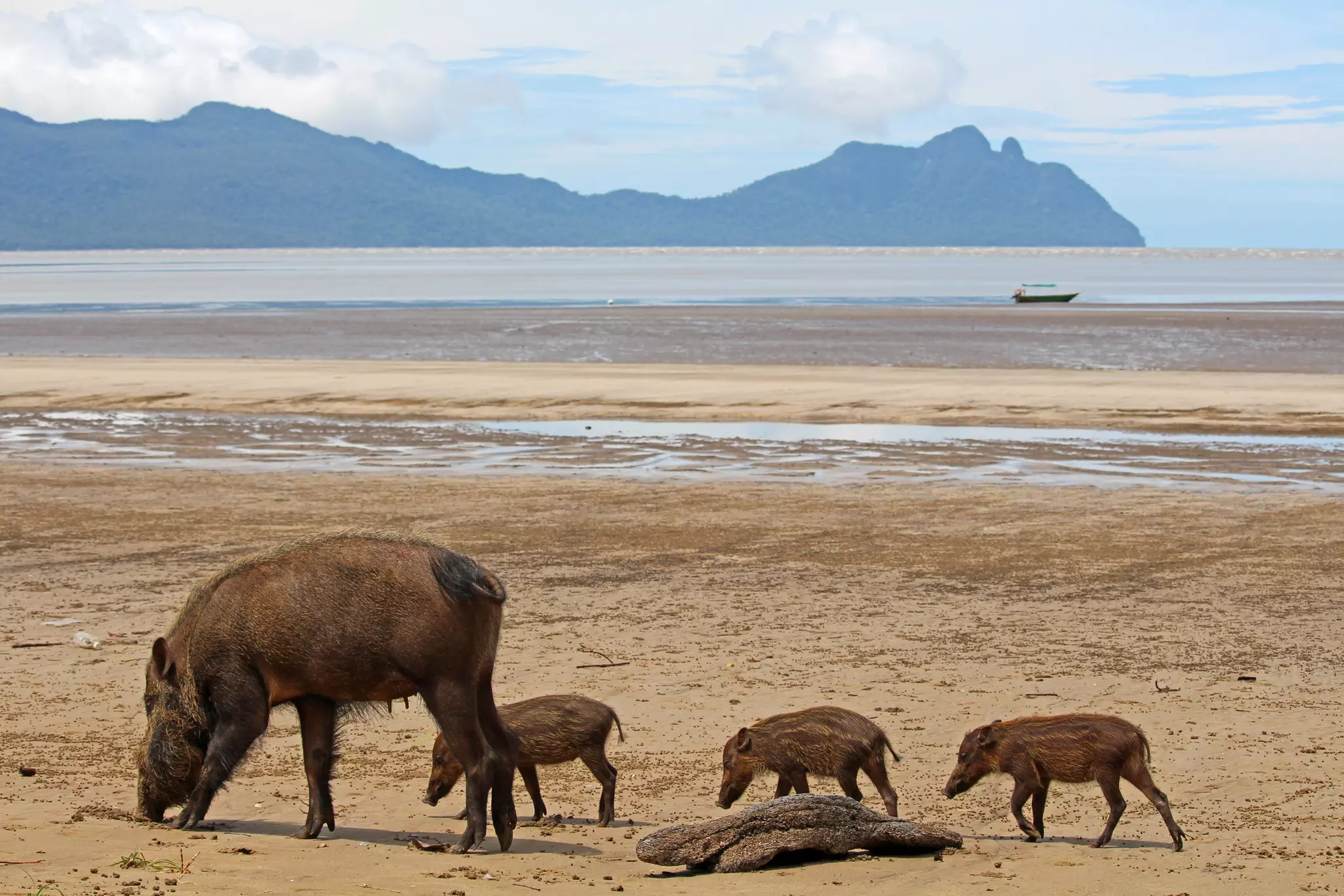
Sarawak's teeming Bako National Park checks off much of the Bornean wildlife tick list: dense jungle, mischievous monkeys, slinky water monitors and orchids peeping from the ground. More than 190 bird species flit, soar and chatter through Bako, the oldest national park in Sarawak.
So, what makes it distinctive? Firstly, the sea stacks that lend it a dramatic silhouette, sculpted by the action of water (admire them from Pandan Kecil beach). And secondly, the prospect of spotting bearded pigs, whose fuzzy bodies and shaggy snouts make for a gruff and adorable encounter.
Planning tip: Staying overnight is the best way to maximize your chances of a sighting. Take a night walk with an experienced guide who will point the way.
Malaysia boasts a few marine paradises, but Sipadan is uncommonly remote and wild. The island is an extinct volcanic cone where coral reefs flourish, and palm trees provide scant shade on bone-white beaches. These waters are a catwalk of superstars: head out on a dive and spot big-eye trevallies, hammerhead sharks and two species of turtle – green and hawksbill. They're so abundant that it's not unusual to see a dozen turtles on a single dive!
Planning tip: The journey to Sipadan takes effort: after landing on Malaysian Borneo, you'll either connect to Tawau or bus onwards to Semporna, from where you can day trip to the island (or stay elsewhere on the archipelago; Sipadan itself doesn't allow overnight stays).
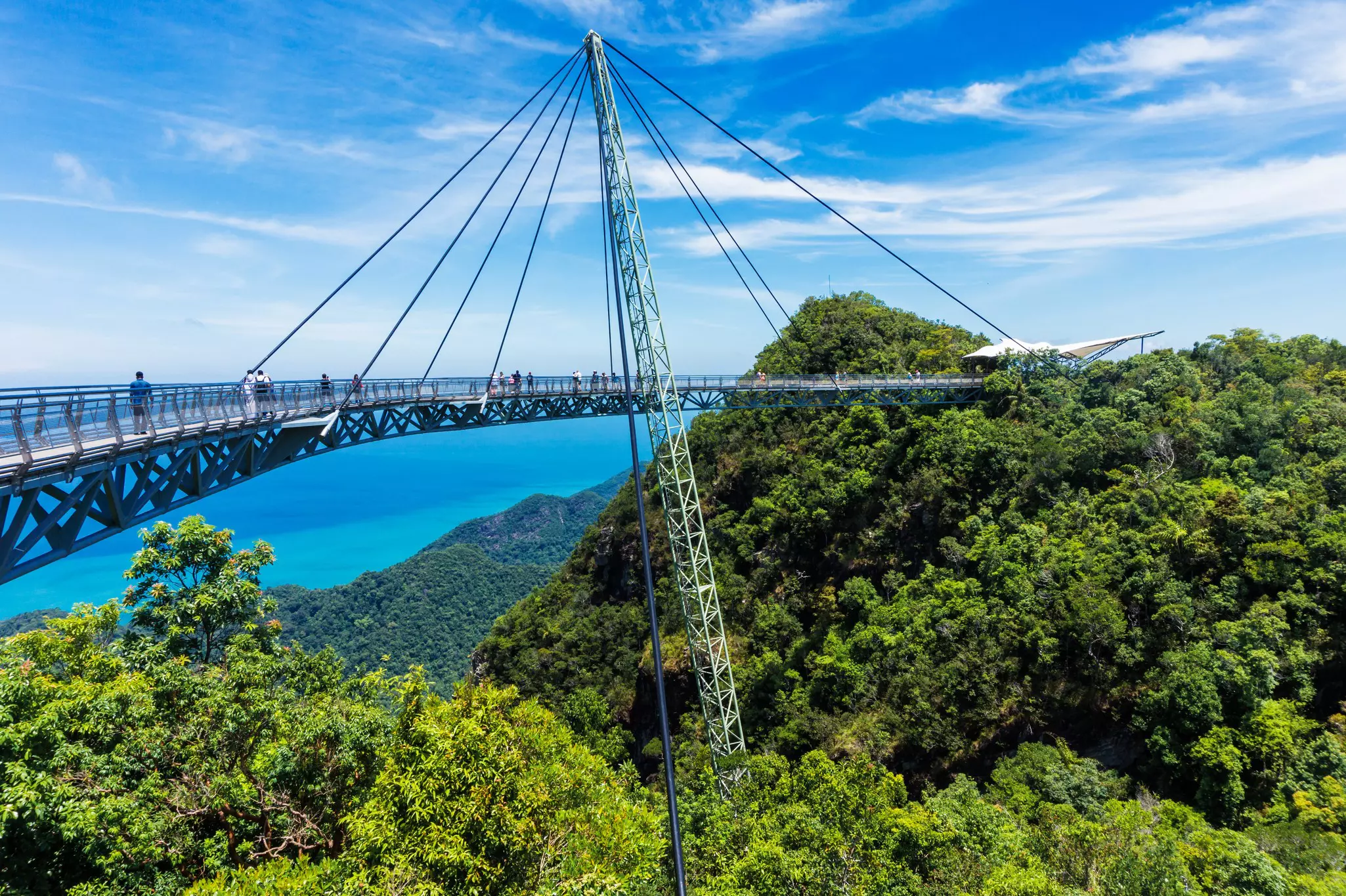
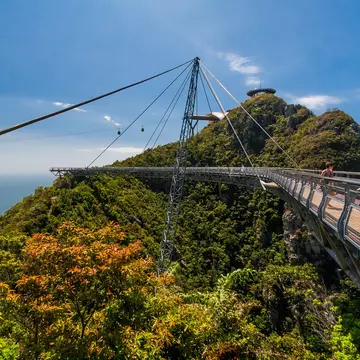
Langkawi is a true holiday island, with blonde beaches and rugged jungles. The best way to experience its splendor? Get up high.
Ride the SkyCab up to Gunung Machinchang (713m/2339ft), where engineering marvel Langkawi Sky Bridge stands; or drive up to admire views from 881m (2890ft) Gunung Raya. Alternatively, zip-lining helps you feel the wind in your hair and gives you a shot of adrenaline as you fly above the geopark's canopy, startling a few hornbills along the way.
Malaysia is a confluence of cuisines. There are thriving scenes for Malay, Peranakan, Indian and Chinese food, always with distinctly local and regional twists; try Penang laksa, Ipoh chicken beansprouts, and every variety of cendol (an icy, coconut milk refresher) you can find. Fading colonial influences, like Dutch, British and Portuguese, also lend their recipes to this steaming smorgasbord.
Some flavors will forever be a twinkle in the chef's eye, but you can take a few recipes home by joining a cooking class. Kuala Lumpur is an excellent place to go, offering myriad options where skilled chefs will guide you through recipes like prawn fritters, nasi lemak (coconut rice with all the trimmings) and famous beef rendang.
Planning tip: LaZat Malaysian Home Cooking has been around since 2007, and offers a changing menu that spans classic rice noodle dish char kway teow, fragrant kapitan chicken and sago pudding.
Explore related stories