Sep 20, 202610 min read
A Guide to Astana, KazakhstanAug 26, 2026
9 MIN READ

Writer
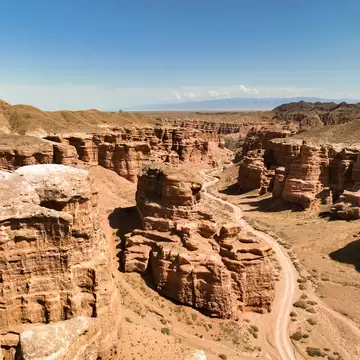
An aerial view of Charyn Canyon, Kazakhstan. Sembi Production for Lonely Planet.

Writer
Highlights
Writer Ashley Parsons rounds up 13 Kazakhstan experiences, from canyons to cosmodromes.
Almaty draws with markets and minarets; futuristic Astana dazzles on the Left Bank.
Hike red-rock Charyn Canyon east of Almaty, or seek nomadic balbals near Ereimentau.
Space buffs should book Baikonur Cosmodrome's launch tour; riders head to far-east Katon-Karagay.
Lonely Planet may earn a commission from affiliate links on our site. All recommendations and reviews reflect our own independent opinions.
If you’re in search of adventure, culture and something completely fresh, consider Kazakhstan. This country in Central Asia is today leaning on its nomadic past and using its abundant oil reserves to move into the future – especially evident in its futuristic-looking cities. Travelers will find natural wonders like the sharp cliffs and towers of Charyn Canyon, as well as such cultural treasures as the statuesque stone markers called steppe balbals.
The ninth largest country in the world by land mass, Kazakhstan gets relatively (and perhaps surprisingly) few visitors. Get there before the others do – and experience the best of the country with this guide to the top things to do.
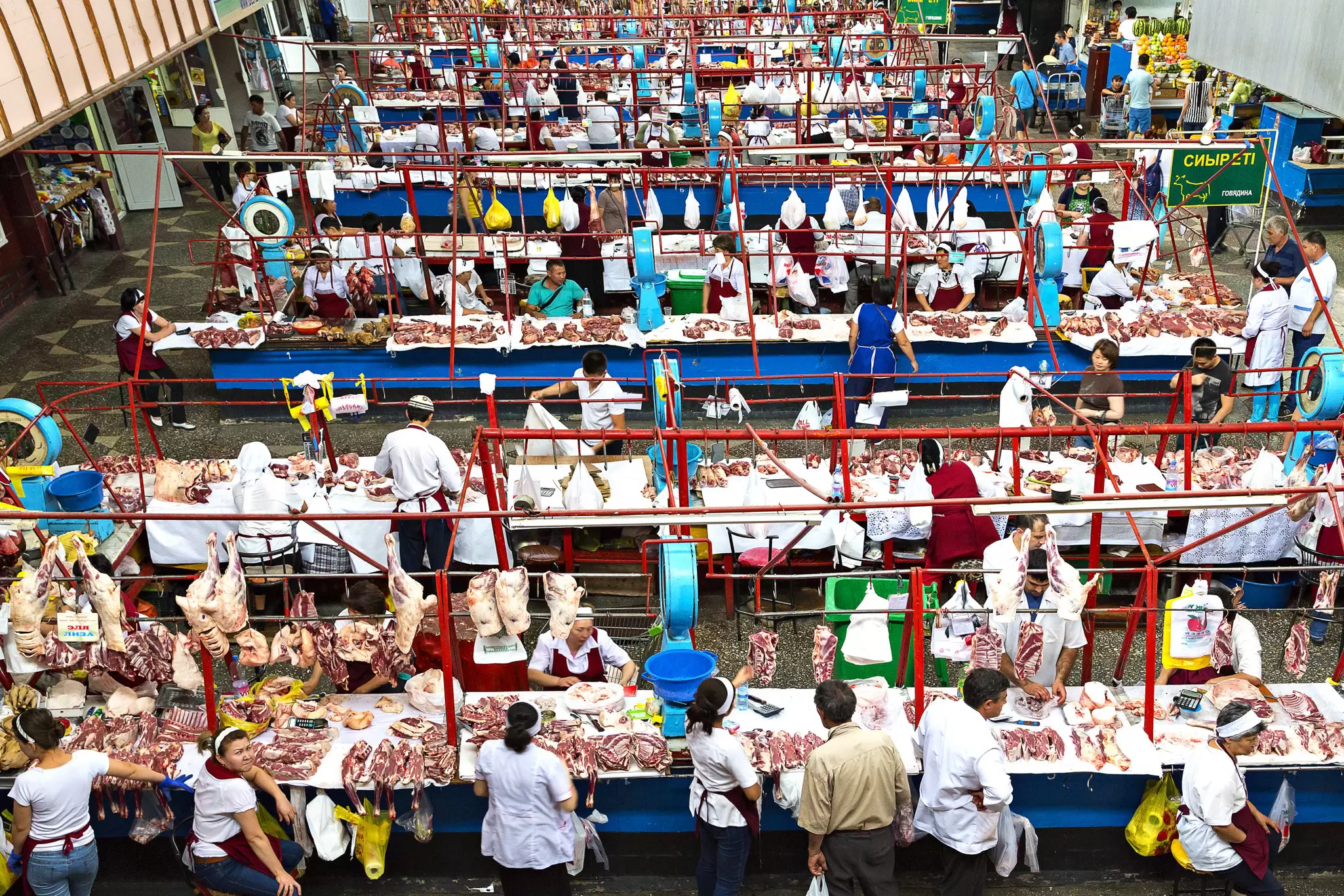
Cradled by mountains, Kazakhstan’s largest city reveals the country’s heritage within its neighborhoods. Any visit to Almaty should include a walk through the bustling Green Market, time to marvel at the intricate architecture of the Zenkov Cathedral and a stop to ponder the call to prayer from the minarets of the Central Mosque.
Around 200km east of Almaty lie the 12-million-year-old rock formations of Charyn Canyon. The most popular section, the Valley of Castles is especially spectacular thanks to its vivid red rocks. This highlight of the canyon is accessible by regular car; to explore the rest of it, you need a 4WD. You can get here by guided tour from Almaty, drive yourself, or come by public transport and then hike in.
Planning tip: If you can, allow 2 to 3 days to really explore the canyon. The best months to visit are April, May, June, September and October. It gets seriously hot here in the summer.
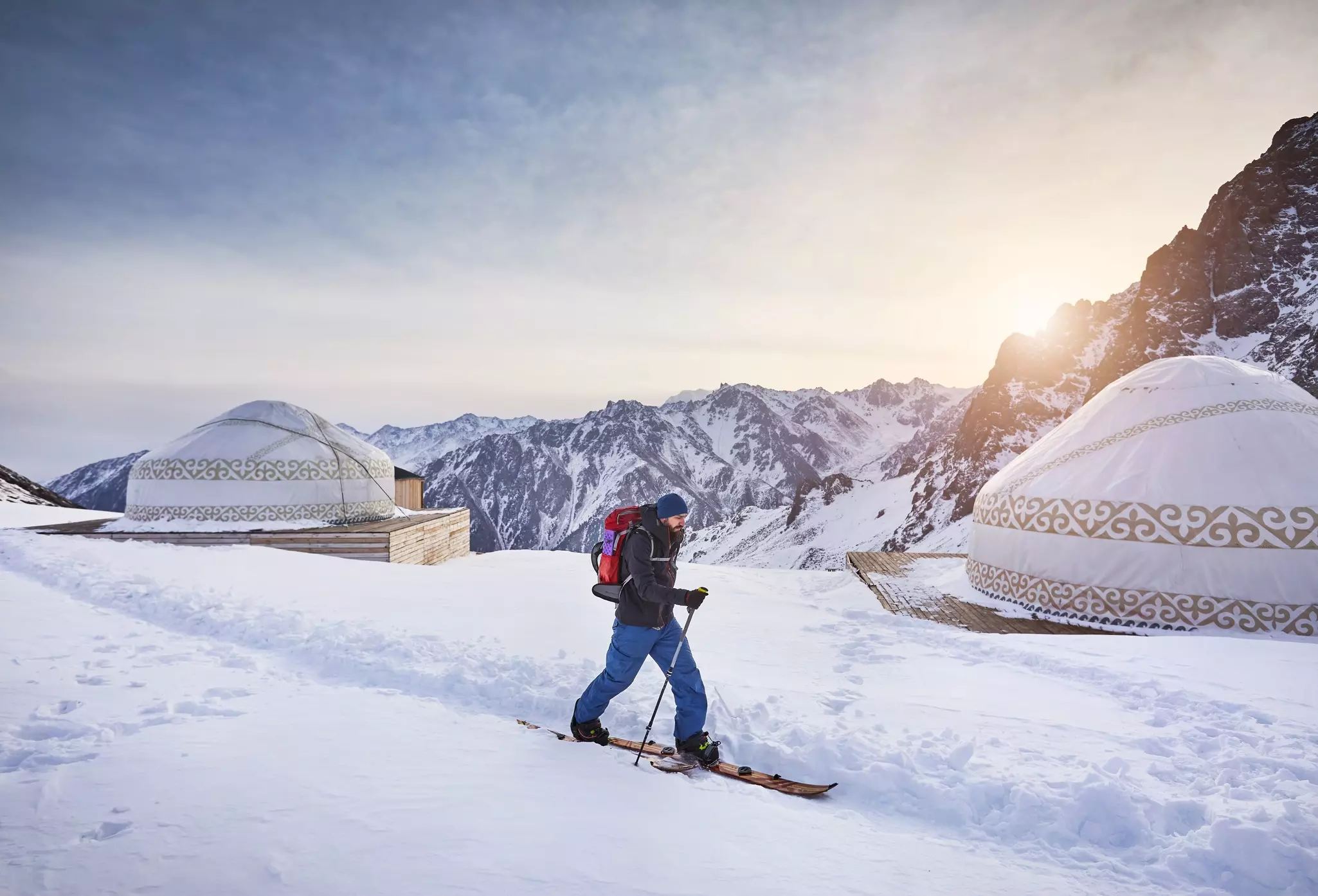
Winter travelers should give the runs at Shymbulak a try. Daily buses from nearby Almaty depart for this resort, where it’s possible (and affordable) to rent skis, boots and even ski clothes. While modest by European standards, Central Asian ski areas like Shymbulak offer gentle slopes that are accessible to average skiers, and it’s easy to book a class, which start at 20,000 tenge per hour for adults.
Ski touring is a thrilling winter adventure for those with experience in unpredictable terrain (including skills in route planning, navigation and the ability to read the snow). It’s essential to set off with a guide who knows the snow in the valley you want to explore. Airbags and avalanche-victim detectors are musts as well, since mountain rescue here is slow or non-existent.
In the Kolsai Lakes region, you can get back to nature and envelop yourself in dense forest. The three lakes here – Nizhny (Lower), Sredny (Middle) and Verkhny (Upper) – are a true highlight of any visit to Kazakhstan. Since the first lake is the easiest to get to, it can get crowded on weekends – so we heartily recommend dedicating time to hike to the second and third lakes, which you’ll have practically to yourself. You’ll need your own wheels to reach the region; you can also go as part of a tour from Almaty. For the full nature experience, spend the night in nearby Saty village.
Detour: Kaindy Lake is not far from Saty village, but is more difficult to reach than the Kolsai Lakes. The short hike is worth it, however: the lake was formed after a 1911 earthquake flooded the valley, and spruce trees are still trapped in the lakebed.
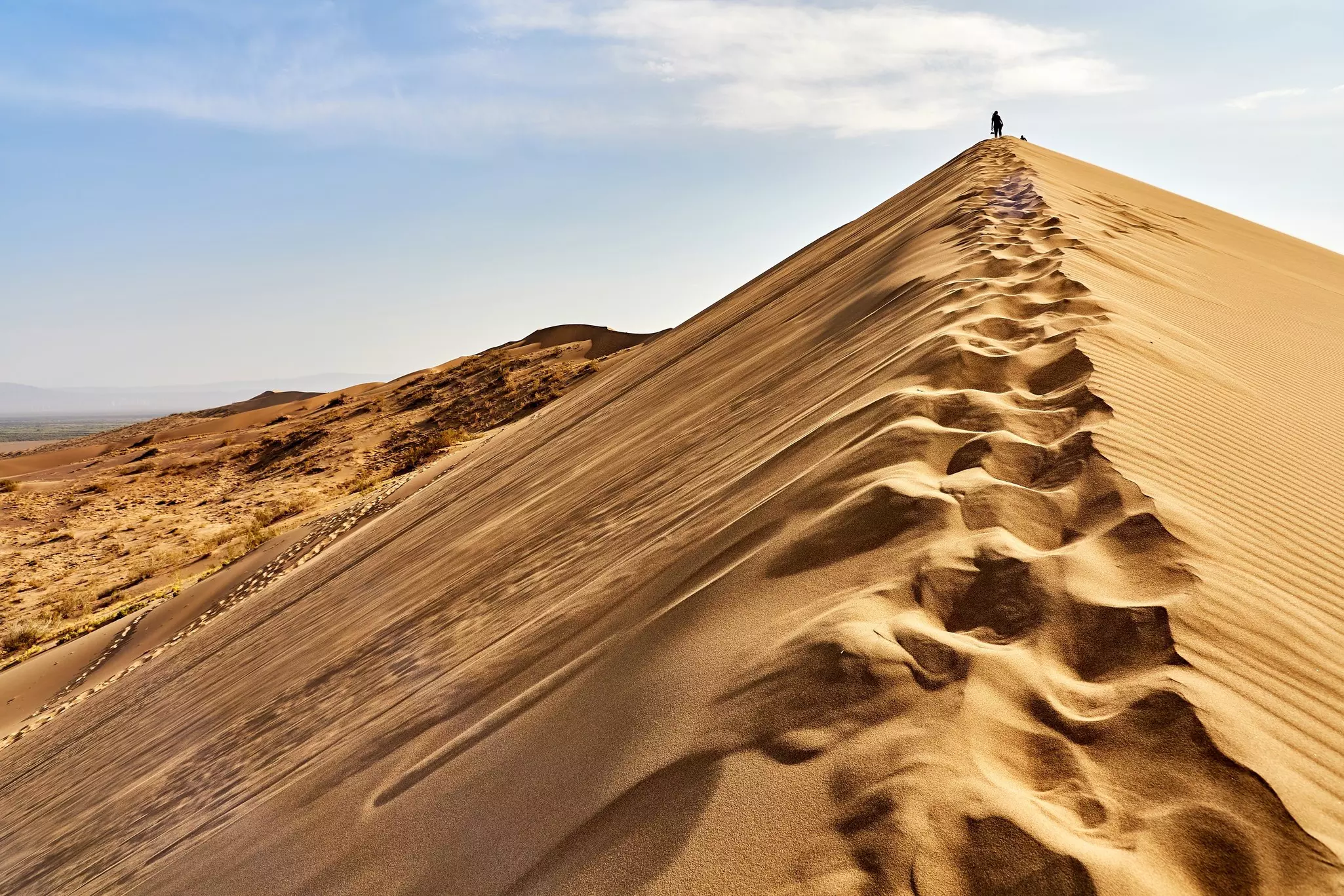
For those drawn to the enigmatic, the Singing Dune in Altyn-Emel National Park, 250km north of Almaty, offers an otherworldly symphony of nature’s own making. The sand dune emits a rumbling sound not unlike an aircraft engine when the weather is windy and dry and the sand moves. By contrast, the dune is silent when it rains.
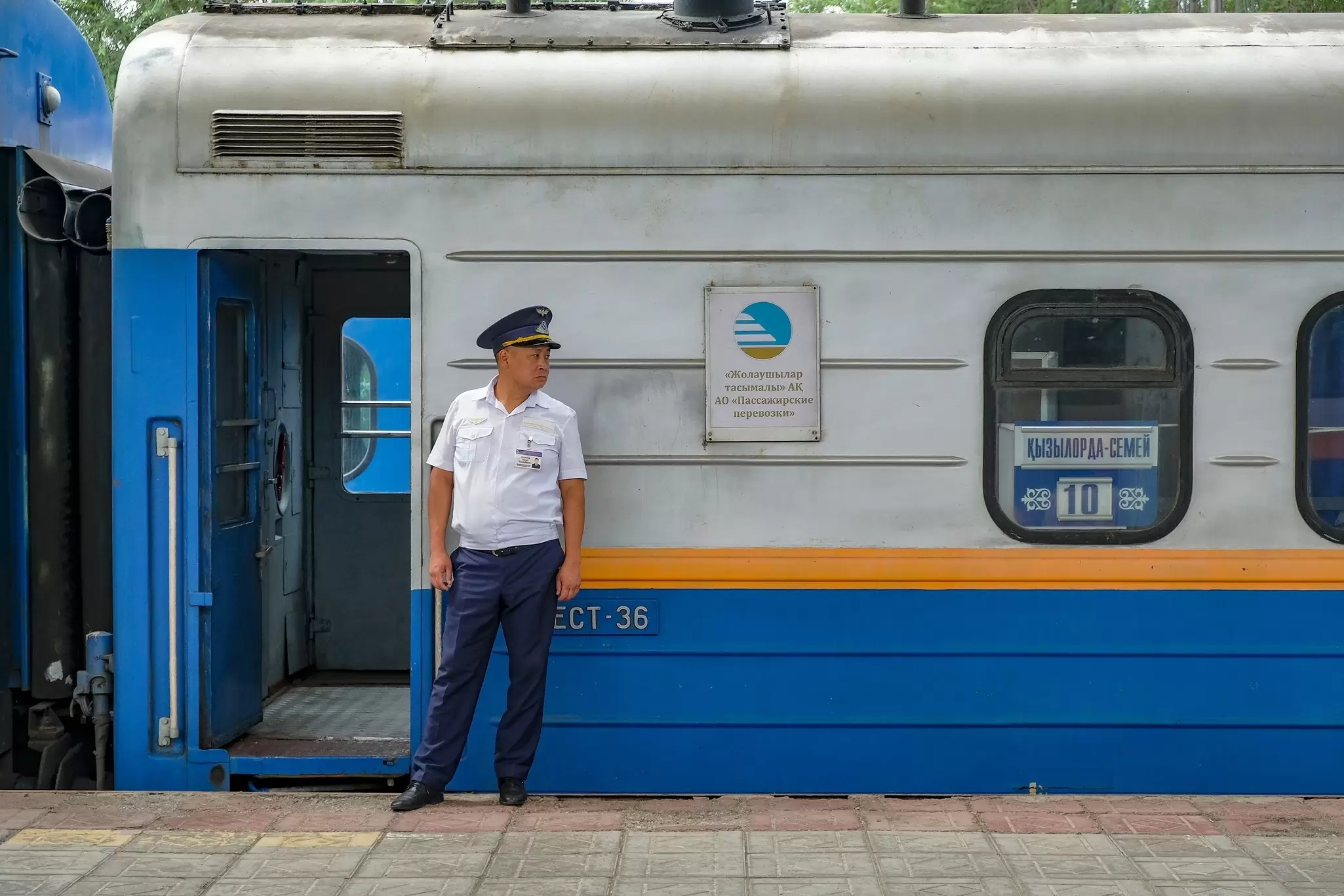
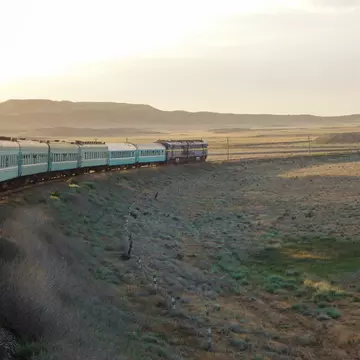
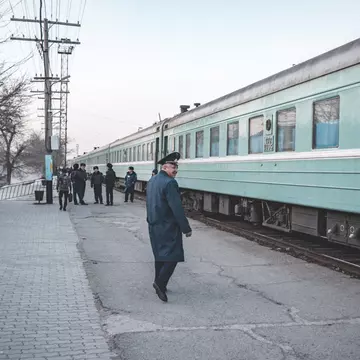
Kazakhstan has a large network of trains, of varying vintages. If you’re planning to visit the cities of Almaty (the former capital) and Astana (the shiny new one), a night train between the two is the way to go. From your sleeping cabin or the dining car, you can watch the empty, endless steppe extend to the horizon. Note that seats in the dining car are highly sought-after, so arrive a few minutes before opening at 8am to grab one. Once settled, order the fried eggs or syrniki, a type of cottage-cheese pancake.
Planning tip: The bottom-bunk tickets sell out first, since they allow passengers to both sit up and lie down. Book at least a week in advance to get a bottom bunk.
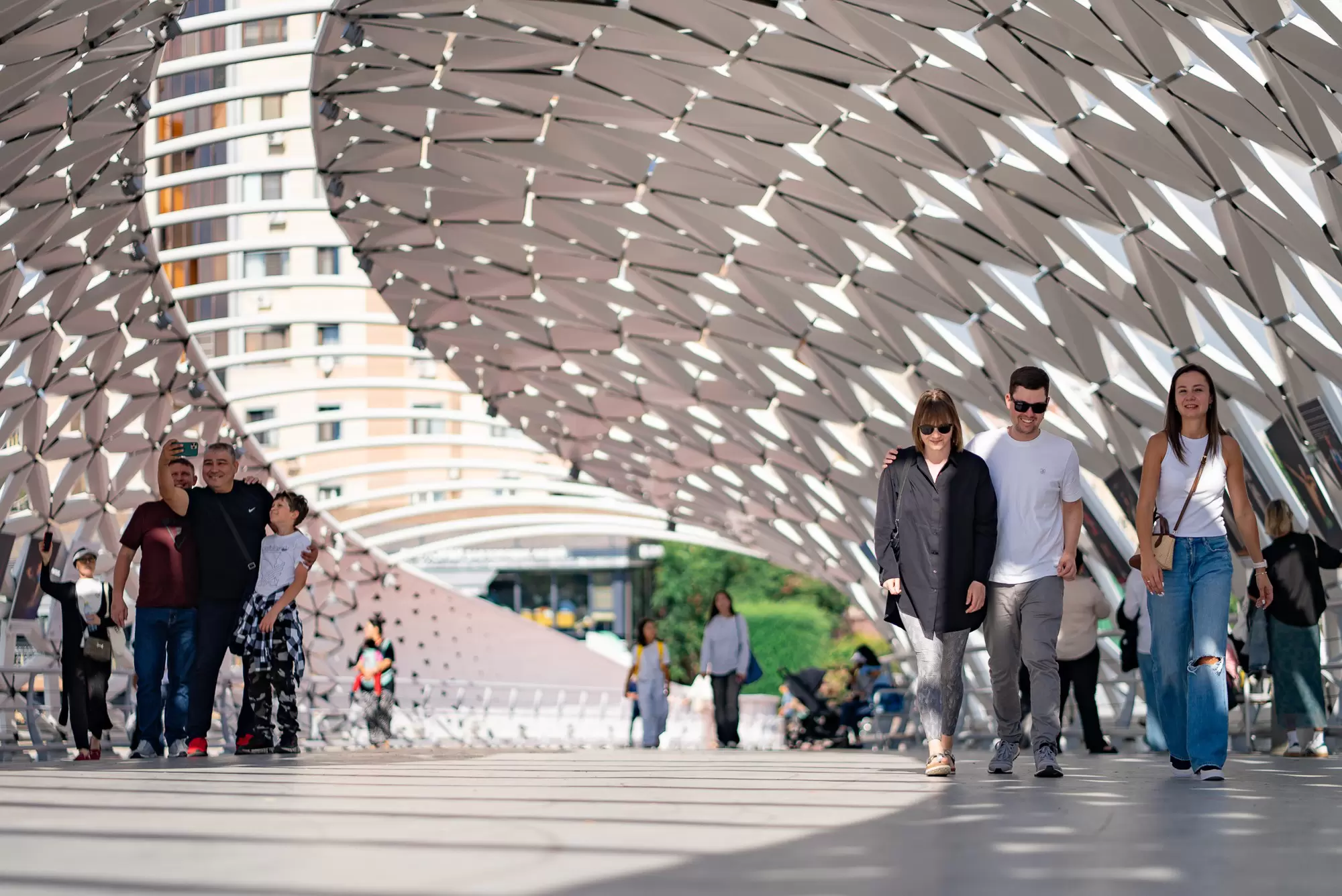
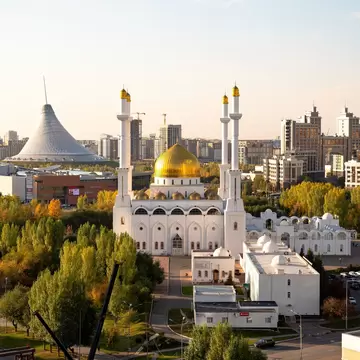
Brash and glittering Astana – where flashy skyscrapers spring up from the harsh steppe – has been the Kazakh capital since 1997. While very few Kazakhs are “from” Astana, all will sing the praises of the cutting-edge city. Discover its ultra-modern, often shiny, architecture on the Left Bank, then explore the city’s culture with a visit to the theater, the National Museum or the poet Saken Seifullin’s former home.
Planning tip: Astana outside of summer is often biting cold. On the pancake-flat steppe with no mountains to cut the wind, expect winter temperatures between -10°C and -17°C (14° and 1°F) – and that’s on a good day. If you can’t make it in the summer months, pack a heavy parka.
Along the Pavlodar highway, you might notice stone sculptures called balbals, some of which mark burial mounds of ancient warriors. Important symbols of Kazakhstan’s nomadic heritage, these stone columns (or stelae) take the form of human figures, and are carved with details like swords or bowls.
At the open-air museum near Ereimentau, about 160km from Astana, you’ll find many balbals from the 4th and 5th centuries CE. Many believe that the area was once a Silk Road settlement; it stands today as a testament to the long history of the Kazakh people.
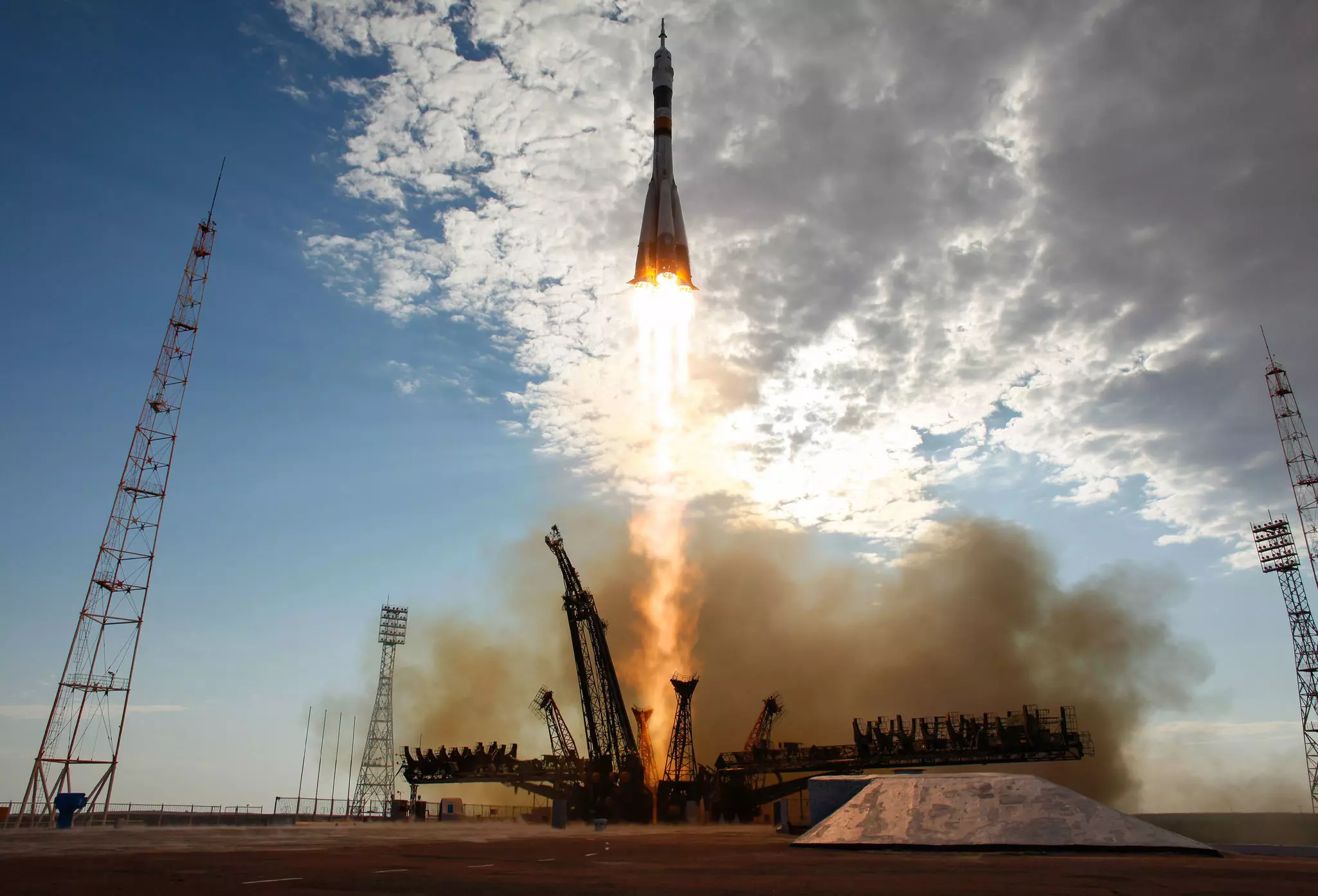
The Baikonur Cosmodrome was a center for the Soviet space program, and remains in use today. For space buffs, this remote site offers a once-in-a-lifetime experience: a 5-day tour leading up to launch day. Though the price tag of 5500 euros for the standard tour is eye-popping (to stay the least), the in-depth expertise of the guides and the thrill of witnessing a rocket launch up close make this something you’ll never forget.
Planning tip: Baikonur offers about four tours each year. Reserve one as soon as – or even before – you book your plane tickets to Kazakhstan. You have to book at least 2 months in advance for processing of security clearances.
The ancient caravan crossroads of Shymkent is today Kazakhstan’s third-largest city, and known for some of the best food in the country. In April and May, the mountains south of the city bloom with wild tulips (which are native to Kazakhstan), providing an ideal day of shashlik (kebabs) and fresh air.
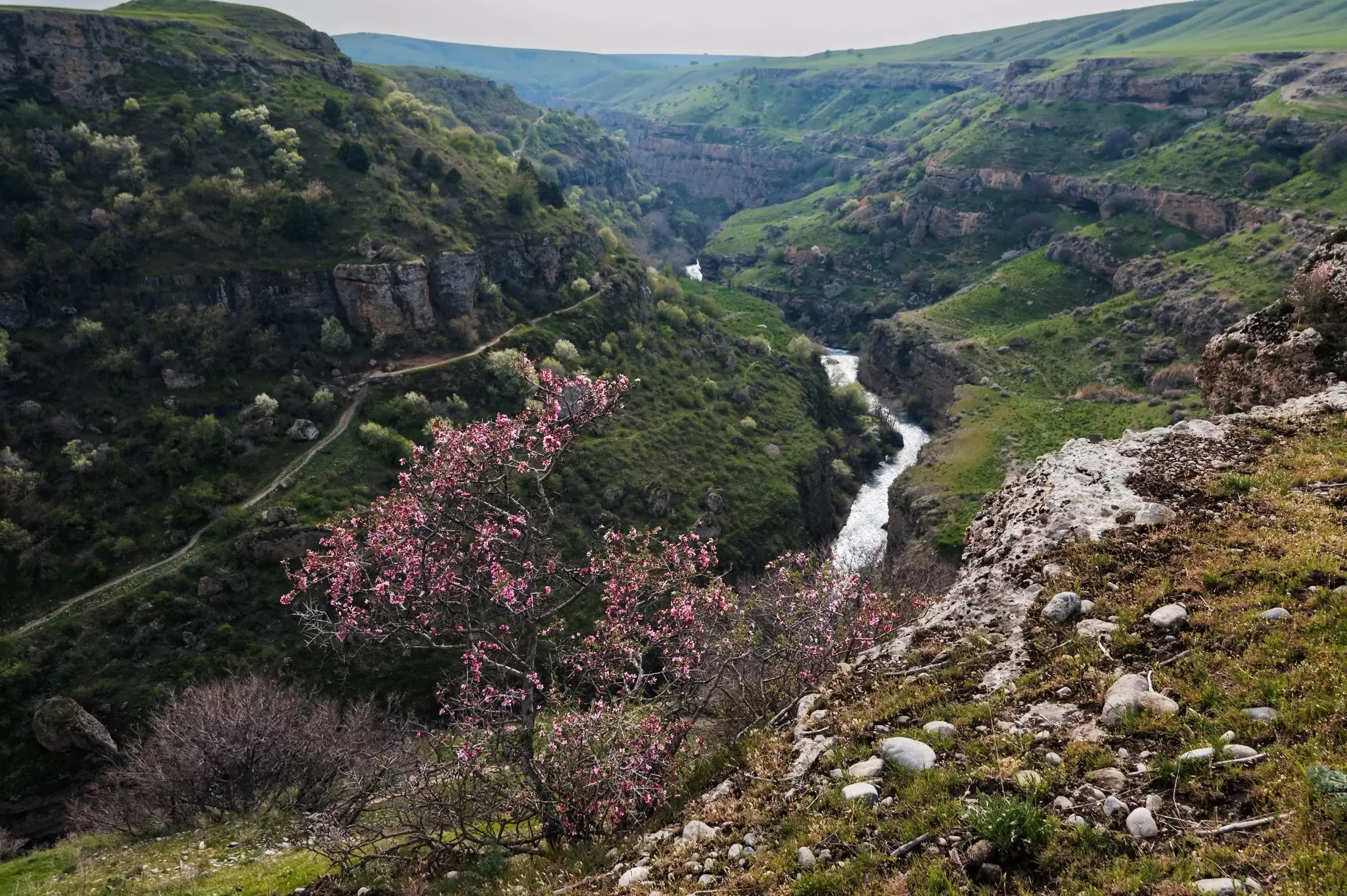
Shymkent is the not far from the Aksu-Zhabagly Nature Reserve, the oldest such preserve in Kazakhstan. The reserve is open to visitors only when accompanied by a guide or park ranger, so you’ll need to book in advance. In the park’s vast expanse, it’s easy to spot eagles and vultures; sometimes you can see deer and even bears (though it’s more common to find just their tracks or scat). Most likely, you’ll go animal watching from the saddle: the paths are best adapted to travel on horseback or by foot.
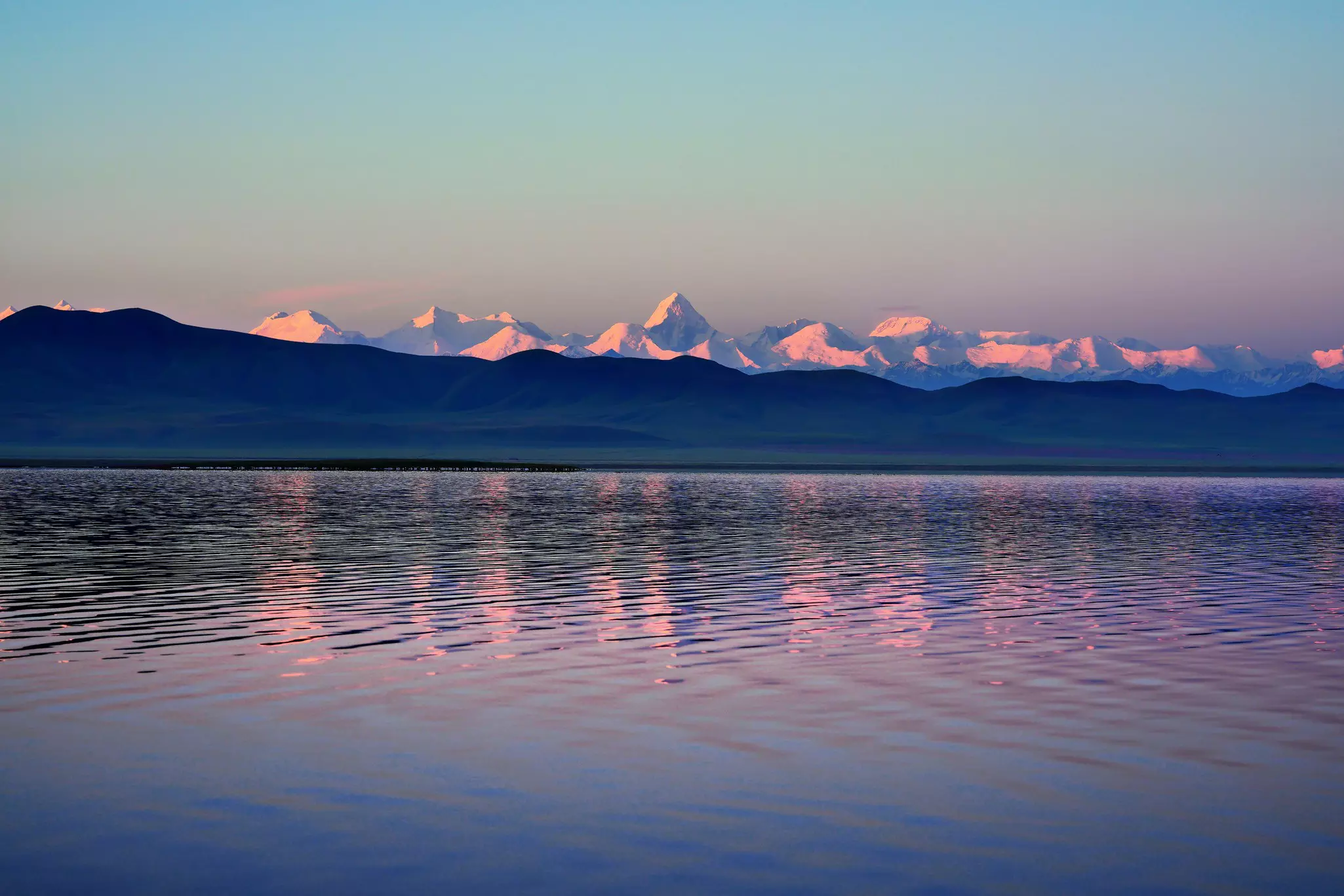
About 6 hours’ drive from Almaty and at an altitude of nearly 2000m, salty Tuzkol Lake offers fabulous floats that ease muscles achy after mountain hikes. Beloved by nature lovers looking for adventures, this remote lake in the Kazakh part of the Tian Shan mountains is best visited in summer, with a driver or behind the wheel of your own 4WD.
Hop on a horse to explore the lush valleys and mountains of Katon-Karagay National Park, near the border with Russia and Mongolia, from a thrilling vantage point. Since the smell of a horse can add extra camouflage for humans looking to spot evasive animals, you never know what you might see: in 2021, a camera trap showed that the ultra-rare snow leopard still calls the park home.
Planning tip: Always check that your horse has metal horseshoes to protect their feet from the abrasive rocks, and have your groom remove the saddle to verify there are no open saddle sores. Refusing to subject an unfit horse to the journey helps in one small way to improve animal-welfare standards.
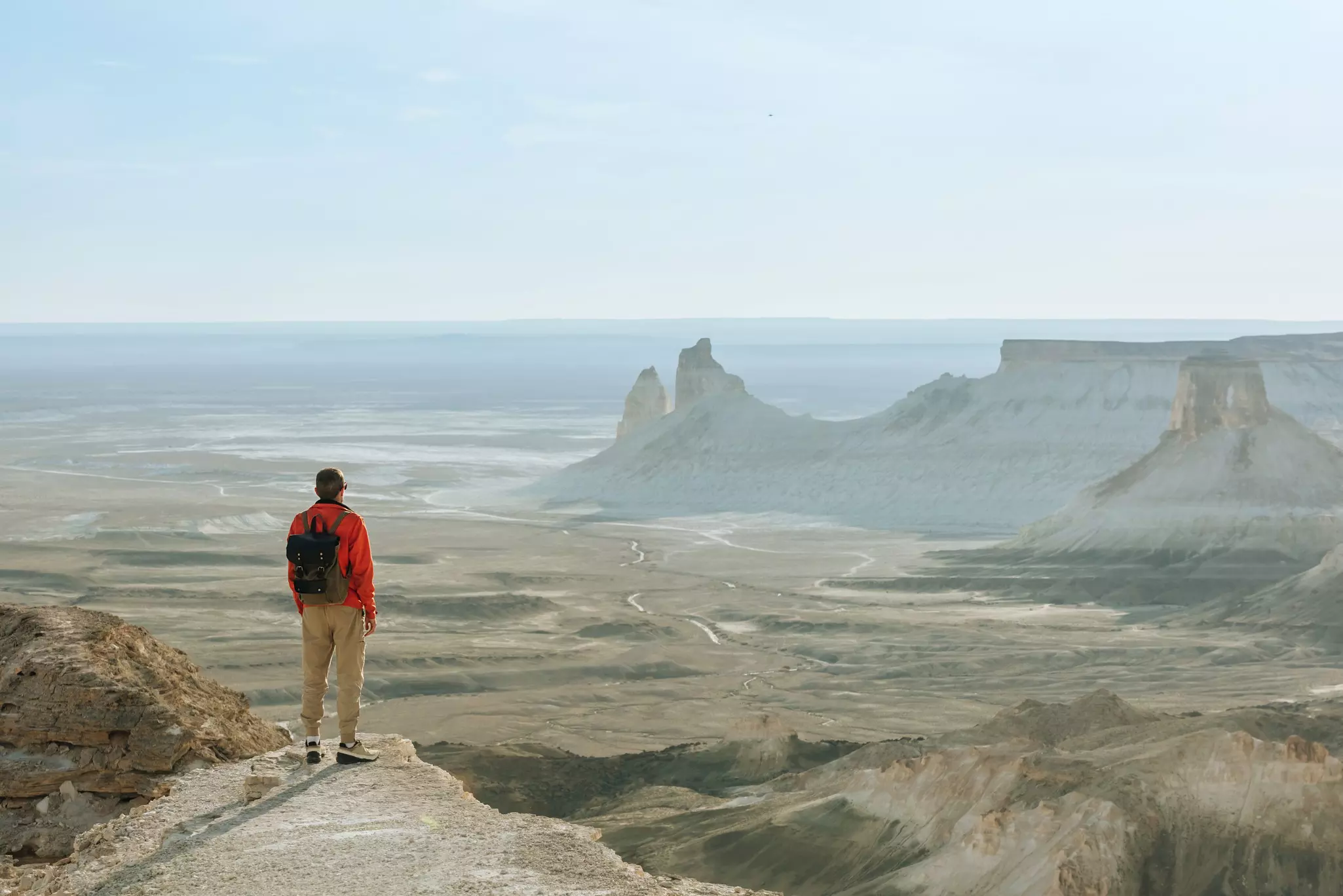
From the Caspian city of Aktau, hop in a 4WD to visit the Ustyurt Reserve, a natural wonder 350km into the deserted steppe that provides an unmatched backdrop for spiritual reflection. In the middle of what might be the emptiest place on Earth rise pillars of limestone and chalk in pinks, blues and whites, reaching high into the air. Whatever your spiritual practices (if any), the tableau is simply inspiring.
Detour: On the same trip, you can visit the ruins of the ancient city of Shakhr-i-Vazir, as well as the Beleuli Caravanserai (fortress) and Allan Fortress, as well as mausoleums and underground mosques. The desert has reclaimed the rest of this once-important Silk Road stopover.
Explore related stories