Feb 17, 202614 min read
16 of the Best Things to Do in CubaFeb 17, 2026
14 MIN READ
Writer
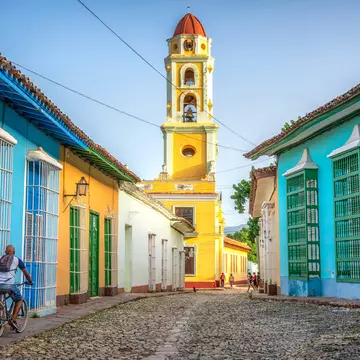
The city of Trinidad de Cuba. Eloi_Omella/Getty Images

Writer
Highlights
Writer Claire Boobbyer picks 16 Cuba experiences from beaches to eastern wilderness.
Wander Old Havana's colonial plazas, stay in a casa particular and catch live salsa.
For divers, Jardines de la Reina is world-class; El Nicho's teal-water terraces are pure magic.
Head east to Baracoa's wild mountains, or trace Che Guevara's legacy in Santa Clara.
Lonely Planet may earn a commission from affiliate links on our site. All recommendations and reviews reflect our own independent opinions.
Beaches, salsa dancing, classic cars and the last bastion of communism in the western hemisphere – Cuba’s got all of that, but there’s so much more.
Go to Cuba armed with acres of patience and the right address book, and this most enigmatic of the Caribbean islands will deliver.
You might have read that the country is going through a tough time; it is. So, pack a flexible schedule, a portable phone charger and a sense of adventure, and the island will steal your heart, I promise.
Plan your trip with our recommendations for the best things to do in Cuba.
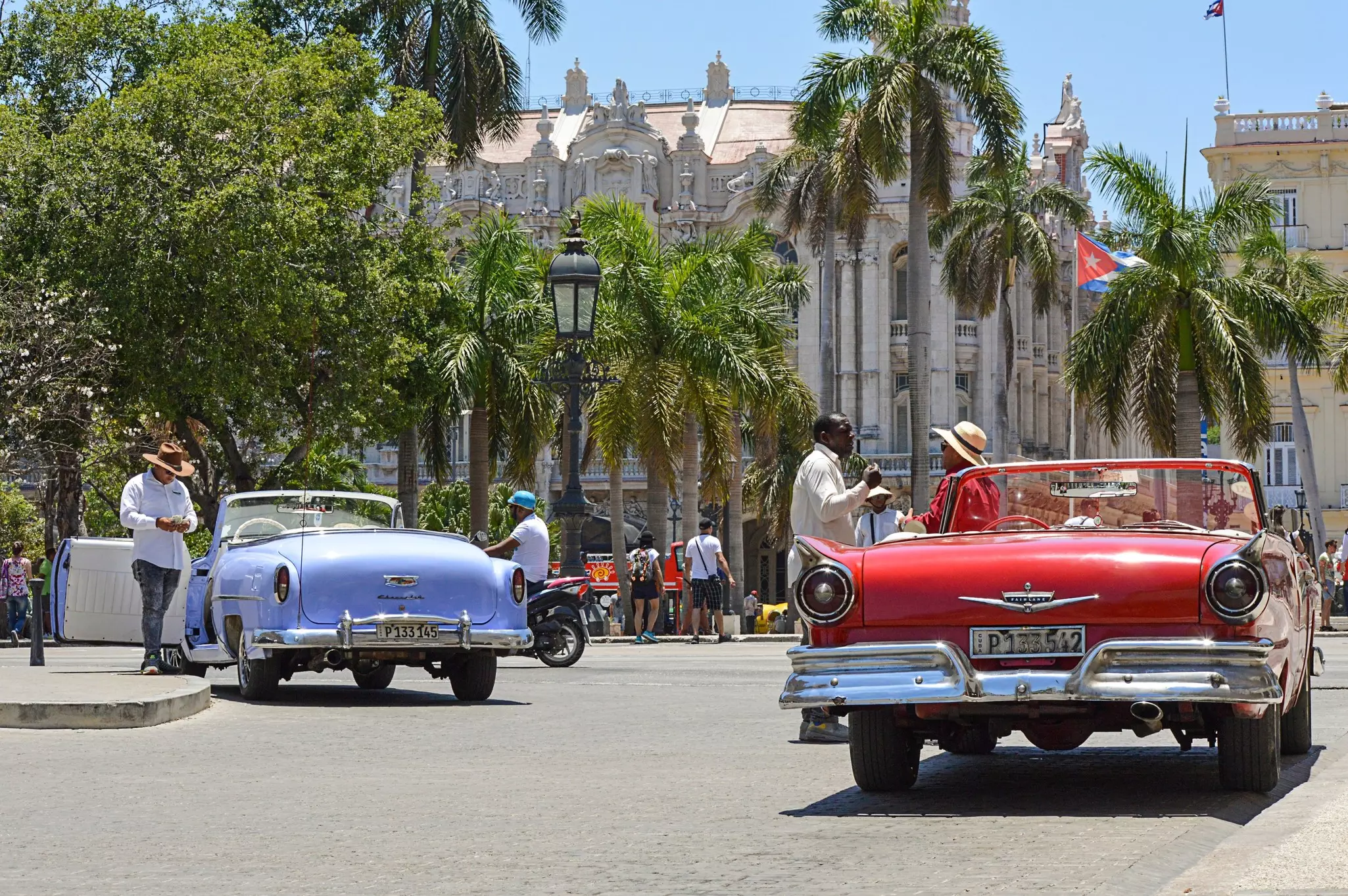
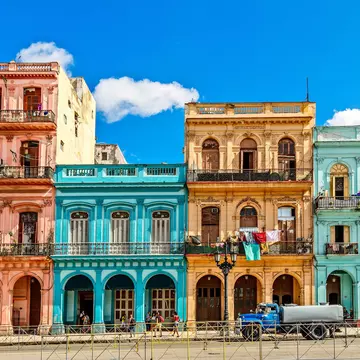
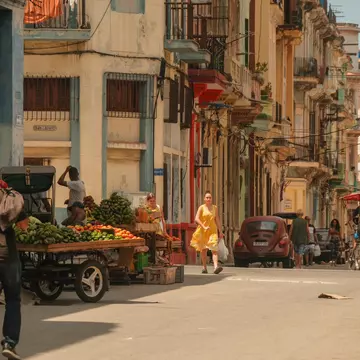
A sun-splashed patchwork of Spanish colonial squares, baroque churches, balconied buildings, restored mansions and desiccating townhouses, the colorful 5 sq km (2 sq miles) of UNESCO-protected Old Havana are a wonder.
It’s mesmerizing and photographers will love it. People-watch at cafes in the plazas, duck into city churches and museums, sip on cocktails at vibrant bars, and look out for street murals in the southern neighborhood of San Isidro.
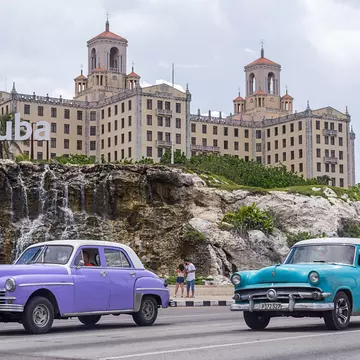
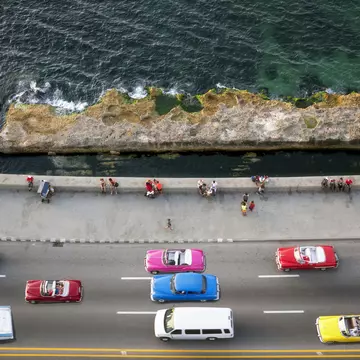
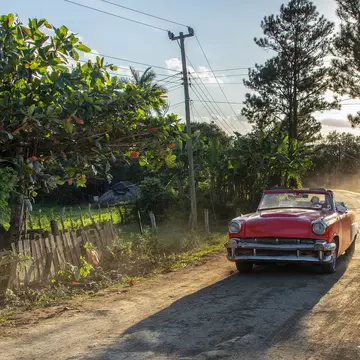
Planning tip: Old Havana is heavily pedestrianized, and the narrow streets make it difficult for vehicles. Explore the rest of Havana’s districts in style with a ride in a chrome-festooned vintage American car dating from the 1950s.
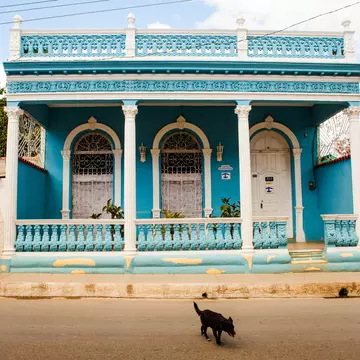
Long before Airbnb debuted in Cuba in 2015, families ran an excellent network of bed and breakfasts across the island.
Not only do these homes – everything from an art deco apartment to a pad on a beach or a rural mansion – offer the warmest welcome in Cuba, but you’ll also get the local lowdown, intel on the national mood, help with onward transport and a filling breakfast. The same can never be said of any state-owned hotel across the country. The prices are so pocket-friendly (most cost around US$25-50 per night, with an additional US$8-10 for breakfast) – you’d be mad not to book.
Planning tip: Buy a Cuba Tourist Sim card from Suena Cuba. You’ll need a VPN to book an Airbnb and Víazul coach seat while traveling in Cuba.
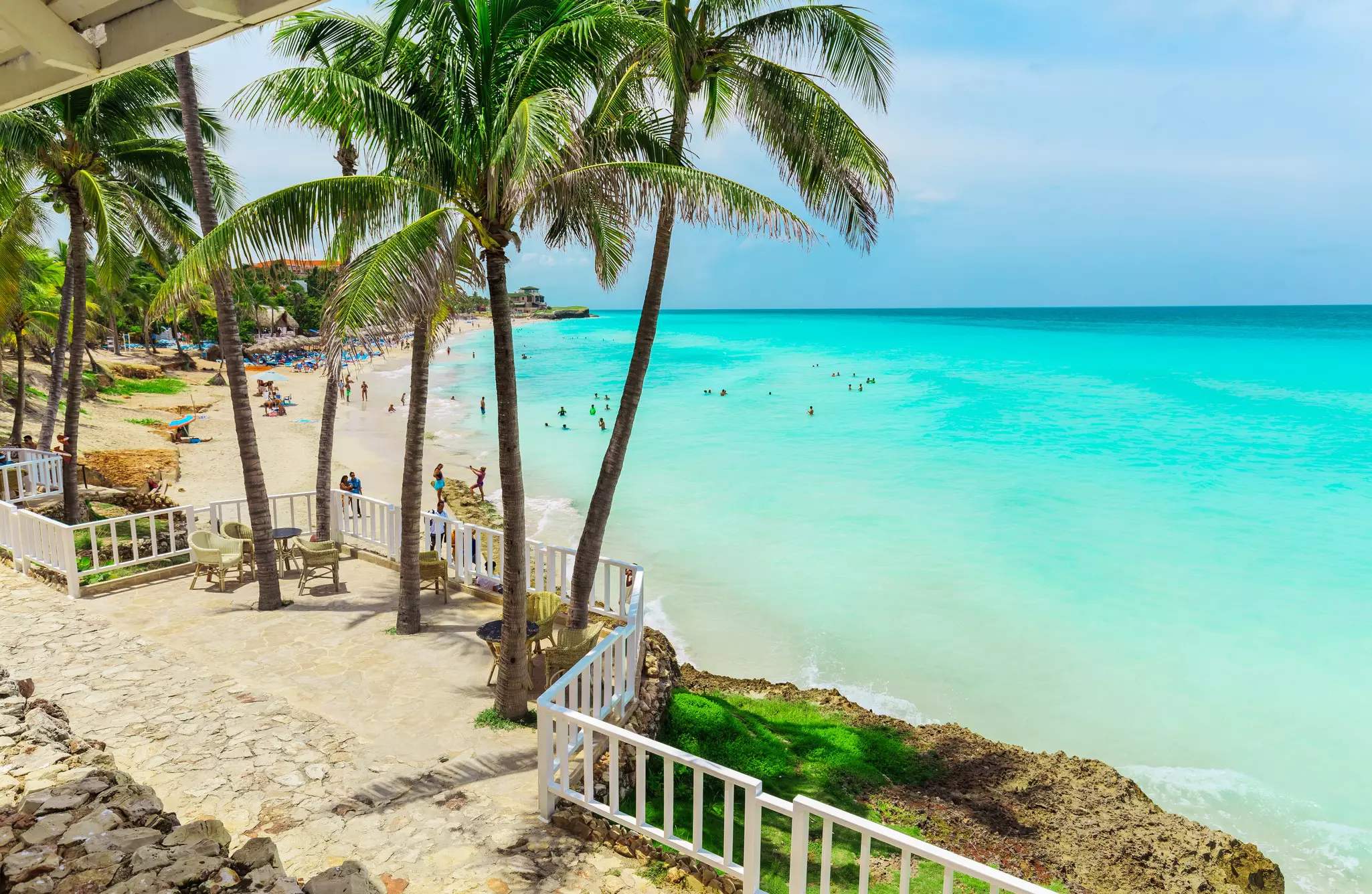
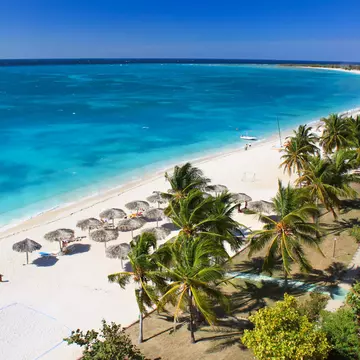
Varadero, a 20km-long (13-mile) skinny strip of dazzling white sand, is often crowned one of the world’s top beaches. Fun, sun, sea and sand are on tap at the low-rise all-inclusives that line the vacation resort.
But with more than 3200km (2000 miles) of coastline and offshore cays, there are way more beach secrets to discover in Cuba. One of those is the fishing village of Caletón (close to Playa Larga) set on the storied Bay of Pigs.
It’s the only place in Cuba with casas particulares right on the sand. They curve right around the shore with a mix of restaurants and bars, a couple of hammocks hitched to palm trees and a handful of masseurs on the beach.
The low-key vibe here is not to be missed. Once you’ve swam in the sea just meters from your room, head out on bikes or in taxis to explore the area.
The region is known for its birdlife, from flamingos to the bee hummingbird (the smallest bird in the world).
There's a sinkhole to dip into and a coastline of secret sandy coves and gorgeous water harboring colorful fish and coral. A 1961 Bay of Pigs landing craft can be found on the seabed just offshore at Punta Perdiz.
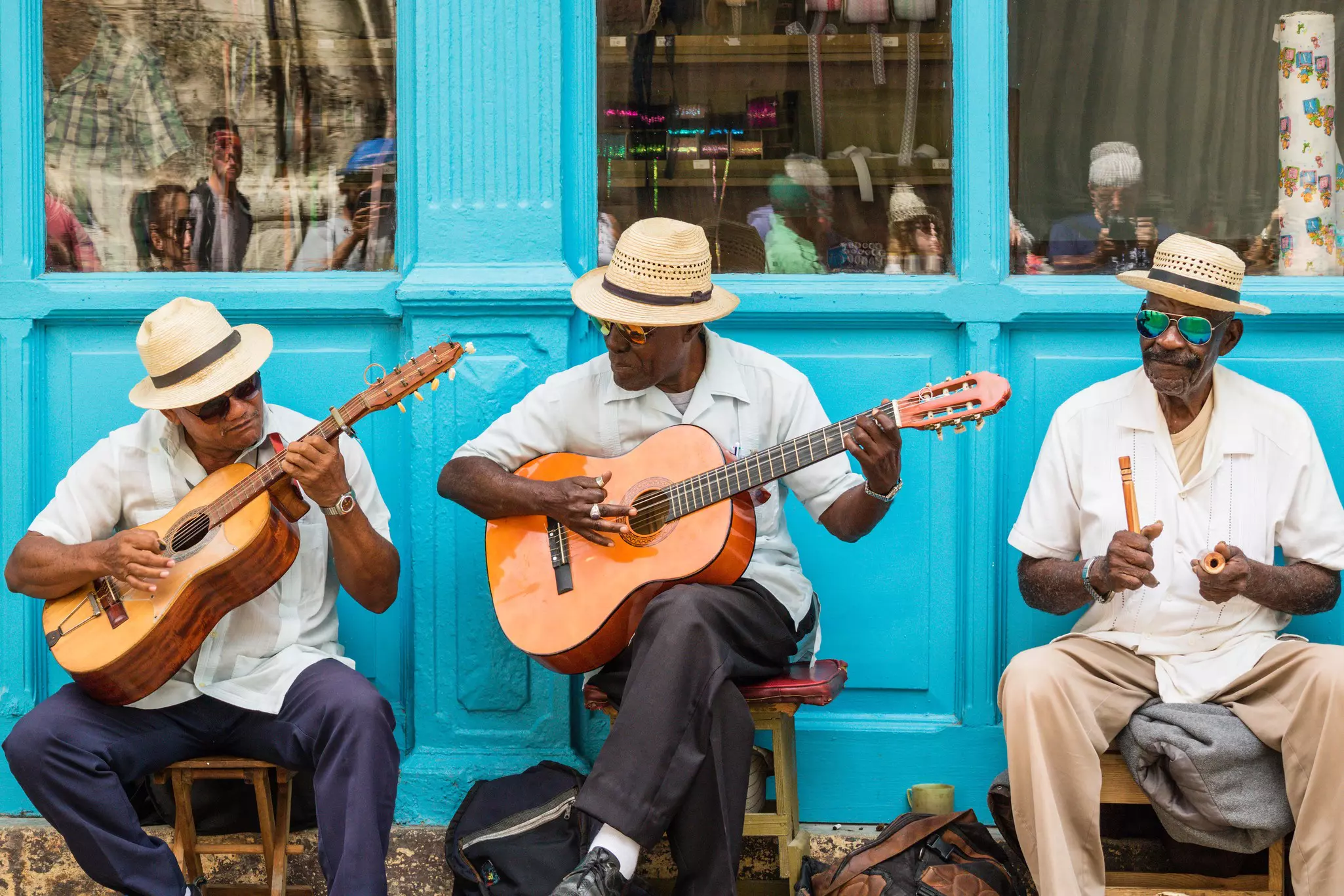
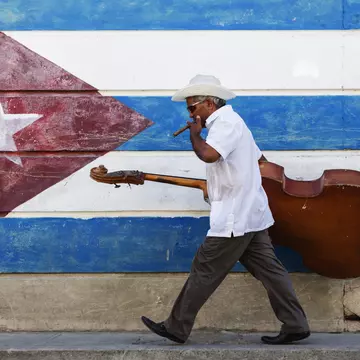
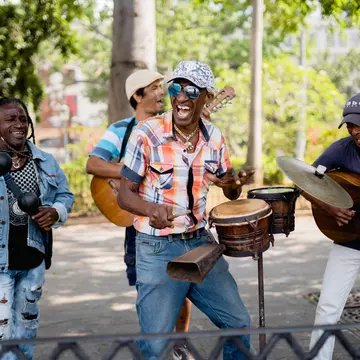
Tapping into the live music scene across the island is a boon to the soul. Havana offers the greatest opportunities to catch jazz, salsa, bolero, electronic DJs and rooftop jams.
Most music nights are relaxed affairs combining great vibes and great drinks – even in the hallowed halls of say, the Teatro Nacional – for the annual jazz festival. Do note, though, that big state institutions don’t allow entry if you're wearing shorts.
You’ll find everything from international stars – American Jon Cleary blowing up the Fábrica de Arte Cubano and Portugal’s Salvador Sobral wooing crowds at intimate jazz and blues club Saudade. And prices for entry are ridiculously good value at around US$3 or less.
But in your quest for melody there are other unmissable island spots. Catch live rumba and classical repertoires at the Teatro la Caridad and Sala de Conciertos José White in Matanzas; in Trinidad, salsa is danced at the Casa de la Música and Casa de la Trova; and in Santiago, check the schedules at the Casa de la Trova right near the cathedral. The vibe at Santiago’s Casa de las Tradiciones is rocking and authentic.
Local tip: It’s not easy to find out what’s going on on the island. Check Havana Edge, Aguacero and La Papeleta for some info.
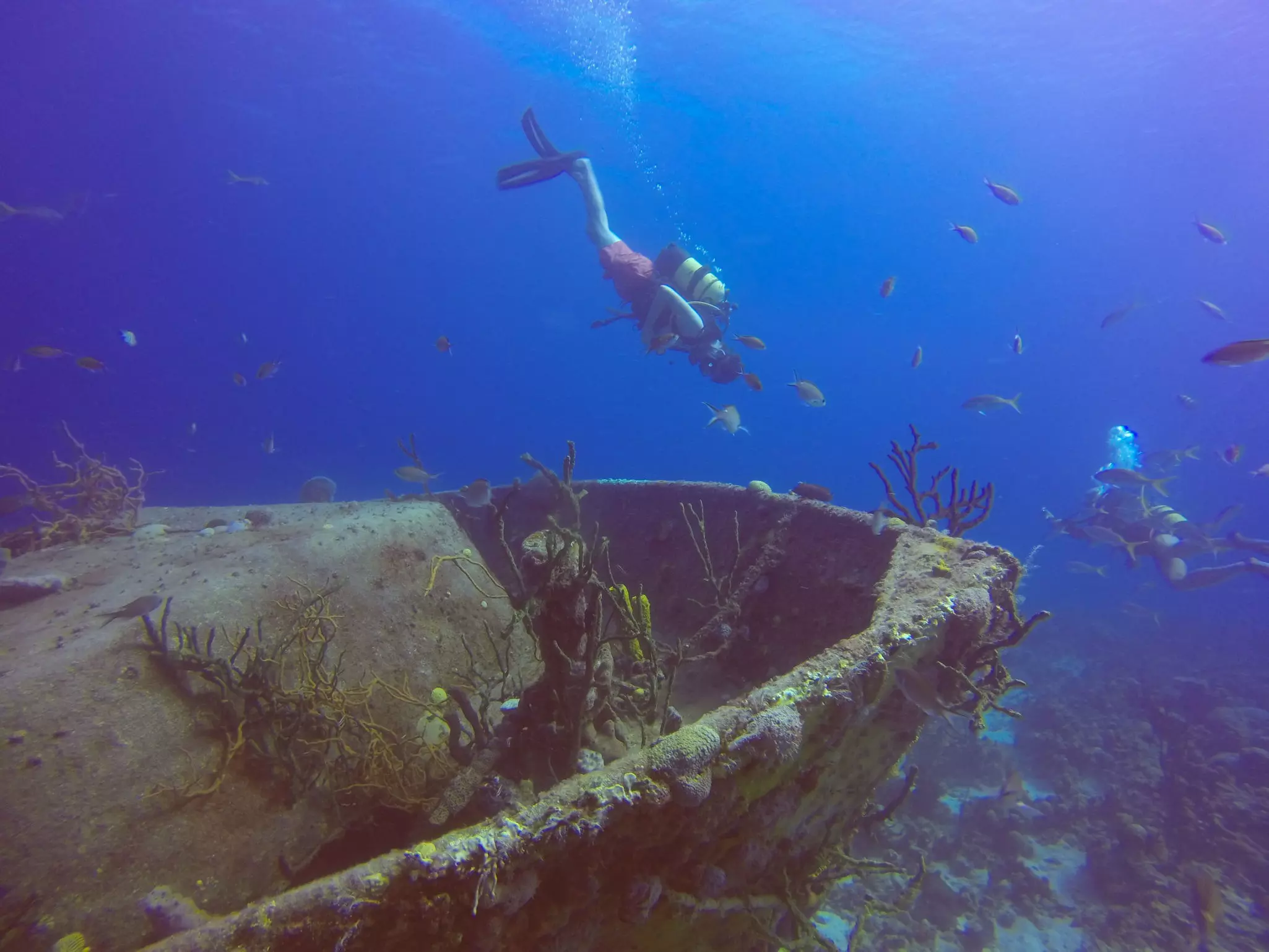
Aquamarine seas, pristine coral reefs and protected seas, Cuba’s waters are a dream diving and snorkeling destination. The standout is the world-class Jardines de la Reina. It’s an offshore archipelago of coral isles and is only accessible by pre-booked liveaboard run by sole operator Avalon.
It’s expensive (from US$266 for a week) but it’s worth it: marine turtles and goliath groupers roam the gin-clear seas as dozens of sharks circle.
Along the Bay of Pigs in turquoise and lapis seas, snorkeling and diving from shore reveal colorful reefs and fish as well as a landing craft from the 1961 CIA-backed Bay of Pigs invasion. Head to Punta Perdíz for this unusual find.
Planning tip: Bring your own snorkel gear with you as the quality of local equipment is not always good. Serious divers will want to pack as much gear as possible.
Cuba’s quirkiest festival takes place on February 5 each year when a local man in the village of Santiago de las Vegas, south of Havana, is buried in a mock funeral.
The "Wake of Pachencho" begins at 7:30am with a toast to the "dead" man and lasts all day. The tradition is an invented one but no matter.
It’s all a wonderful and theatrical stage set where one man is chosen to be buried and the rest of the townsfolk play the part of the widow, the priest and the mourners. The wake launches in the town’s Liceo where the "widow" wails over the body of her dead husband.
This triggers a conga procession of mourners to the town cemetery where the “dead” man, in his partially open coffin, is lowered into a tomb (not before he swigs on rum, though!).
After the priest has given a eulogy (rum swigged before the speech), the "corpse" is revived through a hail of liquor and the funeral gathering heads back to the Liceo.
After more mourning (buffered with rum!), the coffin is pulled around town by a tractor followed by the whole town dancing the conga.
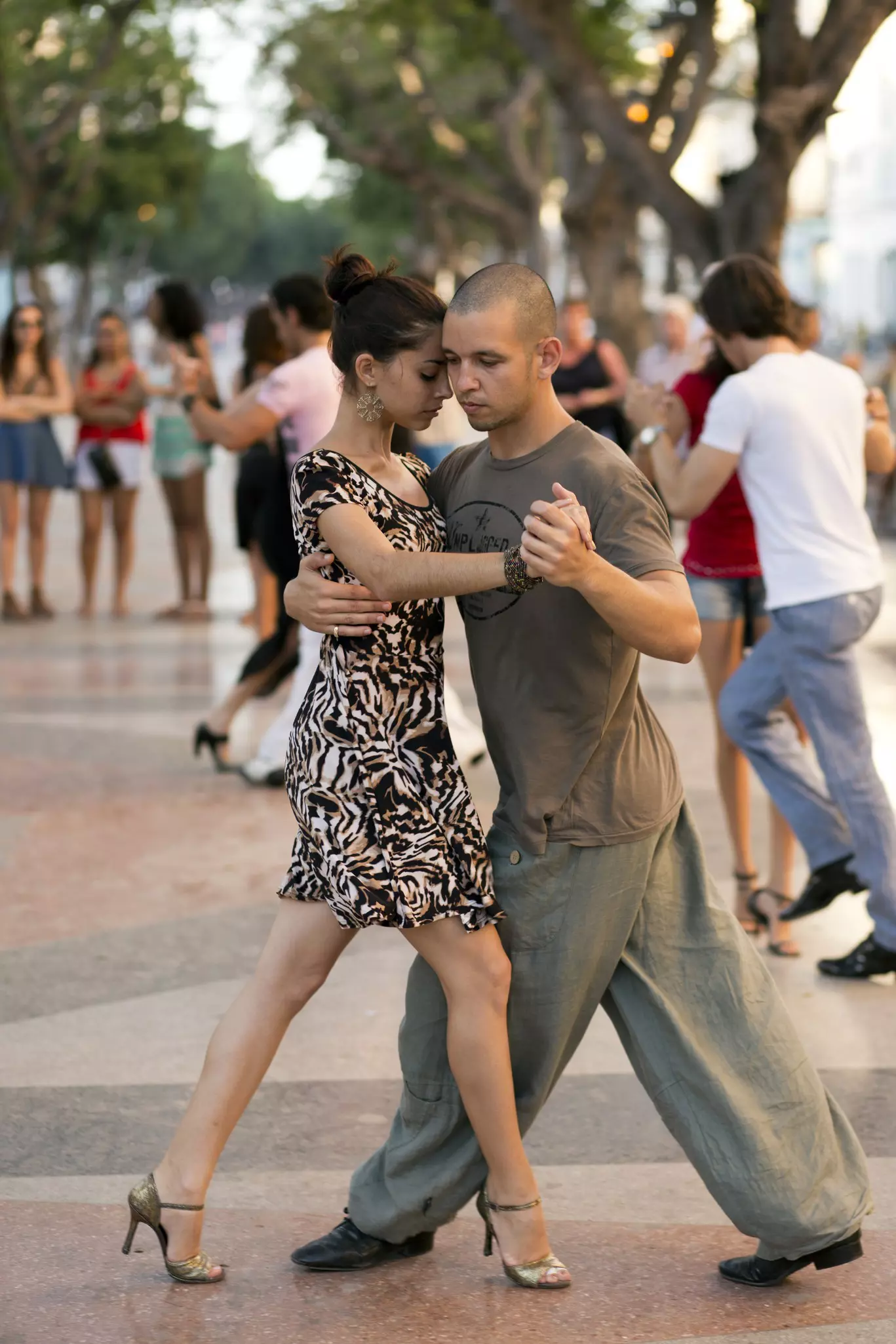
Cuba’s capital brims with art, music, dance and culture. Unmissable is a visit to the home-studio of DJ Jigüe, the first Cuban to set up an indie urban record label on the island. His masterclass on Cuba’s musical history, using vinyl played on his turntable, is brilliant.
Keep an eye out for live band nights on Havana’s sultry rooftops. At the intimate Hotel Claxon rooftop, strung with lights, check out Cuban maestro Ernán López-Nussa.
Larger jazz bands play the rooftop restaurant La Guarida, and Bar Yarini always has a roster of eclectic sounds. Jazz and blues venue Saudade is becoming an increasingly popular place to hear local and international talent.
For music, dance, photography and fashion, hit up Fábrica de Arte Cubano. For cutting-edge art, don’t miss Gallería Continua and the Cuban collection of the Museum of Fine Arts where the temporary exhibitions are a Havana highlight.
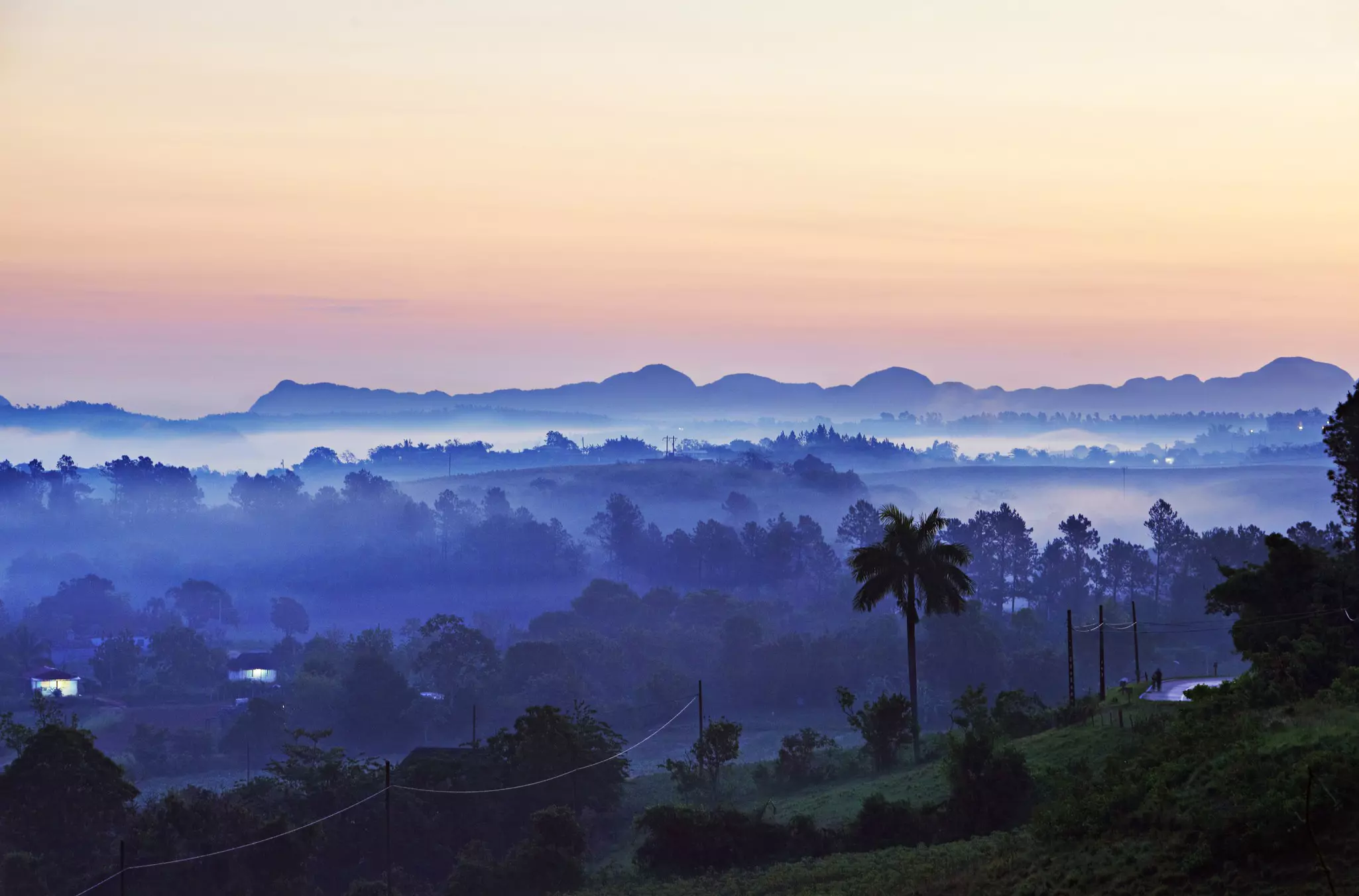
The Cordillera de Guaniguanico runs down the spine of tapering Western Cuba. Deep in mountain forests are the eco-communities of Las Terrazas and Soroa, both havens for birds, orchids and reptiles.
Go bird-watching and orchid spotting with community guides, trek on trails through the forest, and cool off in the waterfalls.
Further west, in the UNESCO-protected Valley of Viñales where pudding basin mountains dot the rust-red fields of tobacco and yucca, head out on foot and on horseback to explore the wild natural beauty of this gorgeous Cuban countryside. You’ll see tobacco fields, beautiful mountains and caves.
Local tip: The UNESCO-protected Guanahacabibes biosphere reserve at the far-flung western tip is a bit of a secret. Spot marine creatures, endemic birds – such as the tocororo and Cuban tody – and American crocodiles in the wilderness here on guided trips. You’ll need your own wheels to fully explore Western Cuba.
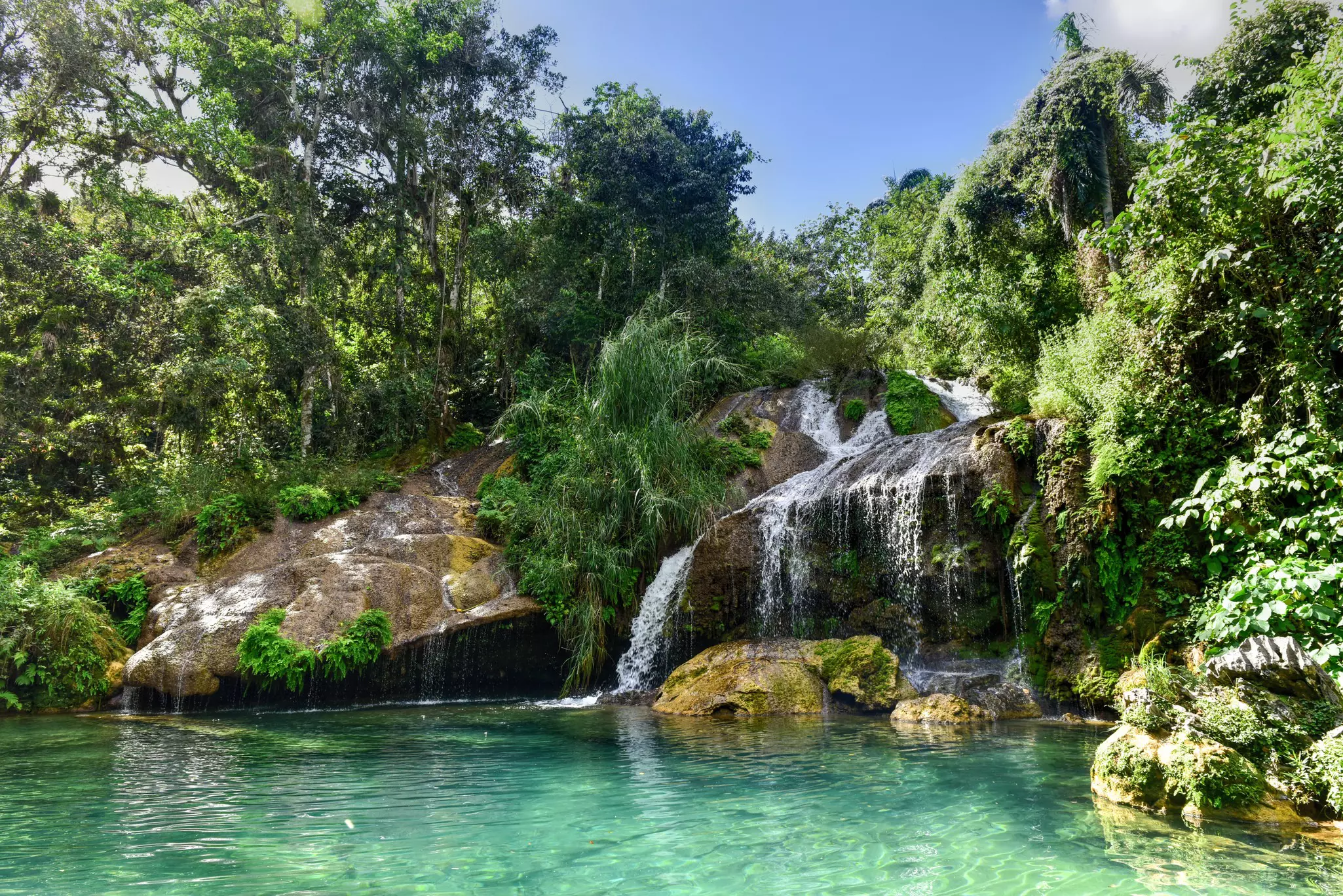
Cuba’s lush, protected nature doesn’t get much better than its waterfalls, where a refreshing dip is a welcome respite from the tropical heat.
The best looking and the most magical is at El Nicho, between Cienfuegos and Trinidad, where terraces of teal water spill through a forested paradise. Some of the waterfall terraces are quite shallow and so the perfect spot to take small children.
Want to get to grips with Cuba’s food and drink scene? For the lowdown on food and markets, take a walking tour with Havana’s Jíbaro guide. To get chopping and stirring, sign up to a cooking class with Lorena, who runs her own TV cooking show.
You’ll learn how to make ropa vieja (shredded beef in a tomato sauce), tostones (twice-fried plantains) and mojitos (Cuba’s moreish classic rum cocktail). Lunch on your own creation afterwards on Lorena’s Old Havana roof terrace.
Out east in the rural wilds of Jamal, near Baracoa, a cooking class at a farmer’s home is a fantastic, immersive way to learn about eastern Cuba’s regional recipes. (Contact guide Noel Coutin Lobaina, +53 5802 9347.)
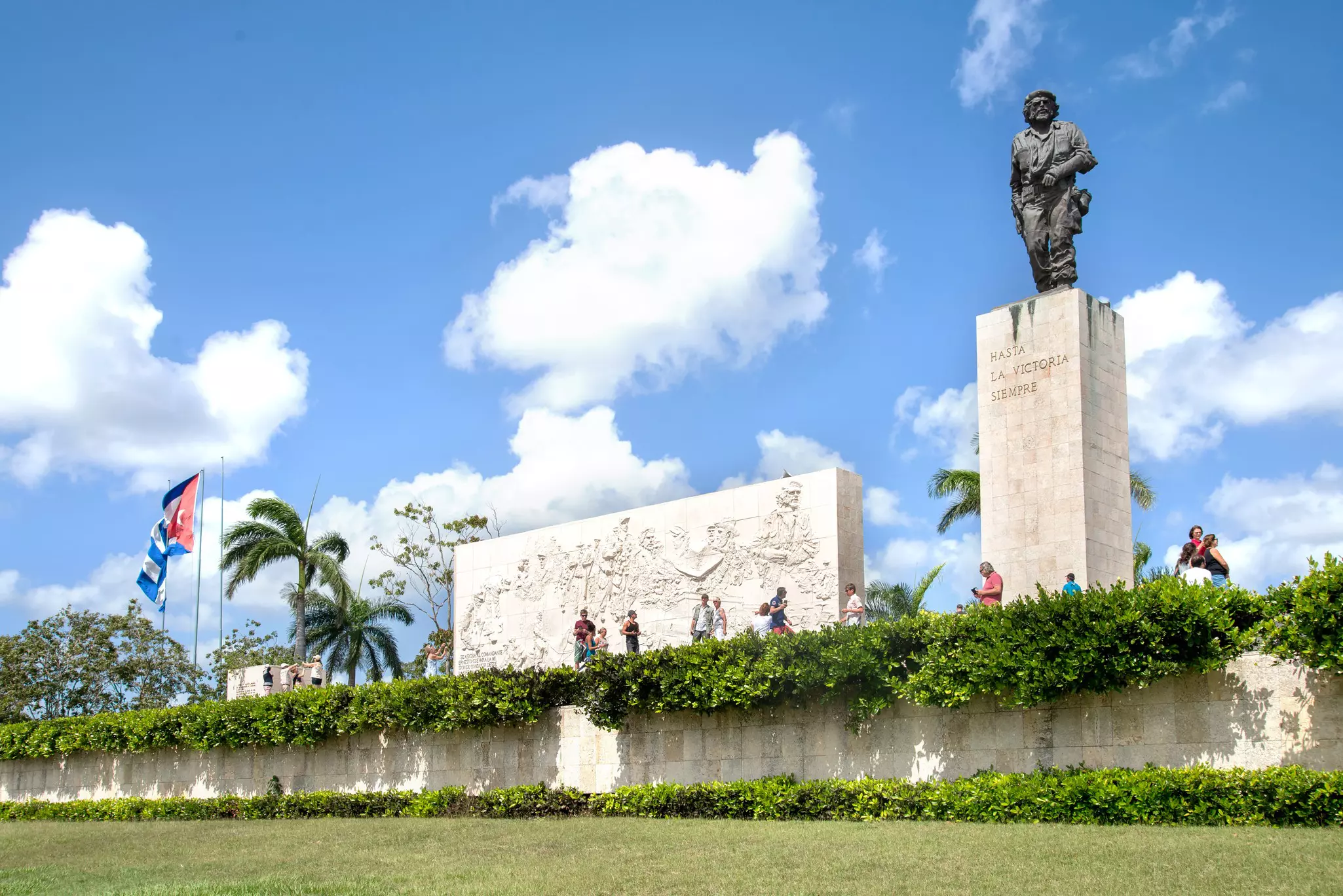
University city Santa Clara is for those chasing the guerilla’s legacy. Argentine doctor Che Guevara met the Castros in Mexico and joined their July 26 Movement. Che arrived in Cuba in 1956 aboard a yacht – Granma – to launch the Cuban Revolution. He proved his mettle and after 1959 rose to become Minister of Industries.
Che left Cuba in 1967 to foment revolution in Bolivia and was assassinated by elite Bolivian troops trained by US special forces.
In Santa Clara, you’ll find Che’s lasting resting place in the Revolution Plaza, a small museum dedicated to one of the defining battles of Fidel Castro’s Revolution, and a fascinating cafe stuffed with Che memorabilia.
Local tip: Santa Clara is known as Cuba’s most LGBTIQ-friendly city with El Mejunje cultural center at its heart.
Curious about the island’s African roots? Take a deep dive on a Beyond Roots Tour which takes visitors to the cradle of Afro-Cuban culture in Guanabacoa near Havana. You’ll learn about religion, music and food in an interactive and authentic way.
Around 800,000 enslaved people from West Africa were brought to Cuba from the 16th century until abolition in 1886 to mainly work the sugar plantations.
At the other end of the island, explore Haitian culture through the vibrant Lakou Lwa Sociocultural Project in Guantánamo. Following the revolution of enslaved people in Haiti in 1791, the French migrated to eastern Cuba.
Some 30,000 settlers were granted land for arabica coffee cultivation. A second wave of migration occurred in the early 20th century with Haitians looking for work.
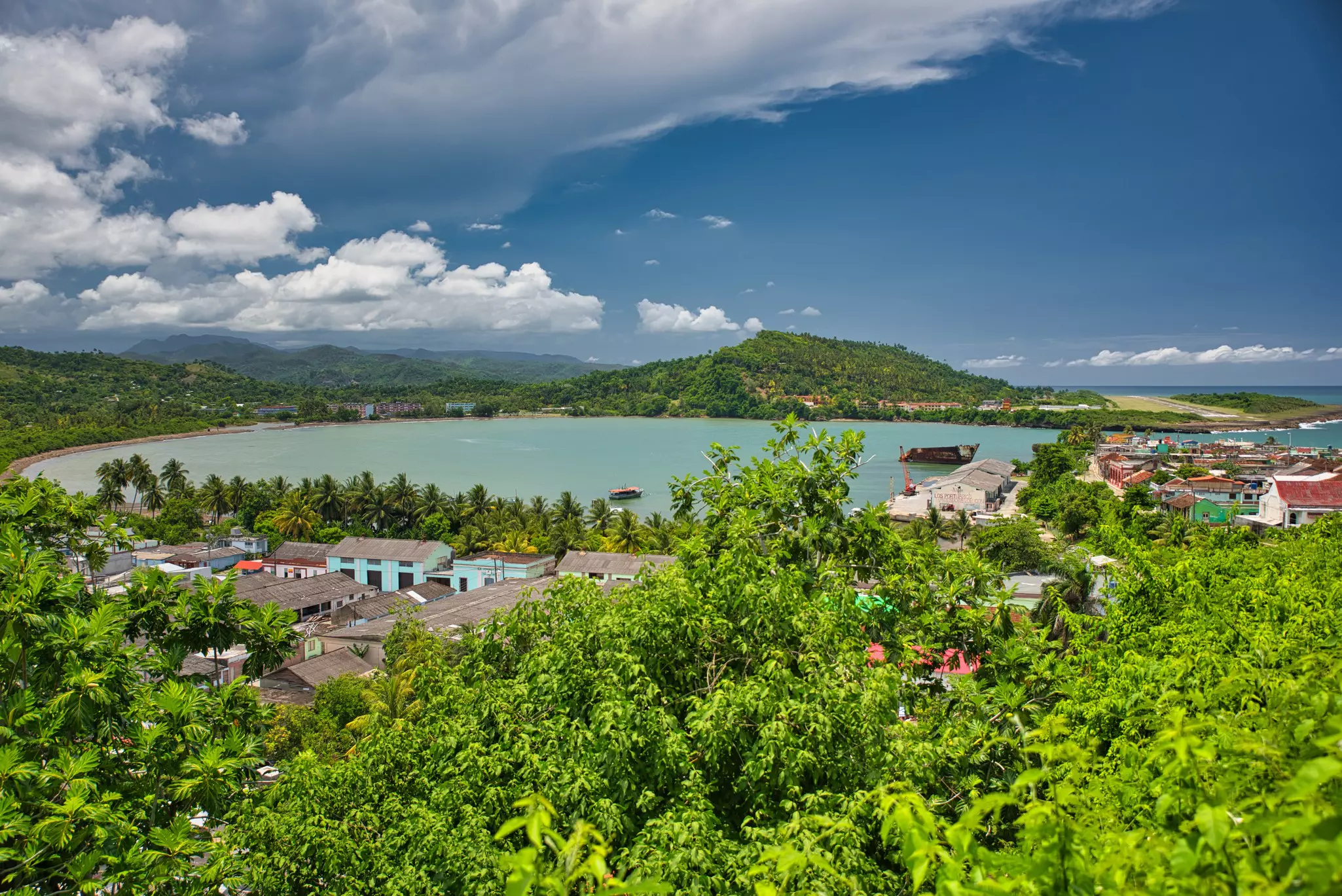
More than 1000km (620 miles) from Havana at the very tip of eastern Cuba are two of the island’s most beautiful sights. Pozo Azul is reached by a 12km (7.5-mile) ride in a 4WD and walking along a trail through limestone forest.
The twinned sinkholes here – connected by a small channel – are fringed by ferns and sparkle like teal green jewels. Butterflies flit above the water while you swim.
For the second, climb a steep hill behind the Boca de Miel fishing village, southeast of Baracoa. From Casa el Mirador you’ll be rewarded with the most spectacular view in Cuba of the flat-topped El Yunque mountain, lush greenery, and the curve of the Bay of Honey facing the blue Atlantic Sea.
There’s no better adrenaline kick than driving the Carretera Granma – aka the back road – to Santiago de Cuba from Bayamo, where the asphalt snakes between the wild turquoise sea and the ragged edges of the highest mountains on the island.
From Bayamo, drive west to Manzanillo and follows the coast, then southeast to Pilón and finally east along the coast towards Santiago.
The views are jaw-dropping and the road, in parts, has been snatched by the ocean making it a little hair-raising at times, but there’s no other drive like it for the thrills.
Planning tip: Hire a car through Novela Cuba, which has a seamless platform and offers excellent customer service.
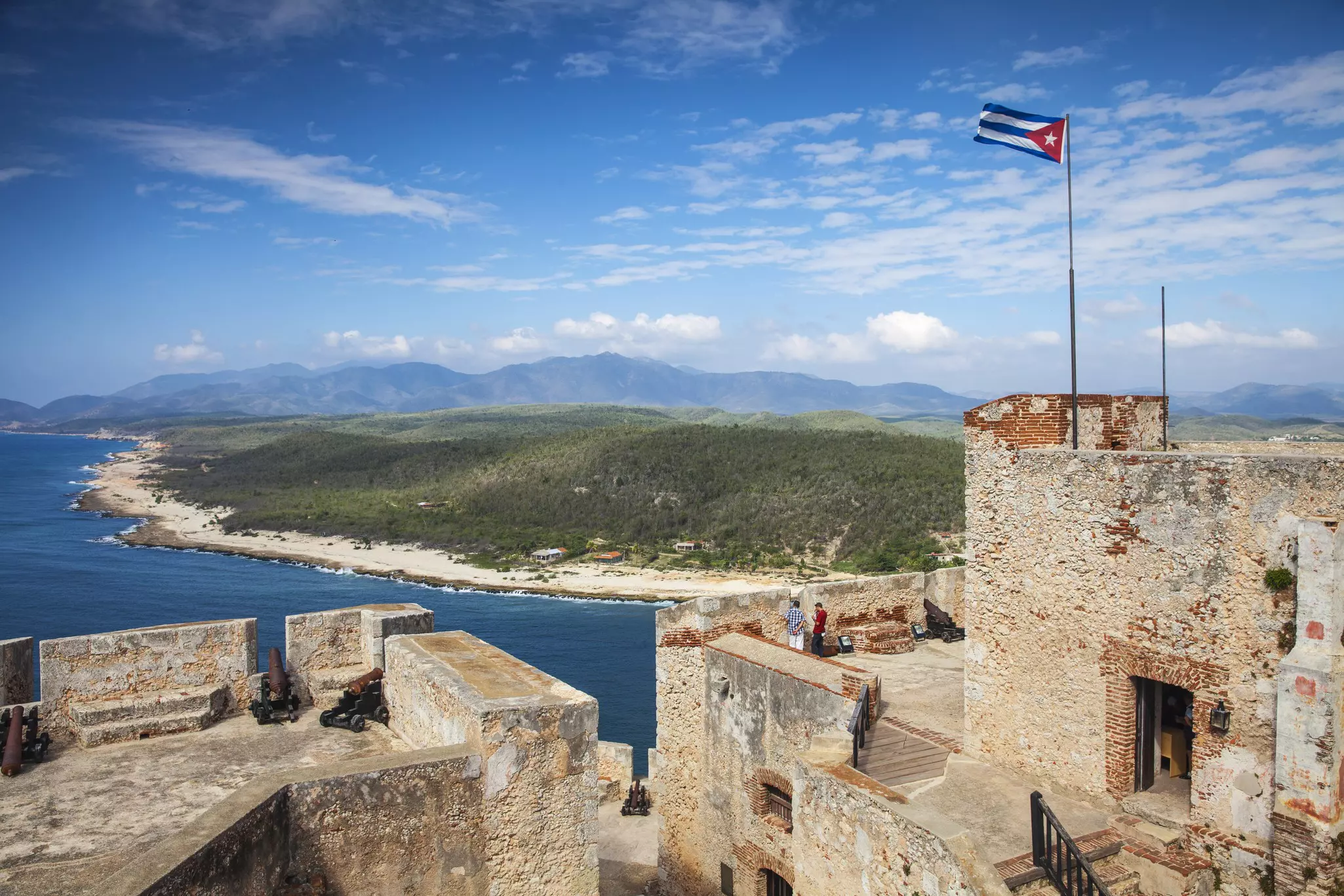
Yep, it’s all happening out east. Few travelers make it out to Baracoa and the eastern tip of Cuba, partly because the public transport to get there from Santiago de Cuba has been reduced and you need to spend more than a week there to really get the most out of it. But honestly, it’s truly worth it.
Get up early to see birds, orchids and endemic reptiles, such as the Baracoa giant anole and Ramsden's least gecko, and for a view of the tallest waterfall in the Caribbean.
Head into the Cuchillas del Toa mountains in a 4WD on a barely used rollercoaster highway – the Vía Mulata – edged with giant ferns. It’s so remote and unpeopled it’s like a journey into a lost world.
On the return journey, park above a coil of the River Quibijan for an idyllic trip into the pristine landscape and the chance to visit El Eden, the permaculture project. Trek down into the valley, cross the river by bamboo raft and tour the project with the family that run their own farm.
After a farm-to-fork lunch of fresh produce, dip into the gloriously isolated crystal-clear river. It’s just you, the rippling clear water, towering royal palms and a horizon of green – a true paradise.
Planning tip: Contact owner Ony in advance on +53 5953 8353.
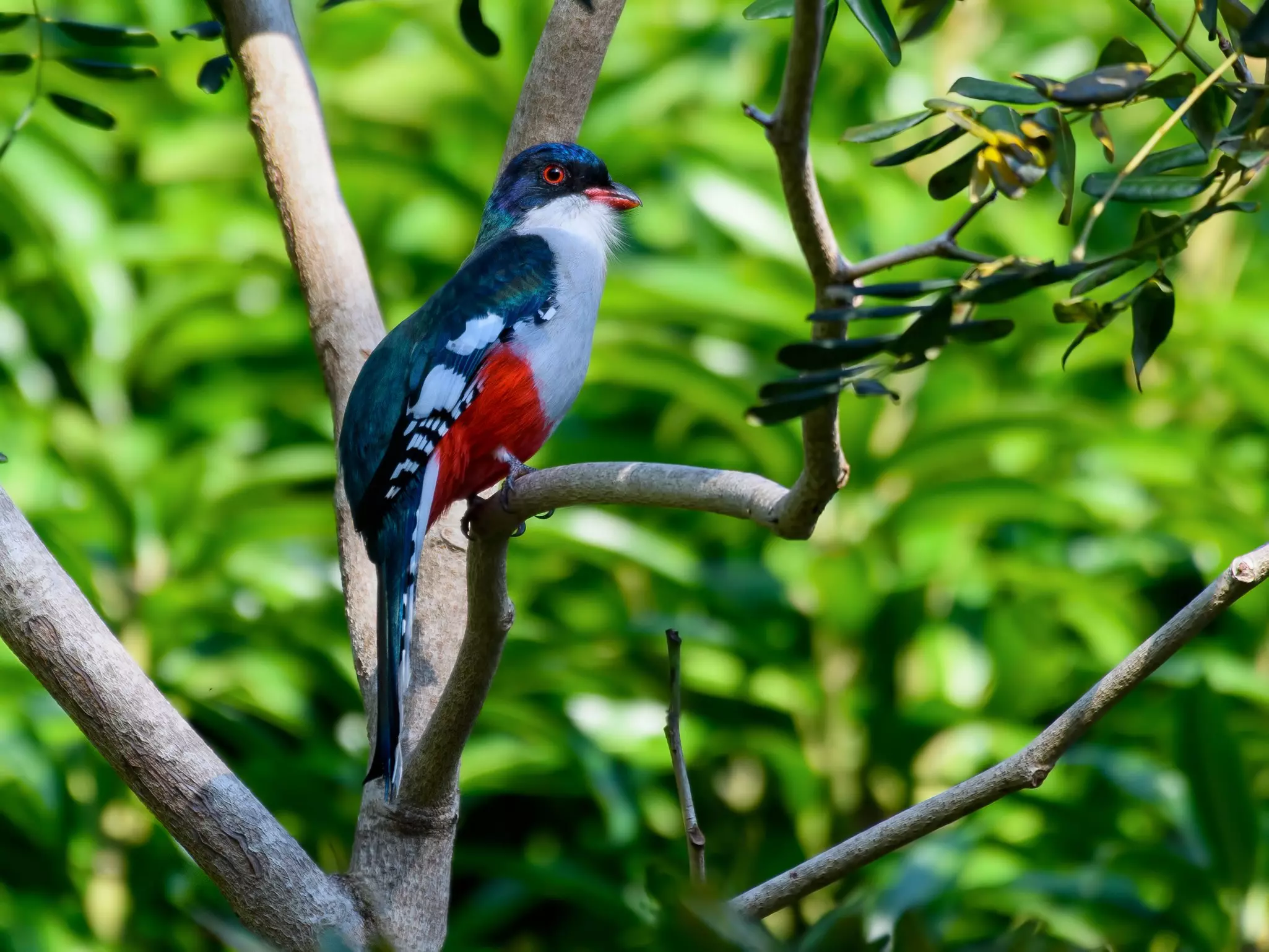
Cuba’s rugged mountains, biosphere reserves, forests, lakes, waterfalls and remote coastlines offer ample opportunity to spot unusual and endemic wildlife. You could be on the salt flats admiring flamingos and roseate spoonbills or in the tropical forests looking for the world’s smallest bird or most colorful snails. Much of Cuba’s wild areas are protected through a network of more than 250 parks and reserves, representing 20% of its land and water.
You can admire pink flamingos and roseate spoonbills at Las Salinas de Brito salt flats in the Zapata swamp. Marvel at the award-winning Polymita picta snail at a house at the Cañon de Yumurí. Bring your own binoculars to spot the world’s smallest flight of feather, the bee hummingbird, in the Parque Nacional Alejandro de Humboldt. To spy the colorful endemic Cuban trogon and Cuban tody, head to the Sierra del Rosario biosphere reserve. And for the chance to see endangered green marine turtles, visit Playa Tortuga on Cayo Largo.
Planning tip: Stay on trails in protected areas. Most reserves and parks have few facilities. Bring a water bottle with a filter, snacks and anything else you'll need.
Explore related stories