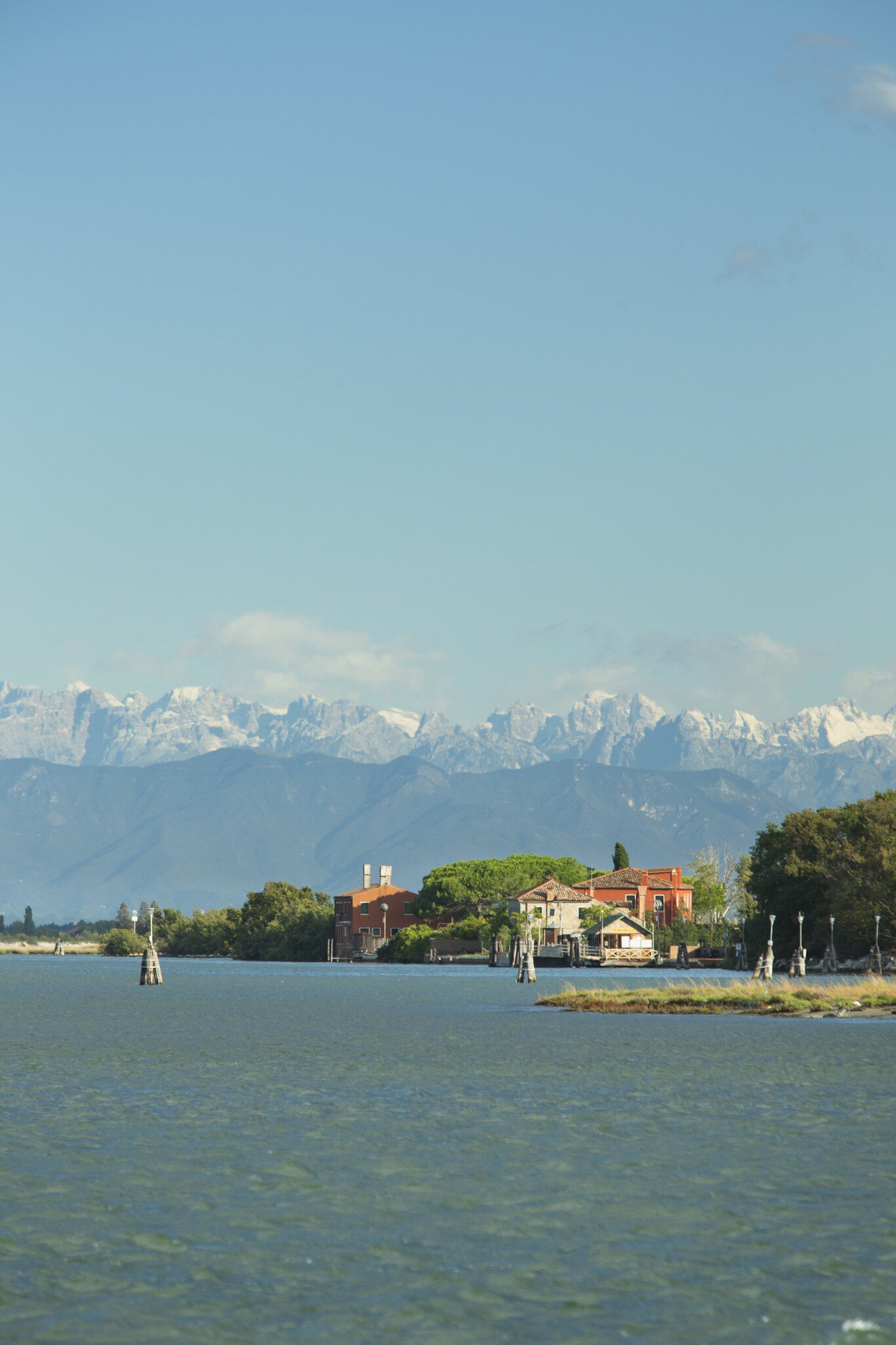
With its fields, wetlands and population barely in double digits, Torcello is one of the most tranquil islands in the entire lagoon.
Torcello was once the site of a major city of perhaps 20,000 people. The first lagoon island to have been settled, it was here that Venice began. A handful of evocative buildings survive to tell the fascinating tale.
Basilica of the Assumption of Mary
Torcello once had nine churches, two abbeys and its own bishop. The Byzantine-Romanesque Basilica di Santa Maria Assunta served as his cathedral.
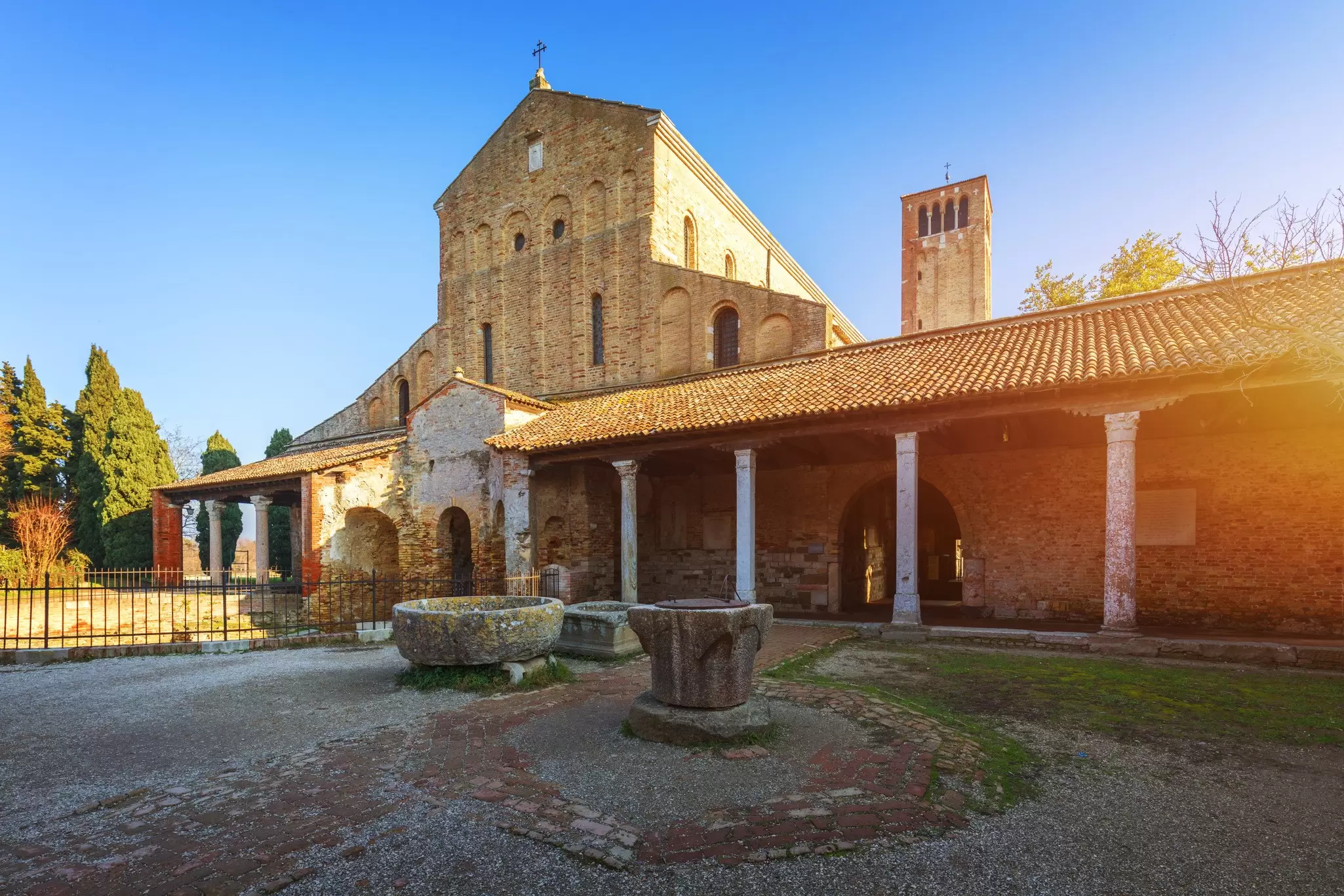
You’ll see the basilica's hulking brick outline from Burano and then watch as it looms into view as you take the 10-minute stroll along the canal from the Torcello vaporetto stop. All of Torcello’s main sights are clustered in its shadow, including St Fosca’s Church, which is connected to it by a colonnaded walkway. The ticket office is through the arch to the side of the basilica. Purchase a combo ticket and enter through the side door.
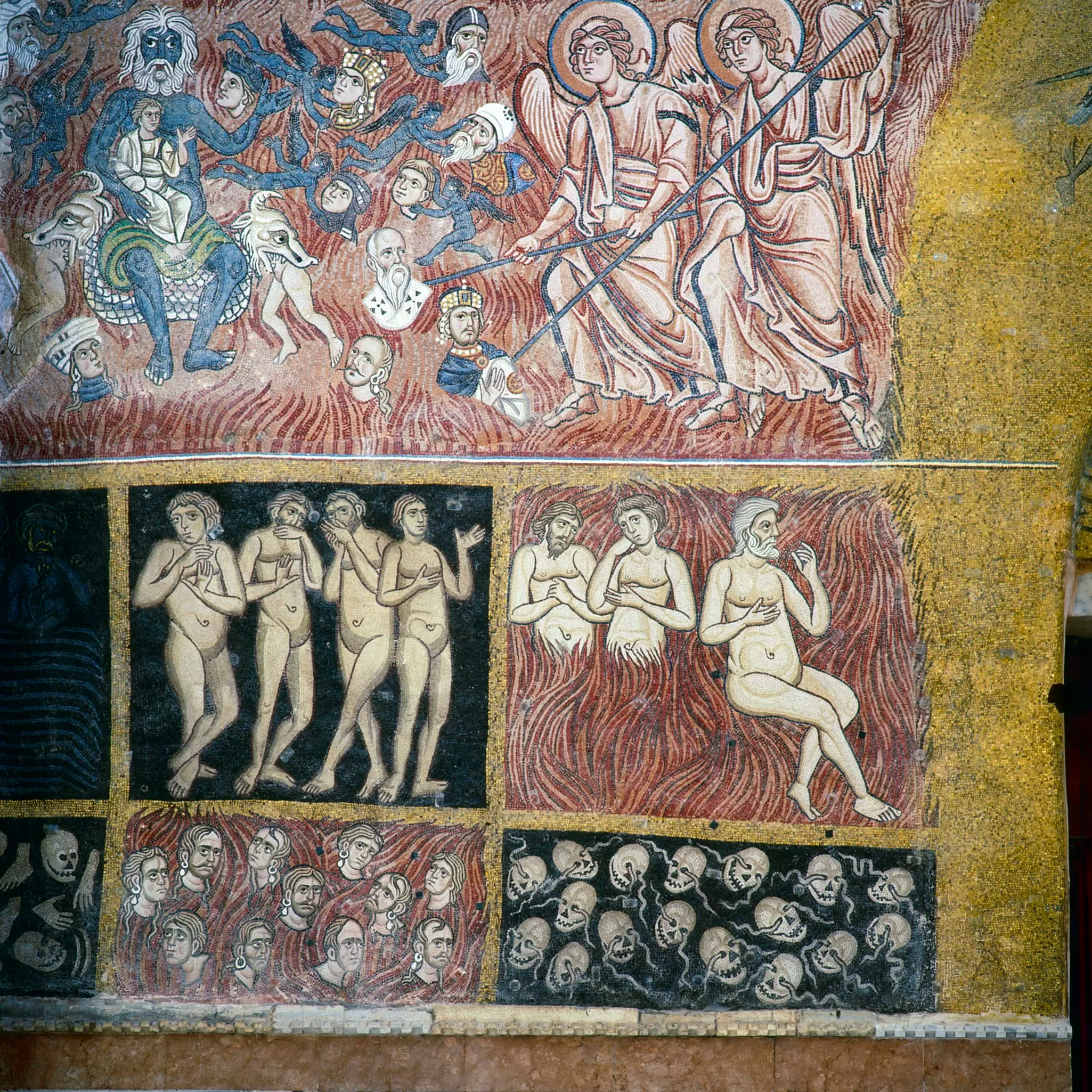
The oldest parts of the building date from 639, making it by far the oldest church on the lagoon. Its restrained brick exterior betrays no hint of the colorful scene that unfolds within. Astonishing mosaics glitter from the front and back walls, while the entire floor swirls with geometric mosaics formed from precious marbles sourced from all over the world. Before you get too overwhelmed, pick up your complimentary audio guide from the booth at the rear.
The commentary will steer you around the key features of the church and decode the meaning of the 12th-century mosaics. In the apse, the Madonna and Child hover in a golden haze above the Apostles, who stand on a field of Torcello poppies. The Last Judgment spreads along the entire rear wall, its six vivid layers descending from heaven to hell. Also of note is the gilded 15th-century iconostasis set above a marble screen teeming with peacocks, rabbits and more fanciful beasts.
Bell Tower
Head around the back of the basilica to reach its 11th-century campanile (admission €5), which, at 55m, is the most prominent landmark of the northern lagoon. There’s no lift, but it’s worth the climb for the view over the swampy islands, giving a fascinating insight into how Venice itself must once have looked.
St Fosca’s Church
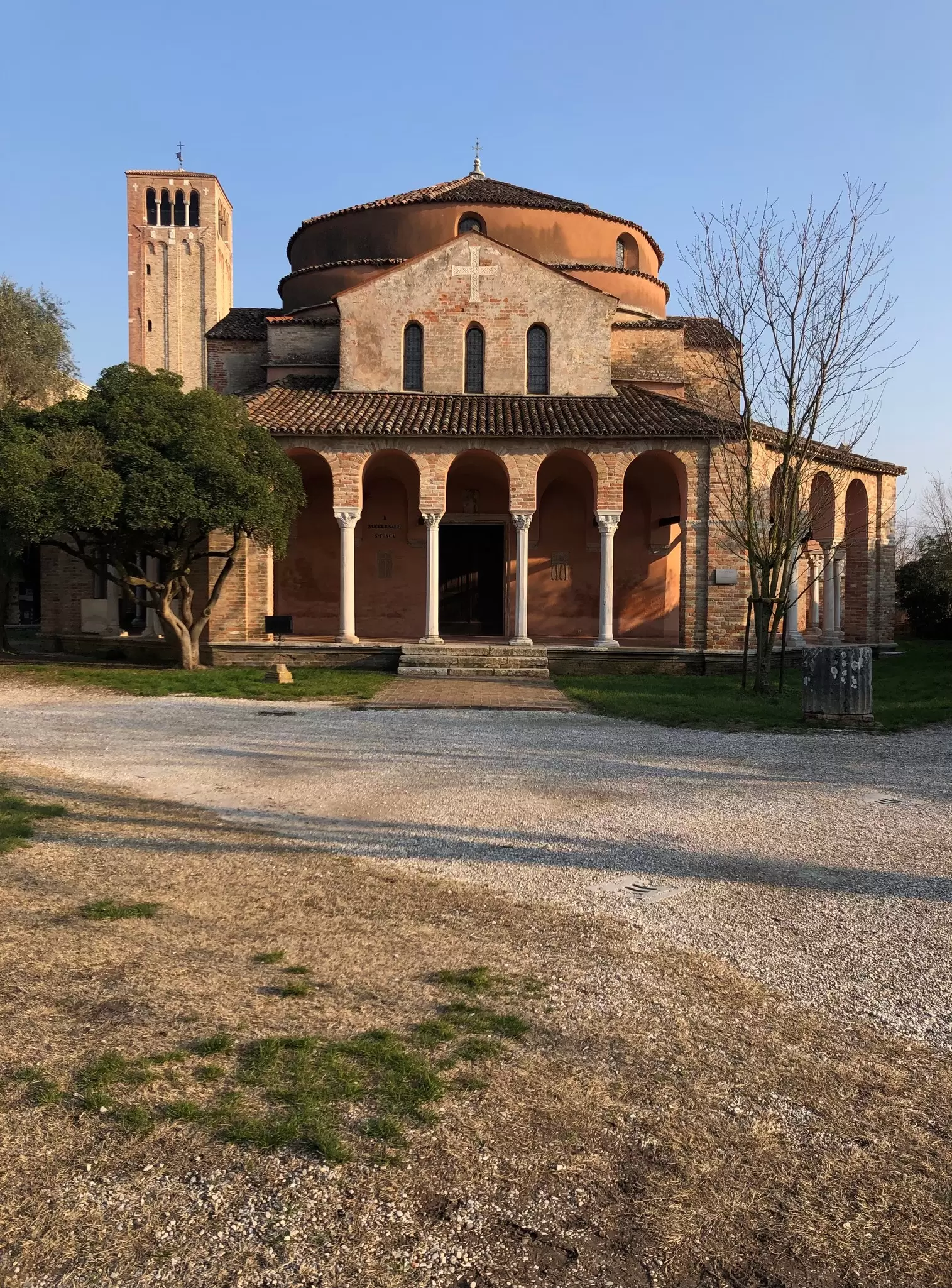
Opening hours are sporadic at the Chiesa di Santa Fosca, though admission is free. Dating from the 11th century, this interesting round church is relatively unadorned inside, with plain brick walls, a domed wooden roof and Corinthian columns in gray marble. The remains of 3rd-century child martyr St Fosca and her nurse, St Maura, are displayed beneath the altar.
Torcello Museum
Occupying two buildings across the square, the Museo di Torcello outlines the history of this ancient settlement. Start in the 13th-century Palazzo del Consiglio, which gathers together remnants from Torcello’s missing churches. More interesting, though, is the annexe above the neighboring building, which houses ancient Egyptian, Etruscan, Greek and Roman finds.
Attila’s Throne
Positioned in front of the museum, the 5th-century marble Trono d'Attila was said to have been used by Attila the Hun when his horde swept through the mainland. In fact, the Huns never reached Torcello, and the throne was probably the seat of a magistrate, used when administering justice.