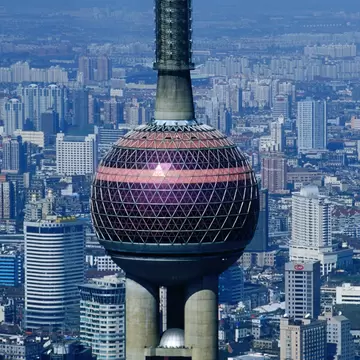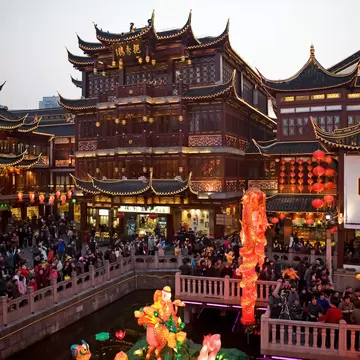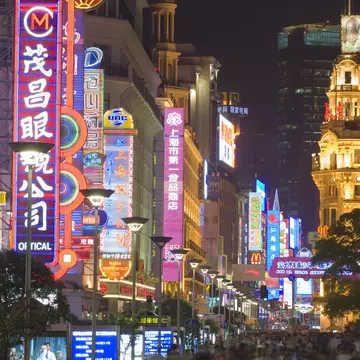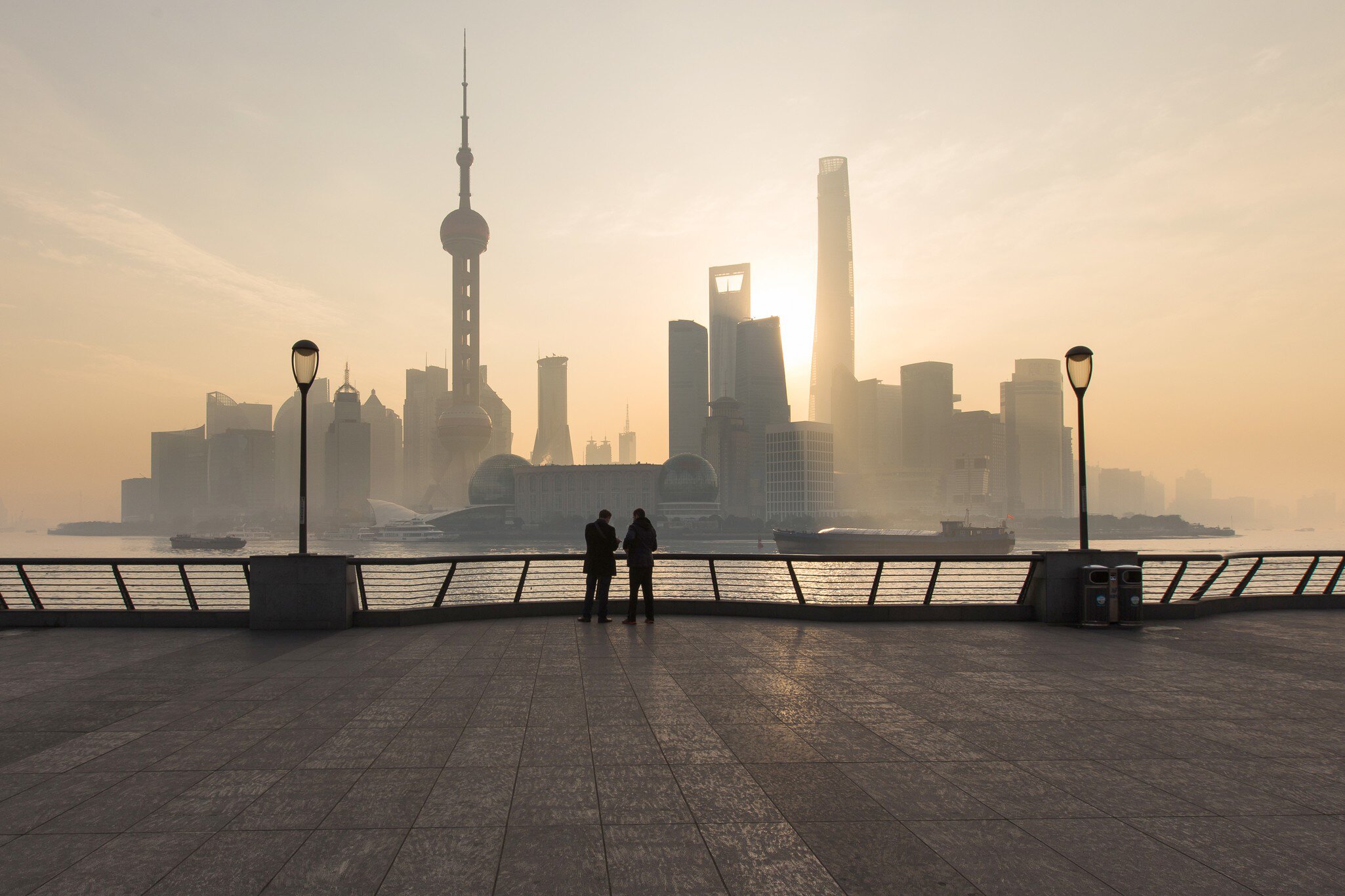
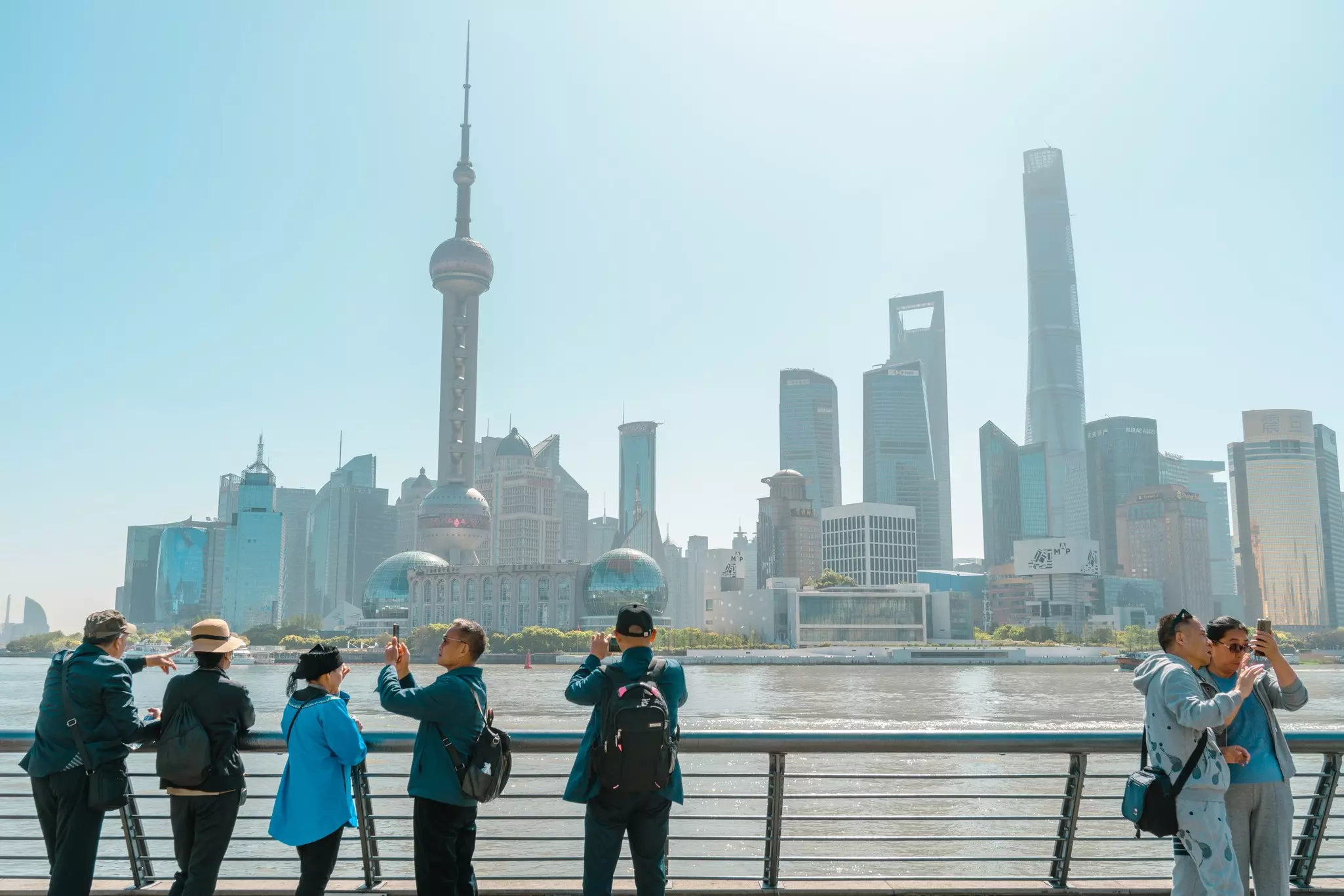
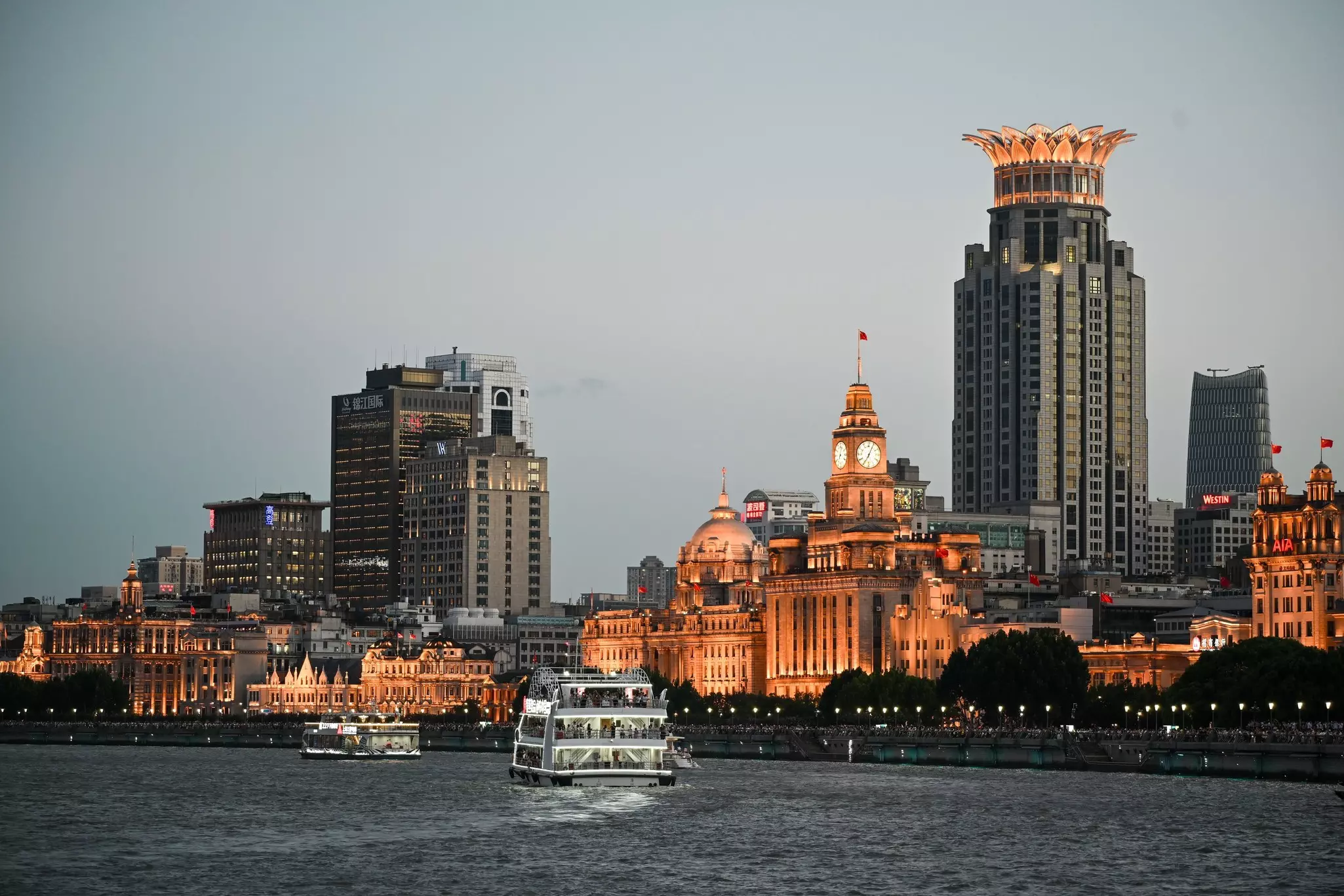
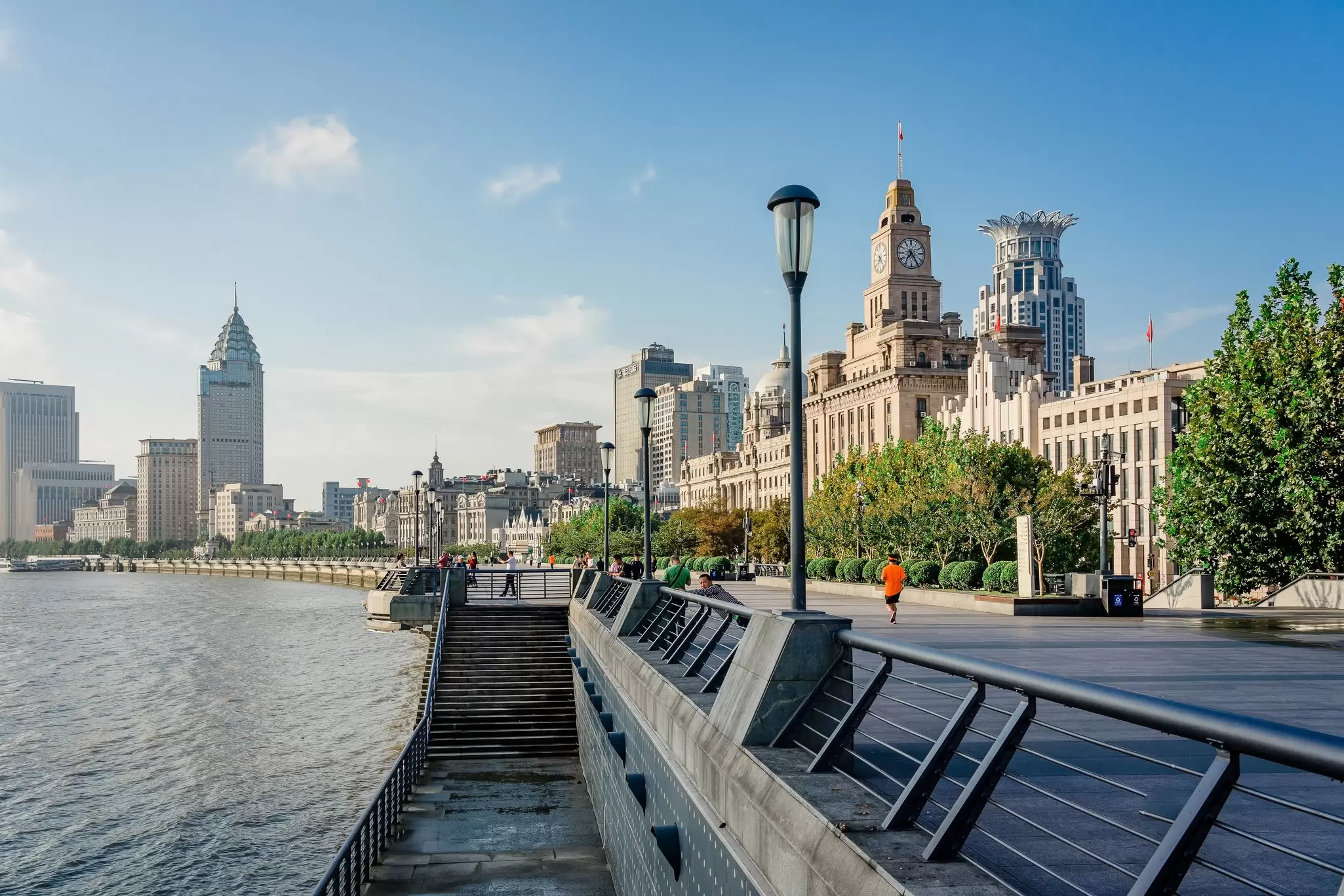
Covering a section along the Huangpu River from Yan'an Rd in the south to Waibaidu Bridge in the north, this 1.5km walkway is the city's most visited area, with spectacular scenes offering a glimpse into Shanghai's past, with imposing neoclassical, Gothic and Baroque facades juxtaposed with a glimpse into the future – towering modern skyscrapers and a seriously iconic view of Pudong.
Riverside Walkway
The Bund offers museums, history, art and some fabulous dining, but most visitors come to take an iconic picture. Photos of Pudong's skyline can be taken all the way along the promenade. Getting the Bund's buildings and Pudong in view is a trickier endeavor. Perspectives of both together are often better further south (try Char near Shanghai Old City) or climb higher to the terrace at Captain's Bar (37 Fuzhou Rd, 福州路37号6楼), or to one of the four Michelin-star restaurants at Three on the Bund.
Former Opium Trader's Head Office
No 27 on the Bund, now the super-elite member's club House of Roosevelt, was the headquarters of former opium-trafficking company Jardine Matheson, who smuggled opium from British-controlled India into British-controlled China. They also traded in tea and silk and were the first foreign company to build on the Bund, in 1851.
Bank of China
Hard to miss, the Bank of China Building (at No 23), built on the site of the old German Club, is guarded by a magnificent pair of stone lions. Established in 1897, the bank relocated its headquarters from Beijing to Shanghai in the 1920s to capitalize on the roaring port trade. Although no longer the headquarters, the Bank of China has been here since 1923. A reconstruction was planned in 1935, for the building to be an art deco goliath standing 34 stories tall, until Victor Sassoon (who owned the next-door Cathay Hotel) protested, and it was built slightly shorter than his property, standing at 33 stories high. The Sino-Japanese War interrupted construction and it finally opened in 1942.
Fairmont Peace Hotel
Next to the Bank of China building, the completely renovated Fairmont Peace Hotel (entrance at 20 East Nanjing Rd), formerly the Cathay Hotel, with its distinctive green roof, is the epitome of 1930s art deco Shanghai. One of the first skyscrapers in Asia (83m high to the spire), it has hosted various famous people over the years, from Sun Yatsen and Charlie Chaplin to playwright Noël Coward, who wrote his comedy Private Lives in one of the suites. In 2010 it was restored to its former grandeur, including many original features, with a grand lobby, original lift, stained-glass skylight, wooden stairways, cast-iron moldings, antiques throughout, and a small museum with fascinating original artifacts and historic photos of the hotel and its esteemed guests. Don't leave without taking afternoon tea or enjoying a cocktail with some music from the 1930s-style Old Jazz Band in the bar.
Custom House
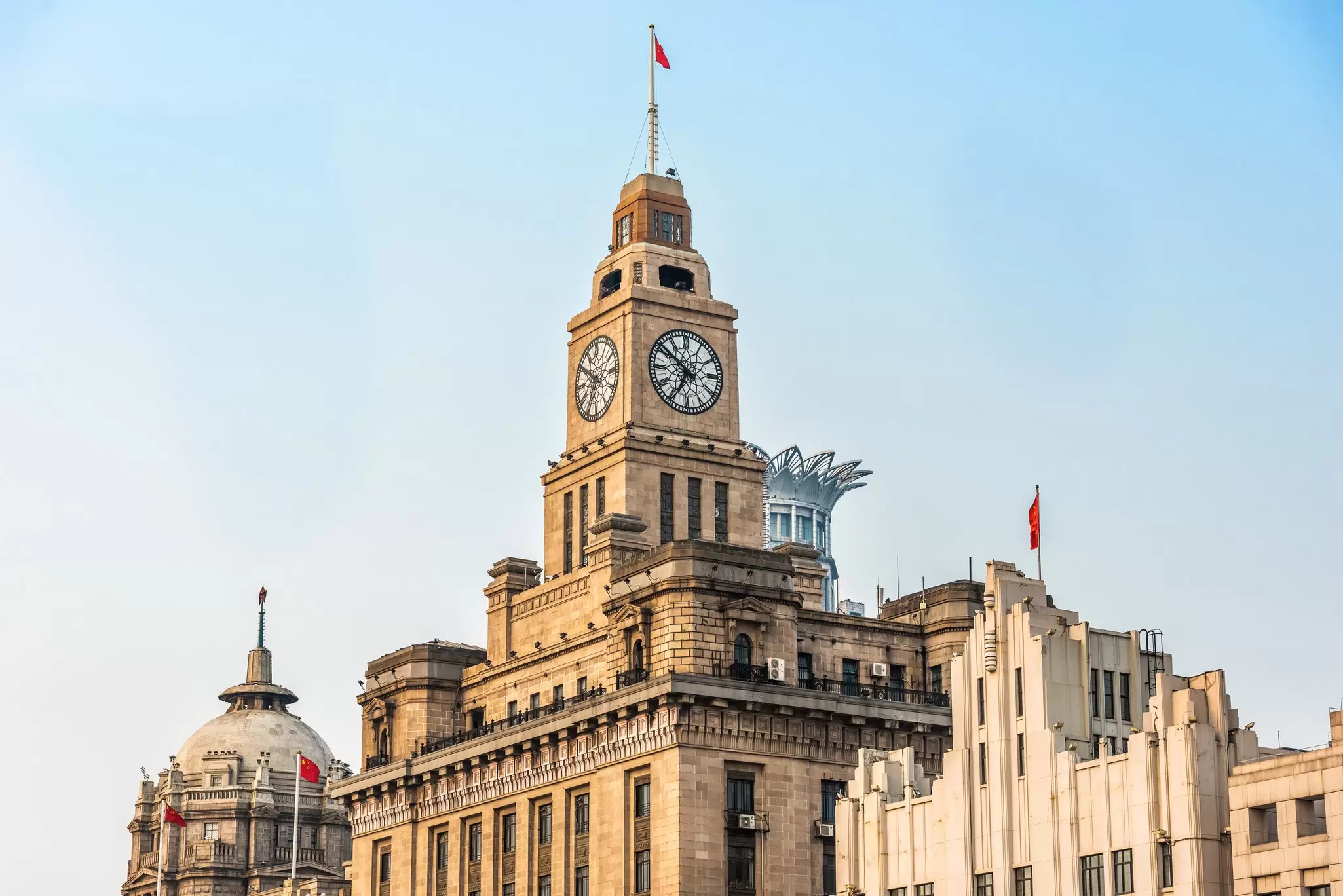
One of the most important buildings on the Bund (at No 13), Custom House was where all imports and exports came through in the roaring days of Shanghai's port. It was established at this site in 1857 and rebuilt in 1927; its grand columned facade is topped with a clocktower modeled on Big Ben in London, with four clock faces each 5.3m wide and made up of 100 pieces of glass, illuminated by 72 automatic lamps.