You’ll swear the paint is still fresh on the 50 action-packed Tintorettos completed between 1575 and 1587 for this confraternity meeting house, dedicated to St Roch, the patron of the plague-stricken.
While the 1575–77 plague claimed one-third of Venice's residents, Tintoretto painted nail-biting scenes of looming despair and last-minute redemption, illuminating a survivor's struggle with breathtaking urgency.
Sala Terrena
Although painted last, between 1581 and 1588, Tintoretto's paintings on the ground floor are an opener to the New and Old Testament schema and Passion cycle upstairs. They depict Christ’s early life – for example, the Adoration of the Magi, the Flight into Egypt and the Massacre of the Innocents. The latter is particularly harrowing, infusing this gruesome subject with all the horror of the plague years.
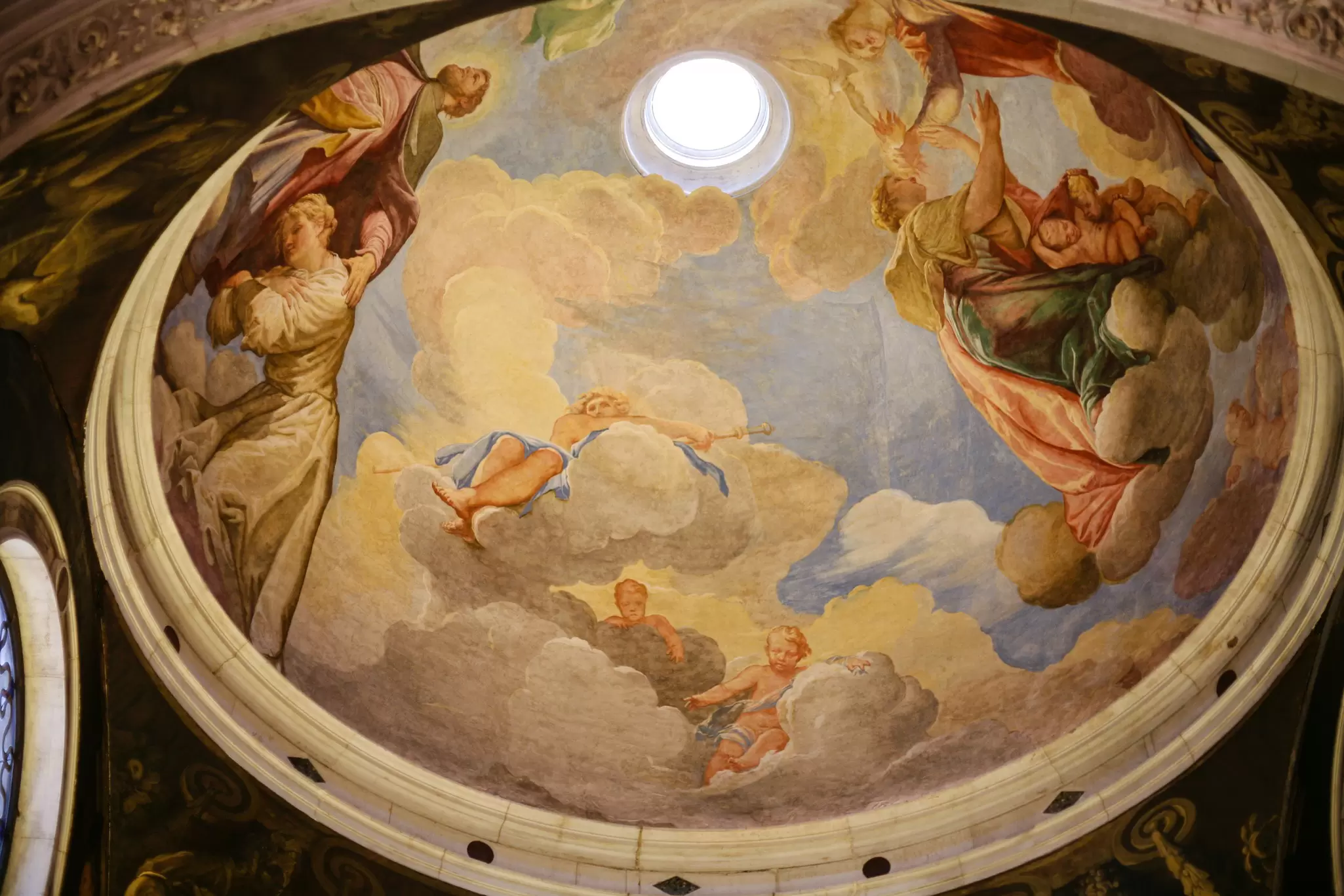
The master's works are cleverly adapted to the architecture. In the Annunciation, for instance, Gabriel swoops into Mary’s room past a crumbling Roman column, mirroring one in the hall, while the red-and-white floor tiles match those you’re standing on. Compare the dynamism of this scene (a hallmark of Tintoretto’s furious style) with Titian’s zen-like Annunciation on the landing of the monumental staircase as you head upstairs. By focusing his talents on dynamic lines instead of Titianesque color, Tintoretto created a shockingly modern, moving parable for epidemics through the ages.
Scarpagnino Staircase
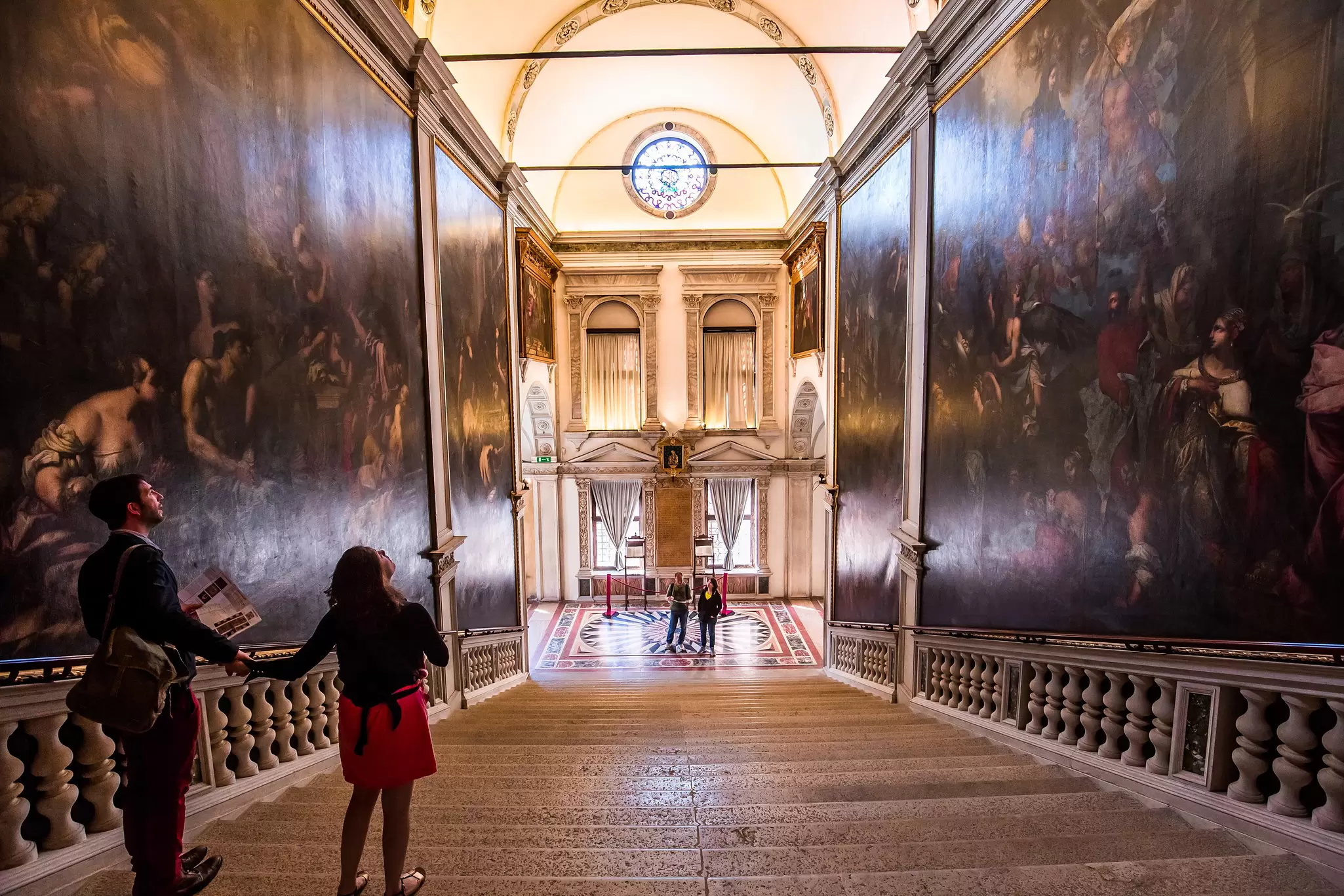
Ascending this epic stone staircase is like running the gauntlet through a circle of hell, thanks to Antonio Zanchi’s rendering of the Virgin Appearing to the Plague Victims (1666). His gigantic figures dominate the wall in horrifying scenes of the 1630–31 plague. The disturbingly foreshortened corpse of a woman and child covered in bulbous sores protrude from the gloom, above which stands a burly pizzigamorto (body collector) ready to ferry them to a mass grave. Bodies lie piled up behind them, creating an atmosphere of pestilence in the confined quarters. Venice lost 33% of its population in this plague, and these operatic paintings provide a lesson in the power of St Roch's cult in the post-plague city.
Sala Capitolare
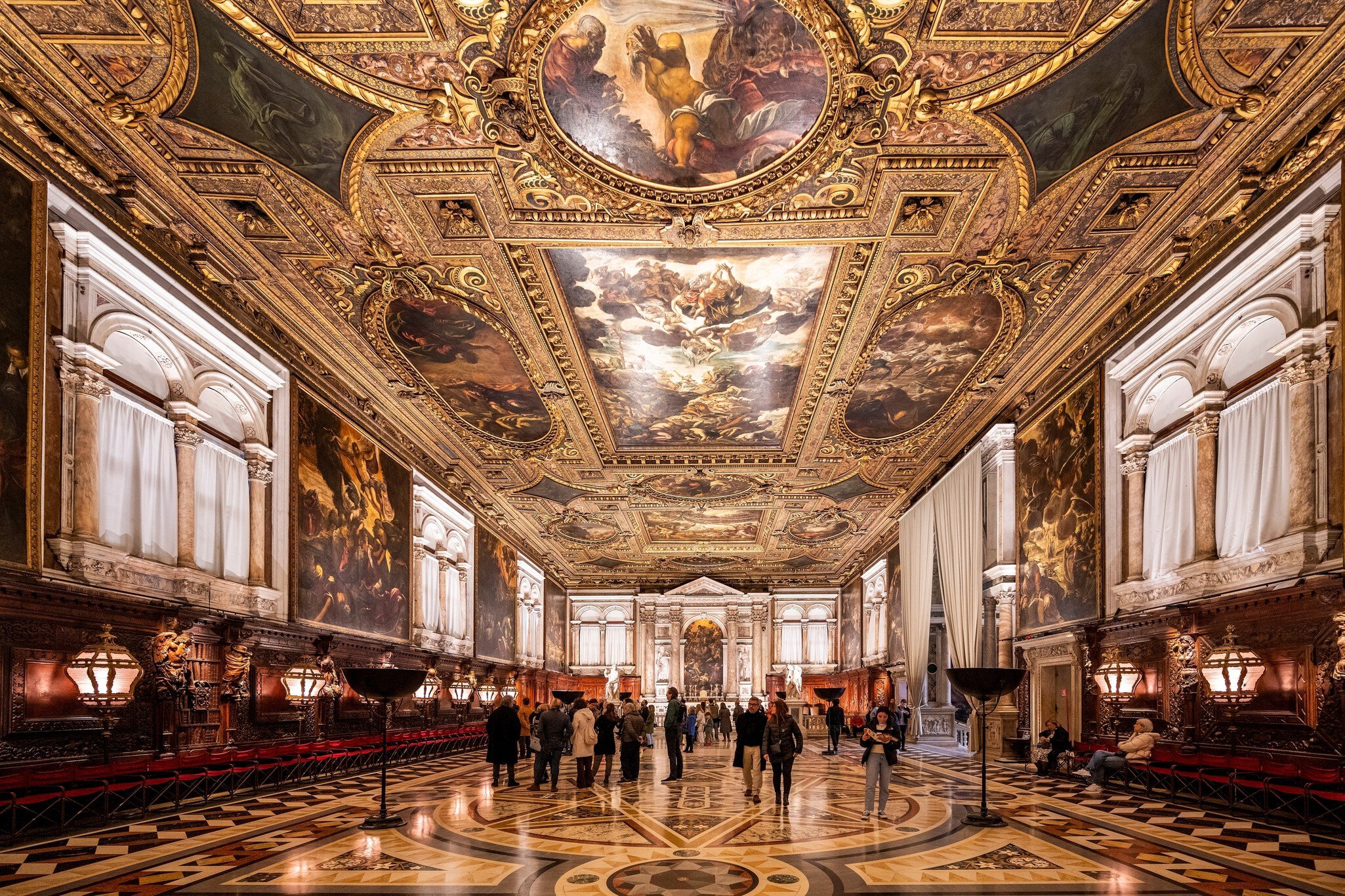
The Scarpagnino Staircase leads up to the Chapter Hall, where you may be seized with a powerful instinct to duck, given all the action in the Old Testament ceiling scenes – you can almost hear the swoop overhead as a winged angel dives to nourish the ailing prophet in Elijah Fed by an Angel.
The vast hall is quite overwhelming, with a sea of gleaming inlaid marble underfoot and ornate gilt plasterwork edging the ceiling panels. It's little wonder that it's been called Venice's Sistine Chapel. The 21 ceiling panels transmit messages of healing and divine charity – the confraternity's core mission. A highlight is the Brazen Serpent with its column of dead and dying Israelites tumbling earthwards.
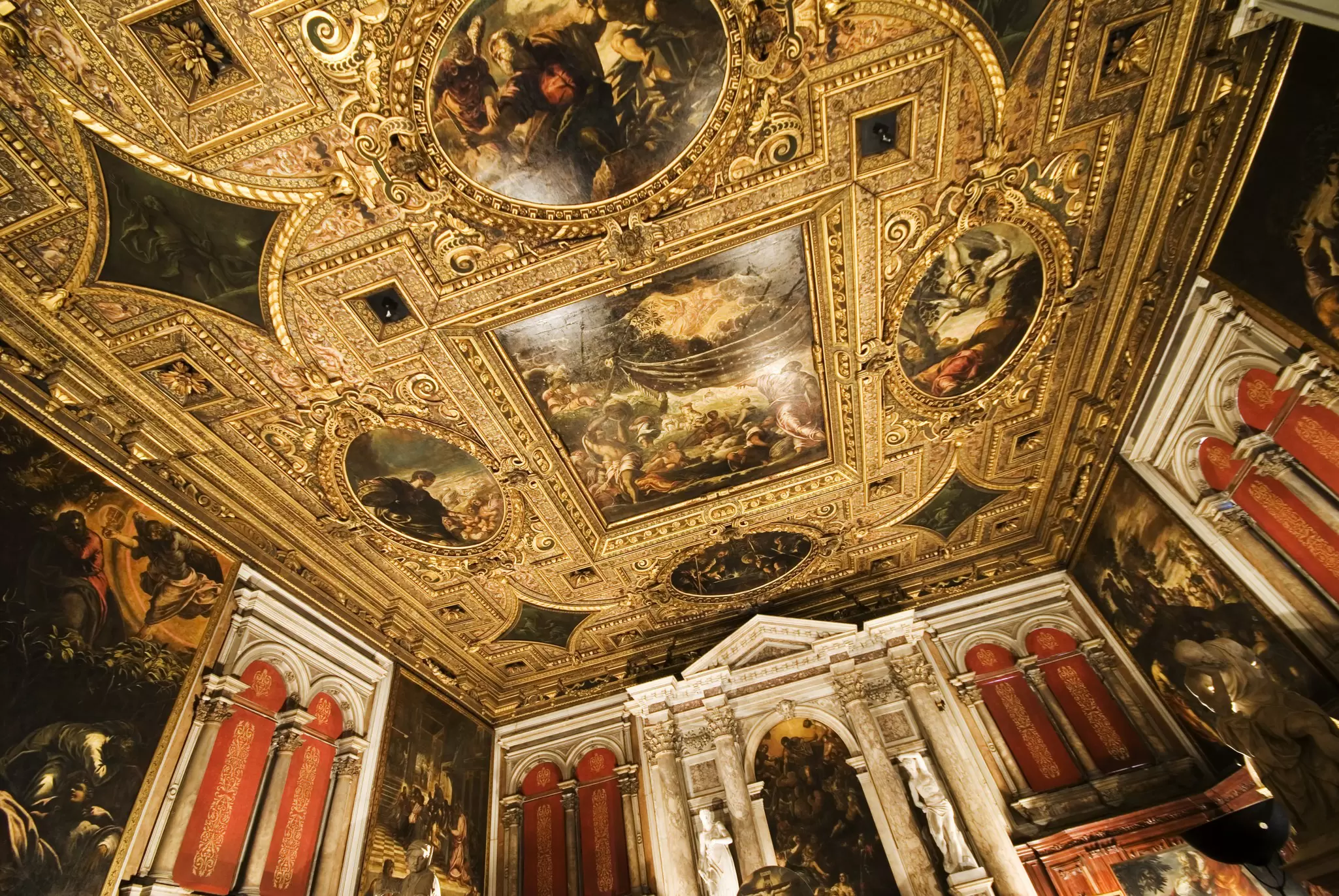
Around the perimeter, New Testament stories – which are not in chronological order – read like a galloping graphic novel. Christ’s humanity shines most notably in Agony in the Garden, where Jesus faces his fate against a black X-shaped void in which Tintoretto planted the seeds of modern expressionism.
An image of the artist himself, paintbrushes in tow, is captured in Francesco Pianta’s 17th-century wooden sculpture. Among Pianta’s esoteric carvings of allegorical figures is The Spy, looking uncannily like a highwayman. The most valuable artwork in the scuola, however, is Giorgione’s miracle-working Christ Carrying the Cross. Set on an easel, its 16th-century fame raked in the donations that funded the building's construction.
Sala dell’Albergo
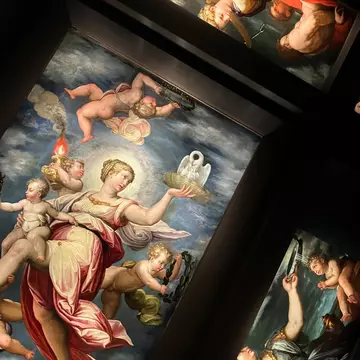
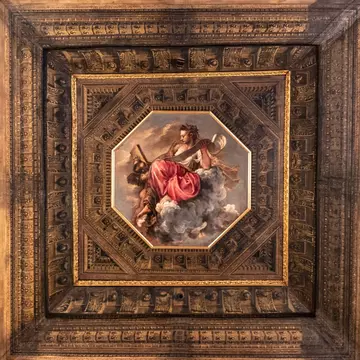
Everyone wanted the commission to paint this building, so Tintoretto cheated: instead of producing sketches like rival Veronese, he gifted a splendid ceiling panel of St Roch, knowing it couldn't be refused, or matched by other artists. Tintoretto's St Roch in Glory crowns the Sala dell'Albergo, where the scuola's governors once met. The saint is surrounded by representations of the four seasons and the saving graces of Felicity, Generosity, Faith and Hope. Feeble Hope is propped up on one elbow – still reeling from the tragedy of the Black Death, but miraculously alive.
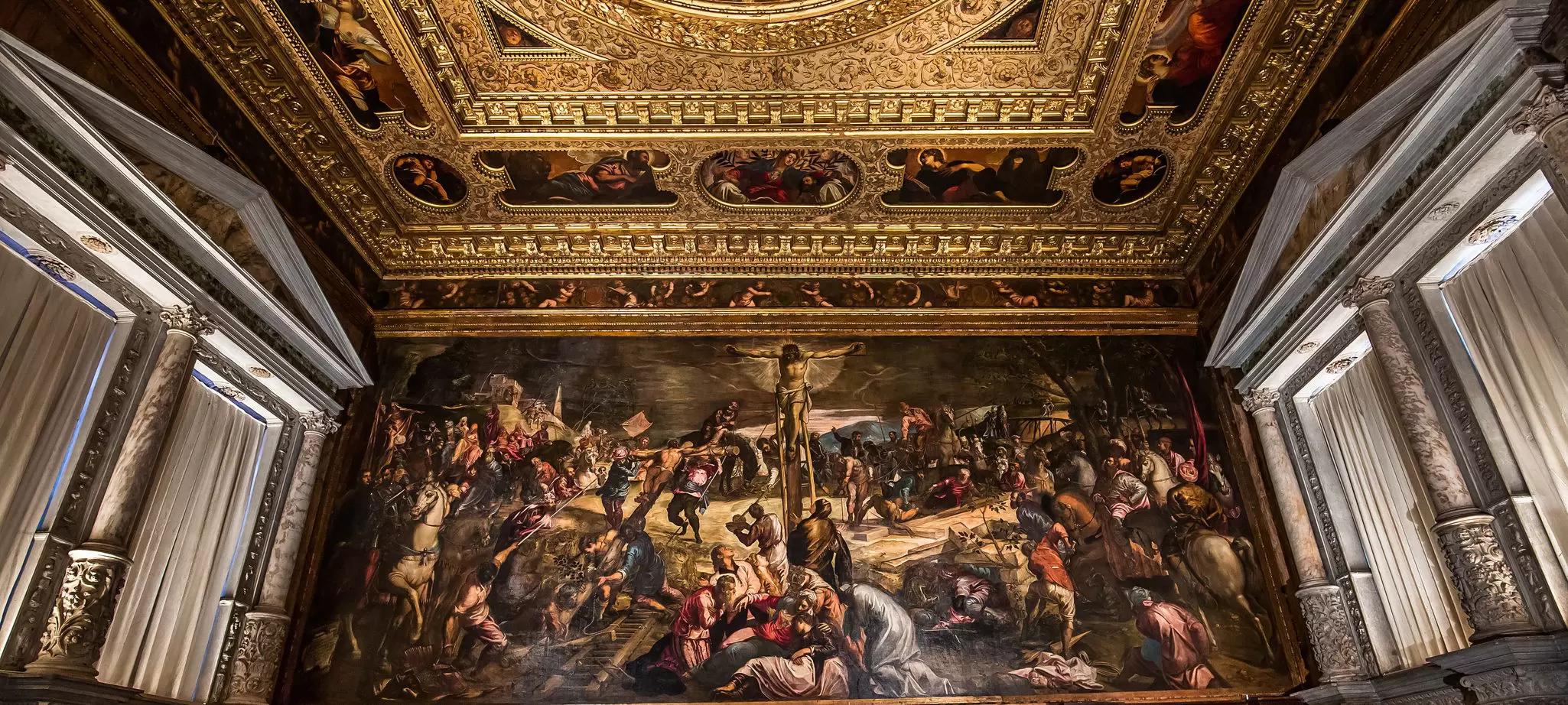
This uplifting scene rises above the turmoil of the wall panels that illustrate Christ's Passion, culminating in Tintoretto’s vast, newly restored Crucifixion on the rear wall. Artist John Ruskin described the work as "beyond all analysis and above all praise." It's classic Tintoretto: gigantic, ferociously painted and hallucinatory in its ability to combine the otherworldly with everyday life. Christ’s divinity shines like a beacon above a crowd of onlookers, provocatively depicting Venetians (Girolamo Rota, the chief official of the scuola, rides the white horse), suggesting the dark world they inhabit extends to the present. It's a masterclass in naturalism, spatial composition and heightened chiaroscuro, stylistic traits that have influenced artists as diverse as Velázquez, Rembrandt, El Greco, Manet, Pollock and Anselm Kiefer.
Through a side door in the Sala Capitolare, head past the framed Tiepolo paintings and climb the stairs to the Treasury. Its treasures include an enchanting candlestick made from a branch of coral.
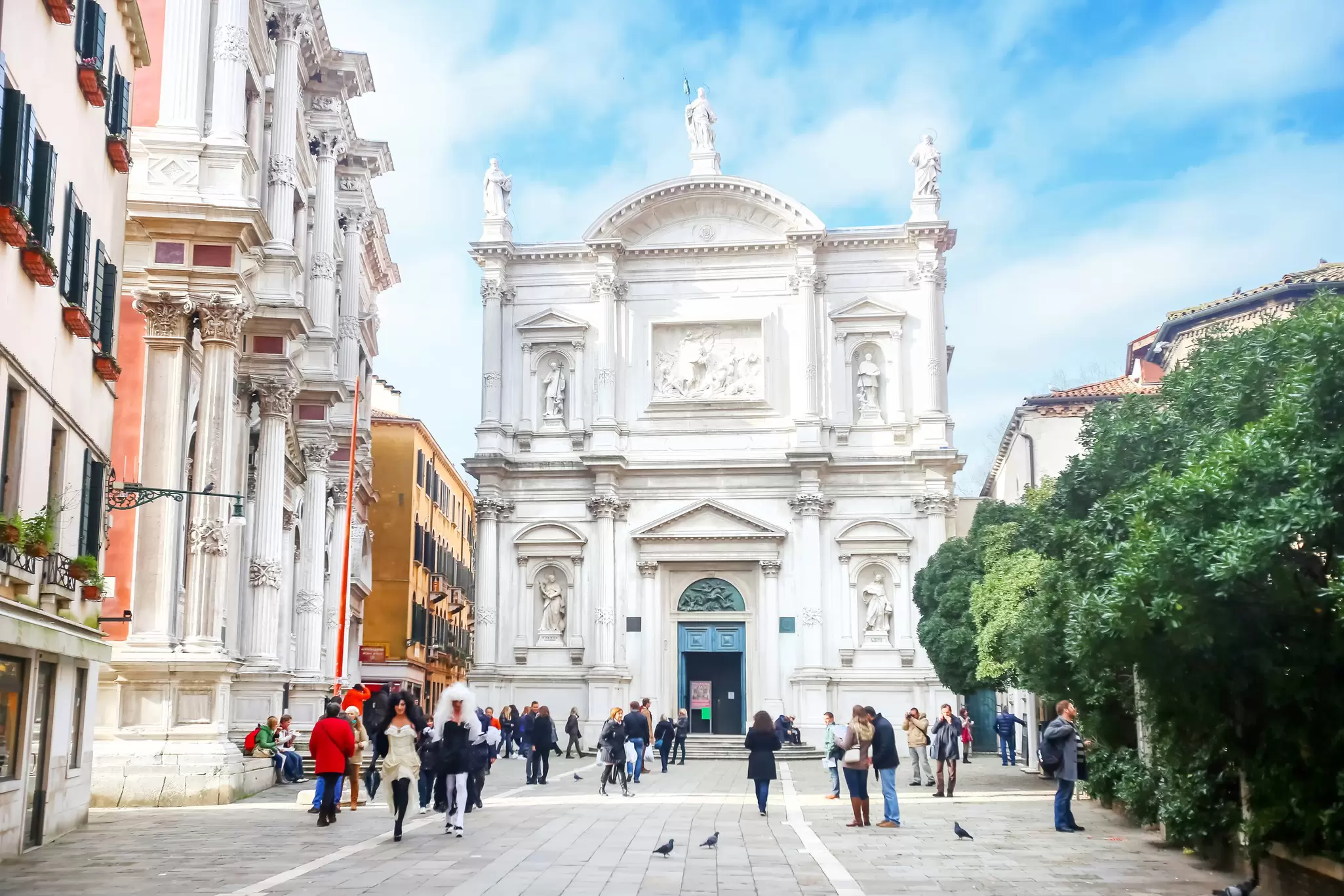
Chiesa di San Rocco
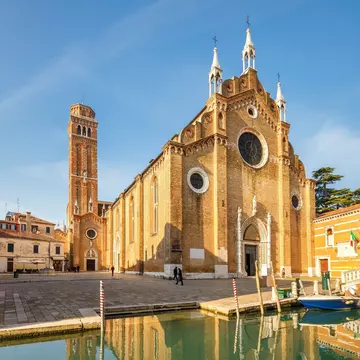
After touring the scuola, you might need a moment to regain the sensation in your ocular nerves inside its church. Here, you’ll find a couple of tamer Tintoretto works, including San Rocco Healing the Animals. The church was built by Bartolomeo Bon between 1489 and 1508, but once Tintoretto started on the painting cycle in the scuola, Bon’s church was downgraded to next-best status. That said, Roch’s saintly remains rest here in a casket above the altar.