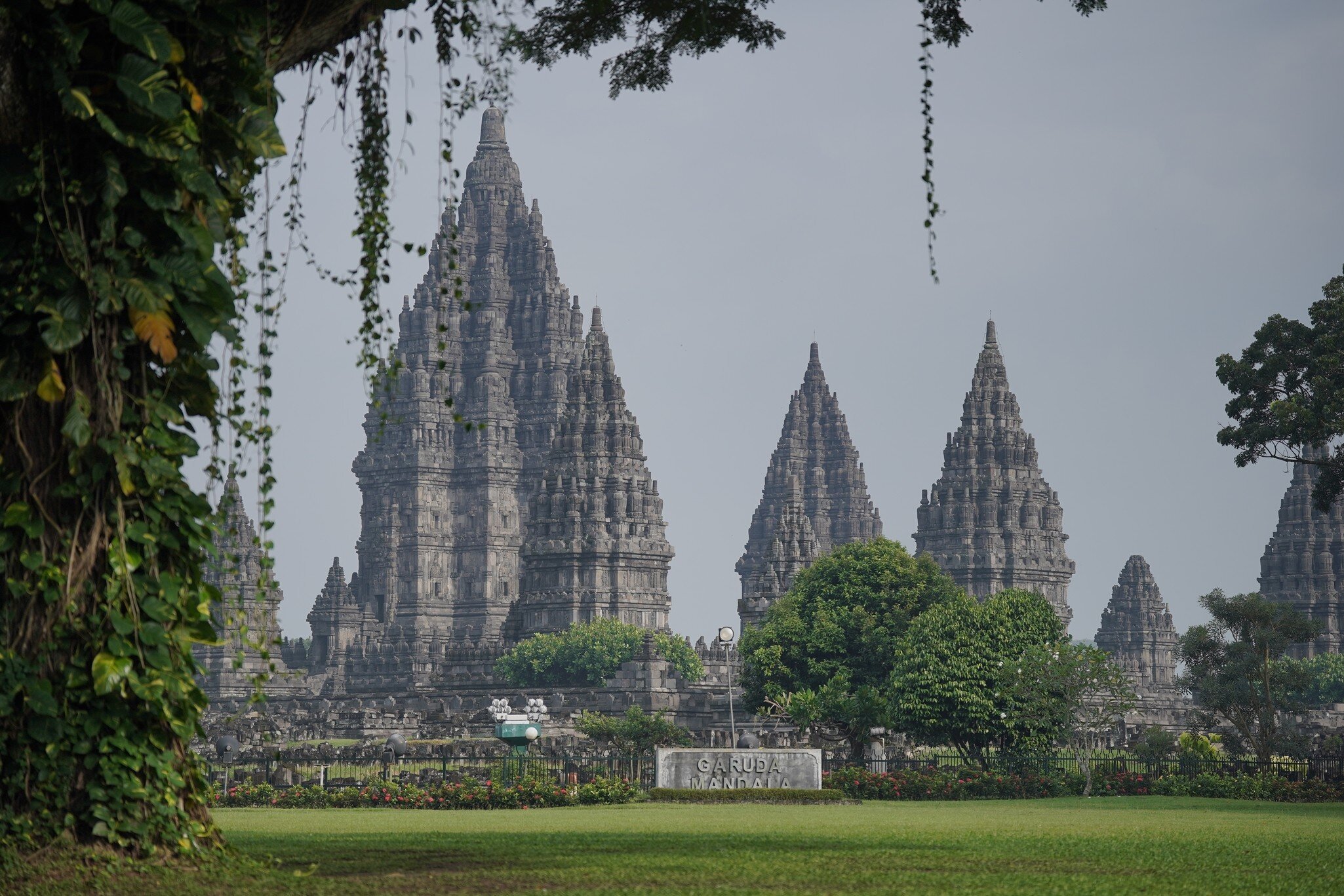
Prambanan, Indonesia’s largest and most impressive Hindu temple complex, is an astounding place to visit. It was constructed in the 9th century and comprises 240 temples in total. The three main temples, dedicated to the gods Brahma, Vishnu and Shiva, tower as high as 47m and are adorned with beautifully detailed bas-reliefs of the Hindu epics Ramayana and Bhagavata Purana.
Northeast of Yogyakarta, Indonesia’s ancient capital of art and culture, the most significant Hindu site on Java rises dramatically from a flat plain: the hundreds of temples that compose the Prambanan Temple Complex. These sacred structures range from tiny toppled shrines to mighty carving-covered towers that rise over 40m into the sky. Prambanan is the second-largest Hindu temple complex in Southeast Asia after Cambodia’s Angkor Wat – and an undisputed highlight of the island of Java. It’s often visited on a day trip from Yogyakarta along with nearby Borobudur.
Constructed in the 9th century CE (and restored in the 20th), three temples – devoted to Brahma, Vishnu and Shiva, the Trimurti (triad) of Hindu deities respectively responsible for creating, preserving and destroying the universe – form the centerpiece of a vast religious complex sprawling across 40 hectares (99 acres) of green parkland. The site offers a window into Indonesia’s layered past, when Hindu, Buddhist and Islamic kingdoms jostled for power, both against each other and against the forces of nature. Earthquakes toppled many of the temples in olden times, before the key structures were restored by archaeologists in the modern times.
From the essential temples to explore to the best times to visit, here’s everything you need to know about Indonesia’s Prambanan Temple Complex.
What’s the History of Prambanan?
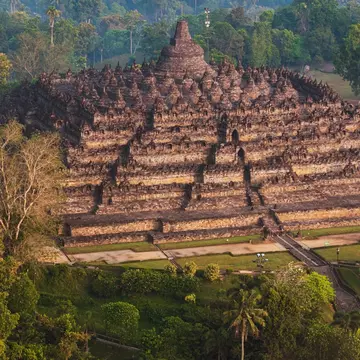
Construction of the Prambanan Temples was most likely initiated in the 9th century by Rakai Pikatan, leader of the Hindu Mataram kingdom, and completed by his successor Lokapala. Many historians believe the temple was built as a statement of Hindu power, a response in stone to the construction of the Buddhist complex at Borobudur by the rival Sailendra dynasty some 50 years earlier.
But local legend has it that the complex was constructed by Prince Bandung Bondowoso, who fell in love with Princess Rara Jonggrang. The princess rejected his marriage proposal, and set him the impossible task of building 1000 temples in one night before she would agree. Thus he created the Prambanan complex overnight – with, helpfully, the assistance of demons conjured from the earth. The princess, aware of the feat, played a trick on him: she stopped him from completing his task by getting the roosters to crow early, heralding in sunrise. In anger he turned her to stone – and visitors can now see her, frozen for eternity in the image of Durga, in the north cell of the Shiva Temple.
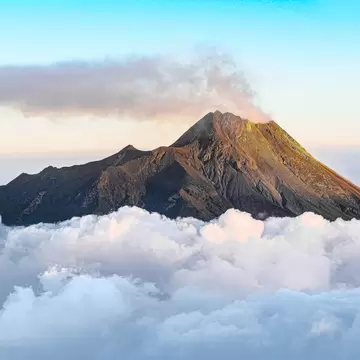
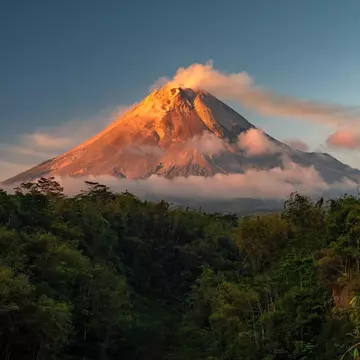
The creation of Prambanan marked a key shift in belief in the Mataram kingdom, which turned from Mahayana Buddhism to Shaivite Hinduism before Islam rose to prominence across Java. Both Borobudur and Prambanan were abandoned in the 10th century (perhaps due to eruptions of Mt Merapi), and Mataram became a powerful Muslim sultanate before falling to the Dutch in the 1740s.
It was the Dutch who took the first steps to restore Prambanan’s temples, which had been toppled by severe earthquakes in the 16th century. The site was cleared of vegetation in 1805, with half-hearted excavation attempts following in the 1880s. The temple towers were at last reassembled, painstakingly, between 1913 and 1953.
When Should I Go to Prambanan?
The Prambanan Temple Complex is open from 6:30am to 5pm daily except Monday. Try to arrive the site at opening time, so you can enjoy a more contemplative experience before the tour groups arrive. If you get here with your own transport, you can enter the complex as the gates open; it's easy to arrange a rental scooter, taxi or chartered car and driver in Yogyakarta. You can also get here from Yogyakarta on bus 1A.
The late afternoon, just before closing time, is also a good time to visit, as the pre-sunset light bathes Prambanan in a warm glow (just be sure to enter before the ticket desk closes at 5pm). Try to avoid the middle of the day, when temperatures can feel uncomfortably hot. With Indonesia’s monsoon-influenced climate, the best season to visit is from May to October, the driest time of year.
How Much Time Should I Spend at Prambanan?
Allow at least half a day to explore, and longer if you plan to check out the outlying ruins beyond the main Shiva, Vishnu and Brahma Temples; there’s plenty to see if you’re a committed temple fan. The site is well signposted and not overly complicated to navigate. Still, since the ruins are spread out and it takes time to reach the outlying temples, hire a local guide inside the main entrance to get the most out of the experience.
As well as knowing all the history, a guide will add real value to your visit, taking you to places that you cannot go without one. Guides also know the best spots and angles for photos, plus shortcuts between the temples and ruins – information that’s worth its weight in gold on a hot, humid day.
How Much Do Prambanan Tickets Cost?
Tour agencies usually arrange tickets as part of day tours from Yogyakarta, though it is easy to buy tickets on arrival at the complex. The standard ticket costs the equivalent of US$25 for foreign adult visitors, with discounts for children under 10 years.
You can also buy combination tickets covering Prambanan and Borobudur, or Prambanan and Kraton Ratu Boko, a ruined palace complex about 3km from the site (a shuttle bus is included in the price).
What Should I Eat and Drink at Prambanan?
If you plan to visit over lunchtime, one option is to bring a picnic lunch of fresh fruit and portable Indonesian snacks such as nasi lemak (coconut rice and sundries, packed inside banana leaves) or lemper (steamed, stuffed sticky rice rolls). As always in hot places, bring plenty of water.
Alternatively – or additionally – you can enjoy a more substantial meal at one of the many restaurants near the ruins once you’ve finished exploring the temples. For homestyle Indonesian cooking, head north of the ruins to Wedang Kopi Prambanan or Kali Opak Resto. For a posher meal with a view, try Rama Shinta Garden Resto immediately west of the temples.
What Are Prambanan’s Must-Sees?
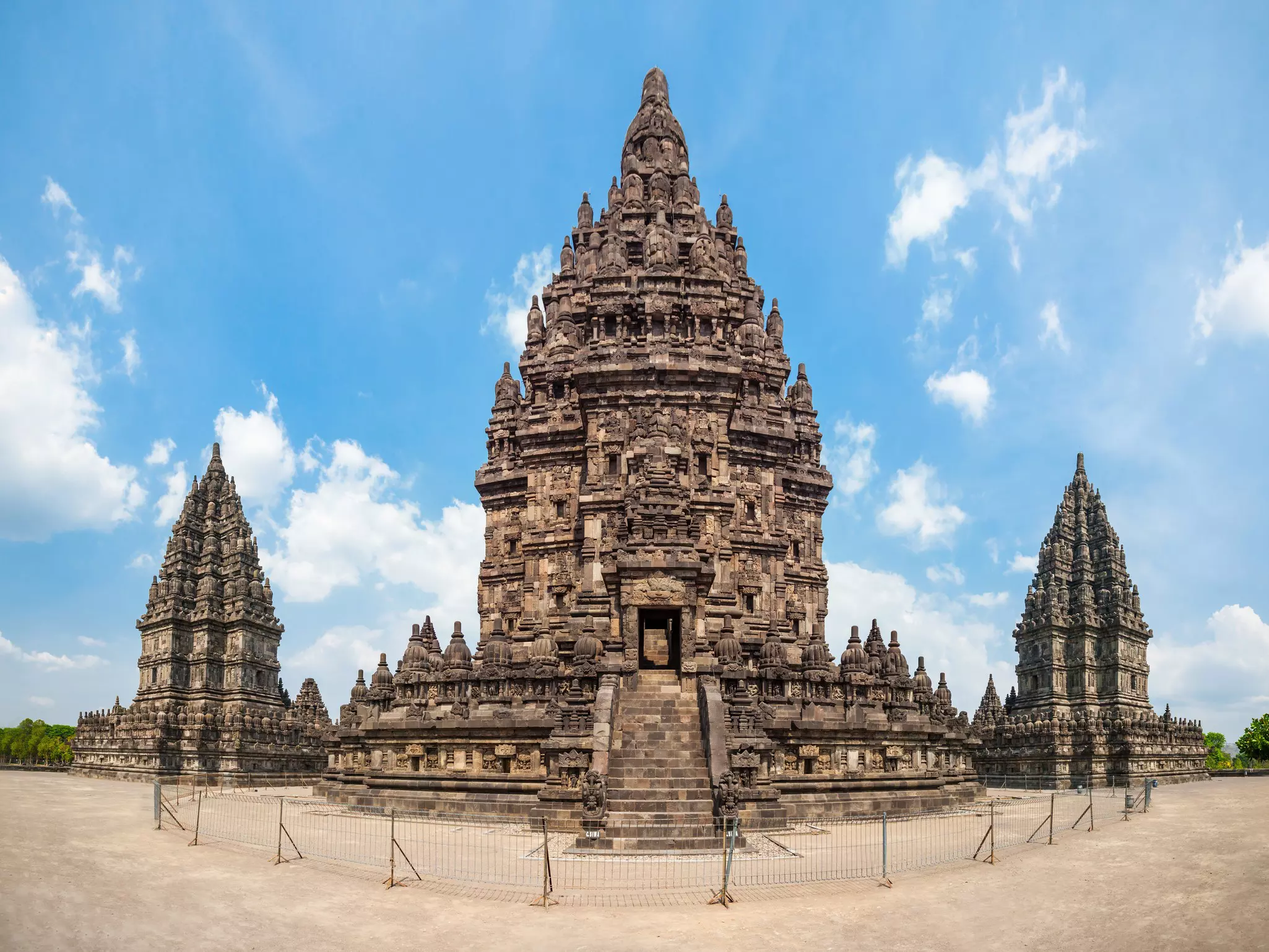
The Prambanan temples sprawl over a large area. If you only have time for a short visit, concentrate on the three main temples and the surrounding ruined shrines.
Shiva, Vishnu and Brahma Temples
All impressively restored, the three main temples at Prambanan tower 47m (154ft) above the surrounding plain, making them taller than their impressive counterparts at Borobudur. Modeled after the temples of India but with unmistakable Javan influences, these striking stone temples mark an architectural mid-point between the shikhara temple spires common in India and the Buddhist prang towers popular in mainland Southeast Asia.
The temples are dedicated to the Hindu gods Brahma (the creator of the universe), Vishnu (the preserver of the universe) and Shiva (the cosmic destroyer), who gets the largest temple. All three are lavishly carved with ornamental details and deities, and flanking shrines are dedicated to their vahanas (beings that serve as mystical vehicles for the gods). Look out for bas reliefs showing scenes from the Ramayana and Bhagavata Purana, two of the Hindu epics.
Inside the Shiva Temple, a four-armed statue of Shiva as Mahadeva, the supreme being, stands on a lotus pedestal – a symbol of Buddhism – while flanking chambers contain statues of elephant-headed Ganesh; Durga slaying the buffalo demon Mahishasura; and potbellied and bearded Agastya, the divine teacher.
Surrounding these three structures is a vast complex of 224 pervara (ancillary) temples, arranged in concentric rings. Most are unrestored ruins, lying much as they fell after the 16th-century earthquake that wreaked havoc on the site.
As you walk around the main temples, take note of the angles of the sun. Head away from the crowds and around to the rear of the temples, where you will find a grassed area and a couple of trees. Photos are easier here, as the sun generally doesn’t cause as much backlight.
Outlying Temples
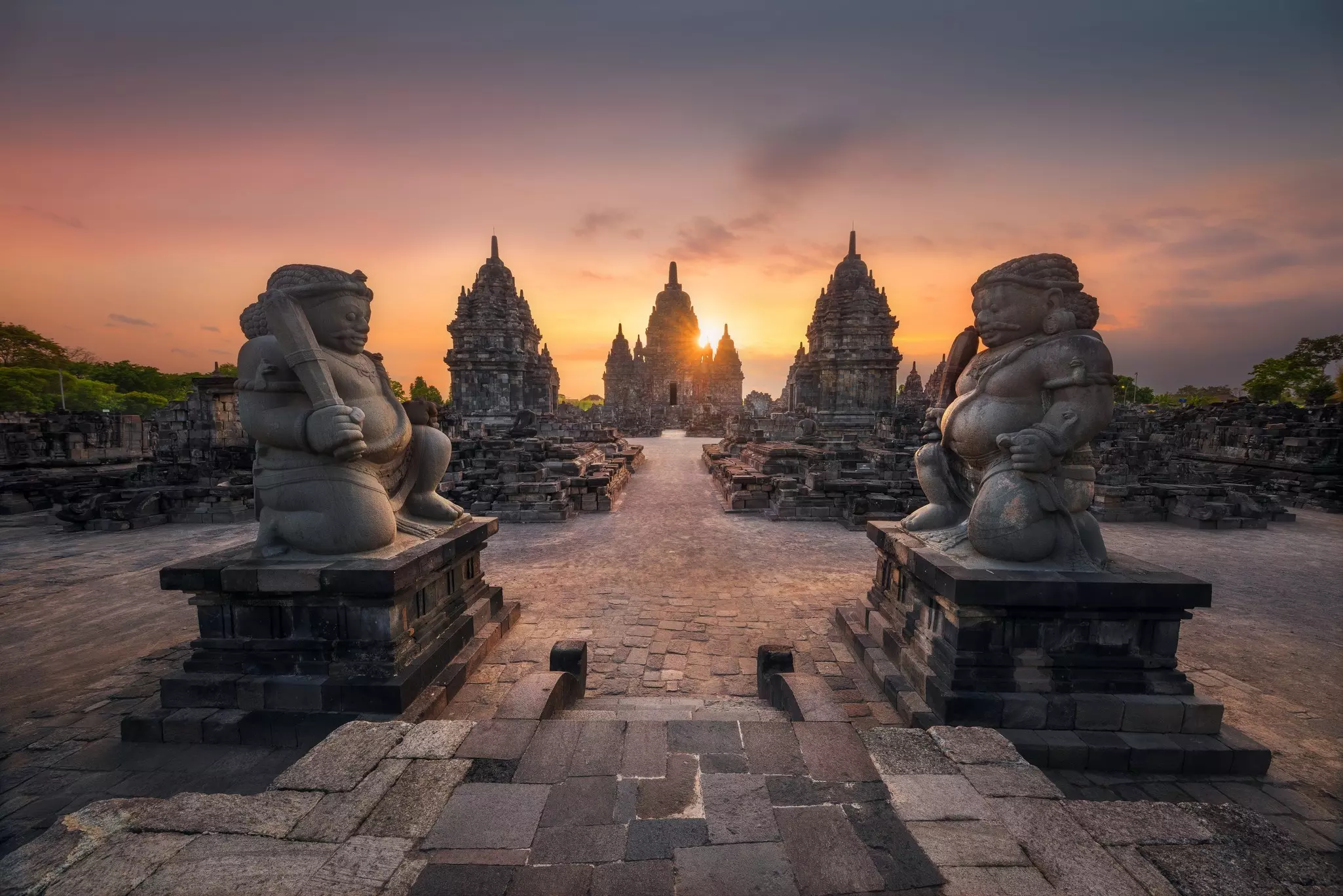
Away from the main complex lie three smaller temple complexes that many visitors skip unless they visit with a guide. To reach them, head north from the main temple group. On a hot day, consider hiring a shuttle to take you around, as it’s 1km to the furthest temple.
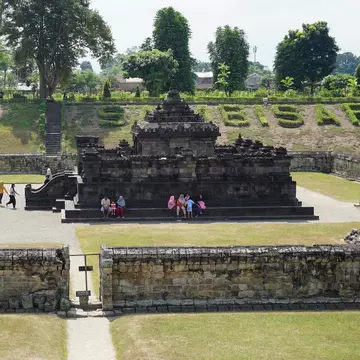
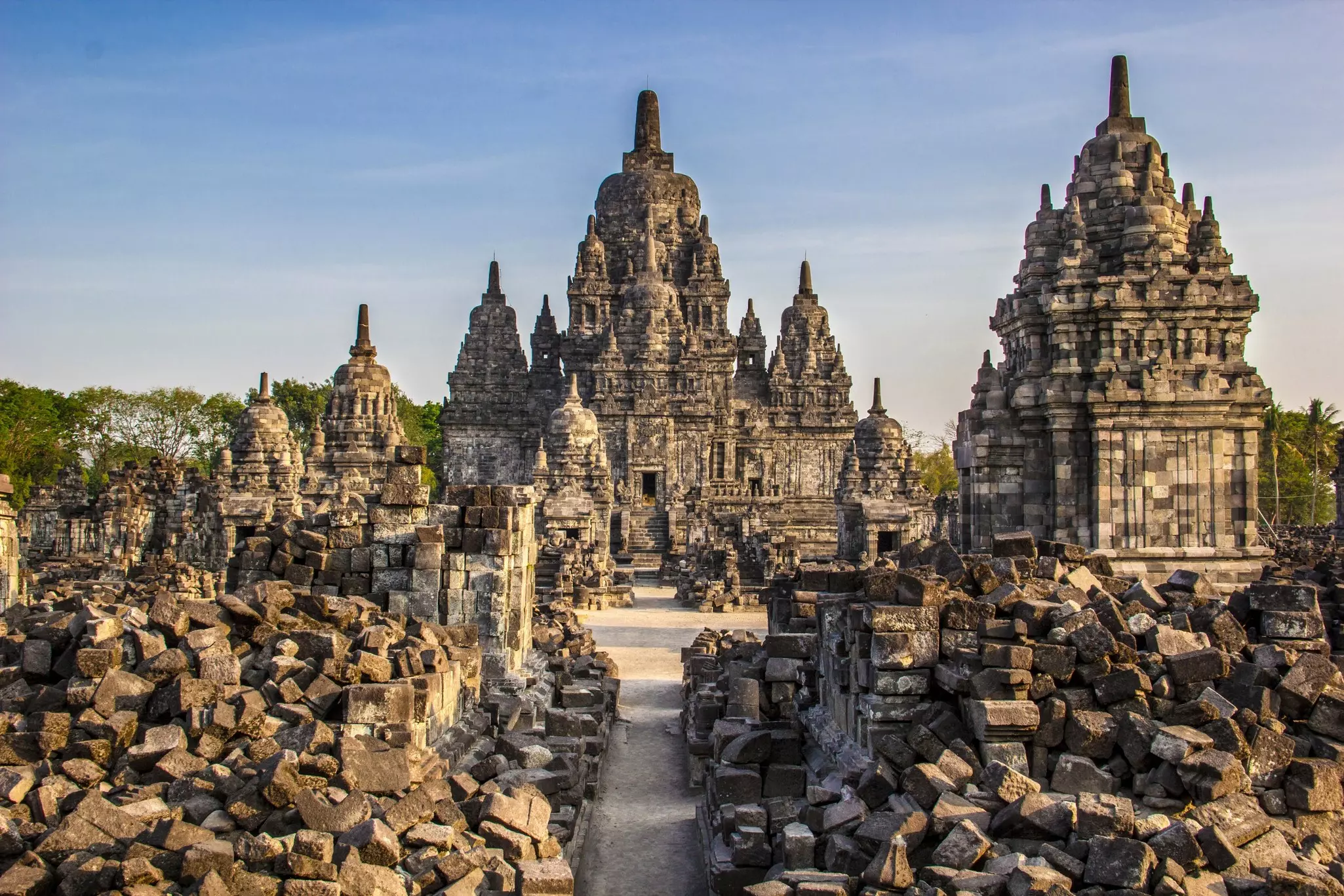
You’ll first reach the small Lumbung Temple, a time-scarred Buddhist shrine surrounded by its own small cluster of pervara temples. Next is the Bubrah Temple, whose name means “in ruins”; in fact, this Buddhist temple was impressively restored in 2017.
The most northerly temple, Sewu, is the largest and most impressive structure beyond the main group, and it’s well worth investigating. This Buddhist temple was constructed in the 8th century – earlier than the main group temples – and it may originally have been sacred to the bodhisattva (enlightened being) Manjushri. It's the second-largest Buddhist temple in Java, after Borobudur.
Museum Candi Prambanan
To learn more about Prambanan’s rich history, visit the Museum Candi Prambanan, just south of the Lumbung Temple, which is home to a collection of Buddhist and Hindu artifacts, statues and fossils discovered in the area.
Prambanan Ramayana Ballet
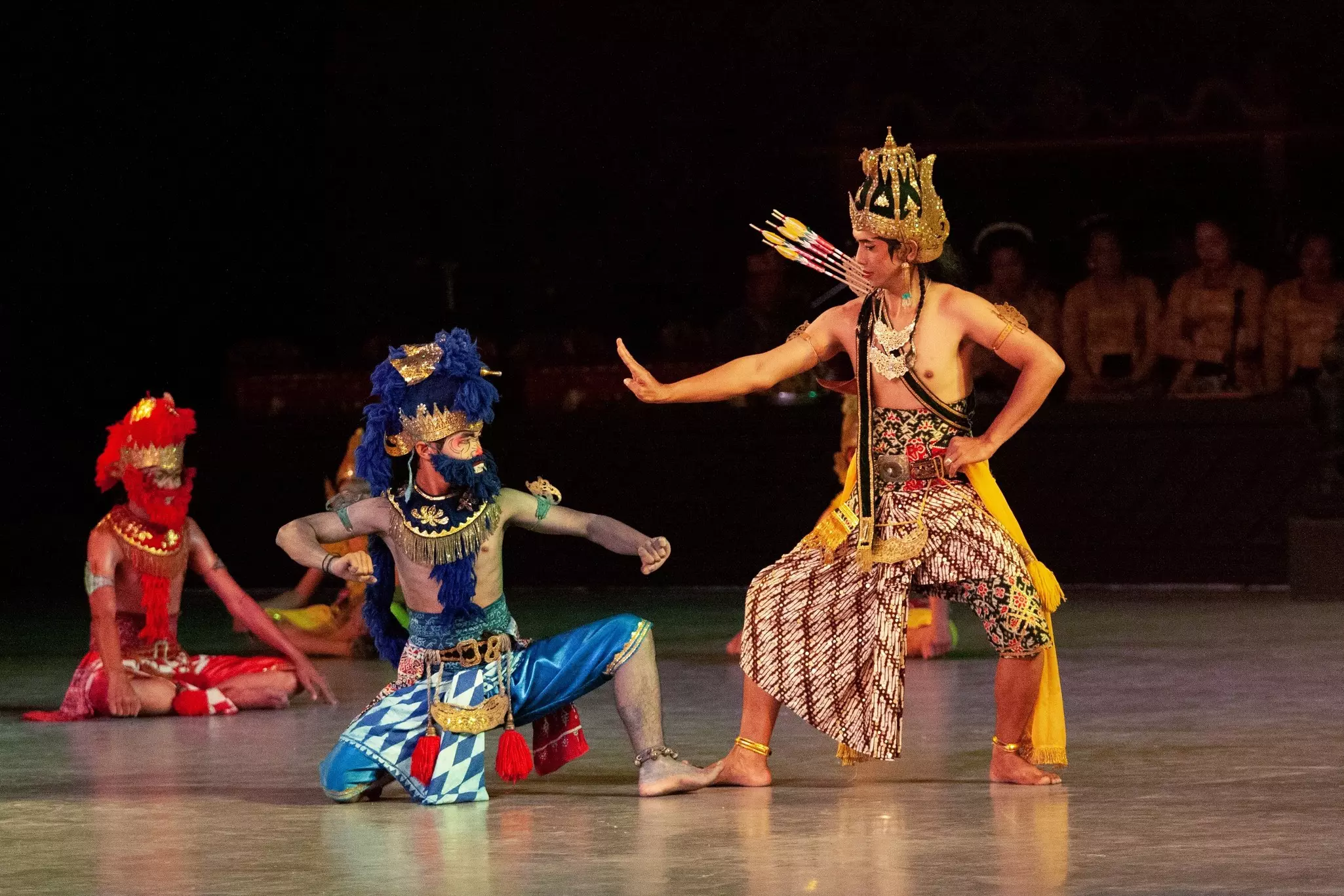
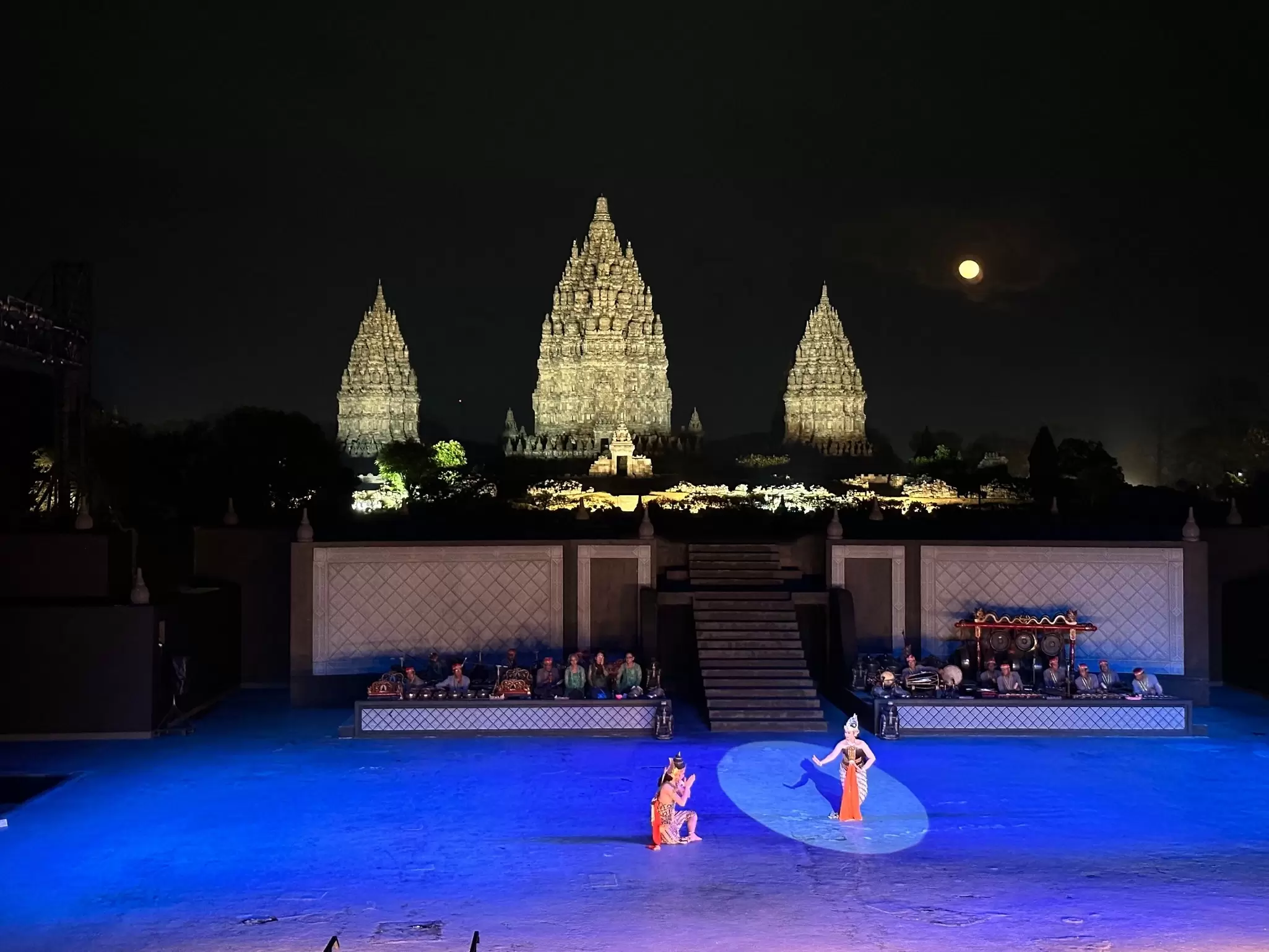
If you visit Prambanan in the afternoon, you can stick around until the evening to see Javanese dancers retelling stories from the Hindu epic, the Ramayana, at the Prambanan Ramayana Ballet, just west of the main temple group. Shows take place indoors in the wet season and outdoors in the dry season, with the Prambanan temples as a glorious backdrop. The show usually starts at 7:30pm on Tuesday, Thursday and Saturday evenings.
Kraton Ratu Boka
It’s well worth taking a detour to the ruins of Kraton Ratu Boko, set on a hilltop about 3km from Prambanan. (If you purchased a combined ticket, a shuttle bus transfer is included in the price.) Unlike temple ruins in the area, this site appears to have been a fortified royal settlement, complete with a kraton (palace), bathing pools and a dried-up moat.
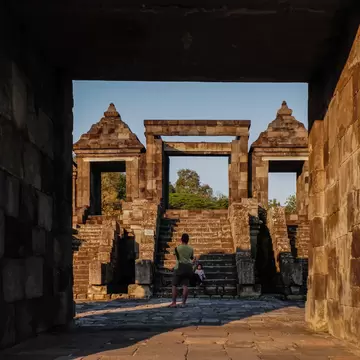
It is unclear what most of the structures here were used for – apart from the pools, which were used for bathing by princesses and the king’s concubines. Taking a walk around the ruins in the late afternoon as the sky fills with sunset colors is a highly rewarding experience. The setting sun is framed by the ruins of a large gateway at the entrance to the complex – a memorable photo op indeed.
Is Prambanan Accessible?
Visitors with limited mobility should be able to admire the exteriors of the temples without too much difficulty, but seeing the interiors of the shrines is trickier because of steps and uneven surfaces. Ramps allow access to some sections of the shrines, while specialist tour operators such as Accessible Indonesia are permitted to use modified vehicles on site, and can help visitors reach some otherwise inaccessible areas.
This article was adapted from Lonely Planet’s Indonesia guidebook.