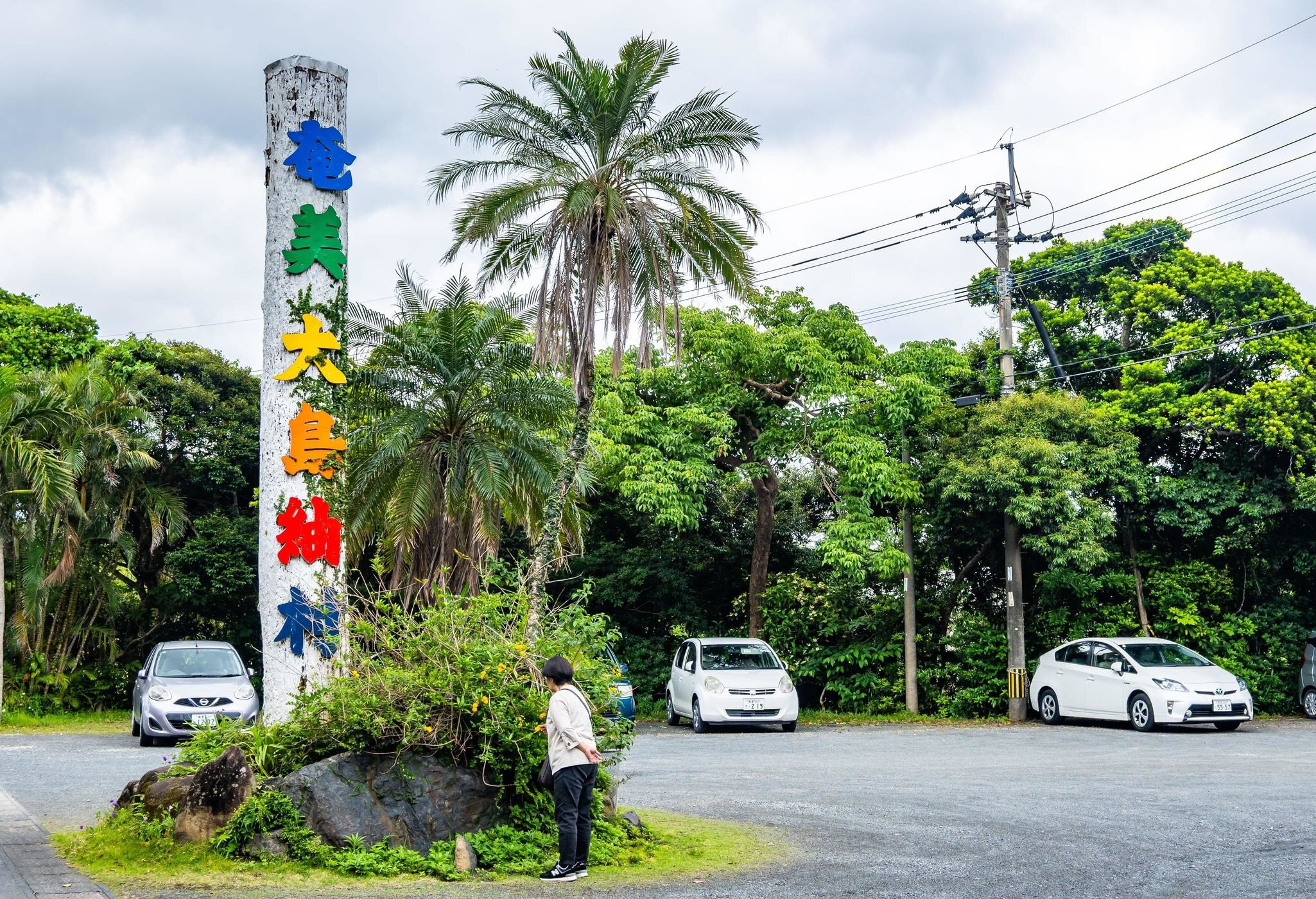
One of the world’s most complex textile production processes, Ōshima Tsumugi is a laborious silk dyeing and weaving method used to create luxurious textiles that have a distinctive texture. The Ōshima Tsumugi Village offers visitors an opportunity to witness these fabrics being made using this natural dye technique. The skill required to create this cloth is breathtaking to witness.
Mud-Dyed Luxury
Ōshima Tsumugi textiles have an unusual luster as a result of iron-rich rice-field mud and tree-sap dyes. The thread is dyed up to 100 times and then woven into intricate patterns such as the checkered Ichimatsu. It takes weavers a day to weave just 7cm of cloth; to make a full bolt of cloth can take up to a year. The symbols are usually items from Amami culture such as sago palms and baskets to ladle rice and beans.
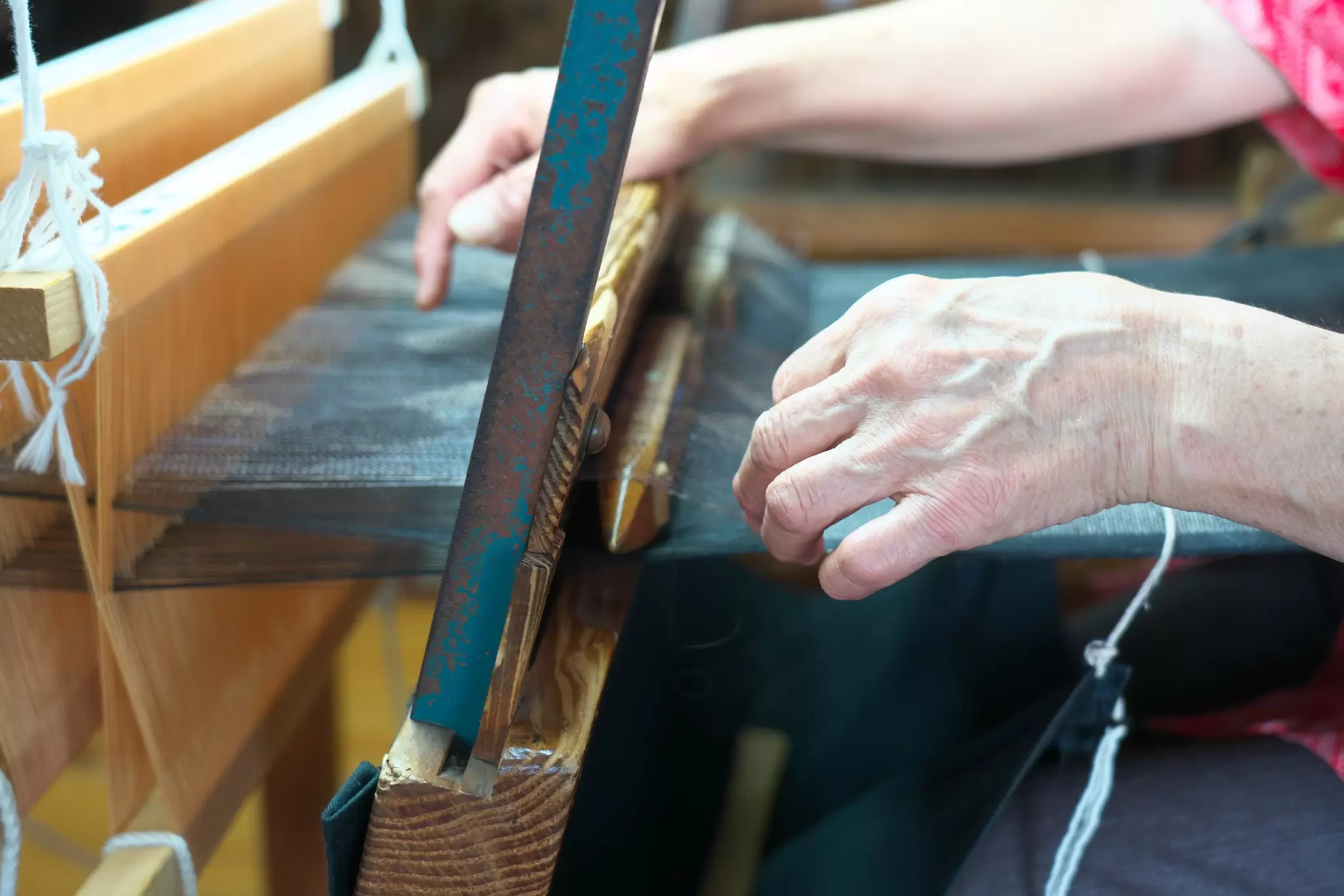
Masahito Hara, an Ōshima Tsumugi artisan, says, "It's speculated that the influence of Bali’s ikat came in via Okinawa. Miyako and Ishigaki islands have the influence of ikat and Javanese sarasa, and when they entered Okinawa, they became a new style. We use silk, as the ability to farm cocoons was here, and in Miyako they use hemp."
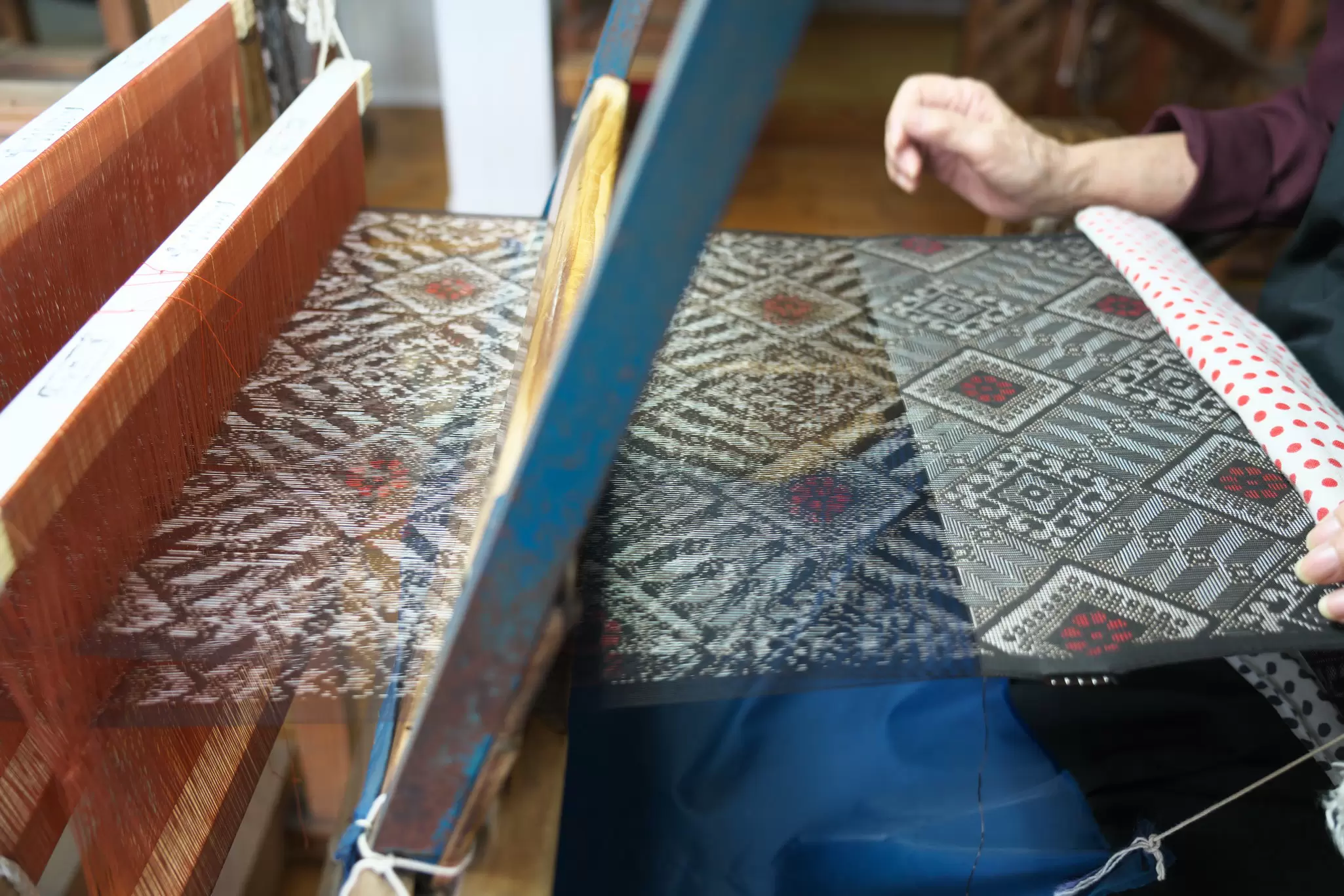
According to the museum, analysis of old textiles shows that advanced weaving techniques were in use even before the island came under Satsuma rule. It's thought they date back at least 1500 years. You can also try your hand at dyeing your own T-shirts with indigo or mud.