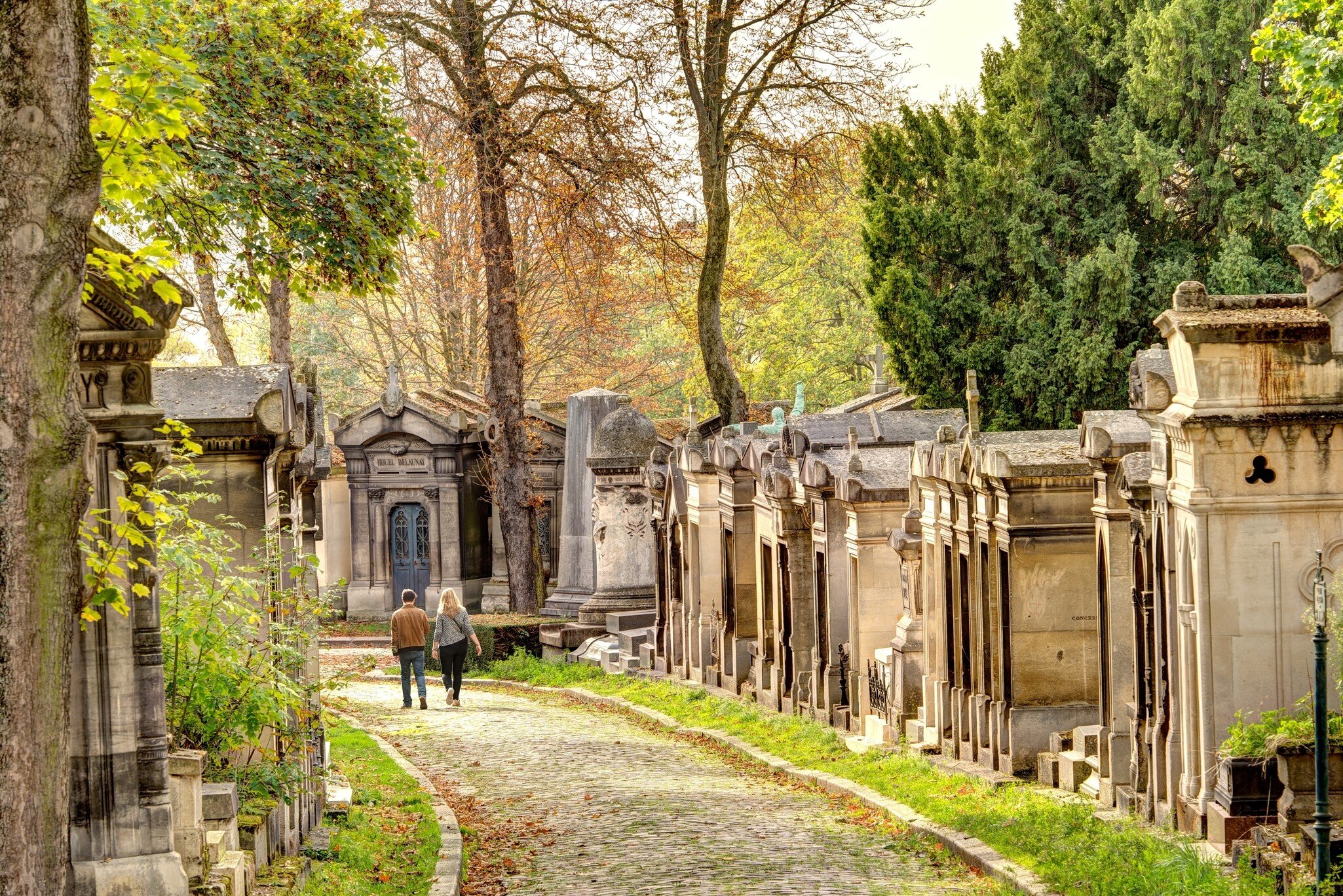
The prestigious Cimetière du Père Lachaise serves as Paris' necropolis, aligned with the Panthéon, where figures who shaped the French nation are honored. However, this cemetery is not only a resting place for the renowned.
Today it stands as an otherworldly space where extraordinary funerary monuments coexist with the graves of both famous and lesser-known individuals, each still cherished by someone.
An Eternal English Garden
When commissioned to design the new Parisian cemetery in the early 19th century, architect Alexandre-Théodore Brongniart envisioned a space that would embody nobility without grandiosity, simplicity without neglect, and invoke religious sentiments without fear. He aimed to create a place of peaceful remembrance, with a melancholic charm based on a combination of nature and monuments.
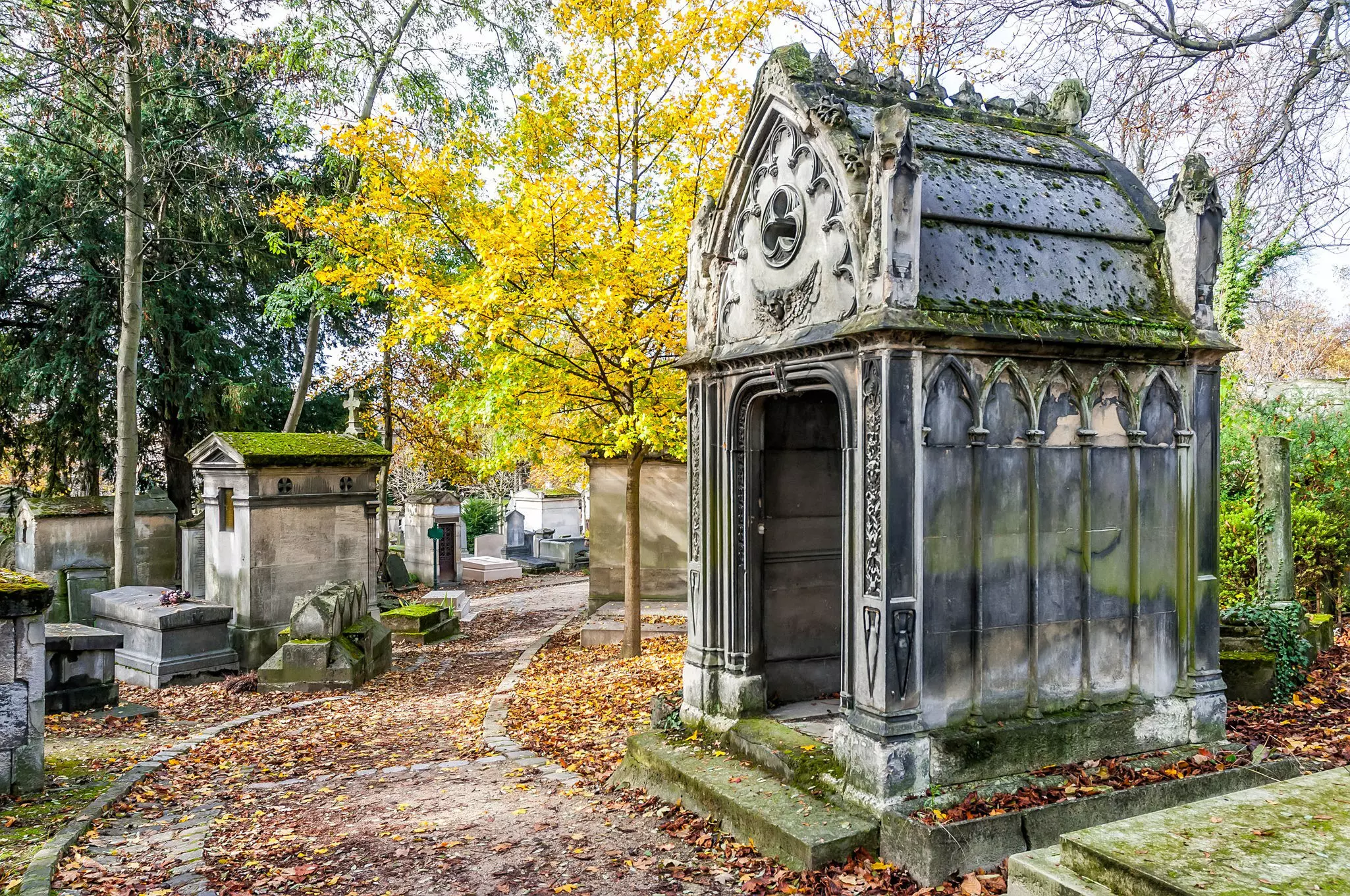
Inspired by English gardens, the cemetery was meticulously planned, with winding paths and a significant portion dedicated to nature. Today, as you enter, the cacophony of the city fades away and the graves seamlessly blend into the undulating landscape, creating a feeling of beautiful strangeness, as if you were suspended between two worlds.
The Construction of a Legendary Place
Overlooked at the time of its inauguration, the cemetery faced challenges in gaining popularity due to its location far from the city. However, to enhance its appeal, the city of Paris relocated the graves of famous figures like Molière and La Fontaine (Division 25), and had an impressive sepulchre erected for the mythical medieval lovers Héloïse and Abélard (Division 7). Over time, politicians, scientists, artists and writers followed, solidifying Père Lachaise's reputation as the eternal resting place of the renowned.
Funerary Art for Posterity
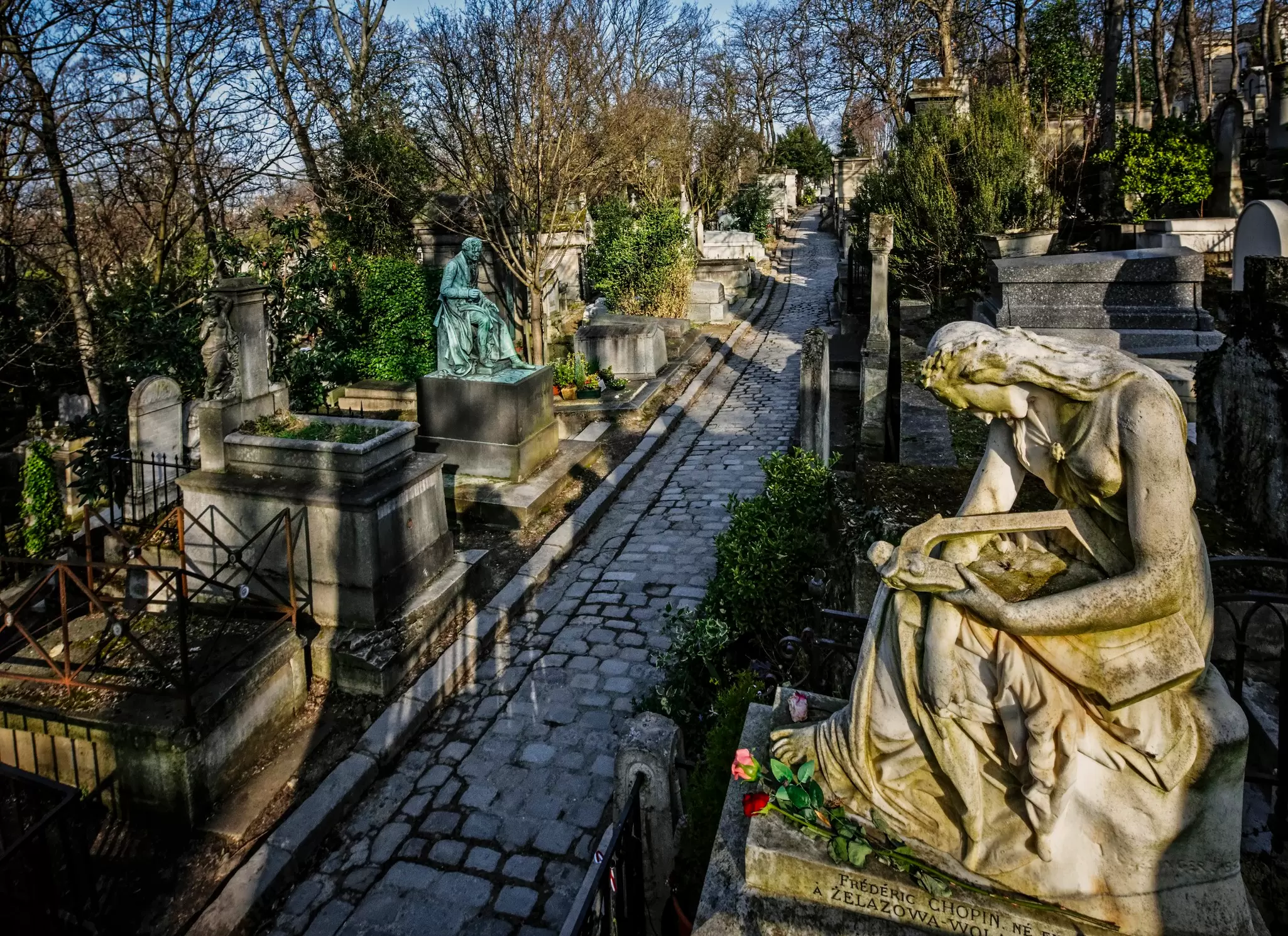
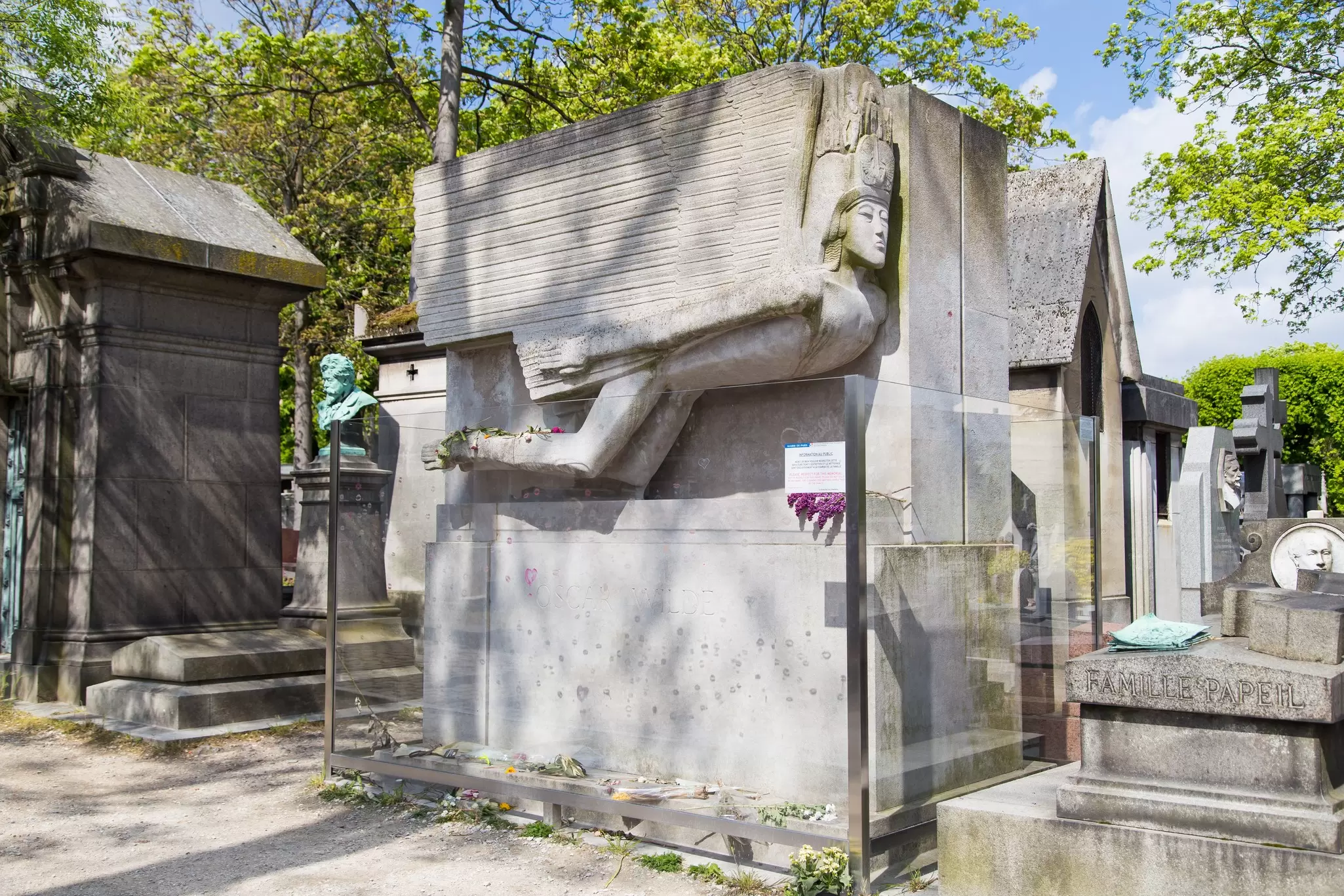
The entire site is recognized for its historical heritage, with all funerary steles dating to before 1900 listed as Historical Monuments. Additionally, 14 monuments are classified – the classification is reserved for works that hold public interest from a historical or an artistic perspective. Among them, the Wall of the Federates; Godde’s chapel on the former Jesuit house site; bd Ménilmontant’s monumental gate; the Monument to the Dead and 10 sepulchres. These include Héloïse and Abélard, Molière and La Fontaine, Oscar Wilde (Division 89), Frédéric Chopin (Division 11), Antoine de Guillaume-Lagrange (Division 29), Montanier-Delille (Division 11), Cartellier-Heim (Division 53), Georges Guët (Division 19) and Yakovleff (Division 82).
Rituals & Superstitions of Père Lachaise
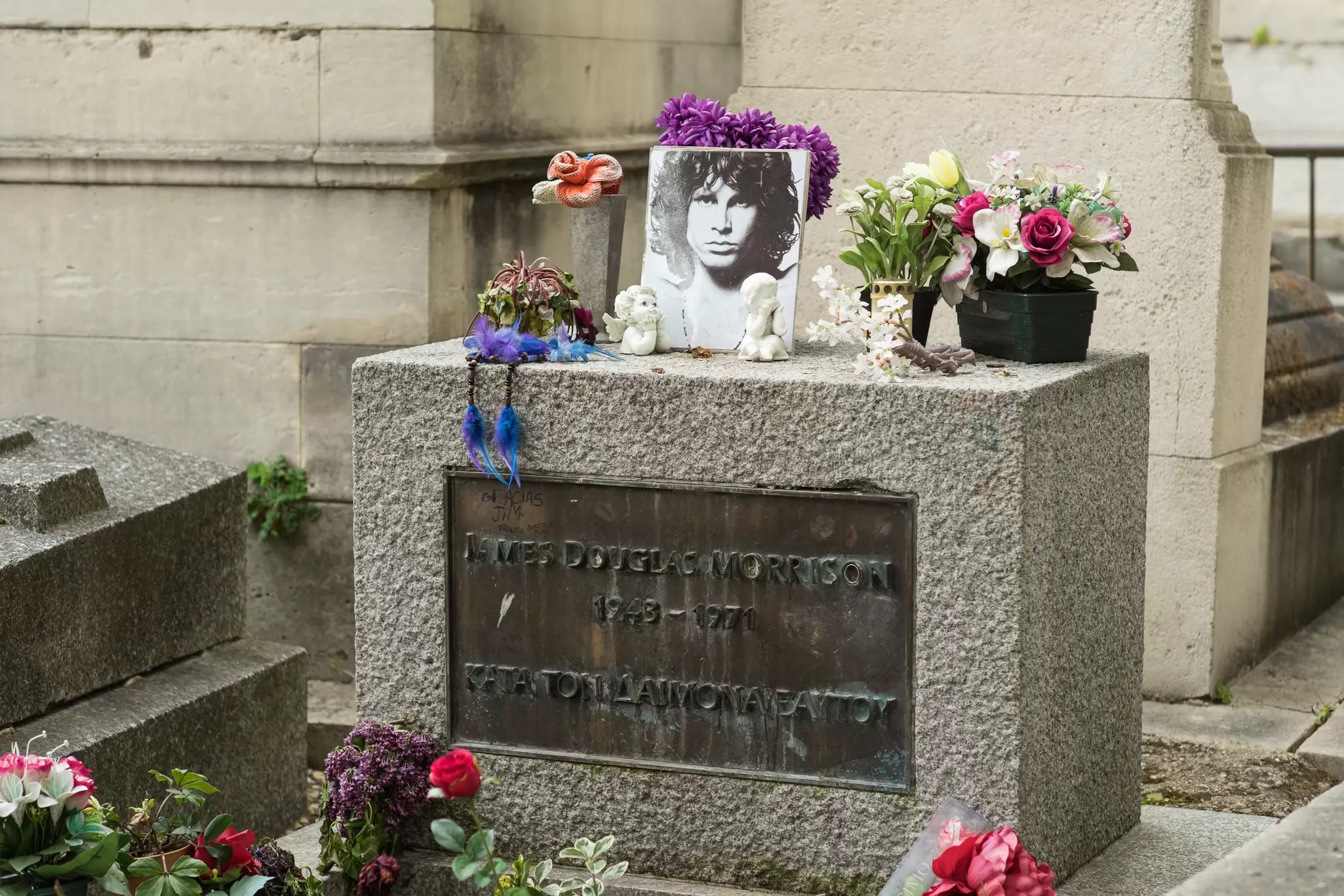
Like all cemeteries, where the boundaries between worlds blur, Père Lachaise has its own superstitions and esoteric rituals associated with its iconic graves. Couples renew their vows in front of Héloïse and Abélard's tomb, seeking eternal love. Oscar Wilde's tomb has long been the object of passionate kisses believed to bring luck in love. Journalist Victor Noir's effigy (Division 92) is central to erotic morbid fertility rituals. Laying hands at the dolmen of medium Allan Kardec (Division 44) is believed to grant wishes. Lastly, the ritual offerings left on Jim Morrison's grave (Division 6) perpetuate a cult (mainly based on alcohol).