Some 16km south of Kolding is the small town of Christiansfeld – an under-the-radar place that in 2015 was awarded UNESCO World Heritage status for its unique history and architecture.
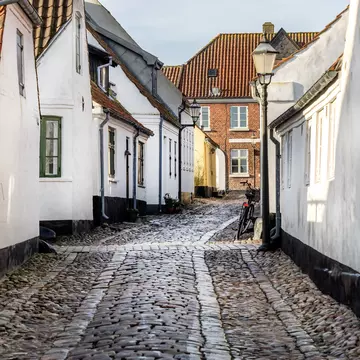
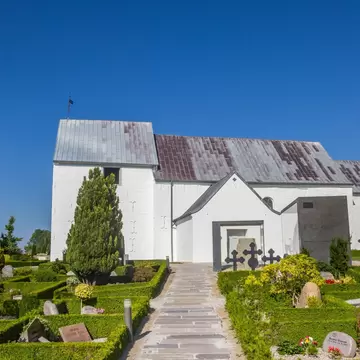
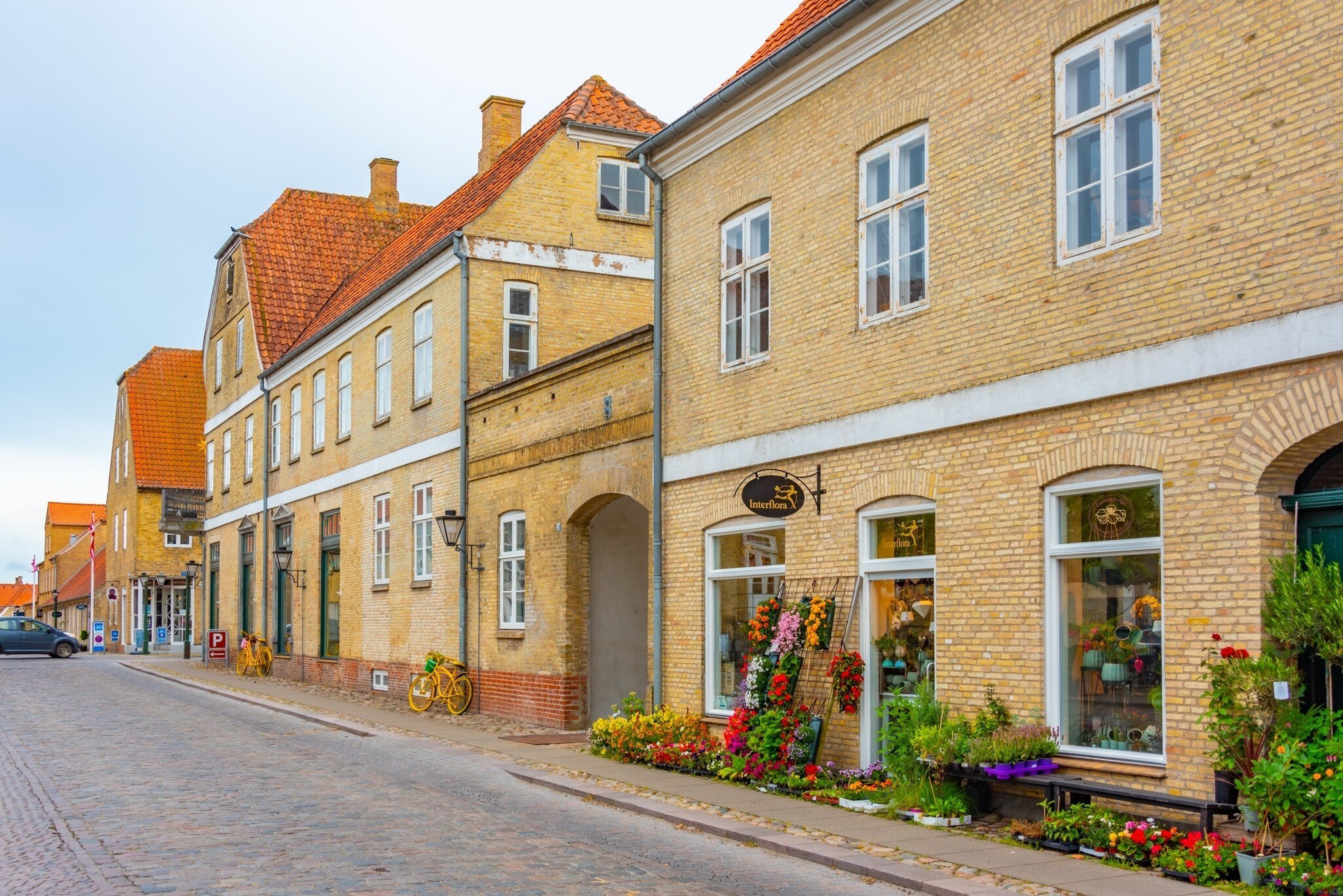
Christiansfeld was founded in 1773 as a planned settlement of the Moravian Church, a non-conformist Lutheran congregation from Germany. The town was designed to represent the Protestant urban ideal, centered around a simple church square. Accordingly, its architecture is strikingly homogeneous, and its yellow-brick buildings are largely unadorned.
The democratic organization of the Moravian Church, with its pioneering egalitarian philosophy, is expressed in its humanistic town planning – buildings were constructed as communal houses for the society's widows, for example. Many buildings are still owned by the local Moravian community.
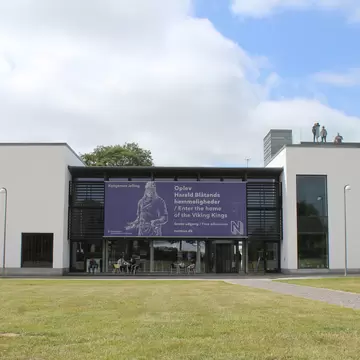
There's a good visitor center across from the church with a walking map outlining the buildings and their functions. Be sure to sample the town's delicious honningkage (honey cake), sold in the bakeries in the center. To get here, take Rte 170 south from Kolding, or bus 34.