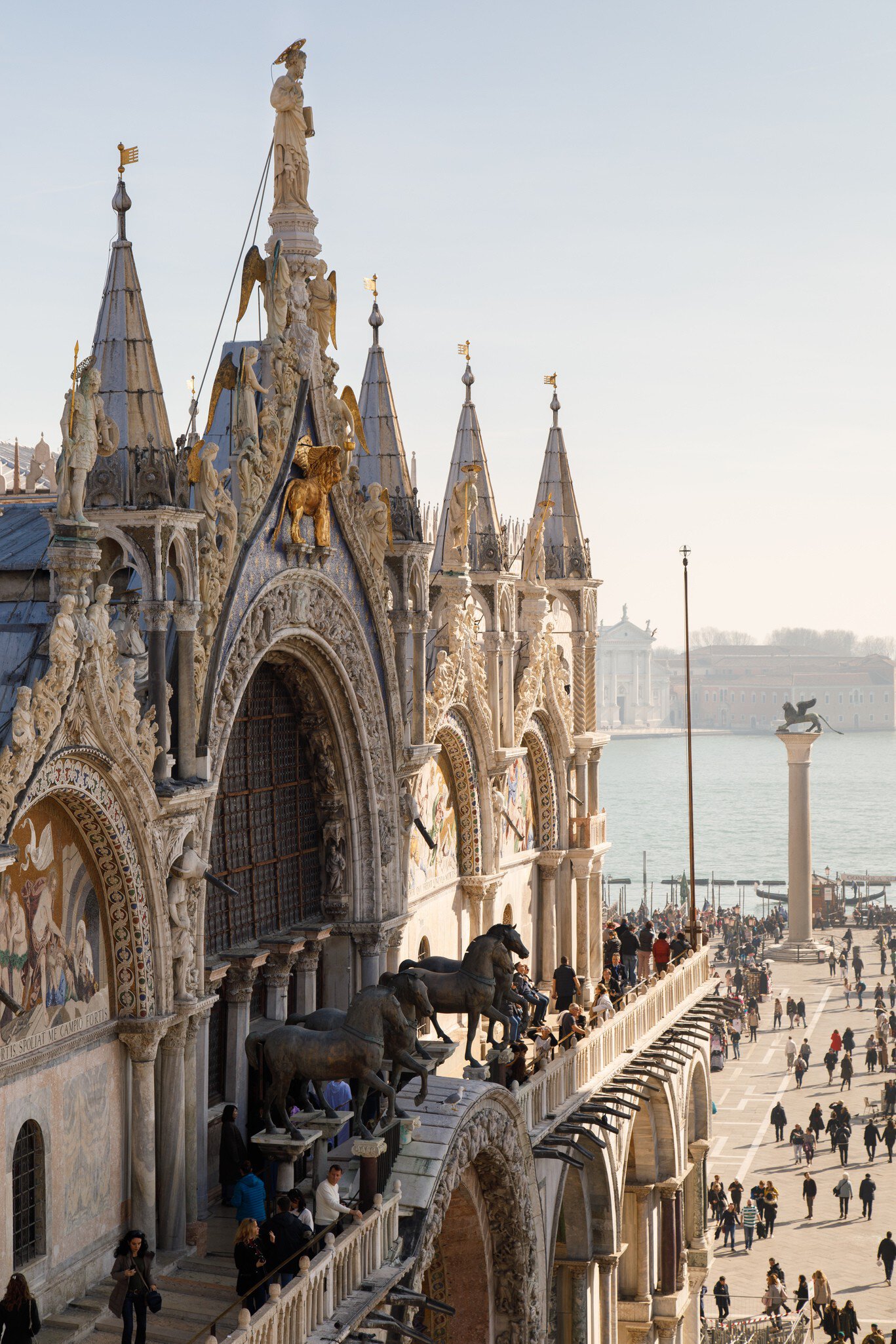
Facing the Piazza San Marco in the heart of Florence’s university district, the Dominican Basilica di San Marco has been home to prominent Renaissance figures, including painter Beato Angelico and revolutionary monk Girolamo Savonarola. Enter the dimly lit church to find the work of Giambologna or visit one of Florence’s most precious collections of 15th-century religious art.
The Basilica
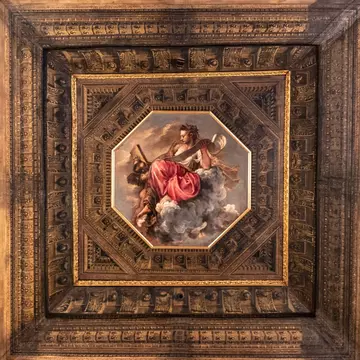
Neoclassical on the outside, baroque on the inside, the Basilica di San Marco has transformed multiple times since its 12th-century origins. Cosimo the Elder, who lived in the nearby Palazzo Medici Riccardi, commissioned architect Michelozzo to renovate it in 1437, but the convent wouldn’t acquire its current shape until the late 18th century. Enter the single nave to admire the 16th-century chapels designed by Giambologna – the most impressive of them being the delicate Cappella di Sant’Antonio, commissioned by the Salviati family and decorated by Alessandro Allori.
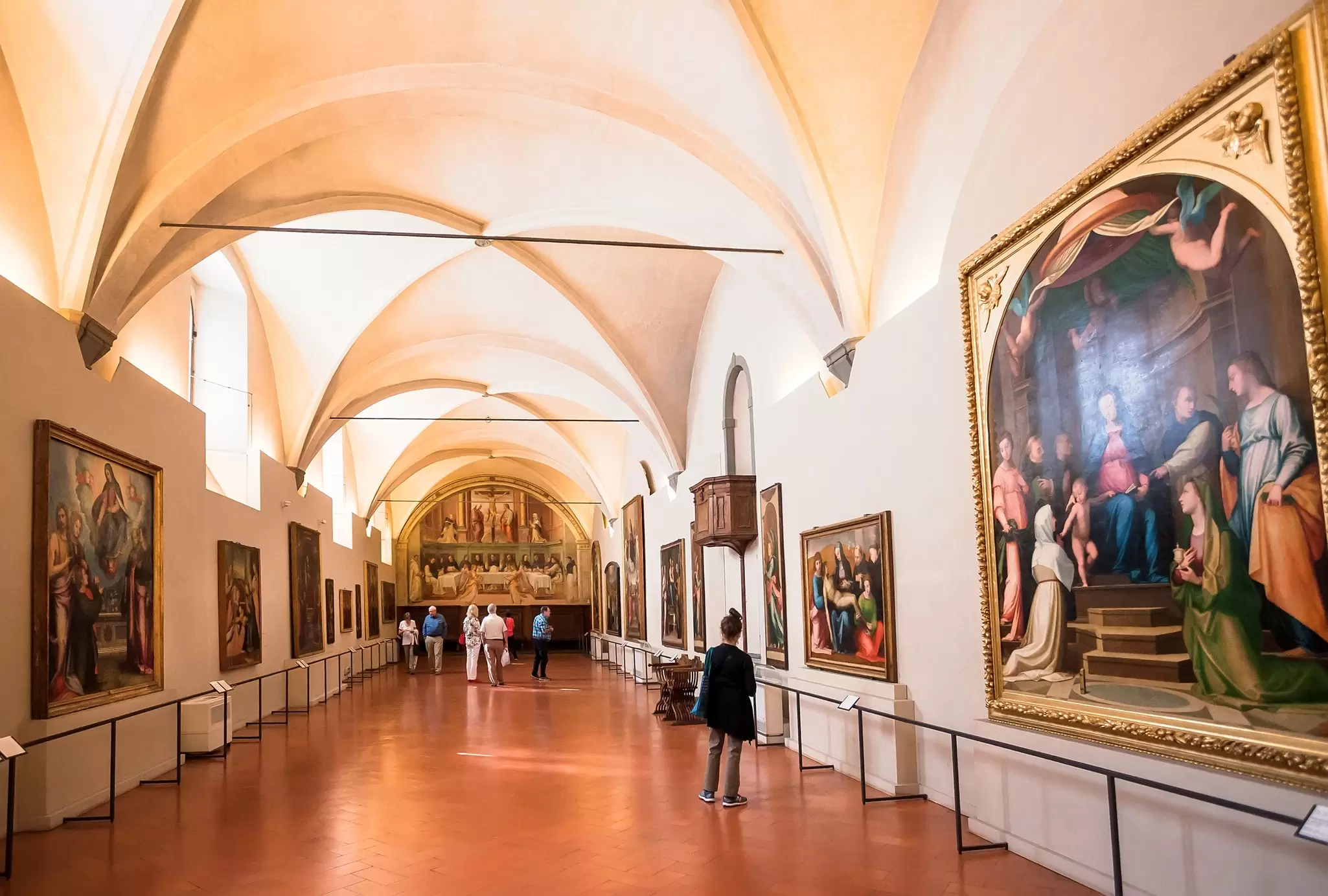
The Museum
A separate entrance leads to the world’s largest collection of works by Beato Angelico (1395–1455), the early Renaissance painter who would be beatified by Pope John Paul II in 1984. Enter via Michelozzo's Chiostro di Sant' Antonio (1440), exhibiting portraits of illustrious Dominicans. Turn right to access the Sala del Beato Angelico, renovated in 2020, which gathers 16 masterpieces of the Dominican friar, including the Deposizione di Cristo panel (1434). In the former chapterhouse, find Angelico’s Crocifissione con i Santi (1442) and San Marco’s original bell sculpted by Donatello. Upstairs are the cells of the monks, including that of Savonarola, who condemned the Florentine Renaissance for its profanity, led a revolt against the Medici, and was later executed for it.