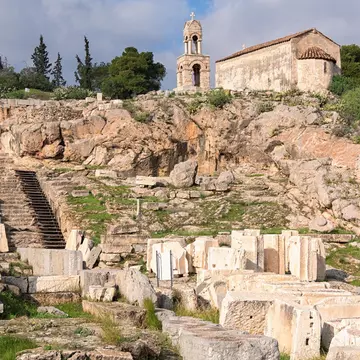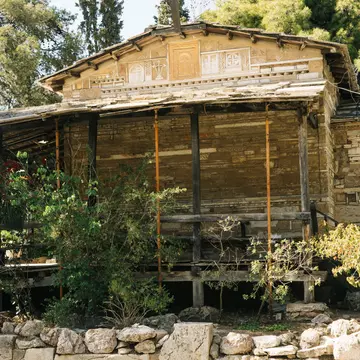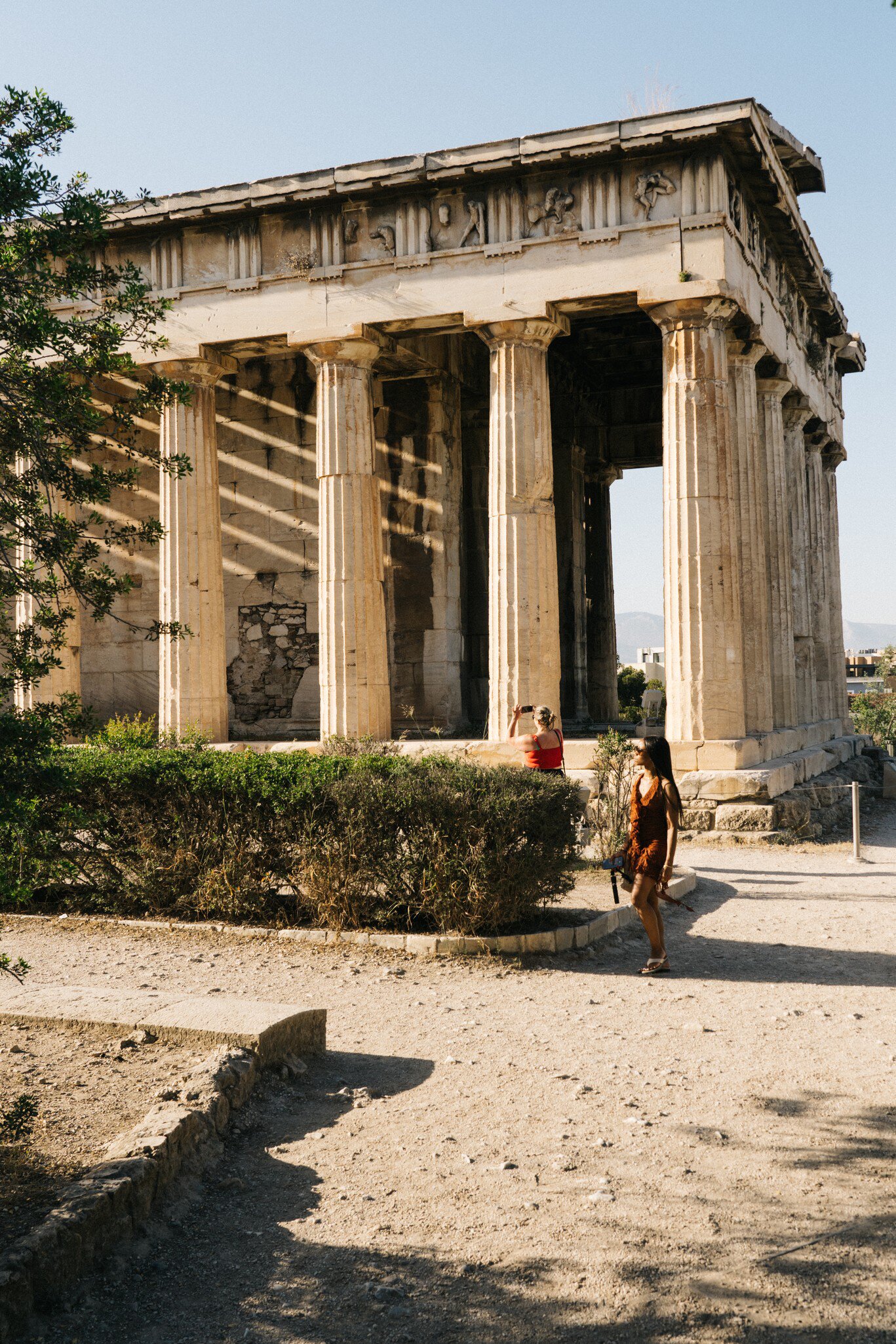
Starting in the 6th century BCE, the Ancient Agora was Athens' commercial, political and social hub. Socrates expounded his philosophy here, and St Paul preached here in 49 CE to win converts to Christianity. Today it's a green respite, cleared of later Ottoman buildings to reveal beautiful classical remains, including a well-restored temple, a fascinating museum and a Byzantine church.
Stoa of Attalos
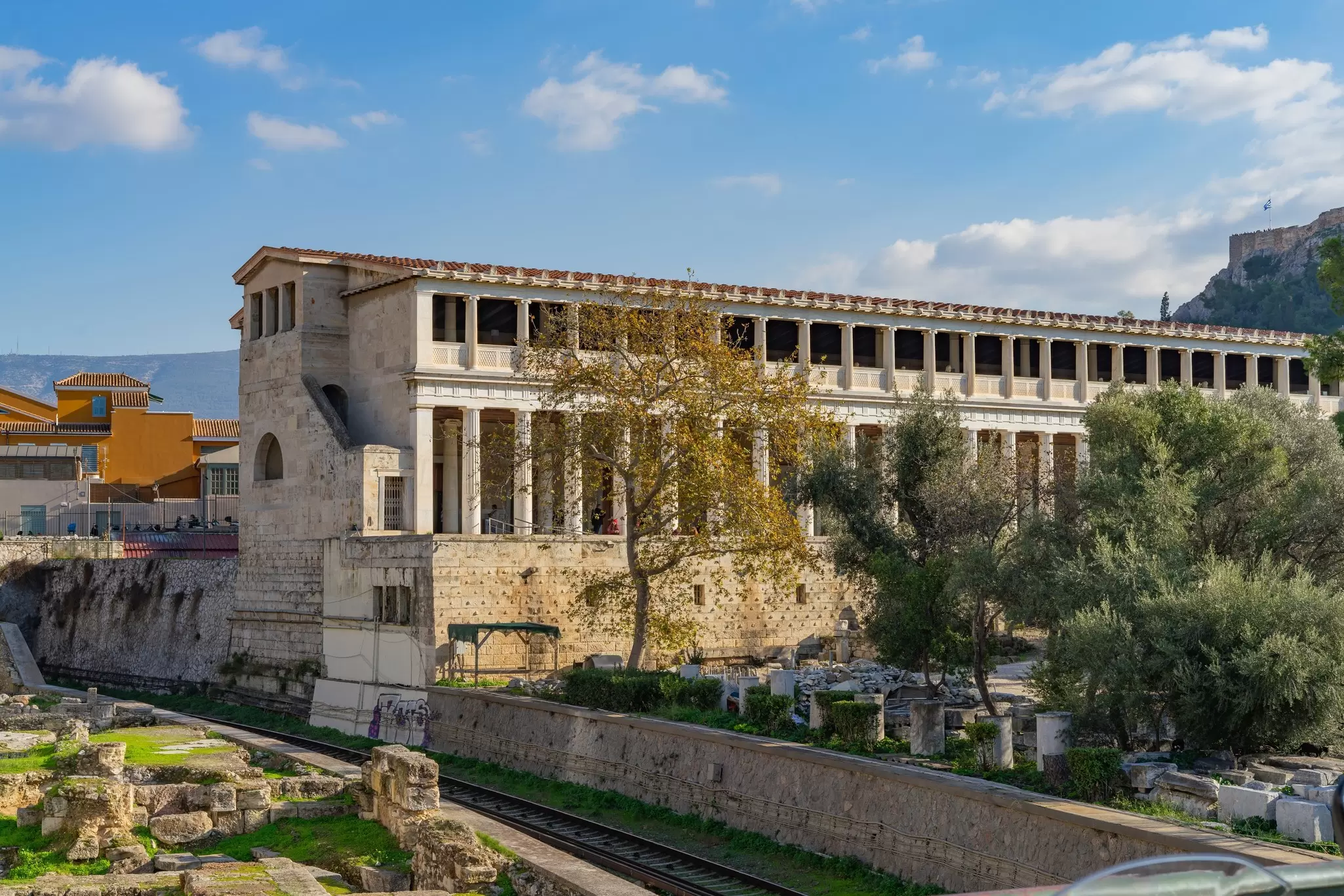
The Agora's eastern flank is dominated by this majestic 2-story structure dating from the 2nd century BCE. The Hellenistic version of a mall, the porticoed ground floor is supported by 45 Doric columns, behind which were 42 shops. Inside, a museum displays some of the 160,000 items uncovered during excavations, demonstrating how the agora was used on a daily basis.
Temple of Hephaistos
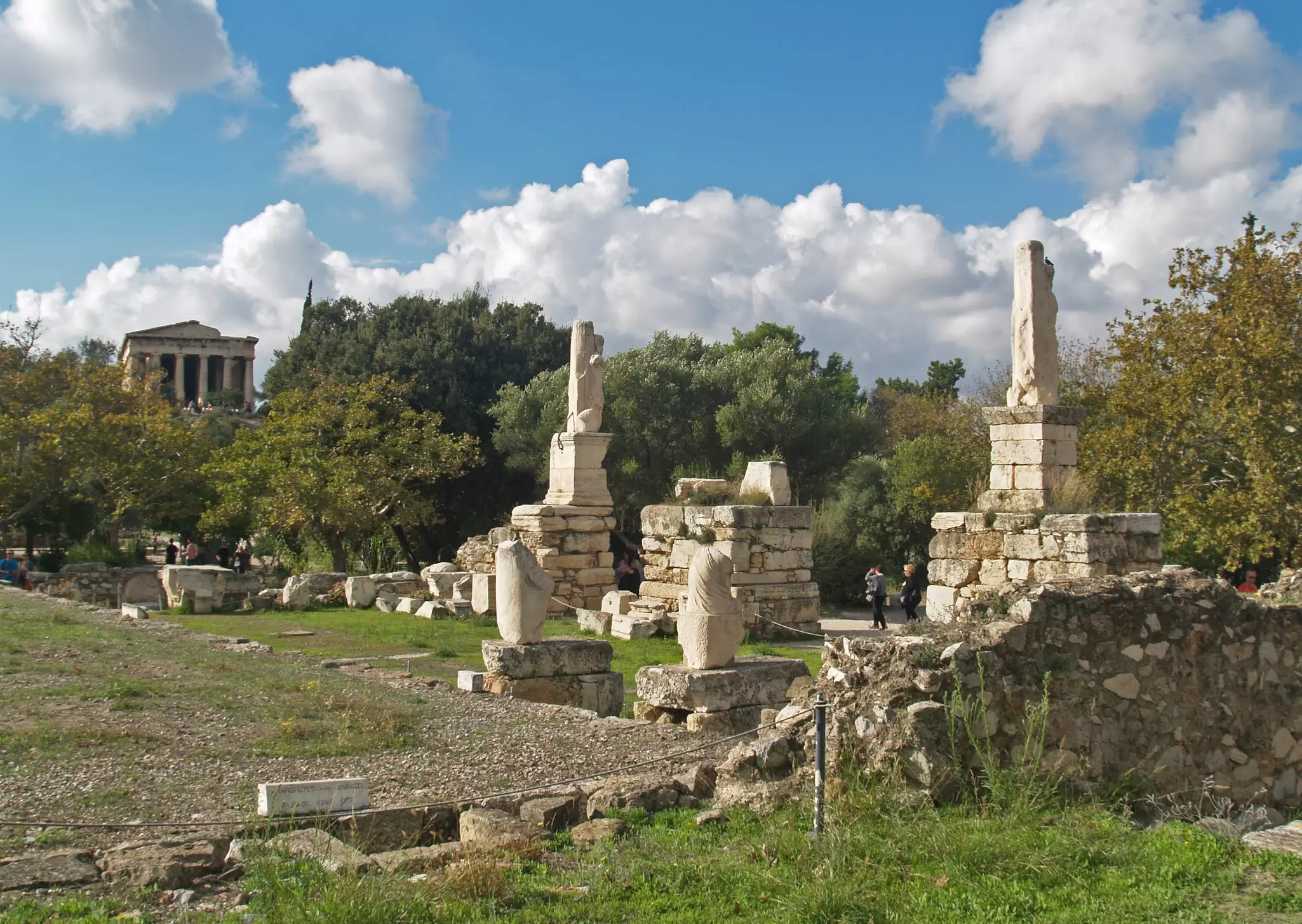
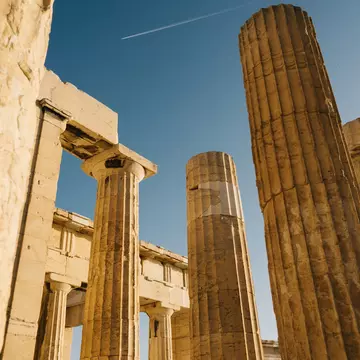
This is the best-preserved Doric temple in Greece. Built in 449 BCE by Iktinos, one of the architects of the Parthenon, it was dedicated to the god of the forge and surrounded by foundries and metalwork shops. It has 34 columns and a frieze on the eastern side depicting nine of the Twelve Labours of Hercules. For 600 years, up until deconsecration in 1934, the temple functioned as the Church of Agios Georgios.
Church of the Holy Apostles
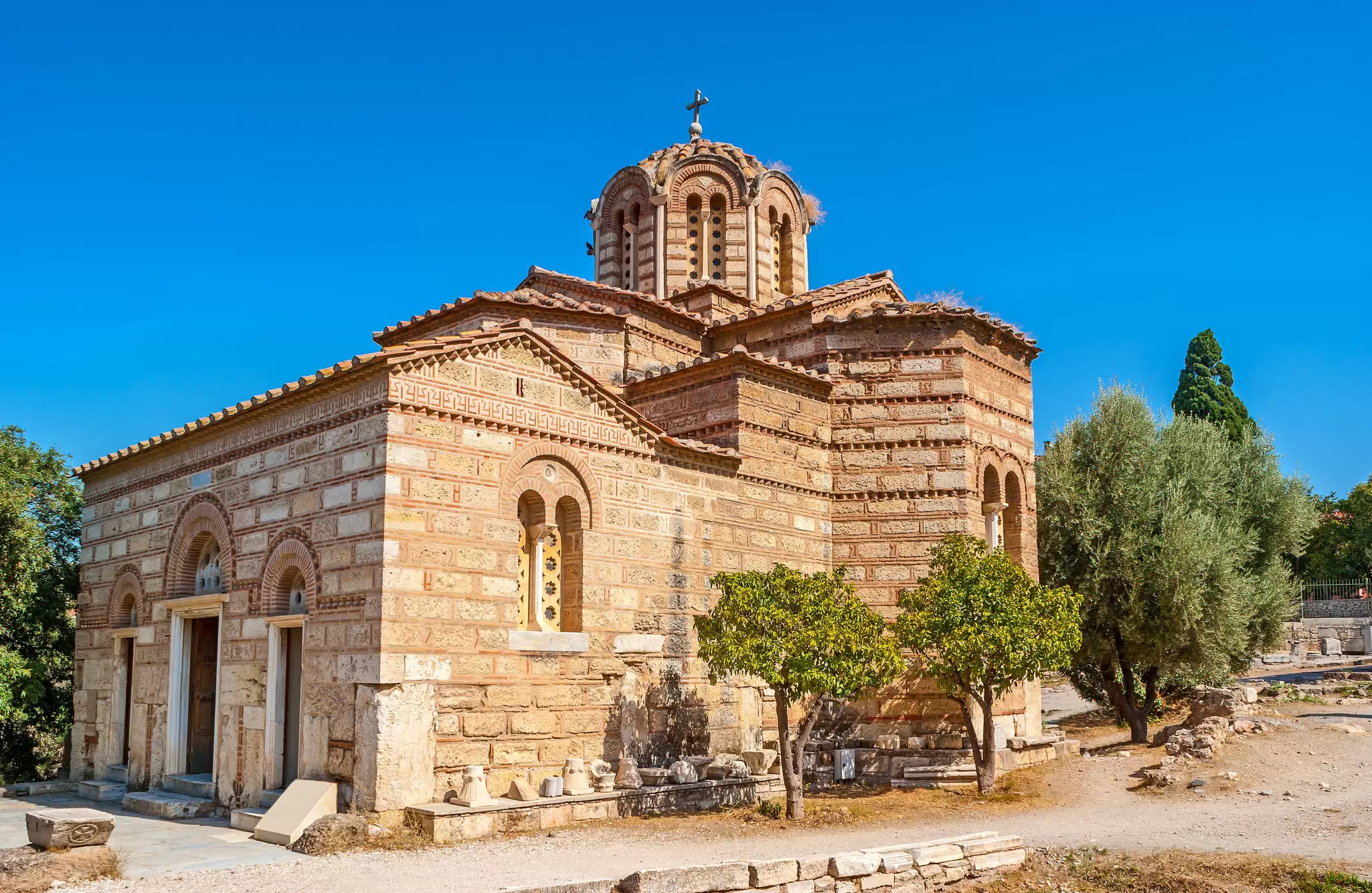
This charming little church was built in the 11th century to commemorate St Paul’s teaching in the Agora. Following the style of the time, its external brick decorations mimic Arabic calligraphy. It contains several fine Byzantine frescoes, which were transferred from a demolished church.