Oct 6, 202610 min read
24 Things to Know Before Visiting RhodesOct 6, 2026
10 MIN READ

Writer
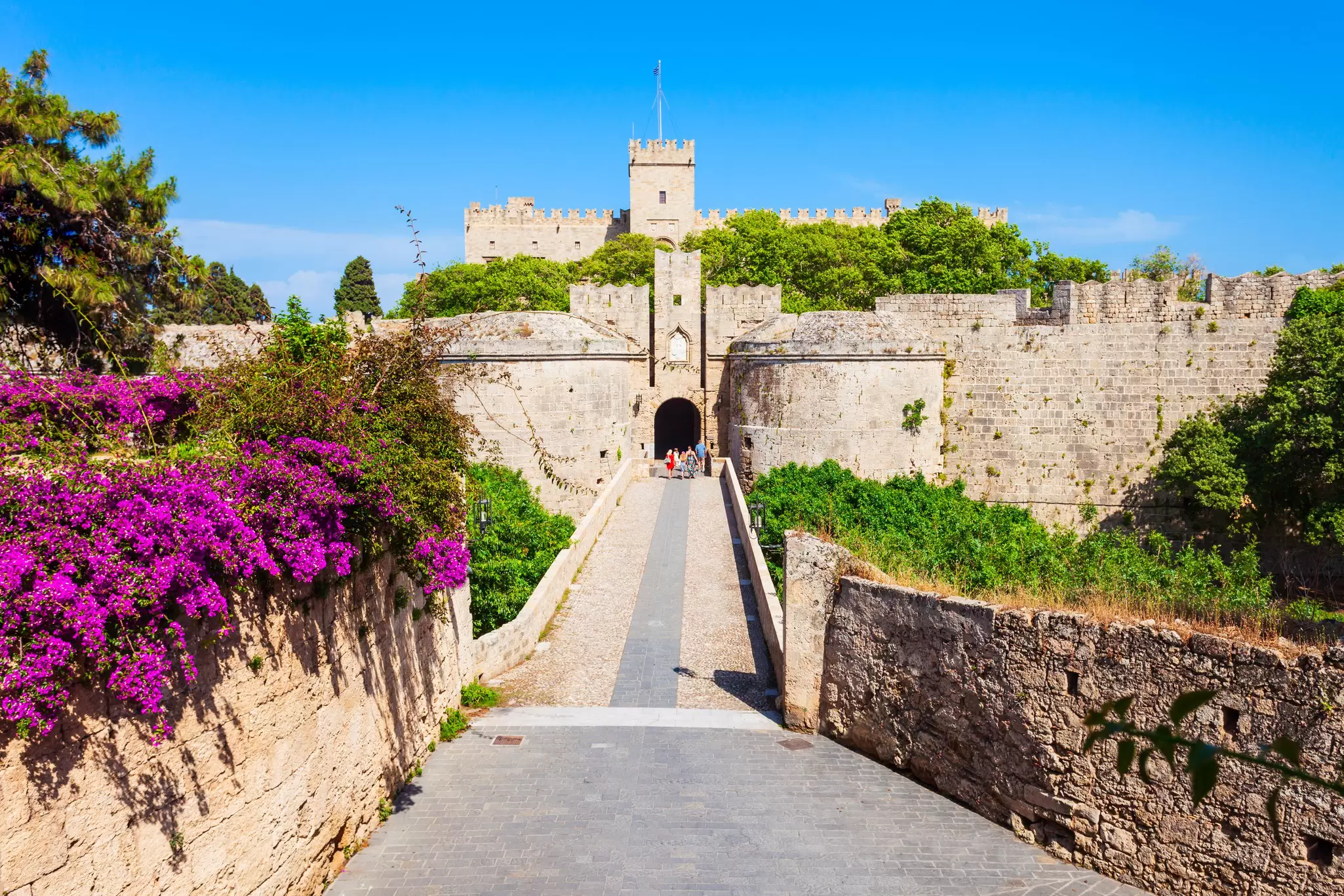
The Palace of the Grand Master of the Knights of Rhodes in the Old Town. Bada1/Shutterstock

Writer
Lonely Planet may earn a commission from affiliate links on our site. All recommendations and reviews reflect our own independent opinions.
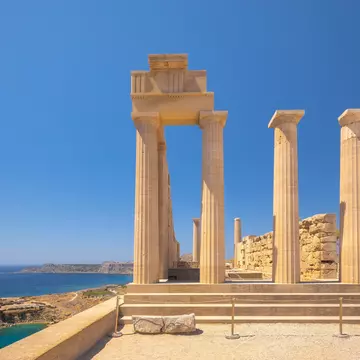
Rhodes (called ro-dos in Greek), the star of the Dodecanese islands, attracts people from all over the world for its beaches and fascinating history, especially in its Old Town. I’ve lived in Greece for over 20 years, and I chose the Old Town of Rhodes as the place to host the birthday of a dear friend – perfect for strolls through the cobbled streets and lively nights out. The island does get crowded in summer – because it’s so special – but with a little preparation, you’ll have a great time, diving into turquoise waters and exploring the ancient lanes and the Acropolis at Lindos. These are some top tips you should know before visiting Rhodes.
To start planning your trip, download the Lonely Planet app or check out our Greece or Greek Islands books.
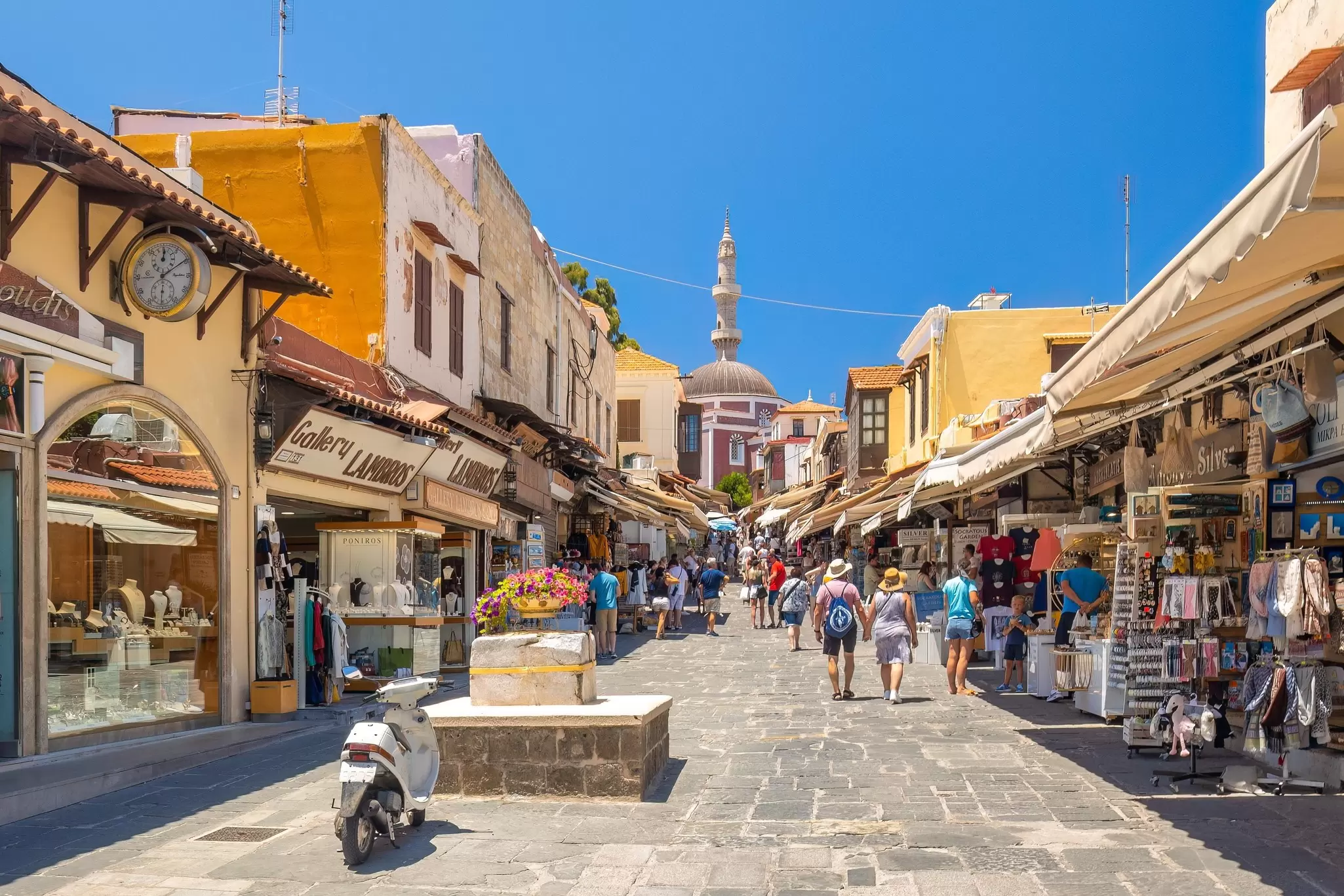
For lovely weather, fewer crowds, lower prices, and frequent ferries, visit during shoulder season, which falls between Orthodox Easter and late May or from September to mid-October. From June through August, you’ll have warm seas and hot weather, but you’ll be sharing it with holiday crowds, paying top rates, and the meltemi (dry northerly wind) can wreck ferry schedules. During winter, beware: prices may be low, but many ferries stop operating, and hotels and restaurants close.
For first-time visitors, even a few days in Rhodes, perhaps as part of an island-hopping loop, will provide you with plenty to see and do: a day in Rhodes’ Old Town and one day at a beach and Lindos. With a week, you can really start to unwind and see more of this large island.
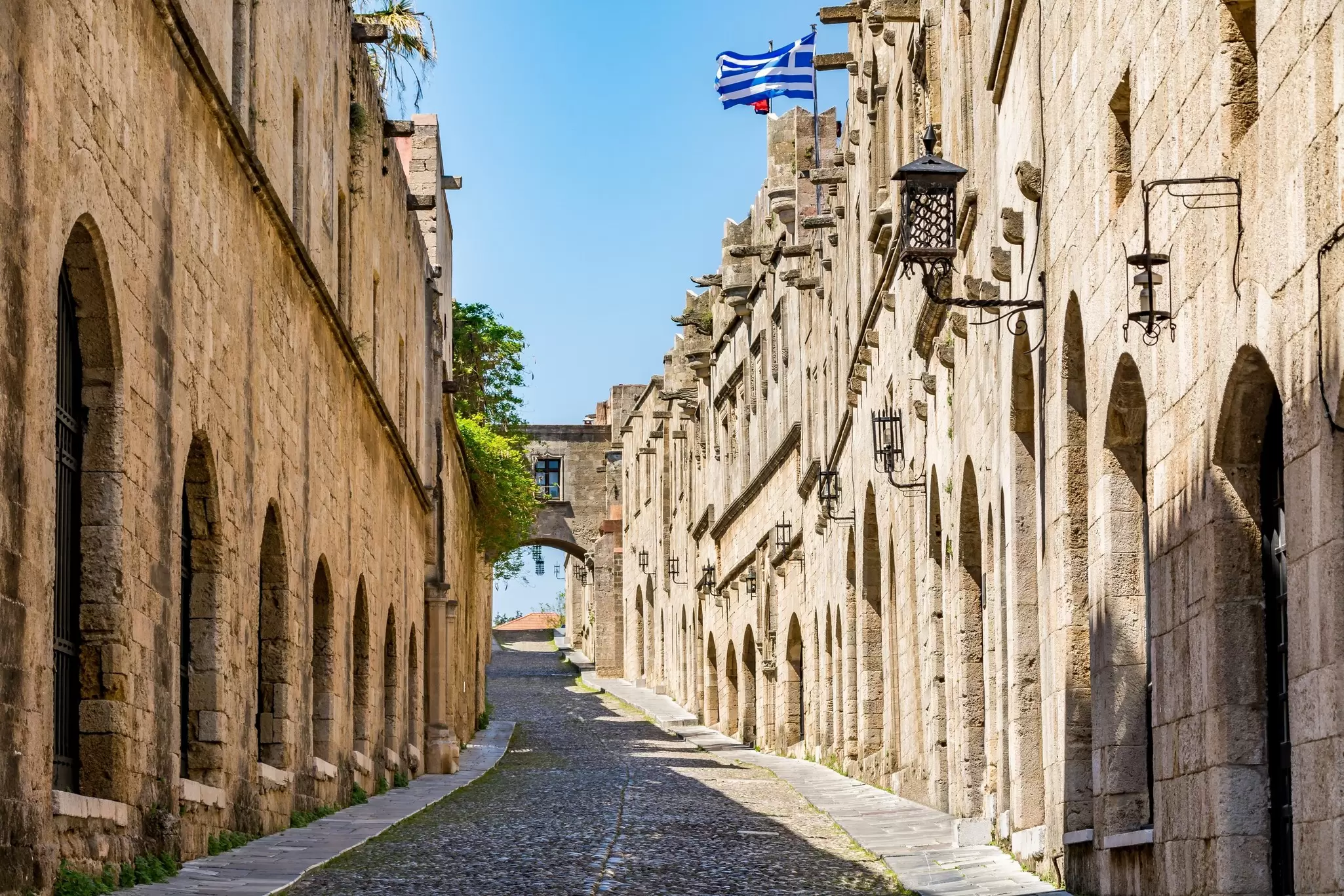
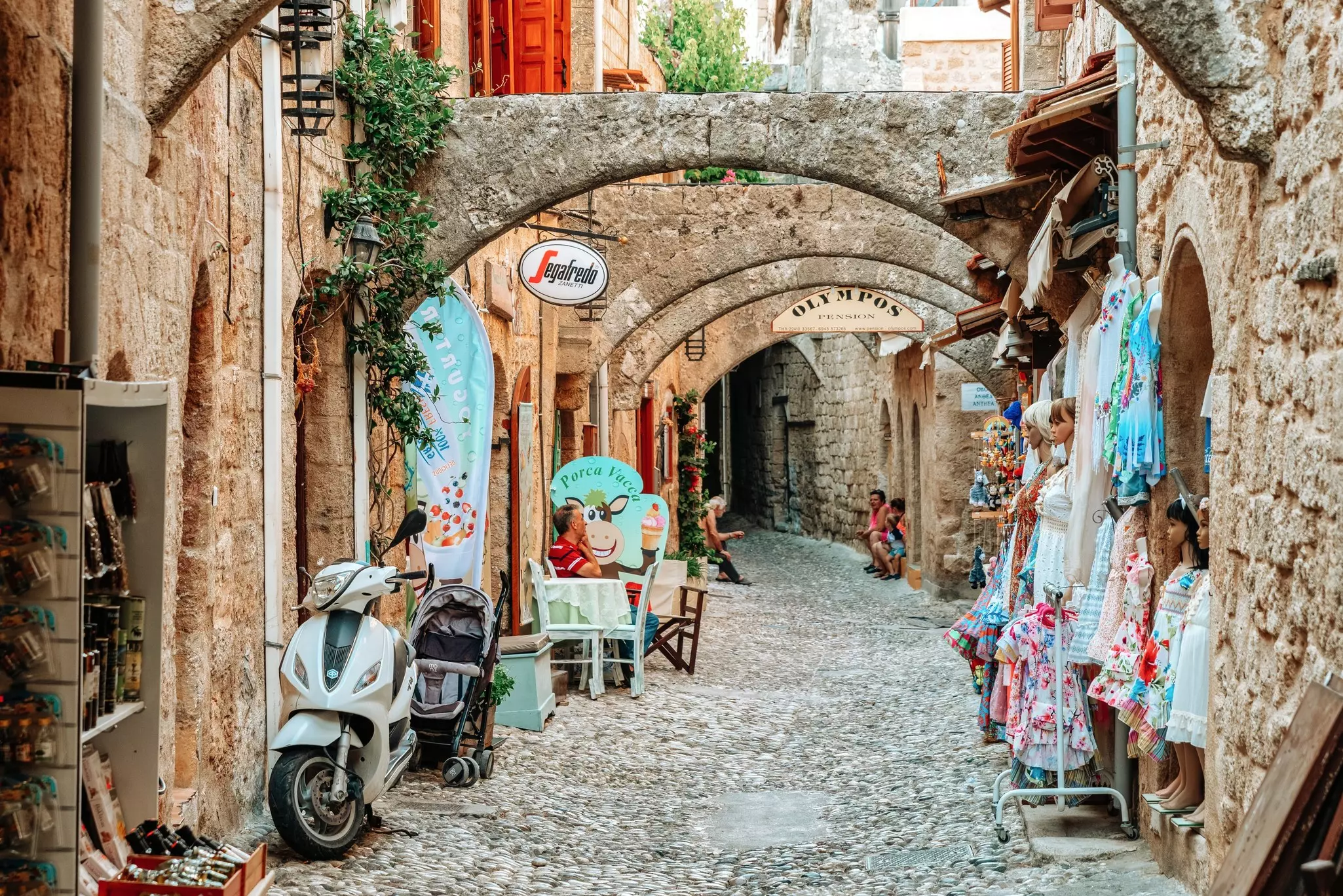
Rhodes Town is the obvious central hub if you are into architecture, history and city life. In summer, the Old Town receives big crowds of day trippers and, especially, passengers from giant cruise ships. Even then, you can escape the crowds by heading away from the busy commercial streets into its pretty cobbled laneways. Staying a night or two, and losing yourself in the labyrinth after dark, is an experience no traveler should miss. The New Town is a modern Mediterranean resort, with upscale shops, busy nightlife and waterfront bars.
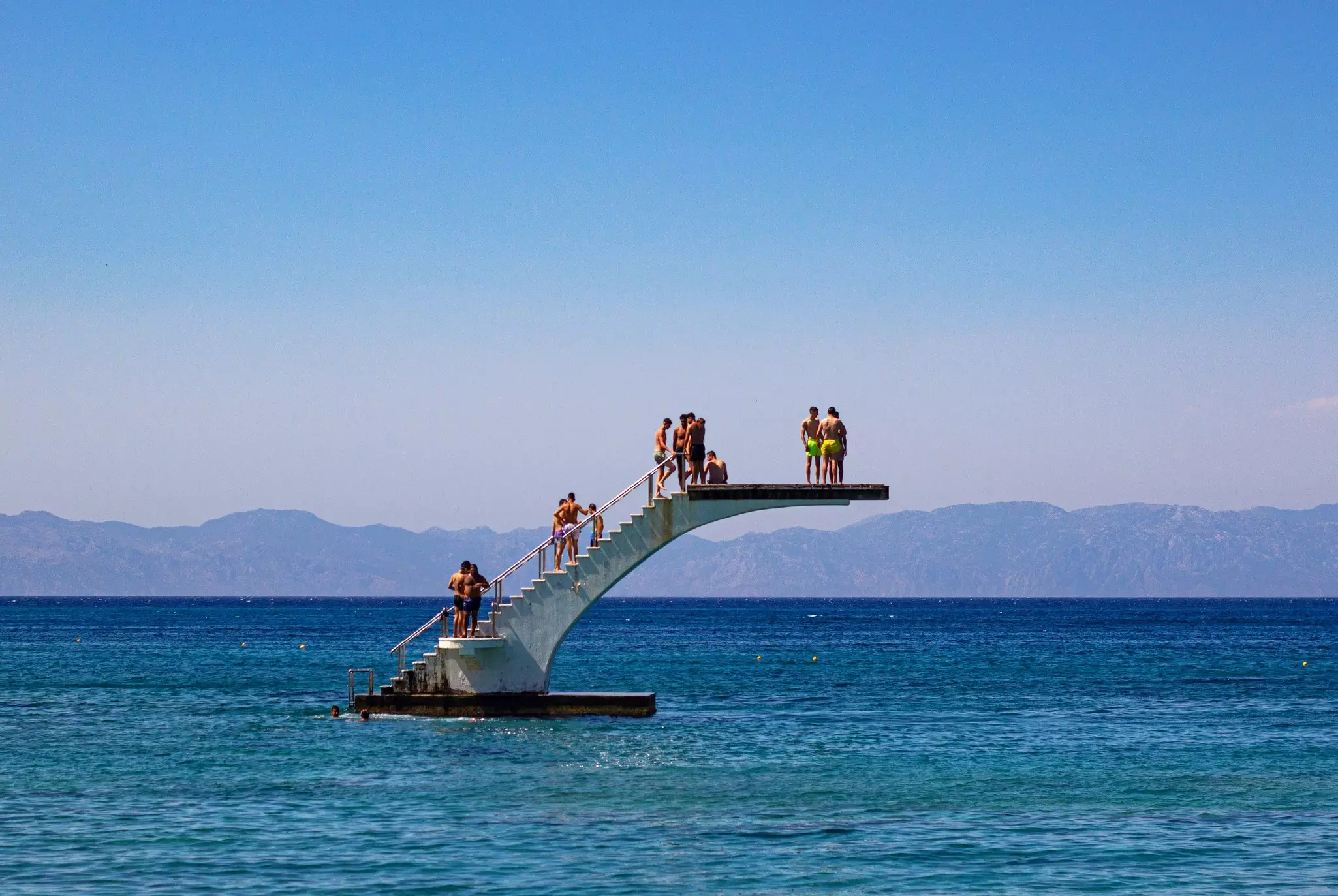
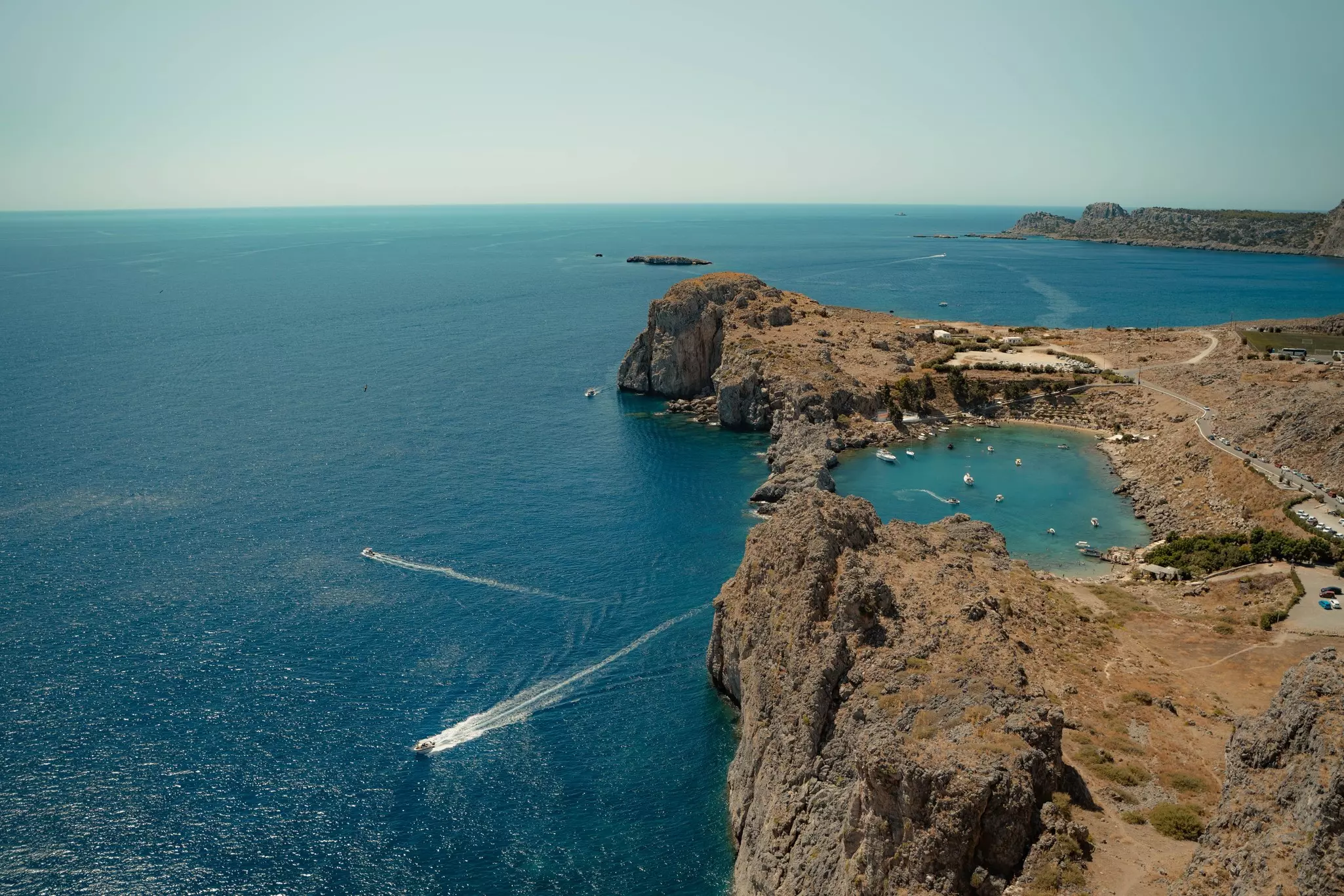
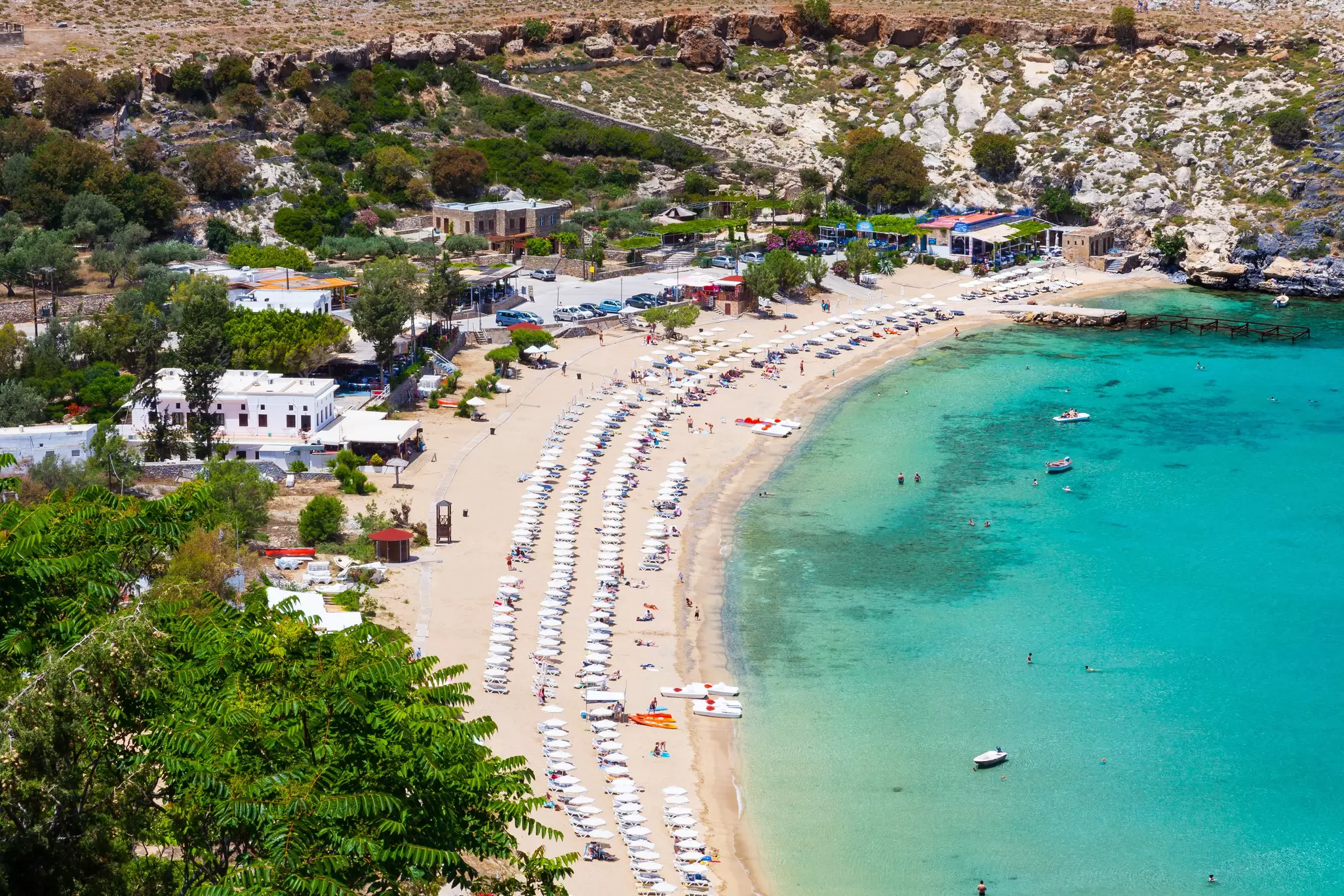
Most of Rhodes’ sandiest beaches lie along the island’s eastern coast, between Rhodes Town and Lindos. Consequently, this area is full of package-holiday resorts and tourist bars. The further you continue down the east coast, traffic lessens, villages slow down, and the landscape takes on a more serene look.
In the city and at the beaches, Rhodes is a relaxed place: you can get away with shorts or jeans and casual tops. But for nightlife at high-end restaurants and bars, the scene is more fashionable. Not dressy or formal, just well put together and on-trend. Sturdy walking shoes are a must for the cobbled roads and ruins.
Some of Rhodes’ best treats are locally held secrets…chat with the residents to find out where they like to go. Or simply to dig a bit deeper into local life.
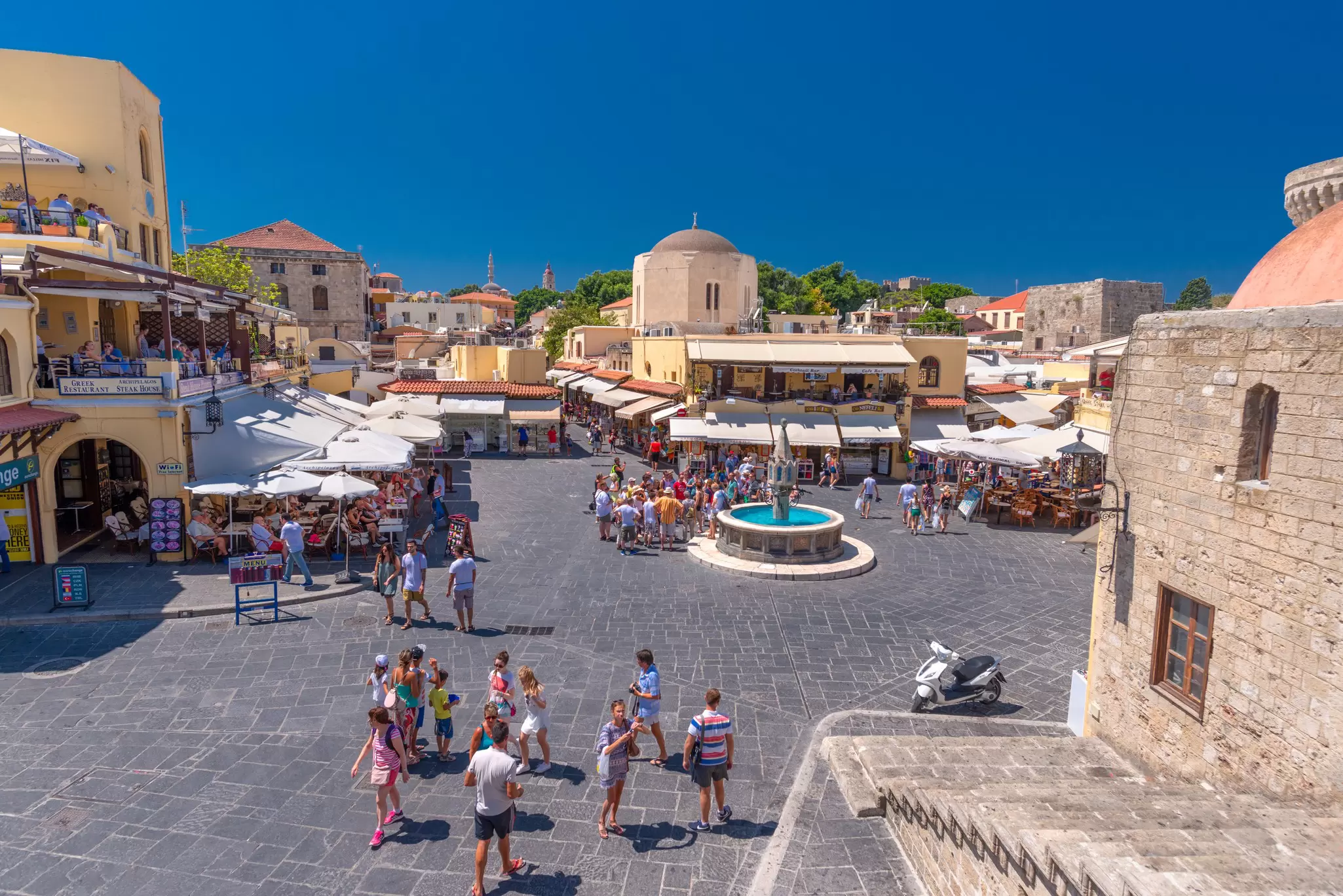
Greeks are wonderful hosts. Don’t refuse their hospitality, whether it’s a drink or something more. You can reciprocate in kind. Nonetheless, if you're at a party bar or resort catering to foreigners, spiked drinks are not uncommon; keep your hand over the top of your glass, and don’t take a drink from a stranger unless you see the bottle opened and poured by the bartender. More often than not, the perpetrators are foreign tourists, so make no assumptions.
Gentle bargaining is acceptable in flea markets and other street markets, but elsewhere you are always expected to pay the stated price.
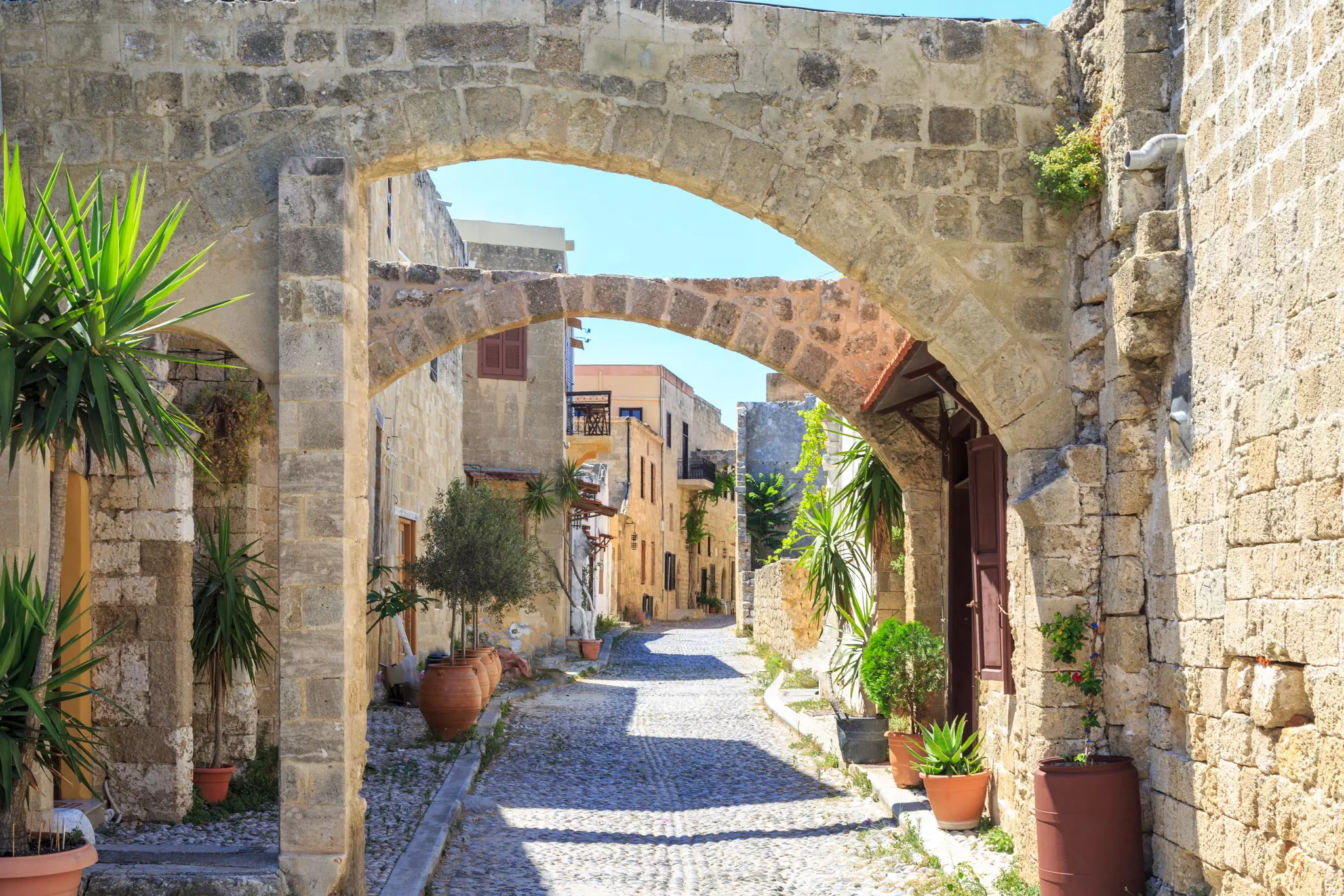
While Rhodes doesn’t have a traditional tipping culture, because it’s now a tourist hot spot, it’s polite to offer small tips. Give porters 1 euro (€) per bag and housekeepers €1 per night. At a restaurant, a small tip directly to your server is customary for good service. Round up the bill or tip 10%, always in cash. You’re not expected to tip in taxis, but rounding up to the nearest euro is always welcome.
If you visit churches, cover up with a shawl or long sleeves and a long skirt or trousers to show respect. Avoid using a flash or photographing the main altar, which can be taboo. At archaeological sites, you might be stopped from using a tripod; it marks you as a professional, which requires special permits.
For people from the USA and the UK, the nodding or shaking of heads can be confusing in Greece. When you’re in Rhodes: "Yes" is a swing/nod of the head and "no" is a curt raising of the head or eyebrows, often accompanied by a "ts" click of the tongue. Sort of the opposite of those other countries.
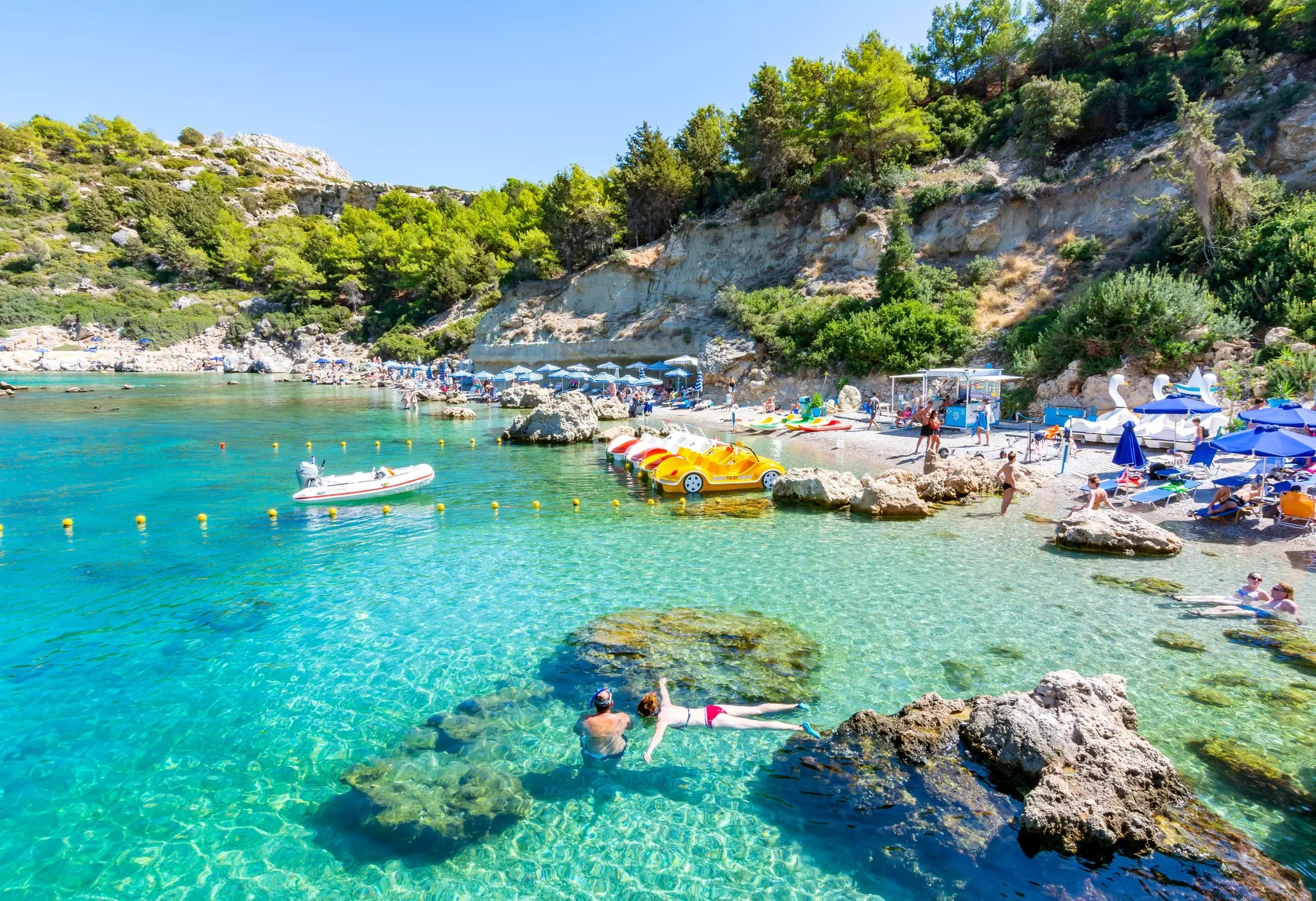
Be careful when in the sea, especially at isolated beaches and coves, because those smooth waters may be hiding powerful offshore currents.
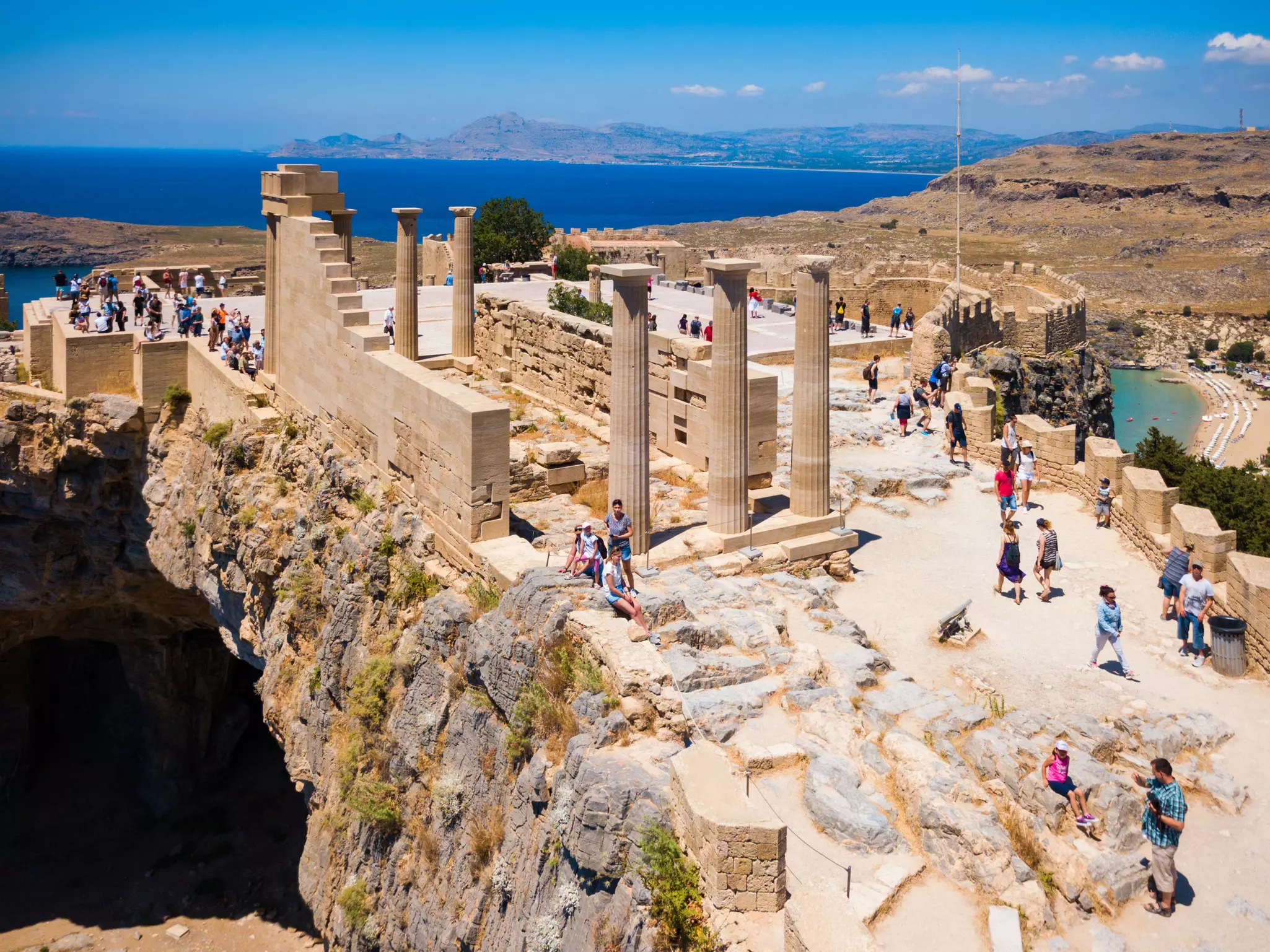
If you’re traveling with kids, be mindful at ancient sites without safety fences. The island is dotted with crumbling castles above the sea, with perilous drops from the walls. Generally, Greeks love children, so yours will be fussed over wherever you go. Teach them a few Greek words, and they’ll be even more warmly welcomed.

Tap water is technically drinkable in Rhodes since a lot of it comes from reverse osmosis plants, but always ask locally since some people do not like the flavor; if in doubt, drink boiled or bought water. Consider the environmental impact before reaching for single-use plastic bottles; your hotel may have a refill station.
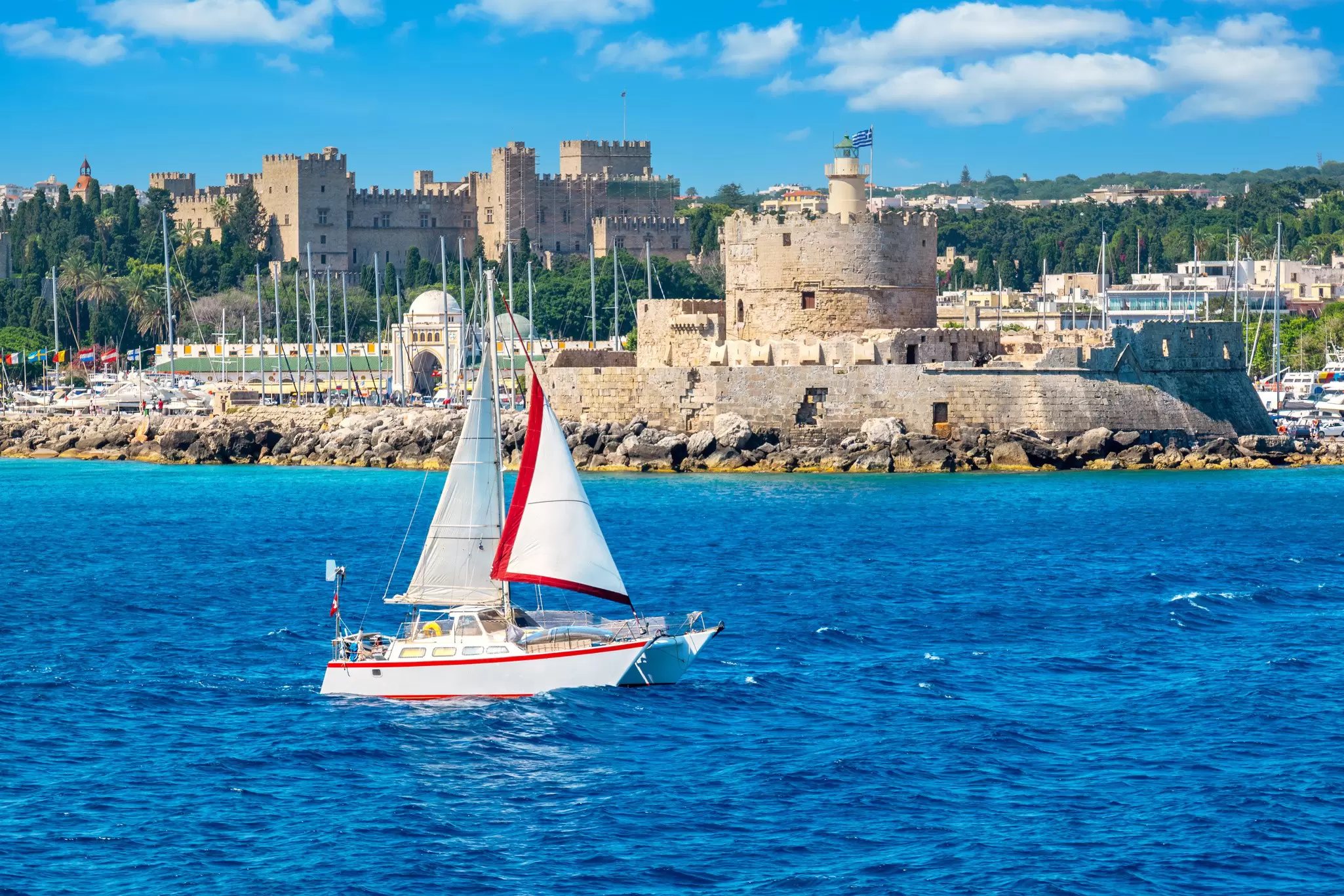
Rhodes has an airport with direct international flights, so if you’re short on time, flying is the most efficient option. If you have time, though, and are up for a bit of a cruise, Rhodes Town is the main port in the Dodecanese. In summer, boats also go to the Turkish resorts of Bodrum, Marmaris and Fethiye. Many hotels and rental-car outfits will send someone to pick you up from the ferry or airport. When you book, see if port/airport transfer is included.
Nothing quite says traveling in Greece like standing on a boat deck with the sun on your face. Ferries to Rhodes include huge high-speed car ferries or mega-catamarans and slower, usually larger, traditional ferries. These larger boats often have cabins – a comfortable way to travel on overnight sailings. A downside of some high-speed ferries is that they may have limited outside deck space or won’t allow you outside.
Ferryhopper is good for browsing schedules and timetables, but it’s better to book your ticket directly with the ferry company, in case you need to change or cancel later.
The Old Town is very walkable, with plenty to do and see, and if you’re just there for a quick visit, you don’t need a car. Local buses serve the town and cover most of the island. The most frequent routes run along the eastern shoreline to Lindos.
To fully explore the island as a whole, though, rent some wheels. If your hotel is in the Old Town, be aware that you can’t drive into that district, so it makes sense to rent a car only for the actual day(s) you’ll use it.
There are also taxis, and Rhodes Town’s main taxi rank on the northern edge of the Old Town, just east of Plateia Rimini (Rimini Sq), has a board displaying set fares for important destinations.
Parking can be challenging in summer, so a scooter or quad bike (ATV) can be convenient. Plus, you get that whole wind-in-your-hair feeling. You have to show a license to ride any bike from 50cc up. Helmets are required, rental agencies must offer one, and you should wear it (accidents are common).
You’ll notice that those driving slowly on a single-lane road tend to pull over to the right onto the hard shoulder or "safety" lane, allowing other drivers to pass. Pay attention to oncoming traffic if you’re overtaking, and pull over to let people pass if you notice a line of cars accumulating behind you.
You didn’t come all this way to eat pizza and drink beer, did you? Greek tavernas are disarmingly laid-back, and when you hit a good one, the food is fresh and delicious, usually with something for everyone. The dress code is generally non-existent, and Greeks prefer to eat late: 2pm for lunch and 9pm or later for dinner. In summer, or at popular places, book ahead or arrive a little earlier than the crowd. When you’re seated, someone will put a basket with napkins and cutlery on the table for you to pass around. In tourist places, they may also bring a bottle of water (which you will be charged for).
When you order, do like the Greeks and order dishes to be shared "family style" at the table. You’ll be given an empty plate so you can serve yourself from the platters. Don’t forget to ask the server for suggestions or daily specials; often the best things aren’t on the menu, since food is seasonal and fish depends on the daily catch.
Ouzo – Greece’s famous liquor – is a spirit distilled from grape must (the remnants of winemaking) and flavored with anise and other spices. It embodies a way of eating and hanging out, enjoyed with mezedhes (small tapas-like plates) during lazy summer afternoons. Sip it slowly. It’s customarily served neat, without ice, and often in a tall, skinny glass called a kanoakia. Then you can add iced water or ice to dilute it, which causes the drink to turn from clear to cloudy white.
Wine has been made on Rhodes since the 7th century BCE. These days, the vineyard heartland is around Mt Attavyros, a green area with an interesting terroir: limestone-rich soil in cypress and pine forests. The island’s main grape varieties include athiri, amorgiano, and two muscats.
Service may feel slow, but eating out in Rhodes is meant to be a laid-back, social affair. Tables generally aren’t cleared until you ask for the bill, which in traditional places may come with complimentary fruit, sweets or yogurt and/or a shot of liquor.
In some tavernas, especially in very rustic places, the bill might simply be a piece of paper with nothing but a scribbled total. Unfortunately, bill-padding and overcharging do happen in touristy areas, so pay attention.
Explore related stories