Jul 24, 20269 min read
Burning Man: Everything You Need to KnowAug 14, 2026
8 MIN READ
Writer
With its isolation, climate and activities, Nevada is a great place to try Sleepmaxxing. Ben Buckner/Lonely Planet

Writer
Highlights
Nevada's natural darkness, cool temperatures, dry air and days filled with activity are ideal for sleepmaxxing.
Lonely Planet may earn a commission from affiliate links on our site. All recommendations and reviews reflect our own independent opinions.
A coyote whined as I stepped out of the yurt, eyes adjusting to the darkness around me. It was cold, but for the first time in months I could breathe through my nose – the dry Nevada air a relief after a long, humid Alabama summer. I was bone-tired after a long flight and a day on the road, and all I wanted to do was gawp at the vivid Milky Way for a few minutes before collapsing into an overstuffed bed.
But first I needed to check my Apple Watch.
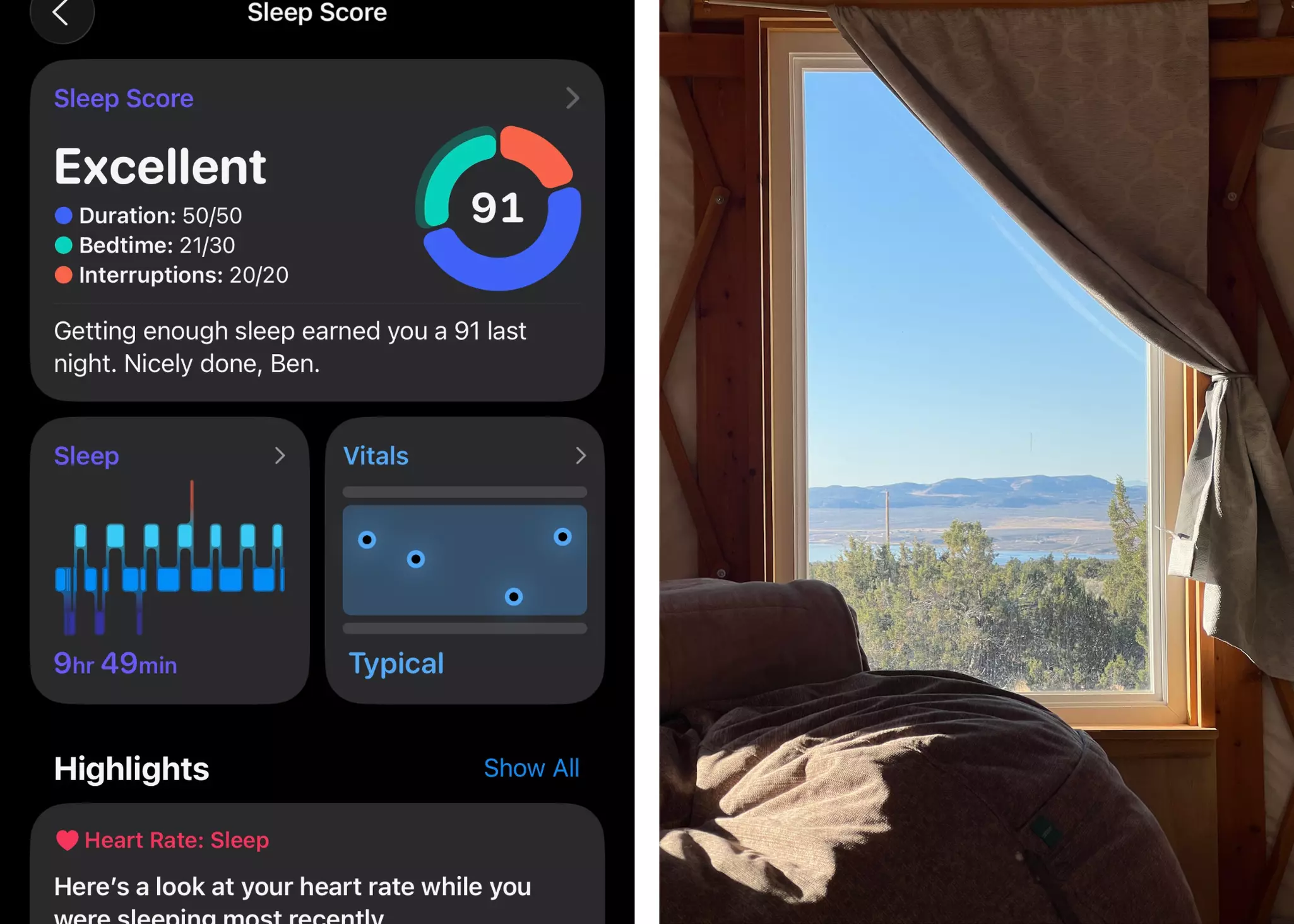
I had come to northern Nevada with the assignment to dip my toes into sleepmaxxing, the trend of optimizing your environment and habits for better sleep. I was skeptical; I'm already a pretty good sleeper, with my Apple Watch showing my sleep scores regularly above 80.
The way I tried sleepmaxxing was simple, but different for me: no caffeine, almost no alcohol, a cool room, a consistent bedtime and some light journaling. Nevada, with its natural darkness, cool temperatures, dry air and days filled with activity, seemed custom-made for the attempt.
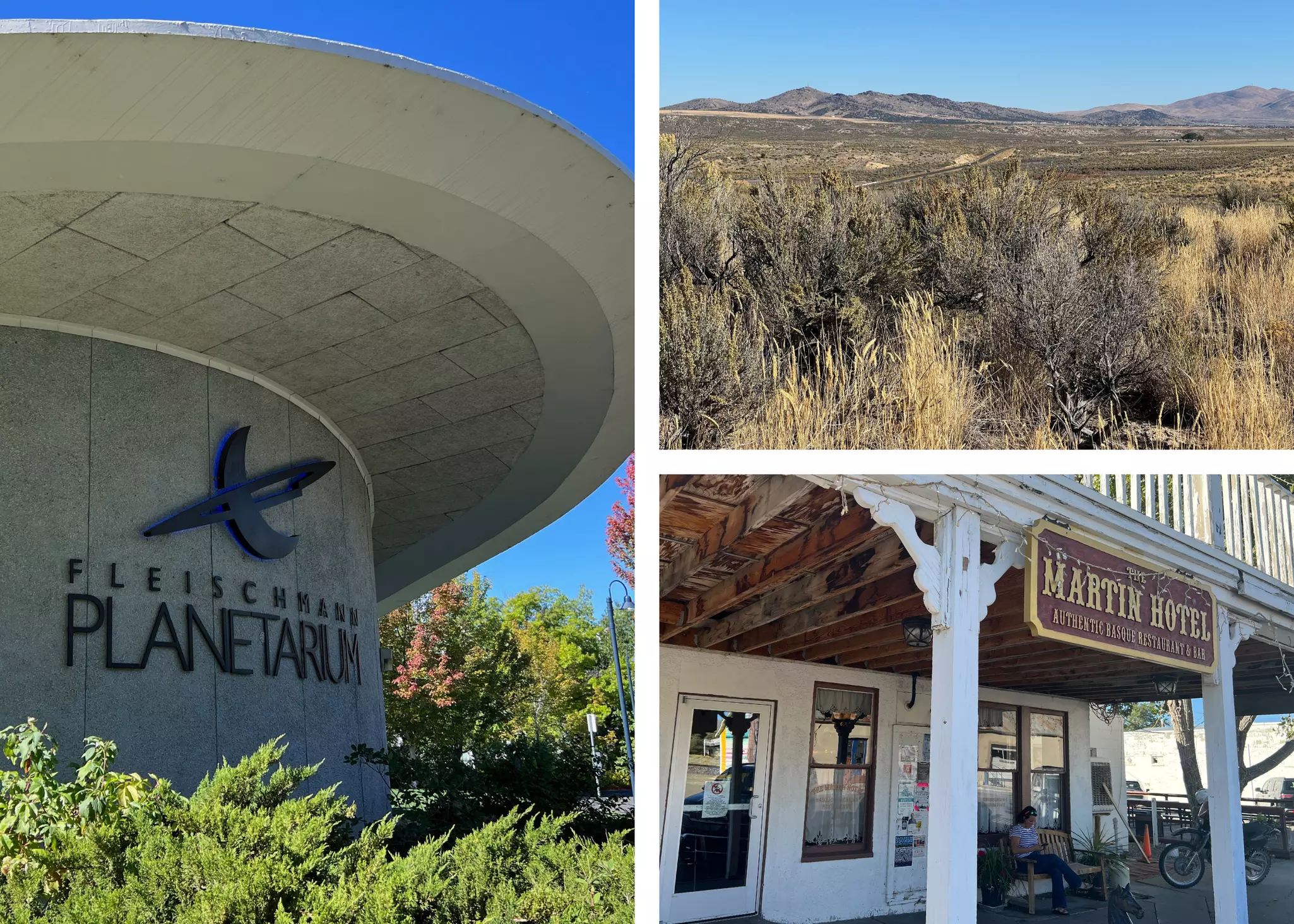
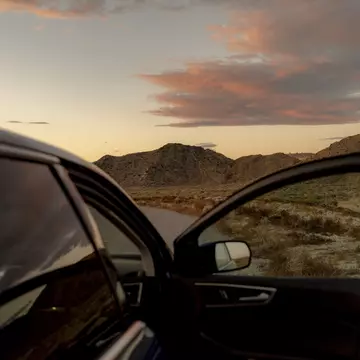
After landing in Reno, I needed an introduction to Nevada's famous dark skies. At Fleischmann Planetarium, director Paul McFarlane walked me through the stars and planets I could expect to see that night. His enthusiasm was infectious, and I left with my head swimming in stories. I headed east on Hwy 80 toward Winnemucca about 2.5 hours away, quickly leaving civilization behind. Broad desert valleys alternated with layers of purple-gray mountains for hundreds of miles. In a crowded world, Nevada still has plenty of space to disappear into.
The Martin Hotel in Winnemucca, I had heard, was the perfect place to sample Basque cuisine: hearty communal meals that are a hallmark of the region's Basque communities. My timing was off to eat, but I did take a few minutes to explore the atmospheric restaurant and chat with some locals. Family-style Basque meals “are from a time where everyone works, and at the end of the day we all came together,” said Bert Bledsoe, a local construction worker. “A part of that life continues.” I’d have to find another opportunity.
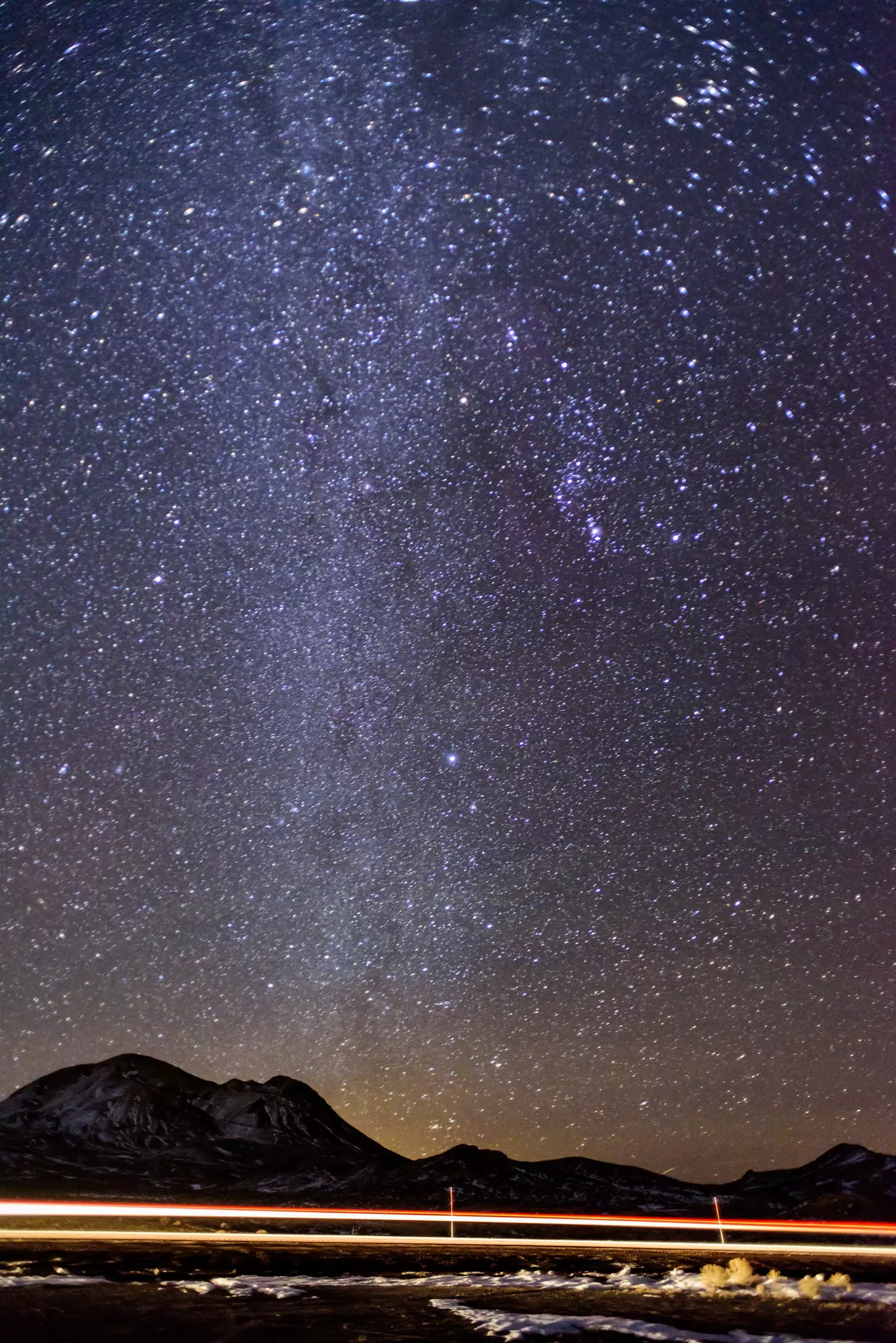
The day was getting uncomfortably short and I still had a long way to go. My accommodations for the night were a remote yurt east of Elko, about two hours farther along I-80, and I didn't love the idea of trying to find it in the dark. I almost made it. The last traces of twilight were fading as I crunched up the gravel leading to the yurt – just enough light to find the door before Nevada's night sky took over.
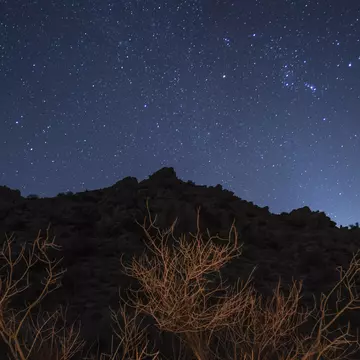
I'd seen dark skies before, but nothing that prepared me for the sheer number of stars visible overhead. My orientation session at the planetarium suddenly felt practical as I identified the constellations in every direction. After half an hour, what struck me most wasn’t the stars but the silence. It was time to pull myself away and get a good night's sleep. I climbed into the rustic yurt, jotted down how I was feeling – weary but inspired – and sank into the mattress.
When I awoke, light from a cloudless sky filled the airy room. Despite my skepticism, I had to admit – I felt extraordinarily refreshed. Later, when I checked my sleep score, it was the highest I'd recorded in weeks: 91.
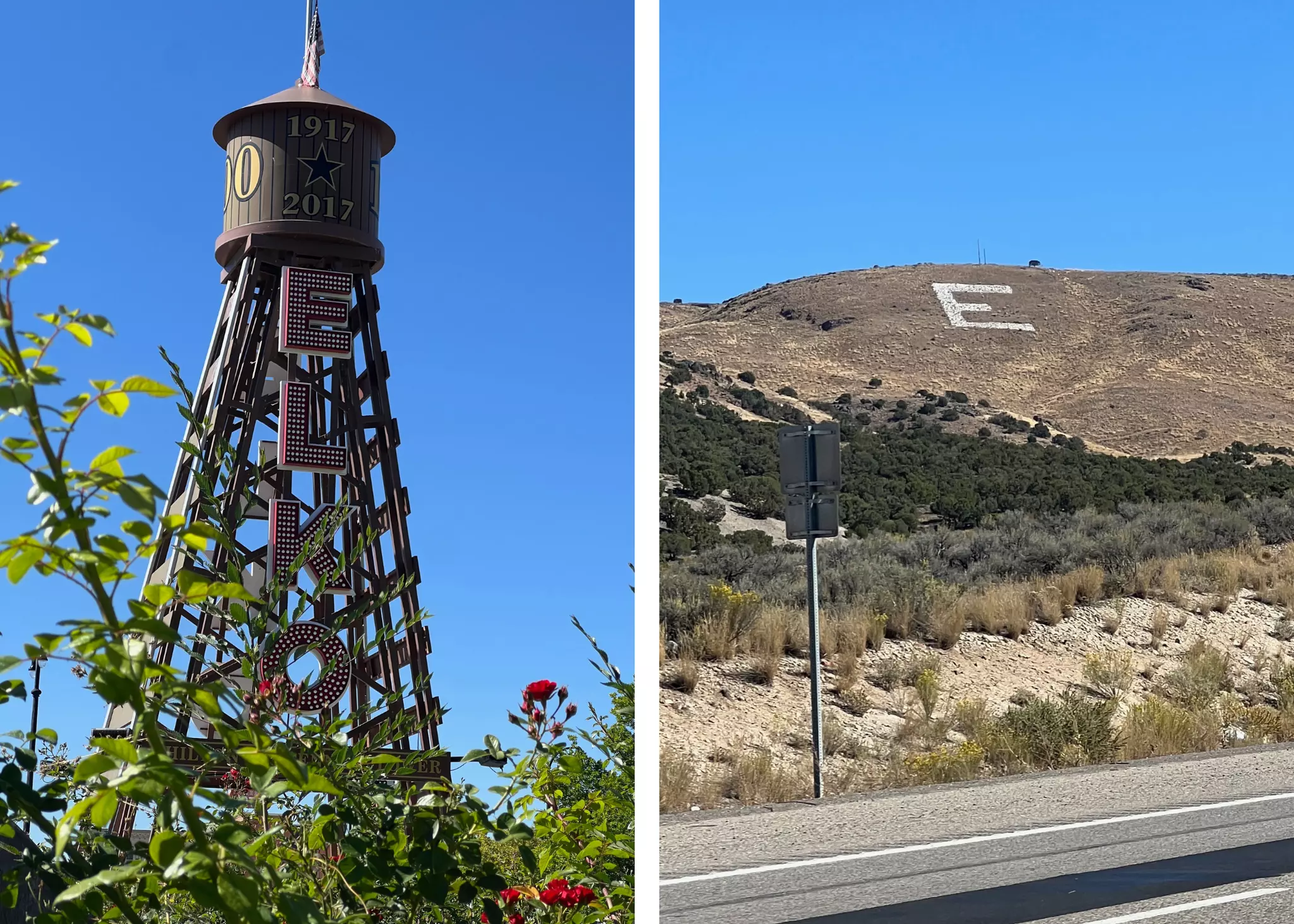
I was eager to explore Elko, so I headed to the Coffee Mug Family Restaurant (no coffee for me!) for breakfast. I asked my server about something I'd noticed on the drive: the giant letters on many of the mountainsides. She explained they're maintained by local high school students, a quirky expression of small-town pride.
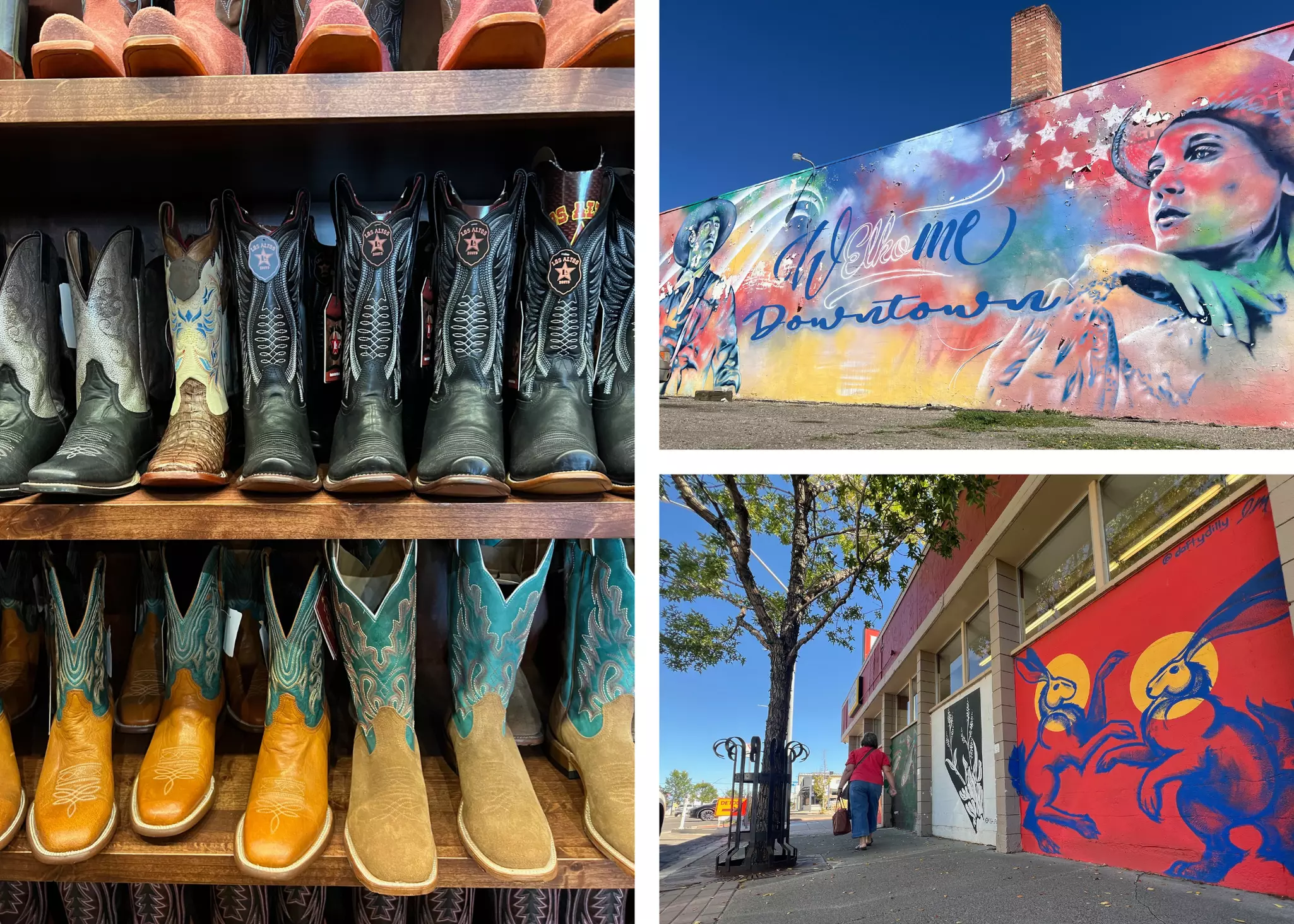
Wandering through the heart of town, I learned about its railroad history before stepping into J.M. Capriola for a look at some cowboy craftsmanship. At first, the smell of leather made me nostalgic as I browsed the rows of tooled and stitched boots, lariats and saddles. But this wasn’t a costume shop; this was a place for real tools of the trade. It was nice to think of cowboy culture as something current, instead of a bygone time.
As I continued to stroll, nearly every turn revealed another mural. Elko is covered in art celebrating everything from Basque roots to ranching traditions, transforming a walk through downtown into a visual history of the region.
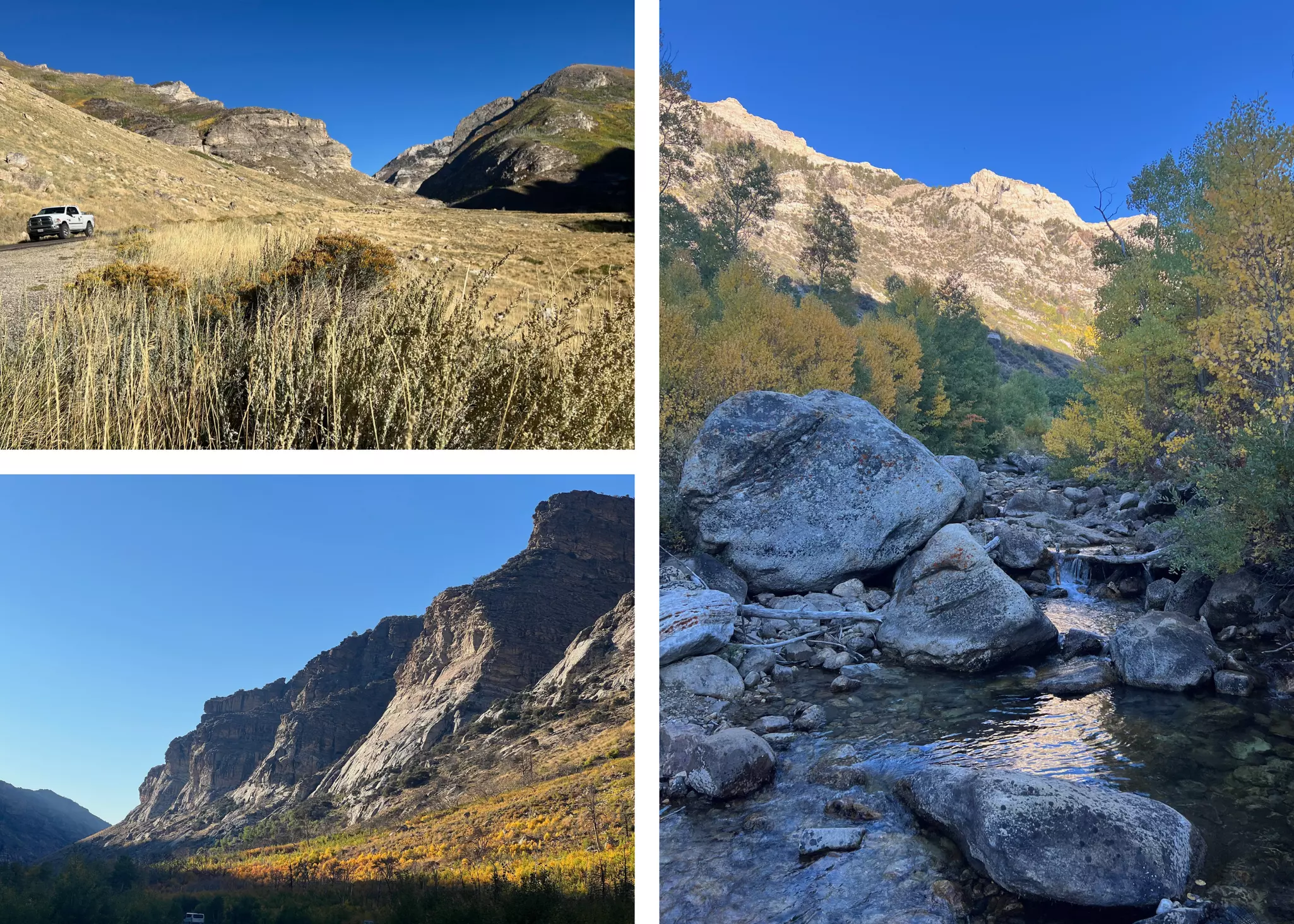
Desert landscapes transitioned to alpine as I headed about 40 minutes into the stunning Ruby Mountains toward Ruby 360 Lodge. In a few weeks, heli-skiers would arrive for the deep, dry snow, but in late September the lodge was quiet. In contrast to the more rugged, organic sense of rest I’d experienced so far, this was a place of designed comfort.
After checking in I headed for Lamoille Canyon. The craggy peaks enclosing the glacier-carved canyon felt like a weighted blanket as I climbed the 12-mile scenic byway. I took a break from driving to hike a short roadside nature trail, where aspens hid a babbling creek, and one of the most impressive beaver dam constructions I’ve ever seen.
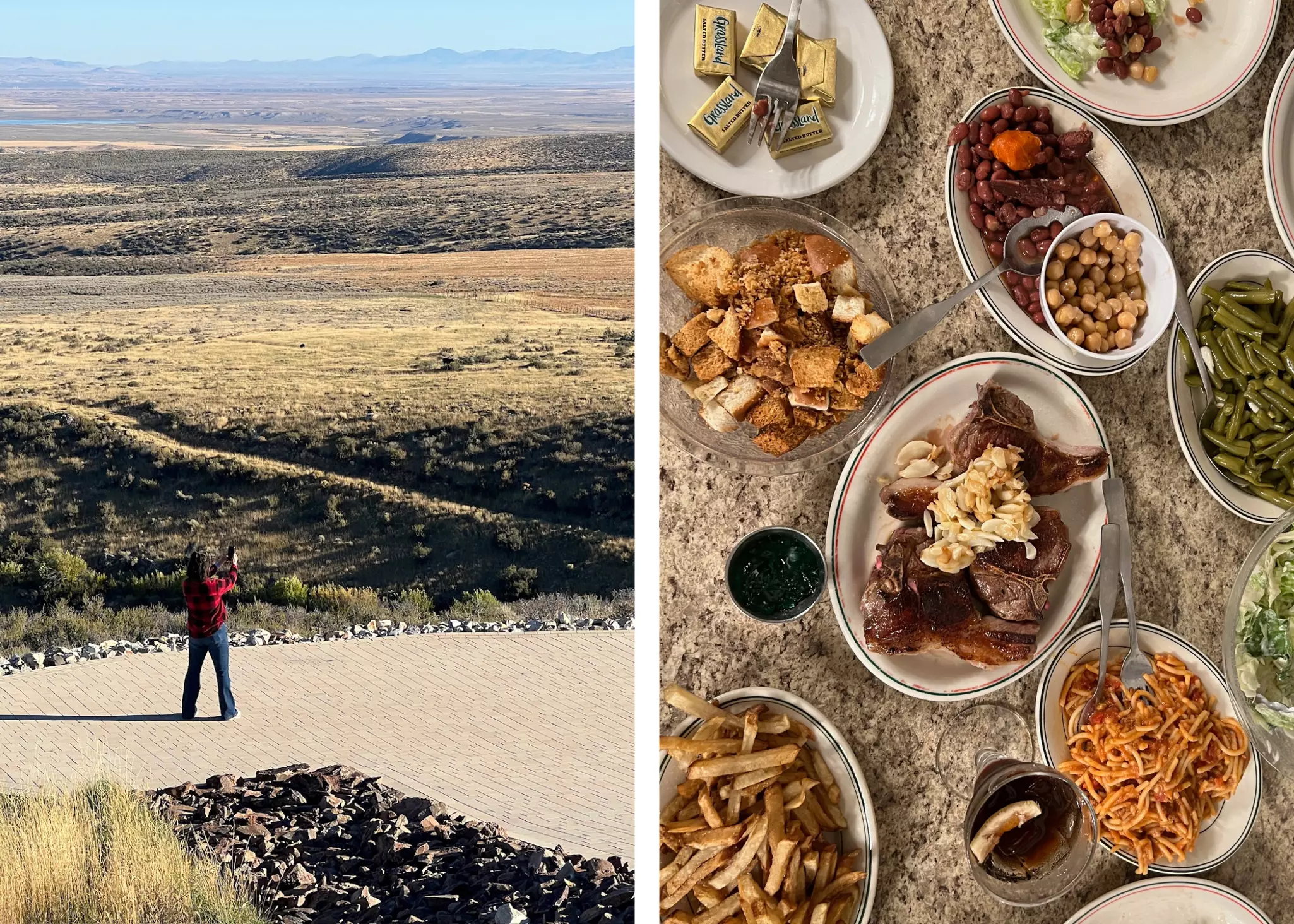
Shadows were filling the gaps between the peaks as I left the canyon, but there was some unfinished business. This might be my last chance to get a taste of Basque comfort food. At the historic Star Hotel, beans, pasta, and salad were just the leadup. By the time the lamb chops arrived, I was convinced the meal was over (it wasn't). And even though I was avoiding alcohol, I couldn’t skip the signature cocktail: Picon Punch.
The lodge might be designed for comfort, but this sleep felt naturally earned.
I woke slowly in a sunlit room, savoring the quiet that seemed to fill every corner of the lodge. It was going to be a bright, crisp fall day. My sleep score almost seemed beside the point (for the record, a perfect 100). Outside, an empty powder-blue sky stretched over the Ruby Mountains, and my head felt just as clear as I pointed the car back toward Hwy 80 and Wells, about an hour and a half away.
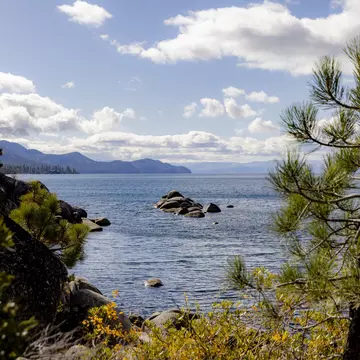
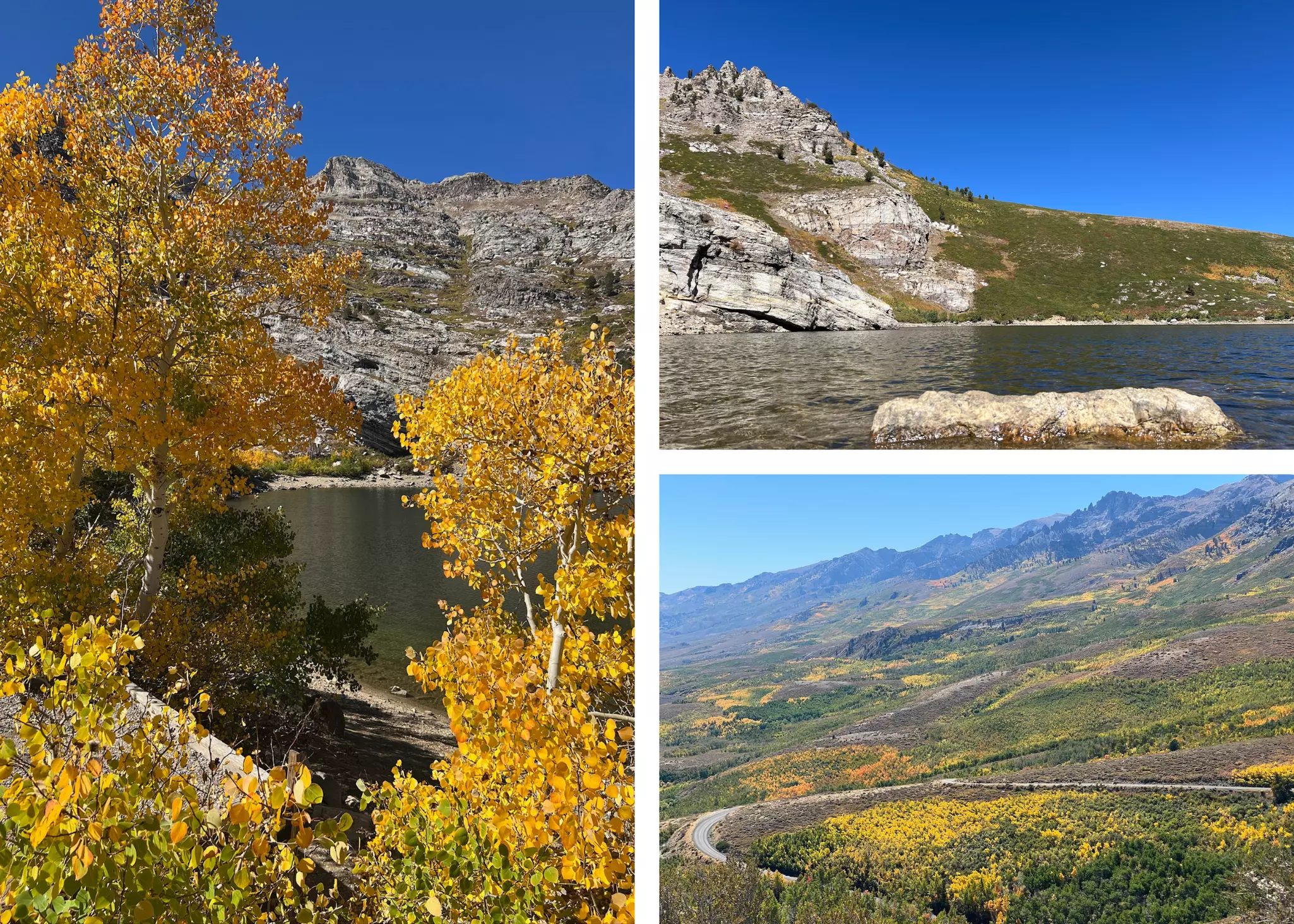
Turning up a road almost hidden behind a truck stop and an RV park, the landscape slowly transitioned from long, graceful climbs through fields of sagebrush and tall grasses, to tight switchbacks cut into sheer walls overlooking valleys streaked with aspen groves turning for fall. At the top was stunning Angel Lake, enclosed by white-gray peaks and reflecting brushstrokes of yellow and green. It felt like a secret.
Lazy ripples lapped against massive boulders scattered almost casually in the water. A light breeze rattled the leaves that grew so closely together they made gilded tunnels beneath the granite walls. For more than an hour I scrambled along a faint trail, working my way around the lake, over the boulders, and through the corridors of gold. Occasionally a break in the trees offered a dream vista. Somewhere along the trail I stopped thinking about sleep entirely.
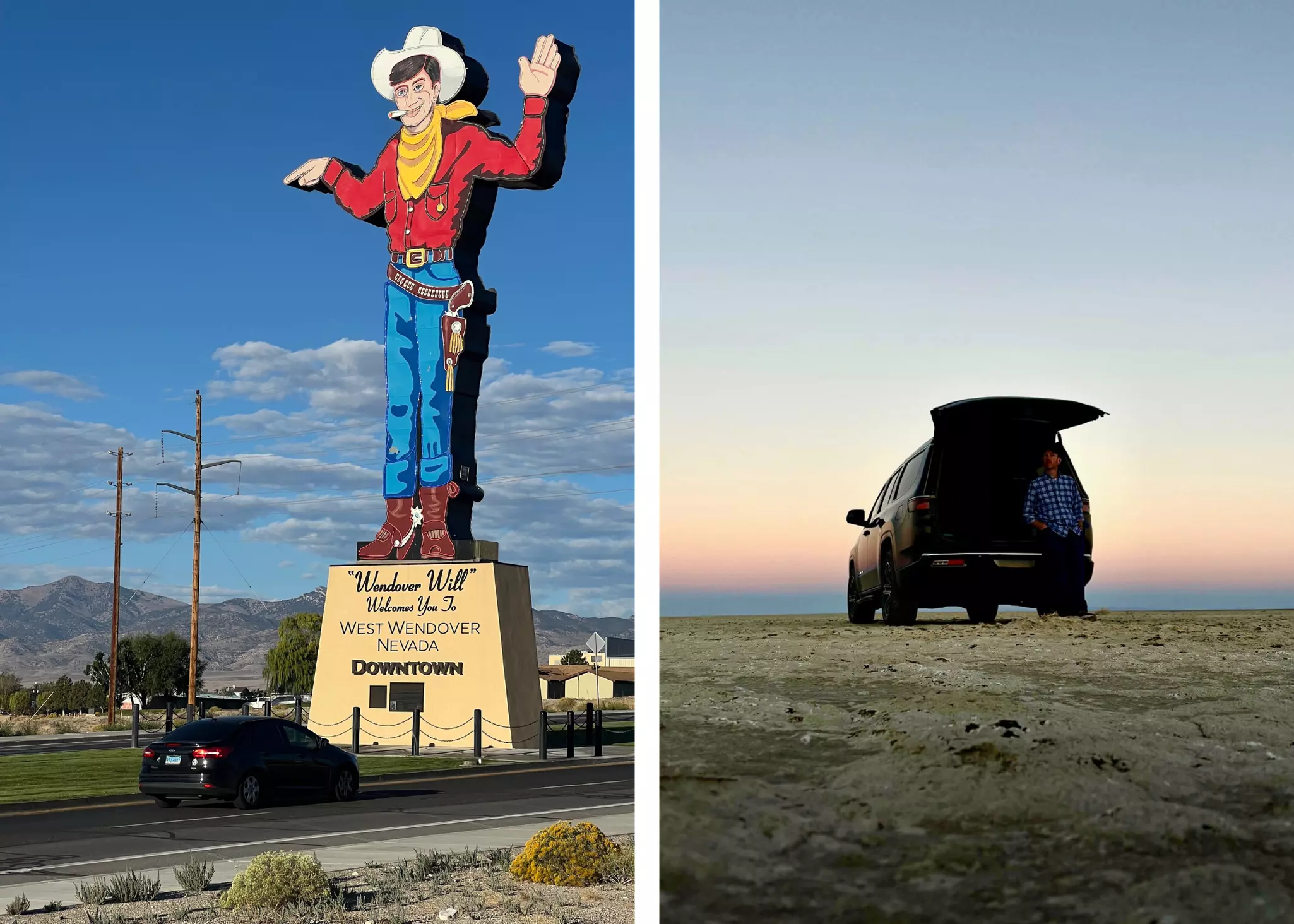
Reluctantly, I climbed back in the car. My last stop lay ahead: the casino town of West Wendover, on the Utah border. With its lights and stimulation, presided over by giant neon cowboy Wendover Will, it was a fun place to end the trip. But it also represented a return to a different kind of life. I found myself drawn instead to the surrounding salt flats, where the sky felt larger, the horizon farther away and the pace of life more in line with the Nevada I'd come to appreciate.
Maybe my sleep scores improved because I cut caffeine and kept a consistent bedtime. Or maybe it was the dark skies, dry air, cool nights and long days spent exploring Nevada. Somewhere between the coyote’s whine, the murals, the canyon, the lamb chops, and those brilliant aspens, sleep stopped feeling like something to optimize and started feeling like something that happened naturally.
Ben Buckner visited Nevada at the invitation of Travel Nevada. Lonely Planet does not accept freebies in exchange for positive coverage.
Explore related stories